TLP:CLEAR · Disclosure is not limited.
Iran-Israel Escalation: Military Signalling, Hormuz Disruption and Regional Spillover
Time window: Last 1 day · Audience: General analyst · Type: Situation report · DTG: 2026-11-12 09:50Z · Overall confidence: HIGH
BLUF
Israeli reporting of preparations for a possible attack on Iran, alongside Tehran's threats of retaliation without geographic limits, leaves a roughly even chance of direct Israel-Iran escalation in the next 14 days. Available reporting does not establish a decision to strike or a confirmed US-Iran negotiating channel; disruption in the Strait of Hormuz and the 12 November strike on Nasser Hospital add regional and humanitarian pressure.
Executive summary
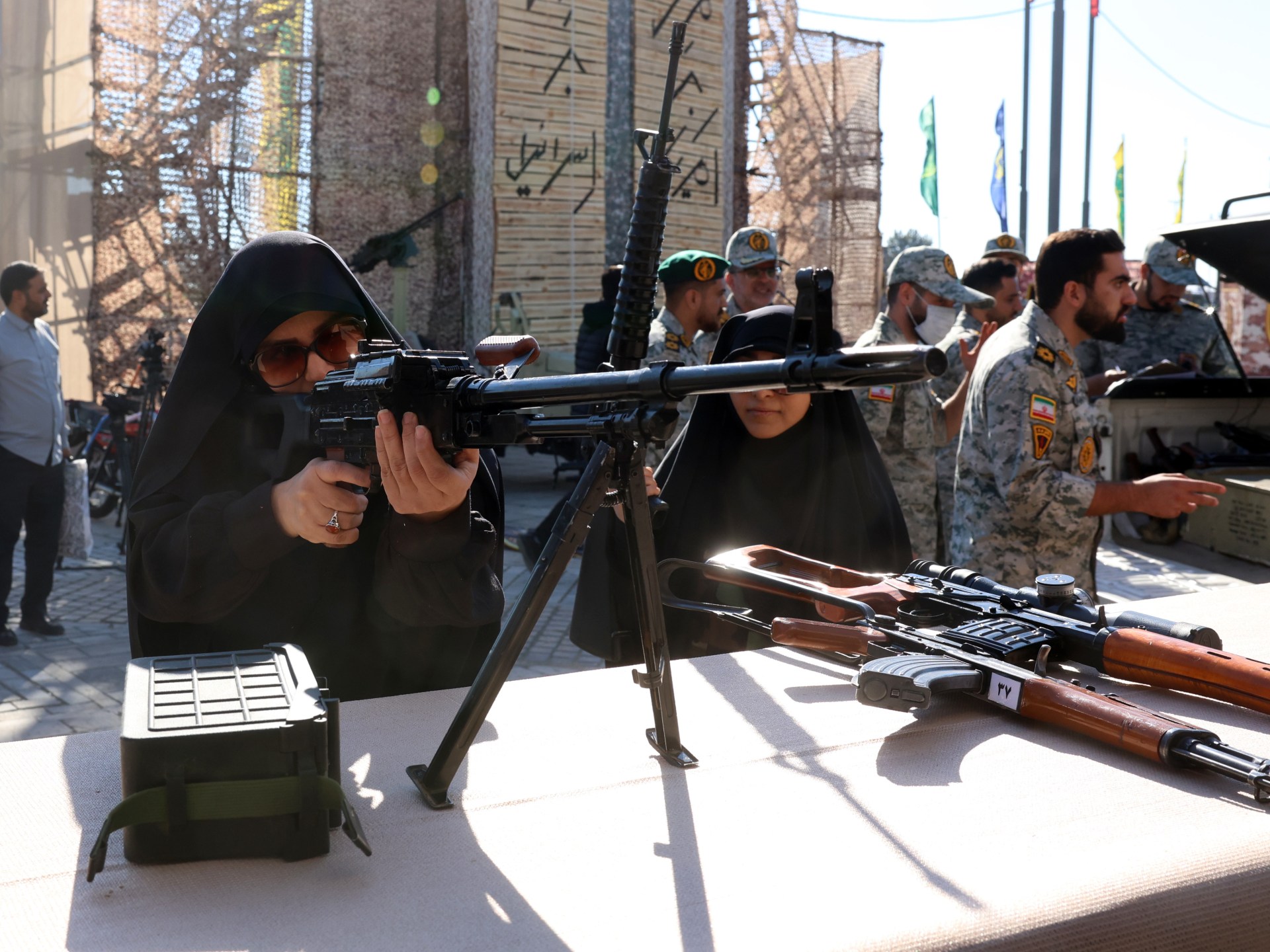
Israeli media report that the security cabinet ordered increased military preparations for a possible attack on Iran. Iranian officials have threatened retaliation against locations beyond the immediate region, including US bases, but the claims do not establish an operational decision or demonstrated capability. Washington's public messaging remains mixed: Donald Trump says he is prepared to resume military action if Qatar's diplomatic effort fails, while Marco Rubio says large-scale operations are not currently needed. Iran denies that talks are under way, and a report of Qatari-mediated discussions at the White House lacks joint confirmation. The International Maritime Organization had recorded 133 confirmed maritime incidents and 25 seafarer deaths by 10 November. Separately, an Israeli strike on Nasser Hospital in Khan Younis killed at least six people and disrupted surgical services; reports differ on the number wounded.
Change from previous assessment
Since the 11 November brief, new reporting says Israel's security cabinet ordered increased preparations for a possible attack on Iran, and Iranian officials have publicly extended retaliation threats to targets without geographic limits, including US bases from West Asia to Europe. This raises the assessed risk of direct escalation; the prior brief did not identify this Israeli preparation report. The assessment that a publicly confirmed US-Iran negotiating track is unlikely remains, with low confidence, because Iranian officials deny talks while reporting of Qatari-mediated contacts remains unconfirmed by both governments. The Strait of Hormuz remains a central risk, now with the International Maritime Organization's 10 November incident and fatality figures. The Nasser Hospital strike is a new regional humanitarian development. No prior judgment on it was provided.
Key judgments
- An Israeli strike on Iran is roughly even chance over the next 14 days, and the risk of Iranian retaliation has risen. Israeli media report that the security cabinet ordered increased preparations for a possible attack; Iranian officials have threatened retaliation without geographic limits and identified US bases from West Asia to Europe as potential targets. The preparation report is single-source, and the Iranian statements establish signalling, not an attack decision or capability. (Confidence: medium · ASSESSED)
- I&W: Confirm: Israeli authorities or a second independent outlet report an operational order, named force movements or reserve mobilisation for an Iran strike. Break: Israeli authorities report that preparations have been stood down and no strike occurs. (0-14 days)
- I&W: Confirm: Iranian forces conduct a reported strike against Israel or a named US base outside Iran. Break: Tehran publicly withdraws the geographic scope of its retaliation threat and no such attack is reported. (0-14 days)
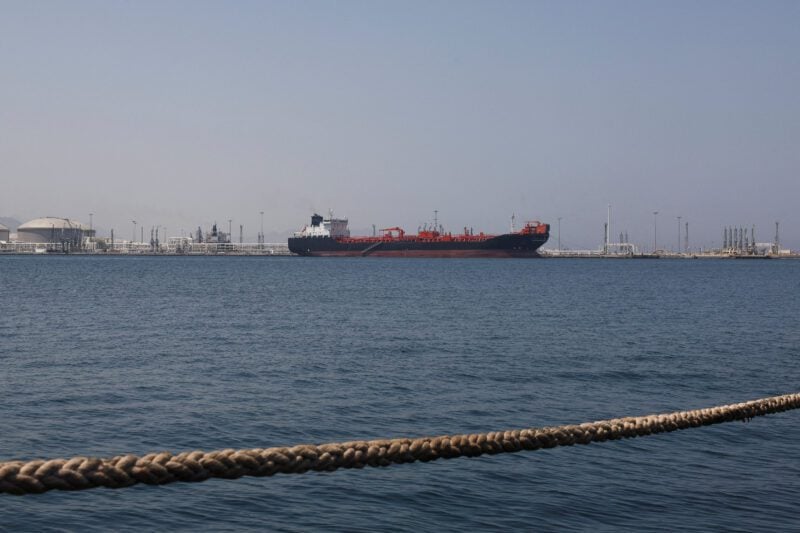
- Further disruption to commercial shipping in the Strait of Hormuz is likely over the next 14 days. The International Maritime Organization reported 133 confirmed incidents involving merchant vessels by 10 November and 25 seafarer fatalities; US Central Command says it is enforcing a blockade against Iran while keeping the strait open. Iranian attacks on vessels are reported, but another account describes attackers as unknown, so attribution remains unresolved. (Confidence: medium · ASSESSED)
- I&W: Confirm: The International Maritime Organization records a new attack on a named merchant vessel in or near the Strait of Hormuz. (0-14 days)
- I&W: Break: The International Maritime Organization reports no new incidents and commercial transit resumes without new disruption reports. (0-14 days)
- A publicly confirmed substantive US-Iran negotiating track is unlikely to emerge over the next 14 days. Trump says he is prepared to resume military action if Qatar's diplomatic effort fails, while Rubio says large-scale operations are unnecessary at present. An Iranian official and Mohsen Rezaei deny that talks are under way; a report that Qatari Prime Minister Mohammed bin Abdulrahman Al Thani held Iran-related discussions with Trump and JD Vance at the White House is not jointly confirmed. (Confidence: low · ASSESSED)
- I&W: Confirm: Washington, Tehran or Doha publicly confirms a named follow-up meeting or a negotiating agenda accepted by both the US and Iran. (0-14 days)
- I&W: Break: Iran continues to deny talks and no US, Iranian or Qatari authority confirms a follow-up meeting. (0-14 days)
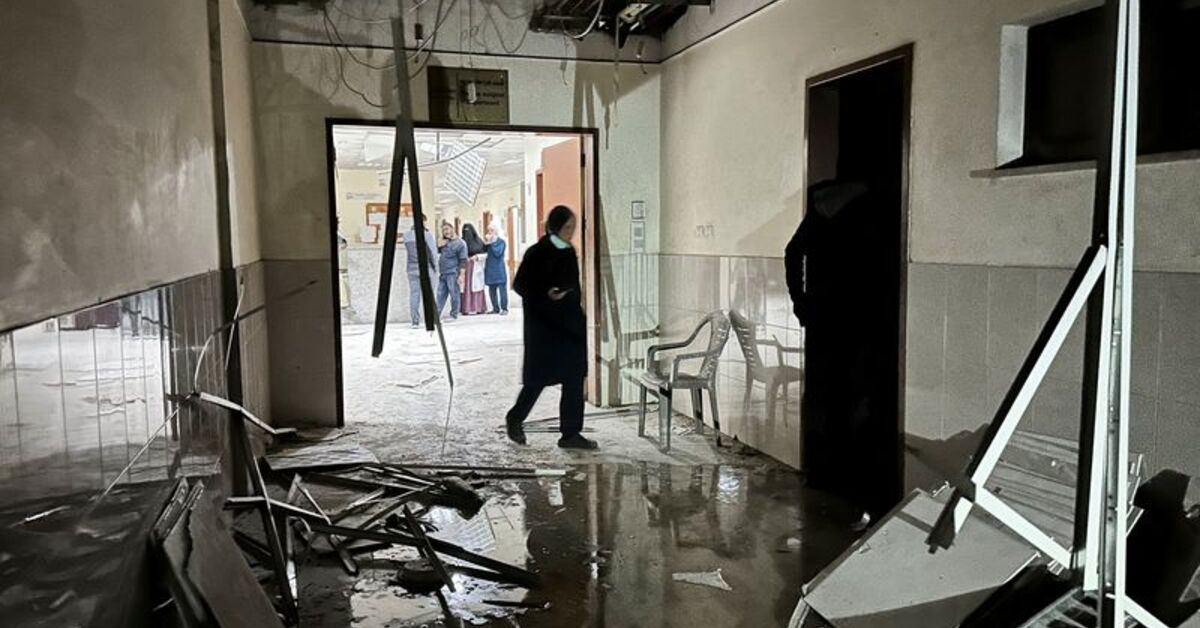
- The 12 November Israeli strike very likely caused an immediate loss of surgical capacity at Nasser Hospital in Khan Younis. Multiple reports say at least six people were killed and at least 20 wounded, and the hospital's surgical ward suspended operations; one account reported 52 wounded, leaving the injury total unsettled. (Confidence: medium · REPORTED)
- I&W: Confirm: Nasser Hospital or Gaza health authorities report that the surgical ward remains closed or that intensive care services remain impaired. (0-14 days)
- I&W: Break: Nasser Hospital confirms the surgical ward has resumed operations and reports no continuing service disruption from the strike. (0-14 days)
Outlook & scenarios
Continued coercive pressure without an immediate direct strike (45%)
The most likely course is that Israel keeps preparations active without launching an immediate strike, while Iran maintains its broad retaliation threats. US forces continue enforcing the blockade, and commercial shipping through the Strait of Hormuz remains exposed to further incidents. Qatar's diplomatic effort produces no publicly confirmed agreement.
Renewed direct Israel-Iran exchange (30%)
Israel strikes targets in Iran after the reported increase in military preparations. Iran retaliates against Israel or US-linked assets, drawing the United States closer to direct military involvement. Shipping disruption in the Strait of Hormuz worsens as the US blockade remains in force.
Limited diplomatic pause (20%)
Qatar secures a limited understanding between Washington and Tehran that delays renewed US military action. The arrangement does not resolve disagreement over the blockade, the Strait of Hormuz or Iran's enriched uranium stockpile, and public statements remain at odds.
Low-probability, high-impact attack beyond the immediate theatre (5%)
Following renewed US or Israeli action, Iran attacks a US base outside the immediate Middle East theatre, consistent with the geographic scope of Iranian officials' public threats. The strike draws additional states into the confrontation and sharply increases pressure on regional shipping and diplomacy.
Recommendations
- Prioritise corroboration of the reported Israeli preparation order. Separate confirmed force movements or formal decisions from single-source media reporting and public rhetoric.
- Track Iranian statements about target geography separately from evidence of operational activity. Do not present threats to US bases in West Asia or Europe as proof of an attack plan or demonstrated capability.
- Use International Maritime Organization incident records to update Strait of Hormuz totals. Report incident counts separately from attacker attribution, which remains disputed in the available reporting.
- Seek public confirmation from US, Iranian and Qatari authorities before describing the Qatar channel as substantive negotiations. Record whether any follow-up meeting has a named agenda and participation from both Washington and Tehran.
- In reporting on Nasser Hospital, retain the minimum corroborated figure of at least 20 wounded and note that another report gives 52. Track whether the surgical ward and intensive care services resume.
Confidence & uncertainty
Overall confidence is high in the factual situation snapshot: multiple major-media and wire-service reports corroborate the Nasser Hospital strike, while International Maritime Organization records provide a defined count of confirmed maritime incidents and seafarer deaths. Confidence is lower on near-term attack decisions, the operational meaning of Iran's threats and the status of Qatar-mediated contacts. The reported Israeli preparation order rests on a single account, and shipping attribution and hospital injury totals remain contested. The high headline confidence applies to the reported situation, not to the forecasts.
Alternative analysis (red cell)
The available shipping evidence establishes a serious and continuing maritime hazard, but not necessarily a further deterioration over the next 14 days. The incident total in claim e6e3923f-618b-475f-8b8d-d1a6279958fe is retrospective, attribution remains contested between claims e70c53dd-793c-4498-8fbf-63dd76e80a53 and 7a16460c-8330-4e78-95cc-afeef719f52f, and claim 921b2686-67af-4576-846f-7ee7155eb05a indicates an effort to keep the strait open. A more defensible reading is that disruption risk remains elevated, while the direction and magnitude of change are uncertain.
Intelligence gaps
- [EEI 1.1 · PARTIAL] Observed repositioning, sustained increases, or new forward basing of Iranian conventional or IRGC forces (armored units, missile batteries, aircraft, naval vessels) toward borders or regional launch points. Recommended collection: IMINT/satellite
- [EEI 1.2 · PARTIAL] Hezbollah or other Iran-aligned proxy forces conducting mass mobilization, visible rocket/artillery emplacements, cross-border firing incidents, or preparations for cross-border operations from Lebanon, Syria, Iraq or Yemen. Recommended collection: HUMINT/ground ISR
- [EEI 1.3 · PARTIAL] Detection of increased missile/rocket/torpedo launch events attributable to Iran, Israel, or proxies (launch signatures, trajectories, impact points) indicating a sustained campaign rather than isolated strikes. Recommended collection: SIGINT/IMINT/air-defense radar
- [EEI 1.4 · UNCOVERED] Interdicted or observed shipments (air, sea, land manifests, seizures, satellite imagery of transfers) of advanced weapons or missile components from Iran toward proxy groups or forward staging points. Recommended collection: maritime/AIS
- [EEI 2.3 · PARTIAL] Significant and sustained reductions or rerouting of tanker transits through the Strait of Hormuz (ship traffic counts, pilot reports, port call cancellations) and announcements of closure or restricted navigation zones (NOTAMs, maritime advisories). Recommended collection: maritime/NOTAMs
- [EEI 3.1 · PARTIAL] Movement/arrival of major foreign military assets into the region: US carrier strike groups, amphibious ready groups, strategic bomber flights, Russian/Chinese naval taskings, or allied expeditionary units (visible in AIS, NOTAMs, satellite imagery, official releases). Recommended collection: IMINT/satellite
- [EEI 3.2 · UNCOVERED] Official expedited arms transfers, basing/overflight agreements, or declarations of operational support (formal government announcements, defense ministry releases, logistics flight manifests). Recommended collection: open-source/diplomatic
- [EEI 3.3 · UNCOVERED] Embassy evacuations, large-scale personnel movements, issuance of government travel bans/advisories, or multinational security alerts affecting foreign nationals and diplomatic posture in the region. Recommended collection: diplomatic/open-source
Red cell review: PARTIAL DISSENT
TLP:CLEAR