TLP:CLEAR · Disclosure is not limited.
Iran, Israel escalation: reciprocal strikes, Hormuz risk and a fragile Doha track as the northern front hardens
Time window: Last 1 day · Audience: General analyst · Type: Situation report · DTG: 2026-07-01 10:15Z · Overall confidence: MEDIUM
BLUF
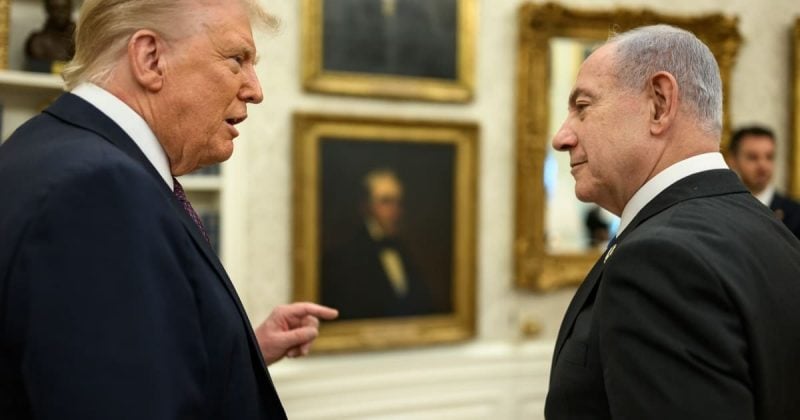
Reciprocal Iran, US/Israel strikes and proxy activity are continuing while Hormuz shipping only partially recovers and Tehran pushes to control transits, keeping energy and aviation risks high. The Doha diplomatic track is fragile, the planned de-escalation cell was cancelled amid renewed violence, and Lebanon’s front is hardening as Hezbollah and Nabih Berri reject the framework and Benjamin Netanyahu visits troops in southern Lebanon.
Executive summary
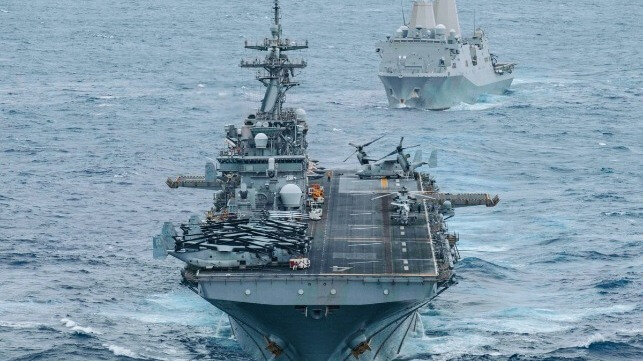
The conflict remains kinetic across multiple theatres. The United States and Israel launched joint airstrikes on Iran on 28 February, followed by US strikes on military infrastructure in southern Iran and Iranian missile and drone attacks on Israel, US bases and Arab states, with Iran-aligned groups striking US facilities in Iraq. A scheduled multilateral meeting to launch a Washington, Tehran, Lebanon de-escalation cell was cancelled due to renewed escalation, even as the United States announced talks in Doha. Iran is reiterating its intent to control traffic through the Strait of Hormuz and is seeking an oversight arrangement with Oman, while shipping volumes are recovering from a contraction of more than 95 percent and tankers continue to transit. UNCTAD judges the reopening may ease immediate pressure, yet fallout persists, oil has hit multi‑year highs and LNG supply has been curtailed. In Lebanon, Hezbollah MP Hussein Haj Hassan and Speaker Nabih Berri reject the framework, the Lebanese presidency discussed army tasks tied to negotiations, and Prime Minister Benjamin Netanyahu visited troops in southern Lebanon, with his proposal assessed to reduce the chance of a deal with Hezbollah. In the Gulf, Tehran has publicly threatened US‑linked sites in the UAE, US advisories cite armed conflict and terrorism risks, and the FAA has cautioned US carriers.
Change from previous assessment
Since the prior brief, shipping through Hormuz has begun to pick up with daily transits recovering and traffic increasing on 30 June after a >95 percent contraction, while Iran has reiterated control ambitions and floated an Oman oversight role, threatening unilateral moves if needed. A planned multilateral meeting to launch a Washington, Tehran, Lebanon de‑escalation cell was scheduled then cancelled at the last moment amid renewed escalation, even as Doha talks were announced. On the northern front, Hezbollah MP Hussein Haj Hassan and Speaker Nabih Berri publicly rejected the framework and Benjamin Netanyahu visited troops in southern Lebanon, reinforcing our assessment that a near‑term deal is unlikely.
Key judgments
- Very likely reciprocal strikes between Iran and the United States, Israel axis will persist in the near term, given the 28 February joint US, Israeli airstrikes on Iran, subsequent US strikes on military infrastructure in southern Iran, and Iranian missile and drone attacks on Israel, US bases and Arab states, alongside proxy attacks on US facilities in Iraq. (Confidence: high · ASSESSED)
- I&W: Additional Iranian missile or drone launches against Israel or US bases, or Iran‑aligned militia strikes on US facilities in Iraq reported by official channels (0-14 days)
- I&W: Public announcement of a functioning de‑escalation cell between Washington, Tehran and Lebanon (0-14 days)
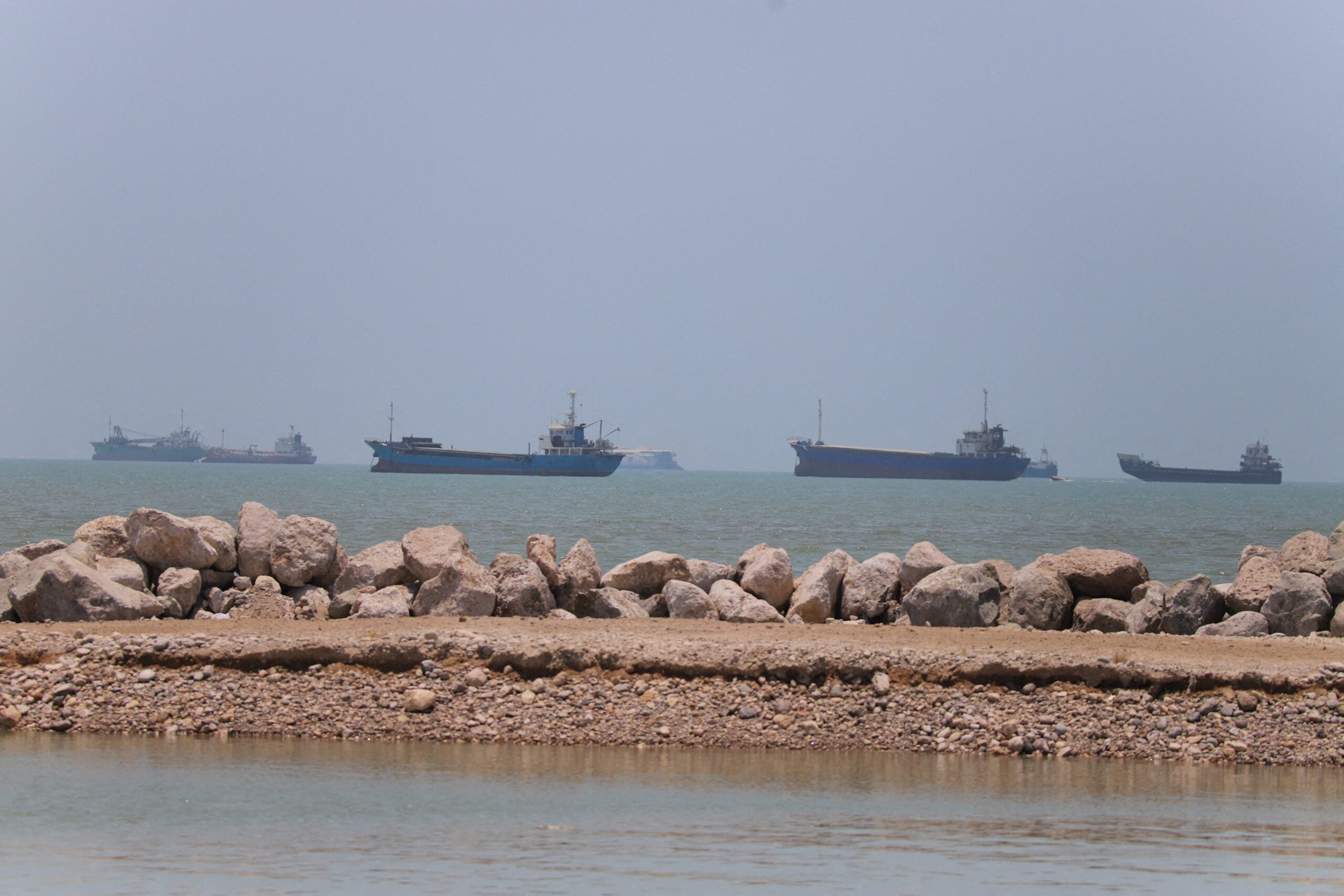
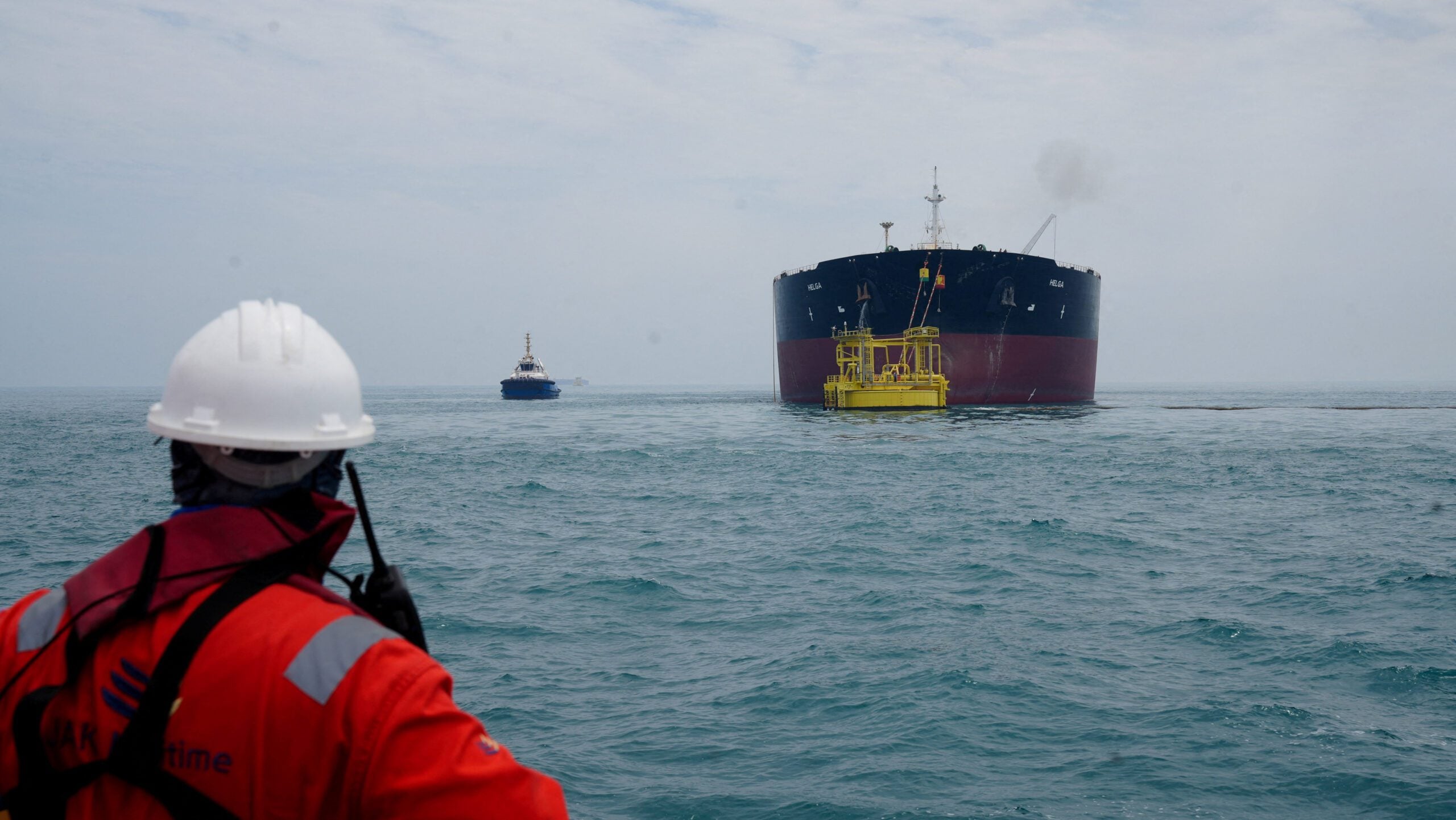
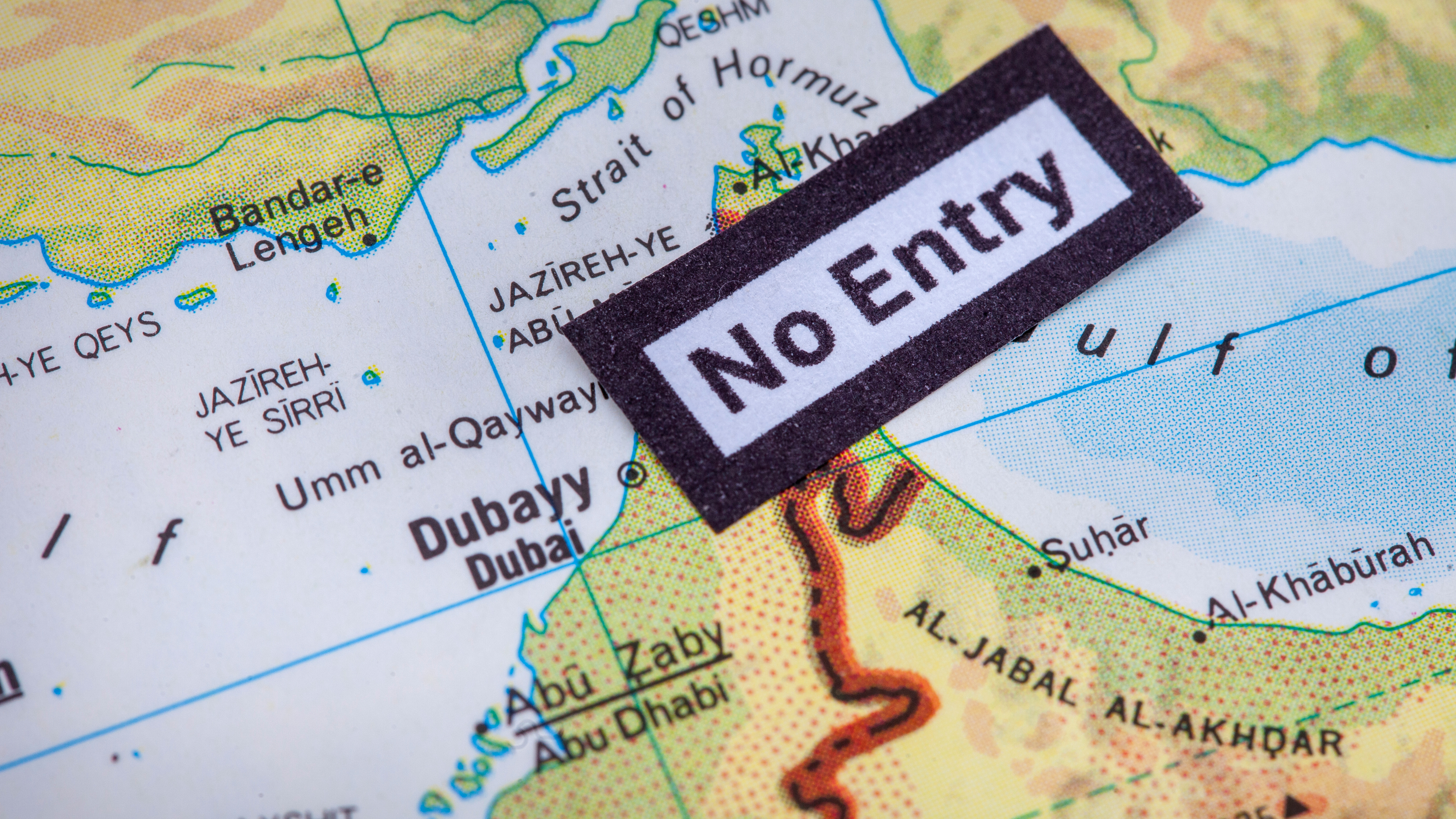
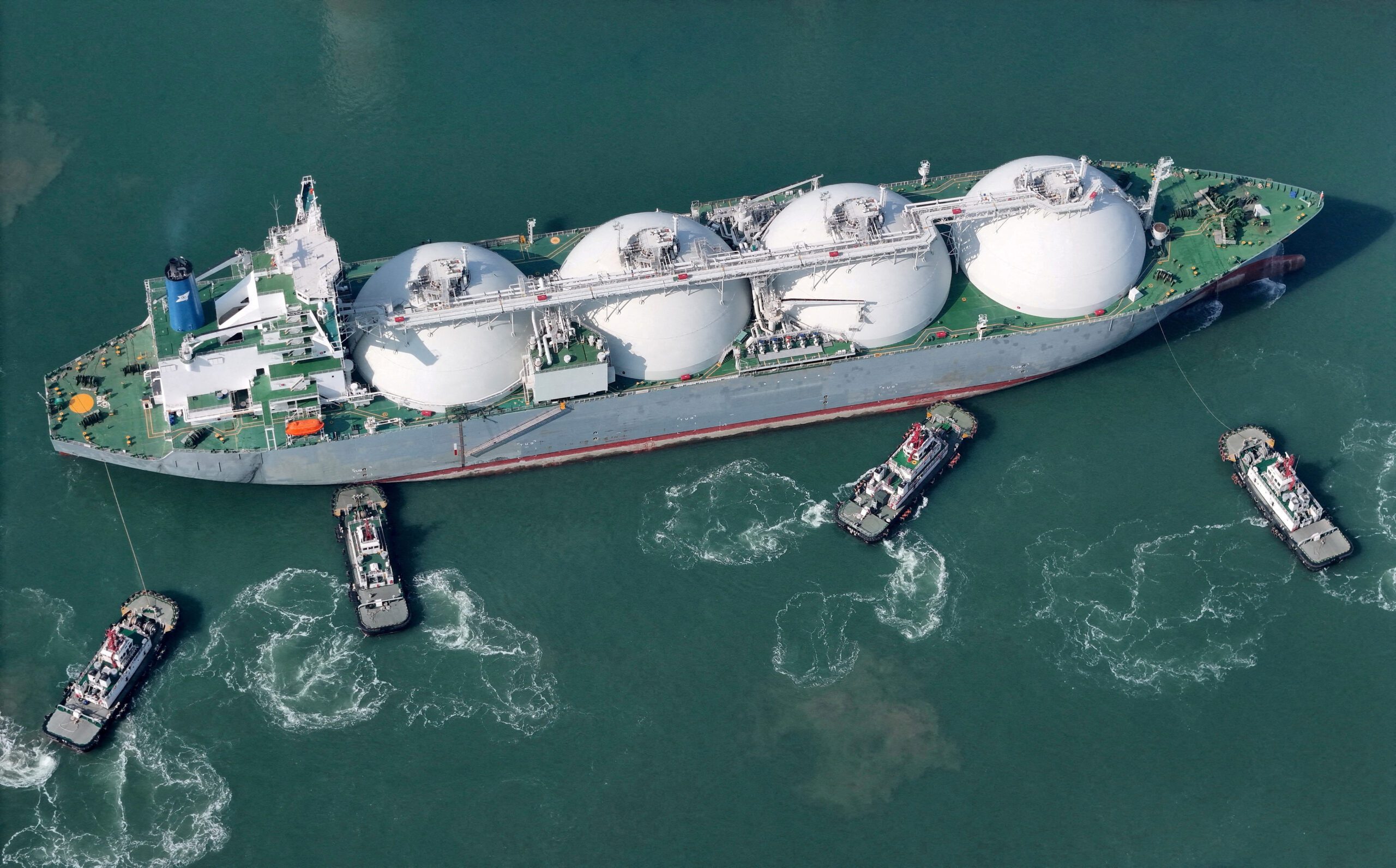
- Likely maritime risk in the Strait of Hormuz will remain elevated for at least the next month despite a nascent recovery in traffic: volumes contracted by more than 95 percent amid hostilities, oil tankers continued to transit and daily transits picked up around 30 June, yet Iran is reiterating control, seeking Oman’s oversight and threatening unilateral measures while attacks on ships, US accusations of Iranian drone use and a roughly one‑fifth LNG shut‑in point to persistent vulnerability. (Confidence: medium · ASSESSED)
- I&W: Tehran or Muscat announce a formal Iran, Oman shipping oversight or tolling mechanism for Hormuz (1-3 months)
- I&W: Verified attacks on commercial shipping in or near Hormuz using Iranian drones reported by flag states or operators (0-14 days)
- Likely the northern front will stay tense and a near‑term deal is unlikely: Hezbollah MP Hussein Haj Hassan and Speaker Nabih Berri rejected the Washington framework, the Lebanese presidency discussed army tasks tied to the negotiations, and Benjamin Netanyahu visited troops in southern Lebanon on 30 June, with his proposal assessed to reduce the chance of a peace deal with Hezbollah. (Confidence: medium · ASSESSED)
- I&W: Israel Defence Forces publicly maintain or reinforce positions in southern Lebanon (0-14 days)
- I&W: Formal Lebanese Armed Forces deployment to the southern border under a published framework (1-3 months)
- Roughly even chance the Doha talks this week yield a tangible de‑escalation mechanism: the United States announced Tuesday talks in Doha and a multilateral meeting to launch a Washington, Tehran, Lebanon de‑escalation cell was scheduled but cancelled at the last moment due to escalation, while Iranian signalling is mixed between a stated Supreme Leader approval of a US, Iran memorandum and a parliamentary rejection of negotiations, alongside reporting that the White House is weighing non‑negotiated options. (Confidence: medium · ASSESSED)
- I&W: Joint communique from Doha outlining timelines and modalities for a de‑escalation cell or hotline (0-14 days)
- I&W: Official cancellation or postponement notices from Doha participants, or renewed long‑range strikes timed with the talks (0-14 days)
- Very likely the threat environment for US‑linked targets and civil aviation in the United Arab Emirates remains high, given Tehran’s public intent to target US‑associated sites, the US order for non‑emergency personnel to depart the UAE on 2 March, official advisories citing armed conflict and terrorism risks, and an FAA regional caution to US carriers. (Confidence: high · ASSESSED)
- I&W: Emirati authorities announce the disruption of, or an attack on, a US‑linked site in Abu Dhabi or Dubai (0-14 days)
- I&W: US downgrades its UAE travel advisory or the FAA withdraws its regional caution (1-3 months)
- Likely UNRWA will sustain large‑scale service delivery in Gaza and limited shelter support in Lebanon in the near term, helped by fresh UK funding, though Israeli legislative moves against UNRWA and reported high staff casualties pose headwinds. Reporting of 860,000 people reached daily with clean water in Gaza, 18.7 million health consultations since October 2023 and two emergency shelters supporting 1,900 people in Lebanon illustrates operational tempo; the casualty figure rests on single‑source reporting and should be treated cautiously. (Confidence: medium · ASSESSED)
- I&W: Knesset passes and enforces legislation formally restricting UNRWA operations, announced by Israeli authorities (1-3 months)
- I&W: Major donors announce new disbursements or suspensions of funding to UNRWA (1-3 months)
- Likely energy and transport cost pressures will persist through the next quarter despite a gradual shipping recovery: oil prices reached multi‑year highs, airlines are bracing for billions in extra fuel costs and have raised fares, UNCTAD warns fallout from more than 100 days of disruption continues with elevated agricultural freight and fertiliser costs, and LNG supply has been curtailed by about one‑fifth of monthly volumes since the conflict began. (Confidence: medium · ASSESSED)
- I&W: UNCTAD or industry publishes updates noting normalisation of Hormuz transits and a decline in grains freight indices (1-3 months)
- I&W: IATA monthly data show reversal of airfare rises linked to the regional conflict (1-3 months)
Outlook & scenarios
Managed escalation with intermittent strikes and maritime friction (45%)
Reciprocal Iran, US/Israel strikes and proxy activity continue at a lower tempo, while Doha yields a limited hotline or de‑escalation mechanism that contains but does not end hostilities. Hormuz traffic continues to recover from the >95 percent contraction, yet remains below pre‑war levels as Iran presses for Oman’s role and threatens unilateral control. Oil stays elevated and airlines keep fuel surcharges in place.
Widening northern front and sharper maritime risk (35%)
Hezbollah hardens its rejection of the framework and the IDF maintains a presence in southern Lebanon after Netanyahu’s troop visit, with more frequent exchanges. Iran steps up harassment of shipping and drone activity in Hormuz, prompting renewed skirmishes with the United States and further LNG shut‑ins. The planned de‑escalation mechanisms stall amid repeated cancellations.
Partial de‑escalation through Doha (20%)
The Doha talks produce activation of a Washington, Tehran, Lebanon de‑escalation cell. Strikes drop in frequency, Iran and Oman outline an oversight arrangement that reassures shippers, and UNCTAD notes easing pressure on freight and energy markets. Political division in Tehran and Beirut persists, keeping the settlement incomplete.
Wildcard: attack attempt in the UAE triggers emergency posture (10%)
An attempted or successful Iran‑linked attack on a US‑associated site in Abu Dhabi or Dubai, consistent with Tehran’s public threats and existing advisories, prompts further US evacuations, tighter FAA restrictions and a renewed spike in energy and insurance costs.
Recommendations
- Maintain a daily cross‑plot of reported strikes and proxy activity across Iran, Iraq, Israel and the Gulf to support early warning on escalation, and align it with planned de‑escalation milestones from Doha.
- Task maritime monitoring to track AIS‑visible transits through Hormuz and correlate with operator advisories; watch for any Iran, Oman announcements on oversight or tolling and for new drone attack attributions on commercial shipping.
- Engage aviation risk managers to align travel and overflight policies with the FAA NOTAM for the Middle East and the US State Department’s UAE advisory; prepare contingency routings and crew layover plans.
- For Lebanon, monitor statements by Hezbollah, Speaker Nabih Berri and the Lebanese presidency alongside IDF posture updates to assess prospects for implementing any framework and the likelihood of IDF staying in southern Lebanon.
- Support humanitarian planning by tracking Knesset actions affecting UNRWA, donor disbursements such as the UK pledge, and UNRWA’s service delivery metrics in Gaza and Lebanon to anticipate operational constraints.
- Build energy market watchlists linking UNCTAD updates, LNG flow assessments and airline fuel cost guidance to inform price‑exposure hedging for the next quarter.
- Prepare alternative diplomatic lines of effort should Doha talks slip, including options to support the proposed de‑escalation cell once revived and messaging calibrated to Iranian internal divisions evident in public statements.
Confidence & uncertainty
Multiple high‑reliability government and major‑media reports corroborate core kinetic events, proxy activity and maritime disruption, and official advisories anchor the elevated threat in the UAE. However, important elements are contested or evolving, including contradictory assessments of Hormuz severity versus recovery, mixed Iranian signals on negotiations, and single‑source humanitarian casualty figures alongside ongoing UNRWA operations. These gaps and contradictions warrant an overall medium confidence assessment.
Alternative analysis (red cell)
While the claims document discrete, acute events and risk signals, many supporting items conflict (e.g., Hormuz traffic contraction vs reported recovery; mixed Iranian diplomatic signals) or rest on low-admiralty sources. A sober alternative assessment is that the environment is highly volatile and contingent: short-term flare-ups and localized disruptions are likely, but broad, sustained outcomes (persistent reciprocal strikes, uniformly high maritime risk, or multi‑quarter global market impacts) are not yet firmly established without stronger, higher‑quality corroboration.
Intelligence gaps
- [EEI 1.1 · UNCOVERED] Unusual long-range missile/rocket transporter-launcher (TEL) movements, storage activation, or assembly activity at known IRGC missile sites or forward staging areas. Recommended collection: satellite/imagery
- [EEI 1.3 · UNCOVERED] Large-scale transfers, deliveries, or convoy movements of armed UAVs/drones, guided munitions, or spare parts from Iran into Lebanon (Hezbollah), Iraq, Syria, or Gaza. Recommended collection: air/aviation track and HUMINT
- [EEI 1.4 · UNCOVERED] Sustained changes in Israeli air-defense usage (SAM launches, radar activations), wide-area alerts, or NOTAMs indicating elevated imminent strike response. Recommended collection: air/aviation/NOTAMs and signals
- [EEI 2.3 · PARTIAL] Insurance market indicators: sudden spikes in war-risk or hull insurance premiums for routes through the Red Sea, Suez corridor, or Persian Gulf, and major carriers announcing route changes. Recommended collection: financial/market and commercial shipping notices
- [EEI 2.4 · UNCOVERED] Port closures, naval escorts requested by commercial operators, or formal rerouting advisories issued by major shippers (e.g., Maersk, Hapag-Lloyd) for regional transits. Recommended collection: commercial/OSINT
- [EEI 3.3 · UNCOVERED] Confirmed arms transfers, expedited weapons shipments, or transfer authorizations to Israel, Iran, or their proxies (aircraft parts, munitions, air defenses). Recommended collection: customs/INTEL and HUMINT
Cited sources
[1] Wikipedia · Reactions to the 2026 Iran war (B) · sha256:42d3d4c4bb5b [2] lebanondebate.com · خاص Red TV | كيف كادت خلية خفض التصعيد اللبنانية - الأميركية - الإيرانية أن تبصر النور؟ التفاصيل الكاملة (B) · sha256:34e8bad656e9 [3] U.S. Department of Defense Inspector General · [PDF] Operation Inherent Resolve, Report to Congress, January 1, 2026.. (A) · sha256:1c9be440a3dd [4] edie.net · From electricity costs to food prices: The global impact of the Iran-US War in numbers - edie (B) · sha256:5af0d1df3ac2 [5] gcaptain.com · Iran Ratchets Up Talk of Controlling Hormuz Before New Talks (B) · sha256:fc1a1ec38451 [6] gcaptain.com · UN Warns Hormuz Crisis Will Leave Lasting Economic Scars Despite Shipping Recovery (B) · sha256:886700adf714 [7] CBS News · Iran's top negotiator says country ready for war as peace talks inch along (A) · sha256:38cf5fb359ae [8] maritime-executive.com · Report: White House Still Looking at Alternatives to Iran Peace Deal (B) · sha256:a0af7233dd0a [9] gcaptain.com · Hormuz Disruption to Stall 2026 LNG Trade, Demand to Rise by 2050 (B) · sha256:4f25369c78ee [10] aljazeera.net · اصطفافات جديدة وتحذير من الفوضى. اتفاق الإطار يعيد رسم المشهد اللبناني (A) · sha256:aba49a06b190 [11] cryptobriefing.com · Netanyahu proposes Gaza reoccupation, halts US aid amid ceasefire concerns (B) · sha256:81f02d36d321 [12] foxnews.com · Wave of attacks on Iran's IRGC raises questions about renewed Kurdish insurgency (B) · sha256:799e4d402bcf [13] U.S. Department of State · United Arab Emirates Travel Advisory (A) · sha256:7a0c71f2991b [14] UK Government · UNRWA remains indispensable to the delivery of essential services to millions of Palestinian refugees across Gaza and the Middle East: UK statement at the UNRWA Pledging Conference (A) · sha256:9084f5930ecf
Source content hashes were computed at collection time; the cited text is preserved unmodified for the life of this product.
Red cell review: PARTIAL DISSENT
TLP:CLEAR