TLP:CLEAR · Disclosure is not limited.
Iran-Israel escalation: US strike readiness and regional risks, 26 October 2026
Time window: Last 1 day · Audience: General analyst · Type: Situation report · DTG: 2026-10-26 07:43Z · Overall confidence: HIGH
BLUF
US forces are reported ready to begin major operations against Iran within 96 hours of a presidential order, but the reporting does not establish that President Donald Trump has authorised an attack. Diplomatic contacts in Tehran are active as risks to US personnel, Saudi facilities and Strait of Hormuz shipping remain elevated; the Israeli election on 27 October adds a near-term timing constraint.
Executive summary
CNN reported that US forces in the Middle East are prepared to launch major operations against Iran within 96 hours of an order, and that US Central Command and Pentagon leaders have developed target options covering energy infrastructure, military sites and nuclear facilities. Other reporting says Trump had withheld a green light for action before Israel's election, while US officials asked Benjamin Netanyahu to wait for joint operations. No new direct US-Israeli strike on Iran is established in the reporting for 25-26 October. Qatari mediators met Iranian officials in Tehran on Sunday, and senior Saudi, Turkish and Pakistani officials were scheduled to meet Iranian leaders there on Monday. Saudi Arabia reported intercepting missiles and drones; the Houthis claimed attacks on a Saudi airport and oil facilities, claims not independently confirmed in the supplied reporting. Reports also describe increased attacks on commercial ships in the Strait of Hormuz and a US blockade of Iranian ports. The status of the US-Iran ceasefire is unclear because reporting about a July ceasefire conflicts with a separate account of a September proposal to end the war.
Change from previous assessment
Since the 25 October brief, reporting has specified that US forces are prepared to begin major operations within 96 hours of a presidential order and that US Central Command and Pentagon leaders have developed a target list covering energy, military and nuclear sites. This raises confidence in US operational readiness, but not in a decision to strike. The 26 October reporting also adds planned high-level Saudi, Turkish and Pakistani contacts in Tehran and a more explicit account of the reported threat to US personnel. The Israeli election is now scheduled for 27 October; reports of a Netanyahu-Zamir dispute remain contested.
Key judgments
- US forces are very likely prepared to begin major operations against Iran within 96 hours of an order from Donald Trump, but Trump authorising a strike in the next 14 days is a roughly even chance. CNN's reporting cites US officials on readiness and the target list; other accounts say Trump withheld a green light before Israel's election and that US officials sought a delay until joint operations were ready. These reports support military preparation, not an order to attack. (Confidence: medium · ASSESSED)
- I&W: Confirm: Trump or the White House announces an order for strikes on Iran, or reporting confirms US or Israeli strikes on Iranian sites. (0-14 days)
- I&W: Break: The White House publicly commits to holding fire through 3 November, or announces a US-Iran agreement that suspends military action. (0-14 days)
- The threat to US personnel in the Middle East is likely elevated over the next 14 days, but an imminent attack is not established. An unclassified memo attributed to Director of National Intelligence Jay Clayton describes advanced plotting against US personnel; US officials have also described the threat as exceptionally high, while two Iranian officials framed US personnel as targets if the war escalates. The memo and threat assessments are reported through media accounts, and the Iranian officials' statements do not verify an operational plot. (Confidence: medium · ASSESSED)
- I&W: Confirm: The US State Department orders departures from additional named diplomatic missions, beyond the US Embassy in Riyadh. (0-14 days)
- I&W: Break: US authorities publicly withdraw the elevated threat warning and rescind the Riyadh departure order without issuing replacement restrictions. (0-14 days)
- Houthi attacks on Saudi Arabia and shipping risks in the Strait of Hormuz are likely to sustain regional disruption over the next 14 days, although the scale of damage and supply effects remains uncertain. Saudi Arabia reported intercepting Houthi missiles and drones, while the Houthis claimed attacks on an airport and oil facilities that are not independently confirmed here. Separate reporting says October had the highest number of reported commercial-ship attacks in the Strait since the war's opening weeks in March. The US blockade is reported to restrict Iranian oil exports and contribute to medicine shortages, while December Brent futures were $114.48 a barrel at 10.03 am on 26 October, down 1.92 per cent. Reporting about a July US-Iran ceasefire conflicts with an account of a September proposal to end the war, leaving the formal conflict status unresolved. (Confidence: medium · ASSESSED)
- I&W: Confirm: Saudi Arabia reports another missile or drone interception, or a commercial vessel is confirmed attacked in the Strait of Hormuz. (0-14 days)
- I&W: Break: No further commercial-ship attacks are reported and the US announces that its blockade of Iranian ports has ended. (0-14 days)
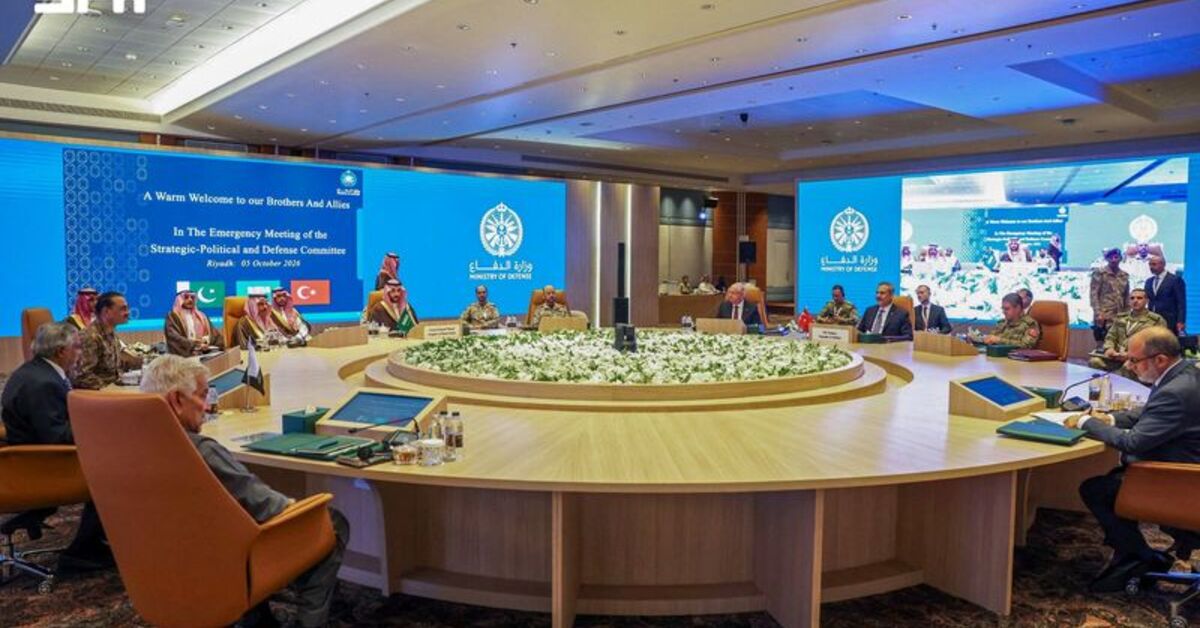
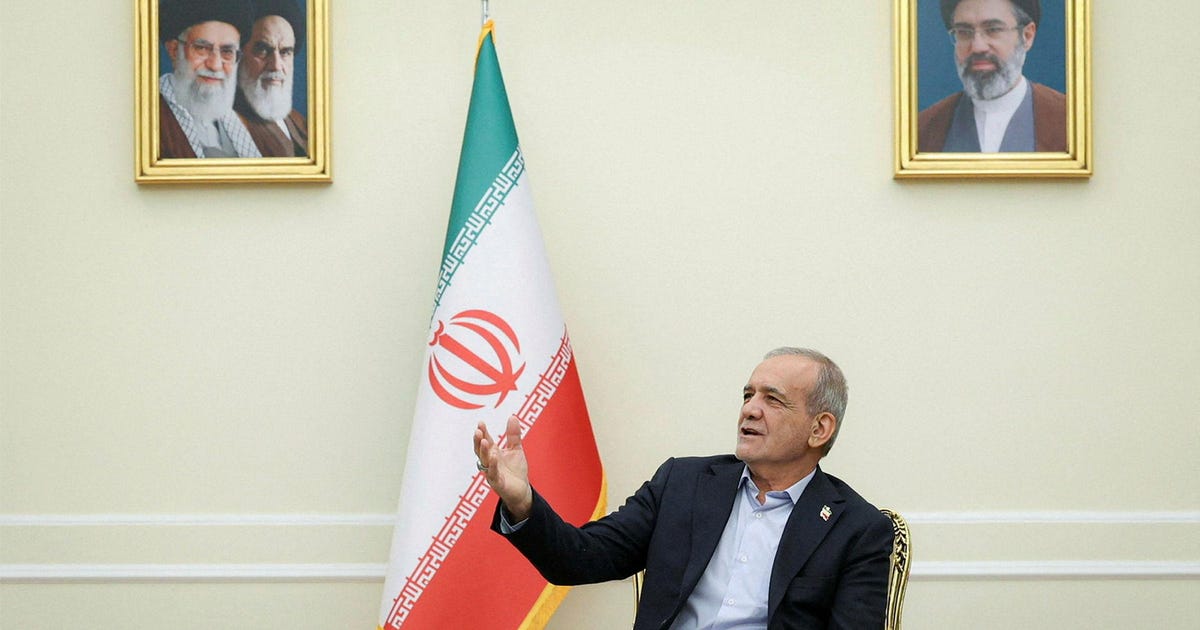
- Regional diplomacy is very likely active, but the reported meetings do not establish an agreement to halt hostilities. Qatari mediators met Iranian officials in Tehran on 25 October, and senior officials from Saudi Arabia, Turkey and Pakistan were scheduled to meet Iranian leaders there on 26 October. Reporting from major media and a wire service corroborates the planned contacts; their outcome remains unknown. (Confidence: high · ASSESSED)
- I&W: Confirm: The Tehran participants issue a joint readout or announce a follow-up meeting with a specific de-escalation measure. (0-14 days)
- I&W: Break: An identified participant publicly cancels the meeting or states that no further talks are planned. (0-14 days)
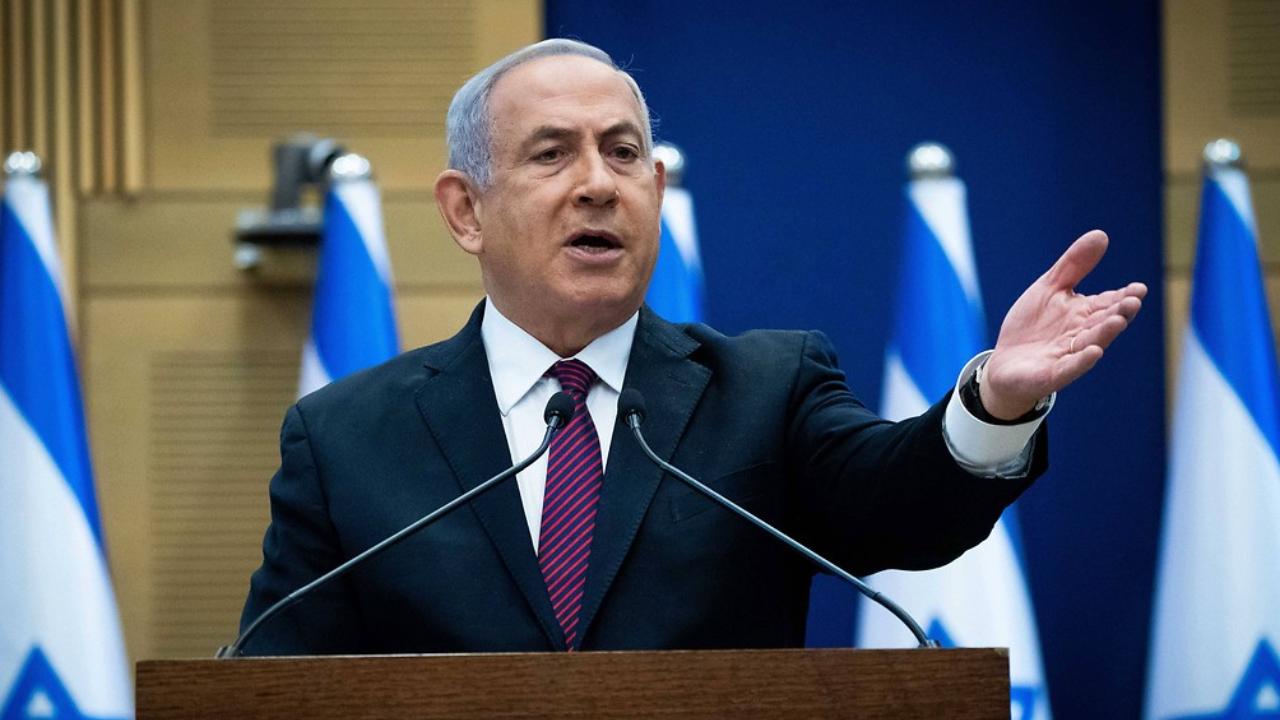
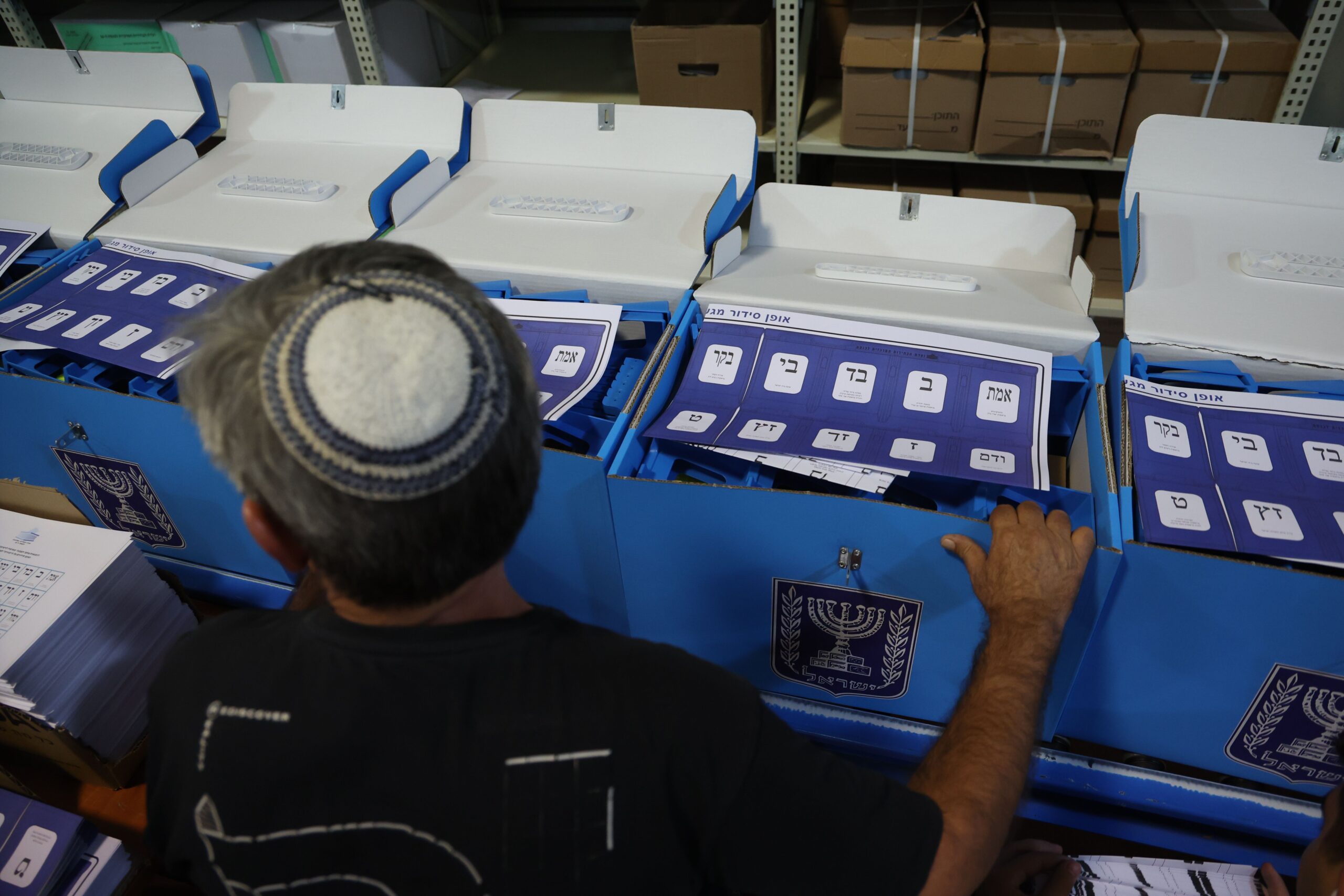
- The 27 October Israeli election is likely to constrain the timing of an Israeli decision on Iran, but a reported Netanyahu-Zamir dispute over strike plans is not established. Local media reported a disagreement and a tense meeting at Palmahim Air Base; Netanyahu denied a disagreement, and a separate report attributed the absence of a US green light to concern that an attack would disrupt the election. The account of the dispute rests on contested reporting, so confidence is low. (Confidence: low · ASSESSED)
- I&W: Confirm: Israel announces or carries out a strike on Iran before or immediately after the 27 October vote, or the IDF publicly confirms a dispute over strike timing. (0-7 days)
- I&W: Break: Netanyahu and Eyal Zamir jointly reject the reported dispute and no Israeli strike on Iran is reported through 2 November. (0-7 days)
- An Iranian attack on Gulf undersea cables is a low-probability, high-impact wildcard conditional on renewed US or Israeli strikes. Iranian security officials reportedly told Reuters that Tehran has drawn up plans to target the cables, but this is a single wire-service account and there is no reported evidence of preparations or an attack. (Confidence: low · ASSESSED)
- I&W: Confirm: A Gulf undersea-cable outage is reported with evidence of physical interference and attribution to Iran. (0-14 days)
- I&W: Break: No cable outage or physical interference is reported during the period, particularly if US and Israeli forces resume strikes on Iran. (0-14 days)
Outlook & scenarios
Diplomatic engagement and continued restraint (50%)
The Tehran contacts proceed, but produce no announced settlement. Trump does not authorise a strike in the next 14 days. The US blockade and reported threats to Saudi Arabia and Strait of Hormuz shipping continue to sustain pressure without a confirmed return to direct US-Israeli strikes on Iran.
Joint US-Israeli strikes after the Israeli election (30%)
Trump authorises operations after the 27 October Israeli vote, with US forces conducting strikes alongside Israel. The reported target options include Iranian energy infrastructure, military sites and nuclear facilities. Iranian retaliation against US personnel and regional assets becomes a central risk.
Israeli action without a US green light (15%)
Netanyahu orders Israeli action against Iran despite the reported US preference for joint operations and the reported concern about election timing. The reported disagreement with Eyal Zamir remains unverified, but the scenario would raise the risk of Iranian retaliation before a coordinated US decision.
Retaliation against Gulf undersea cables (5%)
Following renewed US or Israeli strikes, Iran acts on the reported contingency plan to attack undersea cables in the Persian Gulf. This remains a low-probability pathway because the available account is uncorroborated, but a confirmed cable attack would widen the consequences beyond military targets.
Recommendations
- Maintain a daily watch on White House and US Central Command statements. Separate reported 96-hour readiness from evidence of a presidential order, and flag any confirmed US or Israeli strike on Iranian territory immediately.
- Track US State Department personnel orders, beginning with the US Embassy in Riyadh. Report any new departure order by mission and distinguish precautionary staffing changes from evidence of a specific plot.
- After the Tehran meetings, seek an attributable readout from Saudi Arabia, Turkey, Pakistan, Iran or Qatar. Do not treat attendance alone as evidence that a ceasefire or de-escalation agreement has been reached.
- Maintain a separate incident log for Saudi missile and drone interceptions, Houthi claims, confirmed damage to Saudi airport or oil infrastructure, and attacks on commercial ships in the Strait of Hormuz. Attribute each report and record whether damage was independently confirmed.
- Treat the reported Netanyahu-Zamir dispute and the reported Iranian cable plans as unverified. Seek corroboration from Israeli government or IDF statements and from separately attributable maritime or cable-operator reporting.
Confidence & uncertainty
Overall confidence is high for the main reported developments because major media and wire-service reporting corroborates US strike preparation, the Tehran diplomatic contacts, and regional security incidents. Confidence in the assessments is lower where they depend on anonymous officials, claims by parties to the conflict, or contested local reporting. The reporting does not establish a new direct strike on Iran, the status of the US-Iran ceasefire, or whether the reported cable plans are operational.
Intelligence gaps
- [EEI 1.1 · UNCOVERED] Observed repositioning, sustained increases, or new forward basing of Iranian conventional or IRGC forces (armored units, missile batteries, aircraft, naval vessels) toward borders or regional launch points. Recommended collection: IMINT/satellite
- [EEI 1.4 · UNCOVERED] Interdicted or observed shipments (air, sea, land manifests, seizures, satellite imagery of transfers) of advanced weapons or missile components from Iran toward proxy groups or forward staging points. Recommended collection: maritime/AIS
- [EEI 2.1 · UNCOVERED] Satellite or on-the-ground imagery showing fires, damage, or operational shutdown at major oil export facilities, refineries, storage terminals, or key pipeline infrastructure in the Gulf and Red Sea. Recommended collection: IMINT/satellite
- [EEI 2.2 · PARTIAL] Commercial vessel incidents: AIS transponder shutdowns, distress signals, reported hull/engine damage, boardings, or confirmed attacks on tankers/merchant ships transiting the Strait of Hormuz, Bab al-Mandeb, or eastern Mediterranean. Recommended collection: maritime/AIS
- [EEI 2.3 · PARTIAL] Significant and sustained reductions or rerouting of tanker transits through the Strait of Hormuz (ship traffic counts, pilot reports, port call cancellations) and announcements of closure or restricted navigation zones (NOTAMs, maritime advisories). Recommended collection: maritime/NOTAMs
- [EEI 2.4 · UNCOVERED] Rapid increases in war-risk insurance premiums for Middle East routes, shipping company advisories to avoid region, or major charter cancellations tied to the conflict. Recommended collection: financial/open-source
- [EEI 3.1 · PARTIAL] Movement/arrival of major foreign military assets into the region: US carrier strike groups, amphibious ready groups, strategic bomber flights, Russian/Chinese naval taskings, or allied expeditionary units (visible in AIS, NOTAMs, satellite imagery, official releases). Recommended collection: IMINT/satellite
Red cell review: CONCUR WITH COMMENT
TLP:CLEAR