TLP:CLEAR · Disclosure is not limited.
Iran, Israel flashpoints: fragile Israel, Lebanon accord, mediated Doha track, and contested Hormuz recovery
Time window: Last 1 day · Audience: General analyst · Type: Situation report · DTG: 2026-07-01 11:40Z · Overall confidence: MEDIUM
BLUF
The U.S.-brokered Israel, Lebanon accord is fragile and likely to face disruption by Hezbollah as Israel signals it will hold positions in southern Lebanon. Indirect U.S., Iran talks in Doha proceed without direct meetings while Hormuz traffic recovers unevenly amid Iran’s drive to control the waterway, keeping maritime and energy risk elevated.
Executive summary
Implementation of the new U.S.-brokered accord between Israel and Lebanon is under strain, with Hezbollah threatening to derail it and Israel indicating forces will remain in southern Lebanon. Washington is heavily engaged, including CENTCOM consultations in Beirut, while Gulf actors publicly back the deal but markets price a lower chance of a lasting settlement. In parallel, U.S., Iran engagement is confined to mediated, indirect talks in Doha, with no direct bilateral meeting scheduled as the White House considers alternatives. In the Strait of Hormuz, vessel traffic is rebounding but remains exposed: Tehran reiterates its intent to control maritime flows and pursue an Oman co‑management scheme, as Muscat resists tolls and unilateral foreign naval deployments. Inside Iran, violence in Kurdish‑majority provinces persists, and inside Israel, authorities exposed an Iran‑linked espionage case. Humanitarian pressures remain acute across Gaza and Lebanon, with international demands for scaled access growing.
Change from previous assessment
Since the prior brief, a U.S.-brokered Israel, Lebanon accord has been announced and welcomed by the GCC, Hezbollah publicly vowed to derail it, and CENTCOM leadership engaged in Beirut on execution. Israel signalled forces would remain in southern Lebanon. On the U.S., Iran track, Washington flagged Doha talks while Iran rejected direct meetings, aligning with expectations of mediated engagement as the White House weighs alternatives. In Hormuz, traffic shows a partial recovery and senior U.S. officials cited restored oil flows, yet Iran reiterated control ambitions, pursued talks with Oman, and attacks on ships were reported, keeping risk elevated. New reporting highlighted an Iran‑linked espionage arrest inside Israel and a continuing wave of violence in Iran’s Kurdish‑majority west. Humanitarian data from UN bodies and donors reinforced sustained needs in Gaza and displacement in Lebanon. Overall, confidence remains similar but judgments now reflect the announced accord, Doha posture, and a more granular Hormuz recovery.
Key judgments
- The U.S.-brokered Israel, Lebanon accord is fragile and likely to face disruption from Hezbollah, keeping Israeli forces in southern Lebanon in the near term. (Confidence: high · ASSESSED)
- I&W: Hezbollah conducts renewed cross‑border rocket or drone attacks that force IDF to delay or halt any announced drawdown from southern Lebanon. (0-14 days)
- I&W: Official readouts announce joint implementation milestones with the Lebanese Armed Forces and visible IDF redeployments away from the Blue Line. (1-3 months)
- U.S. and Iranian teams are very likely to pursue mediated, indirect engagement in Doha without direct meetings, limiting prospects for a fast political breakthrough. (Confidence: medium · ASSESSED)
- I&W: Qatar issues readouts noting separate consultations with U.S. and Iranian delegations and no joint U.S., Iran session. (0-14 days)
- I&W: Public confirmation of a direct U.S., Iran bilateral meeting in Doha. (0-14 days)
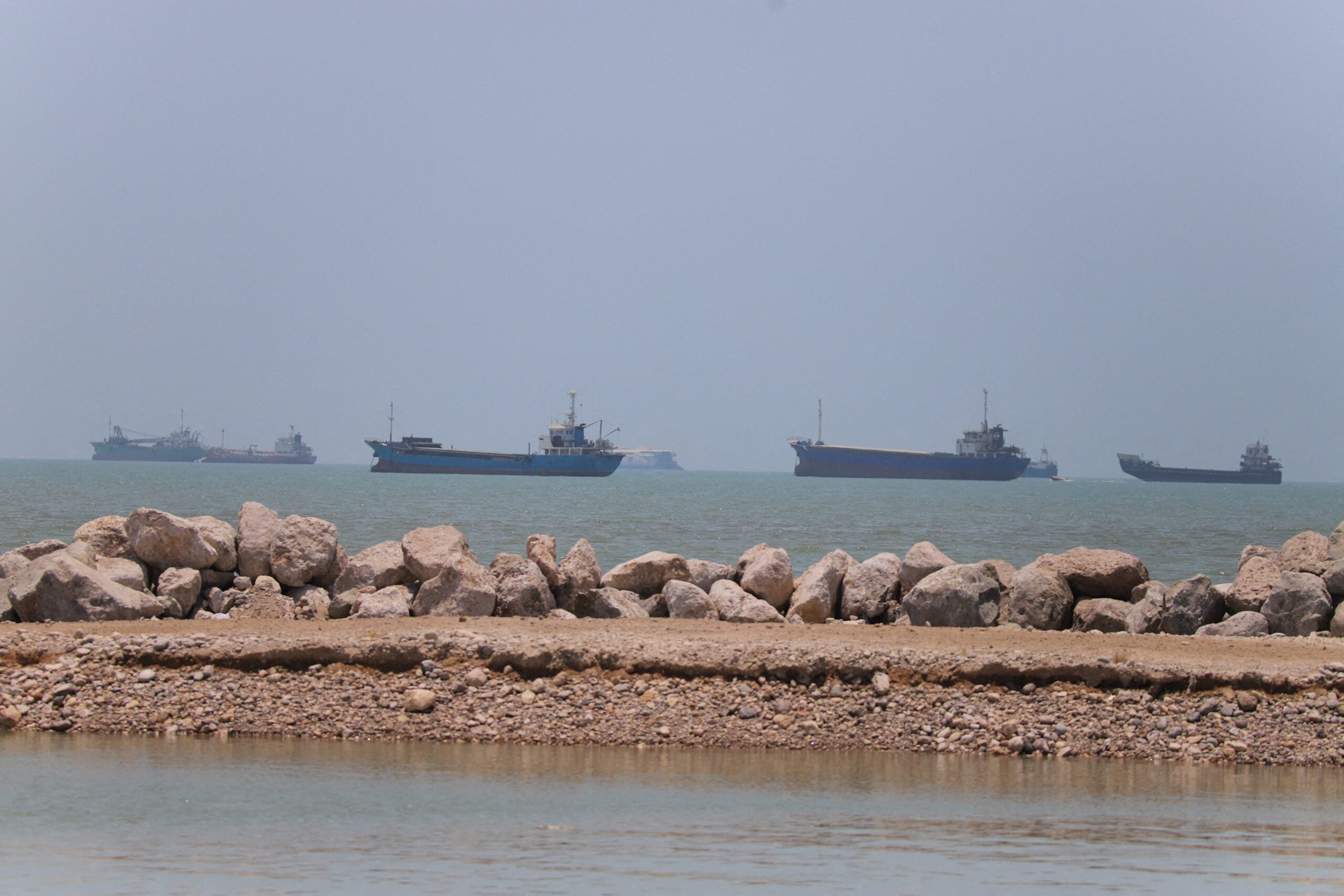
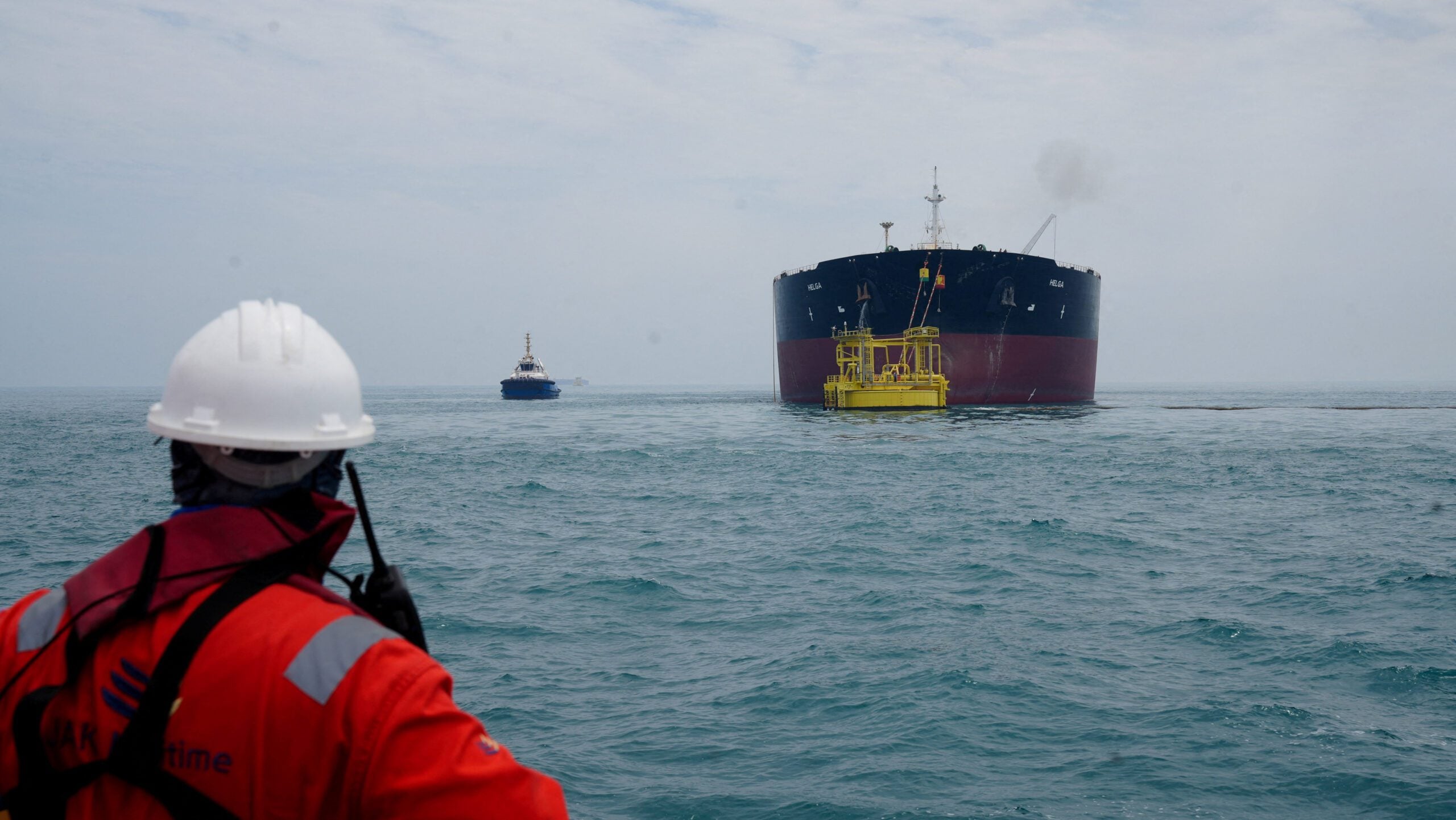
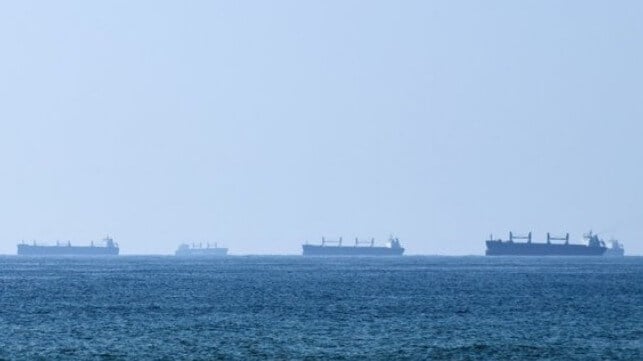
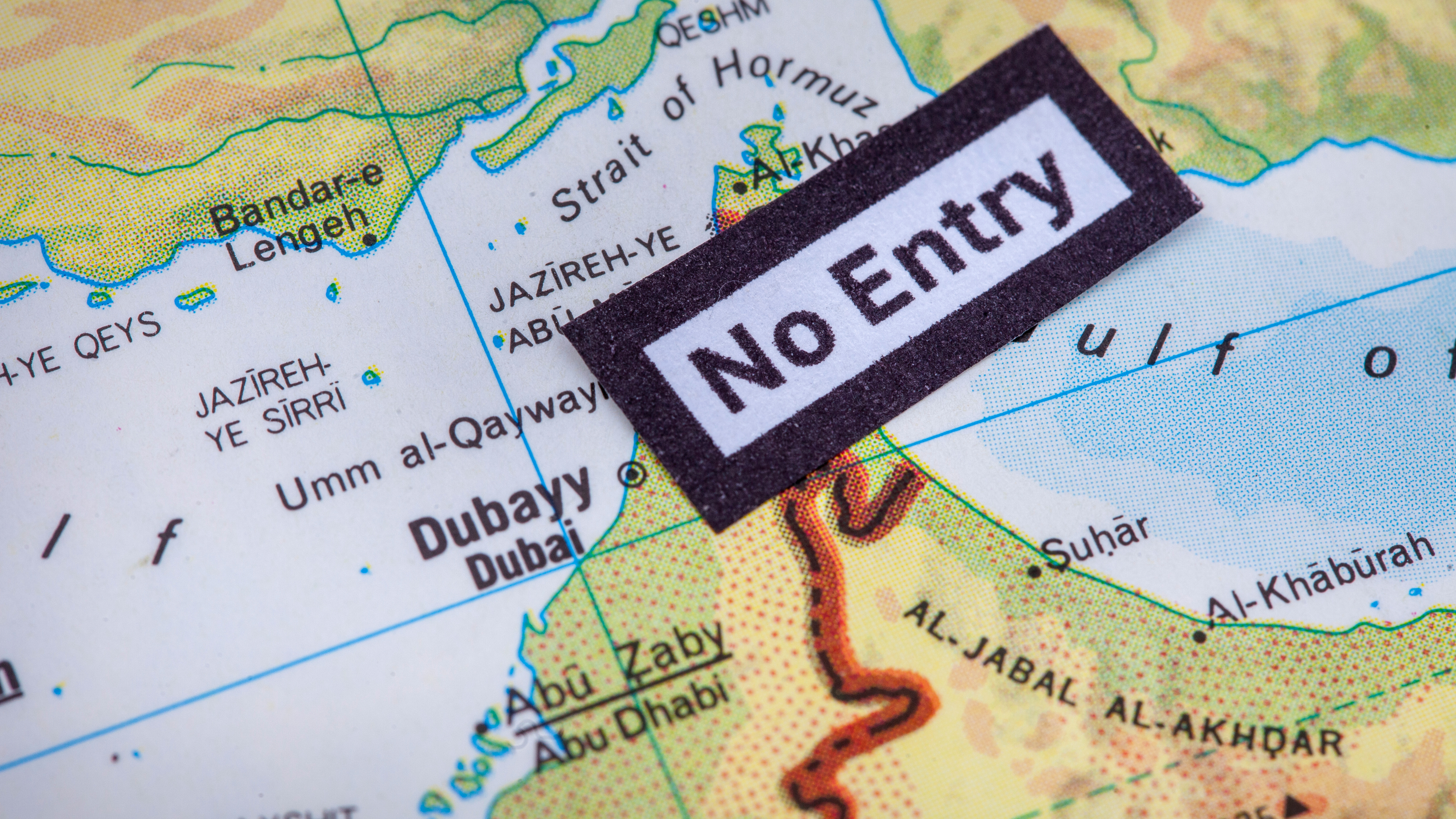
- Maritime risk in the Strait of Hormuz is likely to remain elevated despite a partial recovery in traffic and claims of restored oil flows, as Iran presses for joint oversight with Oman and reiterates control ambitions while Muscat resists tolls and unilateral foreign deployments. (Confidence: medium · ASSESSED)
- I&W: Announcement of an Iran, Oman maritime oversight mechanism or coordination centre for Hormuz transits. (1-3 months)
- I&W: Sustained daily AIS‑tracked transits at or above stated pre‑war levels with no reported ship attacks or skirmishes. (0-14 days)
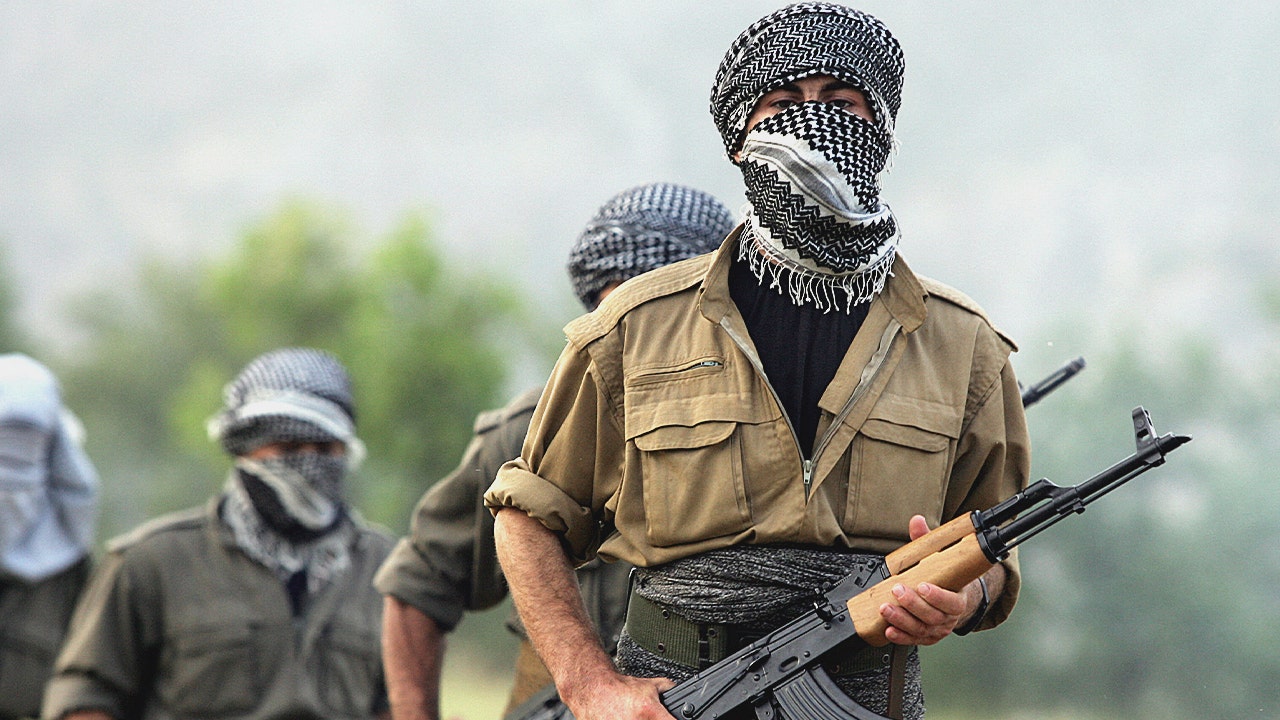
- Violence in Iran’s Kurdish‑majority west is likely intensifying, straining the Islamic Revolutionary Guard Corps and raising the risk of spillover actions as regional talks continue. (Confidence: medium · ASSESSED)
- I&W: Additional claimed attacks by Kurdish militants in Kermanshah or Kurdistan provinces with confirmed IRGC casualties. (0-14 days)
- I&W: Cessation of reported militant claims and IRGC artillery activity along the Iran, Iraq border. (1-3 months)
- Iranian intelligence‑linked recruitment and collection inside Israel is very likely active, prompting sustained counterintelligence operations and prosecutions by Israel Police and Shin Bet. (Confidence: high · ASSESSED)
- I&W: New indictments detailing tasking, payment channels, or tradecraft tied to Iranian services. (0-14 days)
- I&W: A prolonged lull in arrests and public cases coupled with reduced Shin Bet tasking against Iran‑linked espionage. (1-3 months)
- Humanitarian needs in Gaza and conflict displacement in Lebanon are likely to remain acute, and international pressure for scaled aid access will intensify. (Confidence: medium · ASSESSED)
- I&W: Public demarches or legal steps by donors referencing aid access obligations and UN facility inviolability. (0-14 days)
- I&W: Announced increases in cross‑border or corridor throughput for relief consignments. (1-3 months)
- There is a roughly even chance that the next decade‑long U.S., Israel security memorandum is still being formulated despite Israeli assertions about its contours, reflecting shared focus on Iran but an unsettled process. (Confidence: low · ASSESSED)
- I&W: A joint U.S., Israel announcement detailing scope and funding of the next security memorandum. (1-3 months)
- I&W: Official statements signalling delay or re‑scoping of the memorandum negotiations. (1-3 months)
Outlook & scenarios
Managed implementation under pressure (40%)
Hezbollah tests but does not collapse the Israel, Lebanon framework. CENTCOM engagement helps sequence security steps with the Lebanese Armed Forces while Israel maintains a reduced footprint near the Blue Line. In Doha, indirect U.S., Iran talks stabilise the ceasefire context; Hormuz traffic continues to recover without tolls as Oman deepens technical coordination with Iran but blocks unilateral foreign deployments.
Blue Line breakdown and maritime flare‑up (35%)
Hezbollah escalates attacks, Israeli forces hold in southern Lebanon, and the accord stalls. A new ship attack or skirmish near Hormuz triggers another traffic dip and price spike, with Tehran reiterating control claims and pressing for an oversight scheme that alarms Gulf states.
Kurdish‑front distraction, limited external action (25%)
A rise in attacks against IRGC units in Kermanshah and Kurdistan draws Iranian attention inward. Tehran applies calibrated pressure abroad but prioritises internal security. Indirect Doha engagement persists, with no major breakthrough.
Hormuz toll gambit after grace period (15%)
After a no‑toll window, Iran signals fees for transits. Oman resists, Gulf capitals object, and Washington moves to deter collection. Shipping insurers reprice routes, slowing the recovery of flows and reviving energy cost concerns.
Recommendations
- Maintain a daily open‑source watch on AIS transits through Hormuz, pairing vessel counts with incident reporting to flag any relapse below the current recovery trend.
- Task coverage of Omani and Iranian official readouts for concrete steps on joint maritime oversight, fee policy, and any constraints on third‑party naval operations.
- Build an indicator deck for the Israel, Lebanon track that tracks Hezbollah attacks, IDF posture changes along the Blue Line, and CENTCOM, Lebanon engagements.
- Coordinate with counterintelligence counterparts for pattern analysis of Iran‑linked tasking inside Israel, including low‑value payments and target sets, to refine early‑warning signatures.
- Integrate UN and donor statements on aid access obligations with on‑the‑ground delivery metrics to assess whether pressure is translating into increased humanitarian throughput.
- Track Kurdish militant claim channels and geolocate reported incidents in Paveh, Baneh, and Marivan to assess tempo shifts that could presage Iranian external risk taking.
Confidence & uncertainty
Overall confidence is medium. Multiple independent major‑media and official sources corroborate the fragility of the Israel, Lebanon accord, Hezbollah’s intent to obstruct it, U.S. military‑diplomatic engagement in Beirut, and the mediated nature of U.S., Iran talks. Reporting on Hormuz recovery and energy flows is credible but mixed, with simultaneous claims of traffic rebound, earlier severe contraction, and recent ship attacks. The internal security picture in Iran’s Kurdish‑majority west is supported by several outlets but varies in detail and timing. These contradictions and dynamic conditions justify a medium aggregate confidence despite strong sourcing on several sub‑threads.
Alternative analysis (red cell)
Several judgments rely mainly on political statements (B1/B6) without corroborating operational indicators. For the Israel–Lebanon accord, Strait of Hormuz status, Kurdish-front violence, and the U.S.–Israel MOU, available reporting is mixed or contradictory, so alternative outcomes (successful implementation, easing maritime risk, episodic rather than systemic IRGC strain, and either finalized or still-formulating MOU) remain plausible until operational or documentary evidence fills the gaps.
Intelligence gaps
- [EEI 1.1 · UNCOVERED] Movement, dispersal, or emplacement of Iranian conventional or IRGC heavy assets (ballistic missile launchers, Khoramshahr/Toofan-class missile transporters, ground-to-ground TELs, air defense batteries, amphibious units) from garrison areas toward forward bases or coastal launch sites. Recommended collection: satellite/IMINT
- [EEI 1.2 · UNCOVERED] Authenticated Iranian military orders, NSC/IRGC operations directives, or senior leadership statements explicitly directing strikes against Israel or U.S. forces or authorizing cross-border operations. Recommended collection: human/diplomatic
- [EEI 1.3 · PARTIAL] Changes in Israeli and U.S. force posture indicating anticipation of direct large-scale conflict—elevated readiness levels, mobilization notices, pre-positioning of munitions, or public/private orders to prepare offensive strikes. Recommended collection: open-source/diplomatic
- [EEI 2.1 · UNCOVERED] Observable pre-launch preparations for missile/rocket/cruise missile strikes (fueling, warhead mating, launcher orientation, support vehicle congregation) and abnormal munitions handling at known launch sites. Recommended collection: satellite/IMINT
- [EEI 2.2 · UNCOVERED] Indications of proxy arms shipments and weapons transfers (truck convoys, small boat transfers, container movements from Iran to proxies, new stockpiles in Lebanon, Iraq, Yemen, Syria). Recommended collection: maritime/AIS
- [EEI 2.3 · UNCOVERED] Evidence of cyber attack planning or active exploitation campaigns targeting Israeli or U.S. military/critical infrastructure (emergence of new command-and-control servers, spear-phishing campaigns against defense personnel, successful intrusions). Recommended collection: cyber
- [EEI 3.2 · UNCOVERED] Official or leaked U.S. government/diplomatic communications indicating thresholds for strikes, authorization for offensive operations, or limits on action (NSC/DoD statements, congressional notifications, diplomatic notes). Recommended collection: diplomatic/human
- [EEI 3.3 · PARTIAL] Changes in U.S. base force-protection measures and rules of engagement at regional facilities (base lockdowns, evacuation notices, flight restrictions, activation of Local Defense Forces or missile intercept systems). Recommended collection: open-source/local reporting
- [EEI 4.1 · UNCOVERED] Hezbollah-specific indicators: convoys and logistics movements toward Lebanon–Israel border, artillery/rocket emplacement in southern Lebanon, documented strikes-preparation activity, public mobilization orders or recruitment drives. Recommended collection: satellite/IMINT
- [EEI 4.3 · UNCOVERED] Militia cross-border attack evidence from Iraq/Syria: recorded rocket/mortar launch events into Israel or strikes against U.S. facilities, movement of armed convoys toward border areas, and intercepted communications coordinating cross-border operations. Recommended collection: signals/ELINT
Cited sources
[1] military.com · Lebanon-Israel Pact Fragile After Hezbollah’s Vow of Disruption (B) · sha256:a5e2939181ab [2] cryptobriefing.com · Netanyahu proposes Gaza reoccupation, halts US aid amid ceasefire concerns (B) · sha256:81f02d36d321 [3] gcaptain.com · Iran Ratchets Up Talk of Controlling Hormuz Before New Talks (B) · sha256:fc1a1ec38451 [4] globalvillagespace.com · Iran rejects direct talks with U envoys, clouding prospects for peace deal (B) · sha256:5054121963a3 [5] maritime-executive.com · Report: White House Still Looking at Alternatives to Iran Peace Deal (B) · sha256:a0af7233dd0a [6] edie.net · From electricity costs to food prices: The global impact of the Iran-US War in numbers - edie (B) · sha256:5af0d1df3ac2 [7] CBS News · Iran's top negotiator says country ready for war as peace talks inch along (A) · sha256:38cf5fb359ae [8] gcaptain.com · UN Warns Hormuz Crisis Will Leave Lasting Economic Scars Despite Shipping Recovery (B) · sha256:886700adf714 [9] newsweek.com · Iran war gives "Switzerland of Middle East" key say in fate of Hormuz (B) · sha256:4ca6f9e37138 [10] maritime-executive.com · Oman Clarifies its Stance on Hormuz as Talks with Iran Widen (B) · sha256:4e27730d5d96 [11] foxnews.com · Wave of attacks on Iran's IRGC raises questions about renewed Kurdish insurgency (B) · sha256:799e4d402bcf [12] ynetnews.com · American citizen arrested in Israel on suspicion of spying for Iran (B) · sha256:c4e1205e4481 [13] UK Government · UNRWA remains indispensable to the delivery of essential services to millions of Palestinian refugees across Gaza and the Middle East: UK statement at the UNRWA Pledging Conference (A) · sha256:9084f5930ecf [14] Jerusalem Post · 'We think Tehran, they think Taiwan': Israeli official exposes US-Israel strategic divide (B) · sha256:084374186513
Source content hashes were computed at collection time; the cited text is preserved unmodified for the life of this product.
Red cell review: PARTIAL DISSENT
TLP:CLEAR