TLP:CLEAR · Disclosure is not limited.
Iran, Israel flashpoints: Hormuz reopening under dual control, fragile Lebanon front
Time window: Last 1 day · Audience: General analyst · Type: Situation report · DTG: 2026-06-23 19:41Z · Overall confidence: MEDIUM
BLUF
A 60-day United States, Iran understanding is enabling a cautious reopening of the Strait of Hormuz under a dual transit regime with persistent hazards, while the Lebanon front remains fragile as the IDF signals both authority to act and possible symbolic pullbacks. Any spike in Israel, Hezbollah fighting would very likely re-test Tehran’s closure threats and strain nascent de-escalation mechanisms.
Executive summary
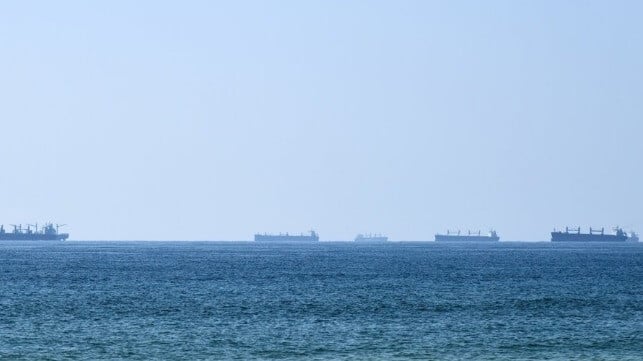
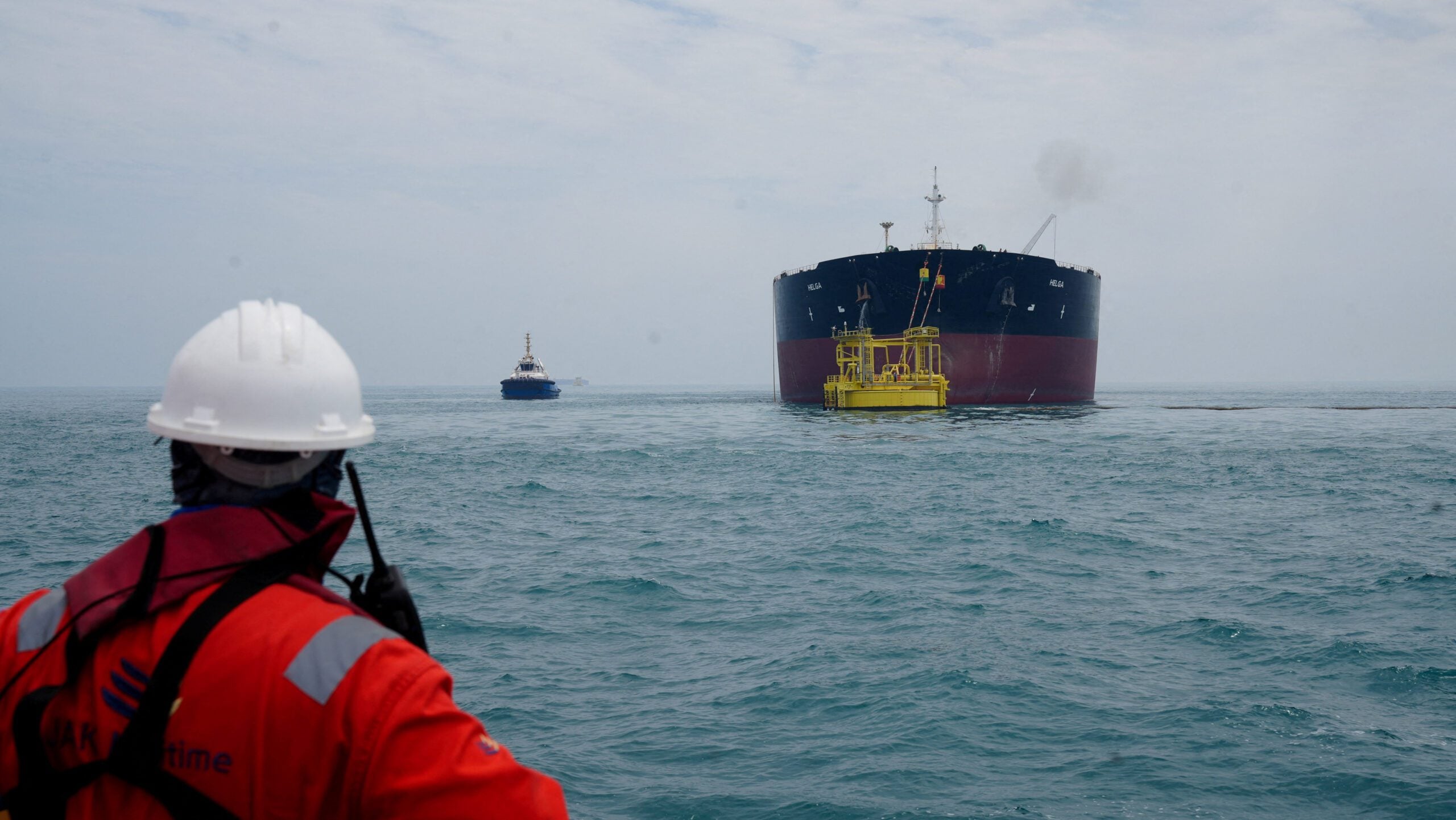
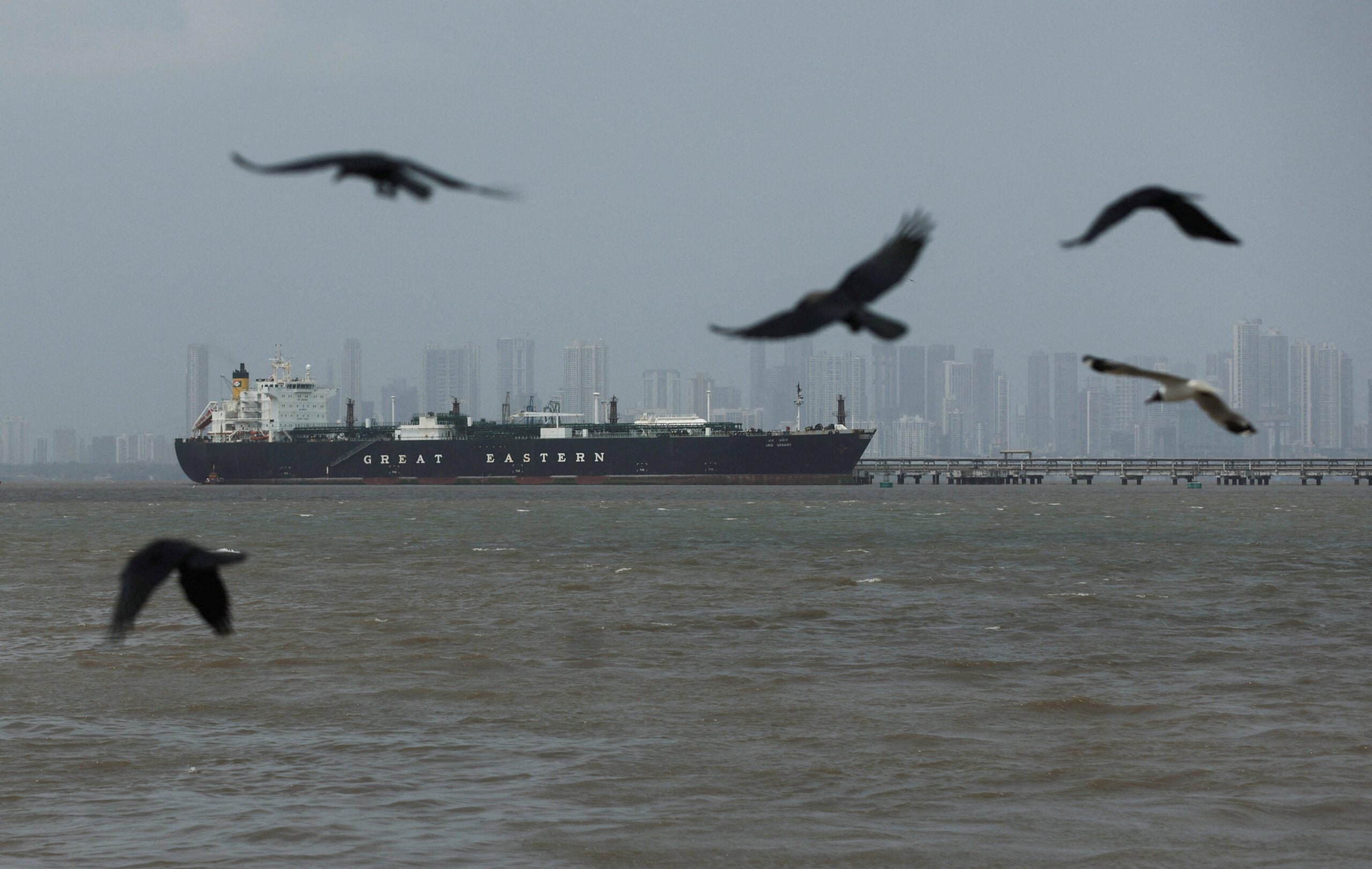
Shipping through the Strait of Hormuz is resuming but remains partly unbroadcast and hazardous: seven tankers were in the strait on 23 June, including VLCC Universal Glory carrying 2 million barrels of Saudi crude, while about 50-60 percent of traffic is dark; Oman has warned of collision risk and the Joint Maritime Information Center still rates the threat as Moderate with mines in and near the Traffic Separation Scheme. Washington’s temporary 60‑day licence permits Iranian oil and petrochemical sales through 21 August, with Iran exporting over 25 million barrels since the policy shift. Tehran and Muscat have begun talks on future navigation governance and Iran has publicly committed to safe passage, even as Iranian factions continue to assert the strait is closed. In Lebanon, fighting intensity has eased since 20 June, but Prime Minister Benjamin Netanyahu says Israeli forces have full authority in the south even as Israel contemplates limited pullbacks north of the Yellow Line and explores handing a Hezbollah tunnel site at Tebnit to the Lebanese Armed Forces; a deconfliction cell is being set up without Israel’s participation. Israeli public and political sentiment towards the US, Iran memorandum is negative, and continued Israeli presence in Lebanon risks deepening friction with Washington.
Change from previous assessment
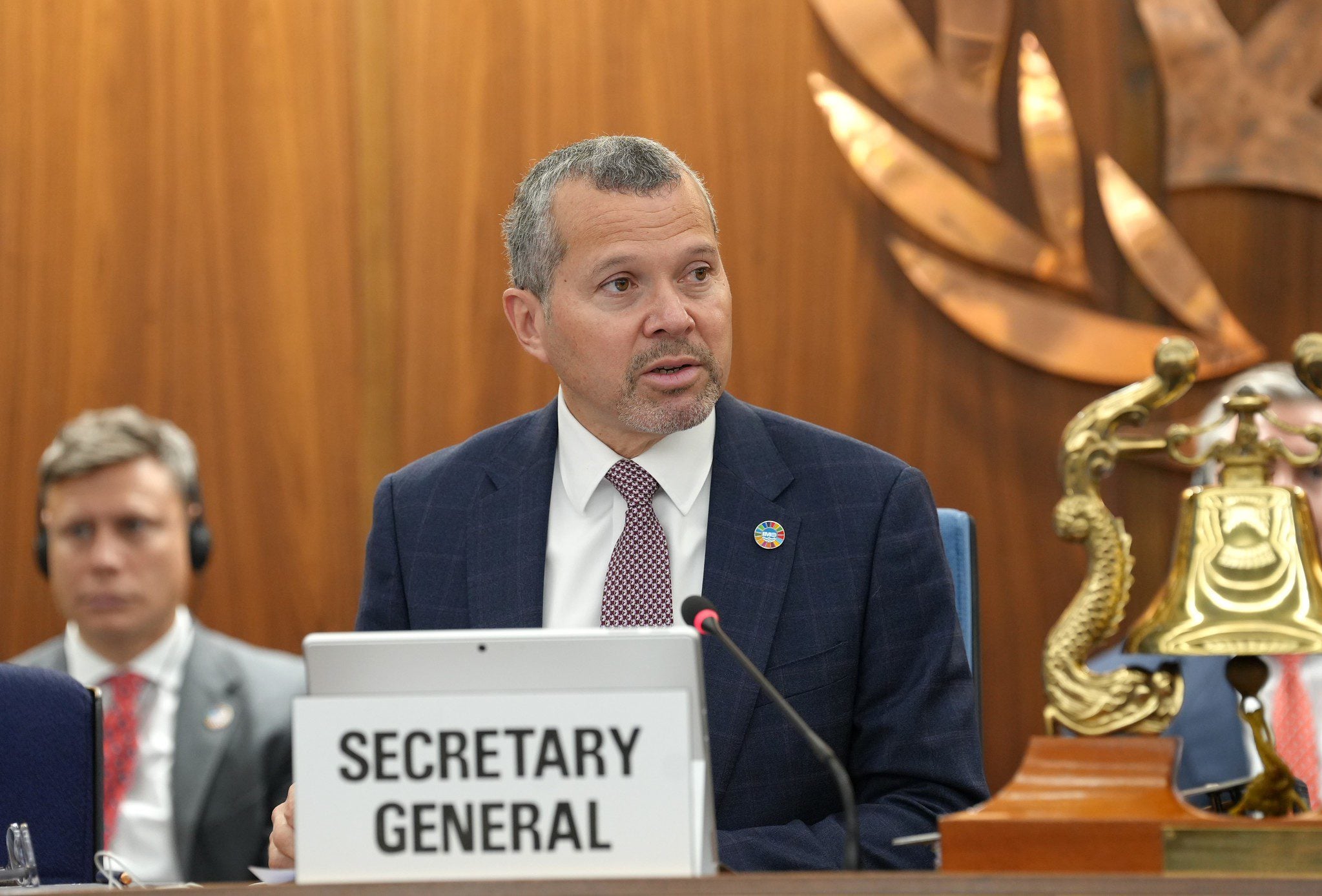
Since the prior brief, there is additional concrete evidence of resumed Hormuz traffic, including seven tankers in the strait and the VLCC Universal Glory transiting with 2 million barrels of Saudi crude; the IMO and Oman have begun implementing a phased evacuation for more than 11,000 seafarers; Iran and Oman have initiated talks on administering navigation and Iran has publicly committed to safe passage. In Lebanon, Netanyahu announced full authority for operations in the south even as Israel contemplates limited withdrawals and potential LAF control of the Tebnit tunnel site; reporting also notes a temporary reduction in fighting since 20 June. The de-escalation cell concept has been publicly described and framed as a first test of the talks, while Israeli public sentiment against the MoU is documented. Threat to mariners remains Moderate with mines still present, and Brent prices remain subdued. Overall, confidence is unchanged but supported by more granular maritime reporting.
Key judgments
- Very likely commercial traffic through the Strait of Hormuz is resuming under a dual transit regime and elevated navigation risk, with a large share of movements unbroadcast. (Confidence: high · ASSESSED)
- I&W: Sustained increase in AIS-broadcast tanker transits alongside daily IMO, Oman updates showing more vessels and crews departing the Gulf. (0-14 days)
- I&W: Iranian authorities issue a blanket closure or begin detaining compliant transits, or a major collision within the temporary corridor forces a halt. (0-14 days)
- High-confidence reporting indicates a 60‑day US, Iran de-escalation framework is in effect, lifting Iran’s effective Hormuz blockade and creating channels including a Lebanon deconfliction cell and a temporary oil licence. (Confidence: high · REPORTED)
- I&W: Official communiqués naming liaison officers and meeting schedules for the de-escalation cell and the 60‑day communication line. (0-14 days)
- I&W: Public withdrawal by any party from the de-escalation cell or cessation of CENTCOM deconfliction advisories for Hormuz. (0-14 days)
- Likely Tehran will sustain coercive leverage over Hormuz during the 60‑day window by pairing closure threats with engagement on safe passage and navigation governance. (Confidence: medium · ASSESSED)
- I&W: Iran’s PGSA expands permit requirements or denies multiple transits on the northern route, or detains a merchant vessel in Hormuz. (0-14 days)
- I&W: A joint Oman, Iran notice adopts a single no-permit transit corridor and Iranian authorities cease permit calls. (1-3 months)
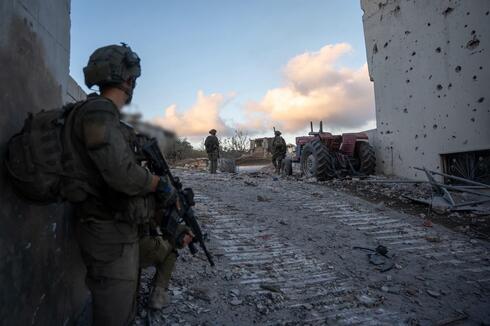
- Likely the Israel, Hezbollah confrontation in southern Lebanon will remain unsettled despite a temporary reduction in fighting since 20 June, given IDF authorities to act, limited pullback signalling, and contested deconfliction arrangements. (Confidence: medium · ASSESSED)
- I&W: New IDF orders authorising sustained operations north of the Yellow Line or regular Hezbollah FPV drone strike releases. (0-14 days)
- I&W: A written framework enabling LAF control of specified sites such as the Tebnit tunnel compound and verified IDF withdrawals. (0-14 days)
- Likely Iran’s short‑term economic incentives, including increased crude exports under the temporary US licence, will temper any move towards a full Hormuz shutdown. (Confidence: medium · ASSESSED)
- I&W: Additional Iranian VLCCs signal crossings and export tallies rise above recent baselines during the licence period. (0-14 days)
- I&W: Washington revokes or narrows the 60‑day licence, or announces new enforcement actions leading to cargo diversions. (0-14 days)
- Very likely Israeli political and public sentiment is hostile to the US, Iran memorandum, increasing the risk of friction with Washington while IDF forces remain in Lebanon. (Confidence: medium · ASSESSED)
- I&W: Cabinet or Knesset actions rejecting elements of the MoU or declining participation in the de-escalation cell. (0-14 days)
- I&W: Israel publicly initiates de-escalation proposals under the 60‑day framework and signals readiness for talks with Beirut. (0-14 days)
Outlook & scenarios
Managed de-escalation holds and maritime normalisation inches forward (55%)
Deconfliction arrangements function through the 60‑day window, fighting in southern Lebanon stays below the threshold for major reprisals, and shippers increasingly use both the northern Iranian route and the southern Omani waters. Oman, IMO evacuation operations wind down as crews depart, Iranian exports continue under the licence, and Brent remains range‑bound.
Lebanon flare‑up reactivates Hormuz pressure tactics (35%)
Fresh IDF operations north of the Yellow Line and visible Hezbollah FPV attacks trigger intensified Iranian signalling on closures and permit denials on the northern route. Traffic drops, the share of dark transits rises, and the de-escalation cell struggles to contain spillover, increasing friction between Jerusalem and Washington.
Maritime mishap forces a pause (20%)
A collision or mine incident in or near the Traffic Separation Scheme prompts Oman to suspend the temporary corridor while JMIC raises the threat posture. Evacuation priorities return, insurers harden terms, and visible AIS traffic falls even if the political framework remains nominally in place.
Recommendations
- Fuse daily IMO, Oman evacuation updates with AIS data to quantify resumed traffic and the dark‑shipping share, and brief risk to planners and commercial liaisons.
- Task collection on Iran’s PGSA communications to shipmasters to detect shifts in permit requirements or denial patterns that would presage renewed interdiction.
- Maintain a theatre linkage timeline that pairs Hezbollah, IDF incidents with Iranian Hormuz messaging to identify escalation thresholds in near‑real time.
- Track the Lebanon deconfliction cell’s membership, meeting cadence, and outputs; request readouts from Qatar and Pakistan and compare with CENTCOM advisories.
- Build an OSINT dossier on Hezbollah’s fibre‑optic FPV drone tactics, likely launch areas, and IDF countermeasures to refine indicators for renewed cross‑border pressure.
- Prepare a watch item on the 21 August expiry of the US oil licence, with decision points for early revocation or renewal, and corresponding maritime risk adjustments.
- Monitor UNIFIL drawdown planning and any hand‑off to the LAF, focusing on sites such as the Tebnit tunnel compound that could serve as confidence‑building measures.
Confidence & uncertainty
Many core elements rest on multiple, mutually reinforcing sources with high reliability, including visible tanker transits, US licensing terms, Oman, IMO actions, and official statements on de-escalation mechanisms. Uncertainties reduce the headline confidence to medium: Iranian messaging is internally contradictory on closures versus safe passage, a large share of shipping is deliberately dark, and several Lebanon‑related judgments rely on evolving political signals and risk assessments rather than firm decisions. These gaps and contradictions warrant a medium overall confidence.
Alternative analysis (red cell)
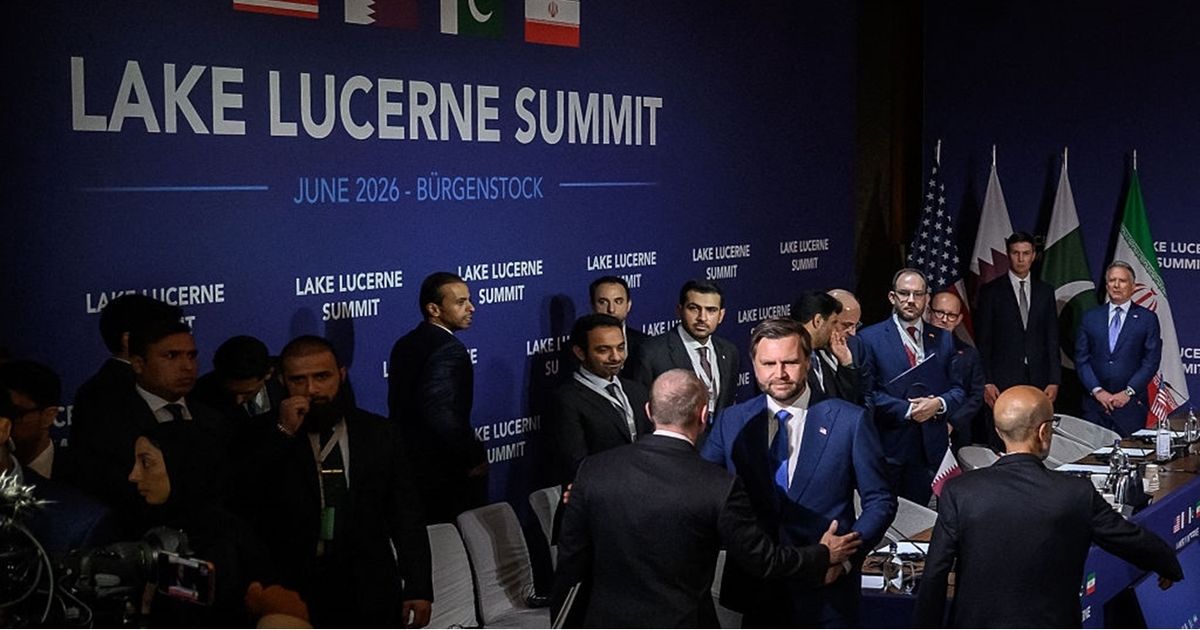
The reporting is consistent with short‑term, tactical arrangements and limited normalization steps (temporary oil licence, talks in Switzerland, Oman‑Iran navigation discussions) rather than a durable, enforceable 60‑day de‑escalation framework that definitively lifted Iran’s blockade or locked in a stable dual transit regime. Competing signals — persistent closure rhetoric from factions, explicit closure threats, and single‑source/low‑admiralty items — make alternative outcomes (isolated transits, conditional compliance, or episodic coercion) equally plausible; more granular operational, financial, and primary‑source documentation is required to distinguish between temporary tactical deconfliction and a substantive change in behavior.
Intelligence gaps
- [EEI 1.1 · UNCOVERED] Observed repositioning, sustained increases, or new forward basing of Iranian conventional or IRGC forces (armored units, missile batteries, aircraft, naval vessels) toward borders or regional launch points. Recommended collection: IMINT/satellite
- [EEI 1.3 · PARTIAL] Detection of increased missile/rocket/torpedo launch events attributable to Iran, Israel, or proxies (launch signatures, trajectories, impact points) indicating a sustained campaign rather than isolated strikes. Recommended collection: SIGINT/IMINT/air-defense radar
- [EEI 1.4 · PARTIAL] Interdicted or observed shipments (air, sea, land manifests, seizures, satellite imagery of transfers) of advanced weapons or missile components from Iran toward proxy groups or forward staging points. Recommended collection: maritime/AIS
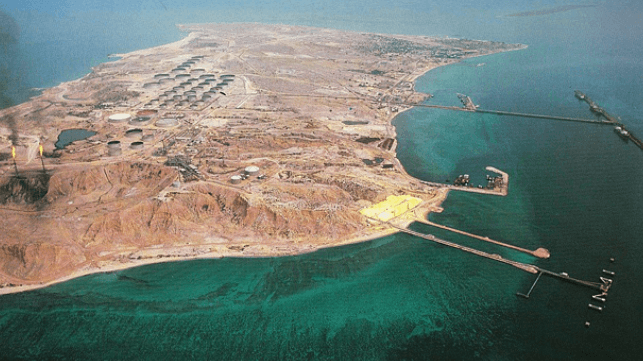
- [EEI 2.1 · UNCOVERED] Satellite or on-the-ground imagery showing fires, damage, or operational shutdown at major oil export facilities, refineries, storage terminals, or key pipeline infrastructure in the Gulf and Red Sea. Recommended collection: IMINT/satellite
- [EEI 2.2 · PARTIAL] Commercial vessel incidents: AIS transponder shutdowns, distress signals, reported hull/engine damage, boardings, or confirmed attacks on tankers/merchant ships transiting the Strait of Hormuz, Bab al-Mandeb, or eastern Mediterranean. Recommended collection: maritime/AIS
- [EEI 2.4 · UNCOVERED] Rapid increases in war-risk insurance premiums for Middle East routes, shipping company advisories to avoid region, or major charter cancellations tied to the conflict. Recommended collection: financial/open-source
- [EEI 3.1 · PARTIAL] Movement/arrival of major foreign military assets into the region: U.S. carrier strike groups, amphibious ready groups, strategic bomber flights, Russian/Chinese naval taskings, or allied expeditionary units (visible in AIS, NOTAMs, satellite imagery, official releases). Recommended collection: IMINT/satellite
- [EEI 3.2 · UNCOVERED] Official expedited arms transfers, basing/overflight agreements, or declarations of operational support (formal government announcements, defense ministry releases, logistics flight manifests). Recommended collection: open-source/diplomatic
- [EEI 3.3 · UNCOVERED] Embassy evacuations, large-scale personnel movements, issuance of government travel bans/advisories, or multinational security alerts affecting foreign nationals and diplomatic posture in the region. Recommended collection: diplomatic/open-source
Cited sources
[1] gcaptain.com · Hormuz Traffic Picks Up as More Tankers Broadcast Crossings (B) · sha256:0cb1e12b3390 [2] maritime-executive.com · Strait of Hormuz Traffic is Beginning to Return, But it is Hard to Spot (B) · sha256:12de8073cd17 [3] maritime-executive.com · IMO and Oman Launch “Phased Evacuation” for Transits in Strait of Hormuz (A) · sha256:f5d4c0bb8573 [4] gcaptain.com · Strait of Hormuz: Mines and Dual Transit Regime Complicate Return to Normal (B) · sha256:8d6039066079 [5] gcaptain.com · Who Will Govern Hormuz? Iran and Oman Begin Talks on Future Navigation and Maritime Services (B) · sha256:ce0d179dfcaa [6] gcaptain.com · Hormuz Traffic Slowly Picking Up as Oil and LNG Tankers Resume Transits (A) · sha256:fea617e471d6 [7] jpost.com · Escalation must cost: Current Switzerland talks leave Iran stronger, Israel exposed - editorial (B) · sha256:caee1cf94b2b [8] ynetnews.com · UNIFIL is leaving Lebanon. Israel must not let others write 1701’s sequel (B) · sha256:6402d1ee5c4c [9] aljazeera.net · باكستان: مذكرة التفاهم لم تتطرق لصواريخ إيران وجهات تريد تخريب الاتفاق (A) · sha256:b91ece3370c6 [10] islamtimes.com · ’Haaretz’: Security Belt in South Lebanon Illusion, Netanyahu Bolstered Hezbollah - Islam Times (B) · sha256:222965b5805e [11] The Guardian · ‘Compound shock effect’: why the Middle East crisis and El Niño could spell disaster in south-east Asia (A) · sha256:73afc8ef48fd [12] gcaptain.com · IMO Launches Mass Evacuation of 11,000 Seafarers Still Trapped in Persian Gulf (A) · sha256:317b372080a6 [13] vietnam.vn · لبنان يريد فصل المفاوضات مع إسرائيل عن الاتفاق الأمريكي الإيراني. (B) · sha256:b4990bd0f9b8 [14] Jerusalem Post · Majority of Israelis see MoU as win for Iran, loss for Israel's security, Hebrew University finds (B) · sha256:c2ea44619a7d [15] Jerusalem Post · Trump tells Netanyahu not to 'overreact,' while threatening to level Iran (B) · sha256:781a61eaab2e [16] maritime-executive.com · With U.S.-Iran Deal Signed, Jones Act's Defenders Call for an End to Waiver (B) · sha256:cbf6435a5e17 [17] arabi21.com · مخاوف إسرائيلية من تداعيات الاتفاق الأمريكي الإيراني على أمن الاحتلال (B) · sha256:ce15976fe8b4
Source content hashes were computed at collection time; the cited text is preserved unmodified for the life of this product.
Red cell review: PARTIAL DISSENT
TLP:CLEAR