TLP:CLEAR · Disclosure is not limited.
Iran, Israel flashpoints: IDF pressure in southern Lebanon and Iranian control bids at Hormuz keep escalation risks alive
Time window: Last 1 day · Audience: General analyst · Type: Situation report · DTG: 2026-07-02 11:39Z · Overall confidence: MEDIUM
BLUF
The IDF will very likely sustain fires and a forward presence in southern Lebanon while Washington and Jerusalem push a Lebanese Army deployment that Israeli officers doubt will contain Hezbollah. In parallel, Iran is likely to keep asserting de facto control over transits at the Strait of Hormuz even as indirect US, Iran talks continue, leaving maritime risk elevated and the ceasefire fragile.
Executive summary
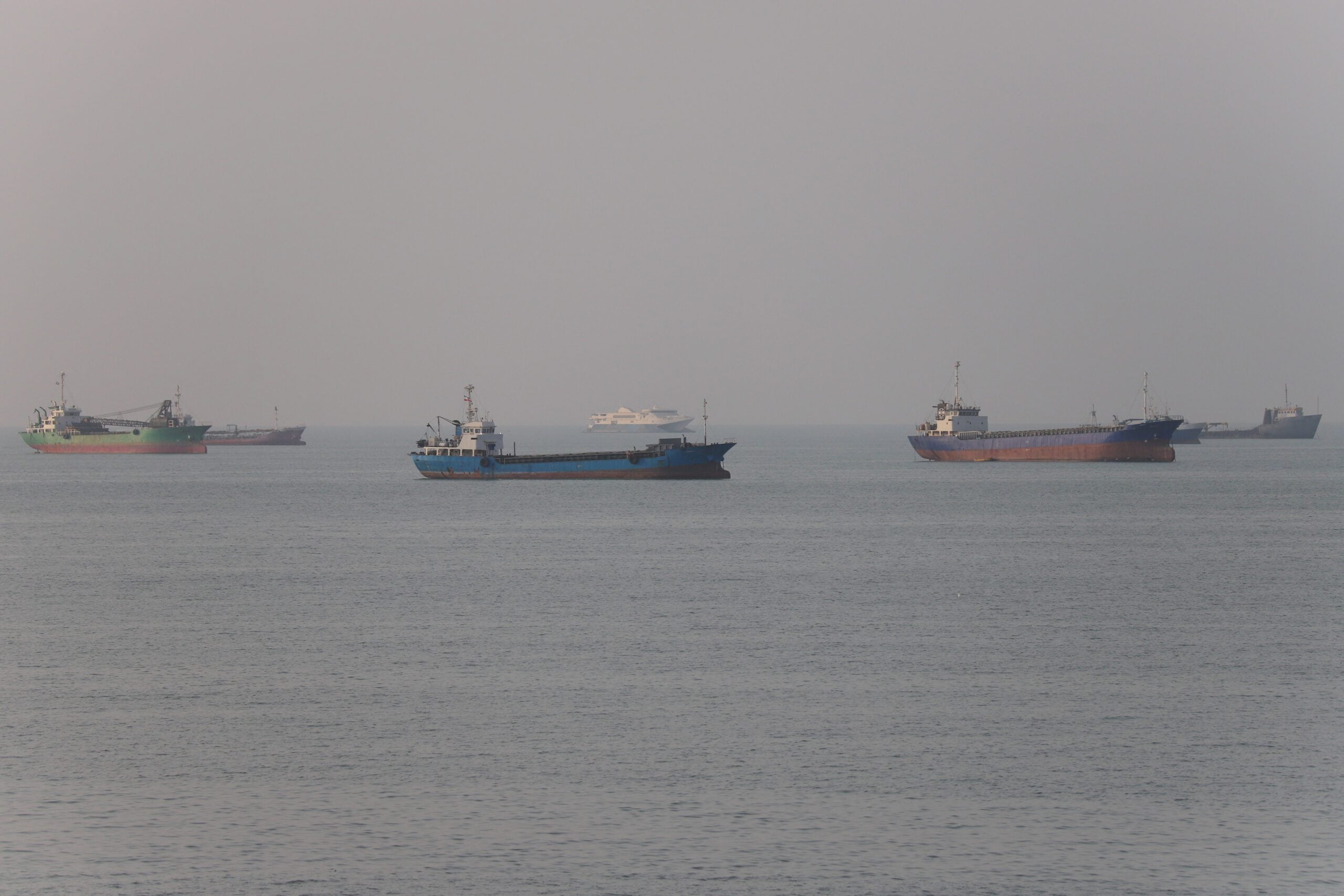
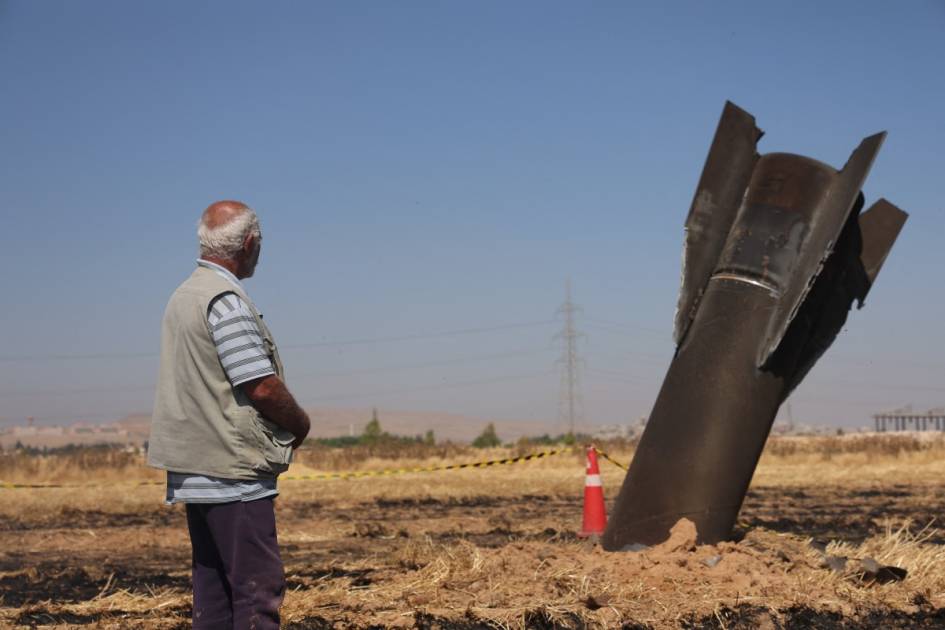
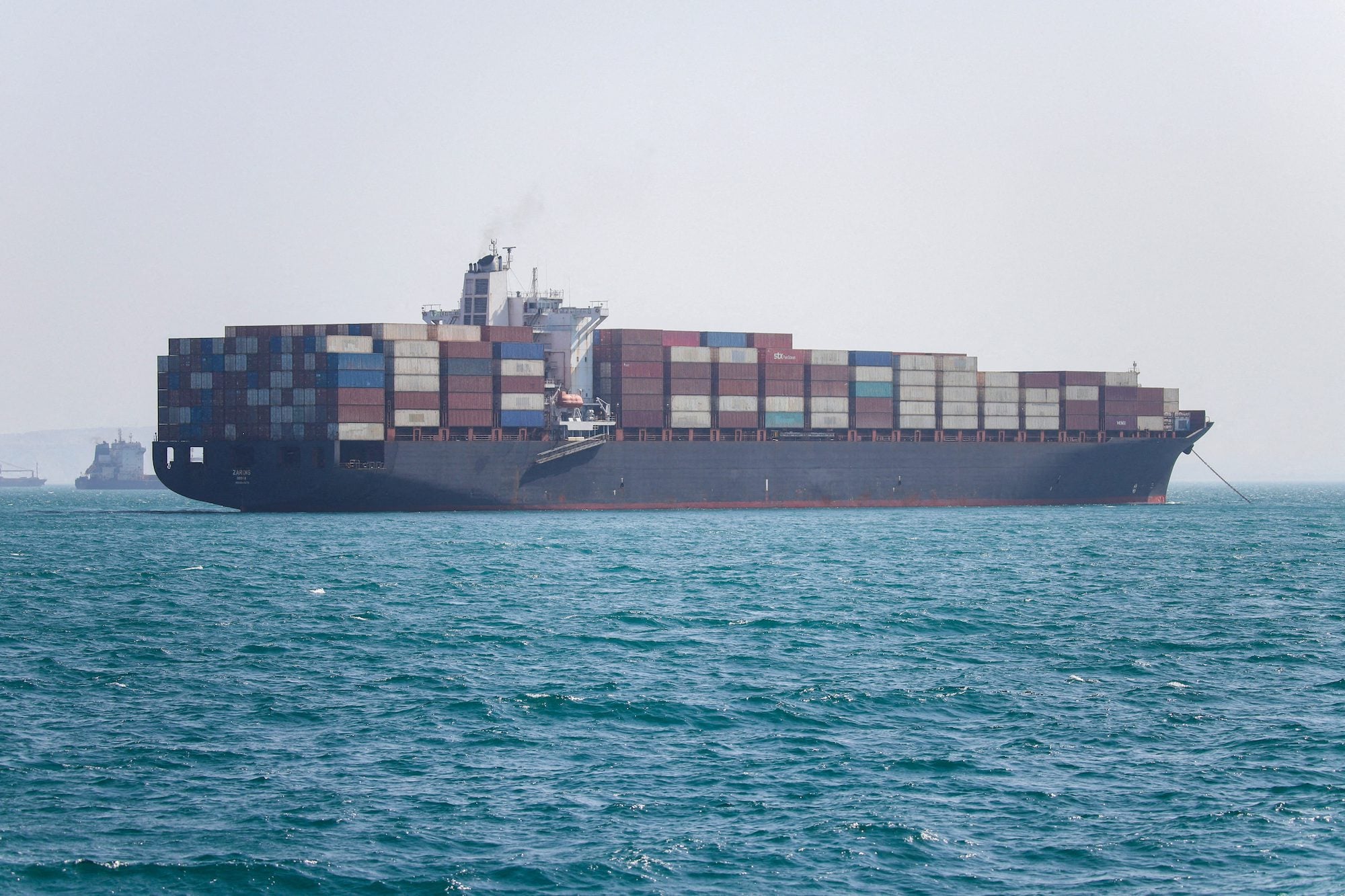
Israeli forces have continued to shell parts of southern Lebanon and Prime Minister Benjamin Netanyahu has said Israel will not leave until the Hezbollah threat is eliminated. Israeli and American officials are moving, in parallel, a track to deploy the Lebanese Army in new areas of the south, though senior IDF figures doubt it can hold Hezbollah at bay and the IDF chief met US Marine Forces Central Command to coordinate on Lebanon. At sea, traffic through the Strait of Hormuz has resumed but remains contested: Iran has warned ships to coordinate passages, signalled it intends to maintain control and levy fees, and highlighted consequences for unauthorised routing, even as an indirect Doha track and talk of a memorandum of understanding aim to regularise flows. The 2026 war ceasefire is described as fragile while Tehran warns of immediate response and Netanyahu signals the fight against Iran and its axis is ongoing. Off Yemen, armed boarders and RPG-armed approaches near Balhaf reinforce wider regional shipping risks.
Change from previous assessment
New reporting since the prior brief adds: explicit Israeli statements that forces will not leave southern Lebanon until the Hezbollah threat is eliminated; continued IDF shelling; rapid US, Israel coordination on a Lebanese Army deployment and an IDF, US CENTCOM meeting on Lebanon. At sea, there is more detail on Iran’s insistence on coordinated routing and fee demands at Hormuz, the grounding of a ship on an unauthorised route, and mixed signals on traffic resumption. Off Yemen, fresh UKMTO‑flagged boardings and approaches near Balhaf heighten regional maritime risk. This update raises confidence that Israeli operations in southern Lebanon will persist and that Hormuz risk remains elevated, while keeping overall confidence at medium due to contradictory or single‑source elements on the ceasefire and diplomacy. The Syria vector adds context of reduced Iranian leverage and Washington criticism of Israeli strikes. Prior judgments about an elevated spillover risk and ongoing Doha contacts remain directionally consistent.
Key judgments
- The IDF will very likely sustain fires and a forward presence in southern Lebanon in the near term, despite parallel US, Israel efforts to advance a Lebanese Army deployment that Israeli officers doubt will contain Hezbollah. (Confidence: medium · ASSESSED)
- I&W: IDF announces additional brigade rotations or expanded rules of engagement for operations inside southern Lebanon. (0-14 days)
- I&W: A joint US, Israel, Lebanon statement naming specific Lebanese Army units assuming control of delineated sectors alongside a published Israeli withdrawal timeline. (1-3 months)
- Iran will likely continue asserting de facto control over transits through the Strait of Hormuz, including fee demands and strict routing, keeping maritime risk elevated even as traffic resumes under an indirect Doha track. (Confidence: medium · ASSESSED)
- I&W: Iranian maritime authorities or the IRGC Navy publish or enforce formal transit fee schedules or detain a non-compliant commercial vessel in the strait. (0-14 days)
- I&W: Public release of a signed US, Iran document setting out Hormuz transit procedures and dispute-resolution mechanisms, accompanied by a two‑week period without UKMTO security advisories for the strait. (0-14 days)
- The 2026 ceasefire is likely to hold in the immediate term, but both Tehran and Jerusalem are signalling readiness to respond, keeping a renewed clash at a roughly even chance over the next quarter. (Confidence: low · ASSESSED)
- I&W: Attribution by Israel or Iran of new direct strikes on each other's territory or senior assets, beyond proxy activity. (0-14 days)
- I&W: Announcement extending or formalising the interim accord governing the ceasefire and negotiations. (1-3 months)
- Iran’s capacity to project force from Syria is likely reduced at present due to internal focus, weaker proxies and Syrian government constraints, lowering the near‑term likelihood of a Syria‑based attack on Israel even as Israeli strikes continue and draw criticism in Washington. (Confidence: medium · ASSESSED)
- I&W: Further Syrian government actions that disrupt Iran‑linked attack plotting in Damascus reported by local or international outlets. (1-3 months)
- I&W: IRGC‑aligned units launch rockets or missiles into Israel from Syrian territory, publicly claimed or credibly attributed. (0-14 days)
- Maritime insecurity off Yemen is very likely elevated, with an illegal boarding and RPG‑armed approaches south of Balhaf increasing risk to merchant shipping in the Gulf of Aden. (Confidence: high · REPORTED)
- I&W: Additional UKMTO advisories of boardings or close approaches within the same area corridor south of Balhaf. (0-14 days)
- I&W: Public reporting of arrests by regional authorities of individuals linked to the boarding incidents. (0-14 days)
Outlook & scenarios
Grinding confrontation on the northern front (60%)
Israeli artillery and air operations persist in southern Lebanon while the Lebanese Army’s deployment proceeds slowly and without authority to restrain Hezbollah. The IDF maintains a forward posture and coordination with US commanders, and political statements reiterate that Israeli forces will not withdraw until the Hezbollah threat is neutralised. Cross‑border incidents and short fire exchanges continue, with diplomacy failing to change the security reality on the ground.
Managed reopening of Hormuz under Iranian procedural control (50%)
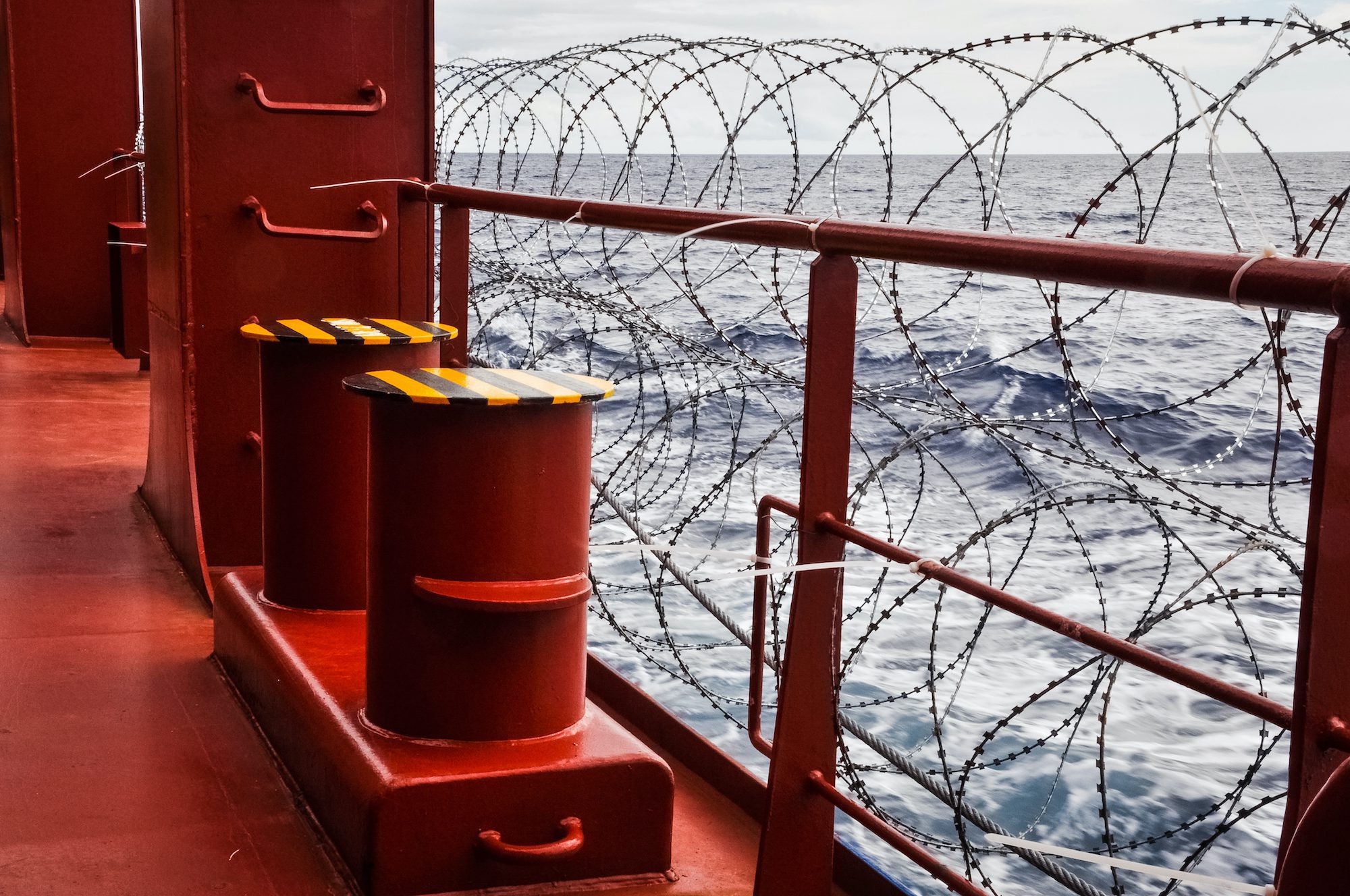
Traffic through the Strait of Hormuz increases from partial to steady flows as an indirect Doha process yields a narrow, technical understanding. Iran continues to demand coordination and fees and polices routing, including punitive action against ships deviating from authorised corridors. UKMTO reporting stays quiet on major incidents at the strait, but ship operators face higher compliance burdens and residual risk.
Escalation spiral resumes (30%)
Rhetorical signalling from Tehran and Jerusalem gives way to direct strikes that breach the fragile ceasefire. Israeli operations target Iranian assets and proxies, and Iran or aligned actors retaliate region‑wide, including harassment at sea. Talks stall, Hormuz becomes more hazardous and insurers reprice risk across Gulf routes.
Low‑probability breakthrough: LAF takes the lead, IDF pulls back (20%)
US‑backed talks between Israel and Lebanon’s government produce an agreed framework for the Lebanese Army to assume control in specified southern sectors. The IDF conducts a partial pullback aligned to sector handovers. Hezbollah hedges but reduces visible attacks to avoid international blowback. Israeli scepticism eases only after months of verifiable LAF performance.
Recommendations
- Maintain daily collection on IDF fire missions and ground posture south of the Blue Line, and map any Lebanese Army sector deployments with unit‑level detail to assess holding power against Hezbollah interference.
- Task maritime monitors to log all IRGC Navy navigational notices, fee demands and routing directives at Hormuz, and correlate with UKMTO advisories and AIS gaps to build a compliance‑risk profile by flag and operator.
- Set an alerting threshold for public release of any US, Iran memorandum or interim accord details from the Doha channel, and pre‑draft policy notes on implications for coalition naval posture and commercial routing.
- Expand open‑source monitoring of Syrian regime countermeasures against Iran‑linked cells in Damascus and along known logistics corridors, and maintain a watch for any launch activity from Syrian territory toward Israel.
- Advise shipping‑sector interlocutors transiting the Gulf of Aden to tighten citadel drills, raise watchstanding standards, and maintain immediate reporting to UKMTO, given recent boardings and RPG‑armed approaches south of Balhaf.
- Track leadership rhetoric from Tehran and Jerusalem for trigger phrases linked to mobilisation or retaliatory thresholds, and pair with incident data to refine an escalation probability model for the next 90 days.
Confidence & uncertainty
Overall confidence is medium because multiple independent reports corroborate IDF activity in southern Lebanon, Israeli intent to remain, the LAF deployment track, and Iranian signalling to control Hormuz transits, alongside observed shipping flows and UKMTO reporting off Yemen. However, several key elements rest on single‑source or think‑tank reporting, timelines are mixed across items, and there are internal tensions between claims that traffic has only partially resumed versus increased, and between a stated ceasefire and indications of aggressive posturing. These gaps and contradictions limit confidence in precise trajectory forecasts despite a coherent picture of elevated risk.
Intelligence gaps
- [EEI 1.1 · PARTIAL] Detection and characterization of ballistic/cruise missile or rocket launches originating from Iranian territory or from Iran-controlled positions in Iraq/Syria (time, launch coordinates, missile type, flight trajectory/impact area). Recommended collection: satellite/imagery
- [EEI 1.3 · PARTIAL] Israeli defensive and offensive posture changes: reservist call-ups, mobilization orders, sorties/airstrikes attributed to Israel, and domestic activation of missile-defense systems (locations and activation times). Recommended collection: open-source/media
- [EEI 1.4 · PARTIAL] Evidence of pre-positioning or arming of naval mines, fast attack craft, or anti-ship missile systems in the Gulf of Oman, northern Arabian Sea, or off the Lebanese/Syrian coasts that could be used to interdict Israeli or allied shipping. Recommended collection: maritime/AIS
- [EEI 2.1 · PARTIAL] Movements and tasking changes of external military assets: carrier strike groups, amphibious ready groups, expeditionary air wings, or ballistic-missile defense units into the Eastern Mediterranean, Persian Gulf, or Red Sea (vessel/aircraft IDs, routing, on-station times). Recommended collection: maritime/AIS
- [EEI 2.3 · PARTIAL] Changes to force protection or alert levels at foreign bases in the region (e.g., US bases in Kuwait, Qatar, UAE; Russian bases in Syria): activation of additional air defenses, curfews, or reinforcement shipments (personnel/equipment manifests). Recommended collection: signals/intel
- [EEI 3.3 · PARTIAL] Market and insurance indicators: sudden spikes in war-risk or hull insurance premiums for Middle East routes, large moves in regional FX/stock indices, and notable changes in commodity futures (oil, freight rates) tied to regional risk perceptions. Recommended collection: financial/transactional
Cited sources
[1] Atlantic Council · What the US-Iran deal means for the rest of the Middle East (and beyond) (C) · sha256:5f93318fe142 [2] jpost.com · Can Netanyahu’s strength-first strategy guide Israel through the new Middle East? - analysis (B) · sha256:1134d22fea41 [3] The Jerusalem Post · IDF's Zamir meets top US comm. to promote cooperation on Lebanon, Hezbollah strategy - exclusive (A) · sha256:529f7d0fd4ec [4] gcaptain.com · Iran Says Ship Ran Aground in ‘Unauthorized’ Hormuz Transit (B) · sha256:d1a384aab154 [5] CNN · US, Iranian officials hold indirect, lower-level talks in Doha, source says | CNN (A) · sha256:fa89a701bb06 [6] gcaptain.com · US and Iran Enter Technical Talks to Secure Peace Deal, Shipping Restart (A) · sha256:1e07837944ae [7] cryptobriefing.com · Iran warns of immediate response amid US-Israel tensions (B) · sha256:caa2d021f496 [8] nabd.com · هل تعود الأذرع الإيرانية إلى سوريا؟. خبراء يعتبرون أن طهران تركز حالياً على إعادة ترتيب.. (B) · sha256:dc4b62169e7a [9] gcaptain.com · Armed Boarders Damage Merchant Ship Off Yemen as Second Vessel Reports Suspicious Approach (B) · sha256:0a71f9f62c8f
Source content hashes were computed at collection time; the cited text is preserved unmodified for the life of this product.
TLP:CLEAR