TLP:CLEAR · Disclosure is not limited.
Iran, Israel flashpoints: Lebanon truce frays, West Bank threat rises, Hormuz reopening contested
Time window: Last 1 day · Audience: General analyst · Type: Situation report · DTG: 2026-06-25 08:41Z · Overall confidence: LOW
BLUF
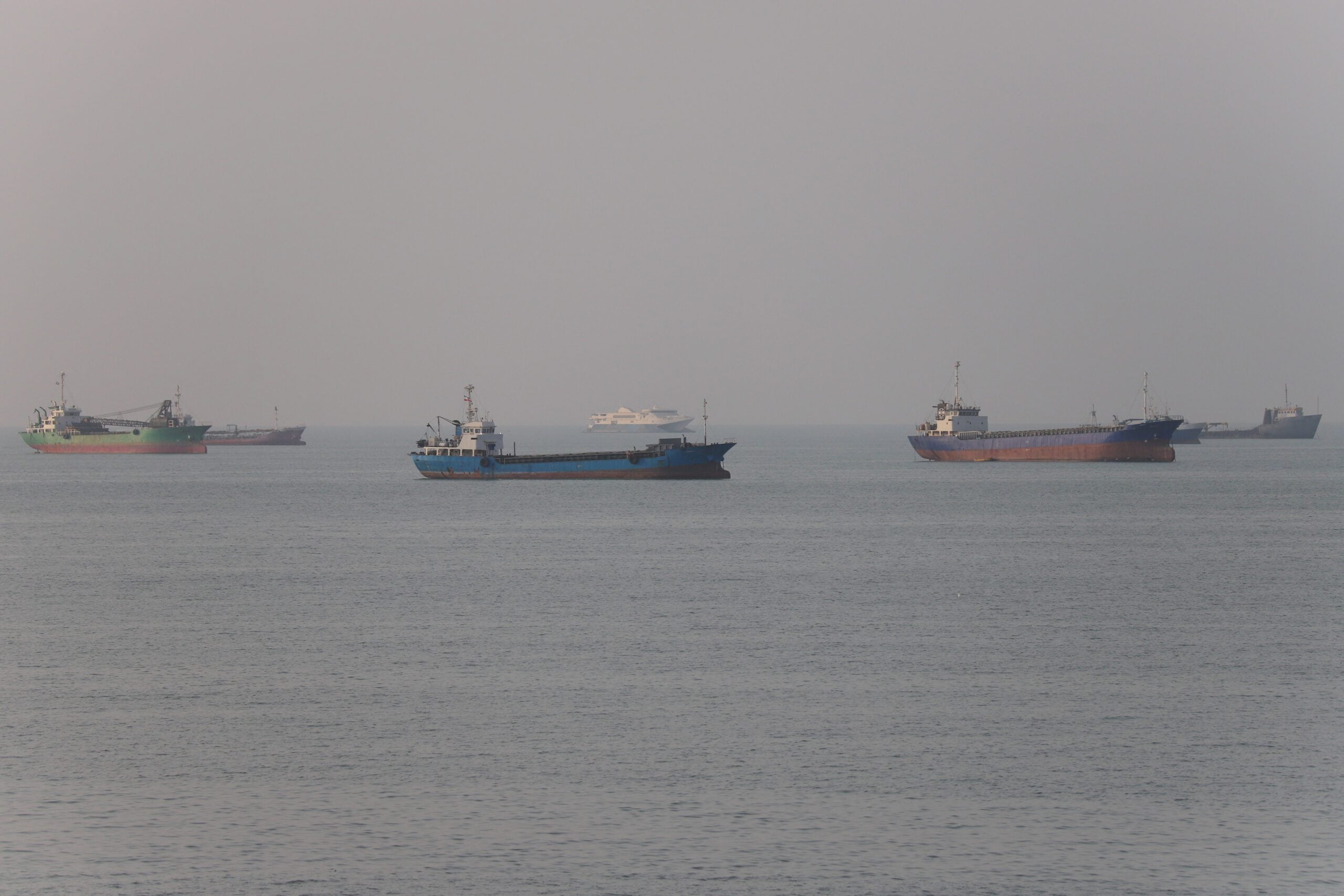
Despite a U.S., Iran memorandum reopening Hormuz and talks on a regional ceasefire, Israel, Hezbollah skirmishing and Iran’s growing focus on the West Bank keep the risk of renewed escalation high. Maritime conditions are improving but remain contested, with Iran’s IRGC rejecting Oman’s safe‑passage route and mine threats still reported.
Executive summary
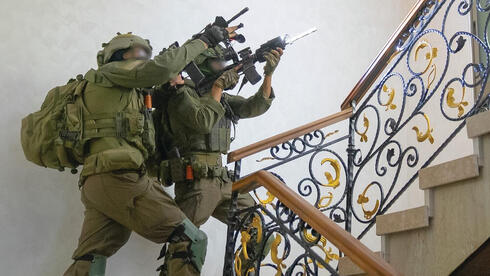
Reporting indicates the Israel, Hezbollah front remains volatile even as U.S.-brokered Israel, Lebanon talks proceed in Washington. Israeli strikes in Lebanon during a declared ceasefire and a fatal incident underline the fragility of the truce, while Israeli commanders warn a new deconfliction mechanism involving Iranian and Qatari representatives could endanger troops. In parallel, Tehran is assessed to be prioritising the West Bank through Turkey-based facilitation, crypto financing and weapons smuggling, prompting Israeli security crackdowns. In Gaza, Israel is sustaining targeted action against Hamas operatives and post-ceasefire rocket sites. Regionally, Gulf governments are hedging: some are drawing closer to Iran and questioning Washington’s long-term security role even as U.S., Iran talks advance, including discussion of a regional ceasefire and a reported reconstruction fund for Iran. At sea, the U.S., Iran MOU has initiated a managed reopening of Hormuz and an IMO-led evacuation plan, but the IRGC rejects Oman’s southern corridor and the traditional traffic scheme remains unusable due to mines. Oil prices are in the mid‑70s and Qatar signals LNG output will normalise within weeks, though freight remains volatile and movements are still being sequenced.
Change from previous assessment
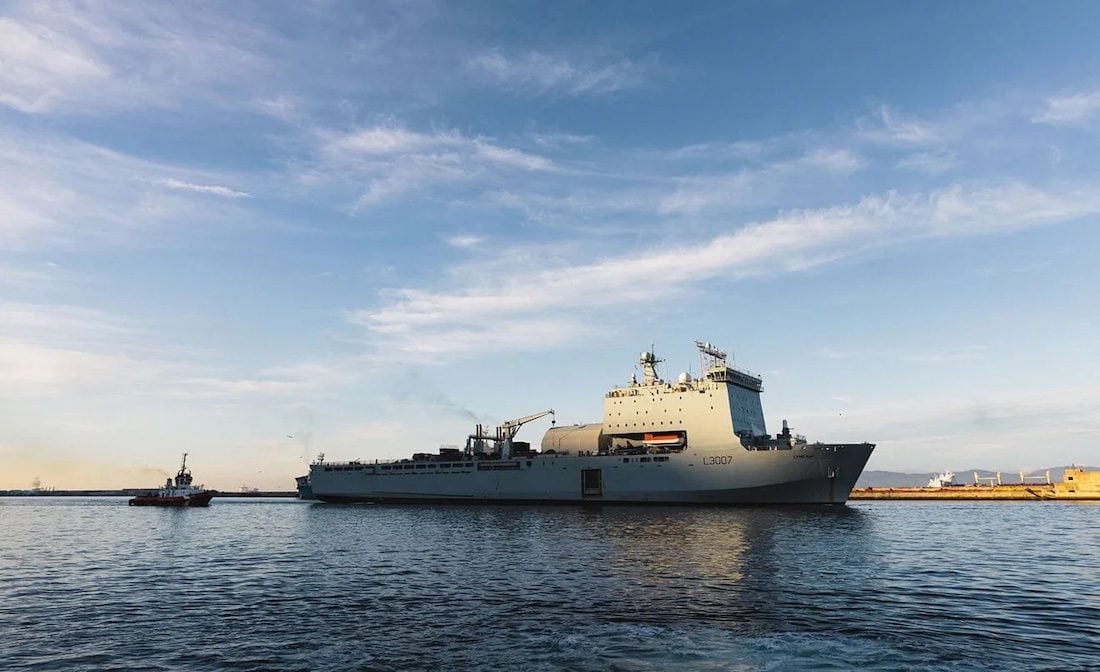
Since the 24 June brief, new reporting indicates Israeli strikes in Lebanon during a declared ceasefire and a fatal incident on the border, even as Israel, Lebanon talks began in Washington and work to consolidate a ceasefire is described. Israeli commanders warn a new deconfliction mechanism with Iranian and Qatari representatives could endanger troops. In Gaza, Israel’s pace of targeted killings is reported to have increased and new strikes hit post‑ceasefire rocket sites. On the maritime front, the IRGC has publicly rejected Oman’s southern safe‑passage route while the UK’s mine countermeasures force arrived, and the IMO began sequencing evacuations with ships told to await instructions despite some resumption of traffic. Diplomatically, U.S., Iran talks continue, with a reported reconstruction fund and a 60‑day toll moratorium, while Gulf states both hedge toward Iran and express scepticism of a U.S., Iran détente. Oil prices sit just under 74 dollars and Qatar signals LNG output will return within weeks. These developments raise uncertainty on the Lebanon track and shipping normalisation compared with the prior assessment.
Key judgments
- Lebanon: It is likely the Israel, Hezbollah front will see further ceasefire violations and limited clashes in the near term despite Washington-brokered talks and stated efforts to consolidate the truce. (Confidence: medium · ASSESSED)
- I&W: At least two IDF-reported air or artillery strikes in southern Lebanon, or Hezbollah-released strike footage, within a 7-day window despite the ceasefire. (0-14 days)
- I&W: IDF and Lebanese Armed Forces publish and begin executing a phased withdrawal and handover for named southern sectors. (1-3 months)
- West Bank: Tehran is likely prioritising the West Bank for proxy activity, elevating the short-term terror threat, and Israeli services are ramping interdiction and force posture in response. (Confidence: high · ASSESSED)
- I&W: Shin Bet or IDF report additional Turkey-directed cells, crypto funding seizures, or weapons smuggling interdictions tied to Iranian facilitation. (0-14 days)
- I&W: IDF deploys the two additional battalions to the northern West Bank as expected. (1-3 months)
- Gaza: Israel is likely to sustain a targeted campaign against Hamas operatives and post-ceasefire rocket sites, risking intermittent flare-ups. (Confidence: medium · ASSESSED)
- I&W: Further publicised IDF targeted killings of senior or mid-level Hamas figures, or additional strikes on identified rocket-firing positions. (0-14 days)
- I&W: Noticeable lull in IDF strike claims from Gaza-based targets reported by major Israeli outlets. (1-3 months)
- Regional alignment: It is likely Gulf governments are hedging by engaging Iran while doubting a U.S.-led security architecture, complicating Washington’s effort to assemble a united front. (Confidence: high · ASSESSED)
- I&W: Public Gulf, Iran ministerial-level meetings or signed MOUs beyond consular affairs. (1-3 months)
- I&W: Gulf capitals publicly endorse a renewed U.S.-led regional security initiative that excludes Iran. (1-3 months)
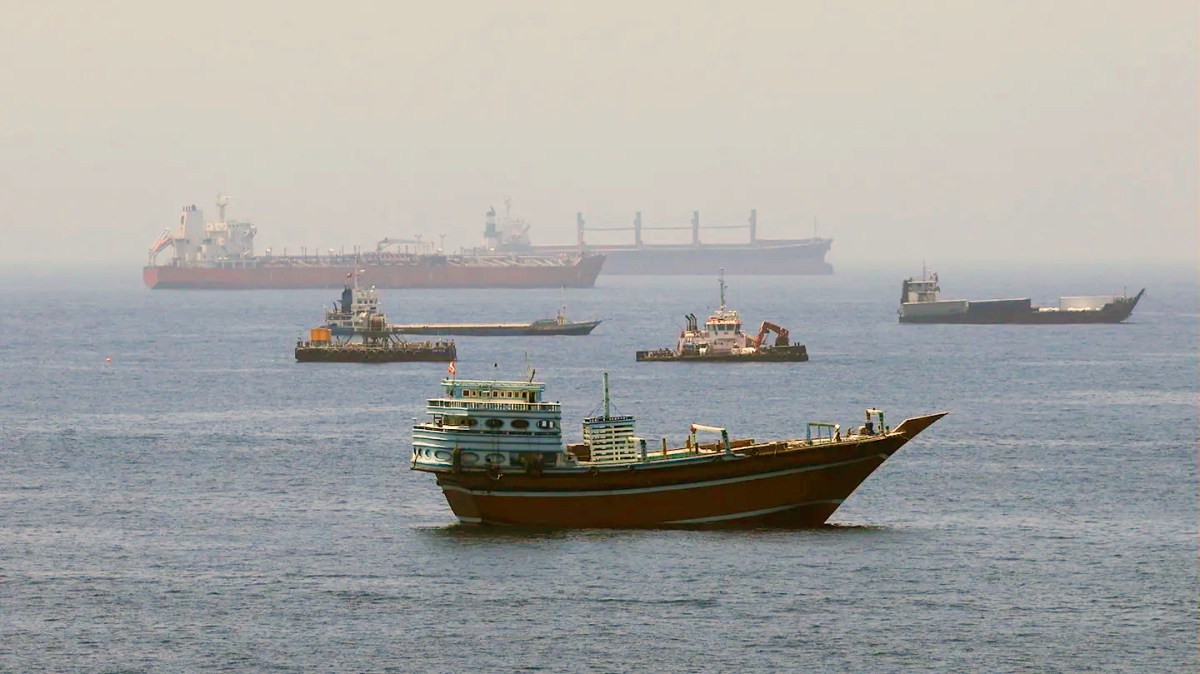
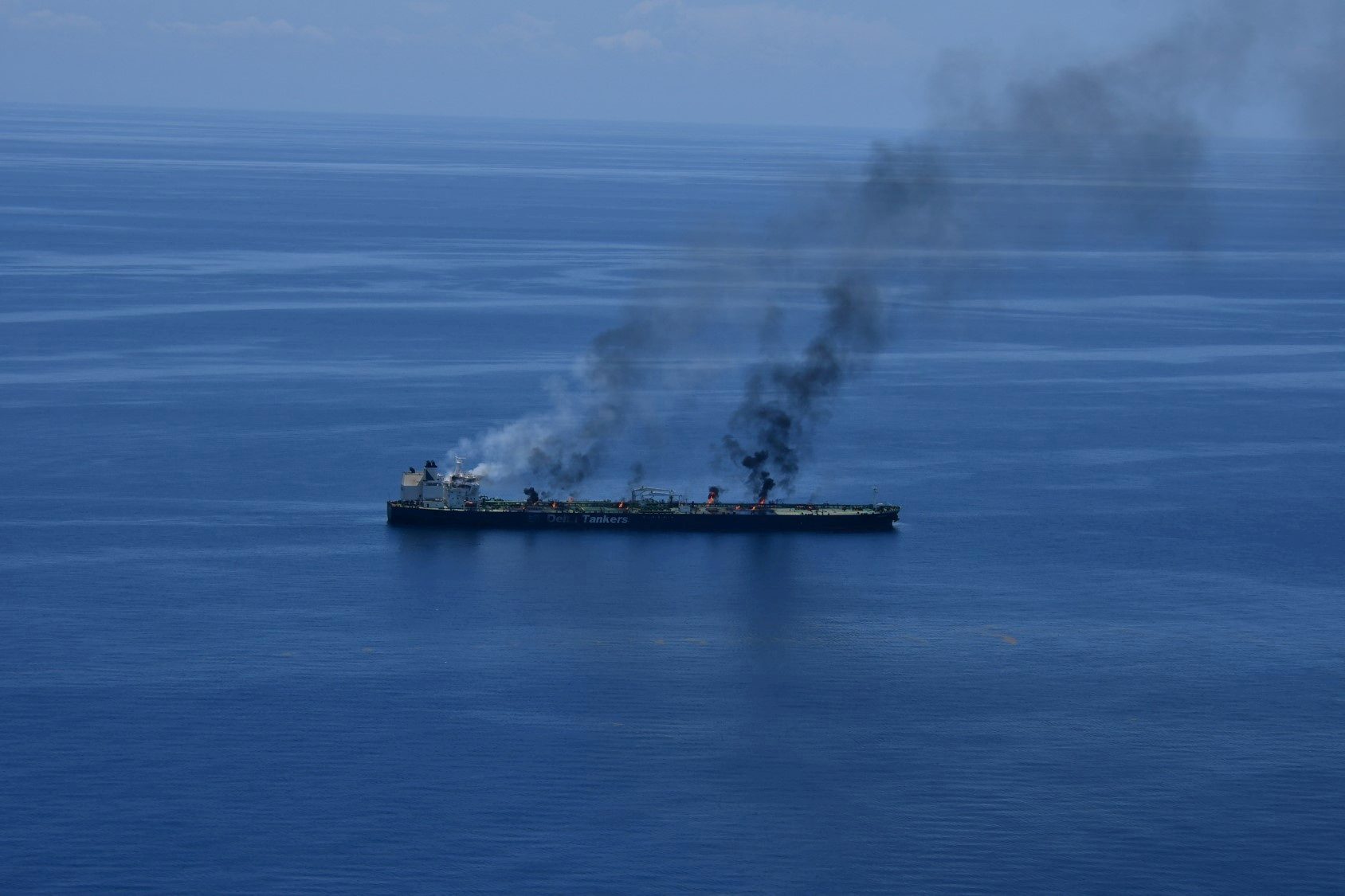
- Strait of Hormuz: It is likely navigation will remain constrained and contested in the near term despite reopening, given IRGC opposition to Oman’s southern corridor and continuing mine threats. (Confidence: medium · ASSESSED)
- I&W: UKMTO or IMO advisories continue to instruct vessels to hold position or avoid the traditional TSS due to mine risk, or IRGC issues new public warnings against the Omani route. (0-14 days)
- I&W: Iran, Oman working group announces an agreed routing framework and first escorted convoys through the southern corridor. (1-3 months)
- Energy outlook: It is likely near-term oil supply and pricing pressure will ease as flows resume and Qatar readies LNG restarts, although freight rates and transit delays remain volatile. (Confidence: medium · ASSESSED)
- I&W: Qatar announces a firm timetable for normal LNG production and Ras Laffan loadings resume on schedule. (1-3 months)
- I&W: Bloomberg or shipbrokers report further VLCC fixtures at unusually high Worldscale points on Persian Gulf routes. (0-14 days)
Outlook & scenarios
Fragile de-escalation on the Israel, Lebanon front (50%)
U.S.-facilitated Israel, Lebanon talks yield pilot zones and a handover concept to the Lebanese Armed Forces. Work to consolidate the ceasefire proceeds, with the IDF scaling back positions in parts of southern Lebanon while retaining rapid-strike options. Israeli commanders remain wary of a deconfliction mechanism that includes Iranian and Qatari representatives, but incidents fall to sporadic violations rather than daily exchanges.
Ceasefire breakdown and broader confrontation (35%)
Israeli strikes in Lebanon expand despite the declared truce, with additional fatalities on both sides. Hezbollah responses escalate beyond the current pattern. Washington’s efforts stall and the deconfliction mechanism fails to take hold. Parallel IDF operations in Gaza continue. The Lebanese Army’s limited capacity to restrain Hezbollah constrains de-escalation, although some reporting has assessed Hezbollah as weakened and more isolated, an uncertainty that shapes the pace and extent of escalation.
West Bank emerges as the primary flashpoint (45%)
Iranian-linked facilitation networks intensify activity via Turkey, crypto financing and weapons smuggling, driving more plots and interdictions in the West Bank. The IDF reinforces the northern West Bank with additional battalions and widens seizures of dual‑use materials and drones. Attack attempts are more frequent, while Gaza and the Lebanon front remain comparatively contained by diplomacy.
Maritime wildcard: IRGC challenges the southern corridor (20%)
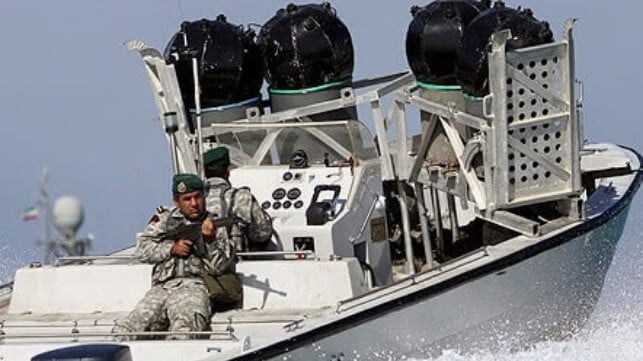
The IRGC contests Oman’s southern route through public warnings and close approaches to merchant traffic, citing safety risks. With the traditional TSS still unusable due to mines, IMO-led evacuations and convoying slow overall flows. Freight rates spike anew and shipowners delay sailings until a jointly endorsed routing framework is published.
Recommendations
- Stand up a daily indicator watch on the Israel, Lebanon front: track IDF and Hezbollah strike claims, Blue Line incidents and any published IDF, LAF withdrawal schedules; flag two-or-more strike days within a week as a ceasefire risk trigger.
- Prioritise OSINT collection on West Bank facilitation nodes: Turkey-based operatives, crypto financing channels and weapons smuggling; map entities and payment rails mentioned in Shin Bet and IDF releases and watch for the planned reinforcement of two IDF battalions.
- Scrutinise the proposed Lebanon deconfliction mechanism: identify participants, rules of coordination and channels; verify any Qatari and Iranian roles and assess IDF force‑protection implications against commander warnings.
- Maintain a Hormuz routing and risk dashboard: ingest UKMTO, MICA and IMO advisories; map Oman’s six-waypoint southern corridor; log IRGC statements rejecting the route and any harassment reports; cue alerts when guidance shifts from ‘hold position’ to ‘convoy and proceed’.
- Task maritime and energy monitors to correlate tanker movements exiting the Gulf with Brent pricing and freight fixtures; watch for further VLCC bookings near the 900 Worldscale range as a proxy for risk premia.
- Track policy signals around the U.S., Iran framework: capture details on the reported 60‑day toll moratorium, the navigation working group and the mooted reconstruction fund; map Gulf capitals’ responses and any new Iran, Gulf MOUs.
- Follow Qatar’s LNG restart timeline: monitor statements from the Prime Minister and Ras Laffan loading schedules; cross‑check with eastbound LNG carrier transits through Hormuz.
- Keep an eye on Gaza targeting patterns: catalogue IDF targeted killings and strikes on rocket sites to assess escalation risks and any spillover into ceasefire arrangements.
Confidence & uncertainty
Overall confidence is low because multiple core elements rest on contested or mixed reporting. Lebanon shows simultaneous claims of Israeli strike intensification during a ceasefire, IDF commanders refraining from proactive strikes, and efforts to consolidate a withdrawal, pulling the assessment in different directions. Maritime reporting is also mixed, with IMO-led evacuation instructions and mine warnings alongside statements that traffic is gradually resuming; casualty counts for mariners vary. Several important items, including the Lebanon talks, pilot zones and some West Bank security measures, come from medium-confidence sources. While some pillars are strong, such as U.S., Iran talks and Iran-linked activity targeting the West Bank, the aggregate picture contains enough contradictions and single‑source elements to warrant a low headline confidence.
Alternative analysis (red cell)
The source base is internally inconsistent and in several places dependent on single reporting clusters or low-admiralty reports. A more cautious estimate is defensible: localized incidents and commercial movements are occurring concurrently with strong political signals favoring deconfliction, making a scenario of limited, episodic violence and improving—though fragile—maritime flows more probable than broad, sustained escalation or permanent realignment away from the US. Key gaps are direct Iranian intent indicators, multi-source confirmation of Gulf hedging as strategic policy, and systematic ISR/SIGINT establishing campaign-level behavior.
Intelligence gaps
- [EEI 1.1 · UNCOVERED] Detection and characterization of ballistic/cruise missile or rocket launches originating from Iranian territory or from Iran-controlled positions in Iraq/Syria (time, launch coordinates, missile type, flight trajectory/impact area). Recommended collection: satellite/imagery
- [EEI 1.2 · PARTIAL] Movements and posture changes of Iran-backed proxy forces (Hezbollah units in Lebanon, militias in Syria/Iraq): concentrations of personnel, transport of rocket/artillery launchers, visible logistics build-up within operational range of Israel. Recommended collection: human/intel
- [EEI 2.3 · UNCOVERED] Changes to force protection or alert levels at foreign bases in the region (e.g., US bases in Kuwait, Qatar, UAE; Russian bases in Syria): activation of additional air defenses, curfews, or reinforcement shipments (personnel/equipment manifests). Recommended collection: signals/intel
- [EEI 3.2 · PARTIAL] Changes in crude oil and refined product flows from key terminals (reported tanker loading delays, terminal closures, throughput volumes at Kharg, Mina al-Ahmadi, Ras Tanura, and major Gulf ports compared to baseline). Recommended collection: commercial/ports
Cited sources
[1] BBC · Here's how Rubio's Mideast trip could affect the Iran deal (A) · sha256:4590b8dc24c5 [2] CBS News · U.S.-Iran Updates: Nuclear site inspections will happen, but timing "not essential," IAEA chief says (A) · sha256:cce5c884b1d5 [3] haaretz.com · As Netanyahu keeps IDF in the dark, officers warn against emerging Lebanon 'deconflicting cell' (B) · sha256:7e914bf444d6 [4] jpost.com · Can Lebanon's army disarm Hezbollah? Inside the new US-backed pilot proposal - analysis (B) · sha256:deb346a36f97 [5] ynetnews.com · Israel warns Iran covertly shifting terror focus to West Bank (B) · sha256:a964ff2f0e34 [6] jpost.com · WATCH: IDF strikes four new Hamas rocket-firing positions built in Gaza post-ceasefire (B) · sha256:db9c9734d8d6 [7] haaretz.com · The Gulf, like Israel, feels Trump sold it out on Iran. Can the U.S. rebuild trust? (B) · sha256:cba64c4565b8 [8] cnn.com · Trump’s Gulf allies fear his Iran agreement is a ‘disastrous turning point’ | CNN (A) · sha256:c3699d2c3bb0 [9] gcaptain.com · UK Minehunting Force Arrives in Middle East as Multinational Hormuz Mission Takes Shape (A) · sha256:618385f31fd5 [10] gcaptain.com · More Stranded Oil Tankers Exit Hormuz, Adding to Global Supply (B) · sha256:f90133504d9e [11] maritime-executive.com · IRGC Navy Rejects Oman's Safe-Passage Plan for Strait of Hormuz (A) · sha256:7f909794db48 [12] gcaptain.com · IMO Tells Ships to Stay Put, Await Instructions as Hormuz Evacuation Begins (A) · sha256:57e32fadd44a [13] maritime-executive.com · Carrying the Risk: What Protects Seafarers in a War Zone? (C) · sha256:7962e6381cfa [14] twz.com · Plan To Evacuate Hundreds Of Ships Still Stranded From Strait Of Hormuz Closure Is Coalescing (B) · sha256:2871beaa218e [15] gcaptain.com · Marine Insurers Back Hormuz Peace Deal as Trump Says Iran Seeking 'No Tolls' (B) · sha256:31a5a1b7a5de [16] Bloomberg · Oil Tanker Booked in Persian Gulf at 897% of Benchmark Rate (A) · sha256:e108c3468655 [17] gcaptain.com · Allianz: The Age of Predictable Shipping Is Over (C) · sha256:8c91599ae346
Source content hashes were computed at collection time; the cited text is preserved unmodified for the life of this product.
Red cell review: PARTIAL DISSENT
TLP:CLEAR