TLP:CLEAR · Disclosure is not limited.
Iran, Israel flashpoints: northern front re-heats, maritime risk elevated
Time window: Last 1 day · Audience: General analyst · Type: Situation report · DTG: 2026-07-06 08:05Z · Overall confidence: MEDIUM
BLUF
Hostilities between Israel and Hezbollah have resumed after a short-lived pause, while maritime threats in the Red Sea and tighter Iranian control around the Strait of Hormuz are disrupting shipping. Iranian rhetoric and US advisories keep the UAE in a heightened threat environment as Israeli leaders signal readiness for further action.
Executive summary
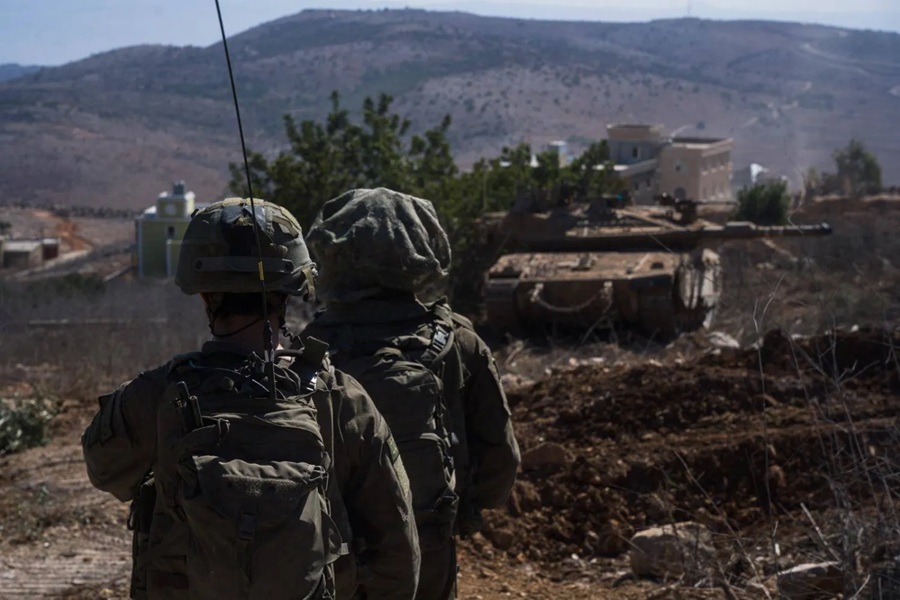
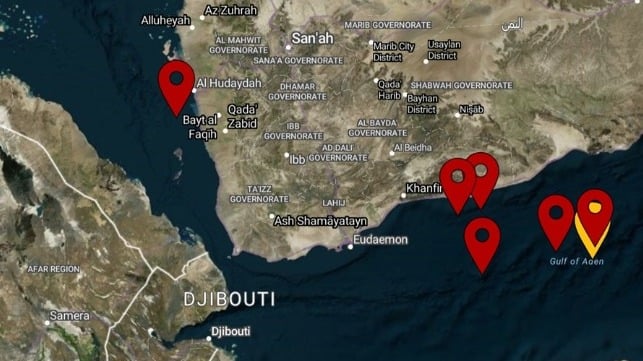
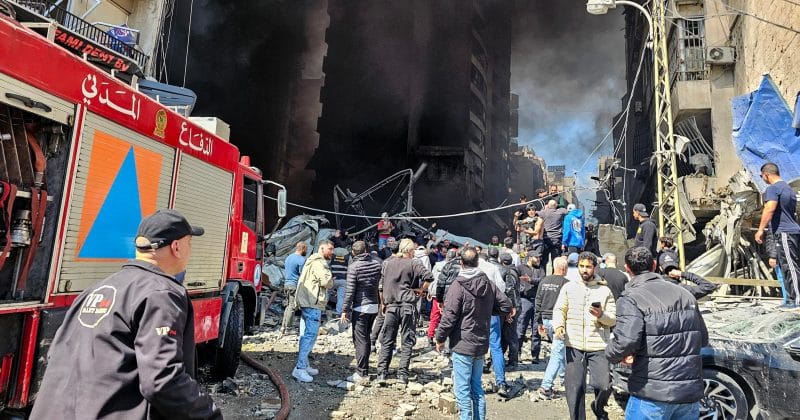
The ceasefire on Israel’s northern front did not hold: Hezbollah has resumed drone and missile launches toward Israeli settlements and the IDF has restarted intensive operations and artillery fire along the Lebanon border. At sea, the Houthis have renewed threats against Israeli shipping and a cargo vessel reported an attack about 30 nautical miles southwest of Al Hudaydah, as Eilat’s port faces operational pauses. Around the Strait of Hormuz, reporting points to fewer transits, ship reversals following IRGC warnings, and Tehran’s push to assert control amid Omani consultations with Iran, France and the UK. Israel’s defence minister has publicly signalled readiness to act, including in Lebanon, while Iran has threatened US-linked sites in the UAE, prompting enduring US aviation and travel warnings. Gulf and Iraqi engagement aims to curb militia launches from Iraqi territory, though Iran-linked influence in Iraq is reported to be growing, tempering near-term de-escalation prospects.
Change from previous assessment
Since the 4 July brief, new reporting shows active exchanges on the Lebanon border including IDF artillery on 5 July, renewed Houthi threats and a vessel attack near Al Hudaydah, and indications of tighter Iranian control efforts around Hormuz with ship reversals and fewer transits. Israeli leadership has publicly reaffirmed readiness for further action, and the GCC secretary-general travelled to Baghdad to press on militia curbs. The UAE remained under elevated advisories, while a reported Iron Dome transfer surfaced but remains unconfirmed. These developments raise assessed persistence of northern-front hostilities and refine the maritime-risk picture. Initial assessment of this topic’s evolving operational details is updated accordingly.
Key judgments
- The Israel, Hezbollah front has re-escalated and is likely to sustain tit-for-tat strikes in the near term after a short-lived ceasefire failed. (Confidence: high · REPORTED)
- I&W: IDF reports and local accounts continue to note artillery and airstrikes along the Lebanon border (0-14 days)
- I&W: Verified Hezbollah redeployment north of the Litani River as envisaged in the US proposal (1-3 months)
- Israel is very likely posturing for further action, including in Lebanon, as signalled by Defence Minister Israel Katz’s public declarations of readiness to engage "at any time and against any threat". (Confidence: medium · ASSESSED)
- I&W: Israeli Defence Ministry communiqués announcing force movements or heightened alerts on the northern front (0-14 days)
- I&W: Public confirmation of a renewed ceasefire framework tied to Hezbollah movements north of the Litani (1-3 months)
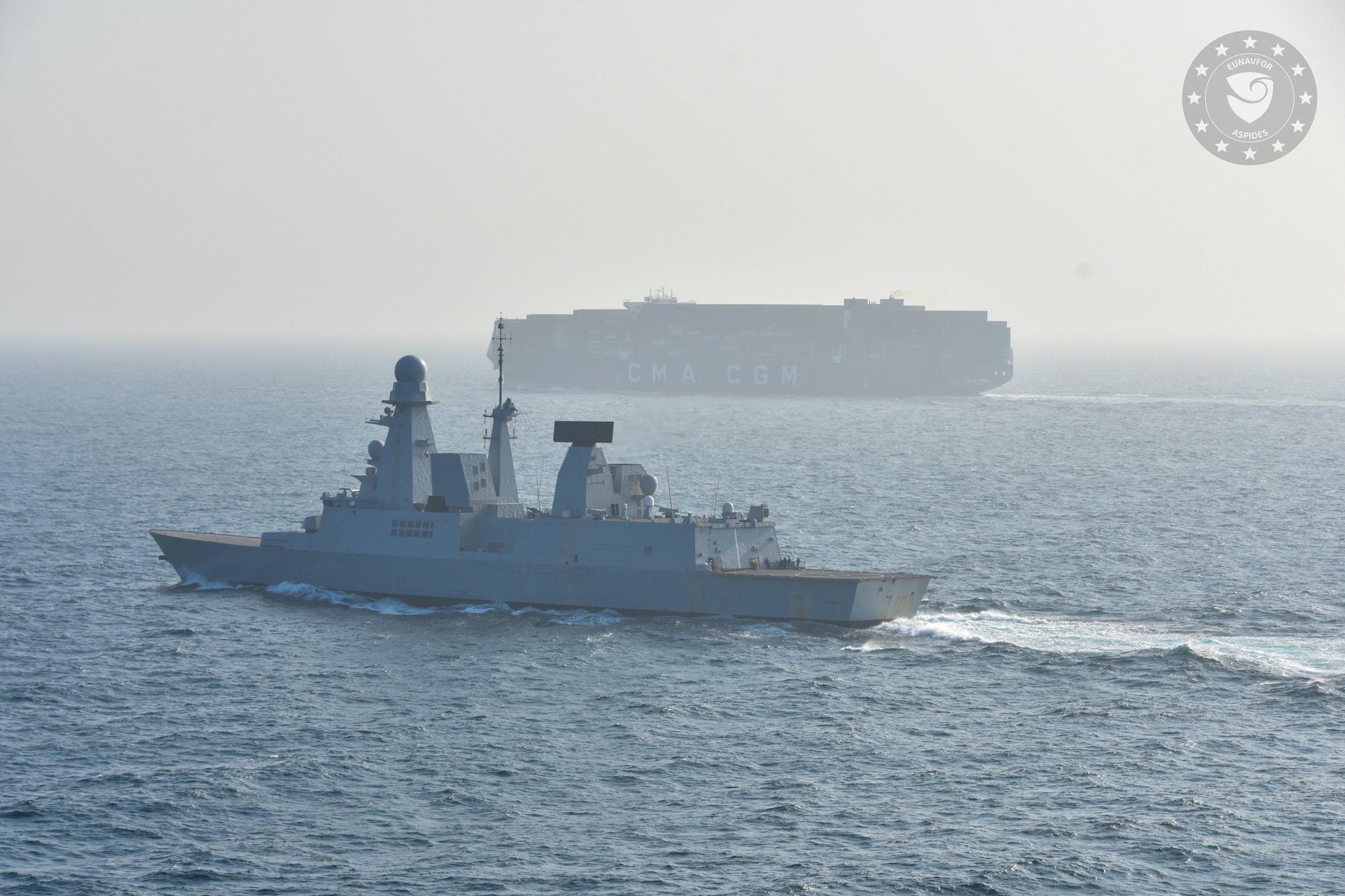
- Maritime risk in the Red Sea and around the Strait of Hormuz is high and likely to persist, driven by Houthi threats and incidents near Al Hudaydah and Iranian steps to tighten control of Hormuz alongside regional consultations. (Confidence: high · REPORTED)
- I&W: Further UKMTO alerts of attacks or boardings within 50 nm of Al Hudaydah (0-14 days)
- I&W: Sustained recovery in vessel transits through Hormuz without widespread reversals (1-3 months)
- The threat environment for US-linked sites and civil aviation in the UAE is elevated and likely to endure, given explicit Iranian intent and multiple US advisories and orders. (Confidence: high · REPORTED)
- I&W: Claimed or intercepted drone or missile launches from Iraqi territory toward the UAE (0-3 months)
- I&W: FAA or State Department downgrades of UAE-related cautions and departure orders (1-3 months)
- Gulf and Iraqi diplomatic engagement is likely to face near-term limits in curbing Iran-linked militia activity, as Tehran’s influence in Iraq is reported to be increasing. (Confidence: medium · ASSESSED)
- I&W: Baghdad announces and enforces measures restricting cross-border launches by militias (1-3 months)
- I&W: New drone or rocket salvoes traced to Iraqi territory targeting Gulf states (0-3 months)
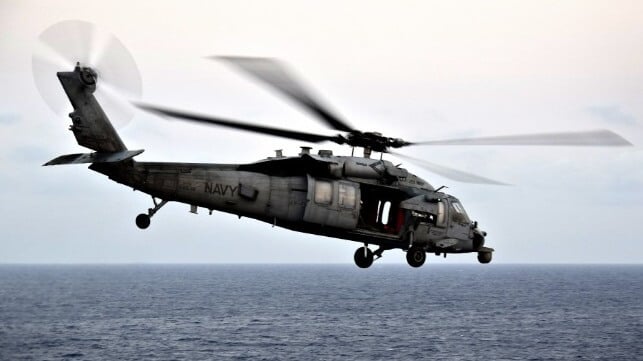
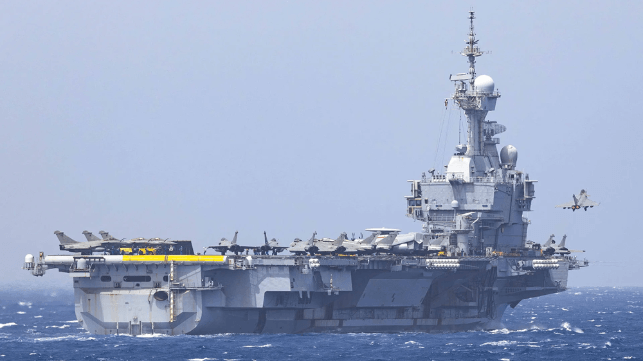
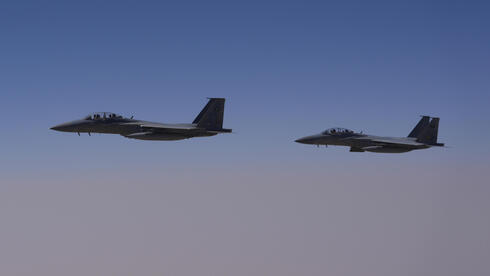
- US and Israeli military posture remains forward-leaning across the theatre, very likely maintaining deterrence and rapid strike options following the US buildup and recent joint strikes in Iran. (Confidence: high · REPORTED)
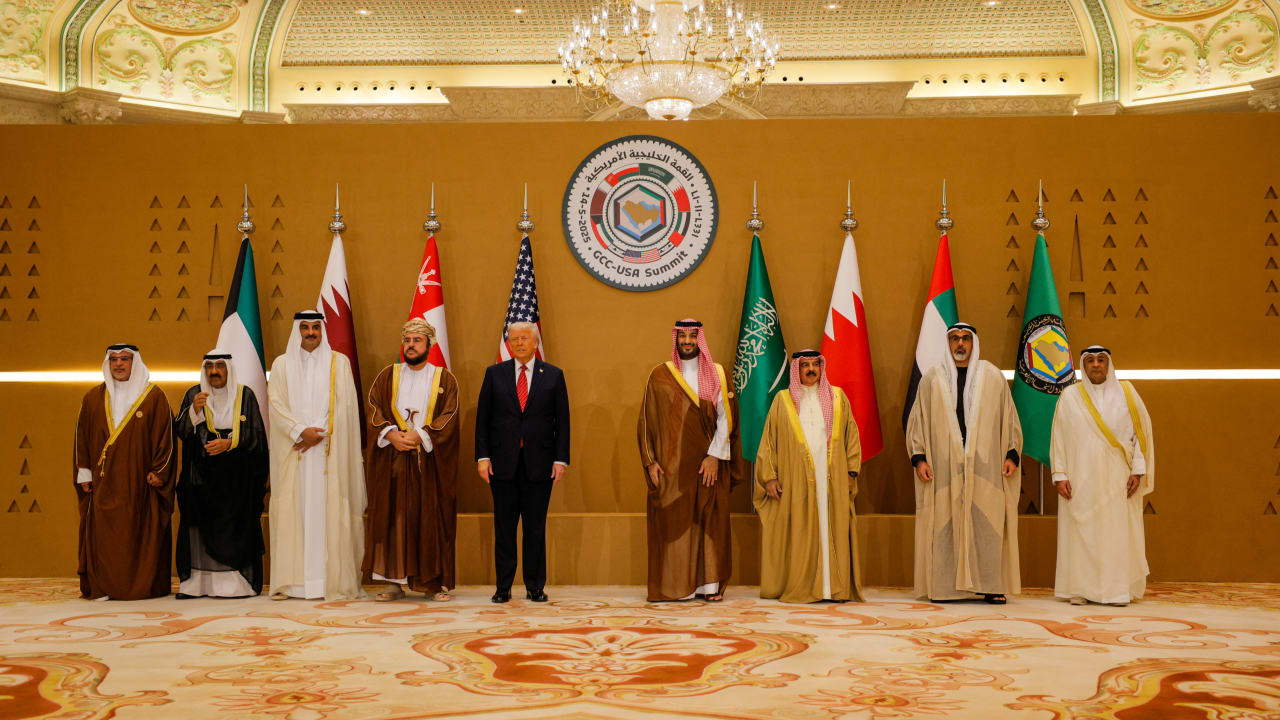
- I&W: Continued public reporting of US carrier and strike group operations in CENTCOM waters (1-3 months)
- I&W: Announced drawdown or redeployment of US naval and air assets away from the region (1-3 months)
- Reports that Israel transferred an Iron Dome system to the UAE during fighting with Iran remain unconfirmed and should be treated with caution. (Confidence: low · REPORTED)
- I&W: On-record confirmation by Israeli or UAE defence authorities, or verifiable imagery of Israeli-made launchers in the UAE (0-3 months)
- I&W: Official denials without subsequent corroborating evidence emerging (0-1 month)
Outlook & scenarios
Protracted limited confrontation on Israel’s northern front (60%)
Hezbollah sustains drone and missile launches and the IDF replies with air and artillery strikes along the Lebanon border, with no durable ceasefire or withdrawal north of the Litani. Israeli leadership messaging continues to frame readiness for broader action, but fighting stays below a full-scale campaign.
Worsening maritime disruption in Red Sea and near Hormuz (50%)
Further Houthi threats and sporadic attacks near Al Hudaydah keep insurance premiums high and rerouting common, while IRGC maritime warnings and tighter coastal control prompt additional vessel reversals and a continued dip in Hormuz transits. Eilat’s port experiences intermittent operational pauses.
Managed de-escalation via GCC, Iraq engagement and Oman-led talks (30%)
Follow-on meetings in Baghdad yield steps to constrain militia launches from Iraqi territory, while Muscat’s consultations with Iran, France and the UK help stabilise navigation protocols around Hormuz. Tensions ease modestly but not decisively.
UAE emerges as a secondary theatre of attempted strikes (25%)
Iranian intent toward US-linked sites in the UAE combines with Iran-aligned militias using Iraqi territory for launches, producing attempted or intercepted attacks that reinforce US aviation and travel cautions. Israel’s reported support to Emirati air defence remains unclear.
Recommendations
- Stand up a daily tracker for UKMTO reports and incident coordinates within 50 nautical miles of Al Hudaydah, and flag clusters or repeat attacks for immediate escalation.
- Map vessel reversals and transit dips around the Strait of Hormuz using open AIS feeds, correlating with any reported IRGC warnings to identify emerging choke points.
- Task collection to capture Israeli Defence Ministry bulletins and orders of battle relevant to the northern sector, and log time-stamped references to deployments or alerts.
- Maintain a rolling watch on FAA Middle East notices and State Department UAE advisories, and brief corporate travel and civil aviation stakeholders on any changes.
- Engage maritime stakeholders to assess Eilat port conditions alongside reported Houthi threats, updating contingency routing guidance for Israel-linked cargoes.
- Produce an alternative analysis note on the reported Iron Dome deployment to the UAE, listing required confirmatory evidence and potential policy implications if verified.
- Update the threat matrix for US-linked sites in the UAE to incorporate the vector of launches from Iraqi territory, aligning indicators with militia activity reporting.
Confidence & uncertainty
Multiple independent, generally reliable sources underpin the core judgments on resumed Israel, Hezbollah clashes, Israeli readiness signalling, Houthi threats and incidents near Al Hudaydah, and Iranian efforts to shape control around Hormuz. Official US advisories reinforce the assessment of elevated risk in the UAE. Confidence is tempered by areas of inconsistency or low-corroboration reporting, including the scale and timing of Hormuz transit reductions and the unconfirmed Iron Dome transfer to the UAE, as well as broader contradictions in background figures on Gaza actors. On balance, corroboration supports a medium overall confidence level.
Alternative analysis (red cell)
For judgment 0, the evidence supports a rapid collapse of a ceasefire and short exchanges but does not establish a sustained tit‑for‑tat campaign; escalation could remain episodic or be recontained. For judgment 4, active diplomatic visits and GCC engagement (2de6df11; 638bb043) create a plausible pathway for constraining militia activity, and the claim tying Iranian influence to a notional event (5b667f52) weakens the case that diplomacy will likely fail in the near term.
Intelligence gaps
- [EEI 1.1 · PARTIAL] Number, type, launch times, and trajectories of ballistic missiles, cruise missiles, armed UAV strikes, and combat-air sorties launched by Iranian or Israeli forces toward the other's territory or forward bases within a 72-hour window. Recommended collection: signals/intel
- [EEI 1.2 · PARTIAL] Observable changes in Israeli and Iranian force posture: mobilization or reserve call-up orders, unit road/rail movements, dispersal or sortie rates of air squadrons, redeployment of air-defense batteries, and activation of civil-defense alerts or sirens in major population centers. Recommended collection: open-source/media
- [EEI 1.3 · PARTIAL] Indications of strike authorization or targeting preparations in Iranian or Israeli command chains: authenticated public orders by senior commanders, detected increases in encrypted communications consistent with targeting, or visible movement of strike munitions to launch/storage sites. Recommended collection: signals/intel
- [EEI 2.1 · PARTIAL] Counts, launch locations (coordinates), weapons types, and assessed damage from rocket/missile/drone strikes originating from Lebanon into northern Israel attributed to Hezbollah or allied groups. Recommended collection: open-source/media
- [EEI 2.2 · PARTIAL] Reported attacks by Iranian-backed militias in Iraq and Syria: rocket/IED strikes on bases hosting US/coalition or Israeli personnel, documented militia unit movements toward borders, and captured movement or transfer of weapons systems to forward militia positions. Recommended collection: human
- [EEI 3.1 · PARTIAL] Movements and arrival dates of foreign military assets into the region: carrier strike groups, amphibious ships, surface combatants, strategic airlift/tanker deployments, and air/sea patrol patterns by US, European, Russian, or regional militaries. Recommended collection: imagery/satellite
Cited sources
[1] المنتدى العربي لتحليل السياسات الإيرانية · الصراع على جنوبي لبنان إثر تباين المواقف الأمريكية ــ الإيرانية - المنتدى العربي لتحليل السياسات الإيرانية | AFAIP (C) · sha256:7e1ead05473a [2] haaretz.com · After 1,000 days of war, Israel's north is running out of resilience (A) · sha256:53eff3e94104 [3] Wikipedia · Middle Eastern crisis (2023–present) (B) · sha256:dd73b8ab5a8c [4] cryptobriefing.com · Israel ready for military action amid fragile ceasefire with Iran (B) · sha256:9bf649830561 [5] maritime-executive.com · Cargo Ship Reports Attack Near Hodeidah, Yemen (B) · sha256:43f94284c44d [6] gcaptain.com · Cargo Ship Reports Attack Off Yemen, Adding To Red Sea Risks (A) · sha256:91182687603e [7] theguardian.com · Iran seeks to tighten control over strait of Hormuz alongside Khamenei funeral (A) · sha256:df3833c6b0e4 [8] ynetnews.com · Saudi surrender in Yemen: The Iranian flight threatening Israel (B) · sha256:6a1257c2c682 [9] maritime-executive.com · Could Existing Ships Operate Without Crew in High-Risk Zones Like Hormuz? (B) · sha256:a5186a0e22ba [10] maritime-executive.com · European Naval Coalition for Hormuz Disappears Without a Trace (B) · sha256:db0a99346fac [11] U.S. Department of State · United Arab Emirates Travel Advisory (A) · sha256:7a0c71f2991b [12] jpost.com · The Gulf wants to end attacks from Iraq, but will it influence Baghdad before Iran does? - analysis (B) · sha256:519990f78f55 [13] Wikipedia · 2026 United States military buildup in the Middle East (B) · sha256:8e987547406e [14] maritime-executive.com · U.S. Navy Calls Off Search for Missing Helicopter Crewmember in Arabian Sea (A) · sha256:7028c69f51b6 [15] haaretz.com · Netanyahu minister confirms Israel sent Iron Dome system to UAE during Iran war (A) · sha256:c076eea2b049
Source content hashes were computed at collection time; the cited text is preserved unmodified for the life of this product.
Red cell review: PARTIAL DISSENT
TLP:CLEAR