TLP:CLEAR · Disclosure is not limited.
Iran-Israel flashpoints widen as Hormuz traffic recovers under strain
Time window: Last 1 day · Audience: General analyst · Type: Situation report · DTG: 2026-07-01 07:03Z · Overall confidence: LOW
BLUF
Tehran’s warning that its missiles are loaded for Israel, fresh Israeli activity on the Syria front, and Iran-linked espionage arrests inside Israel keep miscalculation risk high this week while ship traffic through the Strait of Hormuz is recovering but remains fragile amid Iranian control rhetoric and fee plans. Expect continued US-Iran flare‑ups at sea despite uncertain Doha diplomacy.
Executive summary
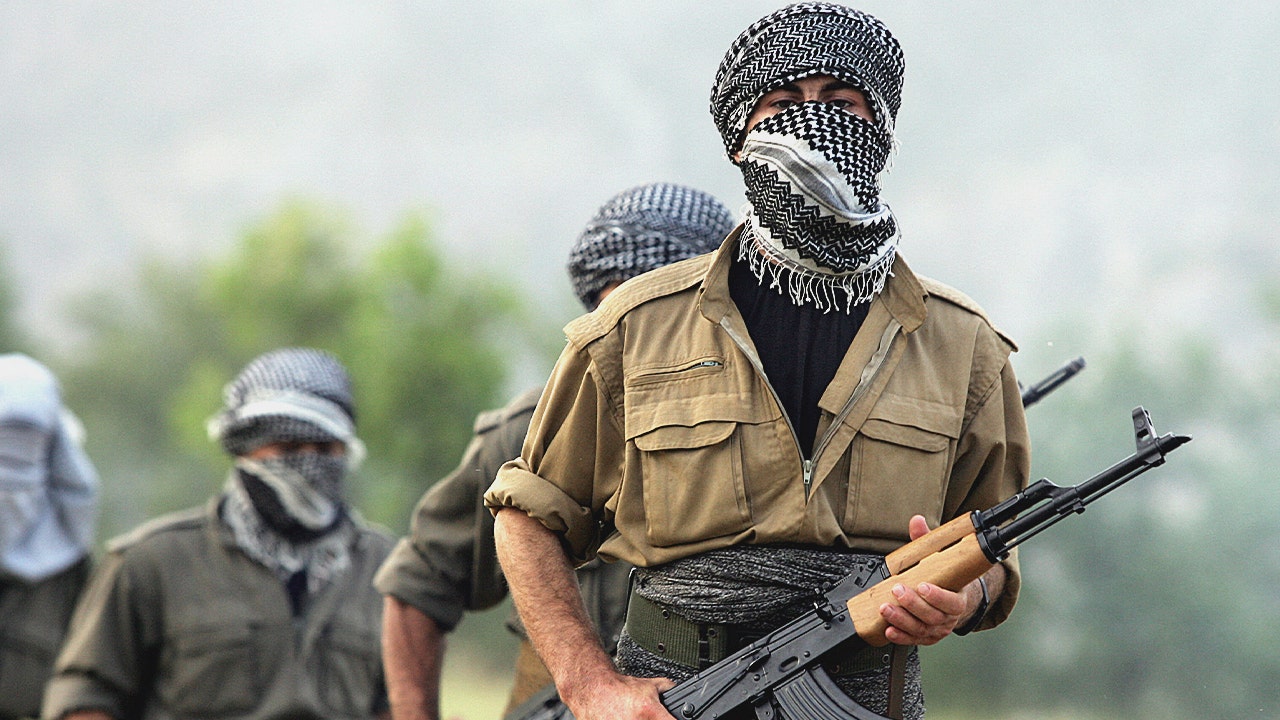
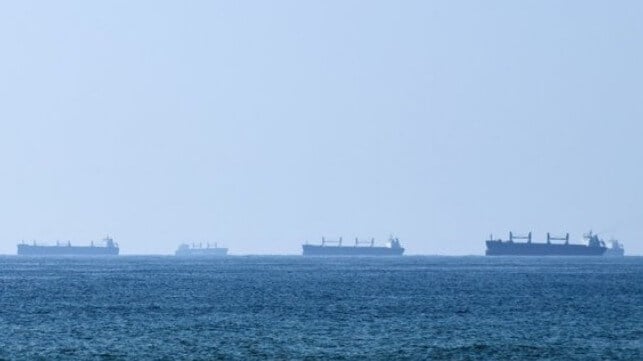
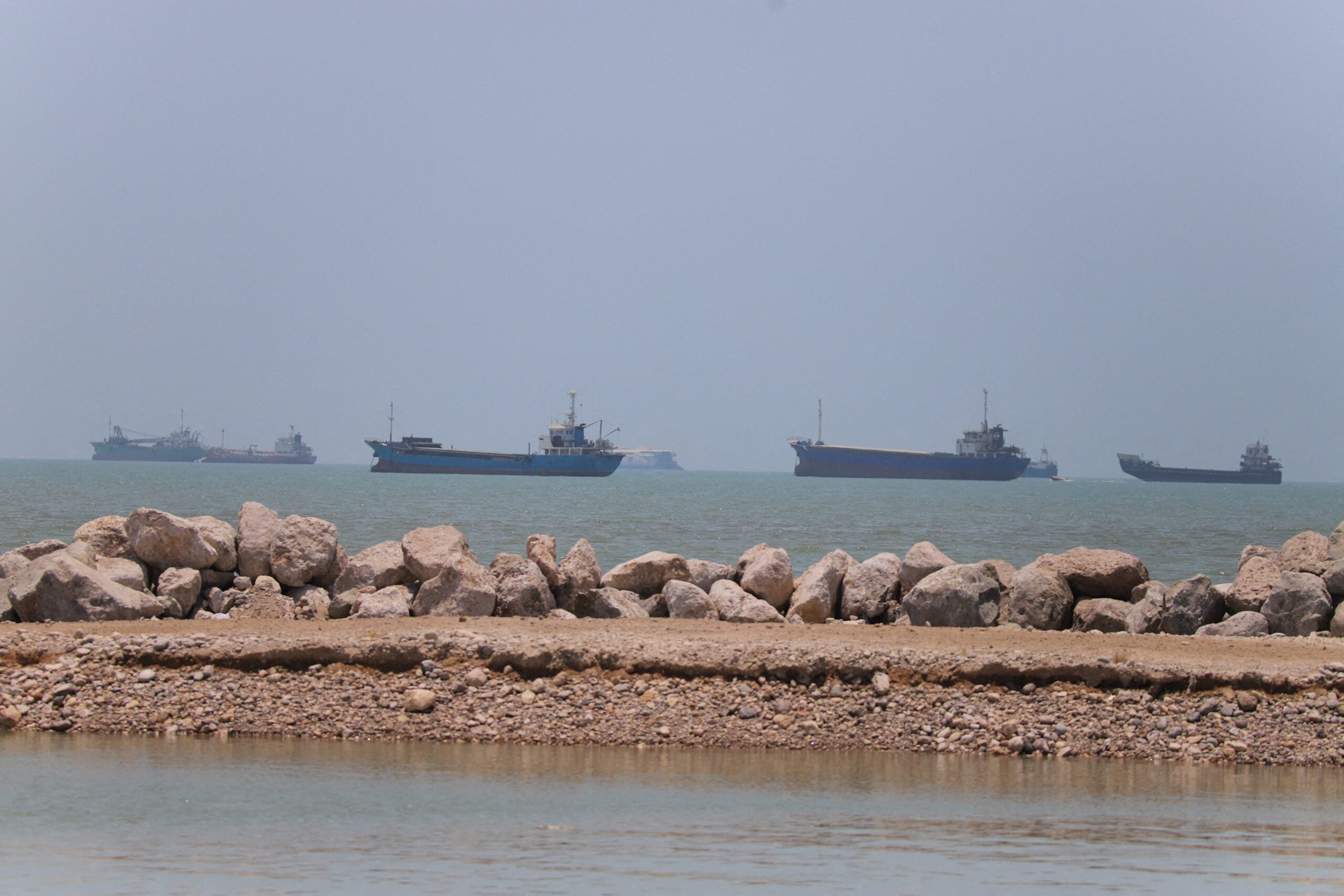
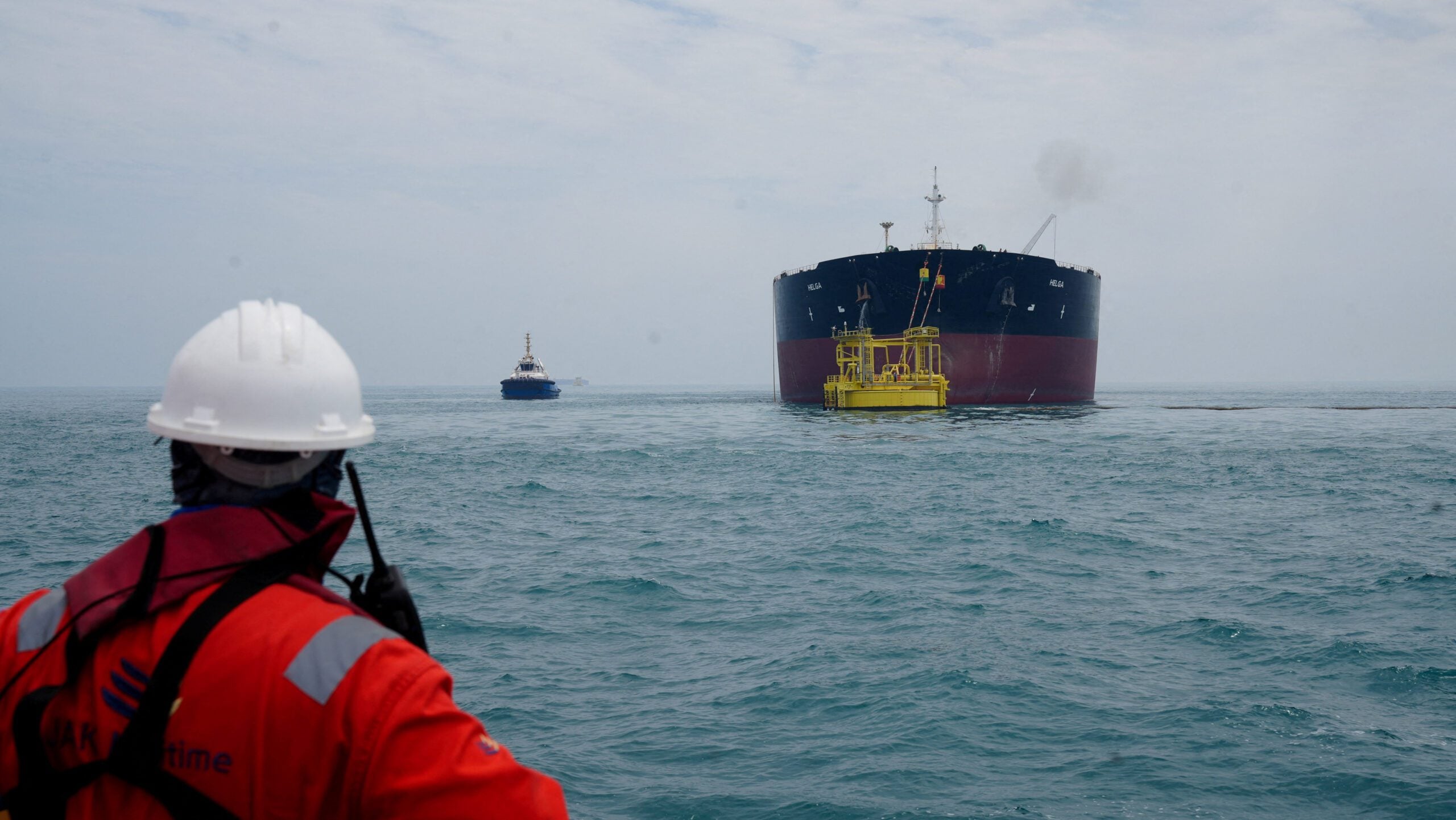
Signals of escalation span multiple theatres. Iran publicly warned its missiles are loaded for Israel. The IDF exchanged fire around Tel Qudna in southern Syria, and Israeli authorities arrested an American national over alleged paid tasks for Iranian intelligence, including photographing sensitive sites. At sea, the IRGC’s drone strike on M/V Ever Lovely on 25 June prompted subsequent US strikes. Even so, around 24 commodity ships transited the Strait of Hormuz on 27 June and traffic picked up on 30 June, with UNCTAD reporting daily transits have begun to recover. Friction over strait governance persists: Iran has announced plans to levy transit fees and seeks an oversight arrangement with Oman, while Muscat rejects fees and says it will not unilaterally permit a European naval stabilisation force. Iran is sending a technical delegation to Qatar, but Tehran denies any scheduled US meeting. Inside Iran, lethal attacks in Paveh and Baneh point to continued security pressure in Kurdish regions.
Change from previous assessment
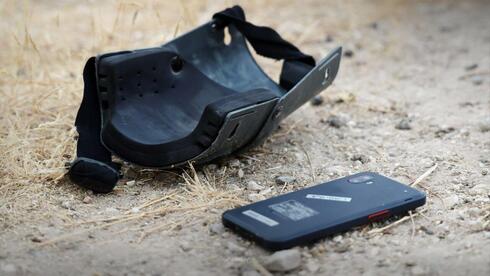
Since the 29 June brief, Hormuz traffic has begun to pick up, with around 24 commodity ships transiting on 27 June and additional gains reported on 30 June, even as the Ever Lovely drone strike and subsequent US strikes highlight persistent risk. Oman publicly reiterated opposition to transit fees and limiting foreign naval operations, while Iran signalled plans to levy fees and to seek an oversight arrangement with Oman. Iran warned its missiles are loaded for Israel. Inside Israel, police and Shin Bet announced the arrest of an American over alleged Iran-linked espionage. On the Syria front, the IDF exchanged fire near Tel Qudna and an Israeli reservist lost a classified phone during the incident. Initial assessment of this topic for this specific reporting window.
Key judgments
- Iran-Israel confrontation risk is likely to remain elevated in the next two weeks, with Tehran signalling readiness to target Israel, Israeli forces active along the Syria line, and Iran-linked espionage activity inside Israel. (Confidence: medium · ASSESSED)
- I&W: Additional Israel Police or Shin Bet announcements of Iran-linked espionage arrests or indictments inside Israel. (0-14 days)
- I&W: Overt Iranian military messaging specifically referencing imminent strikes on Israeli territory or assets. (0-14 days)
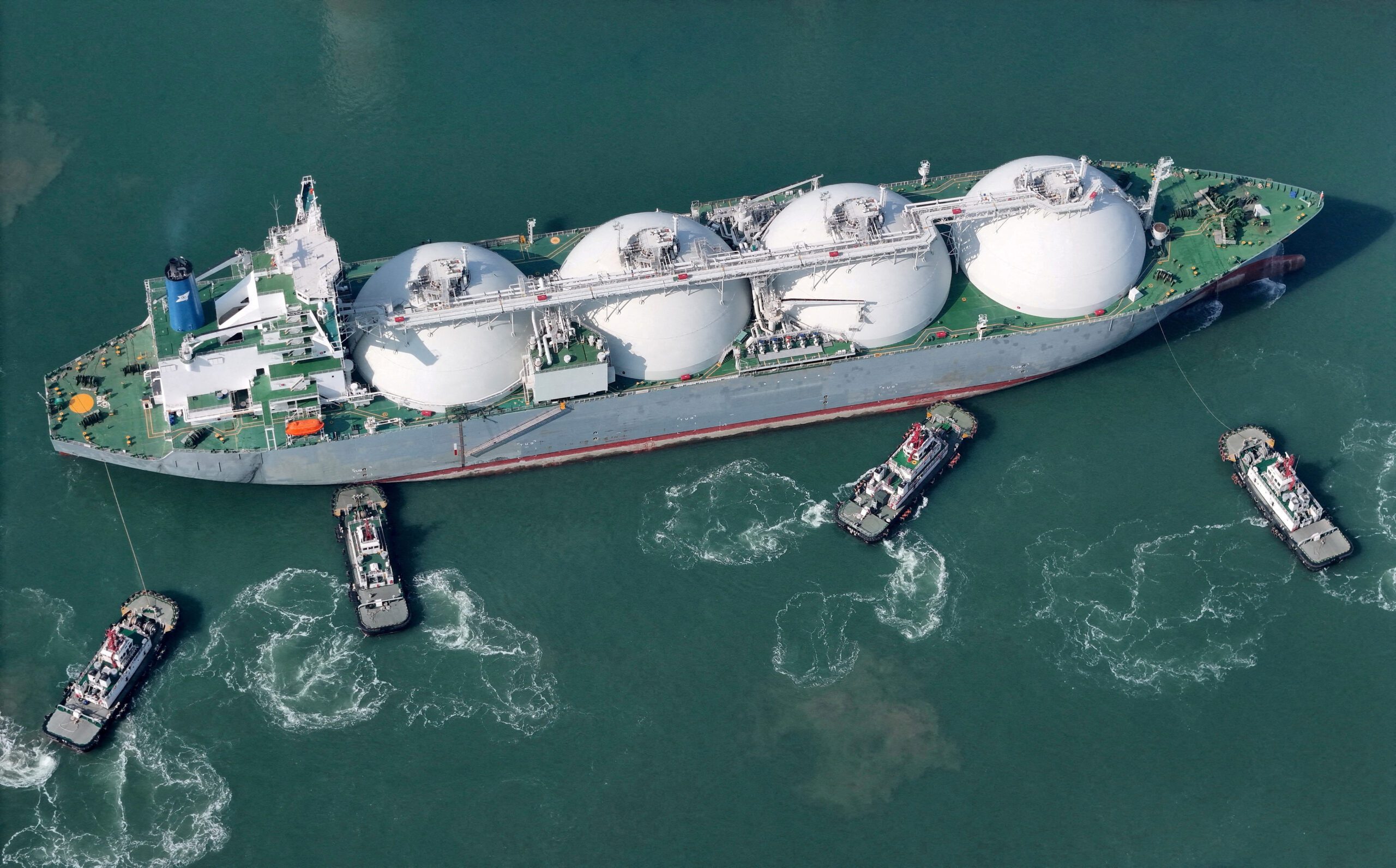
- Ship traffic through the Strait of Hormuz is very likely to continue a fragile recovery over the next fortnight, but remains at high risk of renewed disruption from Iranian attacks or safety pauses. (Confidence: high · ASSESSED)
- I&W: Sustained daily increases in AIS-reported tanker and LNG carrier transits through Hormuz reported by UNCTAD or trade trackers. (0-14 days)
- I&W: New Iranian strikes on commercial vessels in or near the strait or renewed IMO-linked evacuation pauses. (0-14 days)
- Limited US-Iran military exchanges at sea are likely to persist in the near term despite technical contacts in Qatar being signalled and denied. (Confidence: medium · ASSESSED)
- I&W: US military statements on new retaliatory strikes or intercepts in the Gulf following maritime incidents. (0-14 days)
- I&W: A jointly announced schedule for US-Iran talks in Doha, contradicting Tehran’s denials. (0-14 days)
- Security incidents in Iran’s Kurdish regions are likely to continue in the short term, sustaining internal pressure on Iranian security forces. (Confidence: medium · ASSESSED)
- I&W: Further reported attacks on police or IRGC posts in Kermanshah, Kurdistan or West Azerbaijan provinces. (0-14 days)
- I&W: Official announcements of mass arrests or curfew measures in affected districts. (0-14 days)
- Governance of the Strait of Hormuz will likely remain contested over the next month, with Iran pressing for transit fees and joint oversight while Oman resists fees and limits foreign naval involvement. (Confidence: medium · ASSESSED)
- I&W: Publication by Tehran of a transit fee schedule or enforcement notice for Hormuz passage. (1-3 months)
- I&W: A public Oman-Iran communiqué rejecting fees and outlining non-fee navigation services. (0-14 days)
- Low-level friction along the Israel-Syria line is very likely to continue, with a non-trivial risk that a minor incident escalates. (Confidence: high · ASSESSED)
- I&W: Additional IDF artillery, helicopter, or tented positions reported near Tel Qudna or west of Abdin. (0-14 days)
- I&W: Syrian state or local media reporting civilian displacement tied to new incidents near Quneitra or Daraa. (0-14 days)
Outlook & scenarios
Managed friction, fragile maritime recovery (60%)
Hormuz traffic continues to climb from late June levels as tankers and LNG carriers resume transits, while carriers still work around residual capacity constraints. Iranian harassment risk persists but without a major new maritime attack. Israel contains Syria-front incidents and intensifies counterintelligence, publicising further Iran-linked espionage cases. Iran sends a technical team to Qatar, but no visible breakthrough on US-Iran talks.
Sharp escalation with Israel-linked strikes (30%)
Iran acts on its public threat that missiles are loaded for Israel, launching a limited strike package or enabling allied fire from neighbouring theatres. Israel replies with strikes in Syria, and US forces hit Iranian targets after a fresh maritime attack. Hormuz traffic dips again as insurers and shippers pause sailings following new incidents and warnings.
Diplomatic de-escalation via Muscat and Doha (20%)
Iran and Oman publicly outline a non-fee navigation support arrangement and push joint technical working groups. Tehran’s delegation in Qatar confines itself to technical files, and both sides trail future talks while avoiding new maritime incidents. Hormuz transits normalise faster, while low-tempo incidents on the Israel-Syria line persist without lethal escalation.
Recommendations
- Maritime watch: track daily AIS-reported transits through Hormuz against UNCTAD updates, and flag any day-on-day reversals following security incidents or navigation warnings.
- Policy engagement: brief interagency on Oman’s positions on fees and foreign naval operations and identify levers to support Muscat’s opposition to tolling while encouraging joint safety services with Iran.
- CT/counterintelligence: liaise with Israeli counterparts to map tasking patterns from the recent Iran-linked espionage arrest and watch for similar collection requirements near critical sites.
- Golan-Quneitra monitoring: establish a standing check of IDF and Syrian local reporting for Tel Qudna and Abdin, including any displacement or new IDF forward positions, to catch early signs of escalation.
- US-Iran flashpoint tracking: pre‑draft crisis updates for renewed Gulf strikes and set triggers for immediate dissemination when US military confirms retaliatory actions.
- Shipping risk advisory: work with insurers and operators to prepare contingency routings and crew advisories that can be activated if Iranian fee enforcement or fresh attacks materialise.
Confidence & uncertainty
Overall confidence is low because several key threads rely on mixed-quality sourcing and contested timelines. Maritime recovery and recent incidents are supported by multiple major media and trade sources, but some triggers for US-Iran exchanges and elements of Hormuz governance draw on blog reports and statements with denials attached. The Iran-Israel risk picture combines clear Iranian signalling with disparate front-line reports in Syria and single-case espionage arrests, which are indicative but not conclusive. Date inconsistencies across claims also complicate sequencing, limiting confidence in precise timing.
Alternative analysis (red cell)
An alternative, more cautious reading is that the current reporting largely reflects public rhetoric, episodic tactical incidents, and isolated law‑enforcement actions rather than a coherent, sustained campaign. Naval traffic shows a fragile, uneven recovery vulnerable to episodic strikes or operational pauses, but contradictory and declarative evidence about fees, meetings, and retaliatory strikes means outcomes are plausible in either direction. Absent corroborating operational evidence (tasking orders, ISR patterns, maritime enforcement actions), analysts should treat claims of sustained trends as provisional and prioritize collection to resolve contradictions and identify concrete operational steps.
Intelligence gaps
- [EEI 1.1 · PARTIAL] Number, type, launch times, and trajectories of ballistic missiles, cruise missiles, armed UAV strikes, and combat-air sorties launched by Iranian or Israeli forces toward the other's territory or forward bases within a 72-hour window. Recommended collection: signals/intel
- [EEI 1.2 · PARTIAL] Observable changes in Israeli and Iranian force posture: mobilization or reserve call-up orders, unit road/rail movements, dispersal or sortie rates of air squadrons, redeployment of air-defense batteries, and activation of civil-defense alerts or sirens in major population centers. Recommended collection: open-source/media
- [EEI 1.3 · PARTIAL] Indications of strike authorization or targeting preparations in Iranian or Israeli command chains: authenticated public orders by senior commanders, detected increases in encrypted communications consistent with targeting, or visible movement of strike munitions to launch/storage sites. Recommended collection: signals/intel
- [EEI 2.1 · UNCOVERED] Counts, launch locations (coordinates), weapons types, and assessed damage from rocket/missile/drone strikes originating from Lebanon into northern Israel attributed to Hezbollah or allied groups. Recommended collection: open-source/media
- [EEI 2.2 · UNCOVERED] Reported attacks by Iranian-backed militias in Iraq and Syria: rocket/IED strikes on bases hosting US/coalition or Israeli personnel, documented militia unit movements toward borders, and captured movement or transfer of weapons systems to forward militia positions. Recommended collection: human
- [EEI 3.1 · UNCOVERED] Movements and arrival dates of foreign military assets into the region: carrier strike groups, amphibious ships, surface combatants, strategic airlift/tanker deployments, and air/sea patrol patterns by US, European, Russian, or regional militaries. Recommended collection: imagery/satellite
Cited sources
[1] Mint · War LIVE | Tehran Warns 'Missiles Loaded For Israel' As Middle East Tensions Soar | Netanyahu (B) · sha256:cc732eee644e [2] ynetnews.com · Classified IDF phone lost in Syria as village clash exposes rising tensions (B) · sha256:ec2791193f75 [3] ynetnews.com · American citizen arrested in Israel on suspicion of spying for Iran (A) · sha256:c4e1205e4481 [4] gcaptain.com · Hormuz Traffic Climbs as Supertankers Sail Into Persian Gulf (B) · sha256:3f7546f66b35 [5] gcaptain.com · UN Warns Hormuz Crisis Will Leave Lasting Economic Scars Despite Shipping Recovery (B) · sha256:e580cbaea834 [6] geobit.ai · Iranian Drone Strike on Container Ship Disrupts Strait of Hormuz Traffic — What Maritime Security Teams Must Know Now (D) · sha256:a89d7875c63a [7] maritime-executive.com · Maersk Increases Outlook to Strong Profits Based on Rate Surge and Volumes (C) · sha256:206d3e9877df [8] gcaptain.com · Hormuz Disruption to Stall 2026 LNG Trade, Demand to Rise by 2050 (B) · sha256:78a7e2df39aa [9] gcaptain.com · Iran Ratchets Up Talk of Controlling Hormuz Before New Talks (B) · sha256:30a699e305d4 [10] haaretz.com · U.S. and Iran negotiators head to Doha, as high-level talks remain uncertain (B) · sha256:1227d8866da9 [11] maritime-executive.com · Oman Clarifies its Stance on Hormuz as Talks with Iran Widen (B) · sha256:4e27730d5d96 [12] foxnews.com · Wave of attacks on Iran's IRGC raises questions about renewed Kurdish insurgency (B) · sha256:799e4d402bcf
Source content hashes were computed at collection time; the cited text is preserved unmodified for the life of this product.
Red cell review: PARTIAL DISSENT
TLP:CLEAR