TLP:CLEAR · Disclosure is not limited.
Iran, Israel: Fragile de-escalation, Israeli, Hezbollah fighting, and a contested reopening of the Strait of Hormuz
Time window: Last 1 day · Audience: General analyst · Type: Situation report · DTG: 2026-06-20 08:13Z · Overall confidence: MEDIUM
BLUF
A nascent US, Iran memorandum has reopened maritime traffic around the Strait of Hormuz and started a 60‑day negotiation clock, but Iranian gatekeeping of transit and Israeli operations against Hezbollah create a realistic risk of relapse into wider conflict. Threat levels remain elevated in the Gulf, including the UAE.
Executive summary
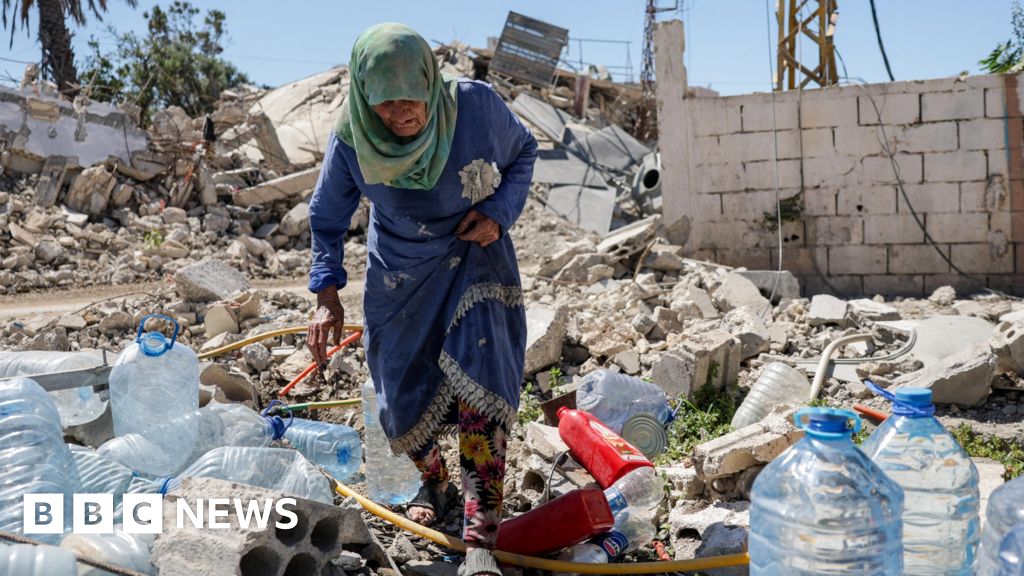
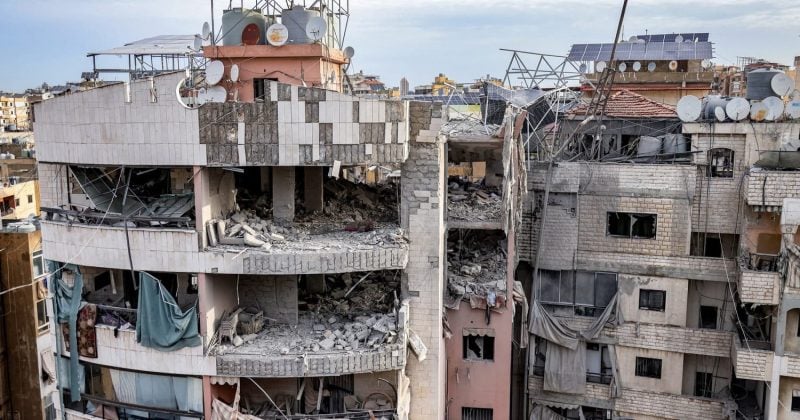
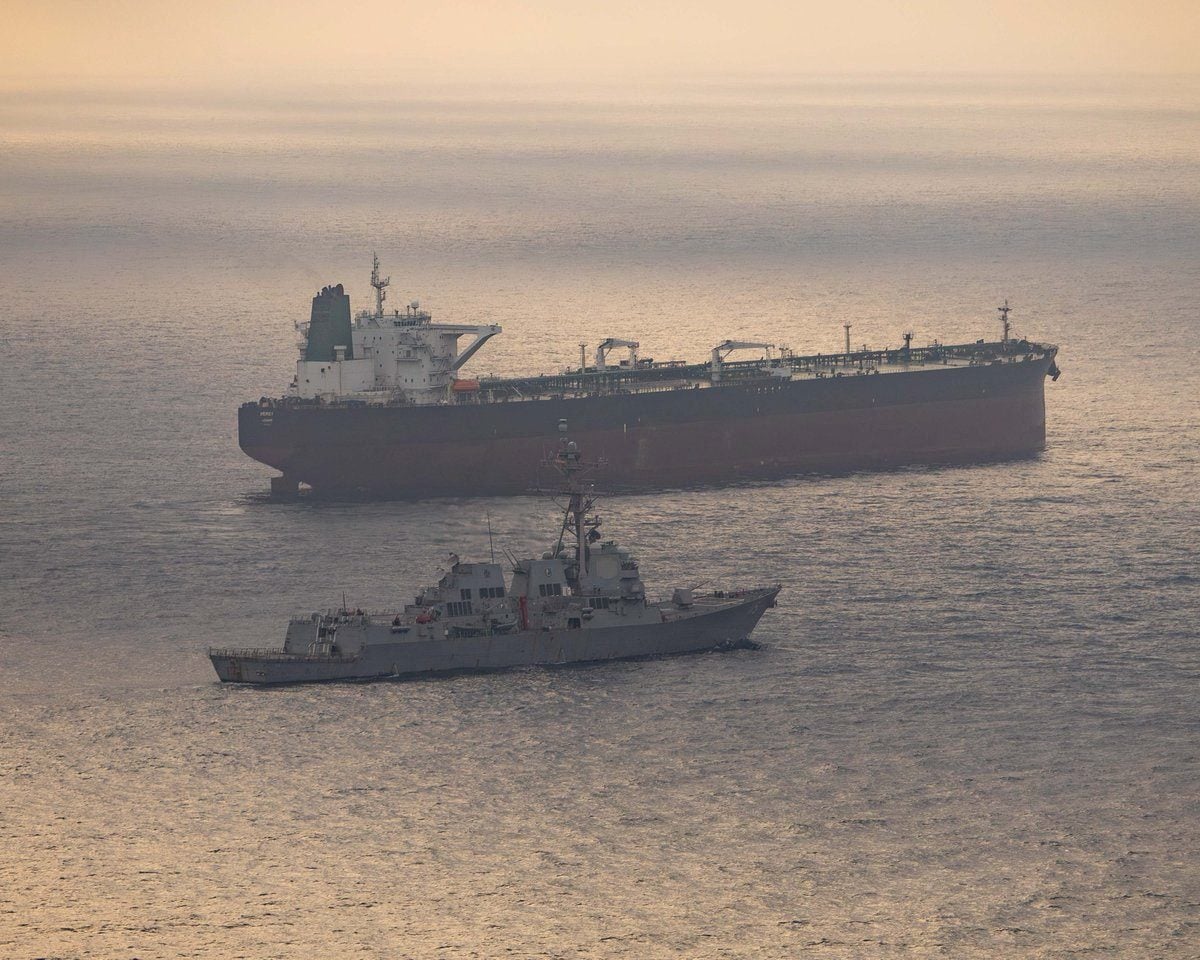
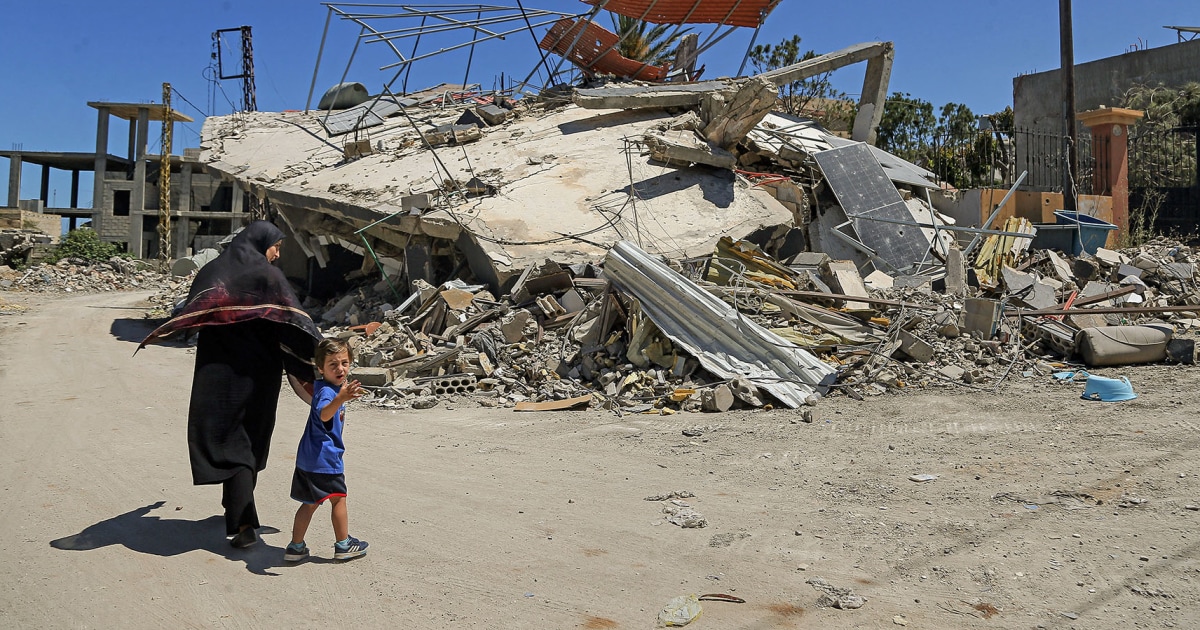
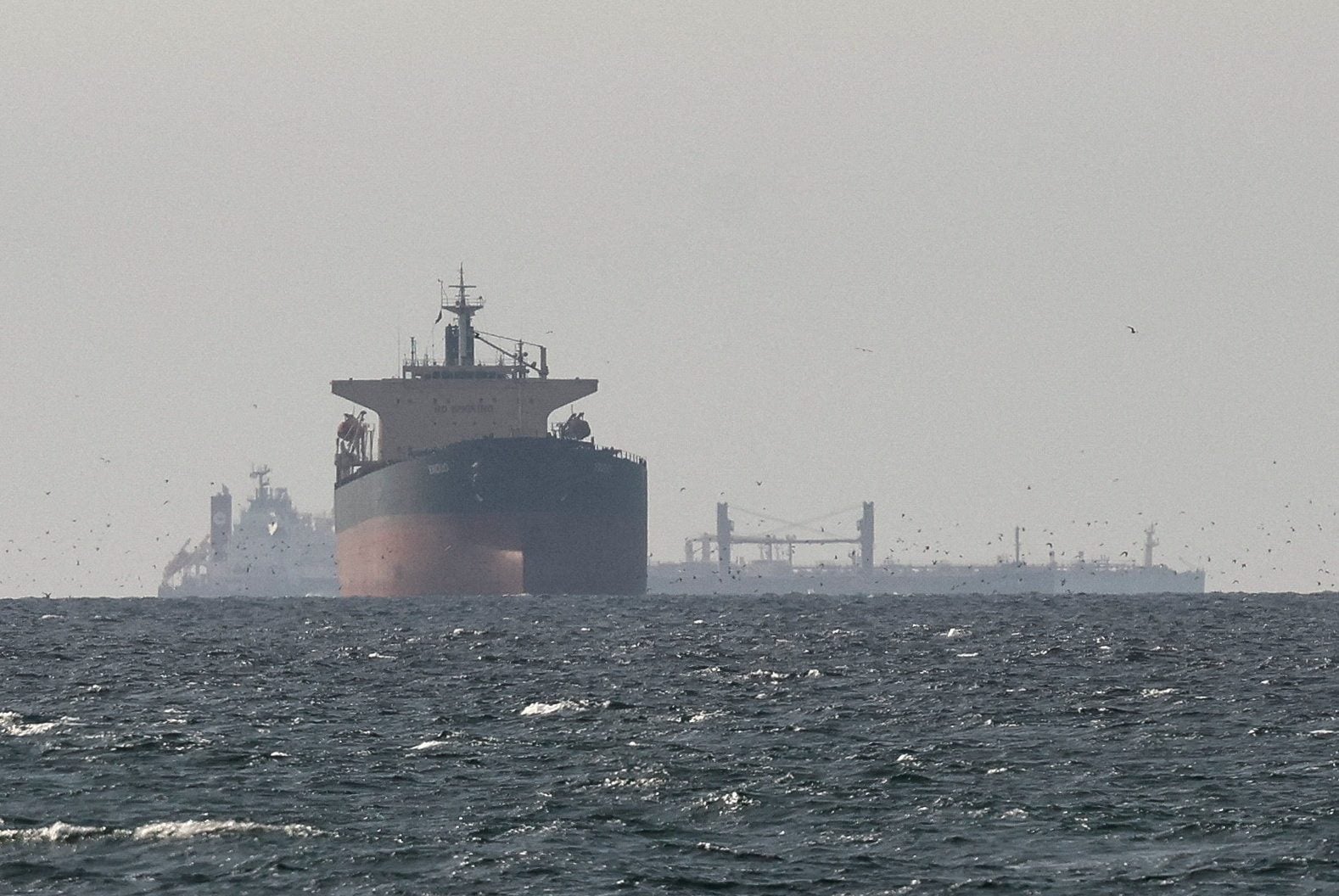
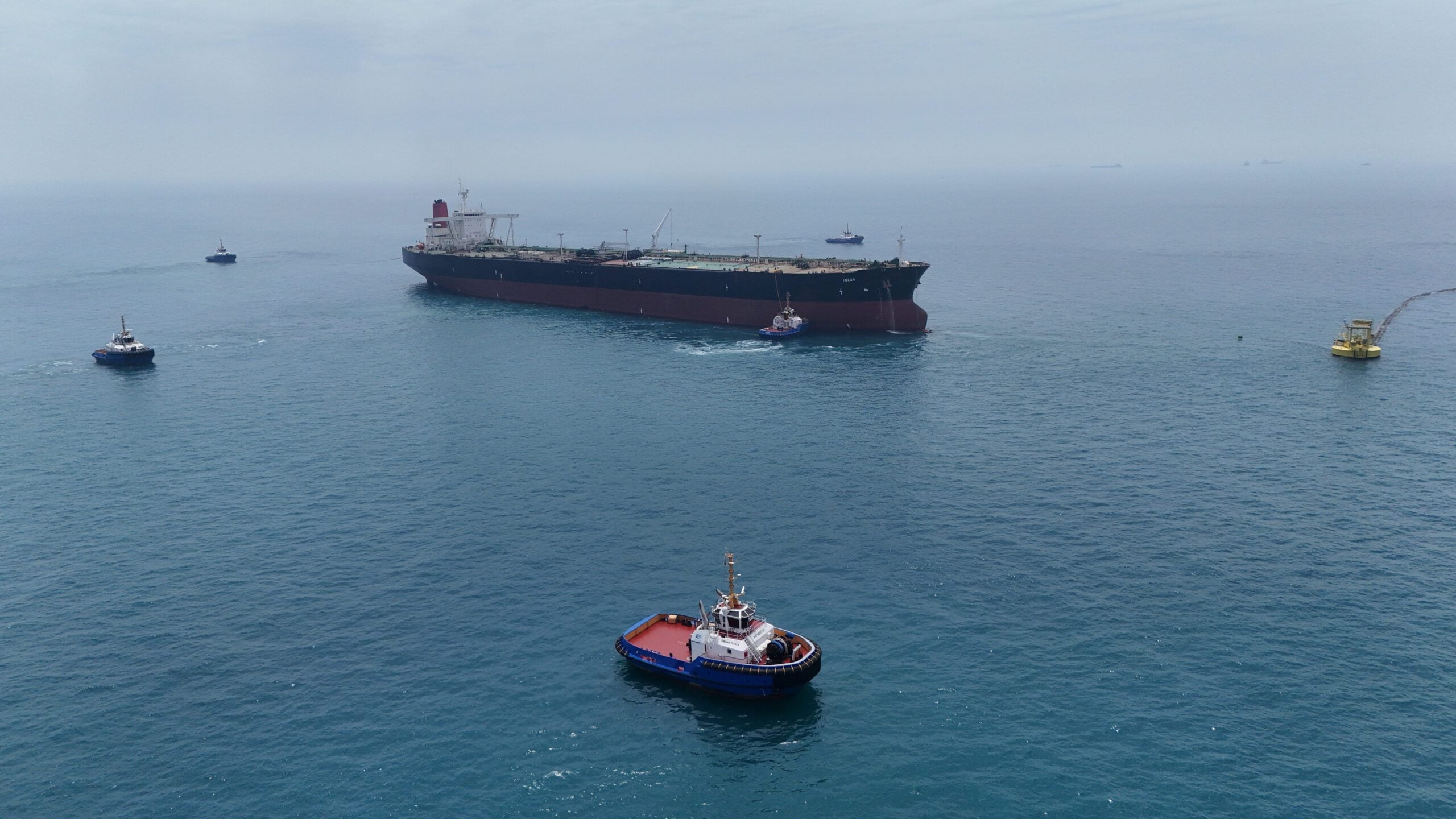
After joint US, Israeli strikes in Iran on 28 February 2026, Washington and Tehran moved to an interim understanding that Washington says reopens the Strait of Hormuz and ends US maritime enforcement, with large crude cargoes departing Chabahar and ships carrying stranded oil exiting the waterway. Tehran has issued new Persian Gulf Strait Authority rules requiring passage permits, Iranian‑approved insurance and routing closer to Iran, and warning shots have been reported, while mine‑clearance continues and mariners are being routed through naval guidance channels. In Lebanon, Israeli strikes killed dozens on Friday with scores wounded, and despite reports of a ceasefire, senior Israeli figures signalled continued action against Hezbollah as US intelligence warned these operations could jeopardise the nascent US, Iran agreement. The threat environment in the UAE remains elevated given Iranian statements about targeting US‑linked sites, ongoing missile and drone risks and aviation cautions. Humanitarian conditions remain dire in Gaza and large‑scale displacement persists in Lebanon, amid Israeli ‘dual‑use’ restrictions and continuing urban strikes.
Key judgments
- It is likely an interim US, Iran understanding is in effect, reopening the Strait of Hormuz and initiating a 60‑day negotiation window, but transit remains high‑risk due to Iranian gatekeeping rules, residual mines and reported warning shots. (Confidence: medium · REPORTED)
- I&W: Sustained weekly departures of 10 or more VLCCs or Suezmaxes from Chabahar and other southern Iranian ports without interdiction. (0-14 days)
- I&W: Public revision or suspension of PGSA permit and insurance requirements, or an Iran, Oman announcement on shared Strait administration. (1-3 months)
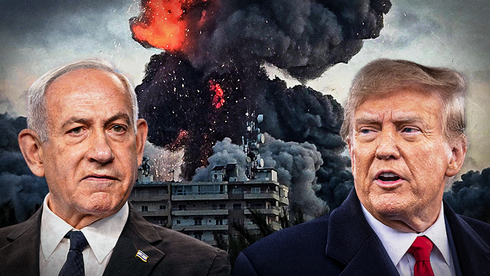
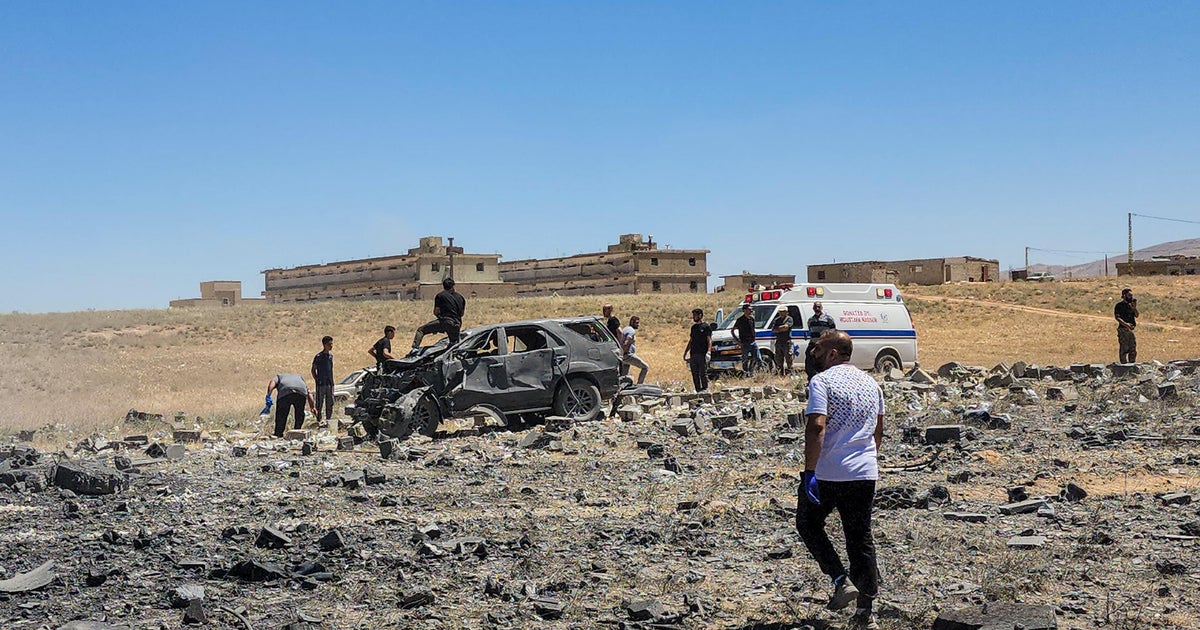
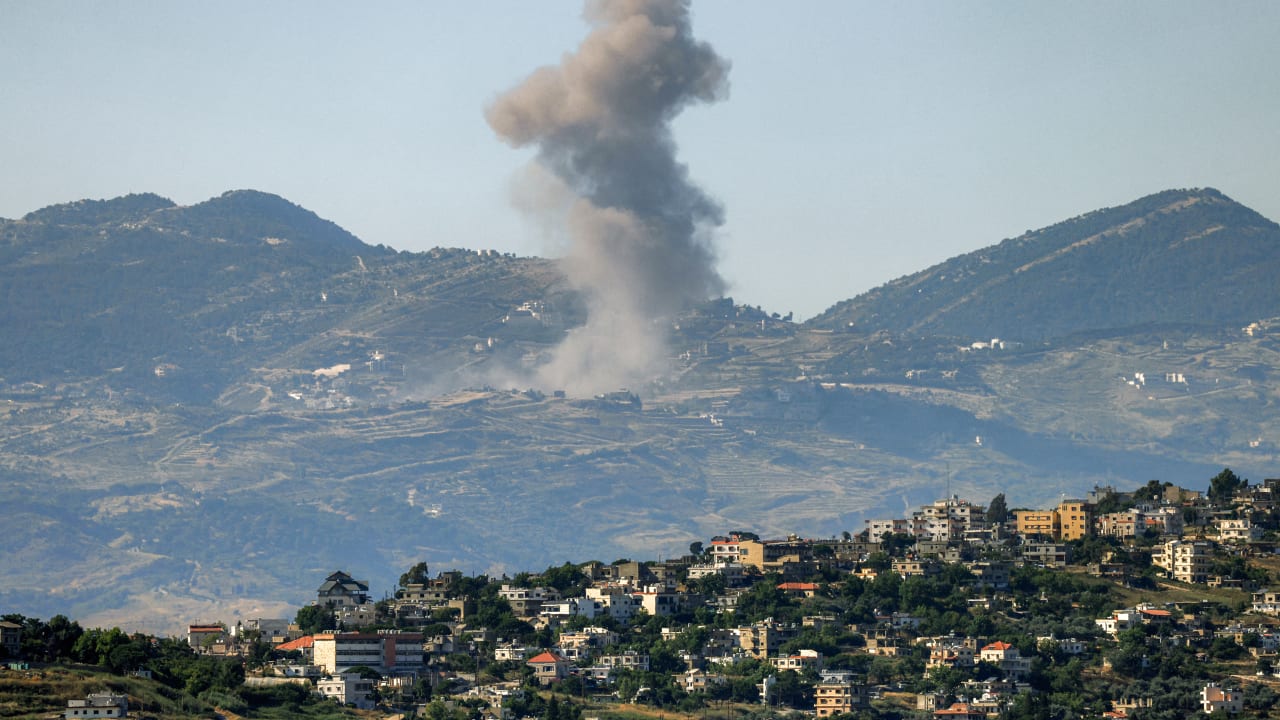
- Israeli strikes in Lebanon are likely to continue despite announcements of a ceasefire, and there is a roughly even chance this fighting will derail US, Iran diplomacy. (Confidence: medium · ASSESSED)
- I&W: IDF communiques claiming additional target sets in southern Lebanon and NASA FIRMS thermal hits clustering around villages such as Qlaileh. (0-14 days)
- I&W: A verified 72‑hour halt in Israeli air or artillery strikes reported by the IDF and Lebanese health authorities, accompanied by public stand‑down guidance. (0-14 days)
- The threat to US‑linked targets in the United Arab Emirates is likely to remain elevated, including risk of missile and drone activity, sustaining stricter US travel and aviation postures. (Confidence: high · REPORTED)
- I&W: UAE or US reporting of air‑defence intercepts or debris from attempted strikes near Abu Dhabi, Dubai or Al Dhafra. (0-14 days)
- I&W: US downgrades of the UAE threat advisory or rescission of ordered departure for non‑emergency personnel. (1-3 months)
- Humanitarian conditions in Gaza and displacement in southern Lebanon are likely to worsen if Israeli urban operations and ‘dual‑use’ restrictions persist. (Confidence: medium · ASSESSED)
- I&W: Public Israeli moves to lift specific ‘dual‑use’ restrictions and announcements of expanded humanitarian corridors into Gaza. (0-14 days)
- I&W: Lebanese authorities report net returns to southern communities and reduced daily casualty reports from strikes. (1-3 months)
- Iran is very likely to leverage new PGSA permit and insurance requirements to assert control over Hormuz transits for at least the next quarter, creating compliance frictions for shipowners. (Confidence: high · REPORTED)
- I&W: Industry circulars or port state control notices citing PGSA permit denials or insurance non‑compliance as grounds for delay or refusal of transit. (0-14 days)
- I&W: Announcement of an Iran, Oman framework on Strait administration and maritime services that supersedes unilateral PGSA rules. (1-3 months)
- Political headwinds in Israel and Iran make sustained de‑escalation likely to be uneven, lowering the near‑term prospects for a rapid, durable settlement. (Confidence: medium · ASSESSED)
- I&W: Israeli cabinet or IDF directives expanding operations against Hezbollah, or polling showing further erosion of support for the US, Iran deal. (0-14 days)
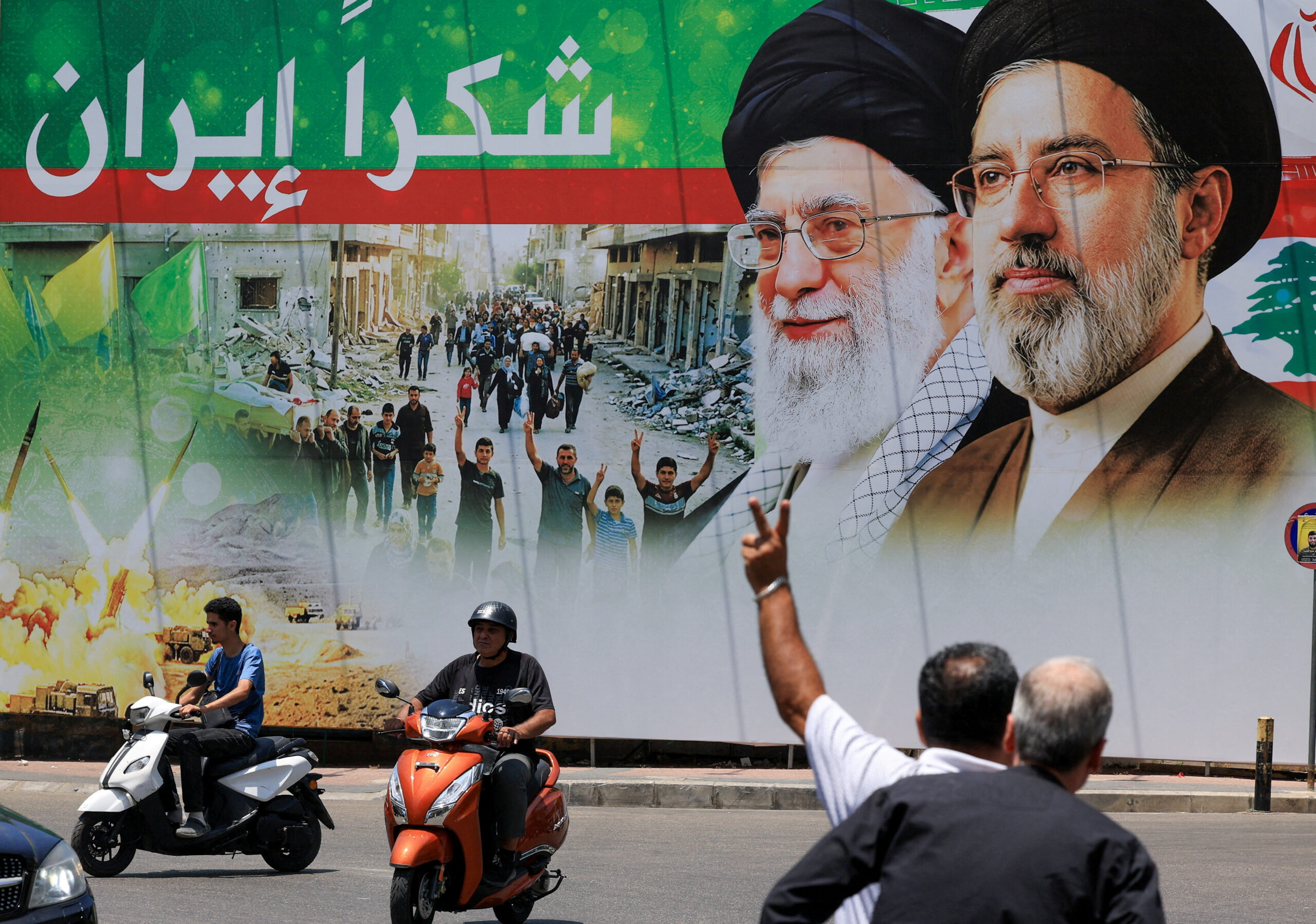
- I&W: Renewed public protests in Tehran targeting negotiators such as Araghchi or Ghalibaf over engagement with the United States. (1-3 months)
Outlook & scenarios
Brittle calm: ceasefire largely holds in Lebanon, negotiations limp forward (45%)
Israeli, Hezbollah clashes taper to sporadic incidents that both sides contain, enabling US, Iran talks to resume on a delayed timetable while shipping continues through Hormuz under PGSA rules and naval guidance. Risk stays at moderate, with Oman engaged in talks on future Strait administration. Diplomatic space exists but remains vulnerable to spoilers.
Escalation track: Israeli operations expand and derail the US, Iran understanding (40%)
Following new Hezbollah attacks and Israeli directives to strike with full force, the ceasefire collapses. Israeli operations intensify across southern Lebanon, prompting Tehran to harden positions and US intelligence concerns to materialise. Washington cites non‑compliance and signals a right to resume hostilities, and threats to US‑linked sites in the Gulf increase, elevating risks to personnel and infrastructure in the UAE.
Maritime shock: PGSA enforcement incident triggers shipping disruption (30%)
Iranian forces detain or fire warning shots at a foreign‑flag tanker for permit or insurance violations as mine‑clearance continues. JMIC raises the maritime threat level and advises alternative routing. Liftings from Iranian ports slow, queues build at the Strait approaches and insurers price in new risk premia.
Recommendations
- Prioritise maritime ISR and AIS analytics on vessels transiting PGSA‑designated routes, with targeted collection on permit issuance patterns, insurance validations and any IRGC hails or boardings.
- Use NAVCENT and JMIC channels to push standardised transit guidance, including plotted safe routes that account for ongoing mine‑clearance, and pre‑planned diversions if risk levels rise.
- Engage Oman on a technical working group with Iran focused on navigation safety and permit harmonisation to reduce friction from unilateral PGSA requirements.
- Intensify senior‑level deconfliction with the Israeli security cabinet to minimise actions in Lebanon that US intelligence assesses could jeopardise the US, Iran track; tie this to planned Israel, Lebanon talks.
- Maintain elevated security posture for US personnel in the UAE, including contingency movement plans and layered passive defence against missile and drone threats, while keeping aviation advisories current.
- Shape humanitarian access by pressing for removal of specific ‘dual‑use’ barriers and by preparing surge logistics for Gaza and support to displaced populations in southern Lebanon.
- Map and monitor Lebanese localities such as Qlaileh with NASA FIRMS thermal signatures and health ministry reporting to detect ceasefire breaches quickly.
- Prepare a calibrated response framework if Hormuz incidents occur, including maritime legal messaging on passage rights, targeted sanctions enforcement against PGSA decision‑makers, and crisis communications to shipowners and insurers.
Confidence & uncertainty
Overall confidence is medium. Several core elements are corroborated by multiple, generally reliable sources, including US announcements that maritime enforcement ceased and that the Strait of Hormuz is open, shipping data showing large crude liftings from Chabahar, and reporting on Iranian PGSA rules governing transit. Israeli operations in Lebanon are widely reported, as are US intelligence concerns that such operations could jeopardise the US, Iran agreement. However, there are contradictions and gaps: mixed reporting on the ceasefire’s status and casualty figures in Lebanon, a mix of official and media sourcing on the memorandum’s terms and timeline, and residual uncertainty around practical implementation of PGSA rules and mine‑risk management. These factors argue against a high‑confidence judgement at this stage.
Alternative analysis (red cell)
The reporting contains conflicting political announcements, limited movement data, and operational‑risk indicators that support multiple plausible interpretations. It is equally plausible that maritime movements are partial and contested rather than reflecting a firm interim understanding; that strikes in Lebanon may be paused rather than continuously escalating; and that PGSA rules are leverage rather than evidence of sustained, enforceable control. Additional objective operational, enforcement, and diplomatic signals are required to resolve these uncertainties.
Intelligence gaps
- [EEI 1.1 · UNCOVERED] Unusual long-range missile/rocket transporter-launcher (TEL) movements, storage activation, or assembly activity at known IRGC missile sites or forward staging areas. Recommended collection: satellite/imagery
- [EEI 1.3 · UNCOVERED] Large-scale transfers, deliveries, or convoy movements of armed UAVs/drones, guided munitions, or spare parts from Iran into Lebanon (Hezbollah), Iraq, Syria, or Gaza. Recommended collection: air/aviation track and HUMINT
- [EEI 1.4 · UNCOVERED] Sustained changes in Israeli air-defense usage (SAM launches, radar activations), wide-area alerts, or NOTAMs indicating elevated imminent strike response. Recommended collection: air/aviation/NOTAMs and signals
- [EEI 2.1 · UNCOVERED] Concentration, repositioning, or sortie patterns of Iranian naval/IRGC patrol boats and fast-attack craft near shipping chokepoints or commercial lanes. Recommended collection: maritime/AIS and satellite/imagery
- [EEI 2.2 · PARTIAL] Reported attacks, mine sightings, close-approach incidents, or damage to commercial tankers/merchant vessels operating in the Red Sea, Persian Gulf, or eastern Mediterranean. Recommended collection: maritime/AIS and OSINT/incident reports
- [EEI 2.3 · UNCOVERED] Insurance market indicators: sudden spikes in war-risk or hull insurance premiums for routes through the Red Sea, Suez corridor, or Persian Gulf, and major carriers announcing route changes. Recommended collection: financial/market and commercial shipping notices
- [EEI 2.4 · UNCOVERED] Port closures, naval escorts requested by commercial operators, or formal rerouting advisories issued by major shippers (e.g., Maersk, Hapag-Lloyd) for regional transits. Recommended collection: commercial/OSINT
- [EEI 3.3 · UNCOVERED] Confirmed arms transfers, expedited weapons shipments, or transfer authorizations to Israel, Iran, or their proxies (aircraft parts, munitions, air defenses). Recommended collection: customs/INTEL and HUMINT
Cited sources
[1] whitehouse.gov · President Trump’s Iran Agreement Is America First in Action (A) · sha256:8298f9e42718 [2] gcaptain.com · U.S. Downplays Possibility of Hormuz Tolls as Negotiations Restart (B) · sha256:d4210524880f [3] gcaptain.com · U.S. Officially Ends Maritime Blockade of Iran and Declares Hormuz Open (B) · sha256:bde568f4f392 [4] gcaptain.com · More Than 20 Million Barrels Leave Iran as Post-War Oil Trade Reawakens (B) · sha256:9e402fb06612 [5] gcaptain.com · Iran Oil Surges as Seven Supertankers Sail After Blockade Lifts (A) · sha256:965be16980d2 [6] gcaptain.com · Iran Asserts Control Over the Strait of Hormuz (B) · sha256:62d853854816 [7] CBS News · Iran Latest: Israel and Hezbollah agree to Lebanon truce, officials say, as fighting delays U.S.-Iran talks (A) · sha256:be332bca3cf0 [8] gcaptain.com · Oil Shipments Rise in Hormuz Although Questions Grow Over Iran's Transit Terms (A) · sha256:194bc96c5166 [9] gcaptain.com · Iran’s New ‘Toll by Insurance’ Raises Stakes in Strait of Hormuz (B) · sha256:1ddd9ad9f96c [10] Al Jazeera · ‘Destruction is the goal’: Israel steers between the US, Iran, and Lebanon (A) · sha256:2e6c38318b29 [11] The Jerusalem Post · Live Updates: Latest from Israel, Iran, and Middle East | The Jerusalem Post (A) · sha256:4b269f22a13d [12] cryptobriefing.com · Israeli airstrikes kill four in Gaza, cause casualties in southern Lebanon (B) · sha256:a3ecb90e9964 [13] bbc.com · Lebanon says Israeli strikes kill 47 as Israel says four soldiers killed by Hezbollah (A) · sha256:aaf165b263f8 [14] ynetnews.com · Report: US intelligence feared Netanyahu would try to undermine Iran deal (B) · sha256:ba612c159d47 [15] nbcnews.com · Shut out of U.S.-Iran talks, Israel makes its impact felt with deadly Lebanon strikes (B) · sha256:28fa2fb85c8d [16] jpost.com · US intelligence indicates Israeli operations against Hezbollah may undermine US-Iran MoU - report (B) · sha256:280a2ee7aaba [17] U.S. Department of State · United Arab Emirates Travel Advisory (A) · sha256:7a0c71f2991b [18] UK Government · We urge Israel to immediately remove unjustifiable restrictions on humanitarian access: UK statement at the UN Security Council (A) · sha256:2b923f1dd46a [19] theguardian.com · ‘It’s a big mistake’: Israelis feel betrayed and angry after Iran peace deal (A) · sha256:5e81737d3102 [20] Atlantic Council · What the US-Iran deal means for the rest of the Middle East (and beyond) (C) · sha256:5f93318fe142 [21] Wikipedia · Reactions to the 2026 Iran war (B) · sha256:ab608b97e6b6 [22] haaretz.com · Report: Netanyahu 'likely' to sabotage Iran deal, U.S. intelligence officials tell Trump (B) · sha256:b2d523a0ccf1
Source content hashes were computed at collection time; the cited text is preserved unmodified for the life of this product.
Red cell review: PARTIAL DISSENT
TLP:CLEAR