TLP:CLEAR · Disclosure is not limited.
Iran, Israel: Fragile Lebanon Ceasefire, Hazardous Hormuz, Talks and Deconfliction Advance
Time window: Last 1 day · Audience: General analyst · Type: Situation report · DTG: 2026-06-24 20:10Z · Overall confidence: MEDIUM
BLUF
The Lebanon front remains fragile despite Washington-hosted talks and a newly announced deconfliction mechanism, while navigation through the Strait of Hormuz stays hazardous with mines, jamming and an IMO-led evacuation under way even as Oman pledges toll-free passage. These parallel tracks reduce but do not remove the risk of sudden escalation that would reverberate across regional security and energy flows.
Executive summary
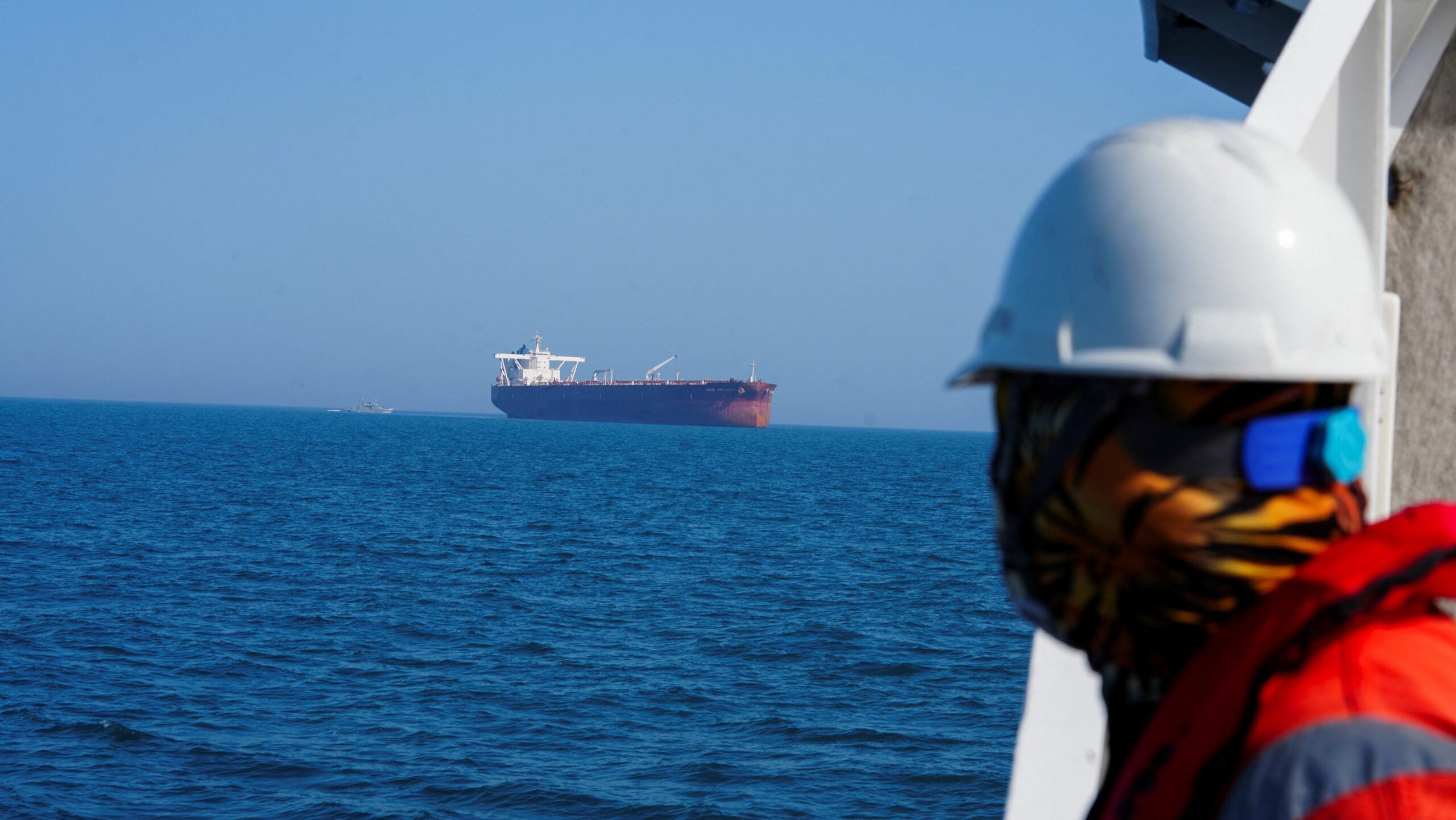
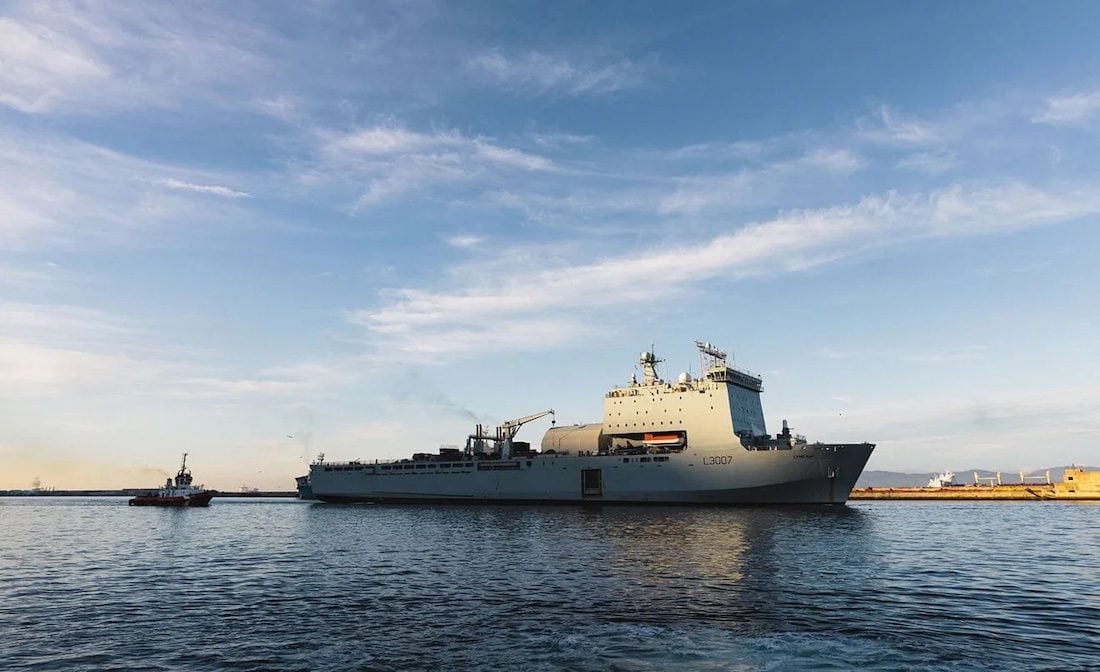
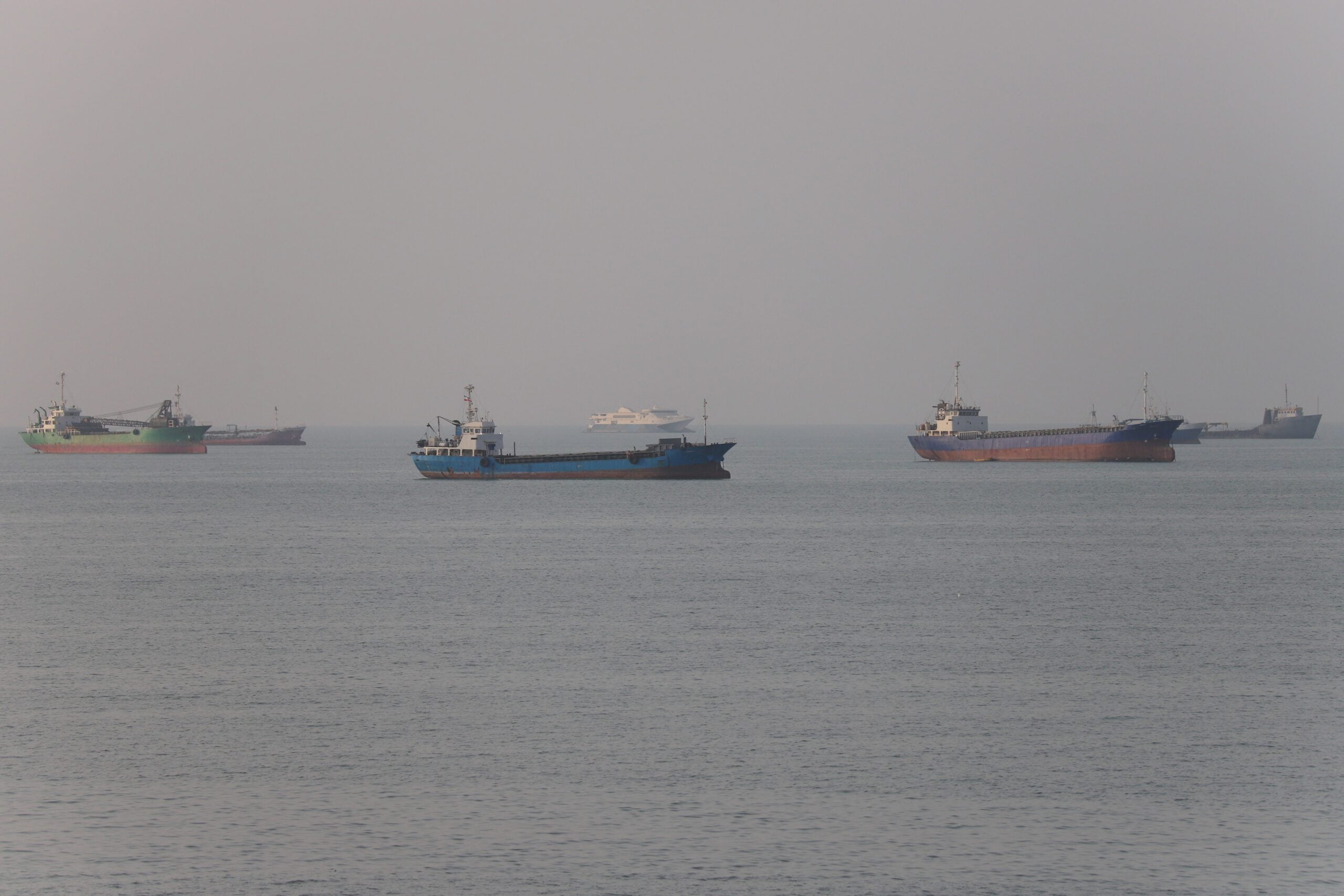
In the past 24 hours, Israeli forces engaged Hezbollah operatives around the Ali Taher Ridge even as Israeli and Lebanese delegations entered a second day of talks in Washington focused on Hezbollah’s disarmament and a new deconfliction mechanism was announced by mediators. Field-level restraint reported by Israeli commanders contrasts with Prime Minister Benjamin Netanyahu’s assertion of full freedom of action in southern Lebanon, increasing miscalculation risk. At sea, the International Maritime Organization has begun coordinating the evacuation of more than 11,000 seafarers from the Persian Gulf, directing thousands of ships to hold position as the Strait of Hormuz’s traditional traffic scheme remains unusable due to mines and GPS jamming reappears; UK mine countermeasures forces are in theatre amid insurer support and a joint Iran, Oman working group on navigation, while Oman offers toll-free passage during an initial window. EASA continues to advise against overflight of Iran, Iraq and Lebanon and has extended its conflict-zone advisory. In Gaza, the IDF reports renewed targeted operations against Hamas.
Change from previous assessment
Since the prior brief, new reporting shows the deconfliction mechanism has been formally announced by mediators, Israeli and Lebanese delegations are in a second day of talks in Washington, and IDF, Hezbollah contact incidents occurred around the Ali Taher Ridge. At sea, the IMO began coordinating evacuation of more than 11,000 seafarers, directed ships to hold position and confirmed the Strait’s traditional TSS is unusable due to mines, while UK mine countermeasures forces arrived and GPS jamming reappeared. EASA extended its conflict‑zone advisory. These developments increase the evidence base for a fragile but managed posture on the Lebanon front and a hazardous yet partially governed maritime environment in Hormuz.
Key judgments
- Likely the Israel, Hezbollah ceasefire is fragile and punctuated by localised clashes along the Ali Taher Ridge despite Washington talks and a newly announced deconfliction mechanism. (Confidence: medium · REPORTED)
- I&W: Further IDF, Hezbollah contact incidents reported around the Ali Taher Ridge while Washington talks continue. (0-14 days)
- I&W: Joint Israeli, Lebanese readout announces agreed rules of engagement with no reported cross-border incidents for two weeks. (0-14 days)
- Assessed: Divergent messaging between Prime Minister Benjamin Netanyahu granting full freedom of action to IDF units in southern Lebanon and field commanders’ stated restraint, combined with IDF concerns over a foreign-staffed deconfliction cell, likely raises the risk of miscalculation. (Confidence: medium · ASSESSED)
- I&W: IDF conducts pre-emptive strikes in southern Lebanon citing “emerging threats,” not only “imminent threats.” (0-14 days)
- I&W: Government of Israel publishes rules of engagement aligning to “imminent threats” only and IDF announces a proactive strike moratorium. (0-14 days)
- Likely navigation through the Strait of Hormuz will remain hazardous in the near term: the traditional traffic separation scheme is unusable due to mines, the IMO has begun evacuating more than 11,000 seafarers and told thousands of ships to hold position while UKMTO and MICA coordinate contacts, GPS jamming has reappeared, and governance of passage and tolls is being contested even as mine countermeasures forces deploy and insurers continue cover. (Confidence: medium · ASSESSED)
- I&W: UKMTO or MICA advisories maintain hold-position instructions and report persistent GPS jamming in the Strait. (0-14 days)
- I&W: IMO rescinds hold-position guidance and mine countermeasures forces declare the Strait’s TSS safe for use. (1-3 months)
- Israeli and Lebanese delegations are in a second day of talks in Washington on Hezbollah’s disarmament, as the EU weighs a mission to train Lebanese forces and Lebanon’s President Joseph Aoun voices concern over renewed Iranian influence. (Confidence: high · REPORTED)
- I&W: EU issues a formal decision to launch a training mission for Lebanese forces. (1-3 months)
- I&W: Talks in Washington are suspended without agreement on a next round. (0-14 days)
- Likely Iran’s regional attacks in 2026 degraded U.S. and partner infrastructure and spurred U.S. commitments to rebuild, reinforcing Gulf scepticism toward the emerging U.S., Iran agreement and concerns over Iran-backed militias. (Confidence: medium · ASSESSED)
- I&W: U.S. releases funding timelines for base reconstruction across multiple Middle East countries. (1-3 months)
- I&W: Gulf Cooperation Council issues a joint statement endorsing the U.S., Iran framework. (1-3 months)
- Civil aviation risk over Iran, Iraq and Lebanon remains elevated: EASA advises continued avoidance, flags the fragile Israel, Hezbollah ceasefire and has extended its conflict-zone advisory until 1 July. (Confidence: high · REPORTED)
- I&W: EASA further extends its conflict-zone advisory for Iran, Iraq and Lebanon beyond 1 July. (0-14 days)
- I&W: EASA downgrades or rescinds avoidance guidance for Iranian, Iraqi and Lebanese airspace. (1-3 months)
- The IDF is stepping up targeted action against Hamas, including the killing of Akram Muhammad Mahmoud Abu Mazi in southern Gaza and strikes on four post-ceasefire rocket-firing positions. (Confidence: high · REPORTED)
- I&W: Further IDF announcements of targeted strikes against senior or mid-level Hamas figures. (0-14 days)
- I&W: Publicly verified initial steps in a Hamas disarmament process linked to Gaza reconstruction. (1-3 months)
Outlook & scenarios
Managed freeze on the Lebanon front with guardrails (35%)
Washington talks deliver practical guardrails that keep the ceasefire largely intact. The deconfliction mechanism shapes rules of engagement to imminent threats, Israel signals modest withdrawals from areas like Tibnin and the Ali Taher Ridge, and the EU launches a training mission for Lebanese forces. Cross-border incidents fall to low levels and remain containable.
Protracted low-intensity clashes and sustained transport risk (50%)
Border incidents persist as Hezbollah alleges violations and Israeli commanders practise restraint despite leadership rhetoric. EASA keeps conflict-zone advisories in place. In the Strait of Hormuz, the IMO maintains hold-position guidance, GPS jamming recurs and shipping costs stay elevated as owners continue constrained flows and occasional AIS-dark voyages. Governance and toll questions remain unsettled during the initial no‑tolls window.
Breakdown of talks and sharp escalation (20%)
Talks stall and a series of pre-emptive Israeli actions triggers a wider exchange with Hezbollah. A Syrian deployment scenario re‑emerges, which Israel strongly opposes. Aviation and maritime risk spikes as Hormuz governance disputes intensify around the end of the initial no‑tolls period.
Recommendations
- Maintain a structured tracker of contact incidents along the Ali Taher Ridge and adjacent sectors, cross‑referenced to Washington negotiation milestones and deconfliction mechanism implementation details.
- Task monitoring of official EU channels for any Council decision or EEAS planning documents on a mission to train Lebanese forces, and map likely partner contributions and timelines.
- Subscribe to and archive UKMTO, MICA Centre and IMO operational updates; geospatially plot hold‑position advisories, reported mine areas and any declared safe corridors to assess evolving Hormuz transit risk.
- Create an indicators dashboard for GNSS interference in and around the Strait of Hormuz, correlating reported jamming or spoofing with AIS gaps and vessel incident reports.
- Track shipping behaviour through AIS analytics for tankers operating dark or with irregular signalling in the Gulf, and compare against reported owner strategies to sustain exports.
- Align airspace risk products with EASA advisories for Iran, Iraq and Lebanon; flag any extension or downgrading within hours to inform route‑planning assumptions.
- Monitor Israeli domestic political signals affecting military decision‑making, including Likud manoeuvring, proposals for a Netanyahu, Eisenkot arrangement and polling on trust and the U.S., Iran agreement.
- Log official statements on reconstruction and rules of engagement in Gaza and southern Lebanon, watching for language shifts from “emerging” to “imminent” threats that would change escalation risk.
Confidence & uncertainty
Overall confidence is medium. Multiple independent, reliable sources corroborate active IDF, Hezbollah incidents near the Ali Taher Ridge, ongoing Washington talks, EASA’s extended advisory, and IMO guidance backed by mine-countermeasure deployments. However, there are contested or divergent elements: reporting both that strikes intensified during a ceasefire and that the ceasefire holds; leadership rhetoric versus field‑level restraint; and mixed signals on Hormuz flows and tolls policy amid an evolving Iran, Oman working group. These inconsistencies and the reliance on public statements for some elements warrant a medium headline confidence.
Alternative analysis (red cell)
The reporting documents several localized incidents and mixed messaging but does not yet establish systemic fragility or a heightened miscalculation risk across the theater. Isolated engagements on 23 June could reflect tactical boundary enforcement or discrete clashes rather than a broader collapse of the ceasefire. Similarly, claims that Iran’s 2026 strikes decisively shifted Gulf states’ views on the US–Iran agreement rely in part on single-source reports and may conflate ongoing scepticism with new causation.
Intelligence gaps
- [EEI 1.1 · UNCOVERED] Observed repositioning, sustained increases, or new forward basing of Iranian conventional or IRGC forces (armored units, missile batteries, aircraft, naval vessels) toward borders or regional launch points. Recommended collection: IMINT/satellite
- [EEI 1.2 · PARTIAL] Hezbollah or other Iran-aligned proxy forces conducting mass mobilization, visible rocket/artillery emplacements, cross-border firing incidents, or preparations for cross-border operations from Lebanon, Syria, Iraq or Yemen. Recommended collection: HUMINT/ground ISR
- [EEI 1.4 · UNCOVERED] Interdicted or observed shipments (air, sea, land manifests, seizures, satellite imagery of transfers) of advanced weapons or missile components from Iran toward proxy groups or forward staging points. Recommended collection: maritime/AIS
- [EEI 2.1 · PARTIAL] Satellite or on-the-ground imagery showing fires, damage, or operational shutdown at major oil export facilities, refineries, storage terminals, or key pipeline infrastructure in the Gulf and Red Sea. Recommended collection: IMINT/satellite
- [EEI 2.4 · PARTIAL] Rapid increases in war-risk insurance premiums for Middle East routes, shipping company advisories to avoid region, or major charter cancellations tied to the conflict. Recommended collection: financial/open-source
- [EEI 3.1 · PARTIAL] Movement/arrival of major foreign military assets into the region: U.S. carrier strike groups, amphibious ready groups, strategic bomber flights, Russian/Chinese naval taskings, or allied expeditionary units (visible in AIS, NOTAMs, satellite imagery, official releases). Recommended collection: IMINT/satellite
- [EEI 3.2 · PARTIAL] Official expedited arms transfers, basing/overflight agreements, or declarations of operational support (formal government announcements, defense ministry releases, logistics flight manifests). Recommended collection: open-source/diplomatic
- [EEI 3.3 · PARTIAL] Embassy evacuations, large-scale personnel movements, issuance of government travel bans/advisories, or multinational security alerts affecting foreign nationals and diplomatic posture in the region. Recommended collection: diplomatic/open-source
Cited sources
[1] jpost.com · IDF kills Hezbollah operatives in two small incidents, but ceasefire holds (B) · sha256:c9f149cec5ae [2] BBC · Here's how Rubio's Mideast trip could affect the Iran deal (A) · sha256:fa6e1331a5ff [3] The Jerusalem Post · Live Updates: Latest from Israel, Iran, and Middle East | The Jerusalem Post (A) · sha256:4b60112bdd51 [4] jpost.com · New US-Iran Lebanon oversight body excludes Israel, gives Tehran say over IDF actions - editorial (B) · sha256:e5f508fc637b [5] haaretz.com · As Netanyahu keeps IDF in the dark, officers warn against emerging Lebanon 'deconflicting cell' (B) · sha256:7e914bf444d6 [6] gcaptain.com · IMO Tells Ships to Stay Put, Await Instructions as Hormuz Evacuation Begins (A) · sha256:2eaa3088e4a6 [7] maritime-executive.com · GPS Jamming Can Be Solved With Existing Satcom Signals (B) · sha256:22ad4593586c [8] gcaptain.com · More Stranded Oil Tankers Exit Hormuz, Adding to Global Supply (A) · sha256:444c0e839db0 [9] gcaptain.com · Marine Insurers Back Hormuz Peace Deal as Trump Says Iran Seeking 'No Tolls' (C) · sha256:2eadaf10069e [10] gcaptain.com · UK Minehunting Force Arrives in Middle East as Multinational Hormuz Mission Takes Shape (A) · sha256:c3e2cea96ee4 [11] maritime-executive.com · Will the European Strait of Hormuz Force Float? (B) · sha256:517e1c45fc38 [12] foreignpolicy.com · Washington’s Middle East Military Presence Is Uniquely Counterproductive (B) · sha256:d2f78a5e153b [13] cnn.com · Trump’s Gulf allies fear his Iran agreement is a ‘disastrous turning point’ | CNN (A) · sha256:9345b3ba5bde [14] jpost.com · Airlines should still avoid airspace over Iran after framework deal, EU agency warns (B) · sha256:21ef0ca8abea [15] Jerusalem Post · WATCH: IDF strikes four new Hamas rocket-firing positions built in Gaza post-ceasefire (A) · sha256:c58d2a4231d5
Source content hashes were computed at collection time; the cited text is preserved unmodified for the life of this product.
Red cell review: PARTIAL DISSENT
TLP:CLEAR