TLP:CLEAR · Disclosure is not limited.
Iran-Israel: Fragile Lebanon Truce, Risky Hormuz Reopening, Talks Inch Forward
Time window: Last 1 day · Audience: General analyst · Type: Situation report · DTG: 2026-06-23 09:45Z · Overall confidence: HIGH
BLUF
Hostilities on Israel’s northern front are likely to simmer under a fragile ceasefire while Tehran’s pledge to keep Hormuz open is tied to calm in Lebanon. Shipping is resuming but remains below normal amid mines, a dual-control regime and dark traffic, even as a US waiver fuels a surge in Iranian oil exports.
Executive summary
The latest phase of the Iran-Israel confrontation features a brittle ceasefire along the Israel-Lebanon border, continuing IDF presence up to 10 kilometres inside southern Lebanon, and a newly touted deconfliction mechanism. In parallel, the Strait of Hormuz is reopening under strain: traffic is recovering yet below pre-war norms, mines persist, and shipowners face competing Iranian and US guidance. A temporary US sanctions waiver and OFAC General License X have accelerated Iranian crude exports and transits by sanctioned VLCCs. Tehran has explicitly linked free passage in Hormuz to quiet on the Lebanon front. Iran’s large-scale missile and UAV campaign since late February inflicted casualties in Israel and has triggered calls for international legal scrutiny. In the Gulf, Qatar’s LNG export system remains partly degraded from a March Iranian strike and a fatal 22 June explosion, with contested timelines for full recovery.
Change from previous assessment
Since the 22 June brief: 1) Washington issued OFAC General License X alongside a 60‑day waiver that permits US dollar‑denominated payments for authorised Iranian oil transactions, and Iranian exports and sanctioned VLCC transits via Hormuz have ramped up. 2) Tehran publicly tied keeping Hormuz open to calm in Lebanon and, with Oman, affirmed toll‑free safe passage, while US and Iranian officials voiced optimism after Swiss talks and described a Lebanon deconfliction mechanism. 3) Shipping indicators show recovery yet below baseline with mines, dark AIS rates of 50-60 percent and competing PGSA‑CENTCOM guidance. 4) On the northern front, Israeli leaders reaffirmed full freedom of action for IDF units inside southern Lebanon; reporting also highlights Hezbollah study of IDF deployments and a fortified site at Ali Taher ridge. 5) In Qatar, a deadly 22 June explosion during a restart compounded March strike damage, with conflicting guidance on repair timelines and a forecast GDP hit. 6) The legal track intensified with an Israeli NGO’s report urging ICC scrutiny of Iran’s missile and drone campaign. These developments raise our confidence that Hormuz is reopening under managed risk while keeping escalation linkages to Lebanon in view.
Key judgments
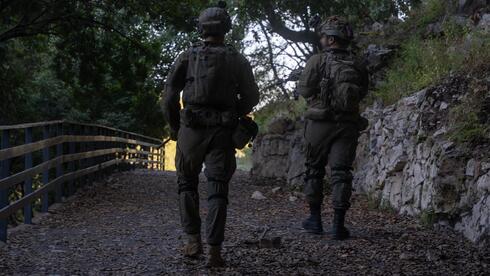
- Low-intensity hostilities in southern Lebanon are very likely to persist under a fragile ceasefire, with the IDF maintaining positions up to 10 kilometres inside Lebanon and leadership signalling full freedom of action while Hezbollah studies those deployments; a new deconfliction mechanism aims to prevent escalation but scepticism remains. (Confidence: medium · ASSESSED)
- I&W: Publicly acknowledged cross-border Hezbollah fire or IDF-initiated offensives north of the border after a period of quiet. (0-14 days)
- I&W: Verified IDF pullback from positions within 10 km of the border and authorisation for Lebanese residents to return to destroyed village areas. (0-14 days)
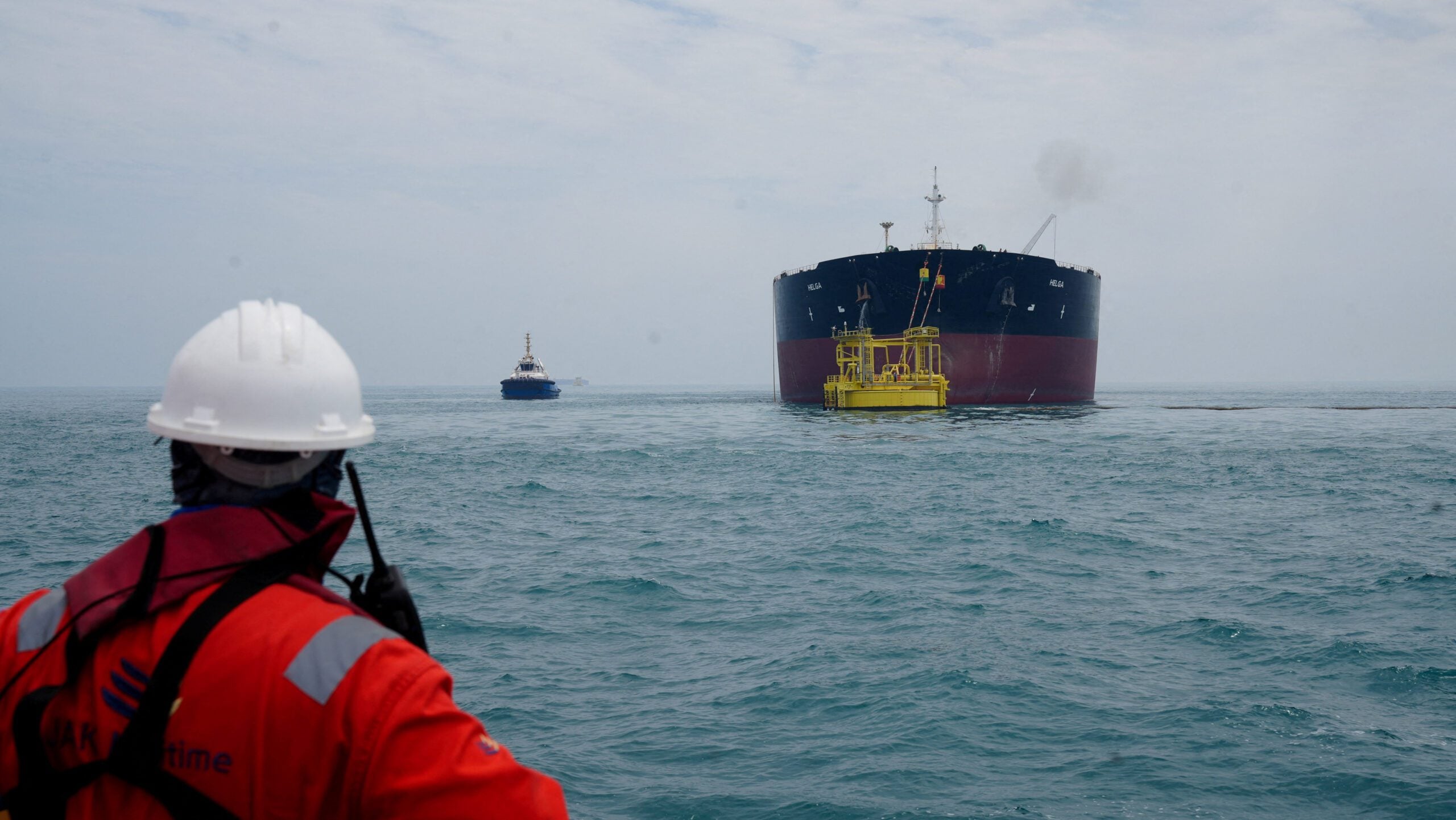
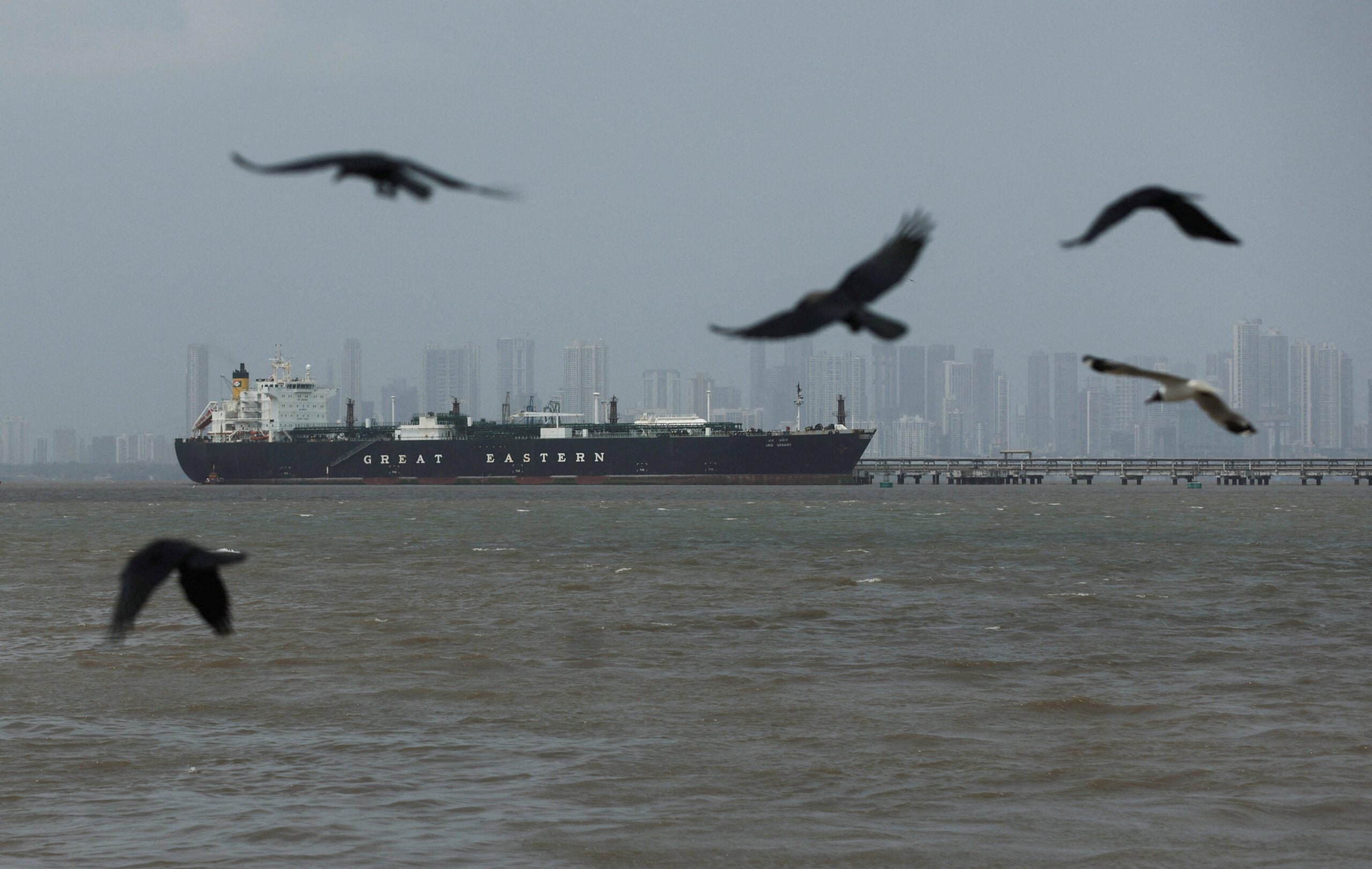
- Commercial traffic through the Strait of Hormuz is likely to recover gradually but remains below pre-war norms with elevated risk, given mines, a dual transit regime and 50-60 percent dark AIS traffic, even as multiple laden and sanctioned tankers transit. (Confidence: medium · ASSESSED)
- I&W: Daily transits approach the pre-conflict baseline of about 138 vessels per day with fewer PGSA-CENTCOM guidance conflicts reported by operators. (1-3 months)
- I&W: Any mine strike or official broadcast denying transit permission within the Traffic Separation Scheme. (0-14 days)
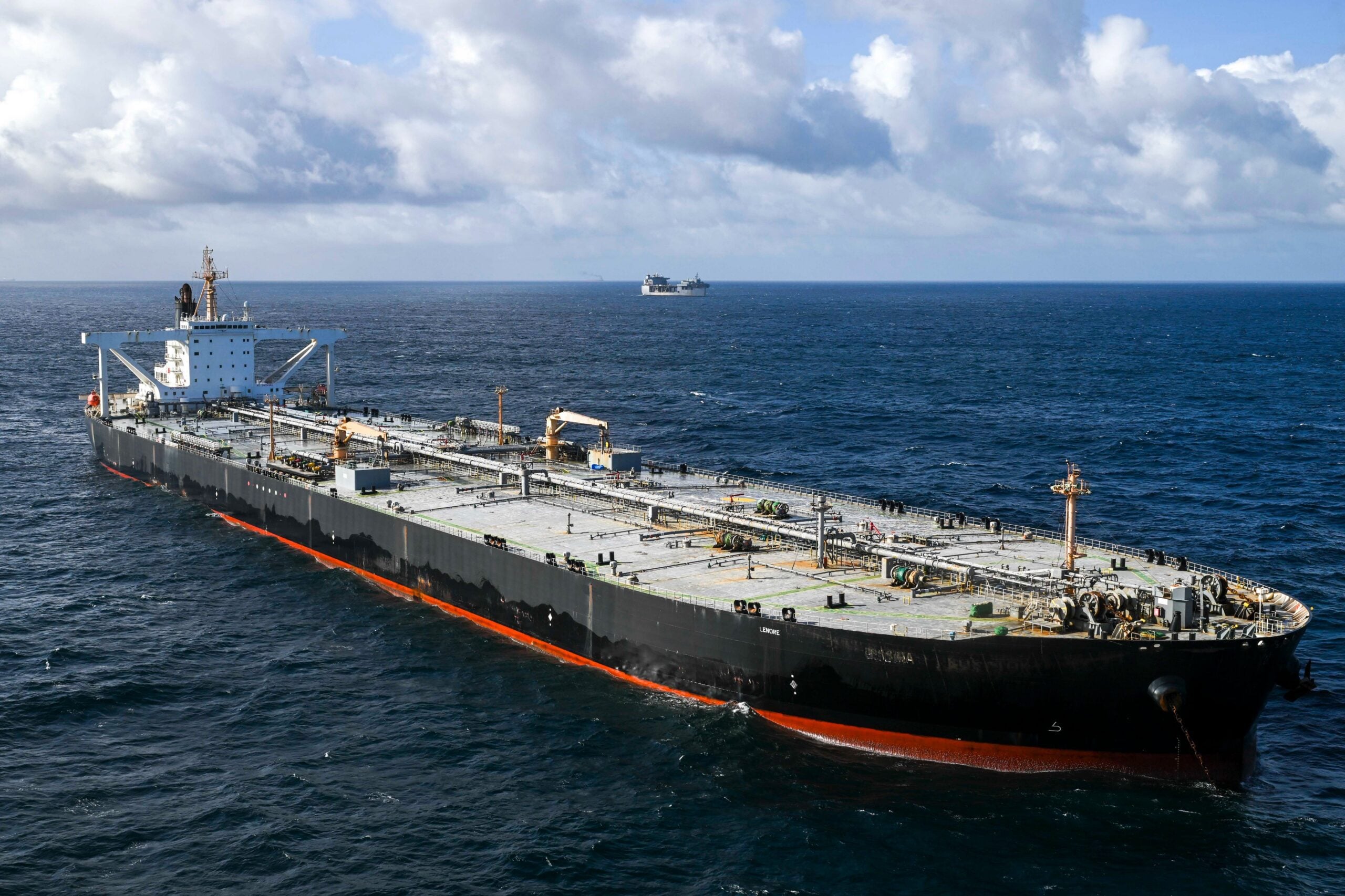
- Washington’s 60‑day waiver and OFAC’s General License X have very likely accelerated Iranian crude exports via Hormuz, including three US‑sanctioned VLCCs carrying roughly six million barrels, with sellers discounting barrels to China. (Confidence: high · ASSESSED)
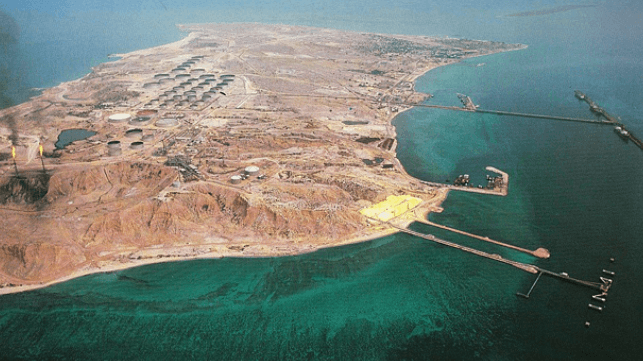
- I&W: Additional sanctioned VLCCs loaded at Kharg Island and recorded transiting the strait. (0-14 days)
- I&W: Any narrowing, suspension or revocation of OFAC General License X before 21 August 2026. (0-14 days)
- Tehran has likely linked Hormuz openness to calm in Lebanon, raising the risk of renewed restrictions if the Lebanon front reignites despite public commitments to safe passage. (Confidence: medium · ASSESSED)
- I&W: Following cross‑border fire in Lebanon, Iranian authorities issue transit denials or detain vessels in the northern lane. (0-14 days)
- I&W: Public reiteration by Tehran of unconditional free and open transit regardless of events on the Lebanon front. (0-14 days)
- Iran’s missile and UAV campaign since late February has almost certainly driven Israeli threat perceptions and international legal pressure, with at least dozens killed and thousands wounded in Israel and a report urging ICC scrutiny of the IRGC. (Confidence: high · ASSESSED)
- I&W: European parliaments or UN mandates reference the JIJ evidentiary record in formal actions. (1-3 months)
- I&W: ICC signals a preliminary examination into the IRGC missile and drone campaign. (1-3 months)
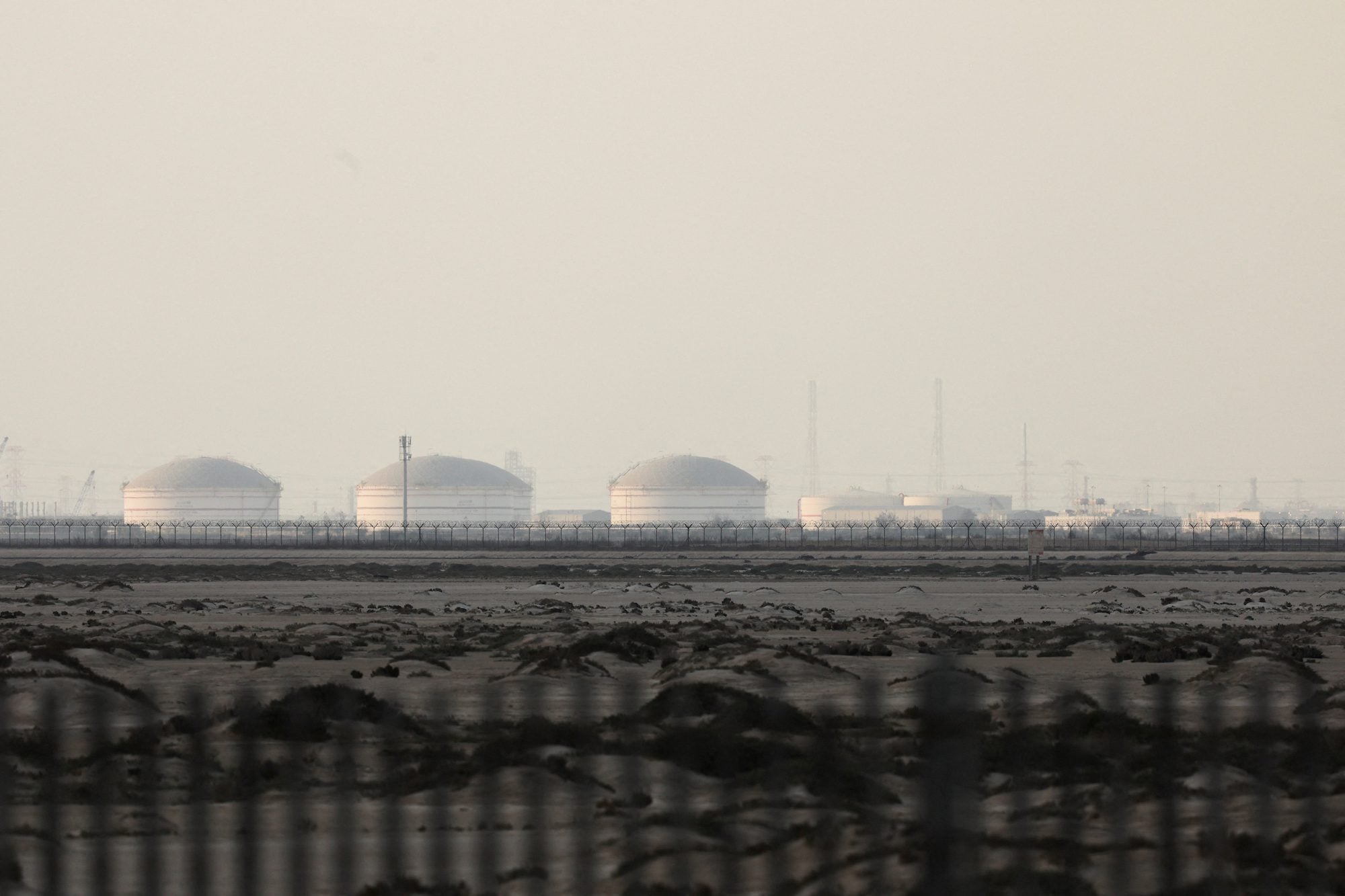
- Qatar’s LNG system is likely to remain partly degraded after the March Iranian strike and the 22 June Barzan explosion, constraining near‑term exports and weighing on GDP, though recovery timelines range from rapid restart pledges to three to five years. (Confidence: medium · ASSESSED)
- I&W: QatarGas announces specific liquefaction train restarts with export volumes returning toward pre‑March levels. (1-3 months)
- I&W: Revised official guidance indicating multi‑year repairs with sustained reduced sailings from Ras Laffan. (1-3 months)
- Israeli political signalling suggests it is likely to continue operations inside Lebanon and could face growing friction with Washington if the presence endures. (Confidence: medium · ASSESSED)
- I&W: Public US demarches or conditionality tied to Israeli operations north of the border. (0-14 days)
- I&W: Announcement of a phased IDF withdrawal roadmap from positions inside southern Lebanon. (1-3 months)
- An Israeli strike killing Ayatollah Ali Khamenei and subsequent Iranian regional retaliation very likely catalysed the current escalatory phase, including the March strike on Qatar’s Ras Laffan. (Confidence: medium · ASSESSED)
- I&W: Authoritative Iranian or Israeli statements that explicitly link leadership decapitation and subsequent regional strike activity. (1-3 months)
- I&W: Reduced regional strike tempo paired with stabilisation measures unrelated to Lebanon, signalling decoupling from leadership‑target dynamics. (1-3 months)
Outlook & scenarios
Managed containment: truce holds, Hormuz stays open under watch (60%)
The Lebanon ceasefire remains intact and the deconfliction mechanism functions, limiting cross‑border fire. Tehran upholds its commitment to free transit, traffic through Hormuz climbs toward pre‑war norms, and sanctioned VLCC flows continue under the 60‑day waiver. Shipping risk remains moderate due to mines and competing guidance, but insurable and manageable.
Frontline flare‑up: renewed exchanges trigger a Hormuz squeeze (45%)
Hezbollah probes Israeli positions and the IDF responds from inside Lebanon, breaking the fragile calm. Tehran links the violence to Hormuz and tightens the northern lane through administrative friction or detentions. Mines and guidance conflicts deter operators, volumes fall back from recent gains, and insurance rates spike.
Negotiated extension: waiver prolonged, conditional calm codified (35%)
US‑Iran talks extend the sanctions waiver and formalise commitments on IAEA access and toll‑free safe passage with Omani support. A Lebanon deconfliction cell takes root, further reducing near‑term escalation risk. Crude flows through Hormuz rise, with more sanctioned VLCC liftings. Verification disputes may persist around site inspections.
Wildcard: a mine strike or high‑profile detention freezes the strait (15%)
An explosive event in the Traffic Separation Scheme or the detention of a large tanker prompts major underwriters to suspend cover. Operators pause transits, crude exports stall, and energy markets re‑price sharply. Diplomatic pressure intensifies to restore safe passage.
Recommendations
- Task maritime watch to track AIS‑off patterns and sanctioned VLCC liftings from Kharg Island, and cross‑reference with insurer advisories and pilotage reports for the Iranian northern lane and the Omani corridor.
- Establish a daily PGSA versus CENTCOM guidance log for operators transiting Hormuz; flag any permission denials, boarding attempts, or routing conflicts in near real time.
- Maintain a Lebanon front tracker: map confirmed IDF positions up to 10 km inside Lebanon, catalogue Hezbollah reconnaissance and attack‑planning indicators, and log any IDF restrictions on Lebanese civilian returns.
- Prepare a Hormuz risk matrix keyed to tripwires: mine incident, broadcast transit denial, or vessel detention, with pre‑agreed posture shifts for shipping partners and energy desks.
- Monitor OFAC General License X and the 60‑day waiver window to 21 August 2026; pre‑brief stakeholders on scenarios for extension, narrowing, or revocation and resulting impacts on Iranian flows and freight rates.
- Build an LNG exposure brief for Qatar: baseline Ras Laffan output against 2025 levels, track liquefaction train restarts, and update repair timelines to inform contingency sourcing.
- Follow the legal track: collect on JIJ outreach to European and UN fora, and watch for steps toward ICC engagement that could affect diplomatic manoeuvre space.
- Capture statements tying Hormuz openness to the Lebanon front, including those by Iranian officials, and feed them into escalation models to refine warning thresholds.
Confidence & uncertainty
Overall confidence is high because multiple independent source types corroborate core elements: major media and trade reporting on Hormuz traffic, OFAC licensing, and sanctioned tanker movements; official and media accounts on the Lebanon front and the deconfliction mechanism; and NGO and media documentation of Iran’s missile and UAV campaign and associated casualties. Uncertainties persist on the precise sequencing of the US‑Iran talks, the scope and durability of IAEA access, and the true repair timeline for Qatar’s LNG facilities, alongside conditional and rhetorical signalling from Tehran. One extraordinary element, the reported killing of Ayatollah Ali Khamenei, is supported by associated retaliatory reporting but lacks broad multi‑source detail, which is reflected in moderated confidence for that judgment.
Alternative analysis (red cell)
Multiple claims and lint flags indicate conflicting timelines and unresolved contradictions (see contradiction entries and 'contradiction_unaddressed'). A more cautious assessment is defensible: the Lebanon ceasefire may produce monitored, temporary IDF holdings rather than open‑ended occupation; Hormuz reopening appears diplomatically conditional rather than operationally tethered to Lebanon; OFAC waivers plausibly increased exports but exact volumes and mechanisms are unverified; and the uncorroborated report of Khamenei’s death should not be treated as the established catalyst without independent confirmation.
Intelligence gaps
- [EEI 1.2 · PARTIAL] Observable changes in Israeli and Iranian force posture: mobilization or reserve call-up orders, unit road/rail movements, dispersal or sortie rates of air squadrons, redeployment of air-defense batteries, and activation of civil-defense alerts or sirens in major population centers. Recommended collection: open-source/media
- [EEI 1.3 · PARTIAL] Indications of strike authorization or targeting preparations in Iranian or Israeli command chains: authenticated public orders by senior commanders, detected increases in encrypted communications consistent with targeting, or visible movement of strike munitions to launch/storage sites. Recommended collection: signals/intel
- [EEI 2.1 · UNCOVERED] Counts, launch locations (coordinates), weapons types, and assessed damage from rocket/missile/drone strikes originating from Lebanon into northern Israel attributed to Hezbollah or allied groups. Recommended collection: open-source/media
- [EEI 2.2 · UNCOVERED] Reported attacks by Iranian-backed militias in Iraq and Syria: rocket/IED strikes on bases hosting US/coalition or Israeli personnel, documented militia unit movements toward borders, and captured movement or transfer of weapons systems to forward militia positions. Recommended collection: human
- [EEI 2.3 · PARTIAL] Maritime harassment or attacks by proxies (e.g., Houthis): incidents of missile/rocket strikes against commercial vessels, small-boat swarm attacks, discovery or detonation of naval mines, and corresponding AIS anomalies in the Red Sea, Gulf of Aden, or southern Arabian Gulf. Recommended collection: maritime/AIS
- [EEI 3.1 · UNCOVERED] Movements and arrival dates of foreign military assets into the region: carrier strike groups, amphibious ships, surface combatants, strategic airlift/tanker deployments, and air/sea patrol patterns by US, European, Russian, or regional militaries. Recommended collection: imagery/satellite
Cited sources
[1] ynetnews.com · Israel's Lebanon dilemma: restrictions, uncertainty and Hezbollah's underground fortress (B) · sha256:cd4d730109f4 [2] nypost.com · IDF has 'full freedom' in Lebanon despite 'de-confliction cell,' Netanyahu says (B) · sha256:8e9d304a460a [3] jpost.com · Escalation must cost: Current Switzerland talks leave Iran stronger, Israel exposed - editorial (B) · sha256:caee1cf94b2b [4] haaretz.com · U.S. VP Vance says Israel, Hezbollah and Lebanon to take part in coordination mechanism (A) · sha256:651706b4b47c [5] haaretz.com · <b>Inside southern Lebanon:</b> One hour after the IDF's victory tour, Israeli soldiers were killed (A) · sha256:aefba80437bd [6] maritime-executive.com · Strait of Hormuz Traffic is Beginning to Return, But it is Hard to Spot (B) · sha256:12de8073cd17 [7] gcaptain.com · Strait of Hormuz: Mines and Dual Transit Regime Complicate Return to Normal (B) · sha256:cb520f1f8fee [8] gcaptain.com · Hormuz Traffic Slowly Picking Up as Oil and LNG Tankers Resume Transits (A) · sha256:4e40a09b0d8d [9] gcaptain.com · Iranian Crude Exports Surge Via Hormuz as Activity Picks Up (B) · sha256:97cd60111aca [10] gcaptain.com · Trump Treasury Issues Sweeping Iran Oil Waiver, Marking Sharp Break From 'Maximum Pressure' (B) · sha256:1496d47966e9 [11] haaretz.com · From the Alps to the Litani: Iran secures a foothold on Israel's northern border (A) · sha256:7ed474892a82 [12] The Guardian · ‘Compound shock effect’: why the Middle East crisis and El Niño could spell disaster in south-east Asia (A) · sha256:73afc8ef48fd [13] The Jerusalem Post · Live Updates: Latest from Israel, Iran, and Middle East | The Jerusalem Post (A) · sha256:cebc34d621d3 [14] maritime-executive.com · With U.S.-Iran Deal Signed, Jones Act's Defenders Call for an End to Waiver (C) · sha256:cbf6435a5e17 [15] Jerusalem Institute of Justice · IRGC missile, drone attacks should be prosecuted at ICC as war crimes, Israeli NGO says (C) · sha256:8d281072a2b0 [16] gcaptain.com · Thirteen Dead, Dozens Injured, After Blast During Restart at Giant Qatar LNG Site (A) · sha256:71172646bca7 [17] maritime-executive.com · Giant Blast Kills 13 Workers at Ras Laffan Gas Plant (A) · sha256:ae9c87ae8476 [18] islamtimes.com · ’Haaretz’: Security Belt in South Lebanon Illusion, Netanyahu Bolstered Hezbollah - Islam Times (B) · sha256:222965b5805e [19] jpost.com · Trump allies defend him to Israelis anxious over Iran deal (B) · sha256:2656b65cbaef
Source content hashes were computed at collection time; the cited text is preserved unmodified for the life of this product.
Red cell review: PARTIAL DISSENT
TLP:CLEAR