TLP:CLEAR · Disclosure is not limited.
Iran, Israel: Fragile stand‑down, contested Doha talks, and elevated Hormuz maritime risk
Time window: Last 1 day · Audience: General analyst · Type: Situation report · DTG: 2026-06-30 10:00Z · Overall confidence: MEDIUM
BLUF
A US, Iran stand‑down has opened a narrow diplomatic window in Doha, but Tehran’s public denials make any US, Iran meeting a roughly even chance this week. Hormuz traffic is rebounding under a substantial residual threat environment, while the northern front is heating as IDF vehicles enter southern Lebanon and Israeli strikes persist in Gaza.
Executive summary
After intense US, Iran tit‑for‑tat strikes from 26 to 28 June, officials agreed a temporary stand‑down on 29 June. Multiple US and regional outlets flag technical talks in Doha from 30 June, yet Iranian officials publicly deny any such meeting and describe their delegation as focused on releasing frozen funds. In the Strait of Hormuz, commodity shipping has picked up and supertankers are entering the Gulf, but the Joint Maritime Information Center threat level remains substantial, LNG transits are paused, and the IMO assesses up to 80 naval mines. Iran continues to assert permission‑based control and press a disputed toll. On the Israel, Lebanon front, an IDF convoy entered southern Lebanon on 29 June and Israel’s defence leadership signals no withdrawal, implying prolonged displacement along the border. Israeli operations in Gaza continue, and Iranian‑linked cyber activity against Israel has surged.
Change from previous assessment
Since the 28 June brief, a 29 June stand‑down has been reported and multiple announcements flagged technical talks in Doha, though Tehran publicly denies any US, Iran meeting and recasts its delegation as finance‑focused. Hormuz traffic shows clearer rebound signals, including VLCC entries, while LNG transits remain paused and the JMIC threat level is substantial. On 29 June an IDF convoy entered southern Lebanon and Israeli leaders said they will not withdraw, sharpening the earlier judgment on a protracted northern displacement. Fresh Gaza casualties and a claimed high‑value Hamas killing reaffirm ongoing operations. Initial assessment of Iranian‑linked cyber activity now includes quantified June surge data.
Key judgments
- Roughly even chance the United States and Iran actually convene technical talks in Doha this week: a 29 June stand‑down and multiple announcements point to meetings, but Tehran’s public denials and re‑framing of its delegation as finance‑focused keep the diplomatic track fragile. (Confidence: medium · ASSESSED)
- I&W: Qatar’s Ministry of Foreign Affairs publishes an official readout or imagery of US and Iranian technical teams meeting in Doha. (0-7 days)
- I&W: Publicly acknowledged renewed US or Iranian kinetic strikes after 29 June, indicating the stand‑down has collapsed. (0-14 days)
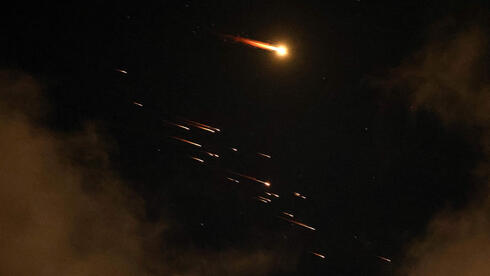
- Very likely Iran and the United States exchanged strikes between 26 and 28 June, including Iran launching roughly 22 missiles and drones against Kuwait, Bahrain, and oil tankers, and US strikes on Iranian military targets; Bahrain reported Iranian munitions hit a residential building. (Confidence: high · REPORTED)
- I&W: Official after‑action releases by US CENTCOM, Kuwait, and Bahrain that match the 27-28 June strike timelines and impacts. (0-14 days)
- I&W: Authoritative corrections by US or regional militaries retracting or revising claims of launches or strikes in this period. (0-14 days)
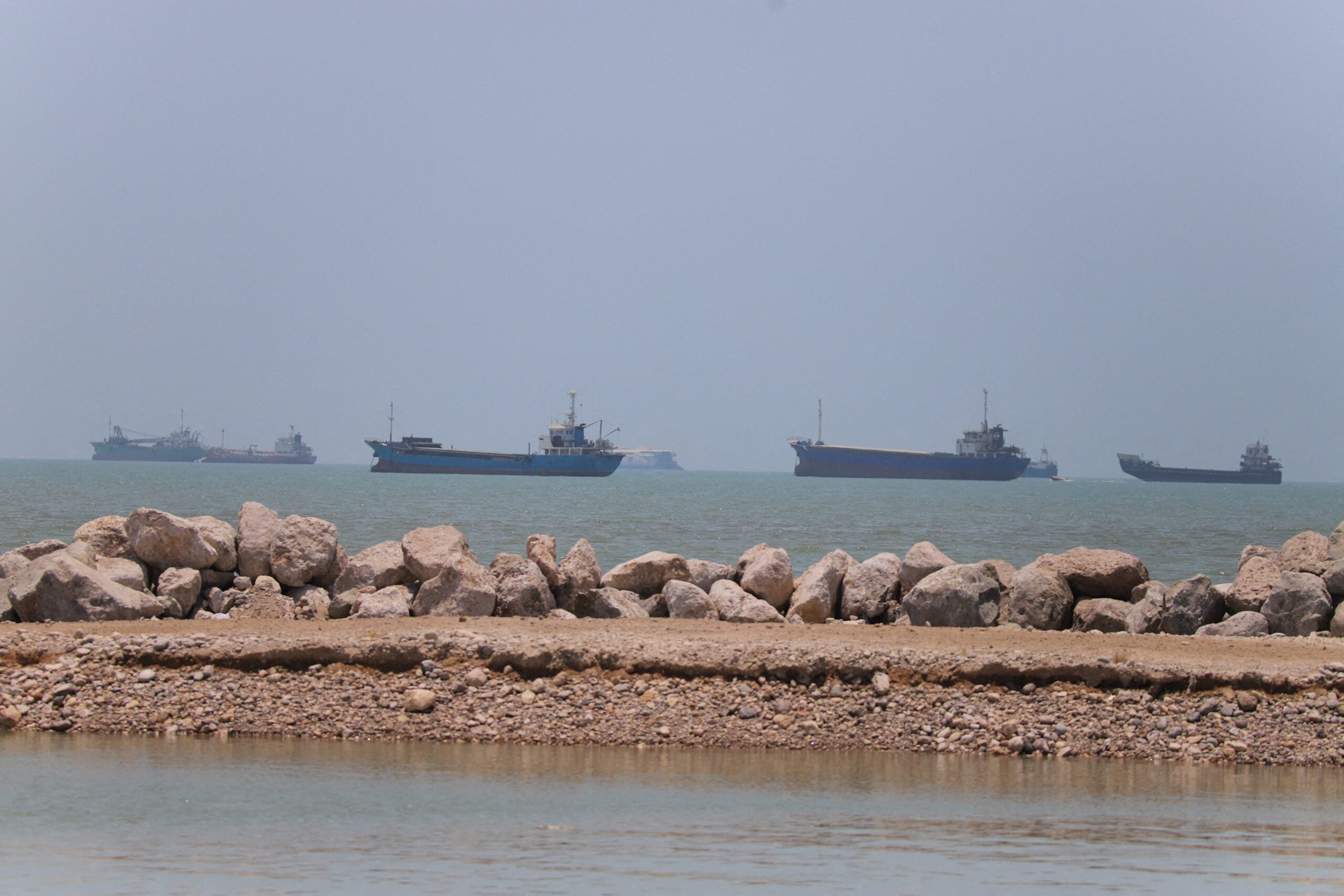
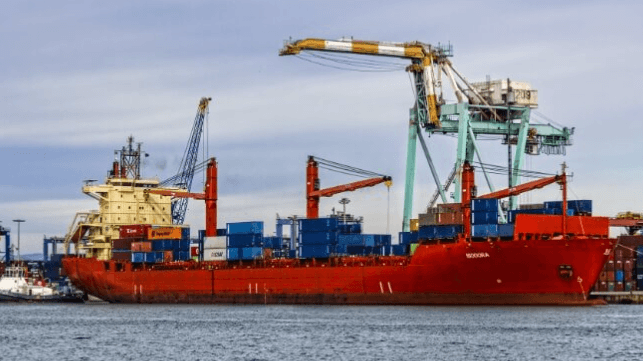
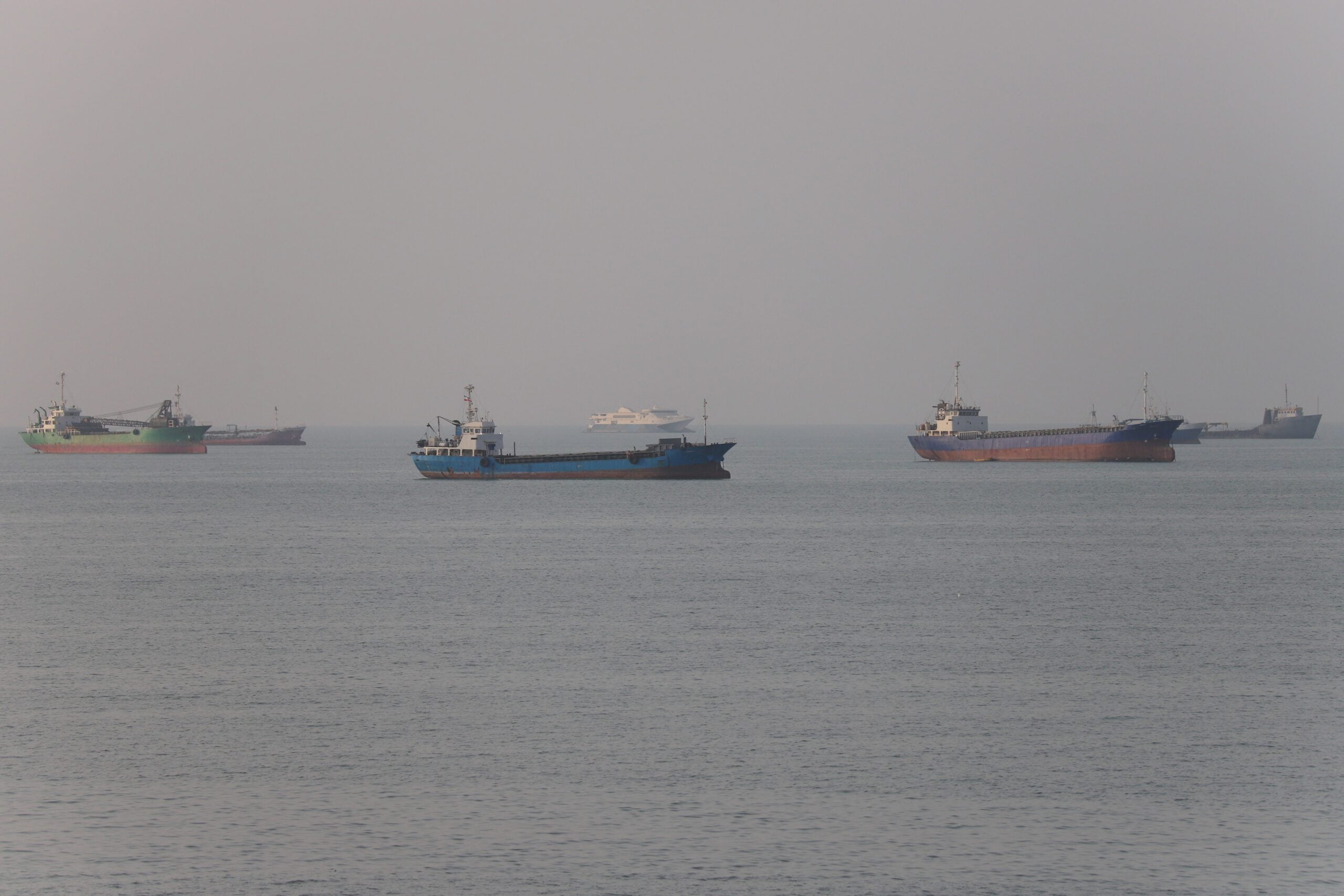
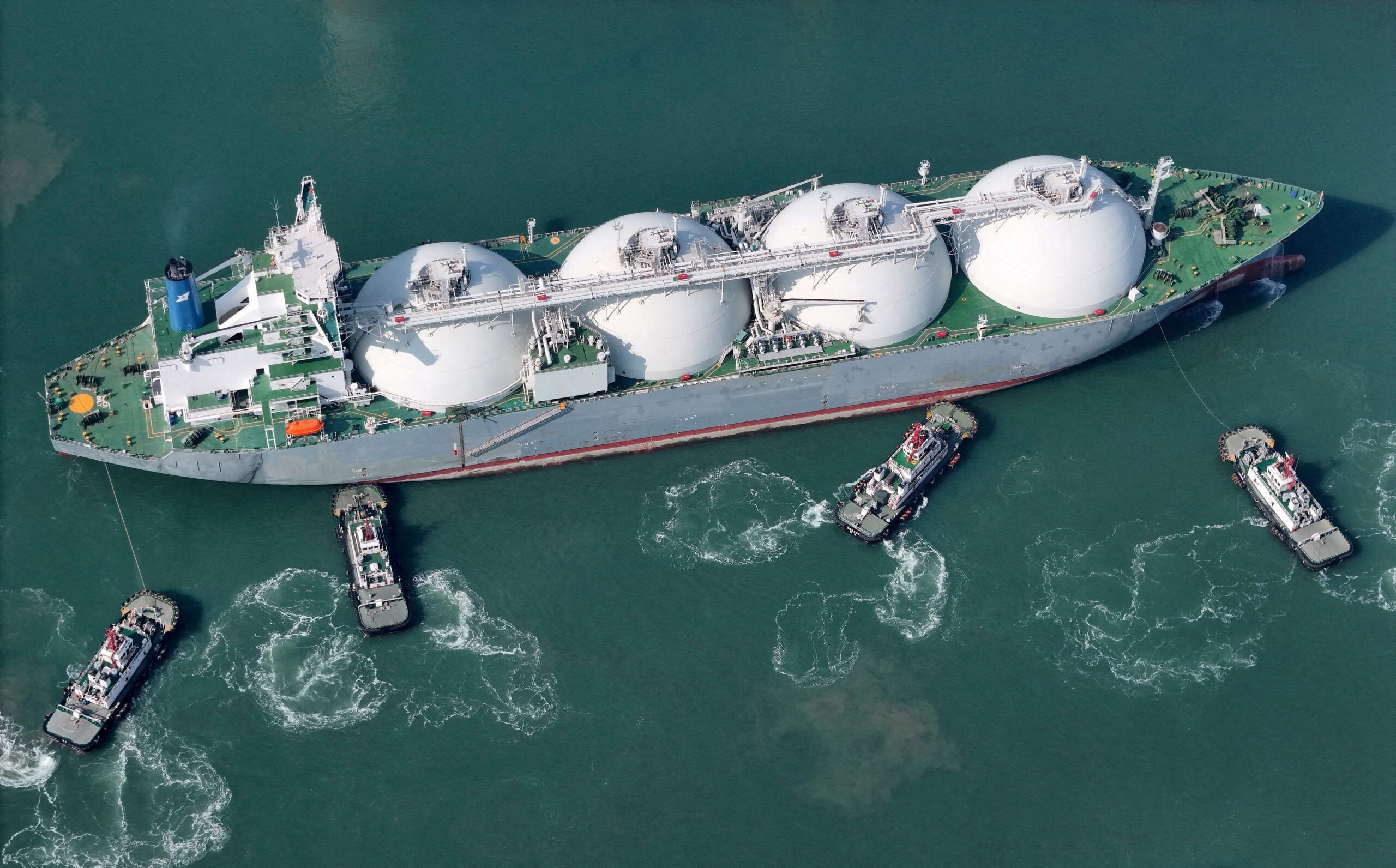
- Likely maritime risk in the Strait of Hormuz remains substantial despite a partial rebound in traffic: about two dozen commodity ships transited on 27 June and VLCCs are entering, but LNG transits are paused, the Joint Maritime Information Center maintains a substantial threat level, and the IMO assesses up to 80 mines; Iran continues to assert permission‑based control and press a disputed toll. (Confidence: high · ASSESSED)
- I&W: JMIC keeps the regional threat level at substantial and no LNG carrier transits of Hormuz are recorded for two consecutive weeks. (1-3 weeks)
- I&W: Public start of multinational mine‑clearing operations in the TSS or a JMIC downgrade of the threat level. (0-30 days)
- Likely the IDF is sustaining or expanding operations inside southern Lebanon despite the 26 June framework, and Israeli leaders signal no near‑term withdrawal, implying that roughly 200,000 residents along the border will remain displaced for an extended period. (Confidence: medium · ASSESSED)
- I&W: Additional IDF ground elements or armour columns observed crossing into southern Lebanon with geolocated imagery. (0-14 days)
- I&W: A joint implementation communiqué with verifiable steps for an IDF pullback and return timelines for evacuees. (1-3 months)
- Very likely Israeli operations in Gaza continue, with at least eight killed and 26 wounded in the past 24 hours and the reported killing of Hamas Rafah Brigade defence chief Ismail Masri. (Confidence: high · REPORTED)
- I&W: Further IDF announcements of targeted killings in Rafah and daily Gaza Health Ministry casualty tallies at or above current reported levels. (0-14 days)
- I&W: A sustained 72‑hour period without reported IDF air or ground strikes in Gaza. (0-14 days)
- Likely Iranian cyber activity against Israel has surged to about 4,800 incidents in June 2026, up from roughly 1,600 a year earlier, indicating a persistent parallel cyber front to kinetic escalation. (Confidence: medium · REPORTED)
- I&W: Israeli authorities publish end‑June reporting citing approximately 4,500-5,000 hostile cyber events attributed to Iran. (0-14 days)
- I&W: Official Israeli revision of June incident figures below 2,000 or public attribution away from Iran. (0-1 month)
- Likely Tehran is prioritising financial relief and control over navigation over multilateral mine countermeasures, insisting mine‑clearing be exclusively Iranian, pressing transit permission and toll demands, and sending a staff‑level team focused on releasing Qatari‑held funds. (Confidence: medium · ASSESSED)
- I&W: Iran issues procedures asserting prior authorisation or tolling for Hormuz passage and reiterates sole mine‑clearing authority; Qatar, Iran statements focus on financial transfers. (0-30 days)
- I&W: Iran publicly accepts an external mine countermeasures role led by France or a regional partner. (1-3 months)
Outlook & scenarios
Stand‑down holds and technical talks proceed in Doha (40%)
US and Iranian technical teams meet in Doha under a maintained stand‑down. Hormuz traffic continues to recover with more crude carriers entering, while LNG transits lag pending mine‑risk reduction and a JMIC downgrade. Oil prices remain contained relative to late June levels. The Lebanon front simmers without large new IDF incursions.
Talks derail and regional exchanges resume (50%)
Iran’s public denials harden into non‑participation and renewed missile and drone launches target Gulf states and shipping, prompting further US strikes. Maritime risk rises from already substantial levels as naval mines remain in place and another merchant vessel is hit. Civilian harm in Israel and Gulf states grows and industry again slows Hormuz transits.
Northern front expands into limited ground conflict (35%)
IDF sustains ground presence inside southern Lebanon and Hezbollah retaliation intensifies. Israeli leadership maintains a no‑withdrawal line, keeping roughly 200,000 residents displaced along the border. The 26 June Washington framework stalls amid Lebanese political pushback and parallel US, LAF coordination continues without achieving pullback.
Recommendations
- Validate the Doha track daily: monitor Qatari Foreign Ministry communiqués and imagery for evidence of joint US, Iran technical sessions; log any Iranian statements that re‑cast the delegation’s remit.
- Maintain an OSINT maritime dashboard covering Hormuz transits by vessel class, with specific tracking for LNG carriers, and correlate with JMIC threat posture and any mine countermeasures activity.
- Catalogue and translate Iranian navigation‑control statements and notices related to permission or tolling; flag any shift from assertion to implementation for rapid policy response.
- Task geolocation of IDF ground movements and kinetic effects in southern Lebanon, including Majdal Zoun, and map against declared Israeli positions to inform displacement outlooks.
- Track daily Gaza casualty reporting and IDF communiqués on targeted strikes to assess operational tempo and potential spillover dynamics relevant to Iran‑aligned actors.
- Establish a weekly cyber incident baseline using Israeli public reporting on hostile activity attributed to Iran; alert on spikes or sectoral targeting that diverge from the June pattern.
- Use Pakistan’s urgent LNG tendering and inbound VLCC movements as near‑term indicators of market risk appetite; brief energy stakeholders on the persistence of mine risk despite traffic recovery.
Confidence & uncertainty
Overall confidence is medium. Multiple high‑reliability reports corroborate the 26-28 June tit‑for‑tat strikes, a 29 June stand‑down, and a partial rebound in Hormuz traffic under a substantial maritime threat with mines present. However, the status of US, Iran talks is contested by credible but contradictory statements, and some forward‑looking elements rely on medium‑confidence think‑tank reporting or single‑source figures. These inconsistencies constrain confidence on diplomatic intent and timing even as the military and maritime picture is well attested.
Alternative analysis (red cell)
Multiple key judgments rest on directly contradictory statements and mixed‑grade sources, so alternate, defensible readings exist: Doha engagements may be limited to finance officials or fail to occur despite U.S. statements; exchanges between U.S. and Iran likely occurred but the precise counts, sequencing, and attributions remain uncertain; and Iranian maritime rhetoric may be coercive signaling rather than evidence of sustained operational control. Resolution requires direct confirmations of presence, agendas, and forensic effects.
Intelligence gaps
- [EEI 1.1 · UNCOVERED] Unusual long-range missile/rocket transporter-launcher (TEL) movements, storage activation, or assembly activity at known IRGC missile sites or forward staging areas. Recommended collection: satellite/imagery
- [EEI 1.2 · UNCOVERED] Orders, threat-alert messages, or changes in posture from IRGC, Quds Force, or senior Iranian military leadership indicating attack timelines or rules of engagement changes. Recommended collection: signals/ELINT and HUMINT
- [EEI 1.3 · UNCOVERED] Large-scale transfers, deliveries, or convoy movements of armed UAVs/drones, guided munitions, or spare parts from Iran into Lebanon (Hezbollah), Iraq, Syria, or Gaza. Recommended collection: air/aviation track and HUMINT
- [EEI 1.4 · UNCOVERED] Sustained changes in Israeli air-defense usage (SAM launches, radar activations), wide-area alerts, or NOTAMs indicating elevated imminent strike response. Recommended collection: air/aviation/NOTAMs and signals
- [EEI 2.1 · UNCOVERED] Concentration, repositioning, or sortie patterns of Iranian naval/IRGC patrol boats and fast-attack craft near shipping chokepoints or commercial lanes. Recommended collection: maritime/AIS and satellite/imagery
- [EEI 2.2 · UNCOVERED] Reported attacks, mine sightings, close-approach incidents, or damage to commercial tankers/merchant vessels operating in the Red Sea, Persian Gulf, or eastern Mediterranean. Recommended collection: maritime/AIS and OSINT/incident reports
- [EEI 2.3 · UNCOVERED] Insurance market indicators: sudden spikes in war-risk or hull insurance premiums for routes through the Red Sea, Suez corridor, or Persian Gulf, and major carriers announcing route changes. Recommended collection: financial/market and commercial shipping notices
- [EEI 2.4 · UNCOVERED] Port closures, naval escorts requested by commercial operators, or formal rerouting advisories issued by major shippers (e.g., Maersk, Hapag-Lloyd) for regional transits. Recommended collection: commercial/OSINT
- [EEI 3.1 · UNCOVERED] Deployment of foreign military assets to the region (carrier strike groups, amphibious ships, combat aircraft deployments, or additional bases activated) from the US, UK, France, Russia, or GCC states. Recommended collection: maritime/AIS and air/aviation and satellite/imagery
- [EEI 3.2 · UNCOVERED] Formal diplomatic actions: emergency UNSC votes, sanctions announcements, high-level ministerial visits, or public mediation offers by external powers or regional actors. Recommended collection: diplomatic/OSINT
- [EEI 3.3 · UNCOVERED] Confirmed arms transfers, expedited weapons shipments, or transfer authorizations to Israel, Iran, or their proxies (aircraft parts, munitions, air defenses). Recommended collection: customs/INTEL and HUMINT
- [EEI 3.4 · UNCOVERED] Issuance of travel warnings, embassy evacuations or reductions, and closure of diplomatic missions by major capitals indicating escalation risk or shifted threat assessments. Recommended collection: OSINT/diplomatic
Cited sources
[1] globalsecurity.org · Iran War 2026 -- Day 122 Update -- 29 June 2026 (A) · sha256:9e609bb5417d [2] The Jerusalem Post · Live Updates: Latest from Israel, Iran, and Middle East | The Jerusalem Post (A) · sha256:72b231a3812b [3] سكاي نيوز عربية · محادثات أميركا وإيران. آخر الأخبار (B) · sha256:9243527a3c5a [4] maritime-executive.com · Shipping Through Hormuz Holds Steady, But Little Clarity on Peace Talks (B) · sha256:c4043294a9b5 [5] JINSA · [PDF] Iran War Update: 6/29/26 | JINSA (C) · sha256:cc627cfcba0a [6] haaretz.com · U.S. and Iran negotiators head to Doha, as high-level talks remain uncertain (A) · sha256:1227d8866da9 [7] gcaptain.com · Hormuz Traffic Climbs as Supertankers Sail Into Persian Gulf (B) · sha256:3f7546f66b35 [8] gcaptain.com · Hormuz Oil Transits Continue Though Attacks Make Owners Wary (B) · sha256:5a200fb1472e [9] gcaptain.com · Mediators Set Up De-escalation Channels Ahead of US-Iran Talks (A) · sha256:0398c34587b8 [10] gcaptain.com · Pakistan Urgently Seeks LNG as Hormuz Flare-Up Chokes Supply (B) · sha256:70166fadbc71 [11] ynetnews.com · Israel could go to war with Iran 'tomorrow,' Katz warns (A) · sha256:adfb115ceb4d [12] haaretz.com · Israeli strikes in Gaza kill eight, wound 26 over past day, Gaza health ministry says (A) · sha256:c237bdecb0e8 [13] haaretz.com · 'No cease-fire in cyberspace': Iranian cyberattacks on Israel surged since war, cyber chief says (A) · sha256:b559d21eea9a [14] Al Jazeera · أخبار إيران | إيران | الجزيرة نت (A) · sha256:f42b1739c434
Source content hashes were computed at collection time; the cited text is preserved unmodified for the life of this product.
Red cell review: PARTIAL DISSENT
TLP:CLEAR