TLP:CLEAR · Disclosure is not limited.
Iran-Israel: Funeral period heightens escalation risk; Hormuz maritime coercion persists
Time window: Last 1 day · Audience: General analyst · Type: Situation report · DTG: 2026-07-04 07:42Z · Overall confidence: MEDIUM
BLUF
Iran’s 4-9 July funeral period for Ali Khamenei, paired with Tehran’s explicit warnings, likely elevates near-term escalation risk if any attack occurs, while US forces remain postured to respond. Shipping continues through the Strait of Hormuz, but Iranian coercion, fee disputes and recent attacks keep maritime risk high.
Executive summary
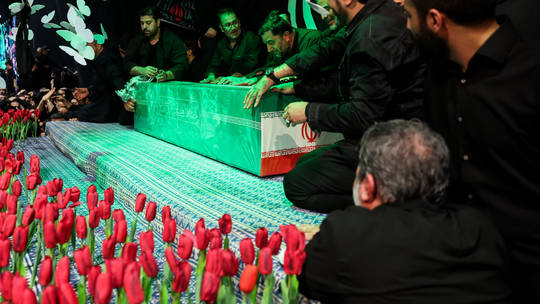
Tehran has warned the United States and Israel against any attacks during the funeral processions for Ali Khamenei and vowed an immediate, powerful response to threats. Funeral events are set to begin on 4 July and conclude on 9 July, with authorities preparing for a very large turnout in the capital. In parallel, the Strait of Hormuz remains a flashpoint: reporting indicates a recent container ship attack by Iranian forces and Revolutionary Guard demands that all transits be cleared with them, while Iran seeks to impose new routes and service charges that European powers appear ready to accept but which the United States and Gulf partners reject. A trilateral proposal on strait management remains under discussion. CENTCOM maintains a high readiness posture in theatre with carrier strike groups and an amphibious ready group present, underlining deterrence. Reports that Washington warned Tehran via intermediaries about possible Israeli targeting of Iranian negotiators, which Israel publicly disputes, add friction to already strained diplomacy. In the Red Sea, formal monitoring of Houthi threats looks set to continue despite a lull in attacks.
Change from previous assessment
Since the prior brief, we assess elevated near-term escalation risk tied to Khamenei’s 4-9 July funeral based on new Iranian warnings and plans for very large processions. Maritime risk in Hormuz has sharpened: reporting of a container ship attack and IRGC pre-clearance demands sits alongside continued high traffic and active disputes over fees and routing. New reporting indicates Washington relayed warnings to Tehran about possible Israeli targeting of negotiators, which Israel denies, lowering confidence in diplomatic traction. US high-readiness posture is reaffirmed with carrier and amphibious groups in theatre. Red Sea monitoring appears set to continue despite a lull in attacks. Earlier judgments on northern Israel-Lebanon dynamics saw no new developments in this run and remain unchanged.
Key judgments
- It is likely Iran will sustain a heightened security and retaliatory posture through Khamenei’s 4-9 July funeral period, raising the risk of rapid escalation if any attack occurs against the gatherings or leadership. (Confidence: medium · ASSESSED)
- I&W: Iran’s security services or IRGC announce expanded security cordons and restrictions in Tehran and Mashhad linked to the funeral period. (0-14 days)
- I&W: Public rhetoric from senior Iranian officials shifts from immediate retaliation to de-escalation after 9 July. (0-14 days)
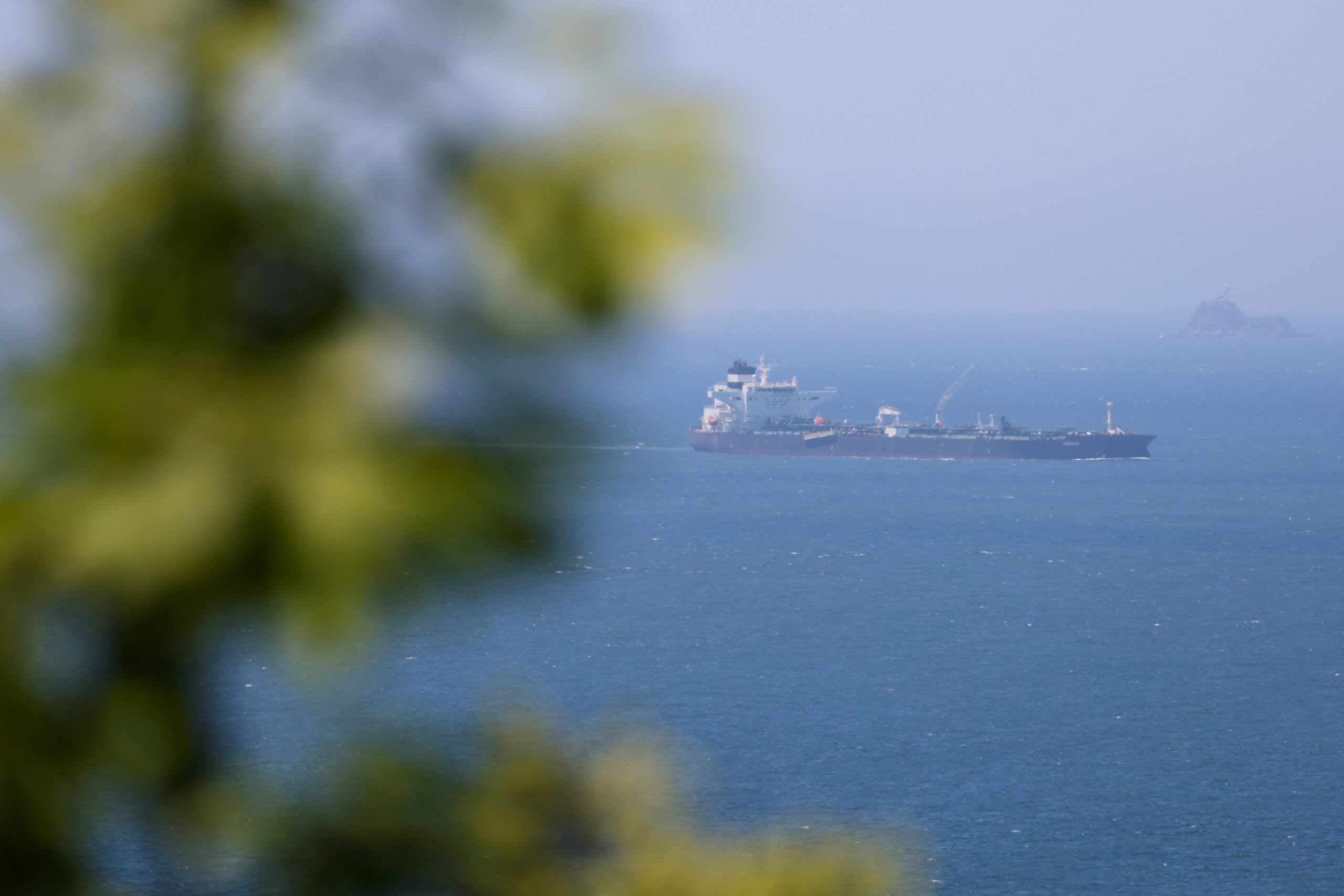
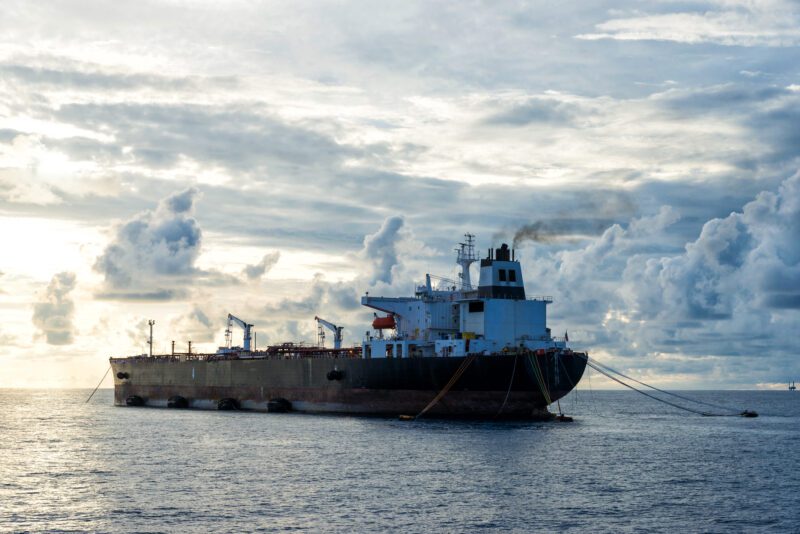
- Shipping through the Strait of Hormuz is likely to continue at volume, but coercive Iranian measures and the risk of interdiction or attack remain high amid contested efforts to impose routing and fees. (Confidence: high · ASSESSED)
- I&W: IRGC naval units issue public pre-clearance instructions or detain another merchant vessel transiting Hormuz. (0-14 days)
- I&W: A public, trilateral announcement on Hormuz management that resolves the fee dispute and affirms freedom of navigation without unilateral charges. (1-3 months)
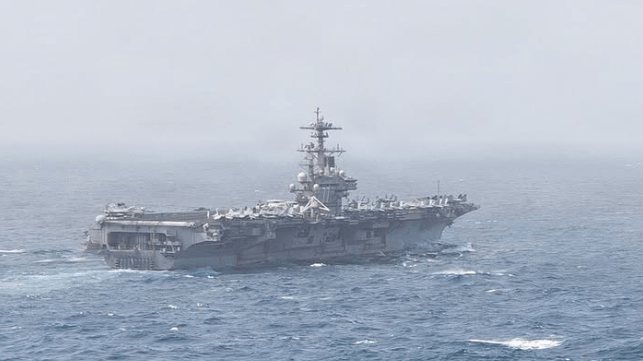
- US forces are very likely maintaining a high-readiness posture in theatre, including two carrier strike groups and an amphibious ready group, to deter Iran and enable rapid response to ceasefire breaches. (Confidence: high · REPORTED)
- I&W: Additional USN asset movements into the Gulf publicly acknowledged, or aviation notices reflecting heightened air operations over Hormuz. (0-14 days)
- I&W: Official announcements of carrier or ARG redeployment away from the theatre. (1-3 months)
- Diplomatic de-escalation is likely to be complicated by mistrust stemming from reports that Washington warned Tehran via intermediaries about possible Israeli targeting of Iranian negotiators, a claim Israel publicly disputes. (Confidence: medium · ASSESSED)
- I&W: Further US readouts or credible media reports reference security concerns for Iranian negotiators or additional warnings relayed via third parties. (0-14 days)
- I&W: Coordinated US-Israel public messaging explicitly rejects the allegation of plots and affirms alignment on negotiation conduct. (0-14 days)
- Iran is very likely to continue framing its actions as lawful self-defence and to signal readiness to retaliate regionally following recent US strikes on Iranian coastal facilities. (Confidence: high · REPORTED)
- I&W: Iran’s UN mission or Foreign Ministry publishes statements citing Article 51 and warning of immediate retaliation. (0-14 days)
- I&W: Iran’s public messaging pivots to emphasise negotiation outcomes and downplays retaliation. (0-14 days)
- Threats to US-linked sites and civil aviation in the United Arab Emirates are likely to persist as the Iran-Israel confrontation endures, keeping US advisories and restrictions in place. (Confidence: high · ASSESSED)
- I&W: Renewed US security alerts for US personnel in the UAE or tightened posture at US-linked facilities. (0-14 days)
- I&W: US State Department or FAA downgrades the UAE threat advisory level. (1-3 months)
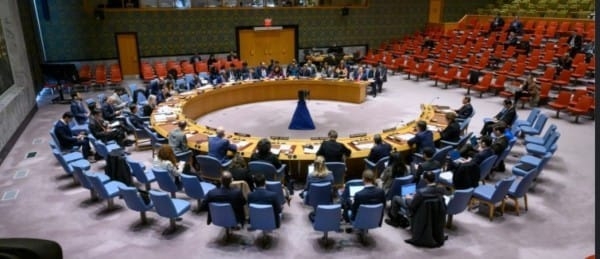
- It is likely the UN Security Council will sustain formal monitoring of Red Sea threats despite fewer recent attacks, as Houthi intent to target Israel-linked shipping persists and navigation concerns remain. (Confidence: high · ASSESSED)
- I&W: UNSC issues a decision renewing the Secretary-General’s monthly reporting mechanism on Red Sea attacks. (0-14 days)
- I&W: Houthi media officially renounces maritime targeting or announces a resumption of attacks. (0-14 days)
Outlook & scenarios
Tense calm through funeral week with continued maritime harassment (60%)
Iran maintains high alert and harsh rhetoric during 4-9 July but refrains from major strikes, deterred by US naval posture. IRGC units continue coercive inspections or short-lived interdictions in Hormuz while broader shipping flows remain high. Fee and routing disputes persist without a finalised management deal.
Flash escalation triggered by funeral-period incident (30%)
A real or perceived attempt against funeral events or senior Iranian figures prompts rapid Iranian retaliation. The IRGC targets a merchant vessel or launches limited missile and UAV attacks against US- or Israel-linked assets, drawing US responsive strikes. Diplomatic channels narrow and risk to Gulf-based facilities rises.
Pragmatic Hormuz accommodation reduces immediate friction (40%)
US, Iran and Oman advance a provisional management arrangement for Hormuz that clarifies transit procedures. European operators accept service fees and routings, while Washington and Gulf partners secure assurances on freedom of navigation and oppose unilateral charges. Harassment incidents decline, though coercive leverage remains.
Red Sea front reignites (20%)
Despite a recent lull, Houthi forces resume attacks against Israel-linked shipping in the Red Sea, prompting renewed multinational naval operations and continued UNSC monitoring. Insurance costs and diversions increase for regional routes.
Recommendations
- Prioritise collection on IRGC Navy guidance and execution in the Strait of Hormuz, including monitoring for pre-clearance demands, AIS anomalies near Iranian patrol areas, and any merchant vessel detentions.
- Maintain near-real-time liaison with maritime operators and insurers to track routing changes, premium adjustments and incident reports in Hormuz; update risk products daily through the funeral period.
- Task reporting on Iranian security measures around funeral events in Tehran and Mashhad, focusing on restrictions, crowd-control deployments and any alerts of plots against leadership.
- Coordinate with defence counterparts on US force posture updates in theatre, including carrier and ARG movements and air tasking orders that indicate surge readiness or de-escalation.
- Track public and private messaging among Washington, Jerusalem and Tehran concerning alleged threats to negotiators; flag divergences in US-Israel positions that could constrain de-escalation.
- Sustain watch on UAE threat levels and aviation advisories; pre-brief stakeholders on potential posture changes at US-linked sites and implications for business continuity and travel.
Confidence & uncertainty
Overall confidence is medium. Several judgments rest on multiple, credible sources, including official statements and major media, that corroborate high US readiness in theatre, Iranian warnings around the funeral period, and coercive Iranian behaviour in the Strait of Hormuz. However, key elements are contested or lack independent verification, notably the reports about possible Israeli targeting of Iranian negotiators that Israel’s Prime Minister’s Office disputes, and the absence of granular, publicly verifiable data on the reported container ship attack beyond media accounts. The fluid security environment around the funeral period and negotiations also introduces uncertainty.
Alternative analysis (red cell)
The source record is mixed and in several places explicitly contested. Public Iranian warnings and reported ship incidents exist, but many supporting items are policy statements or medium‑confidence reports and some are contradicted by other claims (for example, the U.S. warning to Tehran is disputed by Israel). A prudent alternative estimate is that much current posture is signaling and contingent; operational escalation or sustained high readiness is plausible but not established without corroborating operational indicators.
Intelligence gaps
- [EEI 2.1 · PARTIAL] Counts, launch locations (coordinates), weapons types, and assessed damage from rocket/missile/drone strikes originating from Lebanon into northern Israel attributed to Hezbollah or allied groups. Recommended collection: open-source/media
- [EEI 2.2 · UNCOVERED] Reported attacks by Iranian-backed militias in Iraq and Syria: rocket/IED strikes on bases hosting US/coalition or Israeli personnel, documented militia unit movements toward borders, and captured movement or transfer of weapons systems to forward militia positions. Recommended collection: human
- [EEI 3.3 · PARTIAL] Immediate commercial and market indicators: rerouting of commercial tankers and container vessels (e.g., avoidance of Bab el-Mandeb or Strait of Hormuz), sudden spikes in war-risk insurance premiums for regional sea lanes, temporary port closures, and near-term price moves in regional benchmark crude tied to incidents. Recommended collection: financial/market
Cited sources
[1] globalvillagespace.com · Iran warns US and ‘Zionist regime’ against attacks on Khamenei funeral (B) · sha256:530f842c83b5 [2] Al Jazeera · أخبار إيران | إيران | الجزيرة نت (A) · sha256:61b33e2c9872 [3] skynewsarabia.com · محادثات أميركا وإيران. آخر الأخبار (B) · sha256:ce8501489f19 [4] gcaptain.com · Japan Weighs Return to Iranian Oil as Shipping Risks Cloud Sanctions Waiver (A) · sha256:4467a59018c1 [5] CNN · US officials attempted to warn Iran of fears that Israel would assassinate mediators | CNN Politics (A) · sha256:ecc65241aec5 [6] Bloomberg News · China Urges ‘Unimpeded Passage’ of Hormuz as Fee Chatter Mounts (A) · sha256:0c6f2badd924 [7] maritime-executive.com · US Forces Still Poised in the Arabian Gulf Area (B) · sha256:bc323b87762b [8] haaretz.com · Netanyahu's office slams report that Israel was plotting to kill Iran's top negotiators as 'fake news' (B) · sha256:ad87c2beb1f2 [9] islamtimes.com · Iran Raps US Aggression, Defends Right to Self-Defense - Islam Times (A) · sha256:fa17432e4cf6 [10] nabd.com · مجلس الأمن يعتزم تمديد آلية مراقبة هجمات الحوثيين في البحر الأحمر (A) · sha256:fda8d15e6124 [11] U.S. Department of State · United Arab Emirates Travel Advisory (A) · sha256:7a0c71f2991b [12] yemeniwindows.com · مجلس الأمن يناقش استمرار آلية رصد هجمات الحوثيين على السفن لمدة ستة أشهر (A) · sha256:3e261d1a1993 [13] Wikipedia · Middle Eastern crisis (2023–present) (B) · sha256:dd73b8ab5a8c
Source content hashes were computed at collection time; the cited text is preserved unmodified for the life of this product.
Red cell review: PARTIAL DISSENT
TLP:CLEAR