TLP:CLEAR · Disclosure is not limited.
Iran, Israel: Funeral‑period tensions, contested Lebanon front, and a hazardous Hormuz regime
Time window: Last 1 day · Audience: General analyst · Type: Situation report · DTG: 2026-07-05 02:12Z · Overall confidence: MEDIUM
BLUF
Regional escalation risks remain high through the Tehran funeral window while the Strait of Hormuz stays hazardous and partially restricted. Conflicting reporting on the Israel, Lebanon track, ongoing settler violence in the West Bank, and uncertainty over Iran’s leadership sustain a volatile operating picture.
Executive summary
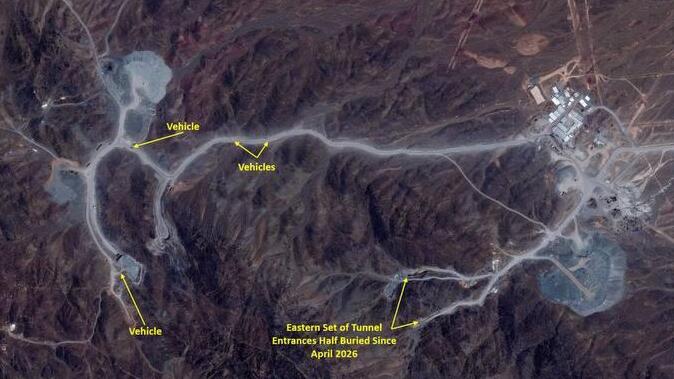
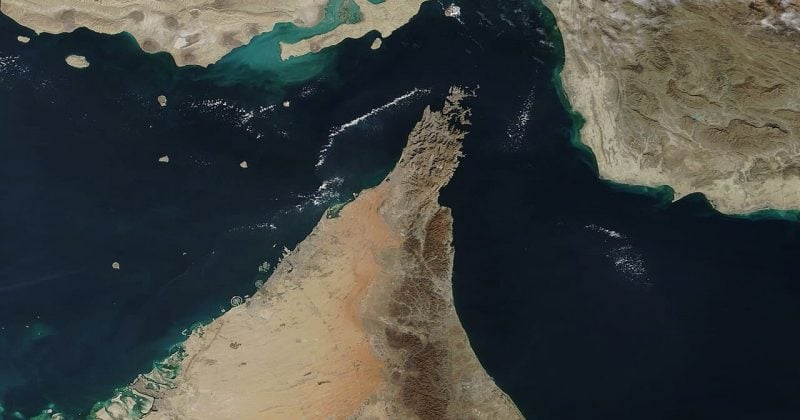
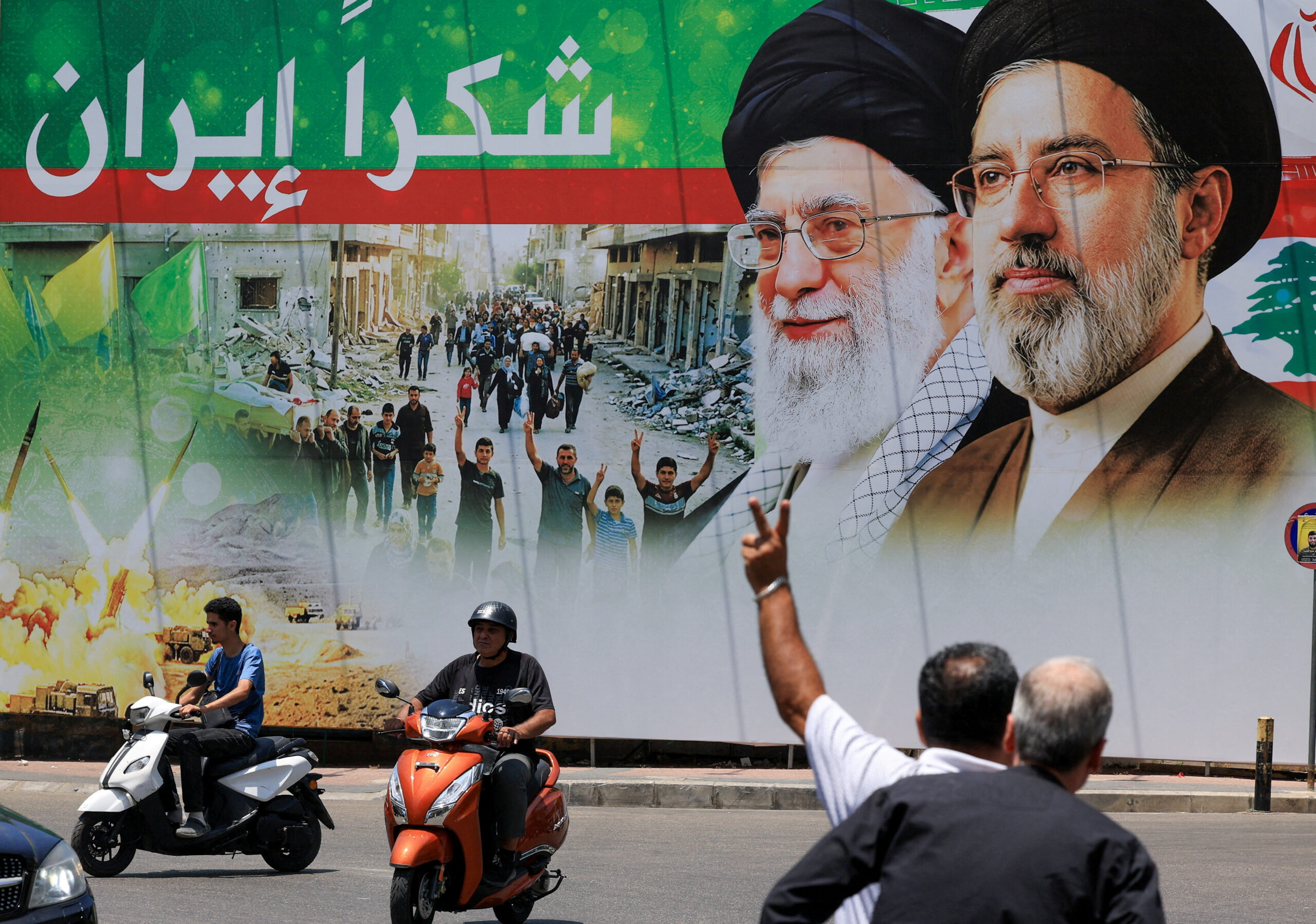
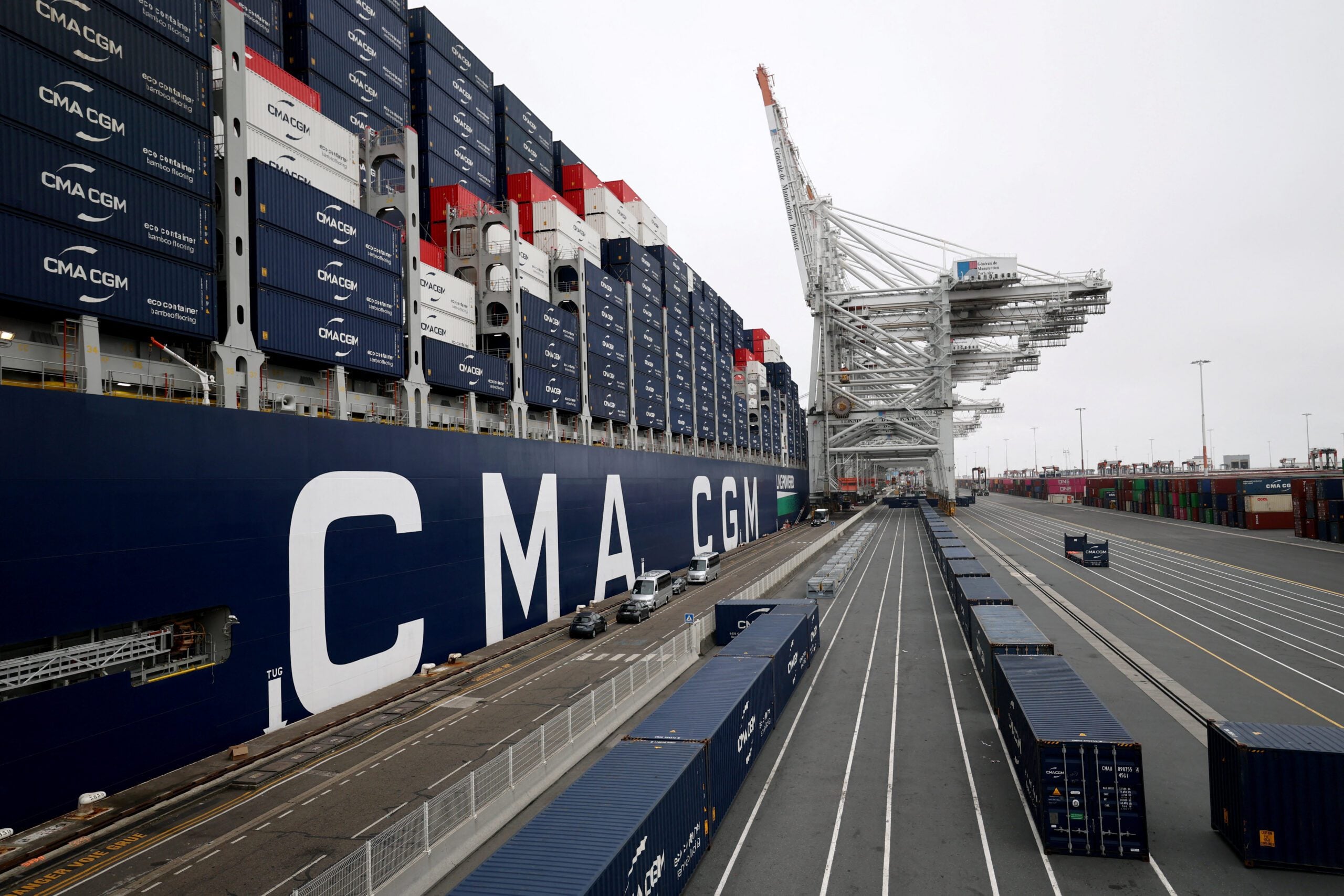
Six days of ceremonies in Tehran for Ali Khamenei coincide with a pause in US, Iran talks and a stated expectation they will resume after the funeral. Despite a public claim that neither side would fire during the mourning period, Iranian hard‑line calls for vengeance and security concerns around Mojtaba Khamenei point to a fraught near term. At sea, Hormuz remains dangerous: an IRGC attack on a container ship last week, Iranian assertions that safe passage requires coordination with its armed forces, and signals that traffic into and out of Iranian ports could be blocked keep commercial carriers cautious. Energy exposure endures even as Brent trades near 93 dollars, with Japanese buyers sounding out Iranian crude but requiring a US waiver extension and workable insurance. On the northern front, reports of a surprise peace with Lebanon sit uneasily alongside continued Israeli shelling and denials of a ceasefire by Benjamin Netanyahu. Meanwhile, fresh satellite reporting of activity at Iran’s underground ‘Pickaxe Mountain’ site without IAEA access preserves a potential nuclear‑linked flashpoint.
Change from previous assessment
New developments since the prior brief include: large funeral gatherings underway in Tehran with reports that Mojtaba Khamenei did not attend for security reasons; the United States pausing talks during mourning with indications of resumption after the funeral; a public statement that neither side would fire during the ceremonies; continued hazardous conditions in Hormuz after an IRGC attack on a container ship, with Iran asserting transits should coordinate with its armed forces and signals that port traffic could be blocked, while major carriers indicate no early return; Japanese buyers exploring crude purchases under a waiver but flagging insurance and waiver‑extension constraints; contradictory reporting on a supposed Israel, Lebanon peace alongside Israeli shelling and denials of a ceasefire; and fresh satellite reporting of activity at the ‘Pickaxe Mountain’ site without IAEA access. Initial assessment of West Bank settler violence has been added given over 20 injuries reported over the weekend.
Key judgments
- The Strait of Hormuz is very likely to remain hazardous and partially restricted for commercial shipping over the coming weeks. (Confidence: high · ASSESSED)
- I&W: Public notices from Iran’s armed forces or port authorities reiterating that transits require prior coordination or permitting (0-14 days)
- I&W: Major carriers such as CMA CGM continue to avoid Gulf sailings, with no published reinstatement of services (0-14 days)
- It is likely the Iran, Israel confrontation remains volatile through the Tehran funeral window despite a declared pause in talks and a public assertion of no firing during the ceremonies. (Confidence: medium · ASSESSED)
- I&W: Renewed Iranian missile or drone launches at Israel or US bases within or immediately after the funeral period (0-14 days)
- I&W: Announcement of the next round of indirect US, Iran talks with dates and venue confirmed (0-14 days)
- There is a roughly even chance that fighting in southern Lebanon abates sustainably this month; reporting is contradictory between claims of a surprise Israel, Lebanon peace and continued Israeli fire with no ceasefire in force. (Confidence: low · ASSESSED)
- I&W: Publication by Jerusalem or Beirut of formal ceasefire or negotiation terms and a verified halt in IDF artillery for at least 72 hours (0-14 days)
- I&W: Hezbollah resumes rocket or anti‑tank fire into northern Israel (0-14 days)
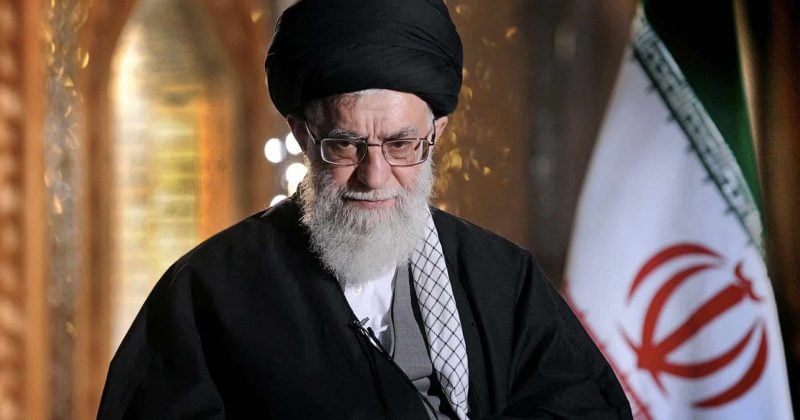
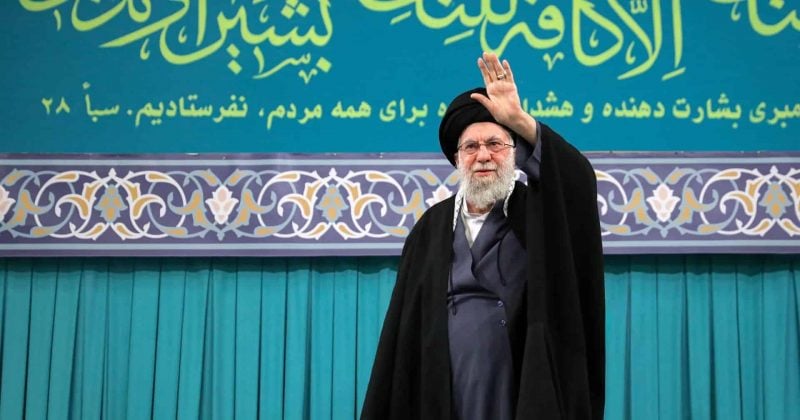
- Iran’s leadership transition remains uncertain and will likely keep political risk elevated in the near term. (Confidence: medium · ASSESSED)
- I&W: The Assembly of Experts convenes and issues decisions on succession or interim authorities (0-1 month)
- I&W: Official announcement confirming Mojtaba Khamenei as successor without delay (0-1 month)
- Global energy exposure remains high: it is very likely that market and logistics constraints will limit any quick normalisation of Iranian crude flows despite exploratory talks with Japanese buyers. (Confidence: high · ASSESSED)
- I&W: Washington extends the 22 June sanctions waiver beyond 21 August (0-1 month)
- I&W: Japanese refiners publicly confirm liftings from Kharg Island with insurance in place (0-1 month)
- Activity at Iran’s underground ‘Pickaxe Mountain’ site very likely continues without IAEA access, preserving a potential nuclear‑linked flashpoint even if an MOU were to prohibit nuclear‑related construction. (Confidence: medium · ASSESSED)
- I&W: New commercial satellite imagery shows continued excavation or reinforcement at the tunnel complex (0-1 month)
- I&W: Tehran grants IAEA access or publicly announces a halt to construction at the site (0-3 months)
- Spillover risk to the United Arab Emirates remains elevated, with Iran‑linked threats and US advisories indicating a likely persistence of travel and aviation cautions. (Confidence: high · ASSESSED)
- I&W: Announcement or interdiction of an attack attempt on a US‑linked site in the UAE (0-3 months)
- I&W: US rescinds ordered departure or downgrades the UAE travel and aviation advisories (1-3 months)
- Violence by Israeli settlers in the West Bank is likely to persist in the near term, adding to instability while Israel manages other fronts. (Confidence: medium · ASSESSED)
- I&W: Additional weekend raids by settlers with multiple injuries reported and limited intervention by Israeli security forces (0-14 days)
- I&W: Israeli authorities announce arrests of perpetrators and sustained security deployments to protect targeted villages (0-1 month)
Outlook & scenarios
Talks restart after burial and a managed maritime reopening begins (45%)
Indirect US, Iran negotiations resume after the funeral window under the existing 60‑day framework, with Tehran insisting transits coordinate with its armed forces. Washington extends the 22 June waiver and Japanese buyers conduct trial liftings from Kharg Island once insurance solutions are arranged. Maritime risk persists but eases at the margin as a rules‑of‑the‑road regime takes hold.
Lebanon relapse: ceasefire talk collapses and fire resumes (35%)
Conflicting signals about a surprise peace give way to renewed exchanges. Israeli shelling continues and Hezbollah ends its pause, while Jerusalem maintains there is no ceasefire. The northern front re‑intensifies even as funeral‑period tensions subside, complicating de‑escalation efforts elsewhere.
Grey‑zone maritime control persists through waiver expiry (60%)
Iran maintains a de facto permit system in Hormuz, with throughput improving only modestly. Major carriers stay out and Japanese refiners hold off pending a US waiver extension and insurability. Brent remains sensitive to shipping incidents and policy signals.
Nuclear site flashpoint triggers limited strikes (15%)
New imagery of continued activity at ‘Pickaxe Mountain’ without IAEA access, despite claims that an MOU would prohibit nuclear‑related construction, prompts fears of a covert advance and raises the risk of limited Israeli action, reviving direct escalation dynamics.
Recommendations
- Prioritise commercial satellite tasking over the Zagros ‘Pickaxe Mountain’ complex; produce a fortnightly activity baseline and change‑detection log tied to tunnel entrances and vehicle traffic routes.
- Stand up a Hormuz shipping watch using AIS, company advisories and NOTAMs; alert on Iranian coordination demands, attempted boardings and any reinstatement of liner services by major carriers.
- Track the 22 June US waiver timeline; engage energy market counterparts to assess Japanese refiners’ insurance bind and identify documentary evidence of liftings from Kharg Island.
- Establish a daily Israel, Lebanon fire tracker from official statements and reliable media to adjudicate ceasefire claims and detect relapse indicators.
- Maintain OSINT tripwires for Assembly of Experts meetings and leadership announcements; prepare rapid‑update leadership profiles and succession pathways for brief‑to‑lead.
- Update UAE corporate and travel risk notes to reflect ordered departure and aviation advisories; coordinate with security partners on any plots or attempted UAV incidents targeting US‑linked sites.
- Integrate West Bank settler‑violence incident reporting into regional escalation dashboards to capture second‑order destabilisation risks while other fronts are active.
Confidence & uncertainty
Overall confidence is medium. Several judgments rest on multiple, mutually reinforcing sources, including official advisories and major media on Hormuz hazards, aviation cautions and energy market signals. Other areas contain contradictions or single‑source elements, notably the Lebanon track where reports of a surprise peace sit alongside denials of a ceasefire and continued shelling, and prospective diplomacy reliant on think‑tank projections. Activity at the underground site is supported by satellite‑based reporting but lacks IAEA access for corroboration. The funeral‑period volatility call is constrained by mixed political signals, including a public assertion of no firing versus hard‑line rhetoric and security concerns.
Alternative analysis (red cell)
The record contains recurring contradictions and many lower‑admiralty inputs (e.g., A6/A4 items and single‑source reports) alongside statements of restraint and nascent diplomacy. Given these mixed signals, an alternative and defensible reading is that several risks (maritime hazards, funeral‑window violence, Lebanon hostilities) could be episodic and contingent on near‑term diplomatic or operational decisions rather than uniformly persistent at the high probabilities implied in the brief. Resolving these competing signals requires time‑stamped ISR, corroborated HUMINT/SIGINT, and independent incident tracking.
Intelligence gaps
- [EEI 1.1 · UNCOVERED] Observed repositioning, sustained increases, or new forward basing of Iranian conventional or IRGC forces (armored units, missile batteries, aircraft, naval vessels) toward borders or regional launch points. Recommended collection: IMINT/satellite
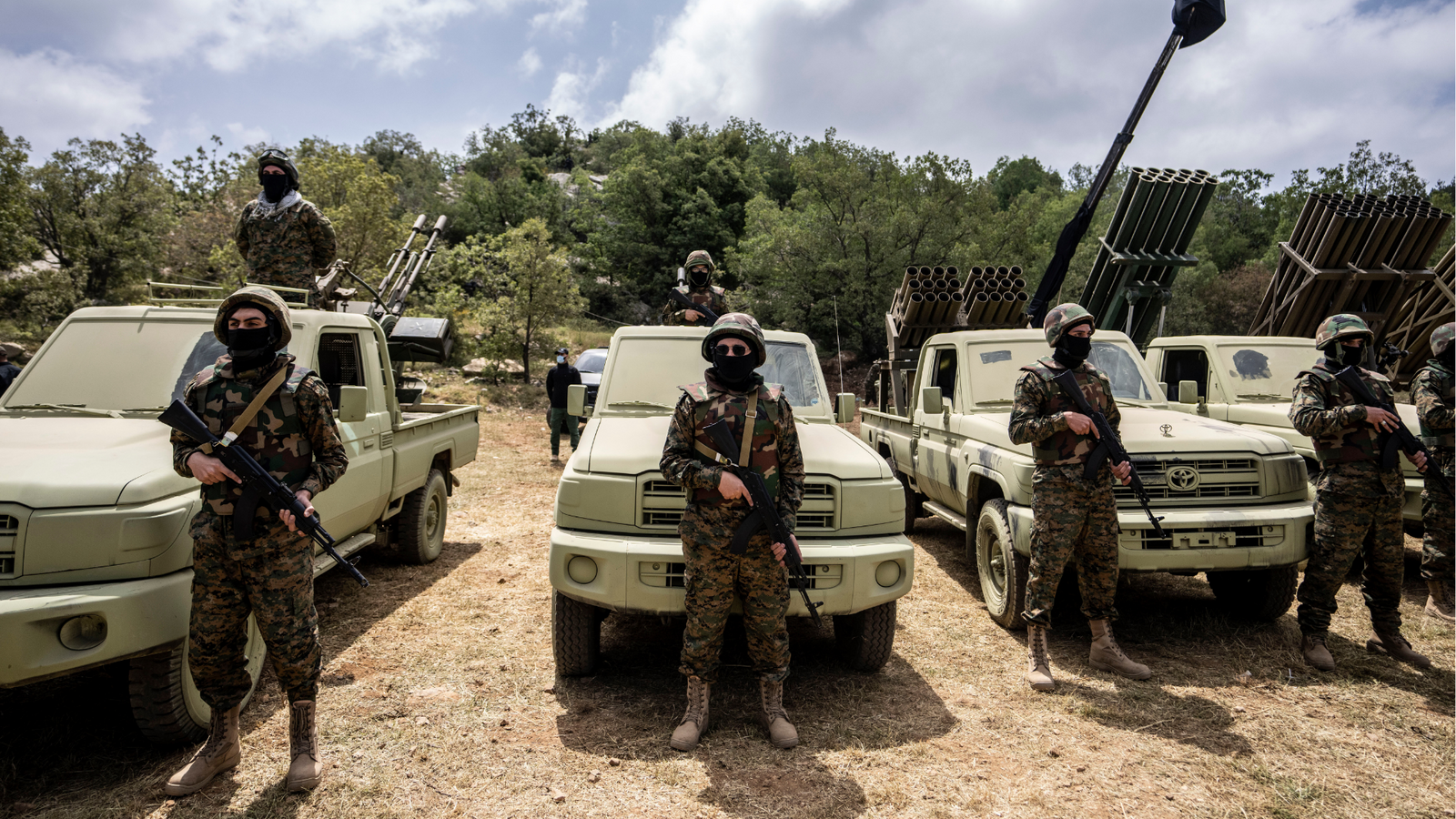
- [EEI 1.2 · UNCOVERED] Hezbollah or other Iran-aligned proxy forces conducting mass mobilization, visible rocket/artillery emplacements, cross-border firing incidents, or preparations for cross-border operations from Lebanon, Syria, Iraq or Yemen. Recommended collection: HUMINT/ground ISR
- [EEI 1.4 · UNCOVERED] Interdicted or observed shipments (air, sea, land manifests, seizures, satellite imagery of transfers) of advanced weapons or missile components from Iran toward proxy groups or forward staging points. Recommended collection: maritime/AIS
- [EEI 2.1 · UNCOVERED] Satellite or on-the-ground imagery showing fires, damage, or operational shutdown at major oil export facilities, refineries, storage terminals, or key pipeline infrastructure in the Gulf and Red Sea. Recommended collection: IMINT/satellite
- [EEI 2.4 · PARTIAL] Rapid increases in war-risk insurance premiums for Middle East routes, shipping company advisories to avoid region, or major charter cancellations tied to the conflict. Recommended collection: financial/open-source
- [EEI 3.1 · UNCOVERED] Movement/arrival of major foreign military assets into the region: U.S. carrier strike groups, amphibious ready groups, strategic bomber flights, Russian/Chinese naval taskings, or allied expeditionary units (visible in AIS, NOTAMs, satellite imagery, official releases). Recommended collection: IMINT/satellite
- [EEI 3.2 · UNCOVERED] Official expedited arms transfers, basing/overflight agreements, or declarations of operational support (formal government announcements, defense ministry releases, logistics flight manifests). Recommended collection: open-source/diplomatic
Cited sources
[1] gcaptain.com · Japan Weighs Return to Iranian Oil as Shipping Risks Cloud Sanctions Waiver (A) · sha256:422058aef7bb [2] abc11.com · Iran live updates: US blockade of Iran's Strait of Hormuz ports to begin Monday (B) · sha256:0bfcaf2d0dbe [3] gcaptain.com · CMA CGM Ship Hit By Missile In Hormuz Strait May Go For Scrapping (B) · sha256:6eb5a73d6f9e [4] U.S. Department of State · United Arab Emirates Travel Advisory (A) · sha256:7a0c71f2991b [5] cryptobriefing.com · Strait of Hormuz oil supply disrupted, market prices in surplus (B) · sha256:ed807c98a9b9 [6] cryptobriefing.com · Iranian lawmaker calls for vengeance after Khamenei assassination (B) · sha256:226706f5241e [7] annahar.com · غياب مجتبى خامنئي عن تشييع والده لأسباب أمنية.. وترامب: لا إطلاق نار خلال المراسم | النهار في تغطية متواصلة (B) · sha256:c9ad49577ab0 [8] cryptobriefing.com · Khamenei funeral in Tehran sees absence of major world leaders, security concerns (B) · sha256:2ad31c09499d [9] jpost.com · A political jungle: What international media will get wrong about Israel's 2026 election - opinion (B) · sha256:fb36f0954787 [10] Atlantic Council · What the US-Iran deal means for the rest of the Middle East (and beyond) (C) · sha256:5f93318fe142 [11] Wikipedia · Economic impact of the 2026 Iran war (B) · sha256:204c7f4fdc71 [12] ynetnews.com · Iran’s 'insurance policy'? Secret underground nuclear site takes shape (B) · sha256:62e8ff079f72 [13] haaretz.com · Over 20 Palestinians, activists reported wounded by Israeli settler attacks in West Bank throughout weekend (A) · sha256:375f387a5b20
Source content hashes were computed at collection time; the cited text is preserved unmodified for the life of this product.
Red cell review: PARTIAL DISSENT
TLP:CLEAR