TLP:CLEAR · Disclosure is not limited.
Iran-Israel: Hormuz Flashpoint and Lebanon Truce Under Strain, 25-26 June
Time window: Last 1 day · Audience: General analyst · Type: Situation report · DTG: 2026-06-26 09:44Z · Overall confidence: MEDIUM
BLUF
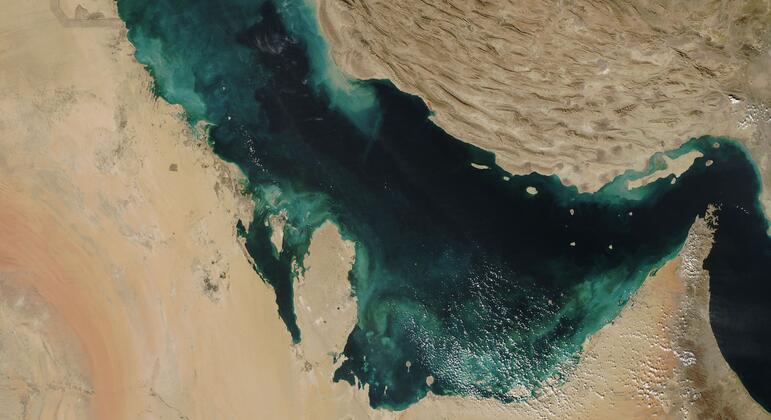
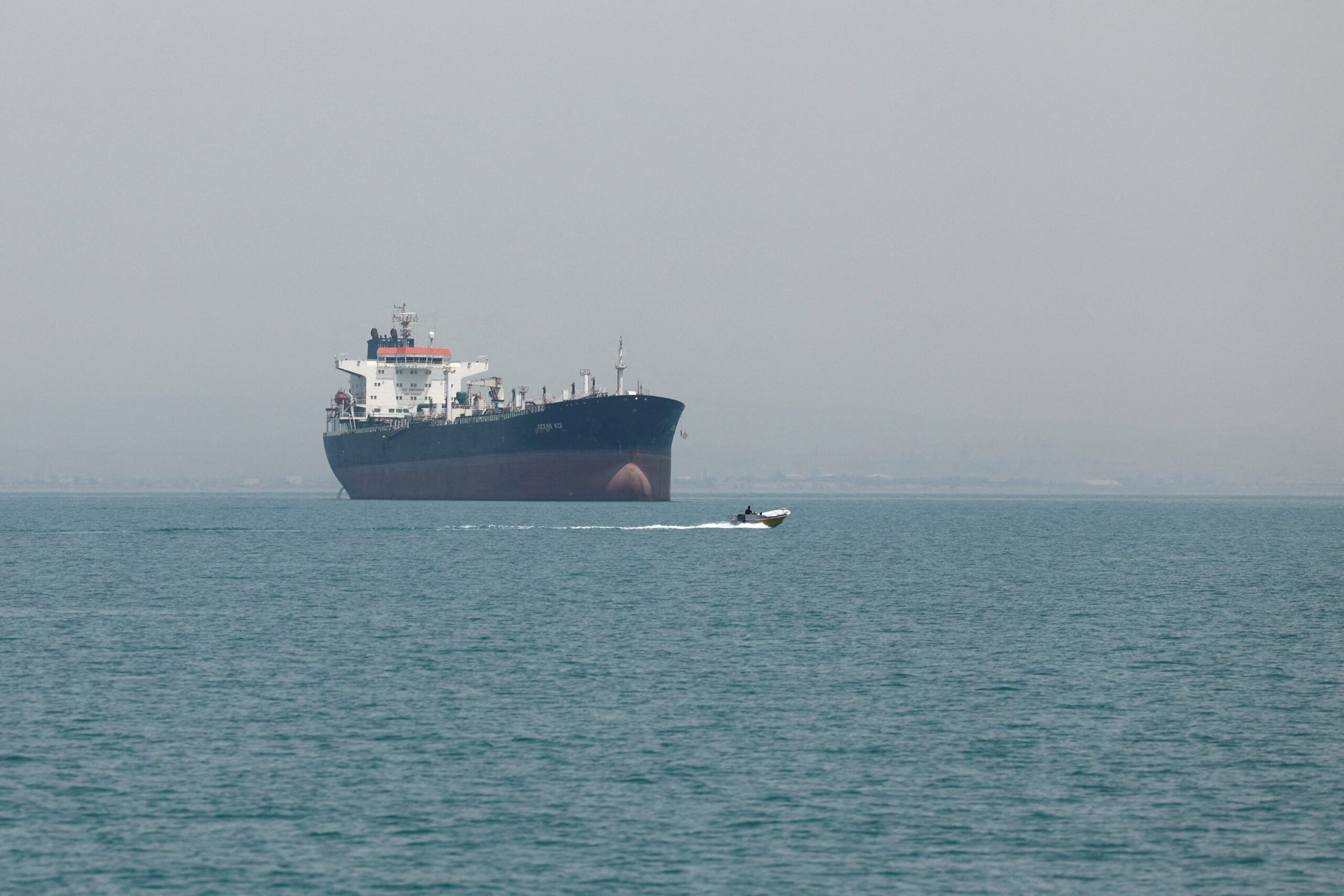
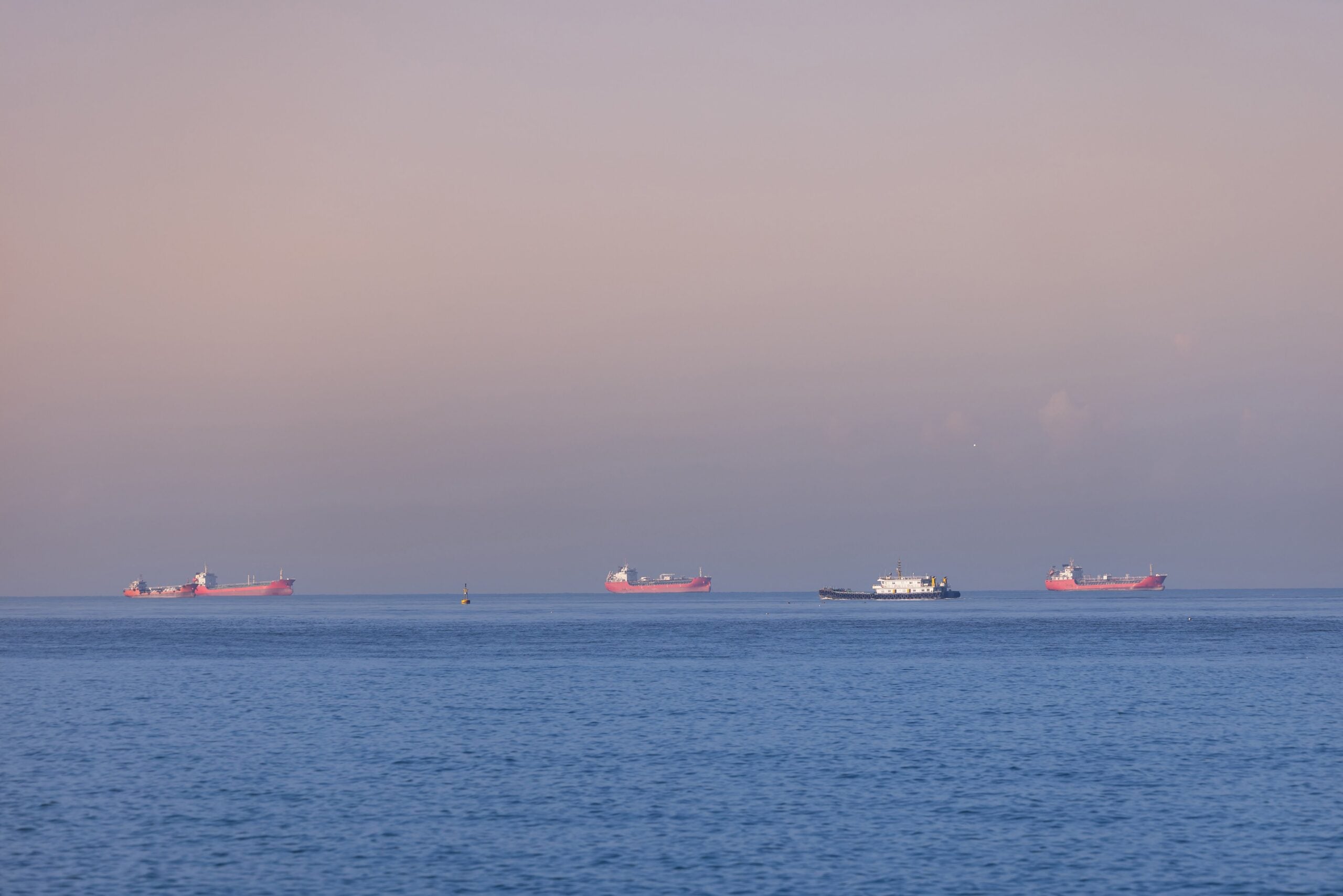
Iran’s Islamic Revolutionary Guard Corps is reasserting control in the Strait of Hormuz, prompting an IMO pause to evacuations after a vessel was hit off Oman, while Washington and Tehran ready a Doha deconfliction channel and Israel signals it will hold ground in southern Lebanon. Maritime risk remains elevated in the next 0-14 days and the Lebanon ceasefire is fragile.
Executive summary
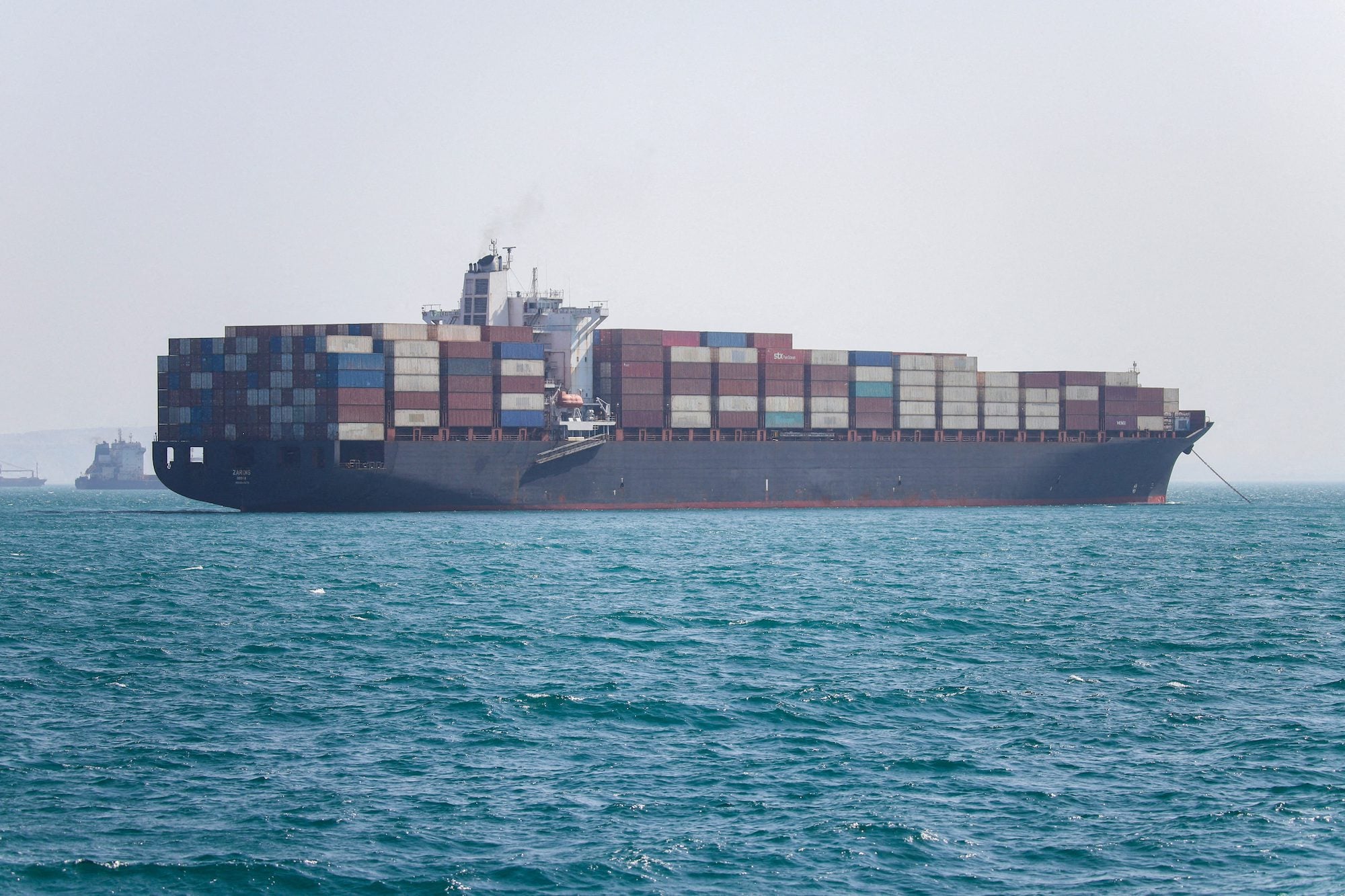
Iran has renewed warnings that ships require its authorisation and must follow Iranian-designated routes in the Strait of Hormuz, and merchant vessels have begun turning back. After a Singapore-flagged containership was struck off Oman, the International Maritime Organization paused its coordinated evacuation of more than 11,000 stranded seafarers. In parallel, US Vice President JD Vance announced a US-Iran deconfliction channel in Doha, including planned CENTCOM-IRGC talks focused on quickly resolving incidents in Hormuz, as the United States and GCC foreign ministers publicly backed free and unrestricted navigation. On Israel’s northern front, a 19 June ceasefire in Lebanon is strained by continued Israeli drone overflights, reports of IDF fire near Al Bayyadah, and top-level Israeli vows to maintain a presence in southern Lebanon even as talks focus on Hezbollah and security mechanisms. UN agencies report humanitarian access in Gaza remains constrained, with Kerem Shalom the only cargo entry point and Israeli import restrictions worsening shortages.
Change from previous assessment
Since the prior brief, a merchant vessel was reported hit off Oman, and the IMO has paused its coordinated evacuation of ships and seafarers. Iran has resumed broadcasts asserting control of Hormuz and vessels have begun turning back. Washington and Tehran have announced a direct deconfliction channel in Doha with planned CENTCOM-IRGC talks. On the northern front, Israel publicly reaffirmed it will maintain a presence in southern Lebanon as talks on Hezbollah continue, with contradictory claims about any initial withdrawal. These developments raise near-term maritime risk while opening a pathway for managed de-escalation at sea.
Key judgments
- Very likely the IRGC is enforcing de facto control measures in the Strait of Hormuz, driving vessel turnbacks and prompting the International Maritime Organization to pause its evacuation plan after a merchant ship was hit off Oman; dozens of attacks on merchant shipping have been verified and at least 14 seafarers have been killed, despite some traffic resuming under coordination. (Confidence: high · ASSESSED)
- I&W: Further UKMTO advisories of projectile strikes or IRGC boardings near the Strait of Hormuz. (0-14 days)
- I&W: IMO formally restarts convoys and multiple evacuating ships complete the Omani corridor without IRGC interference. (0-14 days)
- Very likely the United States and Iran are standing up a direct deconfliction channel in Doha, including planned CENTCOM-IRGC talks and a mechanism to resolve Strait of Hormuz incidents, as confirmed by senior officials and echoed in a US-GCC statement emphasising free and unrestricted navigation. (Confidence: high · REPORTED)
- I&W: Official readouts or imagery from a CENTCOM-IRGC session in Doha. (0-14 days)
- I&W: Public cancellation or postponement of talks citing legal constraints tied to the IRGC’s US terror designation. (0-14 days)
- Likely the 19 June Lebanon ceasefire is fragile: UNIFIL continues to record Israeli drone airspace violations and IDF fire has been reported near Al Bayyadah, while Prime Minister Netanyahu vows to keep an IDF presence in southern Lebanon and senior Israeli and Lebanese officials deny any withdrawal amid talks on Hezbollah’s future and disarmament, despite a contradictory US claim of a limited goodwill pullback. (Confidence: medium · ASSESSED)
- I&W: UNIFIL logs additional Israeli airspace violations or IDF ground fire along the Blue Line. (0-14 days)
- I&W: Verified UNIFIL reporting of IDF unit withdrawals from sections of the buffer zone. (0-14 days)
- Likely Iran will continue to leverage its Axis of Resistance and pressure Gulf states, with the UAE a probable focus, given Tehran’s prior targeting of the UAE and more than 2,200 launches against its territory during the war, even as Abu Dhabi deepens security ties with Israel and explores economic incentives with the IRGC. (Confidence: medium · ASSESSED)
- I&W: Fresh UKMTO or Emirati reporting of missile or drone launches targeting the UAE. (1-3 months)
- I&W: Publicly announced IRGC-UAE economic steps coinciding with a sustained drop in reported attacks on UAE territory. (1-3 months)
- Reported humanitarian access in Gaza remains constrained: UN operations continue despite Israeli import restrictions, Kerem Shalom is the only operational cargo entry, and nearly 240,000 medical consultations were delivered across 194 health points last week. (Confidence: high · REPORTED)
- I&W: UN reporting that additional Gaza cargo crossings open and sustain throughput beyond Kerem Shalom. (1-3 months)
- I&W: Continuation of Israeli import restrictions cited by UN agencies and no change in crossing status. (1-3 months)
Outlook & scenarios
Managed containment via Doha deconfliction (45%)
CENTCOM-IRGC meetings convene in Doha and a rapid-resolution mechanism reduces miscalculation at sea. Oman’s corridor handles more traffic while Iranian-designated routing remains contested but less violent. The Lebanon ceasefire holds under US mediation, with talks on Hezbollah’s future and security mechanisms extended.
Maritime relapse: IRGC-coerced routing and renewed attacks (50%)
IRGC broadcasts and enforcement harden, more vessels turn back, and additional projectile strikes near Oman or inside the Gulf keep the IMO evacuation on hold. Insurance costs and operator caution climb, and US-GCC statements have limited near-term effect on risk behaviour at sea.
Lebanon truce collapse and northern escalation (35%)
Continued Israeli overflights and ground fire, coupled with vows to maintain an IDF presence, trigger a renewed exchange with Hezbollah. The truce breaks down, talks stall over disarmament, and cross-border incidents resume, pulling US attention from maritime deconfliction.
MoU derailed by political blowback (25%)
Israeli leadership moves to undermine the US-Iran process and domestic US legal objections to engaging the IRGC gain traction. Planned Doha meetings are delayed or curtailed, communications degrade, and maritime incidents rise as the deconfliction channel falters.
Recommendations
- Establish a daily watch on UKMTO advisories, VHF maritime broadcasts, and AIS tracks at the Strait of Hormuz to flag IRGC routing directives, vessel turnbacks, and any reported boardings within 0-14 days.
- Task liaison collection for official readouts or imagery from the planned Doha CENTCOM-IRGC meetings and log any stated operating procedures for Hormuz incident resolution.
- Prepare a legal-risk note on US engagement with IRGC officials to inform policymakers on constraints that could disrupt the deconfliction channel.
- Build an indicators dashboard for the Lebanon front that fuses UNIFIL reporting with open-source geolocation of IDF activity across southern Lebanon to detect truce slippage early.
- Coordinate with maritime stakeholders to refresh contingency routing and port-call plans using Oman’s corridor while the IMO evacuation remains paused.
- Maintain a humanitarian access tracker for Gaza that monitors Kerem Shalom throughput and UN health service delivery to brief on escalation risks tied to shortages.
Confidence & uncertainty
Overall confidence is medium. Several judgments rest on multiple independent and reliable reports that corroborate each other, including IRGC routing warnings, vessel turnbacks, the Oman strike and the IMO evacuation pause, as well as official confirmation of a US-Iran deconfliction channel and UN reporting from Lebanon and Gaza. Confidence is moderated by conflicting or partial reporting on Israel’s posture in southern Lebanon and the mixed picture in Hormuz where limited transits have occurred alongside a pause in evacuation. Some elements, such as prospective effects of the Doha channel and regional proxy dynamics, are analytic inferences built on past behaviour and current statements rather than direct observation.
Alternative analysis (red cell)
Available reporting supports that IRGC broadcasts and isolated attacks prompted temporary rerouting and cautious behavior among mariners, but does not yet demonstrate enduring IRGC-imposed de facto control of the Strait. Announcements of a U.S.–Iran deconfliction channel appear primarily as U.S.-origin political signaling without clear independent Iranian confirmation or operational detail. While Iran retains regional leverage via its Axis of Resistance, the evidence does not definitively show a planned concentration of future operations against the UAE rather than a more distributed campaign.
Intelligence gaps
- [EEI 1.1 · UNCOVERED] Unusual long-range missile/rocket transporter-launcher (TEL) movements, storage activation, or assembly activity at known IRGC missile sites or forward staging areas. Recommended collection: satellite/imagery
- [EEI 1.2 · UNCOVERED] Orders, threat-alert messages, or changes in posture from IRGC, Quds Force, or senior Iranian military leadership indicating attack timelines or rules of engagement changes. Recommended collection: signals/ELINT and HUMINT
- [EEI 1.3 · UNCOVERED] Large-scale transfers, deliveries, or convoy movements of armed UAVs/drones, guided munitions, or spare parts from Iran into Lebanon (Hezbollah), Iraq, Syria, or Gaza. Recommended collection: air/aviation track and HUMINT
- [EEI 1.4 · UNCOVERED] Sustained changes in Israeli air-defense usage (SAM launches, radar activations), wide-area alerts, or NOTAMs indicating elevated imminent strike response. Recommended collection: air/aviation/NOTAMs and signals
- [EEI 2.1 · UNCOVERED] Concentration, repositioning, or sortie patterns of Iranian naval/IRGC patrol boats and fast-attack craft near shipping chokepoints or commercial lanes. Recommended collection: maritime/AIS and satellite/imagery
- [EEI 2.2 · UNCOVERED] Reported attacks, mine sightings, close-approach incidents, or damage to commercial tankers/merchant vessels operating in the Red Sea, Persian Gulf, or eastern Mediterranean. Recommended collection: maritime/AIS and OSINT/incident reports
- [EEI 2.3 · UNCOVERED] Insurance market indicators: sudden spikes in war-risk or hull insurance premiums for routes through the Red Sea, Suez corridor, or Persian Gulf, and major carriers announcing route changes. Recommended collection: financial/market and commercial shipping notices
- [EEI 2.4 · UNCOVERED] Port closures, naval escorts requested by commercial operators, or formal rerouting advisories issued by major shippers (e.g., Maersk, Hapag-Lloyd) for regional transits. Recommended collection: commercial/OSINT
- [EEI 3.1 · UNCOVERED] Deployment of foreign military assets to the region (carrier strike groups, amphibious ships, combat aircraft deployments, or additional bases activated) from the US, UK, France, Russia, or GCC states. Recommended collection: maritime/AIS and air/aviation and satellite/imagery
- [EEI 3.2 · UNCOVERED] Formal diplomatic actions: emergency UNSC votes, sanctions announcements, high-level ministerial visits, or public mediation offers by external powers or regional actors. Recommended collection: diplomatic/OSINT
- [EEI 3.3 · UNCOVERED] Confirmed arms transfers, expedited weapons shipments, or transfer authorizations to Israel, Iran, or their proxies (aircraft parts, munitions, air defenses). Recommended collection: customs/INTEL and HUMINT
- [EEI 3.4 · UNCOVERED] Issuance of travel warnings, embassy evacuations or reductions, and closure of diplomatic missions by major capitals indicating escalation risk or shifted threat assessments. Recommended collection: OSINT/diplomatic
Cited sources
[1] gcaptain.com · Ships Turn Back in Strait of Hormuz as IRGC Renews Transit Warnings (B) · sha256:c680e7773c5a [2] gcaptain.com · Trump Row With Republican Senator Clouds US Drive to Sell Iran Deal to Gulf Allies (A) · sha256:5b3902477e56 [3] gcaptain.com · Ship Hit Off Oman After IRGC Renewed Hormuz Transit Warnings (B) · sha256:8087946de71c [4] gcaptain.com · Ship Attack Off Oman Derails IMO's Hormuz Evacuation Effort (B) · sha256:693c5a0ec6f4 [5] United Nations · From Lebanon to the Strait of Hormuz, a Middle East hanging on fragile peace talks (A) · sha256:d0d950f95951 [6] gcaptain.com · Day of the Seafarer 2026: The Human Cost of Keeping World Trade Moving (B) · sha256:7a5dfd48b26a [7] Institute for the Study of War (ISW) and The Critical Threats Project (CTP) at the American Enterprise Institute · Iran Update Special Report, June 25, 2026 (B) · sha256:b5f433d7cd05 [8] The Jerusalem Post · Vance announces unprecedented CENTCOM-IRGC talks aimed at reducing military tensions (B) · sha256:63bac855f7fc [9] haaretz.com · Vance says U.S. and Iran agreed to set up direct channel with IRGC 'to settle disputes' (B) · sha256:da86bafae1bc [10] Times of India · Netanyahu Embarrassed On Stage As Heckler Crashes Speech At IDF Graduation Ceremony (B) · sha256:8626fdcd70d9 [11] jpost.com · Israel-Lebanon talks continue under US mediation despite deadlock over Hezbollah disarmament (B) · sha256:44dbd0033555 [12] Newsweek · Where the new Middle East order stands today (B) · sha256:6380a230f6b1 [13] jpost.com · The Iran campaign proved it: It’s time to upgrade the partnership with the UAE - opinion (B) · sha256:02076e6d6048
Source content hashes were computed at collection time; the cited text is preserved unmodified for the life of this product.
Red cell review: PARTIAL DISSENT
TLP:CLEAR