TLP:CLEAR · Disclosure is not limited.
Iran, Israel: Hormuz missile strikes and Israeli force posture heighten near-term escalation risk
Time window: Last 1 day · Audience: General analyst · Type: Situation report · DTG: 2026-07-07 13:13Z · Overall confidence: MEDIUM
BLUF
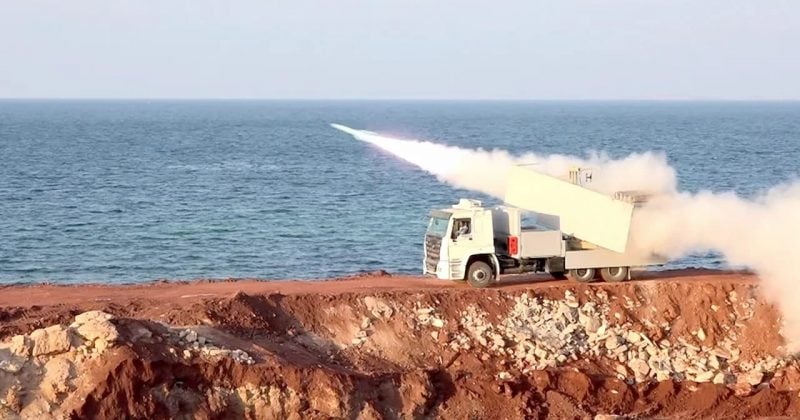
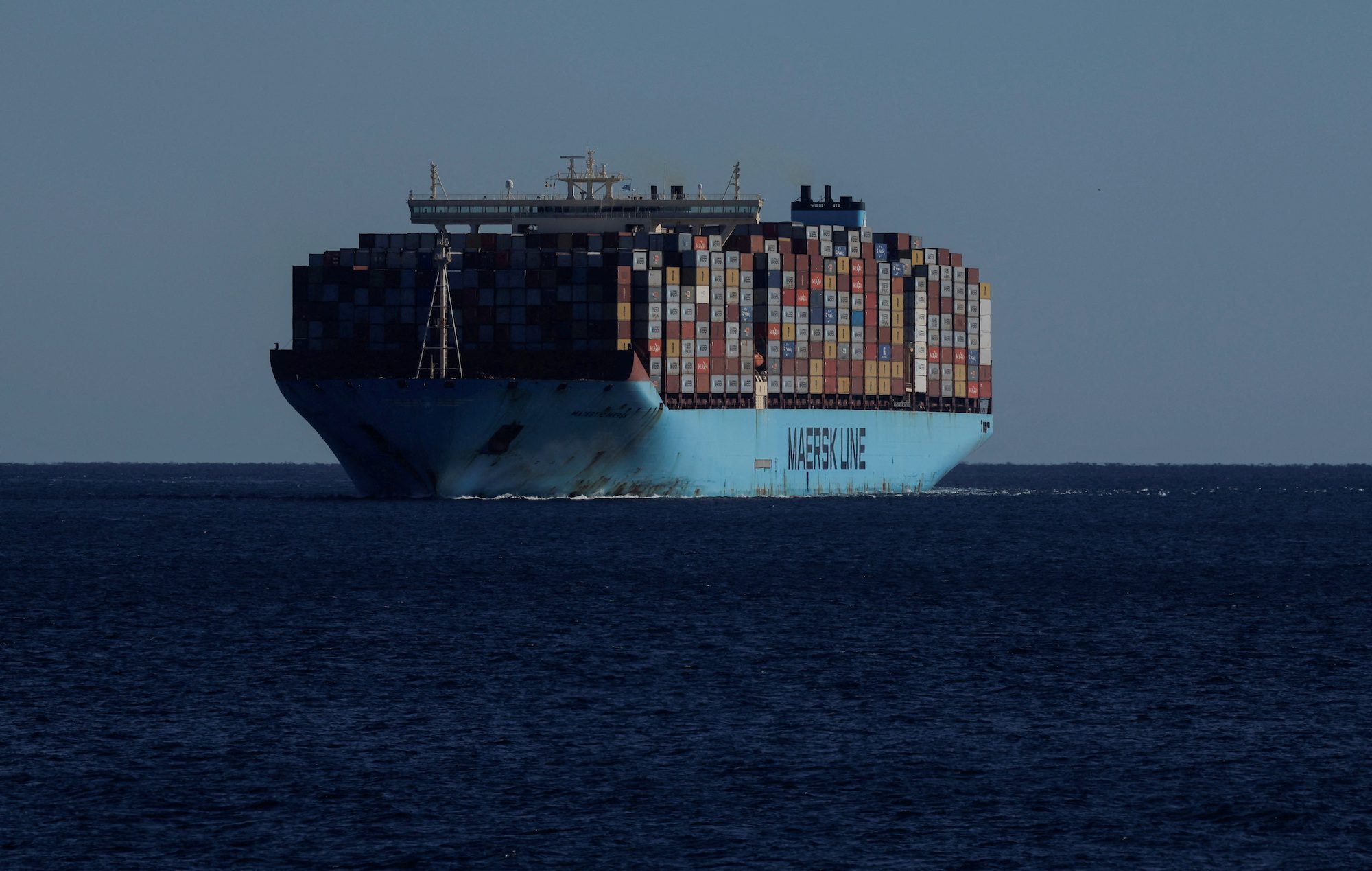
Iran, likely via the IRGC, very likely struck commercial shipping exiting the Strait of Hormuz on 7 July, including the Qatari LNG carrier Al Rekayyat near Limah, Oman, causing damage and a fire without casualties. Israel is preparing for expanded operations in Gaza and along the Jordan frontier amid suspended US, Iran talks and public Israeli opposition to any F-35 sale to Turkey, keeping de-escalation prospects low in the short term.
Executive summary
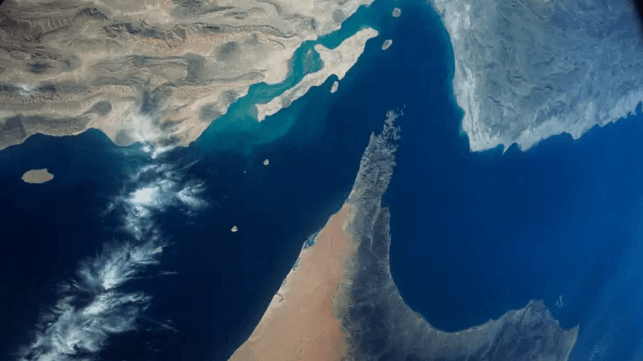
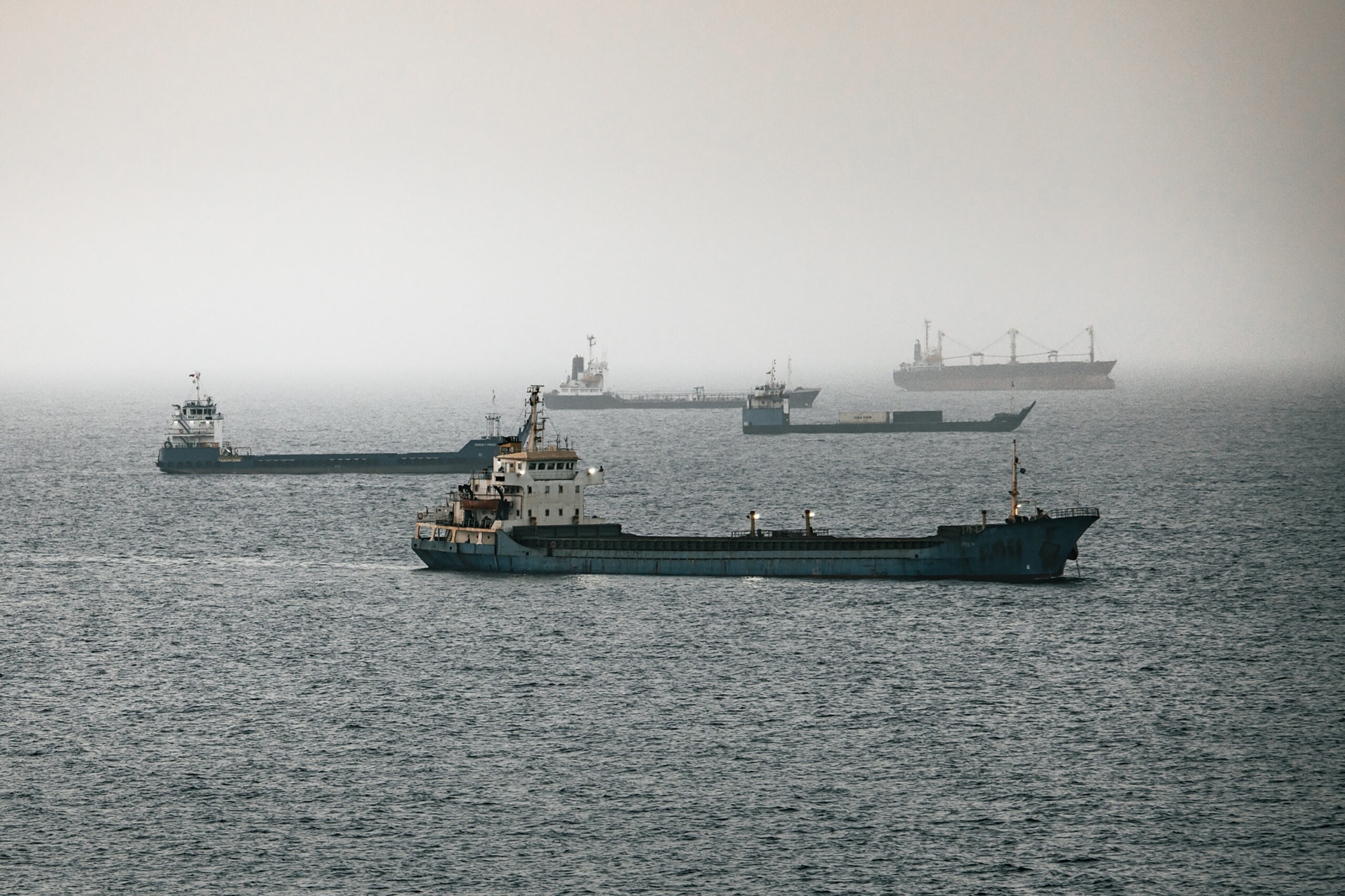
Multiple corroborating reports indicate Iran fired missiles at commercial ships in or near the Strait of Hormuz on 7 July, with the laden Qatari LNG carrier Al Rekayyat hit about 8 nautical miles east of Limah, Oman and a Saudi-flagged crude tanker also damaged. UKMTO noted a strike around 2100 UTC and a fire that was later extinguished, with no casualties reported. Tehran-aligned messaging signals an intensified campaign to monopolise Hormuz routing, and warnings have been issued against vessels using non-approved corridors. Maritime traffic remains operational but fragmented, the assessed threat level is SUBSTANTIAL, and European gas prices rose up to 6 percent while oil markets were muted. In parallel, the IDF reactivated 45 bases between Israel and Jordan, interdicted weapons smuggling, and on 7 July killed a Hamas Nukhba commander in Gaza amid reporting of a possible broader operation. Diplomatically, US, Iran talks were suspended and Washington’s NATO engagements in Ankara will focus on the Iran war, while Prime Minister Benjamin Netanyahu publicly urged the United States not to sell F-35s or F110 engines to Turkey, citing risks to Israel’s air superiority.
Change from previous assessment
New since the prior brief: confirmed strikes on commercial shipping exiting Hormuz, including the Qatari LNG carrier Al Rekayyat near Limah and damage to a Saudi-flagged crude tanker; explicit reporting that Iran, likely the IRGC, fired missiles at two ships; public signalling that Iran seeks to monopolise Hormuz routing; and a modest uptick in European gas prices with oil muted. On the Israeli side, the IDF and Shin Bet killed a Hamas Nukhba commander in Gaza and reactivated 45 bases between Israel and Jordan, alongside continued smuggling interdictions, while reporting points to a possible broader Gaza operation. Diplomatic context tightened with suspended US, Iran talks and Israeli objections to any F-35 sale to Turkey. Initial assessment of this topic’s cyber dimension is added, reflecting Iran-linked activity against Israeli government and IT providers.
Key judgments
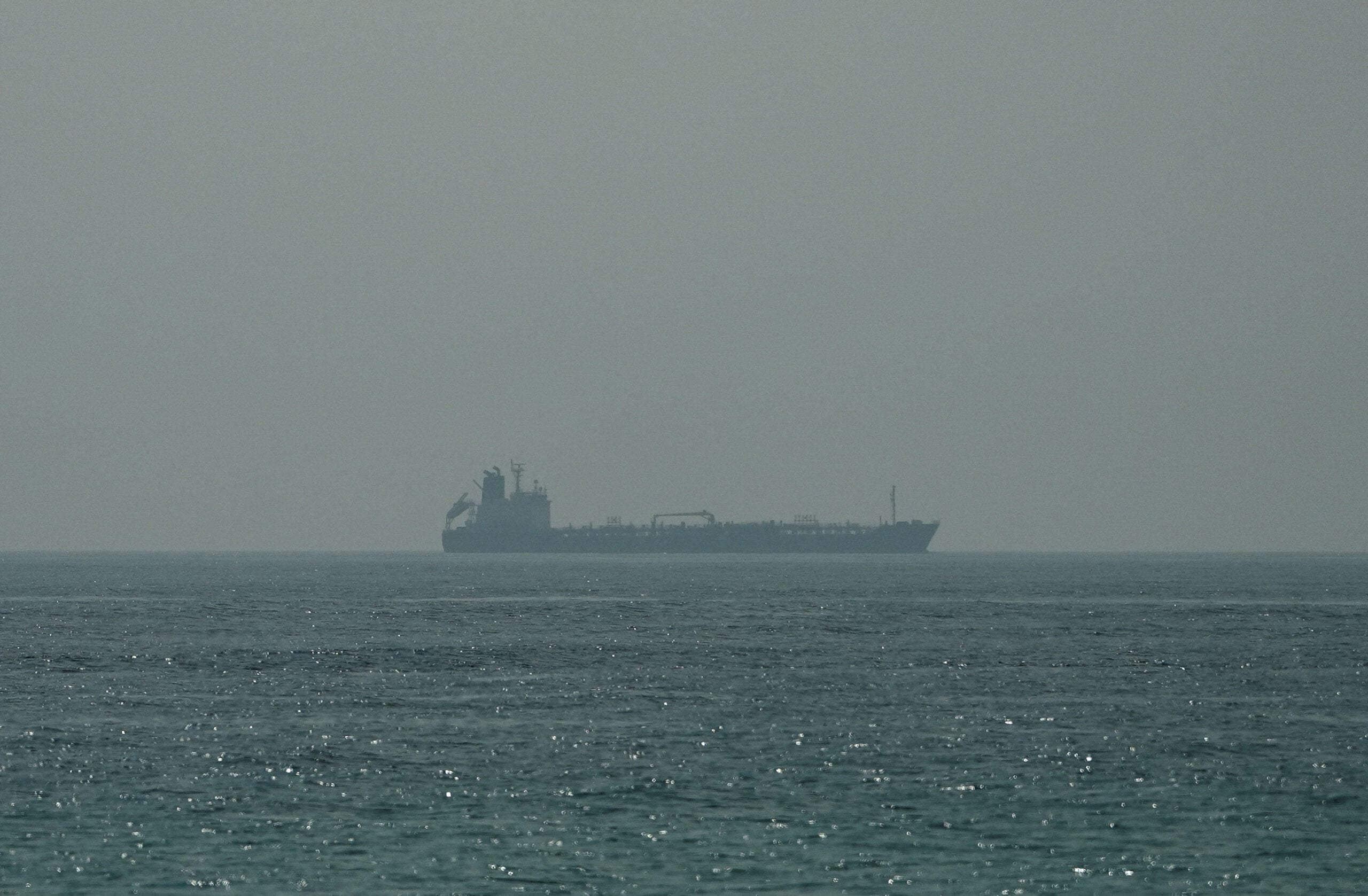
- Iran, almost certainly via the IRGC, very likely attacked two commercial vessels in or near the Strait of Hormuz on 7 July, including the laden Qatari LNG carrier Al Rekayyat hit about 8 nautical miles east of Limah, Oman, causing damage and a fire but no casualties, and a Saudi-flagged crude tanker was also damaged. (Confidence: high · REPORTED)
- I&W: UKMTO or IRIB confirm further missile or drone strikes on commercial shipping in or near Hormuz. (0-14 days)
- I&W: Iranian authorities issue detailed post-strike footage or communiqués attributing attacks to the IRGC Navy or Aerospace Force. (0-14 days)
- Tehran is very likely enforcing de facto control of Hormuz transit routes in the near term, having warned it will accept no compromise on the strait and threatened to use force against ships outside Iranian-approved corridors following late-June and early-July incidents. (Confidence: high · ASSESSED)
- I&W: Publication by Iranian state outlets of prescribed transit lanes for Hormuz, coupled with warnings of interdiction for deviations. (0-14 days)
- I&W: Verified interdiction or warning shots against a vessel using a non-approved route. (0-14 days)
- Maritime risk around Hormuz is likely to remain elevated but commerce will continue: traffic is operational though fragmented, the assessed threat level is SUBSTANTIAL, inbound tanker flows have slowed, and markets reacted modestly with European gas up to 6 percent while oil stayed muted. (Confidence: medium · ASSESSED)
- I&W: JMIC raises or lowers the Hormuz maritime threat level from SUBSTANTIAL. (0-14 days)
- I&W: Maersk or Hapag-Lloyd expand or reverse additional Asia, Europe services through Suez. (1-3 months)
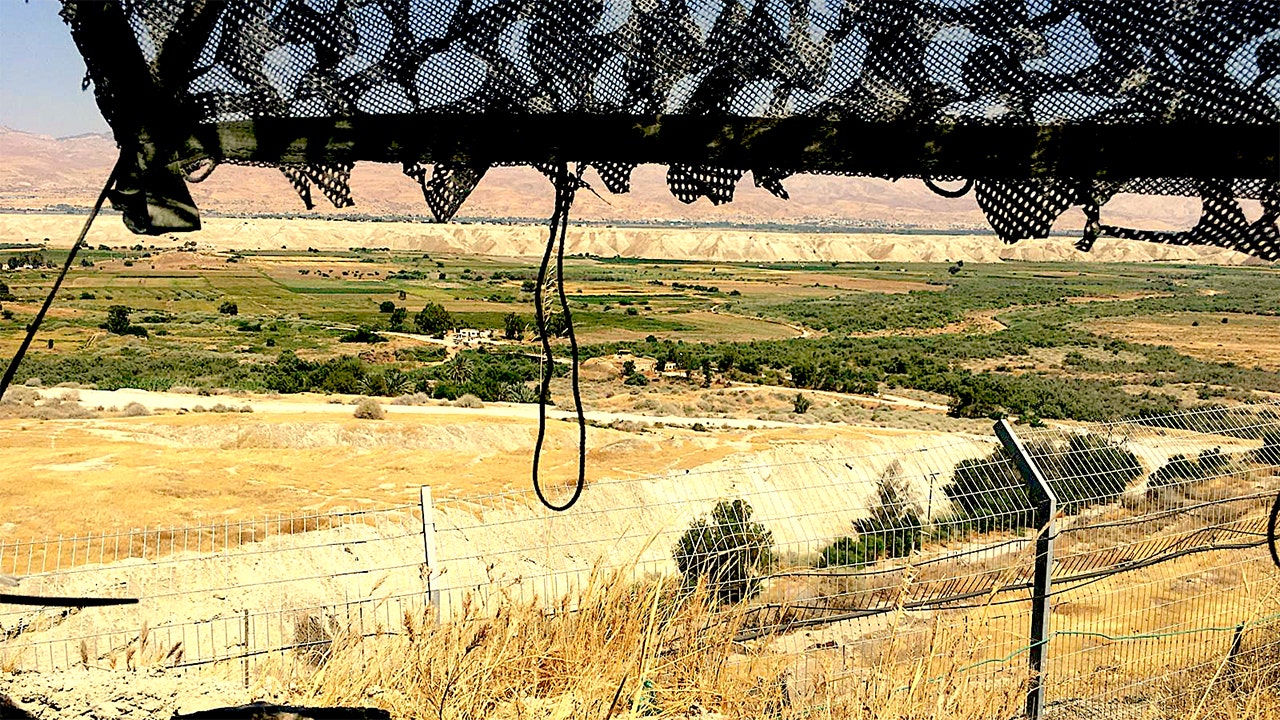
- Israel is likely preparing for expanded near-term operations in Gaza and along the Jordan frontier: the IDF reactivated 45 bases between Israel and Jordan, reported a surge of indications for a broad Gaza operation, interdicted more than 20 weapons-smuggling attempts in 2026, and on 7 July killed a Hamas Nukhba commander in Gaza. (Confidence: medium · ASSESSED)
- I&W: IDF announces commencement of a named, large-scale operation in Gaza or issues area-wide evacuation notices. (0-14 days)
- I&W: Additional IDF statements or imagery of Division 96 deployments and base activations on the Jordan frontier. (0-14 days)
- An Iran-linked cyber campaign against Israeli government agencies and IT providers is ongoing and likely to persist as part of Tehran’s pressure strategy, with the Cavern Manticore group linked to MOIS using supply-chain intrusion via trusted IT providers. (Confidence: medium · ASSESSED)
- I&W: Israeli authorities or reputable cybersecurity firms release new IOCs attributing intrusions to Cavern Manticore. (0-14 days)
- I&W: Official announcement of arrests or disruption of the group’s command-and-control infrastructure. (1-3 months)
- The diplomatic environment is brittle and likely to impede de-escalation in the short term: US, Iran talks were suspended, the NATO summit in Ankara is expected to focus on the Iran war, and Prime Minister Netanyahu publicly urged Washington not to sell F-35s or F110 engines to Turkey, warning of a shift in the regional balance. (Confidence: medium · ASSESSED)
- I&W: Readouts announce resumption or extension of US, Iran talks following the mourning period in Tehran. (1-3 months)
- I&W: US notifications to Congress on F-35 or engine sales to Turkey, or explicit public denial of such sales. (1-3 months)
Outlook & scenarios
Managed brinkmanship at sea, limited land operations (50%)
IRGC continues sporadic enforcement and occasional strikes around Hormuz while avoiding mass casualties, shipping adapts with fragmented routing, and markets remain jittery but functional. The IDF conducts targeted raids and interdictions, with limited, time-bounded operations in Gaza. Diplomatic contacts remain thin, with no rapid pathway to de-escalation.
Multi-theatre escalation (35%)
A broader Israeli operation in Gaza coincides with intensified Iranian maritime coercion, producing repeated strikes on tankers and route-enforcement incidents. European gas prices climb further and insurers tighten cover. Cyber operations against Israeli government and IT networks expand. NATO discussions harden positions without restoring US, Iran channels, raising miscalculation risks.
Partial diplomatic pause and commercial normalisation (25%)
US, Iran contacts resume after Iran’s mourning period, Tehran softens route-enforcement rhetoric, and strike tempo falls. JMIC lowers the Hormuz threat level. Major carriers cautiously expand Suez routings while Israel focuses on interdictions rather than a wide Gaza campaign. Energy price volatility eases.
Wildcard: High-impact LNG casualty in Hormuz (10%)
A successful strike causes a severe LNG casualty, mass injury, or prolonged waterway disruption. Maritime insurers suspend cover for parts of the Gulf and day rates and European gas prices spike well beyond recent moves, prompting emergency diplomatic engagement and naval convoy discussion.
Recommendations
- Maintain a 24/7 watch on UKMTO flashes, JMIC updates and IRIB outputs for corroborated missile or drone activity near Hormuz; issue immediate analytic notes within two hours of any confirmed strike.
- Map and track all publicly referenced Iranian-approved transit corridors and recent interdiction locations in Hormuz; integrate with AIS-based route choices by major LNG and crude carriers to identify high-risk chokepoints.
- Task OSINT collectors to monitor Dolfiniran and other regime-aligned channels for routing directives and claim-of-responsibility narratives; archive posts for pattern analysis.
- Produce an Israeli order-of-battle and readiness tracker focused on Division 96 base activations, smuggling interdictions in the Jordan Valley, and Gaza-area unit movements; set tripwires for IDF evacuation notices or named operation announcements.
- Coordinate with cyber threat analysts to compile and circulate current IOCs and TTPs for Cavern Manticore supply-chain intrusions to relevant stakeholders; watch for Israeli CERT or vendor advisories for timely dissemination.
- Track carrier scheduling bulletins for the AE15 service and any additional Suez returns; brief on implications for Red Sea exposure and comparative risk with Hormuz routing.
- Prepare a short decision memo outlining potential second-order effects of F-35 or F110 engine sales to Turkey on Israeli air power calculus and regional deterrence signalling.
- Develop a market-risk dashboard linking verified maritime incidents in Hormuz to intraday European gas and Brent moves to distinguish signal from noise for policymakers.
Confidence & uncertainty
Overall confidence is medium. The maritime attacks near Hormuz are supported by multiple, mutually reinforcing reports that cite UKMTO alerts, identification of the Al Rekayyat, impact details, and Iranian attribution narratives, which supports high confidence for that event set. Other assessments, including Israeli intent to broaden Gaza operations and the persistence of Iran-linked cyber activity, draw on credible but partly single-source or vendor-driven reporting. Diplomatic dynamics around suspended US, Iran talks and F-35-related statements are well reported but do not yet translate into clear de-escalatory or escalatory outcomes. Minor contradictions persist on specific attributions and casualty details, keeping the aggregate confidence at medium.
Alternative analysis (red cell)
At least one commercial vessel was likely struck and damaged near the Omani coast, but the available reporting does not reliably establish IRGC responsibility, the precise number of vessels struck, or a coherent 7 July multi-vessel missile narrative. Tehran’s statements and episodic use of force indicate increased leverage and selective coercion in the Strait of Hormuz, yet do not on their own prove sustained, systematized control of transit corridors. Israeli operational activity, Iranian-linked cyber operations, and diplomatic friction are observable, but the current evidence is insufficient to conclude imminent broad offensives, definitive state-level cyber control, or that diplomatic breakdown will categorically prevent short-term de‑escalation.
Intelligence gaps
- [EEI 1.1 · UNCOVERED] Detection and characterization of ballistic/cruise missile or rocket launches originating from Iranian territory or from Iran-controlled positions in Iraq/Syria (time, launch coordinates, missile type, flight trajectory/impact area). Recommended collection: satellite/imagery
- [EEI 1.2 · UNCOVERED] Movements and posture changes of Iran-backed proxy forces (Hezbollah units in Lebanon, militias in Syria/Iraq): concentrations of personnel, transport of rocket/artillery launchers, visible logistics build-up within operational range of Israel. Recommended collection: human/intel
- [EEI 1.3 · UNCOVERED] Israeli defensive and offensive posture changes: reservist call-ups, mobilization orders, sorties/airstrikes attributed to Israel, and domestic activation of missile-defense systems (locations and activation times). Recommended collection: open-source/media
- [EEI 1.4 · UNCOVERED] Evidence of pre-positioning or arming of naval mines, fast attack craft, or anti-ship missile systems in the Gulf of Oman, northern Arabian Sea, or off the Lebanese/Syrian coasts that could be used to interdict Israeli or allied shipping. Recommended collection: maritime/AIS
- [EEI 2.1 · UNCOVERED] Movements and tasking changes of external military assets: carrier strike groups, amphibious ready groups, expeditionary air wings, or ballistic-missile defense units into the Eastern Mediterranean, Persian Gulf, or Red Sea (vessel/aircraft IDs, routing, on-station times). Recommended collection: maritime/AIS
- [EEI 2.2 · UNCOVERED] Formal diplomatic/military actions: evacuation orders or embassy closures, public troop posture statements, bilateral/multilateral defense commitments announced, requests for overflight or basing rights in regional states. Recommended collection: diplomatic
- [EEI 2.3 · UNCOVERED] Changes to force protection or alert levels at foreign bases in the region (e.g., US bases in Kuwait, Qatar, UAE; Russian bases in Syria): activation of additional air defenses, curfews, or reinforcement shipments (personnel/equipment manifests). Recommended collection: signals/intel
Cited sources
[1] The Jerusalem Post · Live Updates: Latest from Israel, Iran, and Middle East | The Jerusalem Post (A) · sha256:66ce282d309e [2] cryptobriefing.com · Iran fires missiles at ships in Strait of Hormuz, escalating tensions (B) · sha256:d8312f8608b5 [3] gcaptain.com · Qatari LNG Ship Struck in Strait of Hormuz, Testing US Talks (A) · sha256:3113a0e31733 [4] maritime-executive.com · Iran Resumes Attacks on Merchant Shipping With Strike on LNG Carrier (B) · sha256:e822179d55b8 [5] insurancejournal.com · Update: Qatari LNG Ship Struck in Strait of Hormuz, Testing US Talks (A) · sha256:044f7c16d939 [6] gcaptain.com · Tanker Struck by Projectile Near Hormuz, Sparking Fire (B) · sha256:684afa21259d [7] The Jerusalem Post · How Israeli start-ups are helping ships navigate a contested Hormuz - opinion (B) · sha256:cd4232cc0f11 [8] gcaptain.com · Maersk and Hapag-Lloyd Expand Suez Canal Return With AE15 Service (C) · sha256:ebb8715fca94 [9] Fox News Digital · Israel fortifies border with Jordan as Iran seeks new terror path (B) · sha256:8a7c4ebc3b2c [10] haaretz.com · Netanyahu's desperate bid to survive the elections could drag Gaza back into Israel's line of fire (B) · sha256:797f0295d154 [11] News.az · New Iran-linked hacker group targets Israeli government agencies | News.az (B) · sha256:08e396b44729 [12] Jerusalem Post · Iran-linked hackers used Israeli IT providers to target government bodies (B) · sha256:90749455000b [13] haaretz.com · Erdogan is too scared to criticize Trump, so he lashes out at Israel (B) · sha256:3e536ef8ed26 [14] jpost.com · Erdogan wants America's F-35s, Israel has every reason to worry - editorial (B) · sha256:693e6224f313 [15] haaretz.com · Netanyahu warns U.S. sale of F-35 jets to Turkey would 'upset balance of power' (B) · sha256:5f51a6c04890
Source content hashes were computed at collection time; the cited text is preserved unmodified for the life of this product.
Red cell review: PARTIAL DISSENT
TLP:CLEAR