TLP:CLEAR · Disclosure is not limited.
Iran, Israel: Israeli readiness, Iran’s Gulf strikes, and Hormuz paralysis raise spillover risk
Time window: Last 1 day · Audience: General analyst · Type: Situation report · DTG: 2026-07-10 04:11Z · Overall confidence: LOW
BLUF
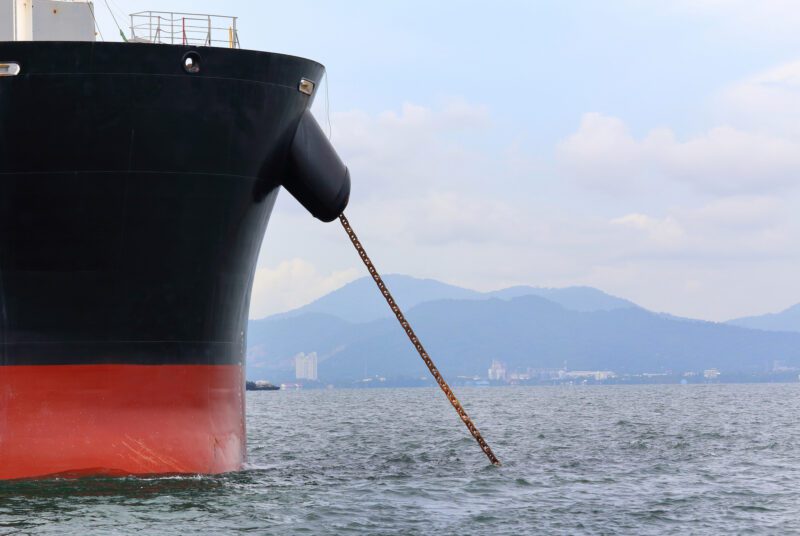
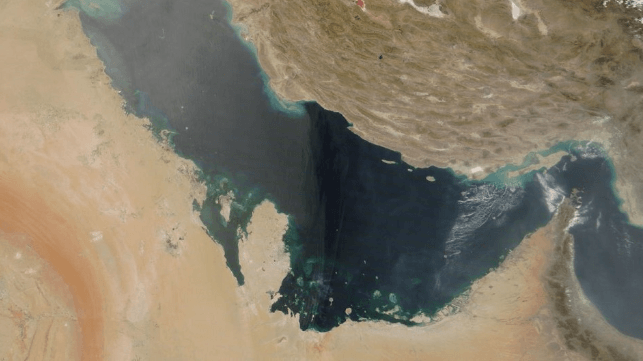
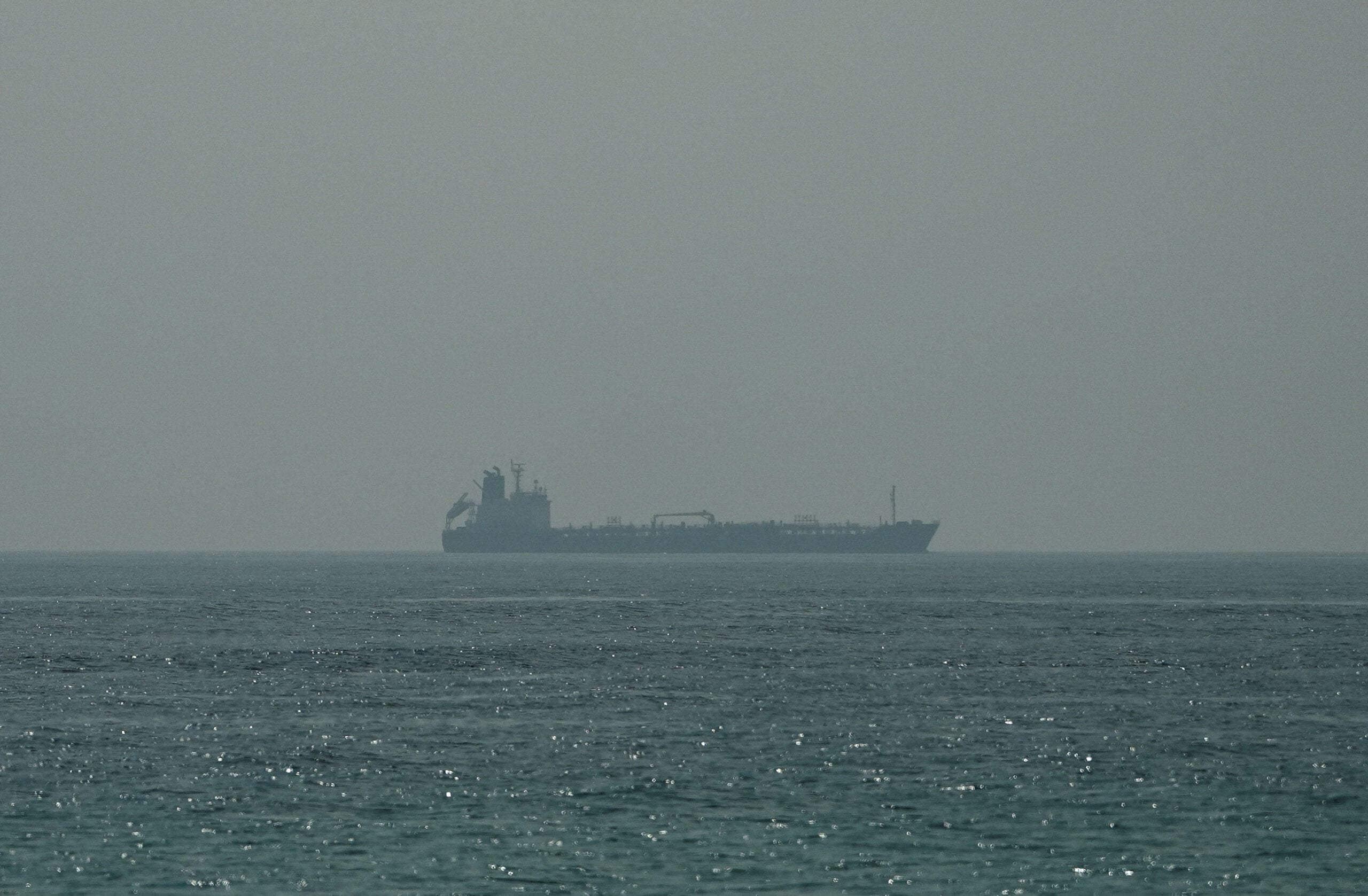
US, Iran tit-for-tat has intensified and Iran has very likely fired missiles toward US-linked targets in Jordan, Bahrain and Kuwait, while Israel stays on high alert but out of the fight. Maritime traffic through the Strait of Hormuz is near a standstill and insurance costs are spiking, making shipping disruptions very likely to persist.
Executive summary
A second round of US strikes has very likely hit roughly 90 targets inside Iran, with explosions reported in multiple port cities, disruption on the Tehran, Mashhad railway and at least 14 fatalities reported by Iranian authorities. Iran has very likely retaliated with missile and drone fire toward US-linked sites in Jordan, Bahrain and Kuwait, prompting sirens and reported interceptions over Jordan and air-defence activity in Kuwait, and condemnation by Doha. Israel’s leadership signals readiness to strike Iran and the IDF remains on high alert, yet Israeli sources judge Tehran is unlikely to rush to target Israel and officials do not expect immediate spillover. Hormuz traffic has virtually ground to a halt, with London marine insurers reporting fewer enquiries, war-risk premia in the 2-6 percent range with peaks at 10 percent, and shipowners reconsidering transits. Regional diplomacy is active, including Qatari outreach and reported Qatari, Pakistani efforts to restart US, Iran talks, while IMO members have condemned Iran and Oman has reaffirmed free transit and rejected passage fees.
Change from previous assessment
Since the prior brief, reporting has coalesced around roughly 90 US targets struck inside Iran and specific impacts including explosions in port cities and disruption on the Tehran, Mashhad railway. New claims indicate Iranian missile and drone fire toward Jordan, Bahrain and Kuwait with reported interceptions over Jordan and air-defence activity in Kuwait, and Qatar has publicly condemned Iranian attacks while engaging regional foreign ministers. Hormuz traffic is again described as near a standstill with insurers quoting 2-6 percent war-risk premia and peaks at 10 percent, and shipowners reconsidering transits. Israeli messaging continues to project readiness and high alert, while Israeli sources judge Iran unlikely to rush to target Israel and officials do not expect immediate spillover. Initial assessment of this topic.
Key judgments
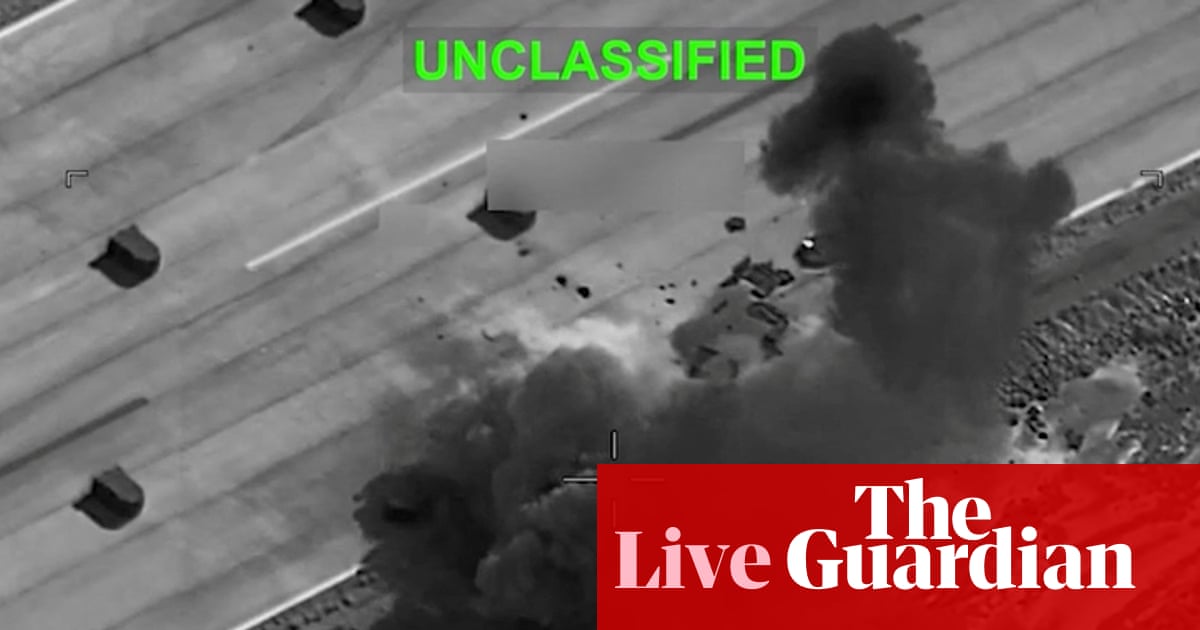
- The United States very likely conducted a second night of strikes in Iran on 8-9 July, hitting roughly 90 targets, with explosions reported in several port cities, damage along the Tehran, Mashhad rail line, and at least 14 fatalities reported by Iranian authorities. (Confidence: medium · REPORTED)
- I&W: Release of US battle damage assessment or commercial satellite imagery confirming strikes on coastal air defences and the Tehran, Mashhad rail bridge. (0-14 days)
- I&W: Official retractions or lack of corroborating imagery for alleged target sets in port cities. (0-14 days)
- Iran very likely retaliated with missile and drone attacks toward US-linked military facilities in Jordan, Bahrain and Kuwait on 9-10 July, triggering sirens and reported interceptions over Jordan and air-defence activity in Kuwait, with Qatar publicly condemning the attacks. (Confidence: high · REPORTED)
- I&W: Host-nation announcements identifying impact or debris-recovery sites and publishing intercept data. (0-14 days)
- I&W: Sustained absence of further alerts in Jordan and no follow-up claims by Iran’s IRGC. (0-14 days)
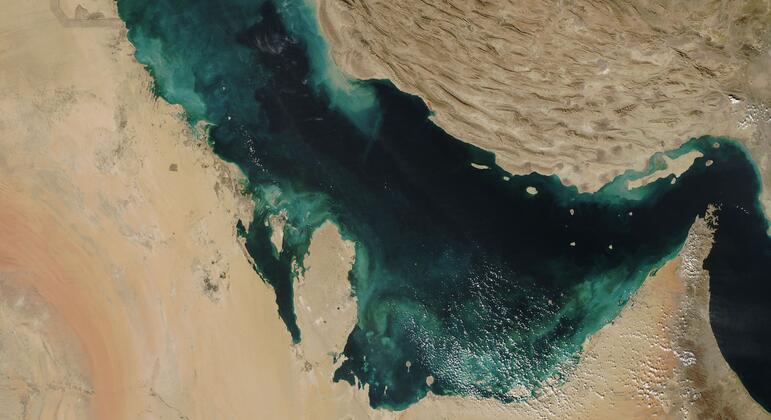
- Maritime traffic through the Strait of Hormuz is very likely severely degraded and will remain unpredictable in the near term, with visible traffic near a standstill, fewer insurer enquiries, war-risk premia in the 2-6 percent range with peaks at 10 percent, and some shipowners reconsidering transits. (Confidence: high · REPORTED)
- I&W: AIS shows persistently low daily transits and London market quotes remain at or above 2 percent for Hormuz cover. (0-14 days)
- I&W: War-risk premia fall below 2 percent and shipowner enquiries to underwriters rebound. (1-3 months)
- Israel is likely to remain on the sidelines of the US, Iran exchange in the immediate term, despite public signals of readiness to strike Iran and the IDF’s high alert posture, as Israeli sources judge Tehran unlikely to rush to target Israel. (Confidence: medium · ASSESSED)
- I&W: No reported Israeli strikes inside Iran and continued IDF alert messaging without mobilisation for cross-border action. (0-14 days)
- I&W: Confirmed Iranian strikes on Israeli territory or Israeli-claimed attacks inside Iran. (0-14 days)
- Civilian harm and infrastructure disruption inside Iran are likely to rise if exchanges persist; Iranian authorities already report at least 14 killed, 78 wounded, temporary disruption on the Tehran, Mashhad railway, and a projectile near the Bushehr nuclear plant’s perimeter. (Confidence: medium · ASSESSED)
- I&W: Iran’s health ministry issues updated casualty totals and the rail operator posts extended service changes on the Tehran, Mashhad line. (0-14 days)
- I&W: Rapid restoration of rail services and no further casualty updates from Iranian authorities. (0-14 days)
- Regional and multilateral diplomacy is very likely to intensify to contain escalation, including Qatari outreach and mediation efforts, public condemnation of Iranian attacks, an IMO censure of Iran, and Omani affirmations of free transit and opposition to Hormuz passage fees. (Confidence: medium · REPORTED)
- I&W: Announcements of talks hosted in Doha or Muscat or public communiqués referencing renewed US, Iran contact. (0-14 days)
- I&W: Public statements by Tehran or Washington rejecting mediation by Qatar or Pakistan. (0-14 days)
Outlook & scenarios
Managed escalation: US, Iran strikes continue, Israel holds fire (60%)
Short, punctuated exchanges persist between the US and Iran centered on Gulf targets, while Israel maintains high alert without launching into Iran. Hormuz traffic remains depressed with elevated war-risk premia, and regional capitals press for talks.
Spillover: Direct Iran, Israel exchange (30%)
An Iranian strike on Israeli territory or an Israeli pre-emptive action triggers limited direct exchanges. The IDF executes targeted strikes citing deterrence, Iran signals further retaliation, and northern front tensions rise alongside sharp maritime risk.
Diplomatic pause: Temporary de-escalation window (25%)
Qatar- and Pakistan-facilitated contacts yield a short pause in cross-border strikes. Oman’s maritime messaging helps normalise some transits, and insurers shave premia off recent peaks, though traffic remains uneven and alert levels stay high.
Wildcard: Major maritime incident in Hormuz (15%)
A high-impact strike on a laden tanker or LNG carrier in or near Hormuz causes mass-casualty rescue operations and a policy shock. War-risk cover spikes, Asian buyers scramble to diversify, and diplomatic bandwidth shifts to crisis containment.
Recommendations
- Maintain a 24/7 log of missile and drone activity reported by Jordan, Kuwait and Bahrain and match claims against official communiqués to validate Iranian strike narratives and interception counts.
- Stand up a Hormuz shipping risk tracker combining AIS snapshots, broker notes on war-risk premia in the 2-6 percent band, and insurer enquiry volumes; issue a daily traffic and pricing brief.
- Task rapid imagery triage on the Tehran, Mashhad rail corridor and the Bushehr nuclear plant perimeter to corroborate reported damage and service disruption.
- Create and monitor a tripwire set for Israeli involvement: IDF statements beyond high alert, declared long-range strike readiness, and any confirmed launches or intercepts on Israeli soil.
- Map exposure for key energy-importing clients to Hormuz-linked flows and prepare short decision notes on rerouting, inventory draws, and alternative liftings if near-standstill conditions persist.
- Track diplomatic channels via Doha and Muscat; compile a contact matrix and issue alerts on any announced talks or communiqués that could signal a pause or new rules of the road at sea.
Confidence & uncertainty
Overall confidence is low because multiple key elements rest on single- or dual-source reporting with timeline and attribution inconsistencies. US strike reporting includes both claims of about 90 targets hit and separate denials of new strikes in the ensuing hours, and casualty figures come from Iranian authorities without independent corroboration. Hormuz disruption is well attested but includes conflicting same-day depictions of a near standstill alongside limited transits, and insurance pricing spans a wide range depending on timing. Iranian retaliatory fire is supported by several official and media accounts, yet detailed host-nation damage assessments are still sparse. These gaps and contradictions constrain confidence even as cross-referenced claims point in the same overall direction.
Alternative analysis (red cell)
The reporting base is uneven: key event attribution (scope and timing of strikes inside Iran) and casualty figures come largely from parties with incentives to shape the narrative, while retaliation claims lean on a mix of IRGC statements and limited host‑nation reports. Open‑source and independent military data (ISR, AWACS/radar, satellite imagery, forensic munitions analysis, and third‑party medical records) are currently insufficient to firmly establish U.S. responsibility for the reported ~90‑target strikes, the exact casualty toll, or Israel’s durable decision to remain on the sidelines. A more cautious analytic line — that strikes and counter‑strikes occurred but that scale, attribution, and the durability of non‑involvement by other regional actors remain uncertain — is fully supported by the same claim set.
Intelligence gaps
- [EEI 1.1 · PARTIAL] Observed repositioning, sustained increases, or new forward basing of Iranian conventional or IRGC forces (armored units, missile batteries, aircraft, naval vessels) toward borders or regional launch points. Recommended collection: IMINT/satellite
- [EEI 1.4 · UNCOVERED] Interdicted or observed shipments (air, sea, land manifests, seizures, satellite imagery of transfers) of advanced weapons or missile components from Iran toward proxy groups or forward staging points. Recommended collection: maritime/AIS
- [EEI 2.1 · UNCOVERED] Satellite or on-the-ground imagery showing fires, damage, or operational shutdown at major oil export facilities, refineries, storage terminals, or key pipeline infrastructure in the Gulf and Red Sea. Recommended collection: IMINT/satellite
- [EEI 2.4 · UNCOVERED] Rapid increases in war-risk insurance premiums for Middle East routes, shipping company advisories to avoid region, or major charter cancellations tied to the conflict. Recommended collection: financial/open-source
- [EEI 3.1 · UNCOVERED] Movement/arrival of major foreign military assets into the region: U.S. carrier strike groups, amphibious ready groups, strategic bomber flights, Russian/Chinese naval taskings, or allied expeditionary units (visible in AIS, NOTAMs, satellite imagery, official releases). Recommended collection: IMINT/satellite
- [EEI 3.2 · PARTIAL] Official expedited arms transfers, basing/overflight agreements, or declarations of operational support (formal government announcements, defense ministry releases, logistics flight manifests). Recommended collection: open-source/diplomatic
- [EEI 3.3 · UNCOVERED] Embassy evacuations, large-scale personnel movements, issuance of government travel bans/advisories, or multinational security alerts affecting foreign nationals and diplomatic posture in the region. Recommended collection: diplomatic/open-source
Cited sources
[1] CBS News · U.S., Iran trade more strikes after Trump says ceasefire is "over" (A) · sha256:1ee698cce435 [2] gcaptain.com · U.S. Escalates Strikes on Iran After Attacks on Commercial Ships (B) · sha256:ce193cab8e64 [3] The Jerusalem Post · Israel not expected to get involved in new round of US-Iran fighting, officials tell 'Post' (B) · sha256:120fc757b051 [4] Los Angeles Times · New U.S.-Iran fighting across Mideast threatens ceasefire deal - Los Angeles Times (A) · sha256:f924df911ca4 [5] العربي الجديد · [PDF] تآّكل مذّكّ رة التفاهم يهّزّ األسواق - العربي الجديد (B) · sha256:4702b32a9457 [6] theguardian.com · Tehran launches more strikes as Israel warns it is ready to strike Iran again ‘with even greater force’ – as it happened (A) · sha256:d46258ca44e0 [7] gcaptain.com · Hormuz War-Risk Cover Climbs as Shipowners Pull Back (B) · sha256:03376f4f3790 [8] gcaptain.com · Oil Tanker Traffic Through Hormuz at Near Standstill as Attacks Strain MoU (A) · sha256:dc75eecfb11c [9] marinelink.com · Hormuz Standoff Risks Chronic Instability for Gulf Oil Flows (B) · sha256:924814bb808d [10] aljazeera.com · US military denies involvement after explosions heard in Iran (A) · sha256:2dd92f7be386 [11] aljazeera.net · "الحرب لم تنته". إسرائيل تعلن استعدادها لجولة قتال ثالثة مع إيران (A) · sha256:3af7fe018020 [12] haaretz.com · Iran says it hits U.S. military targets in Gulf, buries slain leader Khamenei (A) · sha256:8227ad612997 [13] ynetnews.com · Everyone wants Israel out of the US-Iran war. That could change in hours (B) · sha256:f2f491e2a2fd [14] United Nations · US-Iran war leaves shipping at near-standstill in Hormuz again (A) · sha256:e4ff1305dae8 [15] maritime-executive.com · Oman Makes Most Unequivocal Statement Yet on Hormuz Transits (B) · sha256:a14a9c69acdd
Source content hashes were computed at collection time; the cited text is preserved unmodified for the life of this product.
Red cell review: PARTIAL DISSENT
TLP:CLEAR