TLP:CLEAR · Disclosure is not limited.
Iran, Israel: Multi-front fighting persists as Hormuz and UAE risks stay acute
Time window: Last 1 day · Audience: General analyst · Type: Situation report · DTG: 2026-07-01 01:02Z · Overall confidence: MEDIUM
BLUF
Very likely the Iran, Israel war will persist across multiple fronts in the near term, while contention over the Strait of Hormuz and explicit Iranian threats to U.S.-linked sites in the UAE keep escalation risks high. Negotiations remain confined to technical channels with Iranian preconditions, reducing the odds of rapid de-escalation.
Executive summary
Joint U.S., Israeli strikes on Iran on 28 February initiated an active, region-wide conflict that has since produced lethal ballistic missile impacts inside Israel, Iranian-aligned retaliation against U.S. facilities in Iraq, and Israeli fire into southern Syria, alongside declared intent to keep the IDF inside southern Lebanon until Hezbollah’s threat subsides. Tehran signals resolve at Hormuz as Oman, Iran and the United States discuss transit arrangements even as the International Maritime Organization warns fees would be unlawful. Qatar confirms technical-level mediation is ongoing, but Iranian leaders publicly set preconditions and deny imminent high-level meetings. The threat picture in the UAE remains elevated, with Iran publicly signalling U.S.-linked targets and Washington ordering departures and aviation caution.
Change from previous assessment
Initial assessment of this topic.
Key judgments
- Very likely the Iran, Israel war remains active across multiple fronts and will persist in the near term, evidenced by continued missile and proxy activity in Israel and Iraq, Israeli fire into southern Syria, and declared Israeli intent to hold a security zone in Lebanon. (Confidence: high · ASSESSED)
- I&W: Confirmation: additional officially reported ballistic missile casualties or proxy strikes tied to Iran in Israel or Iraq. (0-14 days)
- I&W: Break: a verified 30-day halt in cross-border attacks on Israel from Lebanon and Syria and in proxy strikes on U.S. sites. (1-3 months)
- Likely a protracted confrontation on the Israel, Lebanon front, given Israeli leadership’s intent to remain in a southern Lebanon security zone and claims about Hezbollah’s rocket inventory, despite contradictory figures on remaining stocks. (Confidence: medium · ASSESSED)
- I&W: Confirmation: continued IDF brigade-level deployments, fortification works, or rotation announcements inside southern Lebanon. (0-2 months)
- I&W: Break: publicly announced and observed IDF pullback from the security zone, coupled with independent verification of reduced Hezbollah launch capacity. (1-3 months)
- Almost certainly the threat environment for U.S.-linked targets in the United Arab Emirates remains elevated, with Tehran publicly signalling intent, ongoing drone and missile threats since 28 February, and U.S. orders and advisories reinforcing risk. (Confidence: high · REPORTED)
- I&W: Confirmation: public claims or imagery of strikes on U.S.-associated facilities in the UAE or interception reports naming Iranian-origin systems. (0-14 days)
- I&W: Break: restoration of normal U.S. mission staffing in the UAE and withdrawal of FAA cautionary notices for Middle East operations. (1-3 months)
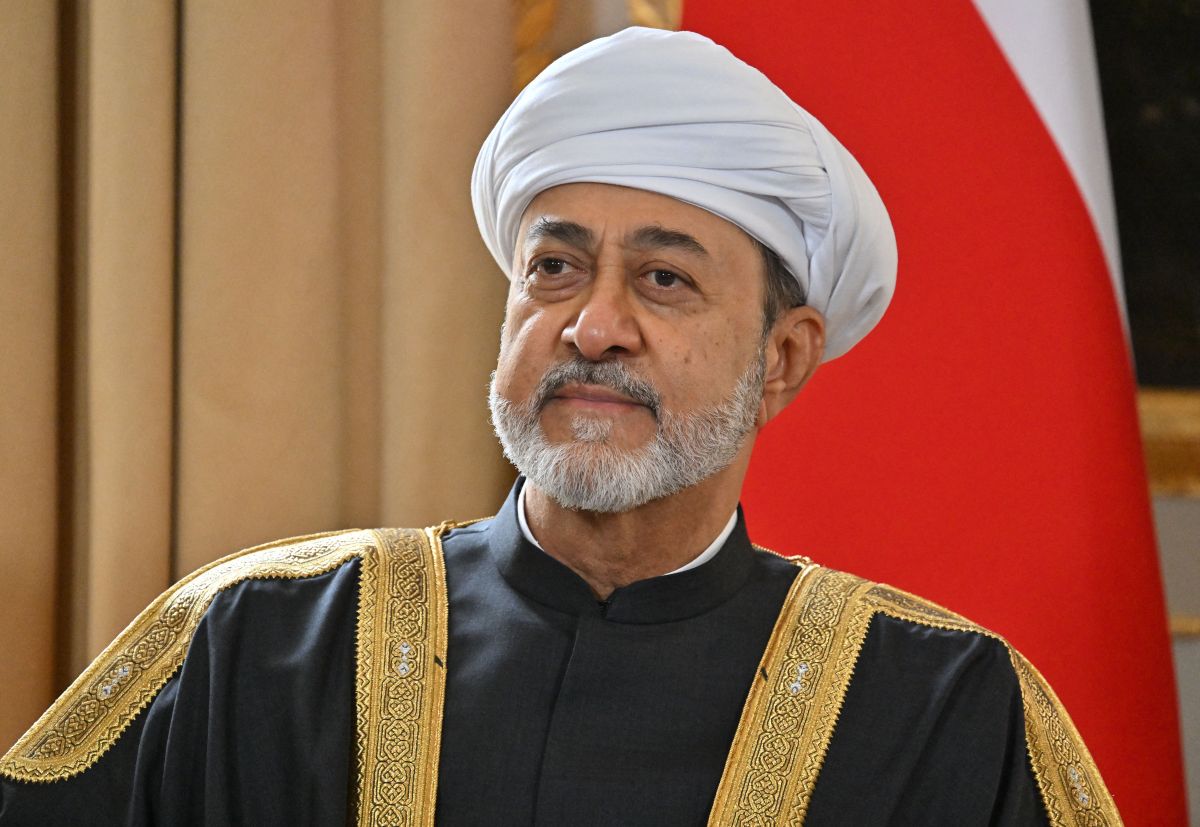
- Likely the Strait of Hormuz will remain a focal point of dispute and a source of shipping friction in the near term, as Iran asserts interests, Oman and Iran discuss transit arrangements, Washington engages on Hormuz, and the IMO rejects fee concepts, even as traffic intermittently recovers. (Confidence: medium · ASSESSED)
- I&W: Confirmation: public tabling of an Omani fee framework or reporting of Iranian efforts to collect or enforce transit conditions at Hormuz. (0-2 months)
- I&W: Break: a joint U.S., Iran, Oman statement reaffirming no fees and free transit, followed by sustained AIS-confirmed normalised flows through Hormuz. (1-3 months)
- There is a roughly even chance of a near-term diplomatic breakthrough, as technical mediation continues via Doha but senior Iranian figures set preconditions and deny imminent high-level meetings despite claims of internal approval of the memorandum. (Confidence: medium · ASSESSED)
- I&W: Confirmation: schedule and readouts of a U.S., Iran senior-level meeting in Doha or Muscat, or public steps implementing key memorandum clauses. (0-6 weeks)
- I&W: Break: repeated official Iranian statements ruling out talks and continued public denials of any high-level engagement in Doha. (0-6 weeks)
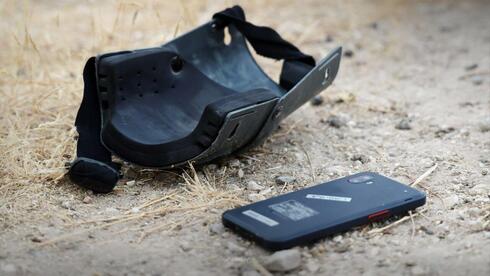
- Likely the Israel, Syria frontier will remain unstable in the near term, with elevated miscalculation and operational security risks following reported IDF fire in southern Syria and the loss of a classified device during an incident near Abdin. (Confidence: medium · ASSESSED)
- I&W: Confirmation: additional cross-border IDF engagements reported in southern Syria or official incident logs referencing lost materiel. (0-30 days)
- I&W: Break: a 30-day period without reported cross-border incidents in Quneitra and Daraa sectors. (1-2 months)
Outlook & scenarios
Grinding multi-front confrontation (60%)
Hostilities persist at a low-to-medium tempo: sporadic missile fire into Israel, periodic proxy strikes on U.S. sites in Iraq, IDF fires and limited manoeuvres along the Lebanon and southern Syria fronts, and steady friction around Hormuz. Casualties accrue without decisive shifts. Maritime carriers continue to route conservatively, keeping capacity tight in the Red Sea, Gulf arcs even as Hormuz traffic ebbs and flows.
Technical de-escalation without a grand bargain (35%)
Qatari-facilitated technical talks yield incremental steps on prisoner issues, notification channels, and shipping conduct around Hormuz, easing miscalculation risks. Iranian preconditions keep high-level meetings on hold, so fire exchanges decline but do not cease, and the IDF maintains forward positions in southern Lebanon pending more durable guarantees.
Sharp regional escalation (25%)
A trigger incident prompts renewed Iranian direct strikes and proxy attacks on U.S.-associated targets, including inside the UAE. Hezbollah intensifies fire across the Blue Line. Tehran moves to operationalise leverage at Hormuz while Muscat’s fee proposal fails to gain acceptance. Shipping risk premiums spike and diversions expand.
Recommendations
- Maintain a 72-hour rolling indicators watchlist focused on: Hezbollah rocket activity and IDF posture along the Blue Line; proxy threat reporting against U.S. missions in Iraq; and missile incident data inside Israel, to support near-term warning.
- Task maritime domain monitoring on the Strait of Hormuz, tracking AIS patterns, any fee-enforcement behaviour, and Oman, Iran, U.S. statements, and fuse with carrier advisories on Red Sea and Gulf constraints for logistics planning.
- Update the UAE threat baseline for U.S.-linked sites: consolidate Iranian public intent statements, State Department drawdown orders, FAA advisories and local security reporting into a single risk product for interagency and private-sector partners.
- Map the Doha and Muscat diplomatic calendars and statements to a memorandum implementation matrix, highlighting Iranian preconditions and any discrete implementation steps to inform policy options on engagement sequencing.
- Coordinate with Israeli counterparts on operational security lessons from the Abdin incident, prioritising communications security, device accountability, and cross-border deconfliction channels to reduce miscalculation risk.
Confidence & uncertainty
Multiple high-reliability official and major media reports corroborate the onset of hostilities on 28 February, subsequent casualties in Israel, Iranian-aligned retaliation in Iraq, Israeli activity in southern Syria, and elevated risk postures in the UAE. Confidence is moderated by contested or actor-attributed claims on Hezbollah rocket stocks, divergent accounts of negotiation status and the memorandum’s effect, and mixed reporting on maritime conditions and prospective Hormuz fees. These contradictions introduce uncertainty on the pace of de-escalation and the maritime outlook, supporting an overall medium confidence rating.
Intelligence gaps
- [EEI 1.1 · PARTIAL] Observed repositioning, sustained increases, or new forward basing of Iranian conventional or IRGC forces (armored units, missile batteries, aircraft, naval vessels) toward borders or regional launch points. Recommended collection: IMINT/satellite
- [EEI 1.4 · UNCOVERED] Interdicted or observed shipments (air, sea, land manifests, seizures, satellite imagery of transfers) of advanced weapons or missile components from Iran toward proxy groups or forward staging points. Recommended collection: maritime/AIS
- [EEI 2.1 · UNCOVERED] Satellite or on-the-ground imagery showing fires, damage, or operational shutdown at major oil export facilities, refineries, storage terminals, or key pipeline infrastructure in the Gulf and Red Sea. Recommended collection: IMINT/satellite
- [EEI 2.3 · PARTIAL] Significant and sustained reductions or rerouting of tanker transits through the Strait of Hormuz (ship traffic counts, pilot reports, port call cancellations) and announcements of closure or restricted navigation zones (NOTAMs, maritime advisories). Recommended collection: maritime/NOTAMs
- [EEI 2.4 · PARTIAL] Rapid increases in war-risk insurance premiums for Middle East routes, shipping company advisories to avoid region, or major charter cancellations tied to the conflict. Recommended collection: financial/open-source
- [EEI 3.1 · PARTIAL] Movement/arrival of major foreign military assets into the region: U.S. carrier strike groups, amphibious ready groups, strategic bomber flights, Russian/Chinese naval taskings, or allied expeditionary units (visible in AIS, NOTAMs, satellite imagery, official releases). Recommended collection: IMINT/satellite
- [EEI 3.2 · UNCOVERED] Official expedited arms transfers, basing/overflight agreements, or declarations of operational support (formal government announcements, defense ministry releases, logistics flight manifests). Recommended collection: open-source/diplomatic
- [EEI 3.4 · PARTIAL] High-level diplomatic/UN activity: scheduled or emergency Security Council meetings, published ceasefire proposals, or multilateral statements committing support/condemnation that precede changes in military posture. Recommended collection: open-source/diplomatic
Cited sources
[1] Wikipedia · Reactions to the 2026 Iran war (B) · sha256:42d3d4c4bb5b [2] Wikipedia · 2026 United States military buildup in the Middle East (B) · sha256:2bfec45f1e07 [3] The Jerusalem Post · Live Updates: Latest from Israel, Iran, and Middle East | The Jerusalem Post (A) · sha256:30c305ff56dd [4] U.S. Department of Defense Inspector General · [PDF] Operation Inherent Resolve, Report to Congress, January 1, 2026.. (A) · sha256:1c9be440a3dd [5] ynetnews.com · Classified IDF phone lost in Syria as village clash exposes rising tensions (B) · sha256:ec2791193f75 [6] jpost.com · Netanyahu in Lebanon: IDF to stay in region as long as Hezbollah continues to pose a threat (B) · sha256:61772805822a [7] aljazeera.net · نتنياهو: حروب الشرق الأوسط لن تنتهي وخلافي مع ترمب لا يصل للصراخ (A) · sha256:0d4ff220263e [8] U.S. Department of State · United Arab Emirates Travel Advisory (A) · sha256:7a0c71f2991b [9] Newsweek · Iran war gives "Switzerland of Middle East" key say in fate of Hormuz (B) · sha256:4ca6f9e37138 [10] Sky News Arabia · محادثات أميركا وإيران. آخر الأخبار (B) · sha256:d3b2aead2064 [11] Al Jazeera English · Following renewed attacks between Iran and the US, Steve Witkoff and Jared Kushner are in Doha in an attempt to keep the fragile ceasefire from collapsing. But rather than hash out a nuclear deal, both sides are still arguing about the Strait of Hormuz. Al Jazeera’s Mohamed Hassan reports. | Al Jazeera English (A) · sha256:6e8f609d93ba [12] RFE/RL · Iran 'Not Negotiating' With US, Says Chief Negotiator (A) · sha256:8d054d97682a [13] maritime-executive.com · Maersk Increases Outlook to Strong Profits Based on Rate Surge and Volumes (C) · sha256:206d3e9877df [14] foxnews.com · Wave of attacks on Iran's IRGC raises questions about renewed Kurdish insurgency (B) · sha256:799e4d402bcf
Source content hashes were computed at collection time; the cited text is preserved unmodified for the life of this product.
TLP:CLEAR