TLP:CLEAR · Disclosure is not limited.
Iran, Israel: Regional strikes intensify, Lebanon front persists, Hormuz reopening contested
Time window: Last 1 day · Audience: General analyst · Type: Situation report · DTG: 2026-06-25 10:02Z · Overall confidence: LOW
BLUF
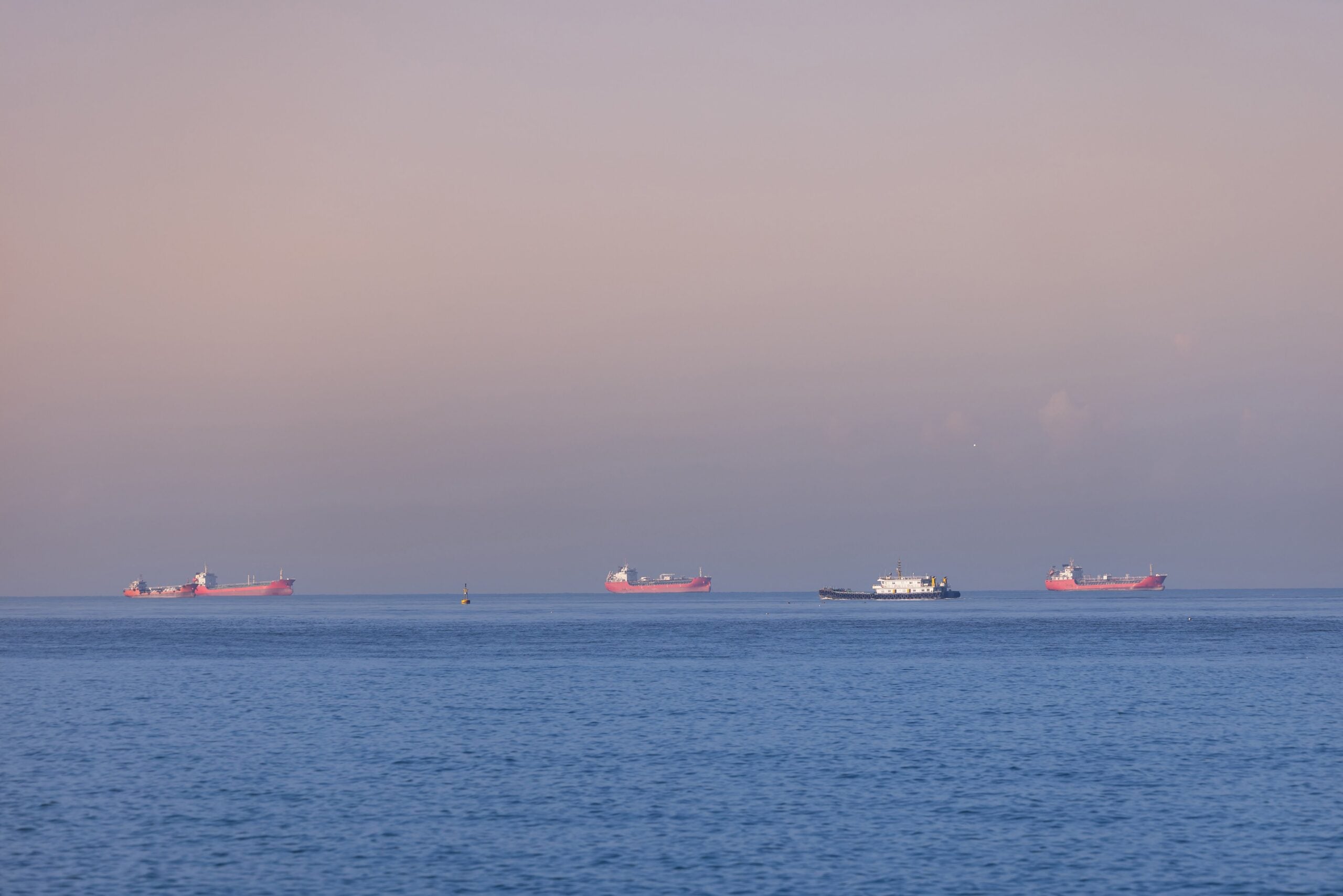
Open Israel, Iran confrontation with large-scale Israeli air operations and Iranian missile-drone retaliation is almost certainly ongoing, while hostilities with Hezbollah persist despite a ceasefire. The Strait of Hormuz is reopening under an Oman-led no-toll plan but remains hazardous and politically contested, and the IMO has begun evacuating trapped seafarers.
Executive summary
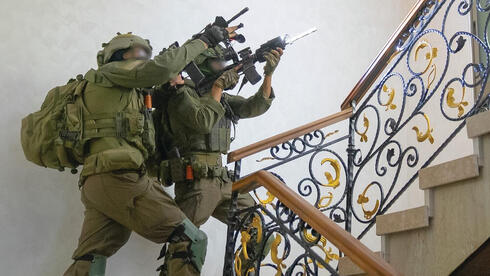
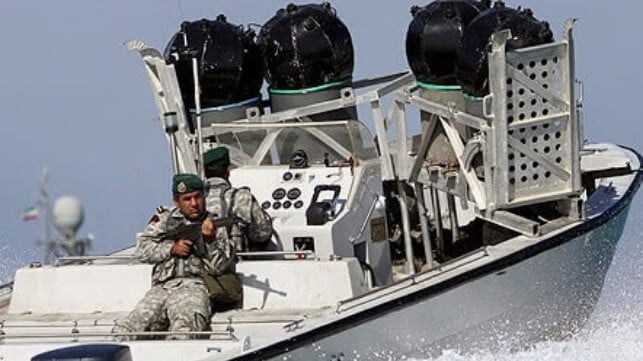
Israel conducted a major air operation with around 200 fighter jets against targets in Iran, alongside reported joint U.S., Israeli strikes on Iranian boats, and Iran retaliated with missile and drone attacks against Israel, U.S. bases and Arab countries. Fighting in Lebanon continues despite a U.S.-brokered ceasefire and Israel has intensified strikes; in Gaza the IDF hit four post-ceasefire rocket sites and has increased targeted killings, after two Hamas military chiefs were killed in mid-May. In the Strait of Hormuz, a memorandum guarantees no tolls for 60 days and Oman says it will keep the waterway open with temporary routes, but the IRGC Navy rejects the Omani route and warns against unauthorised crossings. Traffic shows early improvement and insurers continue to provide cover, yet mines and GPS interference keep navigation hazardous; a UK minehunting force has arrived to support a multinational mission. Freight costs have spiked, with a booking at the year’s high and a 897 percent Worldscale fixture, as mainstream VLCCs re-enter the Gulf. The IMO has begun evacuating more than 11,000 seafarers, with double-digit fatalities reported to date. Israeli officials assess the West Bank as highly volatile, expect two extra IDF battalions there, are countering FPV drones and have interdicted plots and precursors, while Gulf states are reported to be edging closer to Iran and uncertainty over a U.S., Iran agreement persists.
Change from previous assessment
New developments since the prior brief include reporting of an Israeli air operation involving about 200 fighter jets against targets in Iran and Iranian missile-drone retaliation, Israeli intensification of strikes in Lebanon during the ceasefire, and the IDF striking four new Hamas rocket sites in Gaza. At sea, Oman publicly committed to no tolls and temporary routes for Hormuz while the IRGC Navy rejected the Omani scheme; a UK minehunting force arrived to support a multinational mission. Freight rates surged on Gulf loadings as mainstream VLCCs re-entered, and the IMO began evacuating more than 11,000 trapped seafarers. Israeli officials flagged the West Bank as highly volatile, with two additional IDF battalions expected and a focus on FPV drones. Confidence on maritime impacts is somewhat lower than in the prior brief due to conflicting casualty and traffic figures and contested routing claims.
Key judgments
- Open interstate fighting between Israel, the United States and Iran is almost certainly ongoing, with Israel conducting large-scale air operations against targets in Iran and Iran retaliating with missile and drone strikes across Israel, U.S. bases and Arab states. (Confidence: high · REPORTED)
- I&W: Reports of fresh multi-squadron Israeli strike packages over western Iran and additional long-range Iranian missile or UAV launches. (0-14 days)
- I&W: A fortnight with verified absence of cross-border long-range strikes by either side. (0-14 days)
- Hostilities on the Israel, Hezbollah front are very likely to persist despite the U.S.-brokered ceasefire, given Israel’s intensified strikes during the truce. (Confidence: high · ASSESSED)
- I&W: Continuing publicly observable Israeli strike footage and reporting of cross-border exchanges in southern Lebanon during the ceasefire period. (0-14 days)
- I&W: A 7-day period with no verified air or indirect-fire exchanges along the Blue Line. (0-1 month)
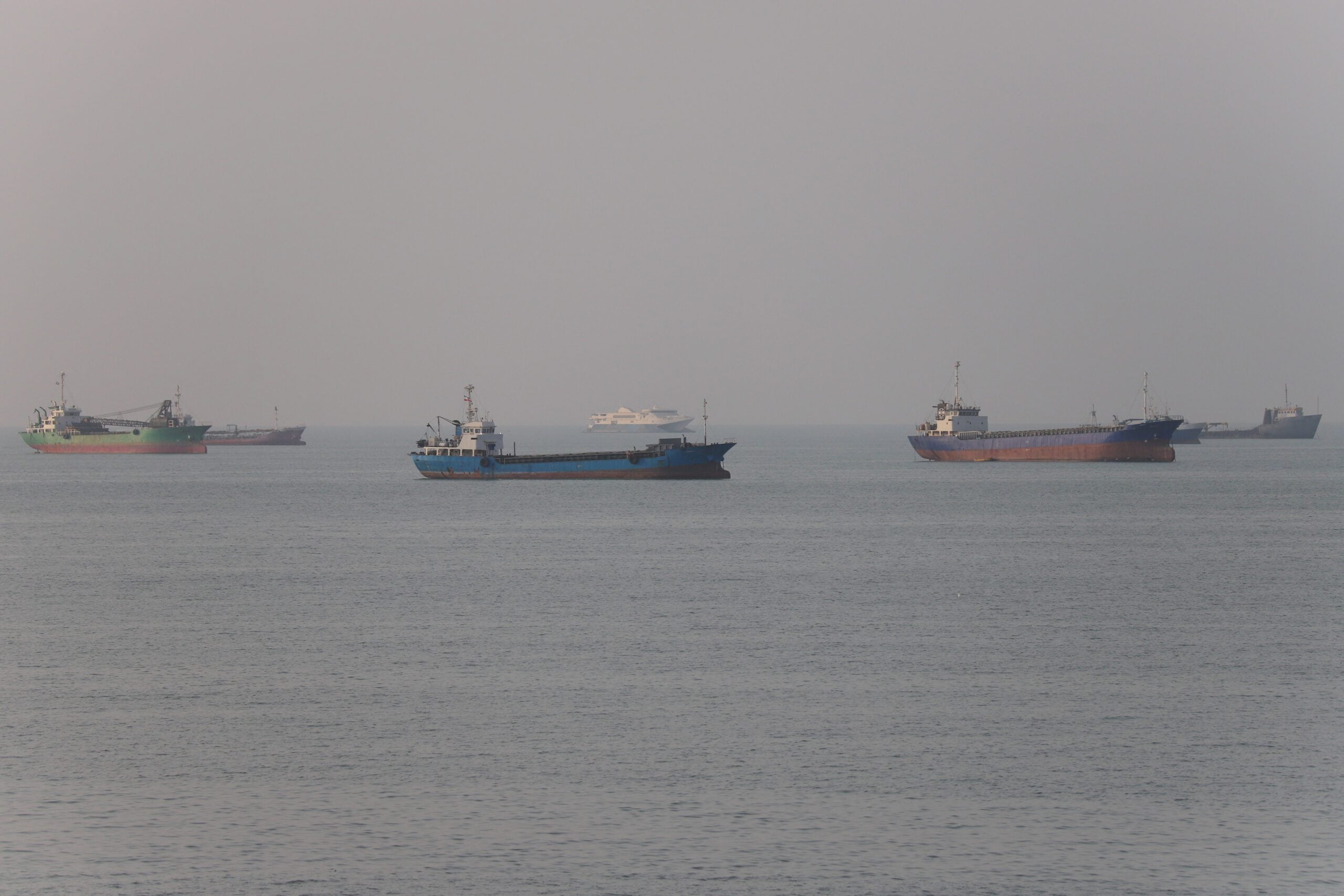
- The Strait of Hormuz is likely entering a managed reopening under no-toll commitments, but navigation remains hazardous and contested between Oman’s temporary routes and IRGC Navy objections. (Confidence: medium · ASSESSED)
- I&W: Omani navigation notices scheduling convoys via the designated waypoints and reported daily transits in the 35-40 range without tolls charged. (0-14 days)
- I&W: Documented IRGC interdictions or boardings of ships following the Omani route, or new mine-related damage inside the Strait. (0-14 days)
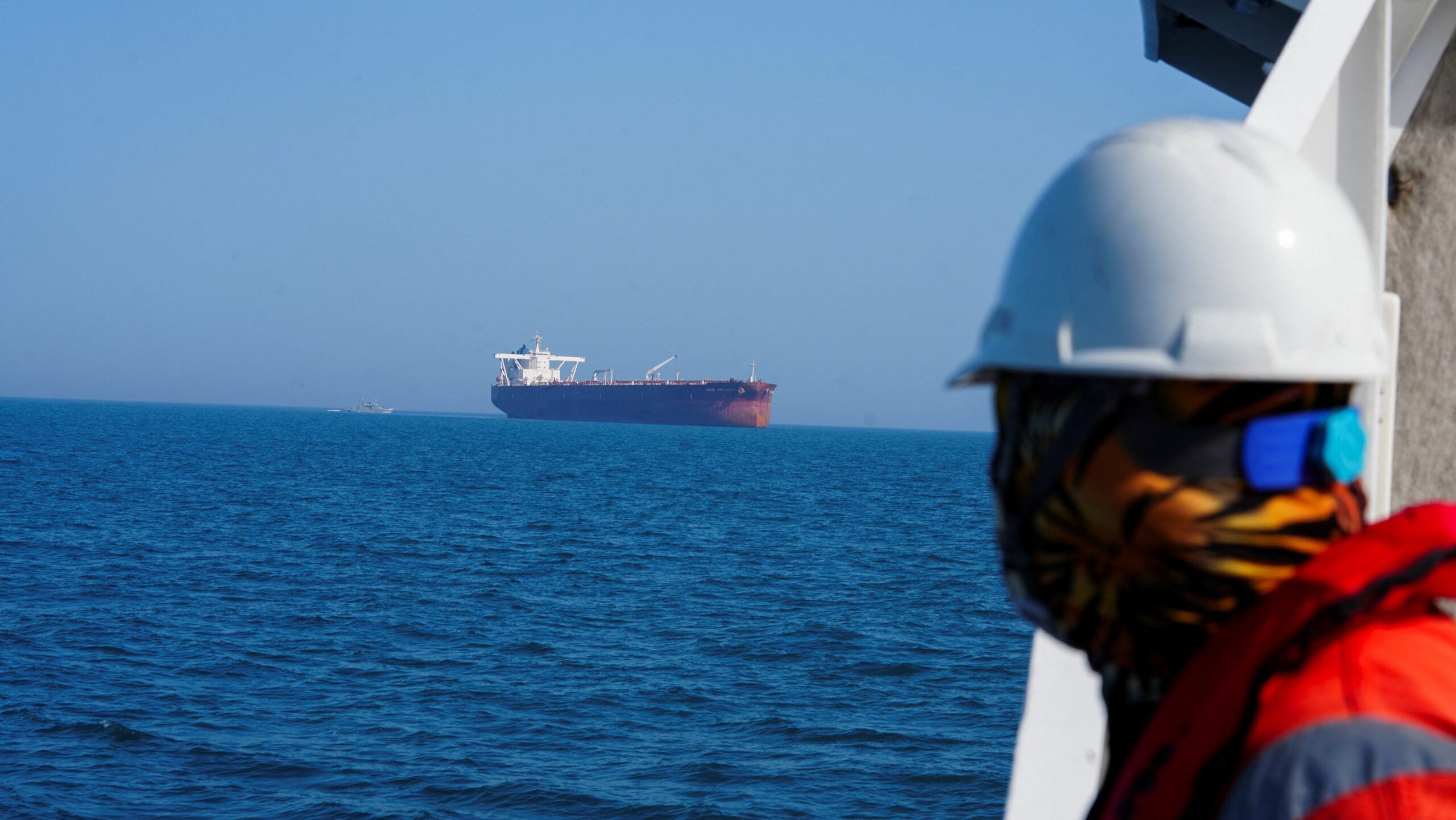
- Freight costs are very likely to remain elevated in the near term as mainstream VLCCs cautiously re-enter the Gulf, reflecting constrained but recovering flows. (Confidence: medium · ASSESSED)
- I&W: Additional VLCC charters fixed for Gulf loadings at markedly above-benchmark Worldscale quotes and more supertankers positioning inbound. (2-6 weeks)
- I&W: Cancellations of Gulf loadings and withdrawal of supertankers from inbound positions. (2-6 weeks)
- Seafarer risk remains high, with an IMO-led evacuation of more than 11,000 mariners beginning and double-digit fatalities reported to date, while movements will stay tightly controlled and may be suspended if conditions worsen. (Confidence: medium · ASSESSED)
- I&W: Further IMO instructions for vessel musters and crew movements tied to evacuation windows. (0-14 days)
- I&W: Announcement of evacuation pause or cancellation and resumption of routine crew changes at Gulf ports. (1-3 months)
- Security conditions in the West Bank are likely to deteriorate in the coming weeks as Israel reinforces and targets Iran-linked activity, including FPV drones and attack plotting. (Confidence: medium · ASSESSED)
- I&W: Arrival of two additional IDF battalions in the northern West Bank and an uptick in FPV drone confiscations and interdiction announcements. (1-3 months)
- I&W: No new IDF deployments and a decline in IDF/Shin Bet interdiction reporting. (1-3 months)
- In Gaza, the IDF is likely to continue degrading Hamas leadership and rocket infrastructure while Hamas attempts to rebuild, keeping the risk of renewed launches alive. (Confidence: medium · ASSESSED)
- I&W: Additional IDF strikes on newly constructed Hamas launch platforms and further targeted-killing announcements. (0-2 months)
- I&W: A month without reports of new rocket-site construction or leadership losses. (1-2 months)
Outlook & scenarios
Managed escalation with constrained maritime reopening (55%)
Israel, Iran tit-for-tat continues at a lower tempo after current strikes. The Lebanon front simmers under a fragile ceasefire with periodic Israeli airstrikes and Hezbollah responses. Hormuz transits gradually increase along Omani-designated routes under a no-toll framework, but navigation remains risky due to mines and GPS interference. UK-led minehunting deployments begin survey and clearance tasks, insurers stay engaged, and elevated freight rates persist as VLCCs selectively load.
Spiral escalation and renewed maritime disruption (25%)
A new Iranian long-range salvo prompts expanded Israeli strikes inside Iran and against regional proxies. The IRGC enforces its preferred routing, challenges the Omani scheme and steps up interdictions, leading to fresh damage incidents and a sharp reduction in sailings. Freight spikes further, and the IMO pauses evacuations amid worsening security.
Technical de-escalation via nuclear and navigation understandings (20%)
U.S., Iran technical talks stabilise into an arrangement that cools long-range exchanges. Oman and Iran operationalise a joint navigation working group, and European-backed minehunting verifies lanes as safe. Traffic trends upward, rates ease off peaks, and the IMO winds down evacuation operations.
Wildcard: Syrian forces enter southern Lebanon (10%)
In a low-probability development foreshadowed by Israeli planning and regional signalling, Syrian units deploy into southern Lebanon against Hezbollah. This creates a new front and raises the risk of Syrian, Israeli clashes, complicating ceasefire enforcement and drawing in external actors.
Recommendations
- Task a daily watch to log and geolocate reports of Israeli strike packages over Iran and Iranian long-range launches, and brief any deviation from recent patterns within 12 hours.
- Monitor Omani navigation notices, shipowner statements on tolls, and verified AIS tracks for convoys on the designated waypoints; flag any IRGC interdiction reports on those routes immediately.
- Establish a shipping risk dashboard tracking VLCC fixtures, Worldscale quotes and insurer posture; set tripwires to adjust corporate or interagency guidance if quotes retreat or majors withdraw tonnage.
- Coordinate with maritime desks to verify IMO evacuation instructions and muster points, and prepare contingency messaging if the programme is paused or expanded.
- Prioritise West Bank indicators: confirm the two-battalion IDF reinforcement, track FPV drone confiscations and fertiliser seizures, and watch for Shin Bet advisories on plots linked to Turkey-based operators.
- In Gaza monitoring, maintain a ledger of IDF targeted-killing claims and newly identified launch platforms to assess Hamas’ reconstitution rate and the likelihood of renewed rocket fire.
- Engage energy market analysts to align freight and flow assumptions with reported no-toll commitments and contested routing in Hormuz, and run sensitivity cases for a renewed closure attempt.
Confidence & uncertainty
Overall confidence is low because several strands of reporting mix high-reliability major media with medium and blog sources, casualty figures for mariners conflict, and timelines in the dataset include older episodes alongside current events. Maritime reporting on traffic volumes and evacuation scales is partly based on single outlets and contains internal discrepancies, and some policy references rely on statements rather than verifiable implementation. The core assessments on interstate strikes and ongoing Lebanon hostilities rest on multiple corroborating reports, but uncertainties around Hormuz governance, shipping risk and forward political dynamics reduce aggregate confidence.
Alternative analysis (red cell)
The reporting includes several extraordinary or internally inconsistent assertions (for example, claims 97e39270 and 00963652) and a number of single-source items without geospatial, SIGINT, or documentary corroboration. A more cautious estimate is defensible: the pattern is of episodic strikes, naval skirmishes, and contested, selective transits rather than clear evidence of sustained, large-scale interstate warfare or an organized, managed reopening of the Strait. Additional ISR, official confirmations, and forensic attribution are required to validate the brief's highest-confidence judgments.
Intelligence gaps
- [EEI 1.1 · PARTIAL] Number, type, launch times, and trajectories of ballistic missiles, cruise missiles, armed UAV strikes, and combat-air sorties launched by Iranian or Israeli forces toward the other's territory or forward bases within a 72-hour window. Recommended collection: signals/intel
- [EEI 1.2 · PARTIAL] Observable changes in Israeli and Iranian force posture: mobilization or reserve call-up orders, unit road/rail movements, dispersal or sortie rates of air squadrons, redeployment of air-defense batteries, and activation of civil-defense alerts or sirens in major population centers. Recommended collection: open-source/media
- [EEI 2.1 · PARTIAL] Counts, launch locations (coordinates), weapons types, and assessed damage from rocket/missile/drone strikes originating from Lebanon into northern Israel attributed to Hezbollah or allied groups. Recommended collection: open-source/media
- [EEI 2.2 · UNCOVERED] Reported attacks by Iranian-backed militias in Iraq and Syria: rocket/IED strikes on bases hosting US/coalition or Israeli personnel, documented militia unit movements toward borders, and captured movement or transfer of weapons systems to forward militia positions. Recommended collection: human
Cited sources
[1] Macgregor Show · Macgregor: Israel Launches 200 Jets on Iran, US Israel Hit 12 Iranian Boats (B) · sha256:d62387e77ae1 [2] Wikipedia · Reactions to the 2026 Iran war (B) · sha256:44a3532ec705 [3] BBC · Here's how Rubio's Mideast trip could affect the Iran deal (A) · sha256:4590b8dc24c5 [4] gcaptain.com · Marine Insurers Back Hormuz Peace Deal as Trump Says Iran Seeking 'No Tolls' (C) · sha256:31a5a1b7a5de [5] gcaptain.com · More Stranded Oil Tankers Exit Hormuz, Adding to Global Supply (B) · sha256:f90133504d9e [6] gcaptain.com · IMO Tells Ships to Stay Put, Await Instructions as Hormuz Evacuation Begins (B) · sha256:57e32fadd44a [7] cbsnews.com · U.S.-Iran Updates: Nuclear site inspections will happen, but timing "not essential," IAEA chief says (A) · sha256:d960412e1d92 [8] maritime-executive.com · IRGC Navy Rejects Oman's Safe-Passage Plan for Strait of Hormuz (B) · sha256:7f909794db48 [9] maritime-executive.com · Strait of Hormuz Traffic is Rising, and Oil Prices are Plummeting (B) · sha256:81a343afce81 [10] maritime-executive.com · GPS Jamming Can Be Solved With Existing Satcom Signals (B) · sha256:22ad4593586c [11] gcaptain.com · Oil Tanker Booked in Persian Gulf at 897% of Benchmark Rate (B) · sha256:e108c3468655 [12] maritime-executive.com · Carrying the Risk: What Protects Seafarers in a War Zone? (C) · sha256:7962e6381cfa [13] ynetnews.com · Israel warns Iran covertly shifting terror focus to West Bank (B) · sha256:a964ff2f0e34 [14] jpost.com · WATCH: IDF strikes four new Hamas rocket-firing positions built in Gaza post-ceasefire (B) · sha256:db9c9734d8d6
Source content hashes were computed at collection time; the cited text is preserved unmodified for the life of this product.
Red cell review: PARTIAL DISSENT
TLP:CLEAR