TLP:CLEAR · Disclosure is not limited.
Iran, Israel SITREP: Doha talks proceed as Tehran asserts Hormuz control; Lebanon coordination intensifies; Gaza civilian squeeze deepens
Time window: Last 1 day · Audience: General analyst · Type: Situation report · DTG: 2026-07-02 01:14Z · Overall confidence: LOW
BLUF
Tehran is engaging via mediators in Doha while signalling an immediate response to any threat, keeping escalation risks high. Traffic through the Strait of Hormuz has only partially resumed as Iran asserts control, and Israel, US coordination on Lebanese Army deployments is advancing but unlikely to neutralise Hezbollah. Gaza’s civilian space is shrinking under expanding access restrictions.
Executive summary
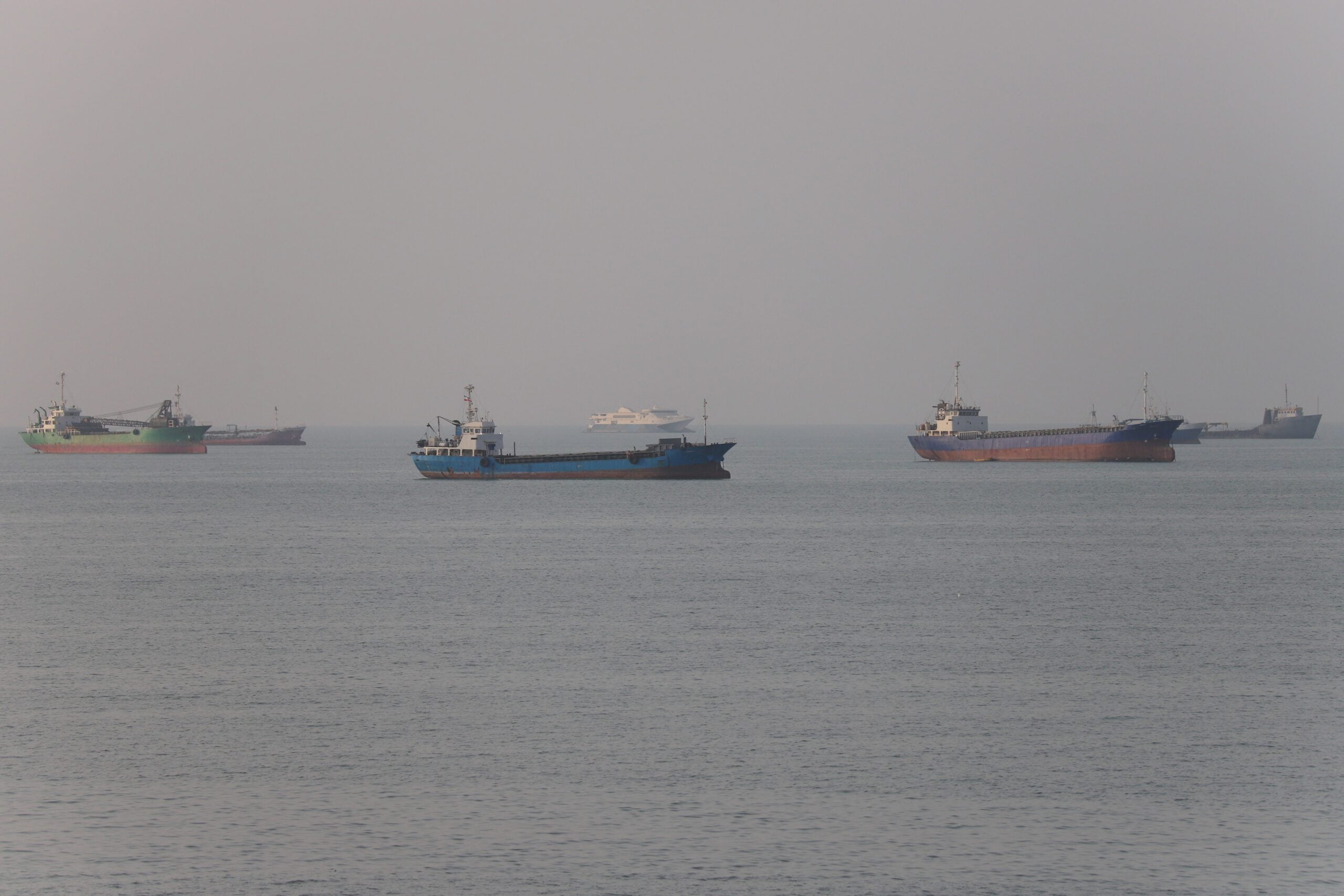
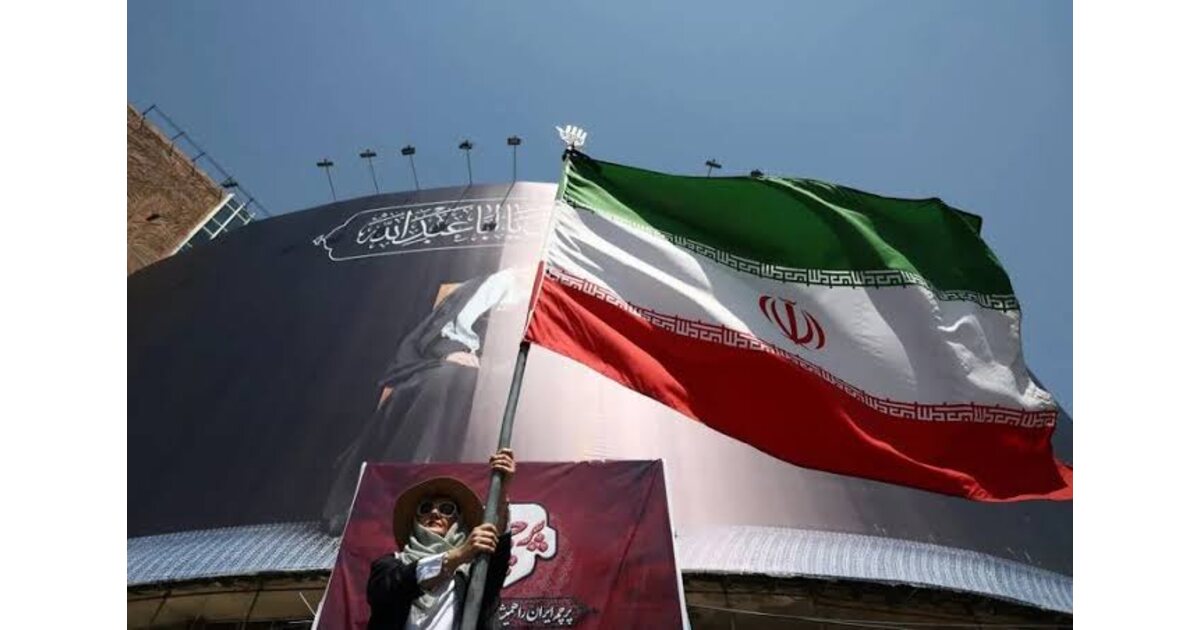
Indirect US, Iran talks in Doha are active through Qatari mediation and Iranian interagency delegations, with Tehran prioritising Hormuz transit management and access to $6 billion in frozen assets. Iran has warned of an immediate response to threats as Israel’s leadership signals readiness to resume strikes. Shipping through the Strait of Hormuz has partially resumed, but Iran is demanding coordination, has warned against unauthorised routes, and reported an aground incident, keeping maritime risk elevated even as UKMTO noted no new incidents at a point in time. In Lebanon, Israeli and US officials are pushing plans for Lebanese Army deployments in the south, though the IDF questions the Army’s ability to contain Hezbollah. In Gaza, UN reporting shows access-restricted areas now cover about 65 percent of land amid displacement and disease spread.
Change from previous assessment
Compared with the prior brief, there is new reporting of indirect US, Iran engagement in Doha focused on Hormuz and frozen assets, alongside Tehran’s explicit threat of an immediate response to any perceived threat. Maritime conditions in the Strait of Hormuz show partial resumption of traffic under Iranian warnings and reported fee demands, while a vessel ran aground on an unauthorised route. Israel, US coordination on Lebanese Army deployments advanced with a senior meeting on 1 July, though IDF scepticism persists. Off Yemen, an illegal boarding and a second suspicious approach indicate continued Red Sea risks. UN reporting quantifies Gaza access‑restricted areas at about 65 percent with ongoing disease spread. Confidence on a near‑term diplomatic breakthrough has been trimmed given leadership scepticism and denials of direct talks.
Key judgments
- Likely the Iran, Israel conflict remains volatile under a fragile ceasefire: Israel is poised to resume air operations and Iran has vowed an immediate powerful response to any threat. (Confidence: medium · ASSESSED)
- I&W: Israeli leadership issues an execute order and Israeli Air Force strike packages are publicly reported targeting Iranian territory or senior IRGC assets. (0-14 days)
- I&W: A public Doha readout announces a restraint arrangement with reciprocal stand‑down language from Tehran and Jerusalem. (0-14 days)
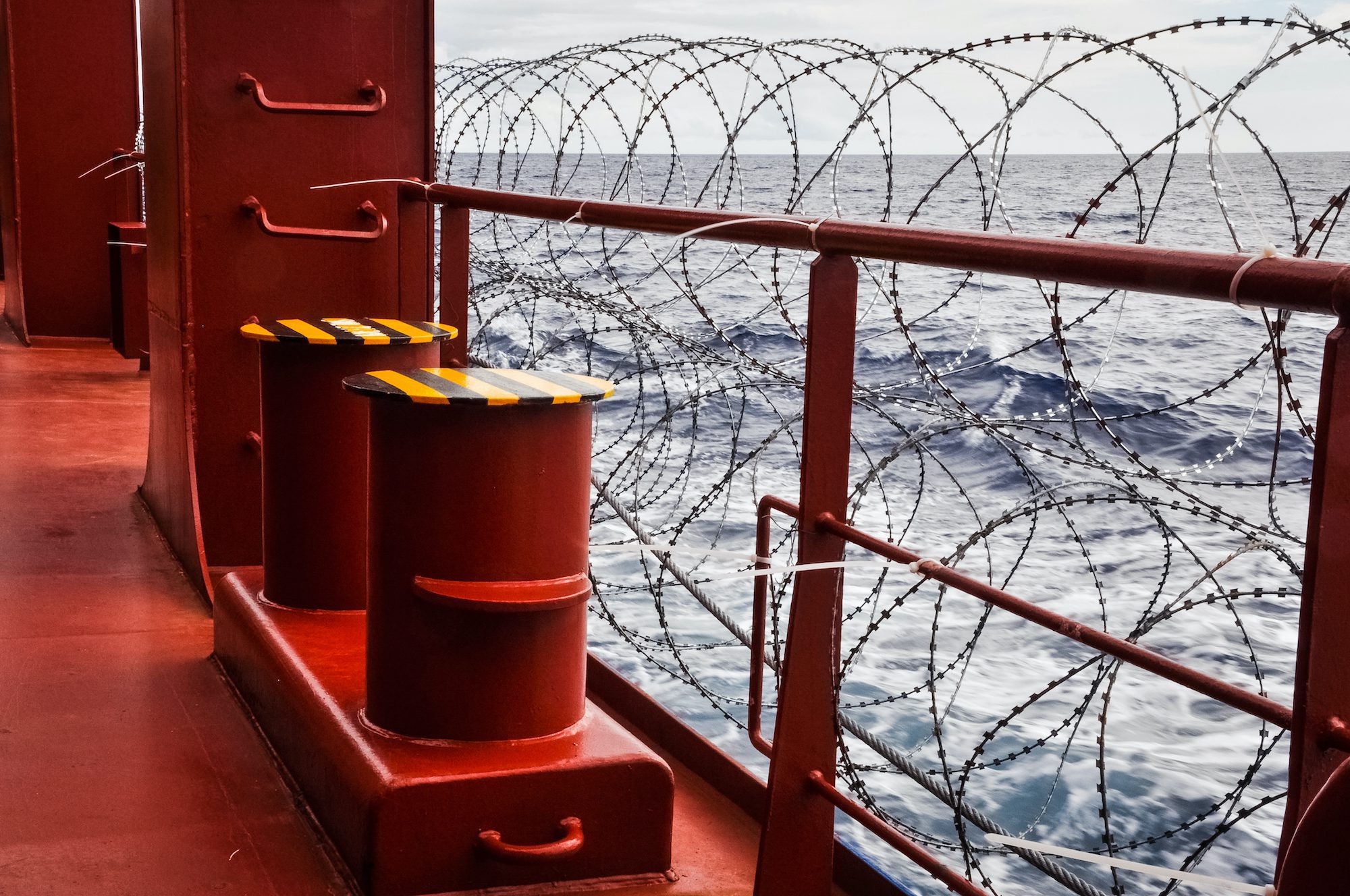
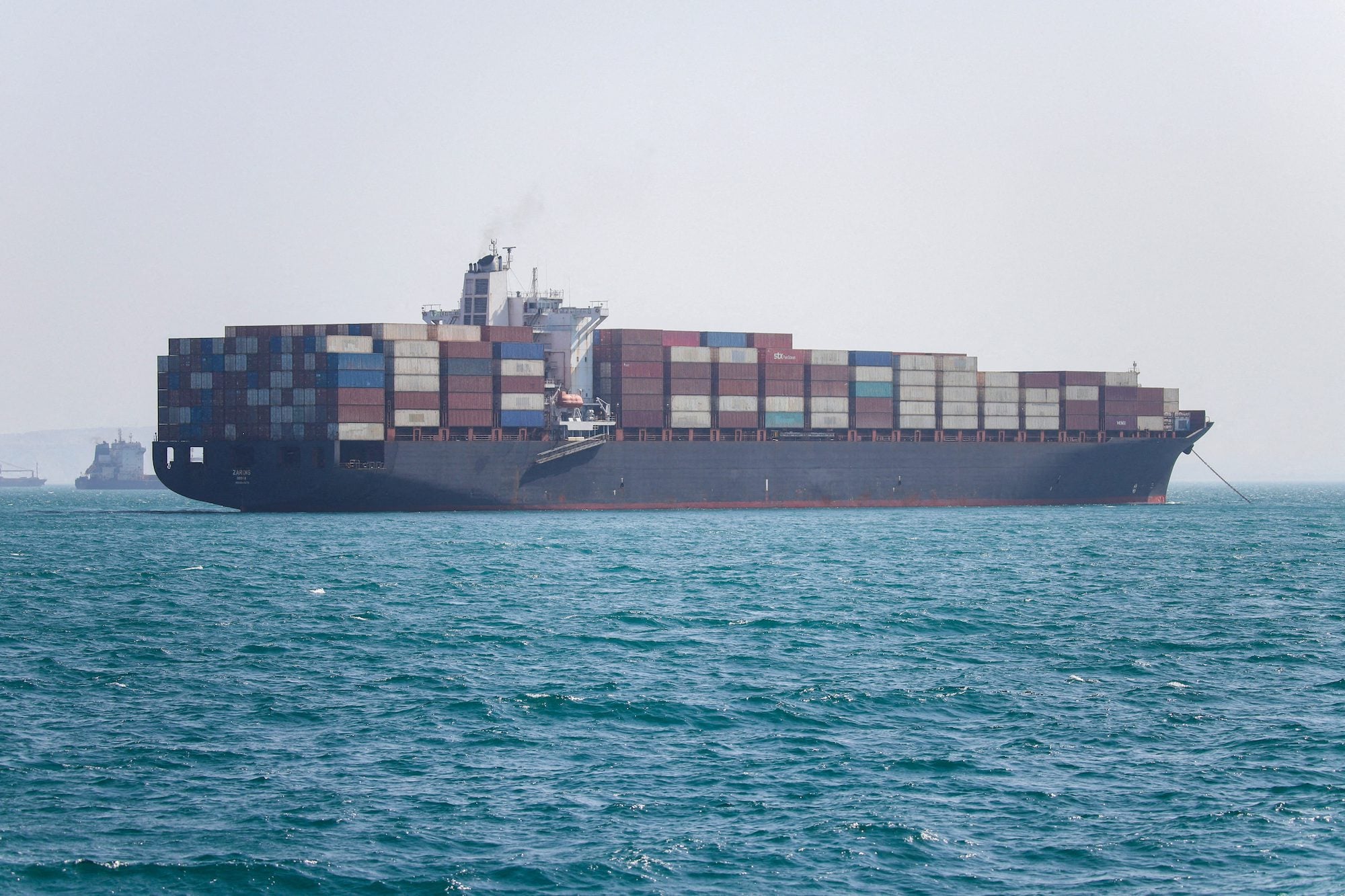
- Likely the Strait of Hormuz is only partially reopened and remains high‑risk, as Iran asserts control by demanding coordination and reported fee demands while citing an aground case on an unauthorised route. (Confidence: high · REPORTED)
- I&W: Shipowners or P&I clubs publish copies of Iranian transit fee or coordination invoices tied to Hormuz passage. (0-14 days)
- I&W: UKMTO and major tanker operators report one month of unimpeded transits without new Iranian coordination notices or safety warnings. (1-3 months)
- Likely Israel, US coordination to expand Lebanese Army deployments in southern Lebanon is intensifying, but IDF scepticism suggests such deployments will not decisively constrain Hezbollah in the near term. (Confidence: medium · ASSESSED)
- I&W: The Lebanese Armed Forces issue public orders detailing redeployments to new sectors in southern Lebanon coordinated with US, Israel liaison mechanisms. (0-14 days)
- I&W: Sustained declines in Hezbollah rocket or anti‑tank launches are recorded for at least 30 consecutive days following LAF deployment. (1-3 months)
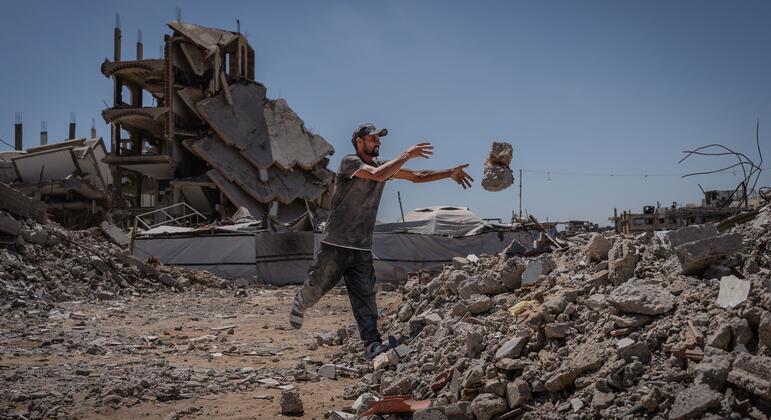
- Almost certainly Gaza’s civilian space and health conditions are deteriorating as access‑restricted areas expand and displacement continues alongside disease spread. (Confidence: high · REPORTED)
- I&W: UN OCHA or WHO issue updates showing a higher percentage of access‑restricted land or rising incidence of acute watery diarrhoea. (0-14 days)
- I&W: Israeli authorities publicly ease access controls in specified areas and UN reporting records sustained reductions in new displacement. (1-3 months)
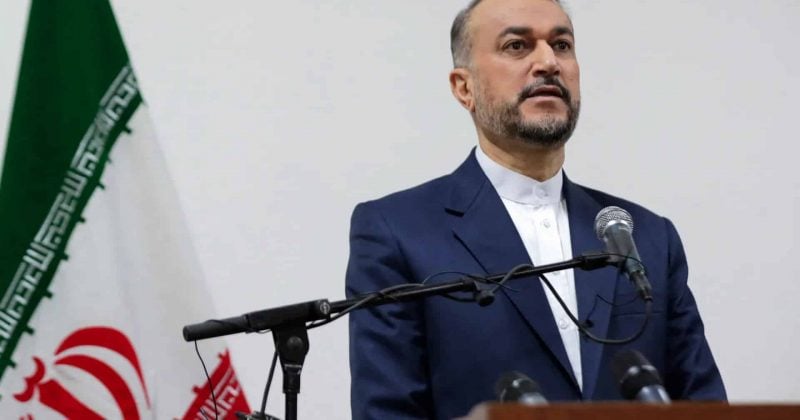
- There is a roughly even chance that Doha’s indirect channel yields a limited technical arrangement on Hormuz management and an initial asset release, but leadership scepticism in Tehran and denials of direct talks constrain momentum. (Confidence: medium · ASSESSED)
- I&W: Qatar announces agreed shipping procedures or the US confirms movement on a portion of the $6 billion in frozen funds. (0-14 days)
- I&W: Iranian MFA issues a statement suspending participation in Doha engagement or setting new preconditions. (0-14 days)
- Likely maritime security threats off Yemen will persist, with illegal boardings and suspicious approaches indicating ongoing risk on the Red Sea and Gulf of Aden routes independent of Hormuz dynamics. (Confidence: high · REPORTED)
- I&W: UKMTO reports additional illegal boardings within 100 nautical miles of Balhaf. (0-14 days)
- I&W: Coalition navies announce an escort or convoy regime in the Bab el Mandeb with a month of reduced incident reporting. (1-3 months)
Outlook & scenarios
Managed de‑confliction: limited Hormuz arrangement and initial asset release (40%)
Through Qatari mediation, Washington and Tehran agree technical procedures for Hormuz traffic and a first tranche of frozen funds is released. Shipping stabilises at higher volumes under coordination protocols while broader political issues remain unresolved. This aligns with the focus on strait management and assets in Doha and Iran’s delegation‑level engagement.
Grinding confrontation: low‑intensity strikes, partial shipping recovery, and contested borders (60%)
The fragile ceasefire holds unevenly while both sides posture for rapid escalation. Hormuz traffic remains only partially restored under Iranian warnings, Gaza’s humanitarian conditions worsen, and Israel, US coordination on Lebanese Army deployments does not significantly reduce Hezbollah activity. Maritime risk stays elevated across Hormuz and the Red Sea.
Sharp escalation trigger: strike or maritime clash prompts rapid regional flare‑up (25%)
An Israeli strike or perceived threat to Iranian leadership prompts an immediate Iranian response, or an IRGCN enforcement action in Hormuz escalates into a standoff. Shipping disruptions spike, Doha talks stall, and cross‑border attacks rise. US commitments to ensure free flow through Hormuz bring intensified military signalling.
Recommendations
- Task maritime watch to collect and archive primary documentation of any Iranian transit fee or coordination demands for Hormuz, including invoices, pilotage instructions, or VHF logs, and correlate with UKMTO advisories.
- Set a daily checkpoint with Doha‑based reporting to track mediator readouts, Iranian MFA statements, and any public movement on the $6 billion assets; flag any shift from indirect to direct engagement or vice versa.
- Build a geospatial tracker of Lebanese Army redeployments in southern Lebanon using official communiqués and open imagery; correlate with Hezbollah launch activity to assess effects on cross‑border fire.
- Maintain a Red Sea risk ledger mapping UKMTO reports of boardings and suspicious approaches near Balhaf with AIS and citadel activations; update insurer and shipowner risk indicators weekly.
- Expand Gaza humanitarian monitoring using UN OCHA and WHO updates to quantify access‑restricted land, displacement, and disease incidence; brief decision‑makers on potential spillover risks to regional stability.
- Establish tripwire alerts for public Israeli execute‑order language or Iranian ‘immediate response’ restatements tied to specific triggers; pre‑draft short‑form assessments for rapid dissemination within 2 hours of activation.
- Coordinate with economic analysts to track market‑implied odds of US, Iran diplomatic milestones and relate movements to concrete diplomatic or maritime events, not commentary alone.
- Prepare a short primer on legal and operational implications of Iranian ‘coordination’ vs ‘tolls’ language in Hormuz to support rapid policy options analysis if fee collection attempts proliferate.
Confidence & uncertainty
Overall confidence is low due to conflicting timelines and attribution across multiple strands of reporting on talks, ceasefire status and maritime dynamics, plus reliance on some single‑source and commentary‑based claims. Doha engagement is well attested yet accompanied by Iranian denials of direct talks, and Hormuz reporting mixes partial resumption with assertions of control and fee demands. Several high‑quality multilateral and major‑media sources support humanitarian and maritime points, but key escalation pathways and prospective agreements rest on indirect sourcing and market inference, leaving material uncertainty.
Alternative analysis (red cell)
Current reporting appears to reflect a mix of political signaling and isolated tactical incidents rather than clear, corroborated operational shifts. A sober alternative estimate is that leaders are posturing to maintain deterrence and bargaining leverage, lower‑level diplomatic contacts remain active but constrained, and maritime incidents require trend confirmation before concluding sustained escalation or persistent threat.
Intelligence gaps
- [EEI 1.1 · PARTIAL] Observed repositioning, sustained increases, or new forward basing of Iranian conventional or IRGC forces (armored units, missile batteries, aircraft, naval vessels) toward borders or regional launch points. Recommended collection: IMINT/satellite
- [EEI 1.2 · UNCOVERED] Hezbollah or other Iran-aligned proxy forces conducting mass mobilization, visible rocket/artillery emplacements, cross-border firing incidents, or preparations for cross-border operations from Lebanon, Syria, Iraq or Yemen. Recommended collection: HUMINT/ground ISR
- [EEI 1.3 · UNCOVERED] Detection of increased missile/rocket/torpedo launch events attributable to Iran, Israel, or proxies (launch signatures, trajectories, impact points) indicating a sustained campaign rather than isolated strikes. Recommended collection: SIGINT/IMINT/air-defense radar
- [EEI 1.4 · UNCOVERED] Interdicted or observed shipments (air, sea, land manifests, seizures, satellite imagery of transfers) of advanced weapons or missile components from Iran toward proxy groups or forward staging points. Recommended collection: maritime/AIS
- [EEI 2.1 · UNCOVERED] Satellite or on-the-ground imagery showing fires, damage, or operational shutdown at major oil export facilities, refineries, storage terminals, or key pipeline infrastructure in the Gulf and Red Sea. Recommended collection: IMINT/satellite
- [EEI 2.4 · UNCOVERED] Rapid increases in war-risk insurance premiums for Middle East routes, shipping company advisories to avoid region, or major charter cancellations tied to the conflict. Recommended collection: financial/open-source
- [EEI 3.1 · PARTIAL] Movement/arrival of major foreign military assets into the region: U.S. carrier strike groups, amphibious ready groups, strategic bomber flights, Russian/Chinese naval taskings, or allied expeditionary units (visible in AIS, NOTAMs, satellite imagery, official releases). Recommended collection: IMINT/satellite
- [EEI 3.3 · UNCOVERED] Embassy evacuations, large-scale personnel movements, issuance of government travel bans/advisories, or multinational security alerts affecting foreign nationals and diplomatic posture in the region. Recommended collection: diplomatic/open-source
Cited sources
[1] cryptobriefing.com · Iran warns of immediate response amid US-Israel tensions (B) · sha256:caa2d021f496 [2] aljazeera.com · What military capabilities does Iran possess as it negotiates with US? (A) · sha256:18f99b869584 [3] gcaptain.com · US and Iran Enter Technical Talks to Secure Peace Deal, Shipping Restart (A) · sha256:2bcdd49fc005 [4] globalvillagespace.com · Iran rejects direct talks with U envoys, clouding prospects for peace deal (B) · sha256:5054121963a3 [5] gcaptain.com · Iran Says Ship Ran Aground in ‘Unauthorized’ Hormuz Transit (B) · sha256:fab0791b37bd [6] The Jerusalem Post · Zamir, Gen. Clearfield meet to promote Lebanon coordination mechanisms - exclusive (B) · sha256:cea6948962e1 [7] United Nations · Expanding areas under Israeli control in Gaza increase risks to civilians, UN warns (A) · sha256:b9775900f7da [8] CNN · US, Iranian officials hold indirect, lower-level talks in Doha, source says | CNN (A) · sha256:fa89a701bb06 [9] Al Jazeera · US-Iran negotiations: What’s the latest? (A) · sha256:08118f448d9e [10] gcaptain.com · Armed Boarders Damage Merchant Ship Off Yemen as Second Vessel Reports Suspicious Approach (B) · sha256:a7e2b7ab56c8
Source content hashes were computed at collection time; the cited text is preserved unmodified for the life of this product.
Red cell review: PARTIAL DISSENT
TLP:CLEAR