TLP:CLEAR · Disclosure is not limited.
Iran, Israel standoff: hardening rhetoric, Doha talks and maritime risks
Time window: Last 1 day · Audience: General analyst · Type: Situation report · DTG: 2026-07-02 07:12Z · Overall confidence: MEDIUM
BLUF
Public threats from Tehran and Jerusalem, plus Israel’s stated readiness to strike, make renewed limited hostilities likely even as indirect US, Iran technical talks continue in Doha. Iran is very likely to keep enforcing routing control in the Strait of Hormuz, while illegal boardings off Yemen show regional shipping will remain at risk over the next two weeks.
Executive summary
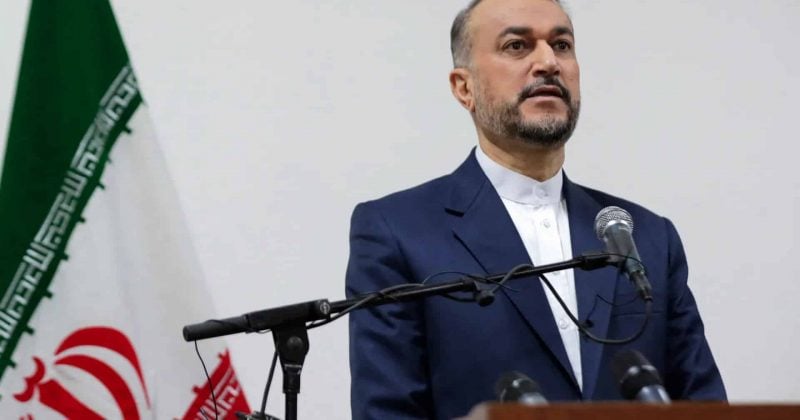
Iranian Foreign Minister Abbas Araghchi threatened an immediate powerful response and to “school” Israel as Israel’s defence leadership signalled targets are selected and jets await orders, against the backdrop of a fragile ceasefire after extensive US and Israeli strikes in Iran. In parallel, Washington and Tehran are engaging via indirect technical channels in Doha focused on shipping and ceasefire mechanics, though Tehran publicly denies direct talks and scepticism within Iran’s leadership persists. At sea, Iran is enforcing routing in the Strait of Hormuz and publicising groundings on unauthorised lanes as traffic partially resumes, while armed boarders damaged a merchant vessel off Yemen near Balhaf and a second tanker reported a close approach hours later. A strategic disconnect endures: Israel frames Iran as existential and is preparing for long-war demands, while Washington prioritises the Indo‑Pacific and views a prolonged Middle East war as counterproductive.
Change from previous assessment
Since the prior brief, public rhetoric has hardened: Abbas Araghchi threatened an immediate powerful response and to “school” Israel, and Israel’s defence leadership said targets are selected and jets await orders. Indirect US, Iran technical engagement in Doha is now better evidenced despite Tehran’s denial of direct talks, and Iranian leadership scepticism toward the MoU is reported. At sea, Iran highlighted a container ship grounding on an unauthorised route and reiterated routing warnings in Hormuz, while an illegal armed boarding off Yemen near Balhaf and a second suspicious approach confirm elevated Gulf of Aden risk. Assessment confidence is unchanged at medium, but indicators for a short‑notice strike window have strengthened. Initial assessment of this topic’s detailed indicators and tripwires is provided here.
Key judgments
- Renewed limited hostilities between Israel and Iran are likely in the near term despite the memorandum’s prohibitions, given explicit Iranian threats of an immediate response and to “school” Israel, Israel’s declaration that targets are selected and jets await orders, and the recent scale of US and Israeli strikes under a still‑fragile ceasefire. (Confidence: medium · ASSESSED)
- I&W: Israeli Air Force strike packages detected en route to Iranian airspace or official confirmation of resumption of operations named in the MoU. (0-14 days)
- I&W: Public joint statement from Doha detailing MoU implementation steps, including mutual stand‑down of Operation Epic Fury and Operation Roaring Lion. (0-14 days)
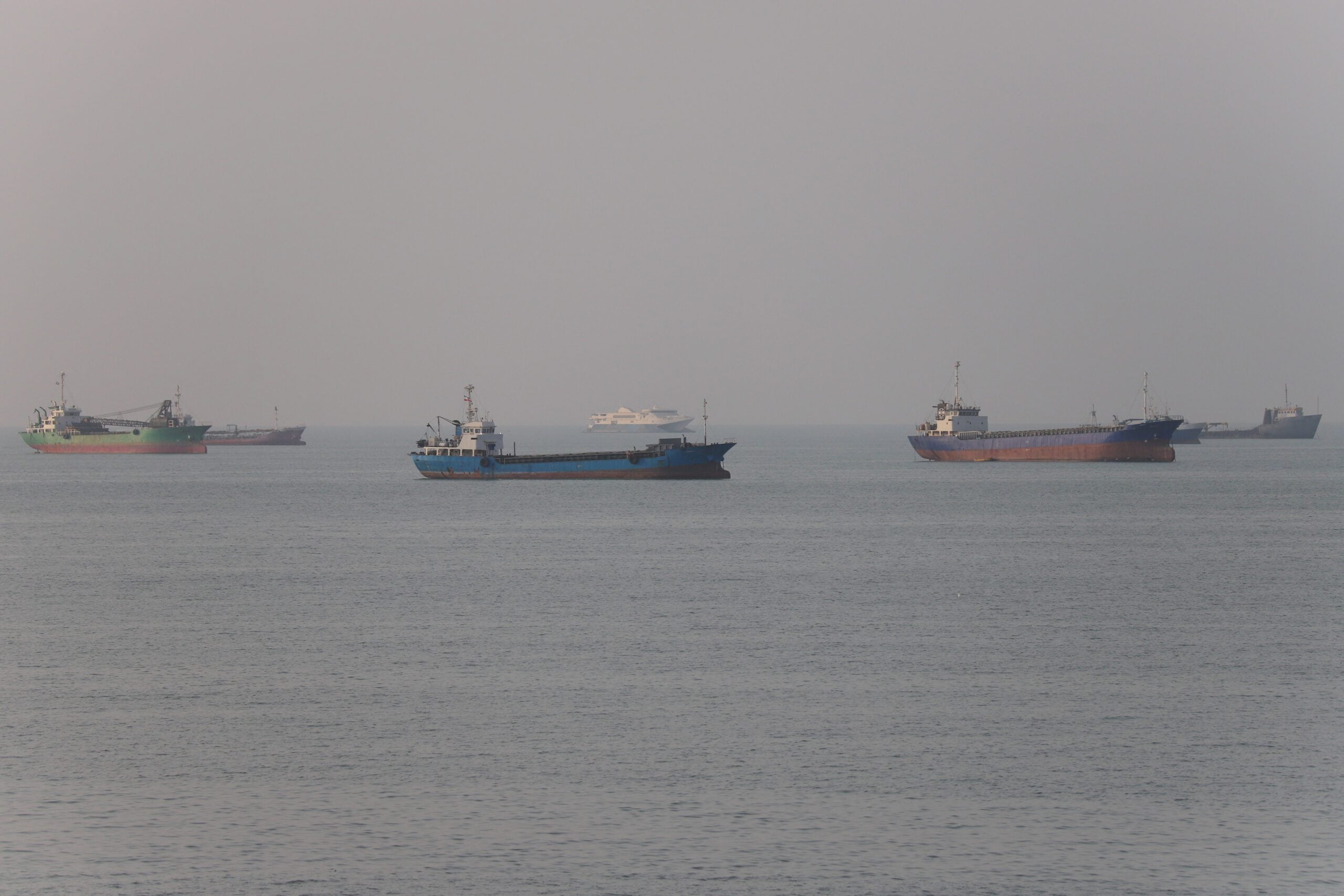
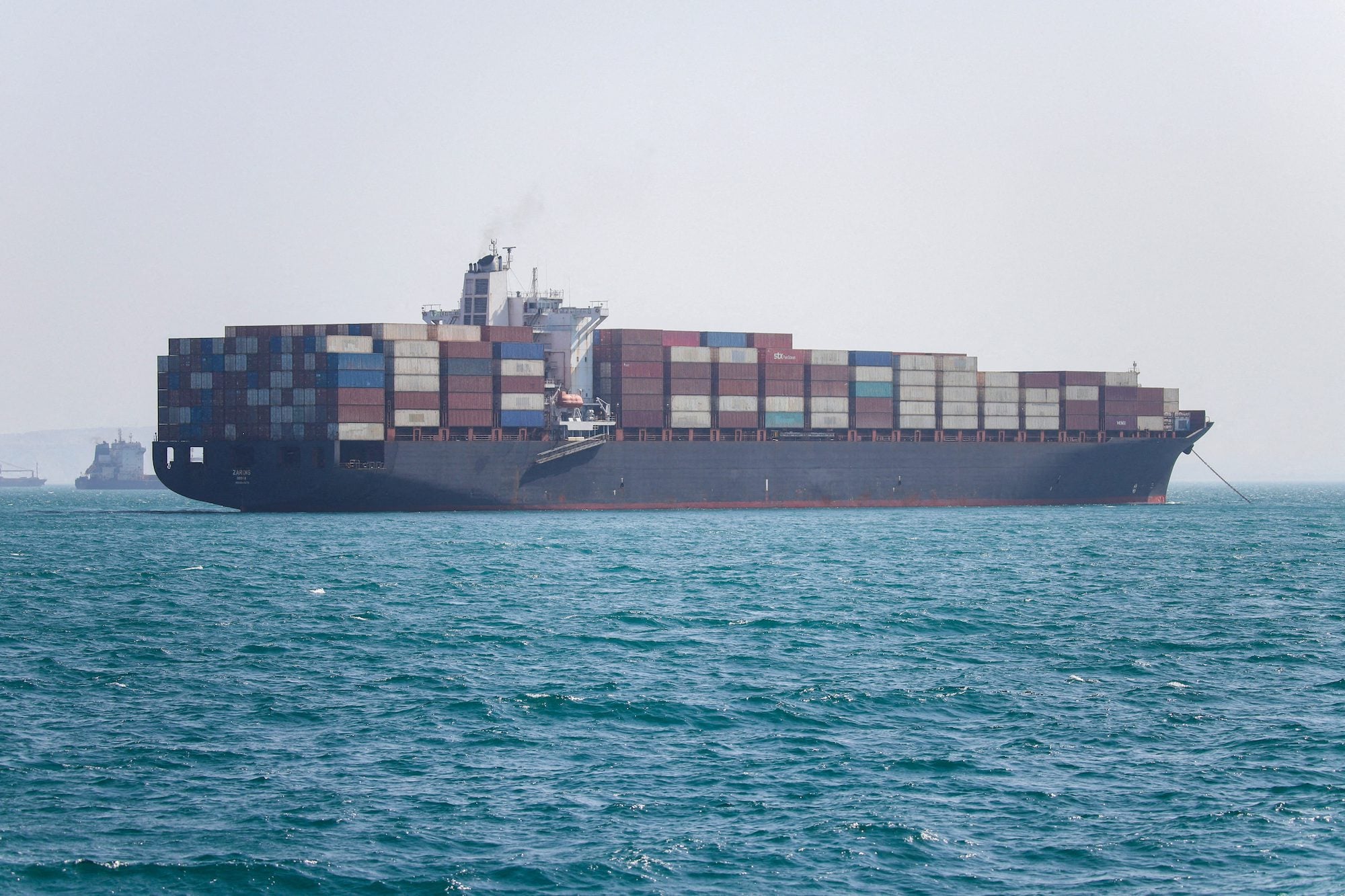
- Iran will very likely continue to enforce routing control and test economic leverage over shipping in the Strait of Hormuz over the next month, keeping compliance and grounding risks elevated even as traffic partially resumes and incident reports remain intermittent. (Confidence: medium · ASSESSED)
- I&W: Iranian authorities or IRGC Navy issue new routing directives or penalties for unauthorised lanes in Hormuz, or additional groundings reported by Iranian media. (0-14 days)
- I&W: Qatar announces a shipping‑flow protocol agreed by Washington and Tehran setting out routing and fee terms. (1-3 months)
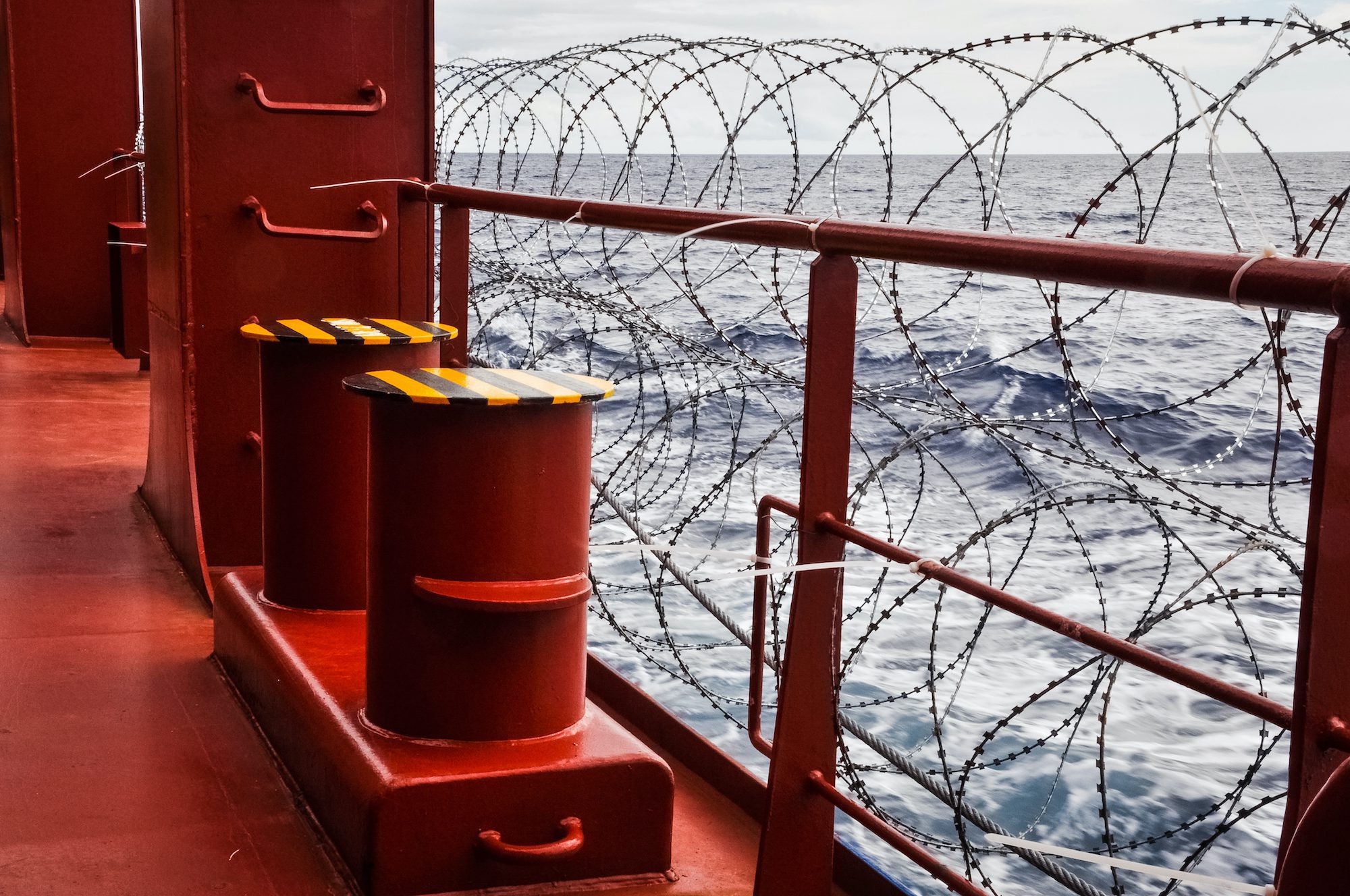
- Maritime threats off Yemen near Balhaf are very likely to persist in the next two weeks after an illegal armed boarding damaged a merchant ship and another tanker reported a close approach hours later, with crews sheltering in citadels and UKMTO advising caution. (Confidence: high · REPORTED)
- I&W: UKMTO advisories of illegal boardings or close approaches 70-90 nm south of Balhaf. (0-14 days)
- I&W: Two consecutive weeks without UKMTO reports of boardings or suspicious approaches in the Balhaf sector. (0-14 days)
- US, Iran engagement is likely to continue at an indirect, technical level in Doha focused on shipping and ceasefire mechanics, but public denials of direct talks and growing scepticism within Iran make substantial breakthroughs unlikely in the short term. (Confidence: medium · ASSESSED)
- I&W: Official readout from Qatar naming working groups on Hormuz management or ceasefire monitoring. (0-14 days)
- I&W: Tehran or Washington publicly declares suspension of the Doha channel. (0-14 days)
- A strategic disconnect between Israel and the United States is very likely to constrain escalation management: Israel frames Iran as an existential danger and is preparing for a long war and tailored force build‑up with preselected target sets, while Washington prioritises China and views a prolonged Middle East war as counterproductive. (Confidence: high · ASSESSED)
- I&W: Israel announces unilateral kinetic action without explicit US endorsement, or US public messaging reprioritises the Indo‑Pacific while urging Israeli restraint. (1-3 months)
- I&W: Joint US, Israel statement aligns red lines and timelines for responses to Iran. (1-3 months)
- Iran is likely operating under post‑war constraints that temper near‑term regional escalation: Tehran is focused on internal reorganisation and cannot quickly recoup losses, Iranian‑linked factions in Syria have weaker capabilities and are avoiding open war, and Iran’s influence along the Syrian route to Lebanon has diminished. (Confidence: medium · ASSESSED)
- I&W: Open‑source reporting shows Iranian‑linked militias in Syria maintaining a low operating tempo and avoiding cross‑border fires. (1-3 months)
- I&W: Iranian‑linked factions in Syria claim or are attributed with a sustained series of missile or rocket attacks into Israel. (0-14 days)
- Organised crime violence inside Israel, including car bombings and shootings and a recent suspected assassination by car explosion in the north, is very likely to continue straining internal security and prompting calls for emergency authorities. (Confidence: high · REPORTED)
- I&W: Knesset advances dedicated anti‑organised‑crime legislation or emergency powers. (1-3 months)
- I&W: Police tallies show weekly vehicle‑bomb incidents remain elevated or increase. (1-3 months)
Outlook & scenarios
Doha channel holds, contested waterways are managed (40%)
Indirect technical talks in Doha continue, producing a working‑level protocol on shipping flow in the Strait of Hormuz and maintaining the fragile ceasefire’s mechanics. Iran continues to police routing but incidents are contained and traffic gradually increases. Rhetoric remains harsh on both sides, but major kinetic actions are deferred while implementation steps are tested.
Tit‑for‑tat flare‑up under a fragile ceasefire (35%)
Public threats and force postures translate into a limited exchange of strikes or intercepts, calibrated to avoid full collapse of the ceasefire language. Israel executes preselected target sets and Iran responds with time‑bound retaliation, then both sides signal de‑escalation to preserve space for mediators in Doha. Maritime risk rises temporarily but trade continues with rerouting.
Hormuz flashpoint triggers renewed shipping disruption (25%)
IRGC Navy enforcement of authorised lanes and fee demands culminates in a detention or another highly publicised grounding on an unauthorised route, prompting temporary pauses in transits and higher insurance premiums. Technical talks stall as Tehran doubles down on control rhetoric, and Washington increases naval presence and advisories to commercial operators.
Recommendations
- Stand up a daily indicator watchboard keyed to the Doha process: track official readouts from Qatar, meeting activity by Iran’s deputy foreign minister in Doha, and any public MoU implementation steps related to ceasefire and shipping.
- Task maritime monitoring to log and geo‑reference all Iranian routing warnings, reported groundings and UKMTO advisories within the Strait of Hormuz and the Balhaf‑adjacent box 70-90 nm south of Yemen; fuse with AIS to flag vessels deviating from the authorised lane.
- Engage commercial shipping analysts to brief on compliance options for Hormuz transits, including lane adherence and documentation in case of Iranian fee demands, and to prepare rerouting contingencies if enforcement intensifies.
- Catalogue and timeline leadership statements from Abbas Araghchi and Israel Katz alongside Israeli force‑readiness cues to refine triggers for a strike window; integrate with air activity OSINT to detect outbound packages early.
- Assess escalation‑management gaps from the US, Israel strategic disconnect: identify decision points where Israeli unilateral action is most likely to outpace US preferences, and prepare messaging and liaison channels to reduce misinterpretation.
- Maintain collection on Iranian‑linked factions in Syria, focusing on indicators of shifts from avoidance of open war to cross‑border fires; update risk maps for Golan, Damascus corridor and Syrian‑Lebanese routes accordingly.
- Coordinate with law‑enforcement OSINT on Israeli organised‑crime bombings to gauge potential drag on domestic security capacity during a regional flare‑up; track any emergency legal measures that could affect civil‑military dynamics.
Confidence & uncertainty
Overall confidence is medium. Several key elements rest on multiple, mutually reinforcing major‑media reports, including Iranian threats and Israeli readiness statements, the history of large‑scale strikes and the fragile ceasefire, Iran’s enforcement posture in the Strait of Hormuz and the illegal boarding off Yemen. However, there are unresolved contradictions and gaps: reporting on US, Iran talks mixes confirmed indirect technical engagement with Tehran’s public denial of direct talks and noted scepticism within Iran’s leadership, and Hormuz governance includes medium‑confidence claims on fee demands alongside high‑confidence routing warnings and a reported grounding. These factors, plus the absence of detailed operational corroboration for near‑term strike timing, keep the assessment at medium.
Alternative analysis (red cell)
While rhetoric, discrete violent incidents, and technical diplomacy increase friction and short‑term risk, the claims ledger lacks multiple independent operational indicators (mobilization orders, ISR showing forces staged, sustained interdictions, financial logs) required to conclude that near‑term, sustained escalation is the most probable outcome. A plausible alternative is that current dynamics reflect political signaling, localized criminal/piracy activity, and limited technical talks that could produce episodic disruption without necessarily triggering sustained cross‑border hostilities in the immediate term.
Intelligence gaps
- [EEI 1.1 · UNCOVERED] Number, type, launch times, and trajectories of ballistic missiles, cruise missiles, armed UAV strikes, and combat-air sorties launched by Iranian or Israeli forces toward the other's territory or forward bases within a 72-hour window. Recommended collection: signals/intel
- [EEI 1.2 · PARTIAL] Observable changes in Israeli and Iranian force posture: mobilization or reserve call-up orders, unit road/rail movements, dispersal or sortie rates of air squadrons, redeployment of air-defense batteries, and activation of civil-defense alerts or sirens in major population centers. Recommended collection: open-source/media
- [EEI 1.3 · PARTIAL] Indications of strike authorization or targeting preparations in Iranian or Israeli command chains: authenticated public orders by senior commanders, detected increases in encrypted communications consistent with targeting, or visible movement of strike munitions to launch/storage sites. Recommended collection: signals/intel
- [EEI 2.1 · UNCOVERED] Counts, launch locations (coordinates), weapons types, and assessed damage from rocket/missile/drone strikes originating from Lebanon into northern Israel attributed to Hezbollah or allied groups. Recommended collection: open-source/media
- [EEI 2.2 · UNCOVERED] Reported attacks by Iranian-backed militias in Iraq and Syria: rocket/IED strikes on bases hosting US/coalition or Israeli personnel, documented militia unit movements toward borders, and captured movement or transfer of weapons systems to forward militia positions. Recommended collection: human
- [EEI 2.3 · PARTIAL] Maritime harassment or attacks by proxies (e.g., Houthis): incidents of missile/rocket strikes against commercial vessels, small-boat swarm attacks, discovery or detonation of naval mines, and corresponding AIS anomalies in the Red Sea, Gulf of Aden, or southern Arabian Gulf. Recommended collection: maritime/AIS
- [EEI 3.1 · UNCOVERED] Movements and arrival dates of foreign military assets into the region: carrier strike groups, amphibious ships, surface combatants, strategic airlift/tanker deployments, and air/sea patrol patterns by US, European, Russian, or regional militaries. Recommended collection: imagery/satellite
Cited sources
[1] jpost.com · Araghchi threatens to ‘school’ Israel if US unsuccessful in ‘muzzling its pets in Tel Aviv’ (B) · sha256:869196ebc9a2 [2] aljazeera.com · What military capabilities does Iran possess as it negotiates with US? (A) · sha256:18f99b869584 [3] cryptobriefing.com · Iran warns of immediate response amid US-Israel tensions (B) · sha256:caa2d021f496 [4] gcaptain.com · Iran Says Ship Ran Aground in ‘Unauthorized’ Hormuz Transit (B) · sha256:fab0791b37bd [5] gcaptain.com · US and Iran Enter Technical Talks to Secure Peace Deal, Shipping Restart (A) · sha256:2bcdd49fc005 [6] gcaptain.com · Armed Boarders Damage Merchant Ship Off Yemen as Second Vessel Reports Suspicious Approach (B) · sha256:a7e2b7ab56c8 [7] Al Jazeera · US-Iran negotiations: What’s the latest? (A) · sha256:08118f448d9e [8] understandingwar.org · Iran Update Special Report, July 1, 2026 (C) · sha256:c9ddd7e6b6ac [9] jpost.com · 'We think Tehran, they think Taiwan': Israeli official exposes US-Israel strategic divide (B) · sha256:60e970997eac [10] nabd.com · هل تعود الأذرع الإيرانية إلى سوريا؟. خبراء يعتبرون أن طهران تركز حالياً على إعادة ترتيب.. (B) · sha256:dc4b62169e7a [11] ynetnews.com · Israel’s undeclared war: when organized crime becomes a national security threat (B) · sha256:24cb5cbddebe
Source content hashes were computed at collection time; the cited text is preserved unmodified for the life of this product.
Red cell review: PARTIAL DISSENT
TLP:CLEAR