Iran, Israel Strikes Spur Regional Alerts, Proxy Clashes, and Humanitarian Strain (3-10 June 2026)
Time window: Last 7 days · Audience: General analyst · Type: Situation report · DTG: 2026-06-10 12:21Z · Overall confidence: MEDIUM
BLUF
After reciprocal missile strikes 6-8 June, Iran and Israel signaled a tentative pause, but active proxy fighting in Lebanon and elevated air/maritime risk across the Gulf keep escalation dangers high. Gaza’s humanitarian situation is acute and was further stressed by short-notice crossing closures.
Executive summary
Between 6 and 8 June, Iran launched ballistic missiles at Israel and Israel struck targets in western and central Iran, with explosions reported in multiple Iranian cities. Some reporting indicates both sides then pulled back under U.S. pressure, but Hezbollah fire into northern Israel and lethal Israeli airstrikes in Tyre underscored continued proxy combat. Regional authorities tightened public-safety and aviation measures (school closures in Israel, flight cancellations in Iran, air-raid alerts in Bahrain), and maritime risk in the Strait of Hormuz remained acute amid U.S., Iran engagements and shipping reroutings. In Gaza, displacement and infrastructure destruction remain severe, with aid flows disrupted by border closures and a limited, announced reopening. Energy markets showed sharp, policy-sensitive volatility alongside indications of weaker-demand forecasts and alternative LNG supplies to Europe.
Key judgments
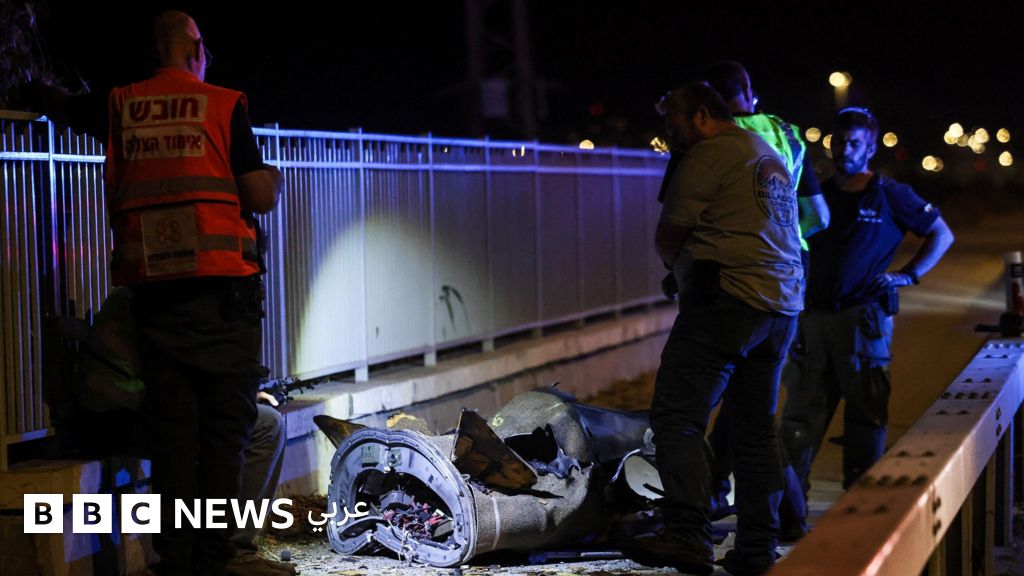
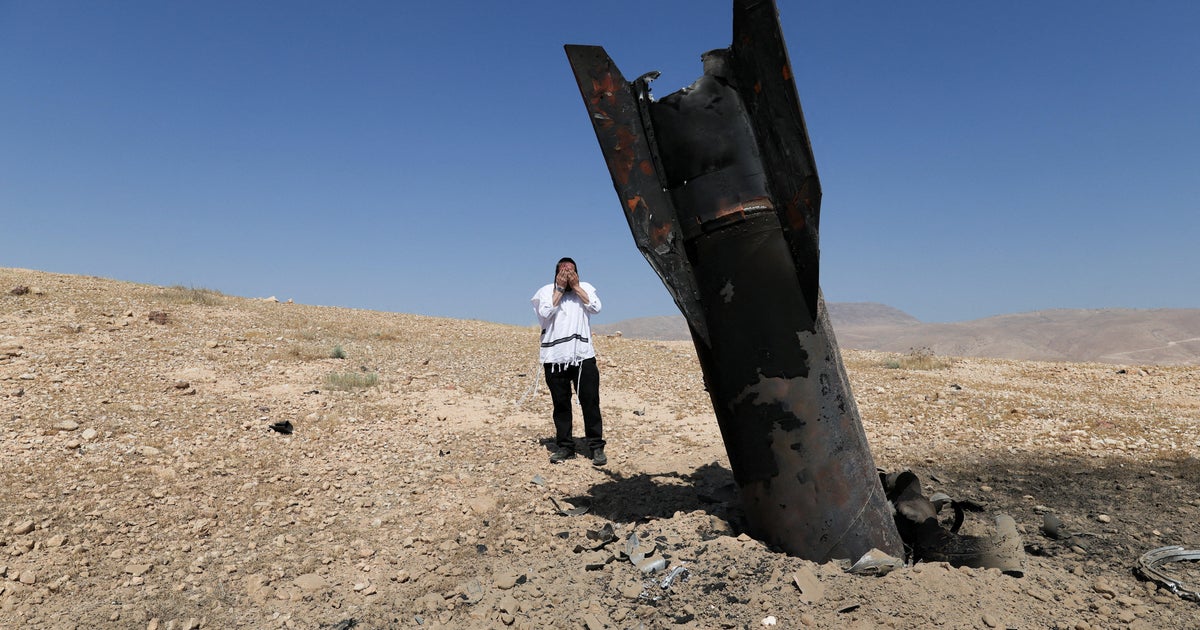
- Iran very likely launched multiple ballistic-missile salvos against Israel on 6-8 June, including strikes aimed at the Nevatim and Tel Nof airbases, with Israeli authorities reporting successive waves. (Confidence: high)
- Israel very likely conducted coordinated strikes on military targets in western and central Iran in the early hours of 7-8 June, with explosions reported in Tehran, Isfahan, and Tabriz. (Confidence: high)
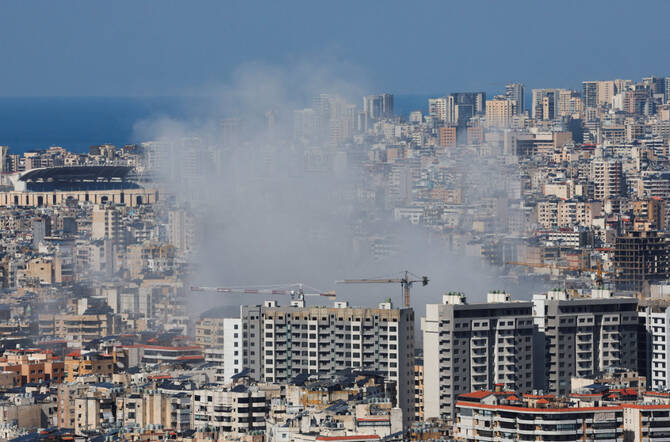
- Proxy conflict on the Lebanon front very likely remained active over the same period, as Lebanese Hezbollah fire into northern Israel continued and Israeli airstrikes in Tyre killed five and wounded others; the IDF signaled it would intensify operations and issued evacuation warnings/orders. (Confidence: high)
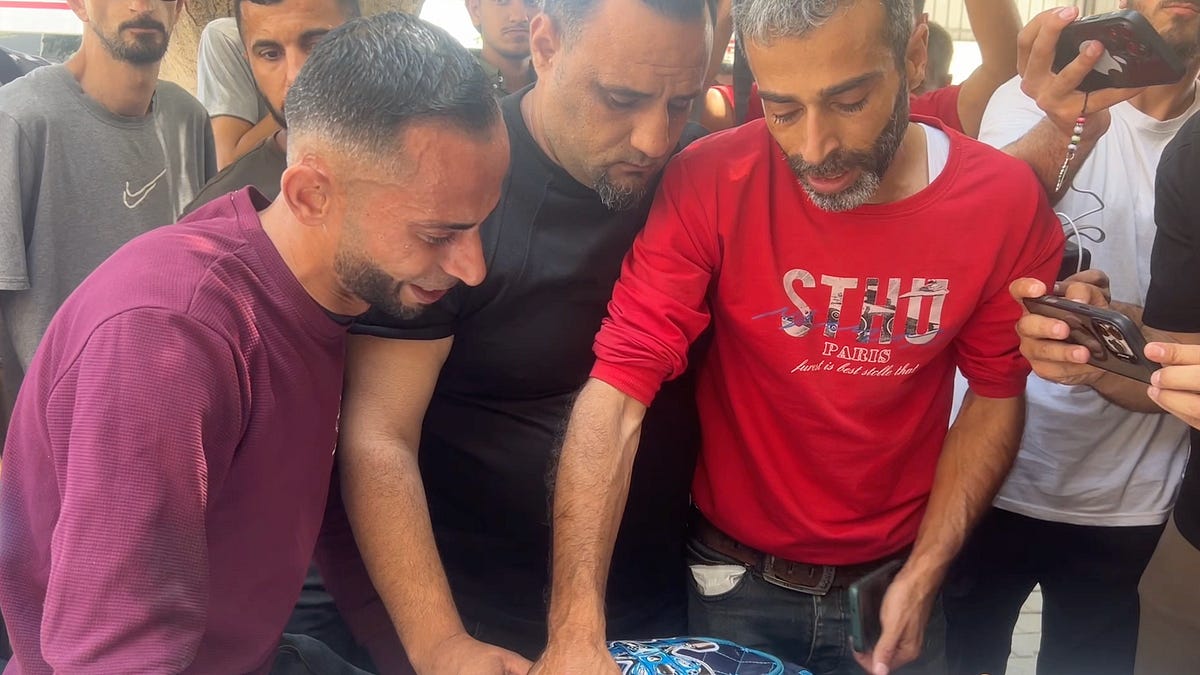
- Gaza almost certainly faces extreme humanitarian distress, with about 1.9 million displaced, roughly 90% of water/sanitation infrastructure destroyed, and widespread acute food insecurity, further pressured by short-notice crossing closures on 7-8 June (with Keren Shalom subsequently announced to reopen). (Confidence: high)
- There is a roughly even chance that a tentative pause in direct Iran, Israel attacks emerged on 8 June under U.S. pressure, but it remains fragile given Tehran’s stated shift to immediate retaliation and ongoing proxy hostilities. (Confidence: medium)
- Regional public-safety and aviation restrictions very likely tightened: Iran partially closed airspace and canceled flights, Israel closed schools, Bahrain issued air-raid alerts, and the FAA advised U.S. carriers to exercise caution across the Middle East. (Confidence: high)
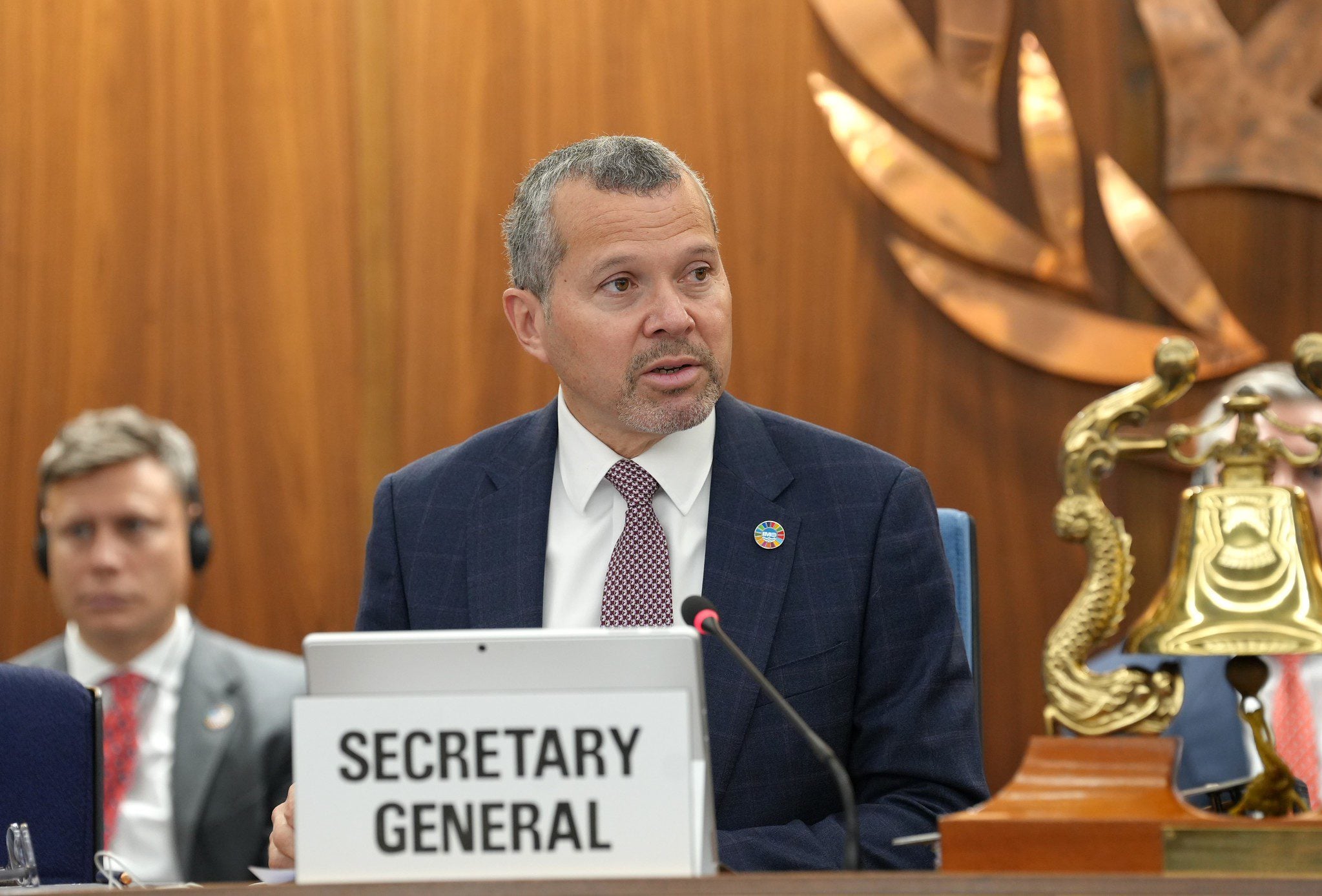
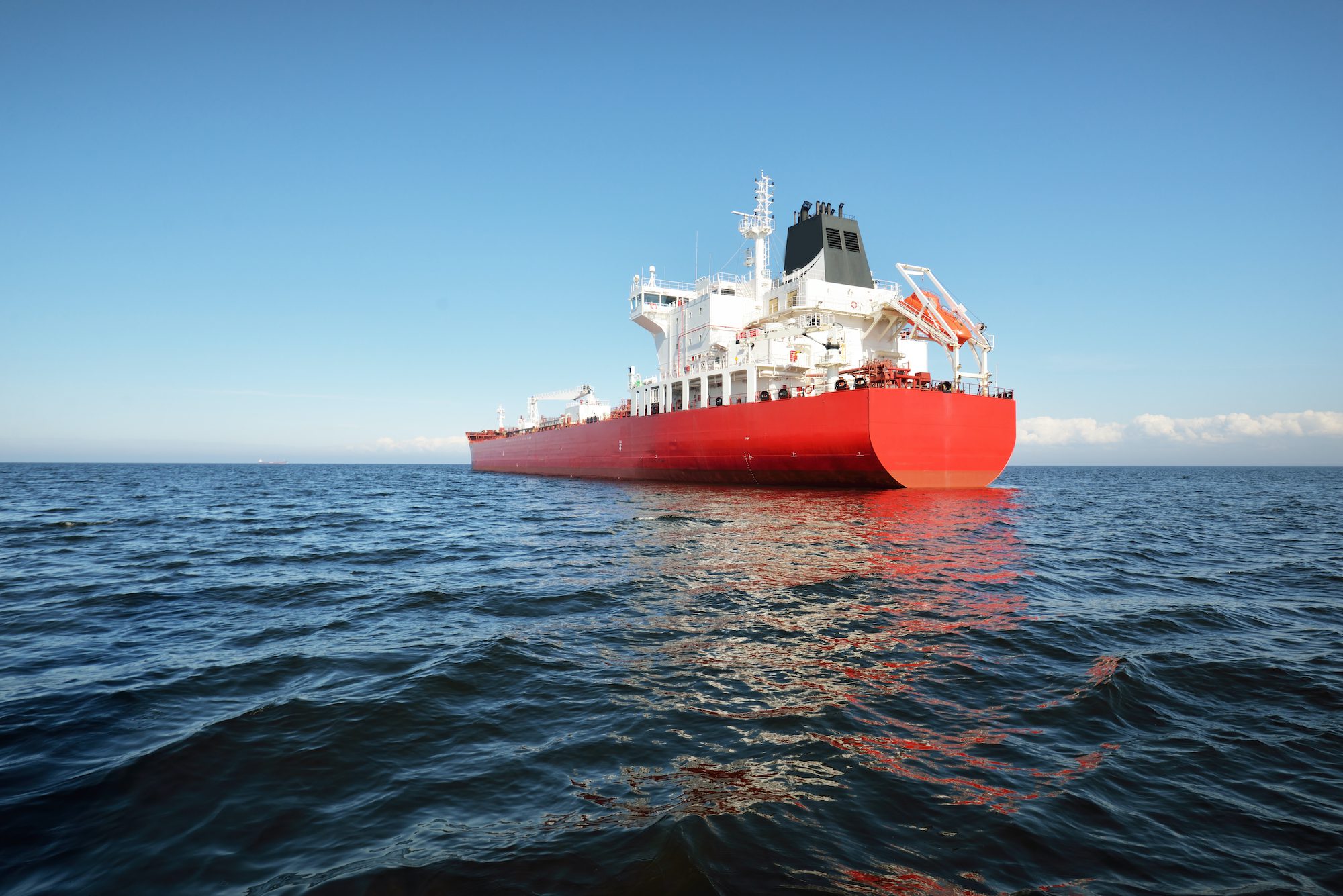
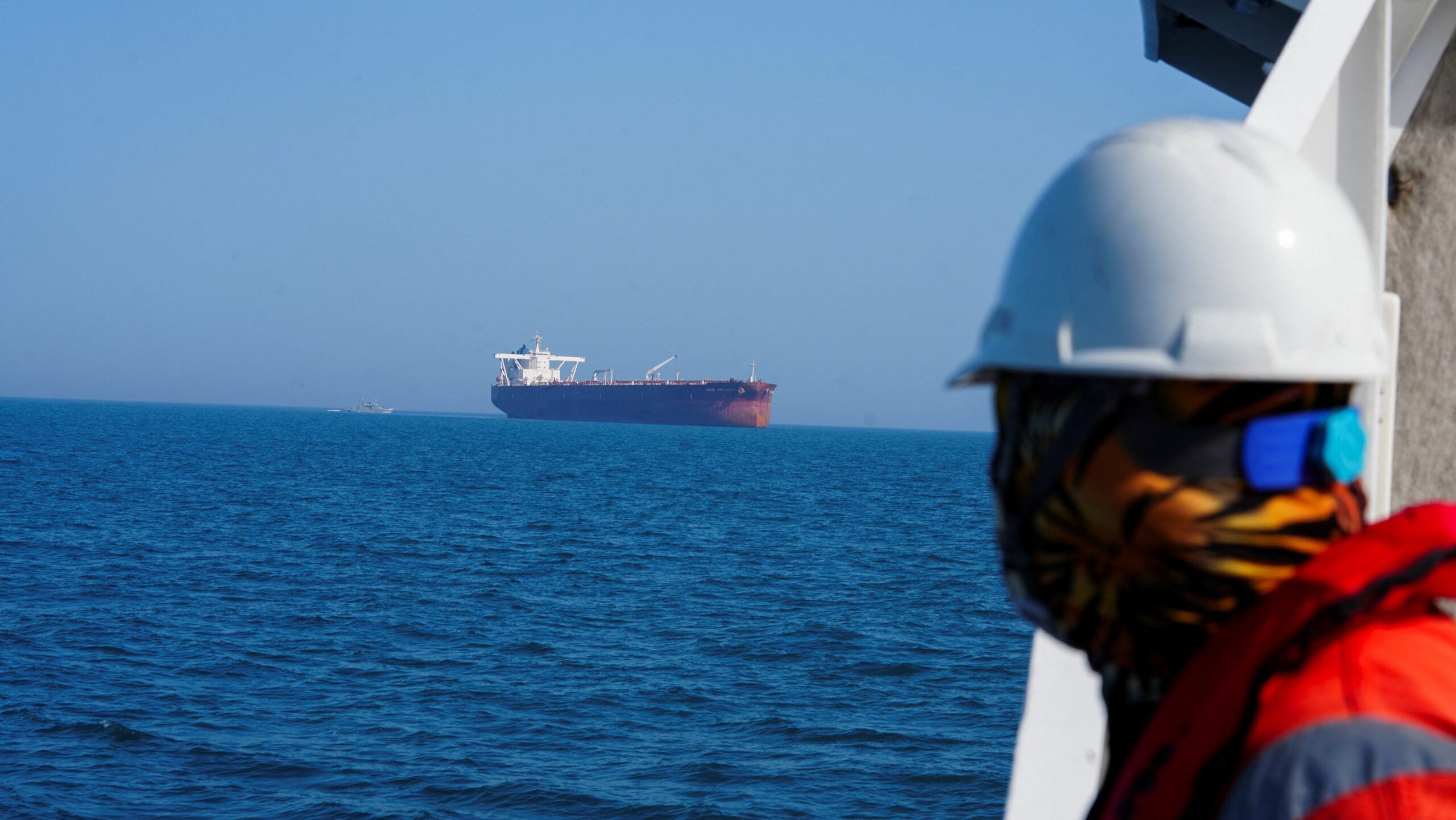
- The maritime security environment in and around the Strait of Hormuz is likely high risk, reflected in U.S., Iran engagements, drone shootdowns, redirection of commercial traffic, Iranian restrictions on tanker movements, an Apache crash near the strait, and external assessments classifying conditions as critical. (Confidence: high)
- Energy markets are likely to remain volatile as military risk persists but demand outlooks and alternative supplies temper sustained price spikes, evidenced by a short-lived price jump alongside forecasts for softer demand and higher near-term averages, and by increased Yamal LNG flows to Europe and crude offers to Asia. (Confidence: medium)
Outlook & scenarios
Managed pause with proxy friction, 45%
Direct Iran, Israel strikes remain on hold under U.S. pressure while Hezbollah, IDF exchanges continue at a lower-to-moderate tempo. Regional alerts and aviation restrictions persist intermittently; maritime risk in Hormuz stays elevated but manageable via diversions and escorts. Humanitarian access in Gaza improves marginally as select crossings reopen episodically.
Renewed direct exchanges and regional spillover, 35%
Another round of Iranian missile launches and Israeli deep strikes resumes within weeks, prompting wider participation by Tehran-aligned actors from Lebanon and Yemen. Gulf states activate air-defense measures more frequently; shipping faces broadened rerouting around Hormuz. Civilian disruptions intensify in Israel, Lebanon, and the Gulf.
Tactical de-escalation with exploratory talks, 25%
A fragile pause holds while exploratory U.S., Iran contacts proceed, reducing immediate missile activity. Israel maintains pressure on Hezbollah below thresholds that risk collapse of the pause. Limited confidence-building steps emerge (e.g., calibrated easing of closures) without a comprehensive settlement.
Hormuz incident triggers acute supply shock (low-probability/high-impact), 15%
A high-casualty maritime incident or misattributed strike in or near Hormuz precipitates an abrupt halt to tanker traffic. Energy prices spike sharply; emergency rerouting and government stock releases follow. Rapid multinational naval coordination is required to restore basic shipping corridors.
Recommendations
- Prioritize multi-INT collection on Iranian missile units and air activity around Tehran, Isfahan, and Tabriz to detect renewed strike preparations; fuse with reported impact locations and commercial imagery for rapid BDA.
- Sustain focused ISR on Hezbollah firing nodes and IDF strike patterns in southern Lebanon; integrate open-source alerts (evacuation warnings, health ministry casualty updates) to refine escalation indicators.
- Maintain elevated maritime risk posture for the Strait of Hormuz: incorporate latest regional security classifications into routing advisories, pre-validate diversion lanes, and coordinate with industry for rapid ship redirection.
- Disseminate current FAA advisories and dynamic airspace risk matrices to U.S. carriers transiting the Middle East; monitor Iranian NOTAMs and airport status changes for immediate operational impact.
- Track Gaza crossing statuses daily (closures and announced reopenings) to anticipate aid surges or gaps; preposition logistics for rapid throughput during short access windows.
- Provide a standing energy-risk brief that reconciles market moves with official outlooks; specifically monitor Brent price swings, Middle East supply offers to Asia, and Europe’s incremental LNG receipts to gauge buffer capacity.
- Bolster force protection and early-warning protocols at U.S. and partner facilities in Bahrain, Kuwait, Jordan, and the UAE in line with local alerts and stated targeting threats.
- Identify and monitor diplomatic signposts (public restraint calls, negotiation timelines, and statements signaling immediate retaliation) to update the likelihood that a pause holds versus renewed exchanges.
Confidence & uncertainty
Overall confidence is medium. The core assessments of reciprocal Iran, Israel strikes and active proxy combat in Lebanon rest on multiple high-reliability outlets and official statements. Confidence is lowered by contradictory reporting on whether attacks were halted and for how long, varying casualty figures, and competing depictions of risk severity in the Strait of Hormuz. Some inputs derive from aggregators or local outlets and are treated cautiously. Energy-market judgments reflect mixed, time-sensitive reporting and official forecasts, introducing additional uncertainty.
Cited sources
[1] aljazeera.net, أحمديان: إيران انتقلت من "الصبر الإستراتيجي" إلى الرد الفوري (A) · Mon Jun 08 2026 00:00:00 GMT+0000 (Coordinated Universal Time) [2] Los Angeles Times, Trump tells Iran and Israel to stop 'shooting' as missile barrages shatter fragile ceasefire - Los Angeles Times (A) [3] BBC News عربي, انطلاق موجة جديدة من الصواريخ الإيرانية نحو إسرائيل - BBC News عربي (A) [4] aljazeera.net, حائرة بين سيناريوهين. أين تقف واشنطن بعد القصف الإيراني؟ (A) · Mon Jun 08 2026 00:00:00 GMT+0000 (Coordinated Universal Time) [5] Iowa Public Radio, After trading missile fire, Israel and Iran pull back, for now (A) [6] Los Angeles Times, Israel says it has struck Iran after taking missile fire - Los Angeles Times (A) [7] globalvillagespace.com, Israel and Iran trade strikes, threatening to drag region back to war (B) [8] gov.uk, Foreign Secretary statement on the Middle East: 9 June 2026 (A) [9] CBS News, Iran and Israel say attacks halted after Trump tells both to "stop 'shooting'" on war's 101st day (A) [10] haaretz.com, Report: Netanyahu called off Iran strikes after Trump told him nuclear deal was imminent (A) [11] The Jerusalem Post, Live Updates: Latest from Israel, Iran, and Middle East | The Jerusalem Post (A) [12] Wikipedia, 2026 Lebanon war (B) [13] Drop Site News, Israel Intensifies the Killing in Gaza as the World Looks Away (D) [14] haaretz.com, 'All of Gaza is affected': Israel shuts border crossings, halting aid amid Iran clash (A) [15] The Guardian, Tehran launches retaliatory attacks on Bahrain and Kuwait, as it happened (A) [16] U.S. Department of State, United Arab Emirates Travel Advisory (A) [17] aljazeera.net, قواعد اشتباك جديدة. تفكيك شيفرة التصعيد الأمريكي الإيراني في هرمز (A) · Sat Jun 06 2026 00:00:00 GMT+0000 (Coordinated Universal Time) [18] gcaptain.com, IMO Chief Warns No Safe Passage Exists in Hormuz Despite Rising Traffic Claims (A) [19] U.S. Energy Information Administration (EIA), EIA Sees Weak Global Oil Demand Limiting Price Spike from Hormuz Disruption (A) [20] gcaptain.com, EU Imports of Russian Arctic LNG Surge Despite New Restrictions, Spain Leads May Buying (B) [21] gcaptain.com, Kuwait Offers Oil to Asian Buyers for First Time Since War (B)