TLP:CLEAR · Disclosure is not limited.
Iran, Israel: Talks drag as IRGC tightens Hormuz control and clashes persist in southern Lebanon
Time window: Last 1 day · Audience: General analyst · Type: Situation report · DTG: 2026-06-26 09:14Z · Overall confidence: MEDIUM
BLUF
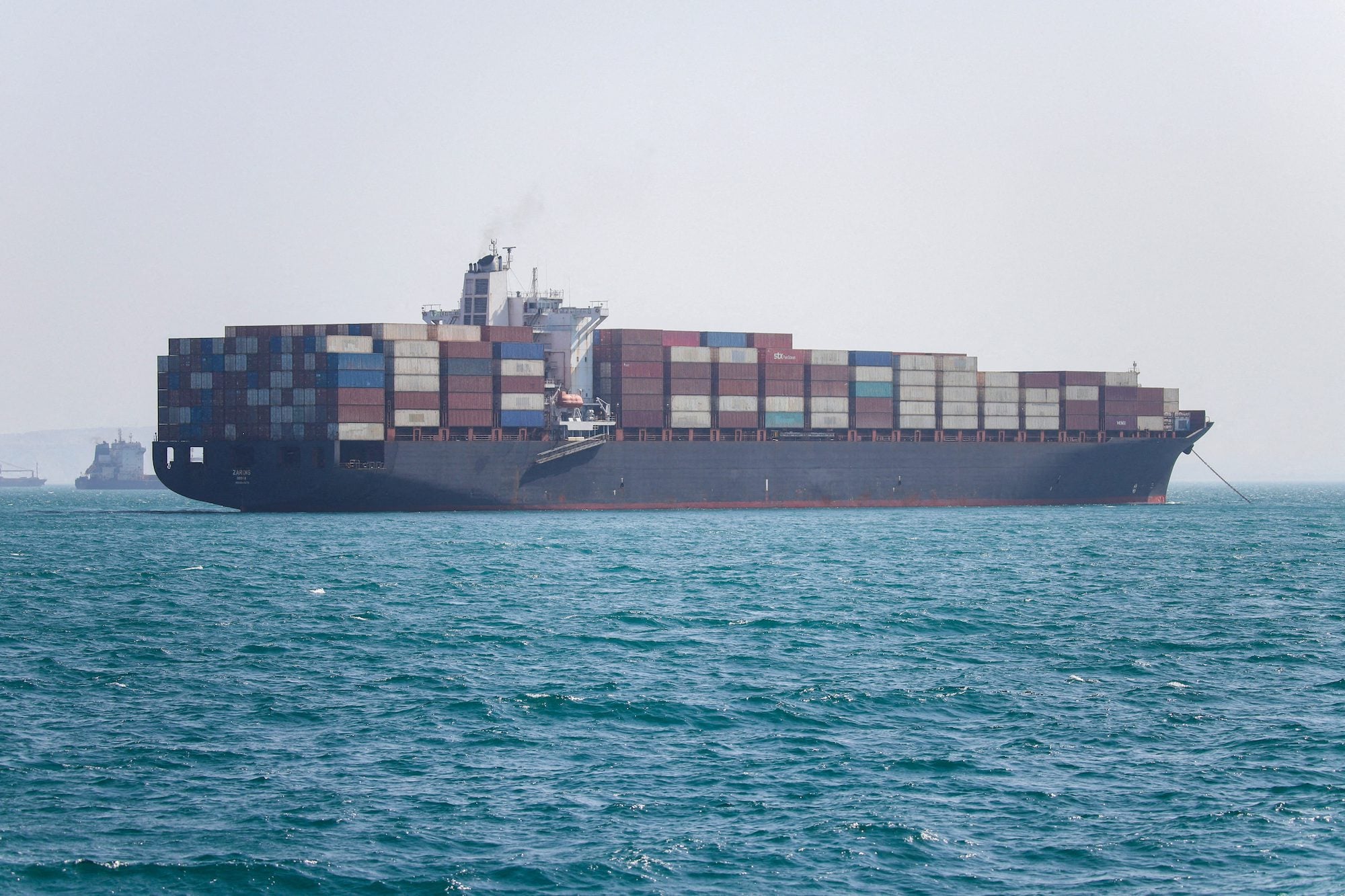
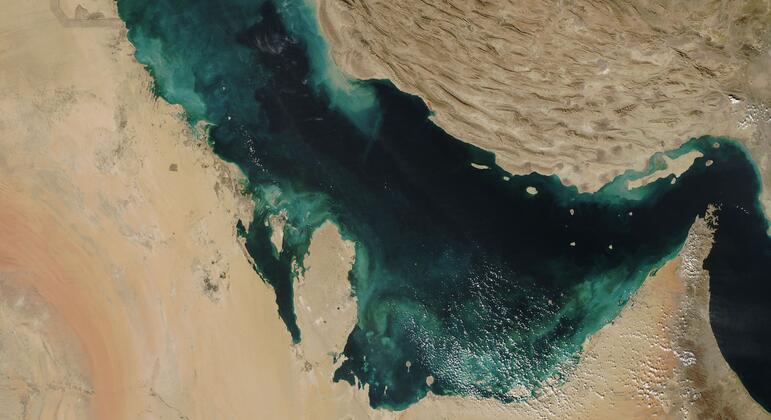
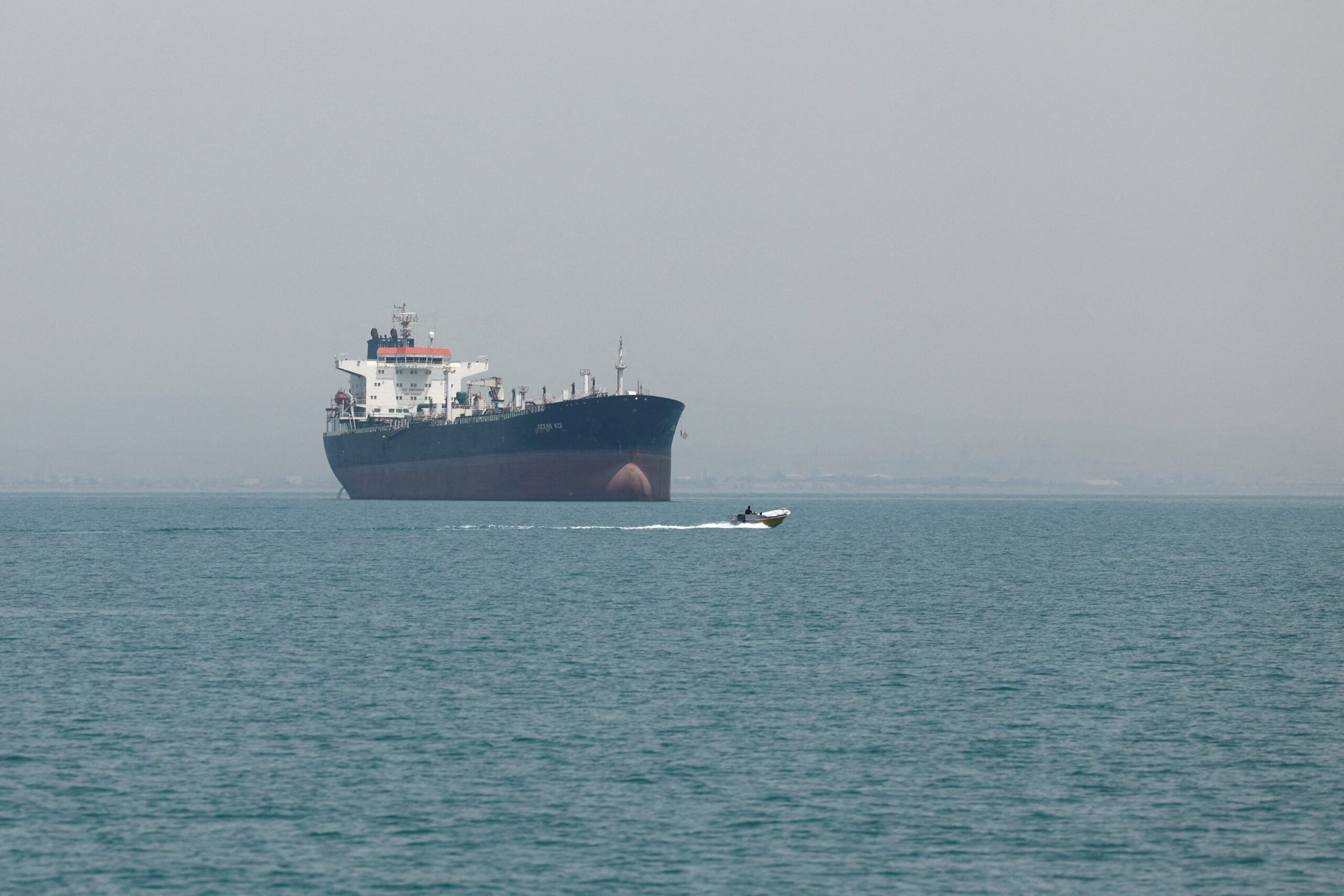
Ceasefire talks in Washington are deadlocked while low‑level fighting continues in southern Lebanon and Israeli leaders deny any withdrawal. In the Gulf, the first ship attack since the U.S., Iran memorandum forced the IMO to pause its evacuation plan as the IRGC reasserts control over Hormuz, keeping maritime risk high in the near term.
Executive summary
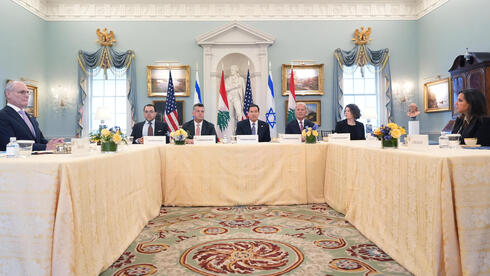
U.S.‑mediated talks between Israel and Lebanon have been extended and described as the toughest round yet. Israeli officials deny any pullback from southern Lebanon and orders reportedly remain unchanged, even as a U.S. official said there was a limited gesture of good faith. On the ground, Israeli strikes and skirmishes with Hezbollah continue. At sea, the fragile reopening of the Strait of Hormuz faltered after an attack on a Singapore‑flagged ship off Oman, prompting the IMO to pause its escorted vessel movement while the IRGC renewed radio warnings that transit requires Iranian authorisation on designated routes. Gulf capitals publicly welcome the U.S., Iran memorandum but remain wary, and Tehran rejects U.S., GCC messaging as interventionist. Energy flows show early signs of rebound, including planned crude loading at Ras Tanura and VLCC positioning off Ju’aymah, with oil prices easing, but hazards and routing controls persist. Humanitarian risks to seafarers and civilians remain high.
Change from previous assessment
New since the prior brief: the first reported attack on a merchant vessel off Oman after the U.S., Iran memorandum prompted the IMO to pause its escorted evacuation, while the IRGC renewed transit warnings. Washington talks were extended into a fourth day and described as the most difficult yet, with discussion of pilot zones and monitoring mechanisms but no U.S. push for a full Israeli withdrawal. Israeli leaders denied any pullback from southern Lebanon even as a U.S. official cited a limited gesture, and cross‑border incidents continued. Energy signals improved at the margin with Ras Tanura set to restart and VLCCs staging off Ju’aymah, alongside reports of easing oil prices. Overall, confidence on Hormuz fragility is raised by corroboration; confidence on Israeli withdrawal status is lowered by contradictory claims. Initial assessment of the IRGC, CENTCOM direct channel is added as a reported development.
Key judgments
- Likely: Low‑level hostilities along the Israel, Lebanon border will persist in the 0-14 day window, with no verified Israeli withdrawal despite a U.S. claim of a limited pullback and repeated Israeli denials. (Confidence: medium · ASSESSED)
- I&W: IDF daily communiqués and Arab media continue to report exchanges, IDF injuries or Israeli strikes in areas like Beit Yahoun, Ali al‑Taher or near Al Bayyadah. (0-14 days)
- I&W: Publication of formal IDF withdrawal or repositioning orders from named sectors by Israeli authorities or a joint U.S., Lebanon communique setting a withdrawal timeline. (1-3 months)
- High confidence: The reopening of the Strait of Hormuz remains fragile and under effective Iranian control, with renewed IRGC routing warnings and the first post‑memorandum ship attack prompting the IMO to pause its evacuation plan. (Confidence: high · ASSESSED)
- I&W: UKMTO issues multiple advisories in a week citing IRGC radio challenges or new attacks in the Oman, Hormuz approaches. (0-14 days)
- I&W: IMO announces resumption and completion of the paused convoy plan with at least 100 additional transits recorded. (1-3 months)
- Likely: U.S.‑mediated diplomacy remains active but constrained, with talks extended, discussion of pilot disarmament zones and monitoring mechanisms, and no U.S. push for a full Israeli withdrawal at this stage. (Confidence: medium · ASSESSED)
- I&W: State Department or embassy readouts reference agreed pilot zones or a ceasefire monitoring mechanism, without mention of withdrawal timelines. (0-14 days)
- I&W: Talks are suspended or parties issue statements blaming the other for breakdown. (0-14 days)
- Likely: Gulf governments will continue to publicly back the U.S., Iran memorandum while privately hedging, as Tehran rejects U.S., GCC framing and signals it will keep asserting control around Hormuz. (Confidence: medium · ASSESSED)
- I&W: GCC secretariat or member states issue statements supporting the MoU while flagging ‘concerns’ or ‘consultations’ on implementation. (0-14 days)
- I&W: Iran publicly endorses a non‑Iranian managed southern corridor without routing or authorisation conditions. (1-3 months)
- Likely: Energy and shipping flows are recovering but remain constrained and costly, with Ras Tanura set to restart loading and VLCCs moving off Ju’aymah, oil prices easing, and IRGC routing demands and the IMO pause sustaining elevated risk. (Confidence: medium · ASSESSED)
- I&W: AIS and port agent notices confirm crude liftings at Ras Tanura and Ju’aymah SPMs within the fortnight. (0-14 days)
- I&W: New IRGC or PGSA broadcasts explicitly re‑closing the Strait and underwriters curtail cover for Gulf transits. (0-14 days)
- High confidence: Humanitarian risks remain high despite diplomacy, with thousands of mariners still trapped, at least 14 seafarer deaths recorded, and Gaza relief hampered by Israeli import restrictions even as UN operations continue. (Confidence: high · ASSESSED)
- I&W: IMO or UKMTO tallies show evacuees remaining above 10,000 by mid‑July and report additional attacks on merchant vessels. (1-3 months)
- I&W: UN OCHA reports seaborne evacuees below 5,000 and no new merchant‑ship attacks for 30 consecutive days. (1-3 months)
- Likely: U.S. domestic politics will constrain any expansion of offensive operations against Iran absent explicit congressional authorisation, given Senate action blocking a war powers resolution and House efforts to restrict funding. (Confidence: medium · ASSESSED)
- I&W: Further House or Senate floor action to block Iran‑related authorisations or appropriations. (1-3 months)
- I&W: Passage of an explicit authorisation for use of military force against Iran or its proxies. (1-3 months)
- Reported: The United States and Iran agreed to establish a direct channel with the IRGC to settle disputes, with planned contact in Doha referenced by the U.S. vice president. (Confidence: medium · REPORTED)
- I&W: Public confirmation of an initial IRGC, CENTCOM meeting in Doha by either side. (0-14 days)
- I&W: An on‑record repudiation of the channel by Iran’s foreign ministry. (0-14 days)
Outlook & scenarios
Grinding stalemate on the Blue Line with episodic Hormuz friction (60%)
Border skirmishes and limited Israeli strikes continue in southern Lebanon while talks in Washington inch forward without breakthrough. The IRGC maintains routing controls and issues intermittent warnings; the IMO’s convoy plan restarts and pauses as incidents occur. Energy loadings resume unevenly, keeping freight rates and insurance elevated.
Managed de‑escalation: pilot zones and monitored ceasefire (40%)
Israel and Lebanon agree pilot disarmament zones and a monitoring mechanism, easing pressure for immediate withdrawal. The IRGC, CENTCOM channel reduces miscalculation; the IMO evacuation completes in phases and traffic via both the Omani and Iranian‑coordinated routes normalises, with oil prices stabilising near pre‑war levels.
Maritime flashpoint triggers wider escalation (25%)
A mass‑casualty attack on a commercial vessel or a fatal clash at sea prompts Israeli or U.S. retaliation, followed by Iranian counter‑moves. The IRGC re‑closes Hormuz de facto, insurers pull cover, the IMO halts all movements, and Gulf exporters scramble to reroute via the Red Sea, driving a sharp energy price spike.
Recommendations
- Stand up a daily indicator log tracking: UKMTO advisories, IRGC radio broadcasts, JMIC threat levels, and IMO convoy status; flag any pattern of projectile attacks in the Oman, Hormuz approaches within 24 hours.
- Task geospatial and OSINT collection to verify IDF posture and activity in southern Lebanon at named locales (Beit Yahoun, Ali al‑Taher, Al Bayyadah) and reconcile withdrawal claims with imagery and UN observer reporting.
- Produce a 14‑day maritime risk brief for U.S. operators transiting Hormuz, comparing compliance with Iranian‑designated routing versus alternative paths via the Omani corridor, and outlining insurer and P&I considerations.
- Engage interagency counterparts to map the seafarer evacuation pipeline, identifying choke points and potential U.S. support to the IMO process if the pause persists.
- Maintain a diplomatic watch on GCC statements and Iranian responses; prepare a short options memo on how Gulf hedging might affect U.S. leverage in the Lebanon channel.
- Prepare a legislative landscape note on Iran‑related authorisations and funding constraints to inform policymakers of the likely bounds on U.S. military options over the next quarter.
Confidence & uncertainty
Overall confidence is medium. Several core developments are well corroborated by multiple, independent major‑media and official sources, including the attack off Oman, renewed IRGC routing warnings, the IMO pause, and the continuation of Washington talks. Confidence is reduced by contested or single‑source elements around Israeli force posture and casualties in southern Lebanon, and by political claims that reflect partisan positions. Where reporting conflicts, judgments are framed as assessed and confidence is lowered.
Alternative analysis (red cell)
Several judgments rest on credible event reports but are weakened by internal contradictions and single‑source political statements. For Israel–Lebanon and the Strait of Hormuz, the same claims can support either intermittent continued skirmishing and fragile Iranian leverage or a near‑term lull driven by de‑escalatory signals; the available evidence does not decisively favor one outcome. Similarly, public GCC endorsements of the memorandum are documented, but private hedging is asserted without direct evidence. Additional ISR/AIS data, port/load confirmations, and diplomatic records are required to resolve these competing interpretations.
Intelligence gaps
- [EEI 1.1 · UNCOVERED] Movement, dispersal, or emplacement of Iranian conventional or IRGC heavy assets (ballistic missile launchers, Khoramshahr/Toofan-class missile transporters, ground-to-ground TELs, air defense batteries, amphibious units) from garrison areas toward forward bases or coastal launch sites. Recommended collection: satellite/IMINT
- [EEI 1.2 · UNCOVERED] Authenticated Iranian military orders, NSC/IRGC operations directives, or senior leadership statements explicitly directing strikes against Israel or U.S. forces or authorizing cross-border operations. Recommended collection: human/diplomatic
- [EEI 1.3 · PARTIAL] Changes in Israeli and U.S. force posture indicating anticipation of direct large-scale conflict—elevated readiness levels, mobilization notices, pre-positioning of munitions, or public/private orders to prepare offensive strikes. Recommended collection: open-source/diplomatic
- [EEI 2.1 · UNCOVERED] Observable pre-launch preparations for missile/rocket/cruise missile strikes (fueling, warhead mating, launcher orientation, support vehicle congregation) and abnormal munitions handling at known launch sites. Recommended collection: satellite/IMINT
- [EEI 2.2 · PARTIAL] Indications of proxy arms shipments and weapons transfers (truck convoys, small boat transfers, container movements from Iran to proxies, new stockpiles in Lebanon, Iraq, Yemen, Syria). Recommended collection: maritime/AIS
- [EEI 2.3 · UNCOVERED] Evidence of cyber attack planning or active exploitation campaigns targeting Israeli or U.S. military/critical infrastructure (emergence of new command-and-control servers, spear-phishing campaigns against defense personnel, successful intrusions). Recommended collection: cyber
- [EEI 3.1 · UNCOVERED] Movements and posture changes of U.S. regional platforms (carrier strike groups, amphibious ready groups, B-52/B-1/B-2 or fighter deployments, missile defense assets repositioning) and associated armament loadouts. Recommended collection: satellite/IMINT
- [EEI 3.2 · PARTIAL] Official or leaked U.S. government/diplomatic communications indicating thresholds for strikes, authorization for offensive operations, or limits on action (NSC/DoD statements, congressional notifications, diplomatic notes). Recommended collection: diplomatic/human
- [EEI 3.3 · UNCOVERED] Changes in U.S. base force-protection measures and rules of engagement at regional facilities (base lockdowns, evacuation notices, flight restrictions, activation of Local Defense Forces or missile intercept systems). Recommended collection: open-source/local reporting
- [EEI 4.2 · PARTIAL] Houthi-attributed maritime attack indicators: AIS anomalies/loss of contact for commercial vessels, reports of missile/drone strikes or near-miss incidents in Bab al-Mandeb/Red Sea, Houthi claims paired with imagery of weapons launches. Recommended collection: maritime/AIS
- [EEI 4.3 · UNCOVERED] Militia cross-border attack evidence from Iraq/Syria: recorded rocket/mortar launch events into Israel or strikes against U.S. facilities, movement of armed convoys toward border areas, and intercepted communications coordinating cross-border operations. Recommended collection: signals/ELINT
Cited sources
[1] haaretz.com · Israel-Lebanon talks in Washington extended to fourth day amid deadlock on Hezbollah cease-fire, IDF withdraw (A) · sha256:6a9f47095b66 [2] haaretz.com · Iran slams joint U.S.-Gulf statement as 'interventionist and irresponsible' (A) · sha256:209977856c77 [3] haaretz.com · Three killed in Israeli drone strike on vehicle in south Lebanon, local reports say (A) · sha256:2d8588e1b314 [4] gcaptain.com · Trump Row With Republican Senator Clouds US Drive to Sell Iran Deal to Gulf Allies (B) · sha256:5b3902477e56 [5] haaretz.com · Israel denies report of partial withdrawal from southern Lebanon 'buffer zone' (A) · sha256:9b3387793827 [6] alhurra.com · مأزق نتنياهو في لبنان | الحرة (B) · sha256:6d53250705f6 [7] United Nations · From Lebanon to the Strait of Hormuz, a Middle East hanging on fragile peace talks (A) · sha256:d0d950f95951 [8] gcaptain.com · Ships Turn Back in Strait of Hormuz as IRGC Renews Transit Warnings (B) · sha256:c680e7773c5a [9] gcaptain.com · Ship Hit Off Oman After IRGC Renewed Hormuz Transit Warnings (B) · sha256:8087946de71c [10] gcaptain.com · Day of the Seafarer 2026: The Human Cost of Keeping World Trade Moving (B) · sha256:7a5dfd48b26a [11] gcaptain.com · Ship Attack Off Oman Derails IMO's Hormuz Evacuation Effort (A) · sha256:693c5a0ec6f4 [12] ynetnews.com · ‘Worst round yet’: Rubio optimistic despite tense Israel-Lebanon talks on pilot zones (B) · sha256:86f197f200f2 [13] Al Jazeera · Pragmatic choice: Israel’s war backfires as Gulf backs US-Iran deal (A) · sha256:34e802d18cd0 [14] gcaptain.com · Rubio Wraps up Gulf Tour as Allies Share Concerns Over Iran Peace Accord (B) · sha256:7845f0641edc [15] gcaptain.com · Major Saudi Oil Terminal to Restart as Gulf Reboot Ramps Up (B) · sha256:a377b9293abc [16] friedman.house.gov · Los Angeles Daily News: Local members of Congress on the Iran war deal (A) · sha256:b432722bb23e [17] haaretz.com · Vance says U.S. and Iran agreed to set up direct channel with IRGC 'to settle disputes' (A) · sha256:da86bafae1bc
Source content hashes were computed at collection time; the cited text is preserved unmodified for the life of this product.
Red cell review: PARTIAL DISSENT
TLP:CLEAR