TLP:CLEAR · Disclosure is not limited.
Iran, Israel theatre: Gulf salvos, strikes near Bushehr, and Israel on alert
Time window: Last 1 day · Audience: General analyst · Type: Situation report · DTG: 2026-07-09 13:15Z · Overall confidence: MEDIUM
BLUF
U.S. strikes hit roughly 90 targets across Iran, including infrastructure near Bushehr, while Iran launched missiles and drones toward U.S. sites in Kuwait and Bahrain and fired missiles intercepted over Jordan. Israel is on high alert but officials do not expect a full‑scale war for now; maritime risk around Hormuz remains elevated and unpredictable.
Executive summary
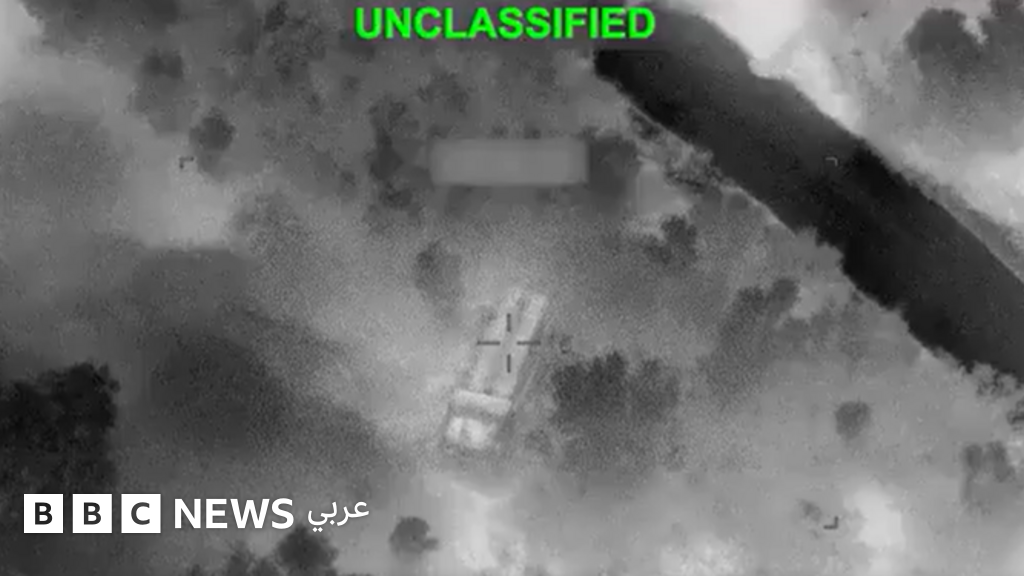
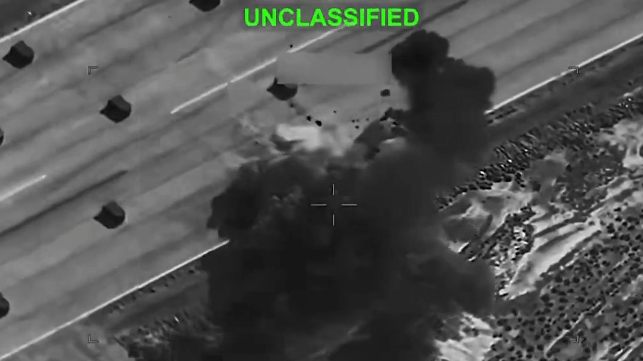
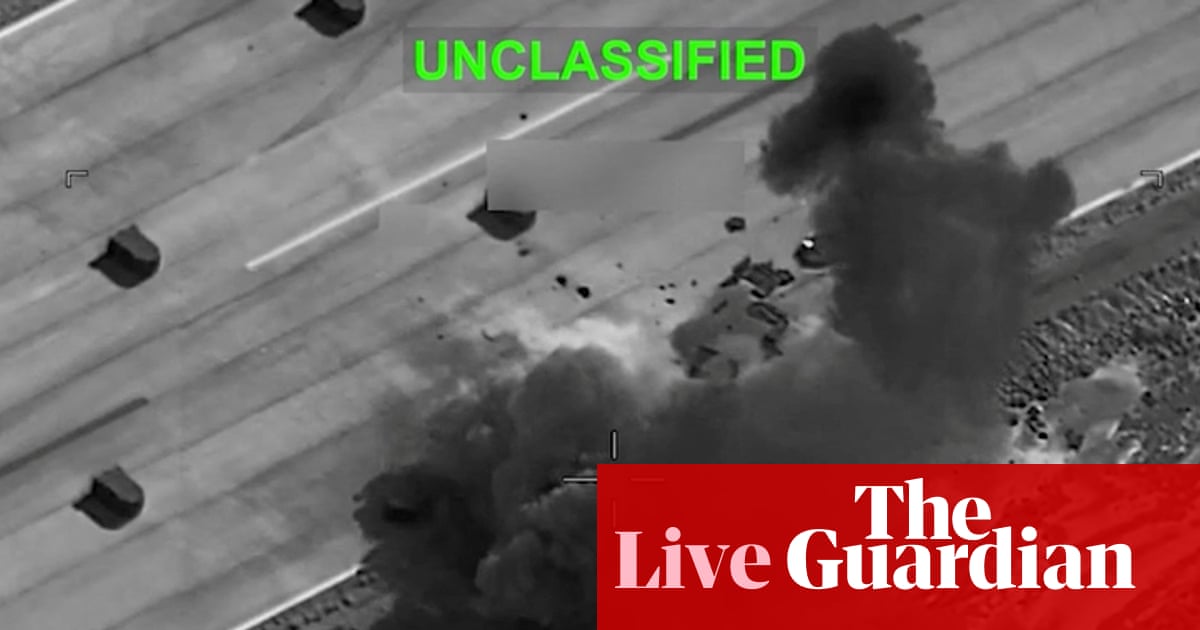
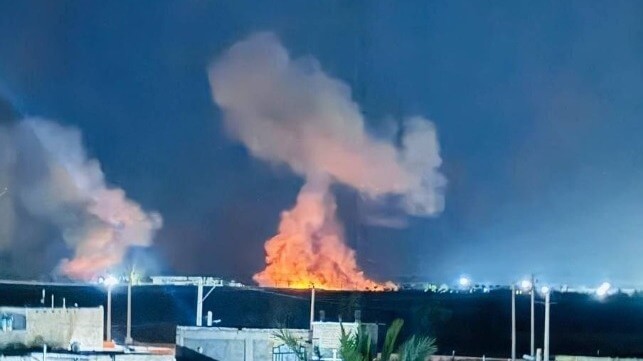
In the past 24 hours U.S. forces conducted a second night of extensive strikes across Iran, including near the Bushehr nuclear power plant, air defence, missile and drone storage, naval assets, logistics nodes and at least one bridge. Iran reported fatalities and injuries from the strikes. Tehran answered with missile and drone attacks toward U.S. military sites in Kuwait and Bahrain and fired missiles toward Jordan, where defences intercepted eight. Kuwait reported one injury from falling debris and Bahrain said it shot down incoming fire. Israeli officials assess no imminent full‑scale war but keep high readiness against Iran. Shipping around the Strait of Hormuz remains a key pressure point, with Iranian activity against vessels and Arab states sustaining unpredictability and higher operating costs.
Change from previous assessment
New U.S. strikes hit about 90 Iranian targets including near the Bushehr plant and transport infrastructure, and Iran extended its response beyond the Gulf to missiles intercepted over Jordan. Iran reported fatalities and injuries from the two days of strikes. Kuwait and Bahrain reported intercepts, with Kuwait noting one injury, while Washington signalled further action if shipping attacks continue and Tehran condemned the strikes as war crimes. Israeli officials now explicitly assess no imminent full‑scale war while maintaining high alert. Aviation risk guidance for Israel eased as EASA downgraded its classification and allowed the prior conflict bulletin to lapse. Overall, our assessment adds strikes near sensitive infrastructure, broadens the geography of Iranian launches to Jordan, and slightly lowers the near‑term likelihood of an Israel, Iran full‑scale war while keeping a roughly even chance of wider regional spillover.
Key judgments
- Very likely U.S. forces conducted extensive strikes on 8-9 July against Iranian air defence systems, missile and drone storage, naval assets, logistics nodes and at least one bridge, including strikes in the vicinity of Bushehr, with Iranian authorities reporting at least 14 killed and 78 wounded over two days. (Confidence: high · REPORTED)
- I&W: Commercial satellite imagery shows fresh damage to the Tehran, Mashhad rail segment or the Aq Tekeh Khan rail bridge named in Iranian media reports. (0-14 days)
- I&W: Iranian state media broadcasts sustained footage of normal operations at the Bushehr complex, indicating no direct strike on the reactor site despite nearby blasts. (0-14 days)
- Likely Iran conducted retaliatory missile and drone attacks against U.S. military sites in Kuwait and Bahrain and launched missiles toward Jordan, where local air defences intercepted most munitions; Kuwait reported one injury from falling debris and authorities in Bahrain and Jordan activated alerts. (Confidence: medium · REPORTED)
- I&W: Official communiqués from Kuwait and Bahrain publish intercept and debris-impact tallies and name targeted installations such as Camp Arifjan or the Fifth Fleet headquarters in Juffair. (0-14 days)
- I&W: A CENTCOM after‑action report confirms no injuries and no facility damage across Kuwait, Bahrain and Jordan during the latest volleys. (0-14 days)
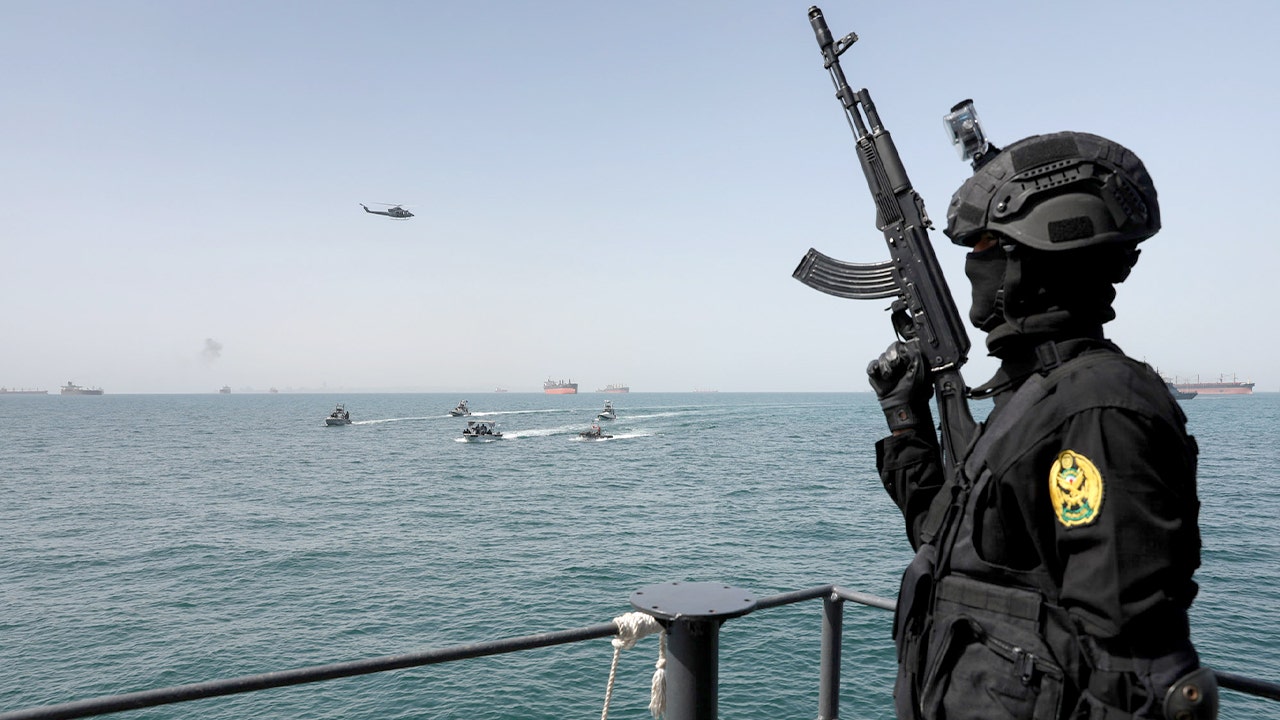
- Very likely Tehran’s pressure on commercial shipping in and around the Strait of Hormuz, alongside threats to Arab states, will keep Hormuz traffic unpredictable and drive higher operating costs for the foreseeable future. (Confidence: high · ASSESSED)
- I&W: Verified reports of additional drone or missile attacks on named merchant vessels transiting the Omani and Iranian sectors of Hormuz. (0-14 days)
- I&W: Maritime regulators rescind avoid‑Hormuz guidance and war‑risk premiums for Gulf transits fall for a sustained 30‑day period. (1-3 months)
- Likely Israel remains on high alert with ready plans to respond rapidly to Iranian actions, yet Israeli officials do not expect a full‑scale Israel, Iran war in the near term. (Confidence: high · REPORTED)
- I&W: IDF announces large reserve call‑ups or deploys additional air‑defence batteries to the northern front. (0-14 days)
- I&W: Official Israeli guidance signals imminent full mobilisation or a declared intention to strike targets inside Iran. (0-14 days)
- There is a roughly even chance the confrontation widens regionally through further Iranian projectiles into Jordan, Kuwait, Bahrain or Qatar and reciprocal U.S. or Israeli strikes expanding target sets, given current cross‑border launches and leadership rhetoric. (Confidence: medium · ASSESSED)
- I&W: Fresh Iranian launches are tracked over Jordanian or GCC airspace with official intercept reports listing counts on the scale of the latest volley. (0-14 days)
- I&W: Qatar or China publicly convenes talks and announces concrete steps to implement or renew the 17 June MoU, including a freeze in cross‑border strikes. (0-14 days)
- Likely U.S. targeting of transport nodes alongside coastal radar and naval assets is intended to curb Tehran’s ability to threaten navigation without striking nuclear facilities directly, but it carries high risk of further Iranian retaliation and denunciations. (Confidence: medium · ASSESSED)
- I&W: Follow‑on U.S. strikes again hit rail bridges or coastal radar sites named in Iranian media. (0-14 days)
- I&W: U.S. officials publicly narrow future target sets to strictly military sites distant from civil infrastructure and nuclear facilities. (0-14 days)
- Very likely Iran has so far avoided striking high‑value petroleum infrastructure in GCC states, favouring pressure on military targets and shipping instead. (Confidence: medium · ASSESSED)
- I&W: Credible claims or imagery of damage to named GCC oil terminals or refineries are reported by state authorities or commercial satellites. (0-14 days)
- I&W: Iranian communiqués continue to list military installations or airbases as targets, with no energy facilities named. (0-14 days)
- Likely commercial aviation risk to Israel has eased from the European regulator’s perspective, with the high‑risk bulletin expired and guidance lowered to a medium‑level information note, though monitoring continues. (Confidence: high · REPORTED)
- I&W: EASA re‑issues a high‑risk conflict zone advisory for Israeli airspace. (0-14 days)
- I&W: Major carriers publish firm schedules to resume Israel services before year‑end, consistent with current guidance. (1-3 months)
Outlook & scenarios
Managed tit‑for‑tat across the Gulf while Israel stays out of direct war (60%)
U.S. keeps degrading Iranian maritime‑threat capabilities and selected infrastructure, Iran answers with missile and drone salvos largely intercepted over Kuwait, Bahrain and Jordan, and shipping around Hormuz remains unpredictable with higher costs. Israel maintains high readiness but avoids direct large‑scale strikes on Iran.
Regional escalation draws Israel directly into the fight (35%)
An Iranian projectile incident with casualties in a neighbouring state or a miscalculation in the Gulf prompts Israeli retaliation on Iranian or proxy targets, widening the theatre beyond the Gulf states and Jordan despite Jerusalem’s current assessment against an imminent full‑scale war.
Short de‑escalatory pause via Qatar and China around the 17 June MoU (25%)
Qatar’s outreach and Chinese pressure help revive elements of the 17 June understanding, producing a limited freeze on strikes and a pathway to reopen Hormuz, despite Washington’s public line that the MoU is over and Tehran’s rhetoric.
Wildcard: U.S. declares a naval blockade or targets Kharg Island (10%)
A U.S. move toward a blockade of Hormuz or action against Kharg Island sharply raises maritime and energy shock risk, triggering Iranian escalation against U.S. partners and shipping and forcing rapid external mediation.
Recommendations
- Maintain a live intercept and launch tracker for Jordan, Kuwait and Bahrain using defence ministry communiqués to quantify volley sizes, intercept rates and debris impacts; flag any shift toward successful strikes or named facility damage.
- Task commercial satellite imagery collection on the Bushehr perimeter, Chabahar port facilities, and rail nodes highlighted by Iranian media to validate battle damage assessments and detect follow‑on targeting.
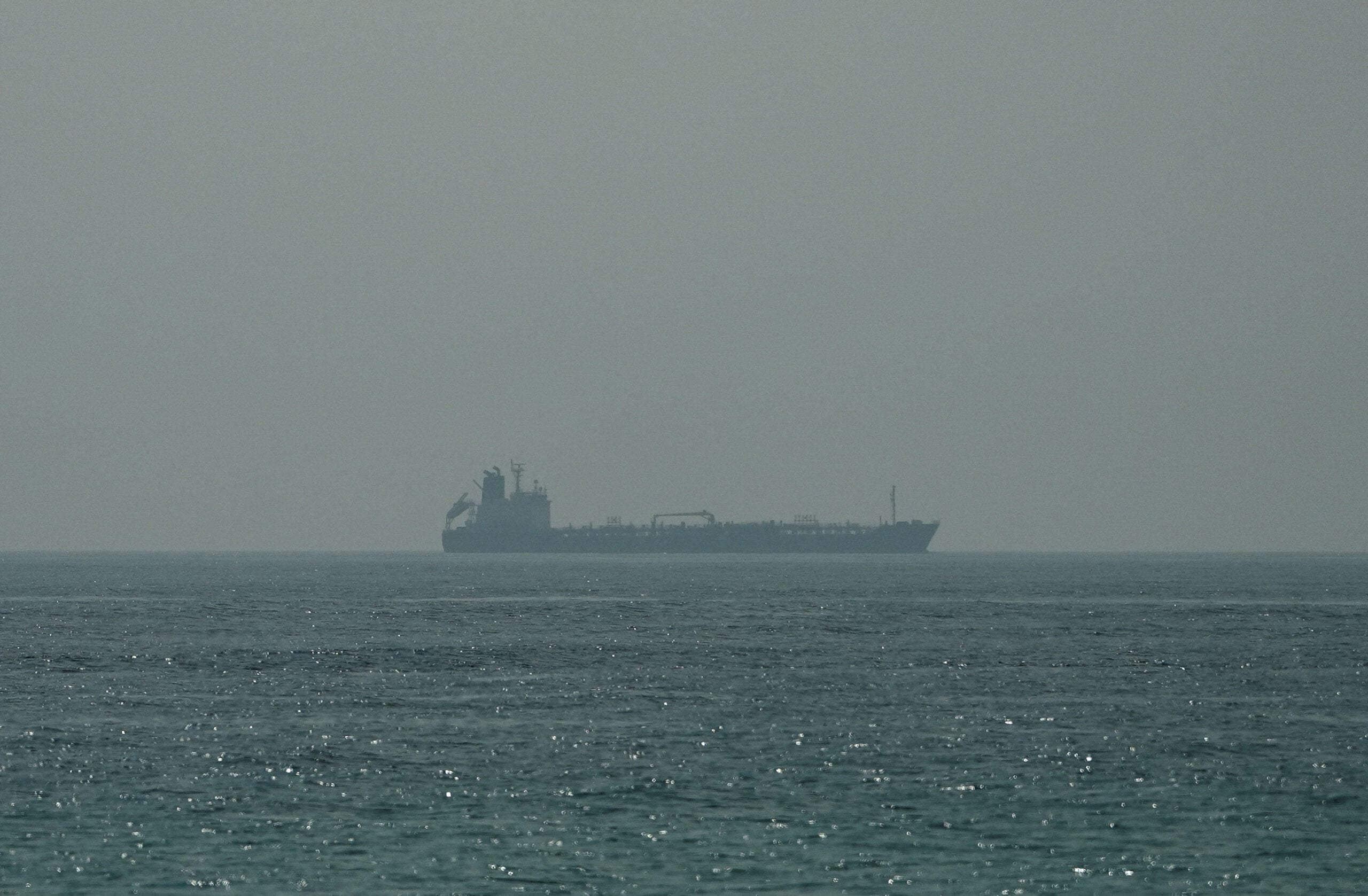
- Advise operators and insurers to treat Hormuz transits as high‑risk and plan routeing and laycan contingencies; align with the latest maritime advisories and maintain alternative lift options outside the choke point.
- Establish an indicator board for any Iranian move against GCC energy infrastructure; raise alerting thresholds for refinery or terminal disruptions in Kuwait, Bahrain and Qatar.
- Track EASA updates and airline schedules for Israel; adjust corporate travel and overflight risk postures if the regulator reinstates high‑risk guidance.
- Engage diplomatic and liaison channels to gauge the status of the 17 June MoU and any Qatari or Chinese facilitation; prepare talking points and options should a limited pause become available.
Confidence & uncertainty
Multiple high‑reliability reports corroborate extensive U.S. strikes across Iran, explosions near Bushehr, and Iranian missile and drone activity intercepted over Kuwait, Bahrain and Jordan. Official tallies from Iran’s Health Ministry and state media further support casualty reporting. Some elements are contested or single‑source, notably U.S. assertions that all Iranian munitions were intercepted versus Kuwait’s injury report, and differing timelines around the MoU’s status. These contradictions and partial attributions keep overall confidence at medium.
Alternative analysis (red cell)
Current reporting is concentrated in a small set of sources—notably a single origin cluster and state media—for the most consequential operational claims. A more cautious estimate is defensible: strikes and counter‑launches likely occurred, but scale, target sets (especially near Bushehr), exact casualty figures, and the asserted U.S. intent to avoid nuclear sites remain insufficiently corroborated and could be interpreted differently as more independent imagery, radar data, and medical/forensic evidence become available.
Intelligence gaps
- [EEI 1.1 · UNCOVERED] Unusual long-range missile/rocket transporter-launcher (TEL) movements, storage activation, or assembly activity at known IRGC missile sites or forward staging areas. Recommended collection: satellite/imagery
- [EEI 1.3 · PARTIAL] Large-scale transfers, deliveries, or convoy movements of armed UAVs/drones, guided munitions, or spare parts from Iran into Lebanon (Hezbollah), Iraq, Syria, or Gaza. Recommended collection: air/aviation track and HUMINT
- [EEI 1.4 · UNCOVERED] Sustained changes in Israeli air-defense usage (SAM launches, radar activations), wide-area alerts, or NOTAMs indicating elevated imminent strike response. Recommended collection: air/aviation/NOTAMs and signals
- [EEI 2.3 · PARTIAL] Insurance market indicators: sudden spikes in war-risk or hull insurance premiums for routes through the Red Sea, Suez corridor, or Persian Gulf, and major carriers announcing route changes. Recommended collection: financial/market and commercial shipping notices
- [EEI 3.1 · UNCOVERED] Deployment of foreign military assets to the region (carrier strike groups, amphibious ships, combat aircraft deployments, or additional bases activated) from the US, UK, France, Russia, or GCC states. Recommended collection: maritime/AIS and air/aviation and satellite/imagery
- [EEI 3.3 · UNCOVERED] Confirmed arms transfers, expedited weapons shipments, or transfer authorizations to Israel, Iran, or their proxies (aircraft parts, munitions, air defenses). Recommended collection: customs/INTEL and HUMINT
- [EEI 3.4 · UNCOVERED] Issuance of travel warnings, embassy evacuations or reductions, and closure of diplomatic missions by major capitals indicating escalation risk or shifted threat assessments. Recommended collection: OSINT/diplomatic
Cited sources
[1] military.com · US and Iran Exchange Intensifying Fire Across the Gulf, Threatening the Interim Deal to End War (B) · sha256:294c5b79b00f [2] Los Angeles Times · U.S. and Iran exchange intensifying fire across the Mideast, threatening the interim deal to end war - Los Angeles Times (A) · sha256:d8e035597290 [3] aljazeera.com · Mediator Pakistan says renewed US-Iran conflict is ‘in no one’s interest’ (A) · sha256:2ca24588c893 [4] maritime-executive.com · U.S. and Iran Continue to Exchange Strikes in Dispute Over Hormuz (B) · sha256:a8d2eafbdb1d [5] BBC News عربي · إيران تستهدف قواعد أمريكية في الخليج والأردن رداً على قصف أمريكي لـ90 هدفاً عسكرياً إيرانياً - BBC News عربي (A) · sha256:a671594c6ab3 [6] The Jerusalem Post · Live Updates: Latest from Israel, Iran, and Middle East | The Jerusalem Post (B) · sha256:09e7f9d16c9d [7] maritime-executive.com · Photos: U.S. Hits Iranian Ports and Military Bases in New Wave of Strikes (A) · sha256:1d6d48e674a2 [8] BBC · Trump threatens more strikes on Iran as Tehran warns of 'fearless' response (A) · sha256:9dc881004f0f [9] ynetnews.com · Israel braces for renewed Iran fighting as Netanyahu, Katz cancel military ceremony (B) · sha256:37118a6b247a [10] theguardian.com · Trump says truce ‘over’ as Iran reports US attack near nuclear plant – Middle East crisis live (A) · sha256:51eb2703ed5d [11] Deutsche Welle (DW) · حلفاء إيران في المنطقة. من التبعية إلى استقلالية شبه كاملة (A) · sha256:acb61f8460ba [12] foxnews.com · Trump says 'Iran lies and cheats' as IRGC emerges as dominant force in negotiations with US (B) · sha256:dd2bf4abc244 [13] marinelink.com · Hormuz Standoff Risks Chronic Instability for Gulf Oil Flows (B) · sha256:924814bb808d [14] maritime-executive.com · U.S. Imports Expected to Set New Record Ahead of Tariffs and Cost Increases (B) · sha256:3e54970fc193 [15] gcaptain.com · IMO Urges Ships to Avoid Hormuz as U.S. Strikes Iran Over Vessel Attacks (A) · sha256:9b55686dc824 [16] hayat.ps · راديو حياة – إسرائيل تلوّح بخطط هجومية جاهزة: تترقب "خطأ" من إيران (B) · sha256:b4409931d107 [17] CNN · U.S. launches more strikes on Iran | CNN (A) · sha256:c96b39a93928 [18] Newsweek · China reacts as U.S.-Iran strikes threaten fragile peace (B) · sha256:e7809e859497 [19] jpost.com · EU Aviation Safety Agency loosens restrictions on flights to Israel (B) · sha256:bf81d95c791f
Source content hashes were computed at collection time; the cited text is preserved unmodified for the life of this product.
Red cell review: PARTIAL DISSENT
TLP:CLEAR