TLP:CLEAR · Disclosure is not limited.
Iran-Israel-US Conflict: Hormuz and Regional Escalation Risks
Time window: Last 7 days · Audience: General analyst · Type: Situation report · DTG: 2026-08-21 06:12Z · Overall confidence: MEDIUM
BLUF
Iran, Israel, and the US are likely to remain in active confrontation over the next 14 days, with the Strait of Hormuz and attacks on regional partners presenting the clearest escalation pathways. US economic pressure on Iran is very likely to intensify, while reported mediation by Oman provides a narrow but uncertain route towards de-escalation.
Executive summary
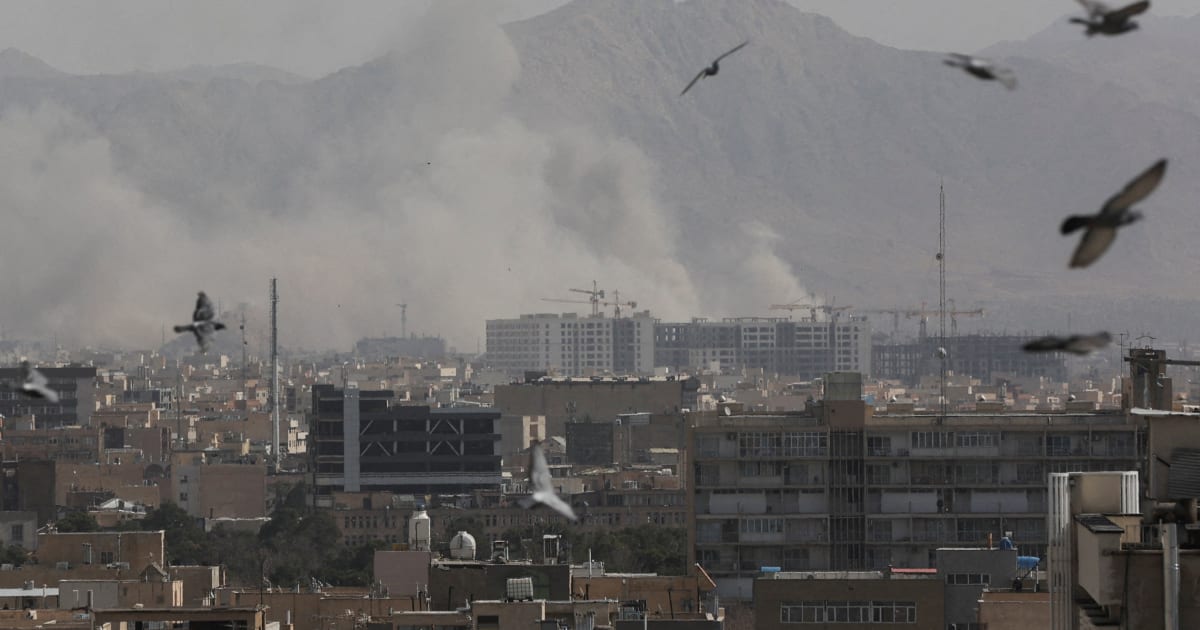
The conflict remains active despite reporting of a quiet phase and competing claims about ceasefires and memoranda. Iran has conducted missile and drone attacks against Israel, US-aligned Arab states, US bases, Jordan, ships in the Persian Gulf, and targets in Iraq. Israel has attacked Iranian forces and allies in Syria and begun occupying southern Lebanon. Shipping through the Strait of Hormuz has fallen, a projectile has caused a crew casualty, and Saudi Aramco and Adnoc are rerouting exports through Egypt. Washington is increasing economic pressure, while Iran and Oman continue discussions on managing the strait. Humanitarian pressure remains severe in Gaza and across the wider conflict zone.
Key judgments
- Active confrontation between Iran, Israel, and the US is likely to persist over the next 0-14 days. Iran's leadership is preparing for a wider confrontation, Tehran has stated that it will attack to break the US naval blockade if diplomacy fails, and reporting says the 60-day ceasefire expired without extension. Confidence is medium because the dataset contains conflicting reporting on the conflict's start date and on whether a 17 June 2026 memorandum remains operative. The reported Oman understanding rests chiefly on a claim by Iran's foreign minister. (Confidence: medium · ASSESSED)
- I&W: CONFIRM: Iran launches another missile or drone attack against Israel, a US base, Jordan, or a US-aligned Arab country. (0-14 days)
- I&W: BREAK: Iran and the US publicly extend the ceasefire or resume talks, followed by a verified halt in attacks for 14 consecutive days. (0-14 days)
- Further regional spillover is likely over the next 0-14 days. Iran has attacked Israel, US-aligned Arab countries, US military bases, Jordan, ships in the Persian Gulf, and targets in Iraq. Israel has attacked Iranian forces and Iranian allies in Syria and begun occupying southern Lebanon. Confidence is medium because attribution of the missile incident involving the UAE remains contested and some accounts do not identify the responsible actor. (Confidence: medium · ASSESSED)
- I&W: CONFIRM: A further Iranian strike hits Jordan, the UAE, Saudi Arabia, Bahrain, a US base, or a commercial vessel in the Persian Gulf. (0-14 days)
- I&W: BREAK: No new Iranian or Israeli strikes are reported in the named theatres for 14 consecutive days, alongside a public commitment to preserve the current lines of control. (0-14 days)
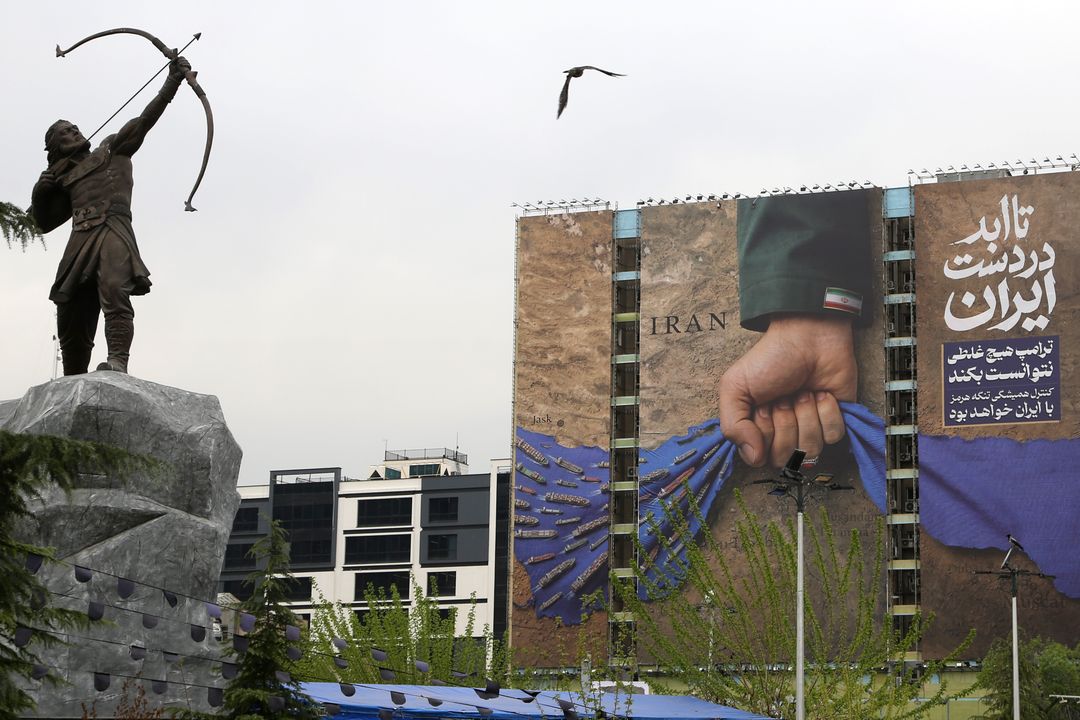
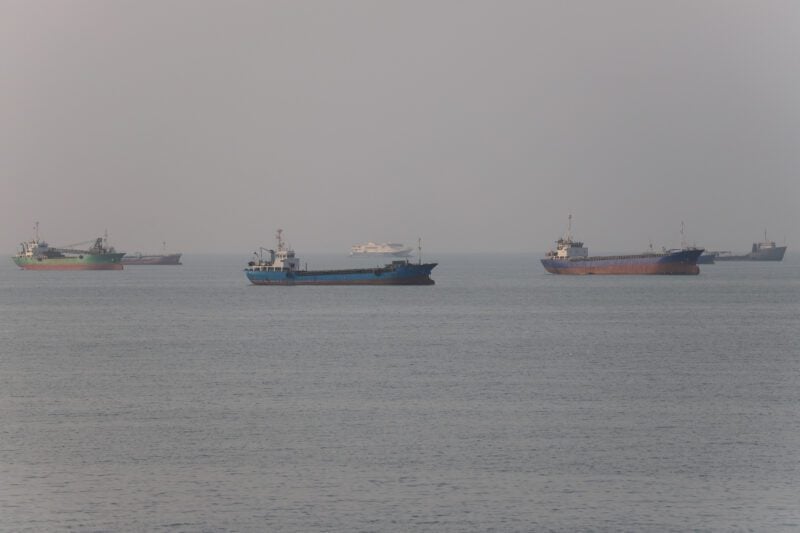
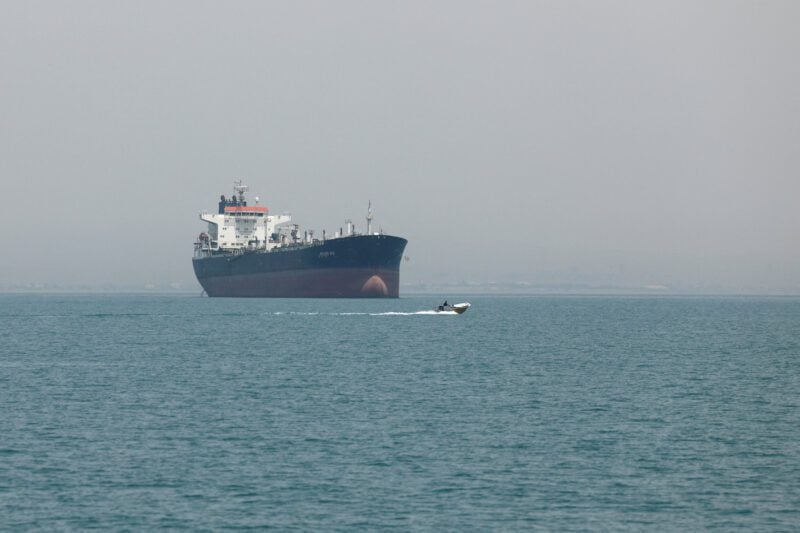
- Maritime disruption in and around the Strait of Hormuz is likely to persist over the next 0-14 days and remain an economic pressure point over 1-3 months. Kpler reported reduced traffic, a separate assessment placed the five-day average at around 13 on 12 August, and a projectile hit a ship and caused a crew casualty. Saudi Aramco and Adnoc are deploying ship-to-ship transfers and rerouting exports through Egypt's Sidi Kerir terminal. Iran and Oman are negotiating management of the strait, but Iran's claim of an understanding conflicts with Donald Trump's statement that the strait remains open and operating. Confidence is medium because the traffic data and diplomatic status are not fully consistent. (Confidence: medium · ASSESSED)
- I&W: CONFIRM: The five-day average of Strait of Hormuz traffic remains near 13 or falls further, and another commercial vessel is struck or boarded. (0-14 days)
- I&W: BREAK: Traffic returns above the reported near-three-month low for at least 14 days, with no new vessel attack and continued export movement through established routes. (1-3 months)
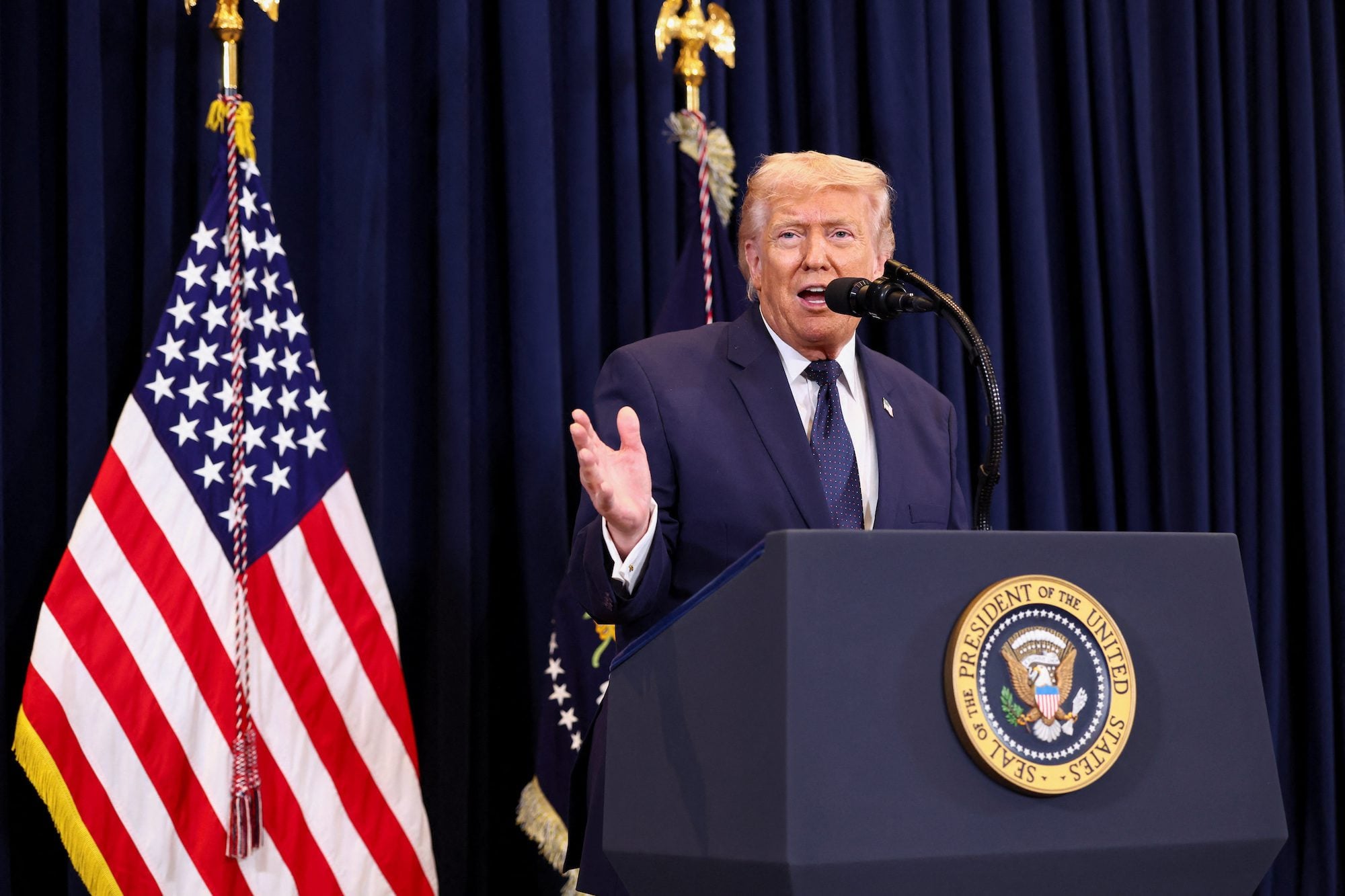
- US economic pressure on Iran is very likely to intensify over the next 1-3 months. Donald Trump announced a new economic operation against Iran on 19 August 2026, OFAC published its Specially Designated Nationals and Blocked Persons List on 20 August, and the US Department of State said Washington will continue targeting Iranian funding networks. Iran is experiencing almost 80% inflation and its currency has lost almost 30% of its value against the dollar this year. The UAE suspended trade with Iran on 18 August. Confidence is high on the direction of US policy because official and major-media reporting corroborate recent measures, but the scale and effect of future actions remain uncertain. (Confidence: high · ASSESSED)
- I&W: CONFIRM: OFAC adds further Iran-related designations or the US Department of State announces additional measures against Iranian funding networks. (0-14 days)
- I&W: BREAK: The White House or Treasury publicly suspends, rolls back, or materially exempts the current Iran economic measures. (1-3 months)
- Humanitarian pressure is likely to remain severe over the next 1-3 months. The war has caused thousands of civilian and military casualties, and an Israeli strike on Gaza City killed six people, including a child. Stephen Doughty renewed UK calls for more aid to Gaza and visited humanitarian support facilities at Al Arish. The UK Government has provided more than £127m in support for Palestine during the financial year. Confidence is medium because current casualty reporting is less complete than the military reporting and the evidence does not establish the direction of humanitarian access. (Confidence: medium · ASSESSED)
- I&W: CONFIRM: Another strike in Gaza City or the wider Gaza theatre produces civilian casualties, while the UK issues a further call for increased aid access. (0-14 days)
- I&W: BREAK: The partial Israel-Hamas ceasefire holds for 30 days and humanitarian deliveries through Al Arish increase without new reported civilian casualties. (1-3 months)
Outlook & scenarios
Prolonged coercive standoff (45%)
Iran, Israel, and the US continue intermittent strikes, threats, and sanctions without a verified settlement. Hormuz traffic remains below recent levels, while Iran and Oman sustain talks that prevent full closure. This is likely if neither side accepts current demands and no new US-Iran talks are announced.
Hormuz and Gulf expansion (30%)
Iran attacks a commercial vessel or attempts to break the US naval blockade, prompting responses from the US, Israel, the UAE, Saudi Arabia, or Kuwait. Shipping falls further, rerouting through Egypt's Sidi Kerir terminal expands, and UAE-Iran trade remains suspended. A further strike on the USN Fifth Fleet service centre in Bahrain or an attack on Jordan would produce a high-impact escalation.
Oman-facilitated de-escalation (20%)
Iran and Oman formalise an arrangement on Strait of Hormuz shipping lanes, with Egypt supporting a return to US-Iran negotiations. A ceasefire extension follows, attacks decline, and tanker traffic gradually recovers. This pathway depends on both sides accepting an arrangement that falls short of their stated objectives.
High-end escalation involving nuclear signalling (5%)
Very unlikely but high impact. The US signals a greater role for shorter-range tactical nuclear weapons in regional conflict or acts on unverified claims of nuclear-use discussions. Israel conducts further strikes against Iranian targets, and Iran responds against Israel, US bases, or Gulf states. The evidence for this pathway is thin and partly single-source.
Recommendations
- Maintain a daily 0-14 day watch on Iranian missile and drone activity against Israel, Jordan, the UAE, Bahrain, US bases, and commercial vessels in the Persian Gulf. Record reported attribution separately from confirmed impact.
- Build a Strait of Hormuz dashboard covering five-day vessel averages, ship casualties, boarding incidents, export rerouting through Egypt's Sidi Kerir terminal, and public statements by Iran, Oman, the US, Saudi Arabia, and the UAE. Reconcile conflicting traffic estimates before using them in further assessments.
- Track US economic measures against Iran on a daily basis, including OFAC designations, State Department statements on funding networks, and changes in UAE-Iran trade. Assess effects against Iran's inflation and currency indicators rather than relying on official rhetoric alone.
- Prioritise reporting on Iran-Oman discussions and Egyptian diplomatic messaging. Treat any claimed understanding as unconfirmed until Oman, the US, and commercial shipping operators report operational changes in the strait.
- Maintain a separate humanitarian watch for Gaza City and Al Arish. Track civilian casualty reporting, aid access, UK assistance, and the status of the partial Israel-Hamas ceasefire without conflating aid commitments with actual deliveries.
- Prepare an escalation matrix for attacks on the USN Fifth Fleet service centre in Bahrain, Jordanian territory, UAE infrastructure, Saudi facilities, and commercial shipping. Assign each incident a confirmed, contested, or unconfirmed attribution status.
Confidence & uncertainty
Overall confidence is medium. Multiple major-media reports support the continuation of military exchanges, maritime disruption, economic pressure, and humanitarian harm. Official sources provide stronger corroboration for OFAC action and UK assistance, while multilateral reporting supports separate Iran-related activity. Confidence is reduced by conflicting dates for the war and ceasefires, disputed attribution of some strikes, inconsistent accounts of Strait of Hormuz traffic, and reliance on think-tank or single-source reporting for Iranian intentions and diplomatic understandings. The dataset also mixes 2023 claims with 2026 reporting, limiting confidence in some trend judgments.
Cited sources
[1] Harsh Karn · Is the World Heading Toward a Bigger War? (B) · sha256:a1e825a4b6ac [2] ynetnews.com · Iran prepares for wider war as Mojtaba Khamenei hardens strategy during US talks (B) · sha256:875db7908221 [3] gcaptain.com · Iran Threatens to Go On Offensive in Strait of Hormuz if Diplomacy With US Fails (A) · sha256:829f6ec4ce9f [4] trtworld.com · Can Iran's offensive strategy force a US rethink? (B) · sha256:c9ff0949c4ff [5] Wikipedia · 2026 Iran war (B) · sha256:6297f810f1e3 [6] cfr.org · Iran’s War With Israel and the United States (C) · sha256:042e5c5d1944 [7] middleeasteye.net · US considering nuclear weapons against Iran as war falters, claims Marjorie Taylor Greene (B) · sha256:1e1246d0674c [8] Wikipedia · Iran (B) · sha256:2e25cc0c8274 [9] Wikipedia · Iran–Israel proxy conflict (B) · sha256:d7a7ce39c044 [10] wandtv.com · Trump says US has no talks planned with Iran and other news from the Middle East (B) · sha256:fece8549f802 [11] gcaptain.com · Trump Threatens Economic Isolation for Iran and Its Trading Partners (B) · sha256:cf8d93b087a4 [12] gcaptain.com · Maritime Markets Bracing for Long-term Disruption in the Middle East (B) · sha256:6c857ad7ae5b [13] gcaptain.com · US Will Impose 'Toughest Sanctions in History' on Iran, Bessent Says (A) · sha256:d05c2b26d817 [14] Office of Foreign Assets Control (OFAC) · OFAC - SDN List (A) · sha256:324ae2a254cc [15] Al Jazeera · أخبار إيران | إيران | الجزيرة نت (A) · sha256:991abe3ecb6f [16] UK Government · Minister renews calls for Israel to allow more aid into Gaza on first visit to the region (A) · sha256:ba76e538e65a
Source content hashes were computed at collection time; the cited text is preserved unmodified for the life of this product.
TLP:CLEAR