TLP:CLEAR · Disclosure is not limited.
Iran, Israel, US escalation: Gulf missile fire, contested Hormuz, and rising oil risk
Time window: Last 1 day · Audience: General analyst · Type: Situation report · DTG: 2026-07-12 14:13Z · Overall confidence: MEDIUM
BLUF
Iran’s IRGC has expanded missile and drone attacks against US-linked sites in Jordan, Kuwait, Bahrain and Qatar as US Central Command executes large strike waves inside Iran. The status of the Strait of Hormuz is contested and traffic is depressed, keeping regional and oil market risk high despite ongoing Omani-facilitated talks.
Executive summary
Since late February joint US, Israeli strikes in Iran, fighting has intensified across the Gulf. Iran’s IRGC and army claim ballistic missile and drone attacks on US-linked sites at Prince Hassan Airbase in Jordan, Al Udeid in Qatar, and US communications and radar sites in Bahrain and Kuwait, while Kuwait and Jordan report interceptions and Bahrain has repeated missile alerts. CENTCOM says it has hit about 140 targets across Iran and launched further rounds after IRGC attacks on commercial shipping, including a Cyprus-flagged container ship. Iran announced the Strait of Hormuz closed and said no vessel may pass until US interference ends, while Washington says the strait is open; in practice tanker associations report sharply reduced transits. Qatar reports civilian injuries from falling interception debris. Diplomatically, the United States is pressing Tehran to halt ship attacks as Oman pursues navigation talks; Qatar has condemned Iranian strikes. Oil market stability hinges on Hormuz normalisation even as the UAE and Saudi Arabia raise output. Washington is re-tightening sanctions while Iran pursues legal action.
Change from previous assessment
Kinetic activity expanded and became more granular since the prior brief: Iran’s IRGC and army claimed strikes on Prince Hassan Airbase in Jordan, Al Udeid in Qatar, and US communications and radar sites in Bahrain and Kuwait, while Kuwait and Jordan reported interceptions and Bahrain issued repeated missile alerts. CENTCOM described about 140 targets hit inside Iran and a third strike wave. Tehran publicly declared the Strait of Hormuz closed until further notice, and tanker bodies reported sharp transit declines, deepening the maritime risk outlined previously. Washington demanded a public Iranian halt to ship attacks while Oman, Iran navigation talks continued. New humanitarian reporting from Qatar flagged interception debris injuries. Sanctions pressure continued through revoked relief and fresh designations. Initial assessment of Israeli unilateral action risk was added with medium confidence due to new reporting.
Key judgments
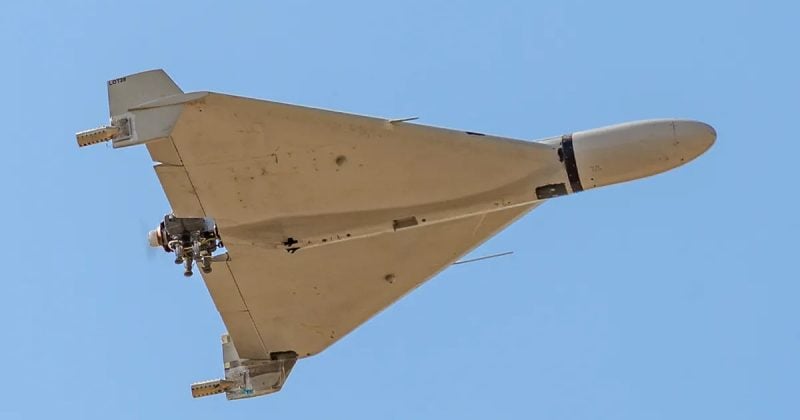
- Very likely Iran’s IRGC and army have carried out or claimed ballistic missile and drone attacks on US-linked facilities across the Gulf, including Prince Hassan Airbase in Jordan, Al Udeid Airbase in Qatar, and US communications and radar sites in Bahrain and Kuwait, while Kuwait and Jordan report interceptions and Bahrain has repeated missile alerts. (Confidence: high · REPORTED)
- I&W: New communiques by Kuwait’s military or Jordan’s armed forces reporting fresh interceptions of Iranian drones or missiles. (0-14 days)
- I&W: A verified seven-day pause in IRGC long-range missile or drone launch claims against Gulf targets. (0-14 days)
- Very likely US Central Command has executed consecutive large strike waves against Iranian targets, including about 140 sites, framed as responses to IRGC attacks on shipping, amid direct exchanges of fire over the Strait of Hormuz and reported vessel damage. (Confidence: high · REPORTED)
- I&W: CENTCOM releases strike imagery or BDA naming new Iranian radar, missile or drone sites hit. (0-14 days)
- I&W: A 72-hour window with neither CENTCOM strike reports nor IRGC-claimed maritime attacks. (0-14 days)
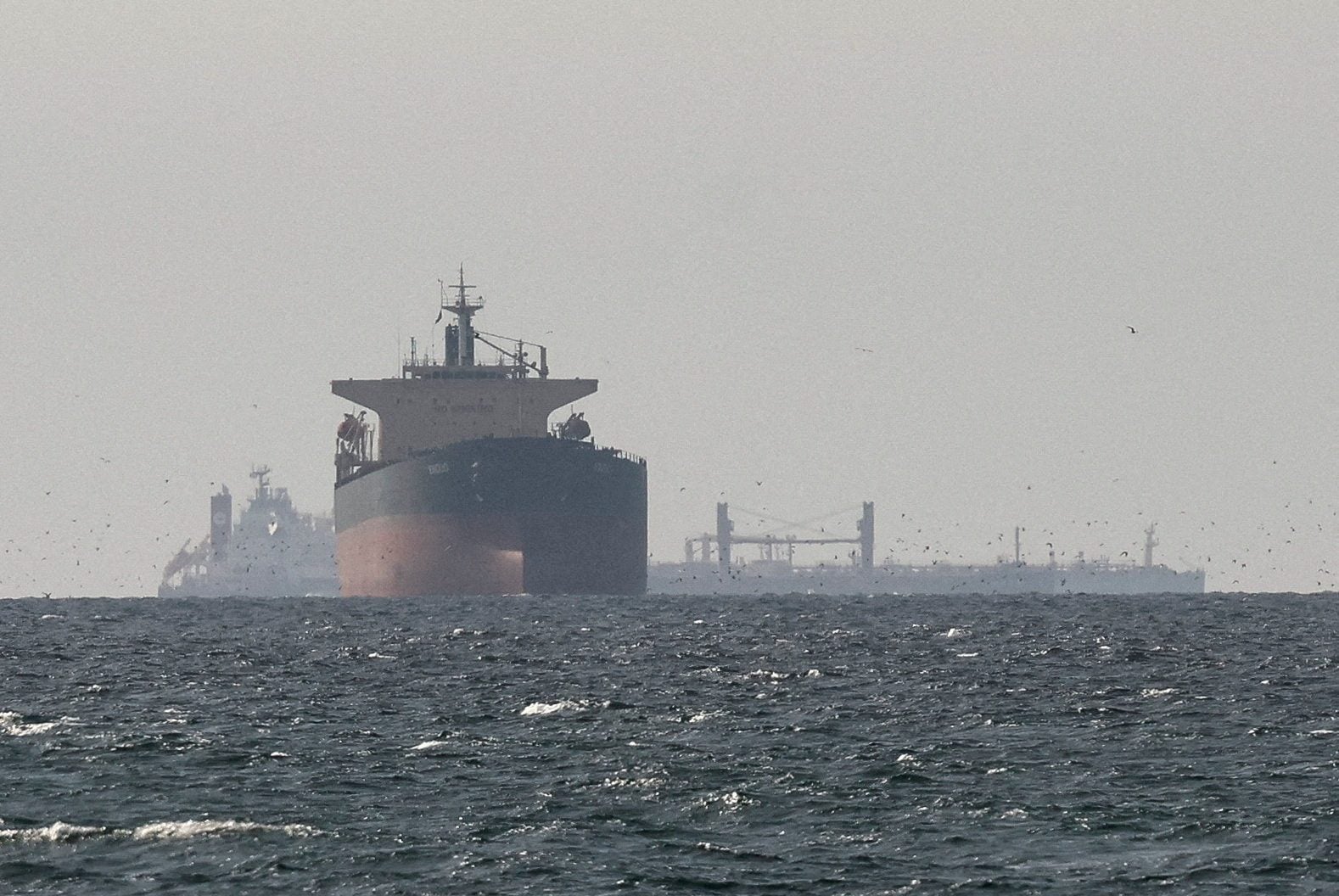
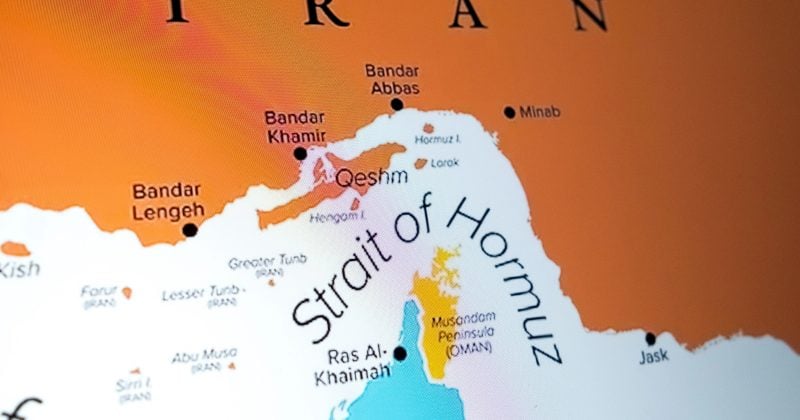
- Roughly even chance the Strait of Hormuz is under contested closure conditions: Iran’s IRGC announced the waterway closed until further notice and said no vessels may pass until US interference ends, while the United States says it remains open; tanker-tracking shows de facto constraint with southern-route transits in single digits and the northern route far below June levels. (Confidence: medium · ASSESSED)
- I&W: AIS and tanker-tracking show the southern Hormuz route holding below 10 transits per day. (0-14 days)
- I&W: An Iranian NAVTEX or advisory rescinds permit requirements and southern-route transits recover to 30+ daily. (1-3 months)
- Likely back-channel diplomacy remains active but will not deliver near-term de-escalation: Washington is demanding Tehran publicly halt ship attacks as Oman and Iran continue technical talks on navigation and Qatar condemns Iranian strikes, while Israel assesses zero chance of a permanent agreement and the IRGC vows a harsh response. (Confidence: medium · ASSESSED)
- I&W: Oman’s Foreign Ministry issues a readout detailing technical arrangements for ship passage in Hormuz. (0-14 days)
- I&W: Iran publicly suspends navigation talks or rejects further discussions with Oman or the US. (0-14 days)
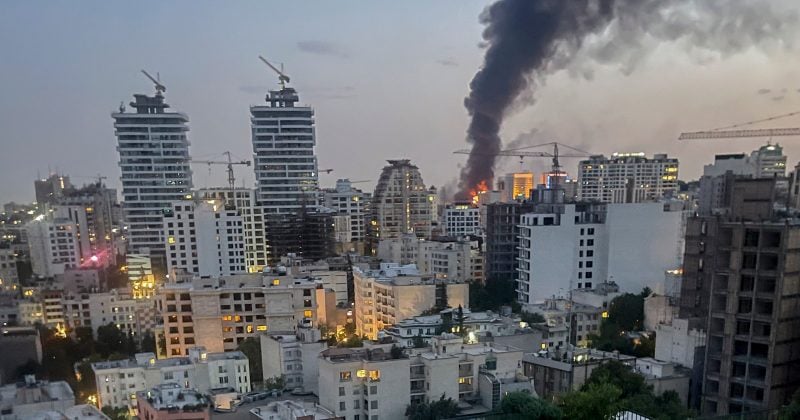
- Likely the conflict is already causing civilian harm in Gulf cities, with Qatari authorities reporting three injuries, including a child, from falling debris after missile interceptions. (Confidence: medium · REPORTED)
- I&W: Qatar’s Ministry of Interior reports further injuries linked to interception debris. (0-14 days)
- I&W: A 14-day period without reported debris-related injuries in Qatar. (0-14 days)
- Likely Washington is tightening economic pressure in parallel with military action, revoking sanctions relief and an oil sanctions waiver linked to the ceasefire and designating Dubai-based financier Ali Ansari and Iran-based exchange houses that move funds for sanctioned banks. (Confidence: medium · REPORTED)
- I&W: OFAC announces additional Iran-related designations of facilitators or exchange houses. (1-3 months)
- I&W: Public US guidance signalling a pause or easing in new Iran sanctions actions. (1-3 months)
- Very likely oil market volatility will persist: Hormuz handles about one fifth of global oil, tanker transits are depressed, and the IEA warns renewed hostilities threaten the outlook even as the UAE pumps a record 4.1 mb/d and Saudi Arabia lifts output to 7.3 mb/d. (Confidence: high · ASSESSED)
- I&W: IEA or OPEC monthly reports attribute revised supply or price outlooks to Hormuz disruption. (1-3 months)
- I&W: Sustained recovery of southern Hormuz transits to at or above 30 per day with freight rates normalising. (1-3 months)
- Likely Israel is preparing independent military options against Iran while maintaining close coordination with US Central Command, and judges a permanent agreement with Tehran to be impossible, increasing the risk of Israeli action if Iranian attacks persist. (Confidence: medium · ASSESSED)
- I&W: Israeli officials announce readiness steps or Israel conducts and claims a long-range strike on Iranian targets. (0-14 days)
- I&W: A government statement commits Israel to avoid unilateral strikes while deferring to US-led operations. (1-3 months)
Outlook & scenarios
Managed escalation with contested Hormuz and ongoing tit-for-tat (60%)
IRGC missile and drone launches against US-linked sites persist at a reduced tempo, matched by further CENTCOM strikes inside Iran. Iran maintains a declared closure posture for Hormuz while Washington contests it; traffic remains depressed with intermittent spikes as shipowners route via the northern lane. Oman keeps talks alive but without a public deal. Oil markets remain volatile, buffered partly by higher UAE and Saudi output.
Israeli unilateral strike triggers broader regional war (35%)
Following continued Iranian attacks, Israel conducts an independent long-range strike on Iranian assets. Tehran expands regional fires on US-linked facilities in Jordan, Kuwait, Bahrain and Qatar and targets more shipping. GCC interceptions intensify, Bahrain maintains frequent alerts, and CENTCOM widens its target set. Hormuz remains highly restricted and marine insurers raise premiums further.
Limited maritime de-escalation via Oman (25%)
Omani-facilitated technical understandings generate a public Iranian statement limiting attacks on commercial shipping and softening permit requirements. US messaging shifts to maritime protection guarantees while both sides retain the ability to strike elsewhere. Southern-route tanker transits recover gradually and oil market jitters ease, though land-based exchanges continue.
Wildcard: Mass-casualty strike or sunken tanker forces coalition convoy regime (10%)
A high-fatality hit on Al Udeid or Prince Hassan, or a sunk LNG or container ship in Hormuz, prompts a US-led suppression campaign and rapid stand-up of escorted convoys through the strait. Iran faces expanded sanctions and legal censure; maritime traffic resumes under tight rules of engagement but regional missile exchanges spike.
Recommendations
- Maintain a single timeline of kinetic events cross-referencing official communiques from Kuwait, Jordan, Bahrain and Qatar and CENTCOM releases; geolocate impact sites and catalogue intercept debris incidents to separate confirmed strikes from claims.
- Track Hormuz conditions daily with AIS and tanker-tracking for both southern and northern lanes; log transits against INTERTANKO-style thresholds to quantify de facto constraints and brief decision-makers on ship routing risk.
- Task collection to Omani and Qatari channels: monitor foreign ministry readouts and shipping advisories for any public steps on passage permits, escorts or Iranian guarantees.
- Prepare an oil-market risk note that marries Hormuz transit data, IEA commentary and Gulf production figures; update contingency assumptions for supply, freight, and insurance costs.
- Expand sanctions network mapping on IRGC facilitators in the UAE and Iran-based exchange houses; pre-flag likely next-wave targets for OFAC action and potential private-sector risk advisories.
- Set up an Israel watchlist: track IDF, CENTCOM coordination statements, Israeli Cabinet signalling and reserve call-ups for indications of unilateral action.
- Update travel and facility security guidance for US personnel and contractors in the UAE, Qatar, Bahrain and Kuwait in line with FAA cautions and local missile alert patterns; verify shelter-in-place and accountability procedures.
- Create a rapid maritime incident checklist for any new ship attack, capturing flag, cargo, damage, and response to support quick attribution and escalation assessment.
Confidence & uncertainty
Multiple high-reliability reports corroborate intense US and Iranian military activity, GCC interceptions and shipping disruption. Trade publications provide consistent tanker-transit metrics, and official statements anchor diplomatic and sanctions developments. Confidence is lowered by direct contradictions on the status of the Strait of Hormuz, uneven attribution of damage on targeted bases, and some medium-source items on shipping attacks and Israeli intentions. On balance, evidence supports medium overall confidence.
Intelligence gaps
- [EEI 1.1 · UNCOVERED] Unusual long-range missile/rocket transporter-launcher (TEL) movements, storage activation, or assembly activity at known IRGC missile sites or forward staging areas. Recommended collection: satellite/imagery
- [EEI 1.2 · PARTIAL] Orders, threat-alert messages, or changes in posture from IRGC, Quds Force, or senior Iranian military leadership indicating attack timelines or rules of engagement changes. Recommended collection: signals/ELINT and HUMINT
- [EEI 1.3 · UNCOVERED] Large-scale transfers, deliveries, or convoy movements of armed UAVs/drones, guided munitions, or spare parts from Iran into Lebanon (Hezbollah), Iraq, Syria, or Gaza. Recommended collection: air/aviation track and HUMINT
- [EEI 1.4 · PARTIAL] Sustained changes in Israeli air-defense usage (SAM launches, radar activations), wide-area alerts, or NOTAMs indicating elevated imminent strike response. Recommended collection: air/aviation/NOTAMs and signals
- [EEI 2.3 · PARTIAL] Insurance market indicators: sudden spikes in war-risk or hull insurance premiums for routes through the Red Sea, Suez corridor, or Persian Gulf, and major carriers announcing route changes. Recommended collection: financial/market and commercial shipping notices
- [EEI 2.4 · PARTIAL] Port closures, naval escorts requested by commercial operators, or formal rerouting advisories issued by major shippers (e.g., Maersk, Hapag-Lloyd) for regional transits. Recommended collection: commercial/OSINT
- [EEI 3.2 · PARTIAL] Formal diplomatic actions: emergency UNSC votes, sanctions announcements, high-level ministerial visits, or public mediation offers by external powers or regional actors. Recommended collection: diplomatic/OSINT
- [EEI 3.3 · UNCOVERED] Confirmed arms transfers, expedited weapons shipments, or transfer authorizations to Israel, Iran, or their proxies (aircraft parts, munitions, air defenses). Recommended collection: customs/INTEL and HUMINT
Cited sources
[1] Al Jazeera · Iran attacks five Gulf nations, shuts Hormuz after US bombing: All to know (A) · sha256:d2d52ddde147 [2] Al Jazeera · Missiles and drones fired at Gulf states after night of US strikes on Iran (A) · sha256:d271abdf7e5e [3] cryptobriefing.com · Kuwait intercepts Iranian drones, missiles amid US-Iran tensions (B) · sha256:d867c91bf1a2 [4] cryptobriefing.com · Gulf states intercept Iranian missiles amid escalating regional tensions (B) · sha256:3599808cca0b [5] cryptobriefing.com · CENTCOM launches strikes after IRGC attack on Cyprus-flagged ship (B) · sha256:3930eb4c7b36 [6] cryptobriefing.com · US, Iran exchange fire over Strait of Hormuz amid escalating 2026 conflict (B) · sha256:a4c02f7dee9d [7] ynetnews.com · Iran attacks ship in Strait of Hormuz, declares waterway 'closed until further notice' (A) · sha256:a6ef492db3f4 [8] cryptobriefing.com · US airstrikes target Iran's energy infrastructure amid 2026 conflict (B) · sha256:0c58e1512af0 [9] CBS News · Live updates: U.S. conducts another round of strikes on Iran as Trump, supreme leader exchange threats (A) · sha256:999711e153ff [10] gcaptain.com · INTERTANKO: Hormuz Tanker Transits Via Southern Route Fall to Single Digits After Renewed Fighting (C) · sha256:ec7edd5042d6 [11] gcaptain.com · Trump Declares Iran Ceasefire Over as U.S. Unveils New Sanctions (B) · sha256:ca8b1833d031 [12] gcaptain.com · Oil Market Recovery Hinges on Hormuz Stability as IEA Warns Renewed Fighting Clouds Outlook (B) · sha256:9fb2249bf1e2 [13] gcaptain.com · UAE’s Oil Output Surged to Record High in June, IEA Says (A) · sha256:e4a7f359525b [14] cryptobriefing.com · Israel prepares for potential solo military action against Iran amidst 2026 conflict (B) · sha256:6bd02706a485
Source content hashes were computed at collection time; the cited text is preserved unmodified for the life of this product.
TLP:CLEAR