TLP:CLEAR · Disclosure is not limited.
Iran, Israel: US strikes on Iran after tanker attacks; Hormuz threat Severe; Israeli operations deepen in southern Lebanon
Time window: Last 1 day · Audience: General analyst · Type: Situation report · DTG: 2026-07-08 08:03Z · Overall confidence: LOW
BLUF
US forces struck over 80 Iranian targets after multiple tanker attacks near the Strait of Hormuz, while maritime risk is assessed Severe and further Iranian retaliation is a roughly even chance. Israeli operations in southern Lebanon are continuing with no near-term withdrawal signalled.
Executive summary
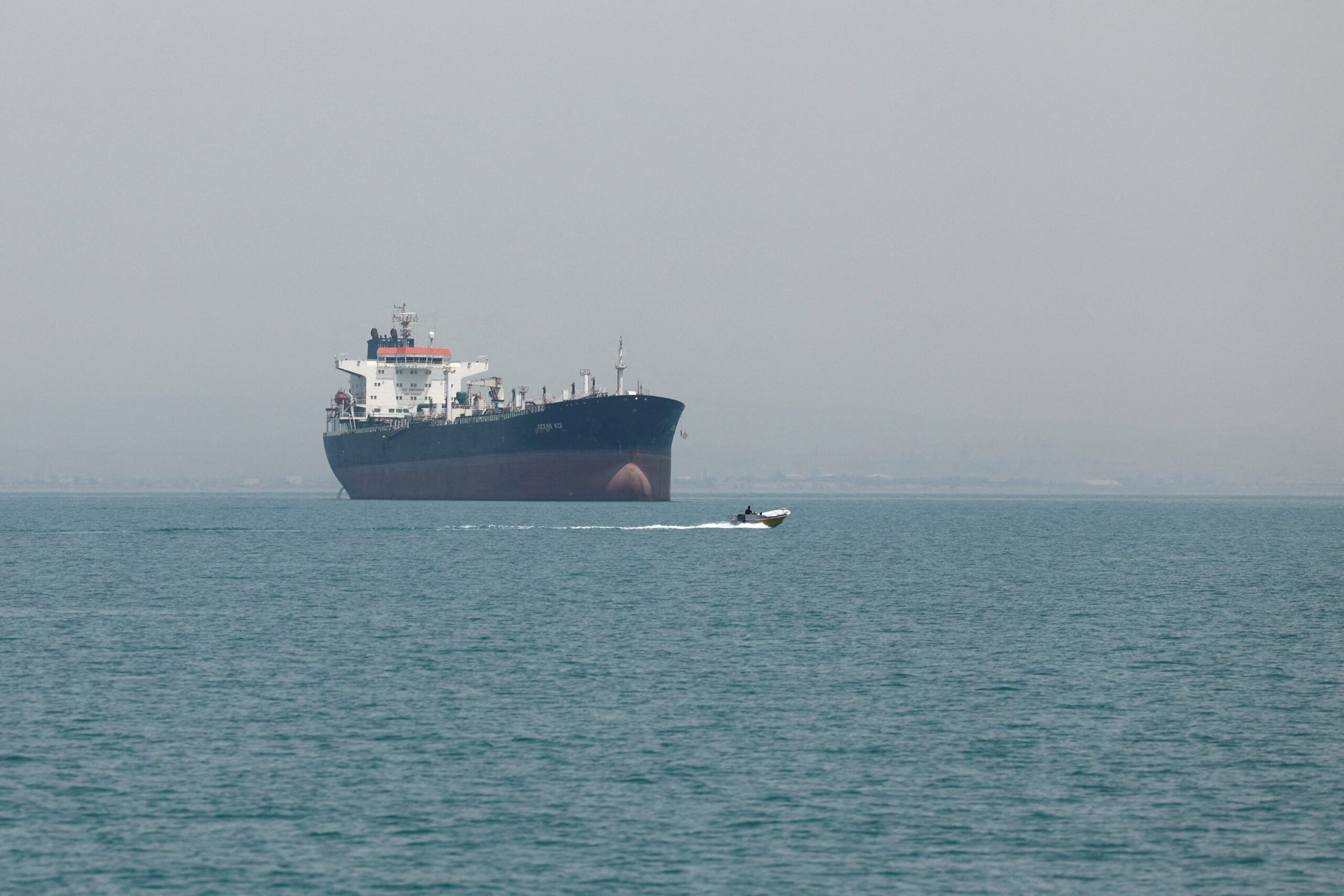
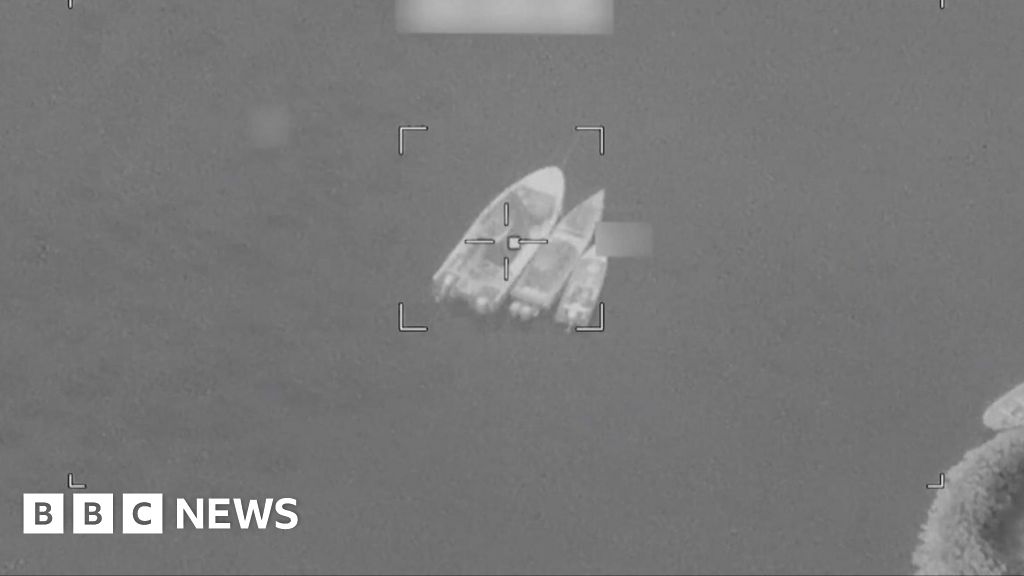
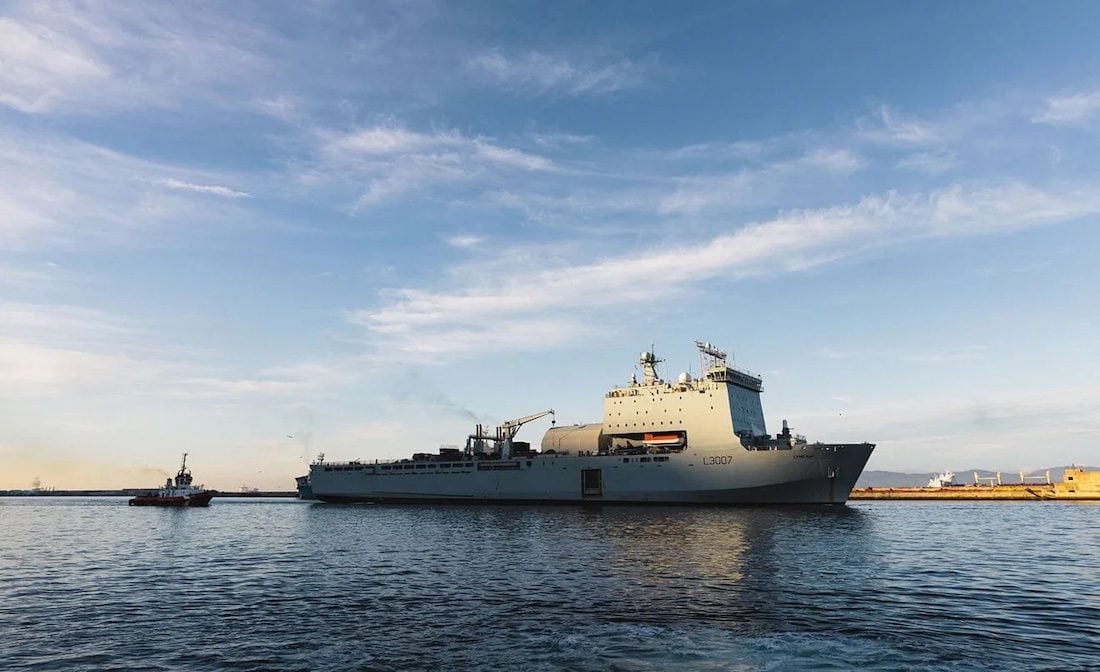
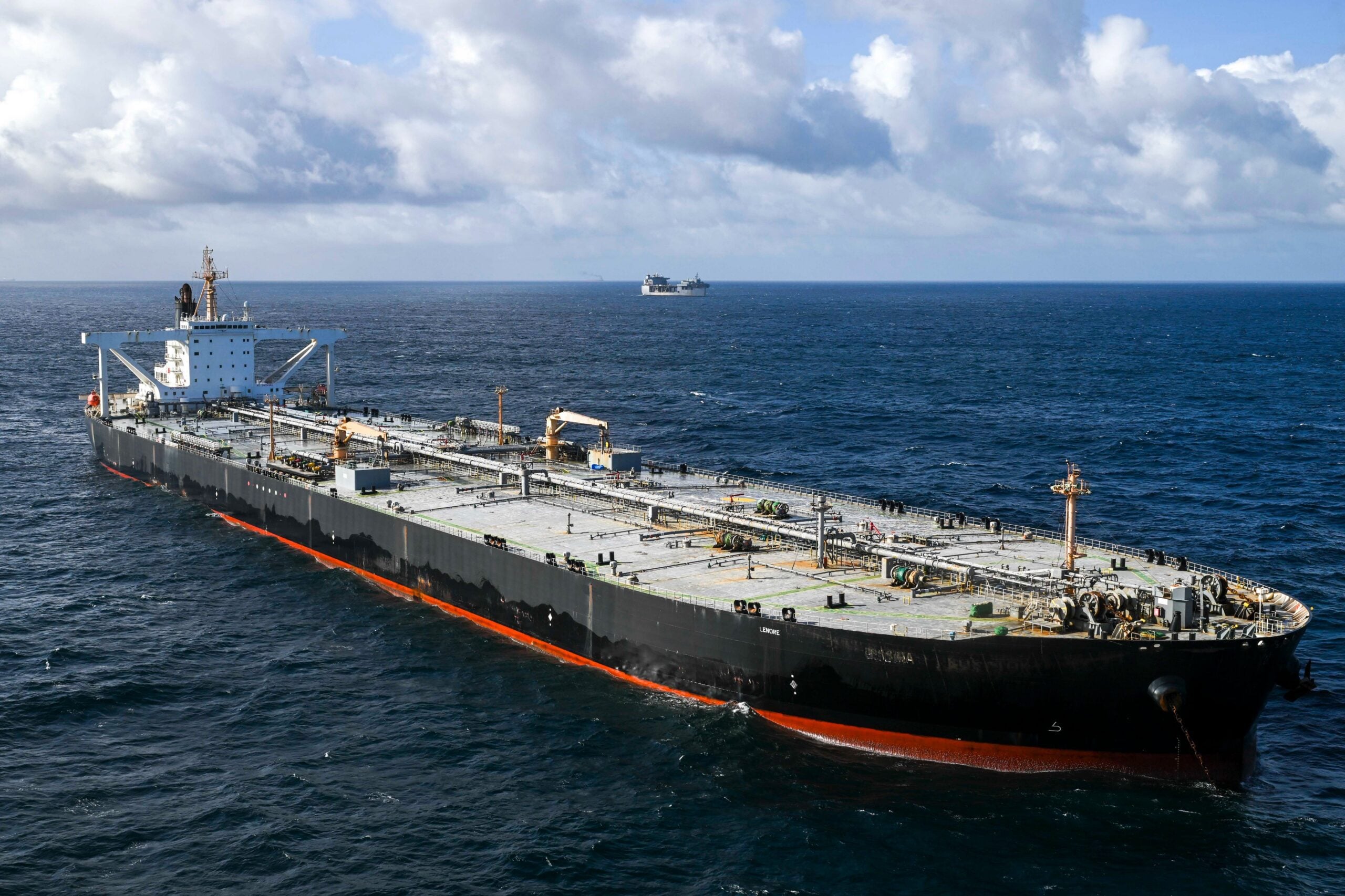
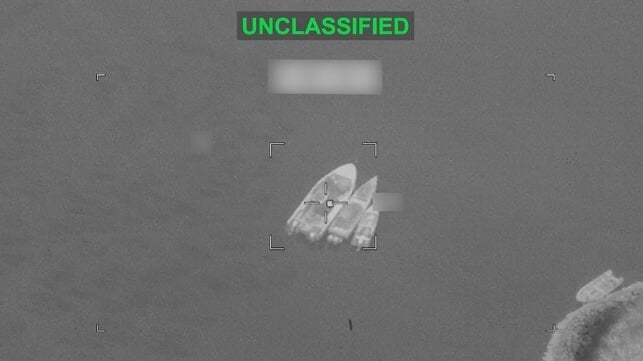
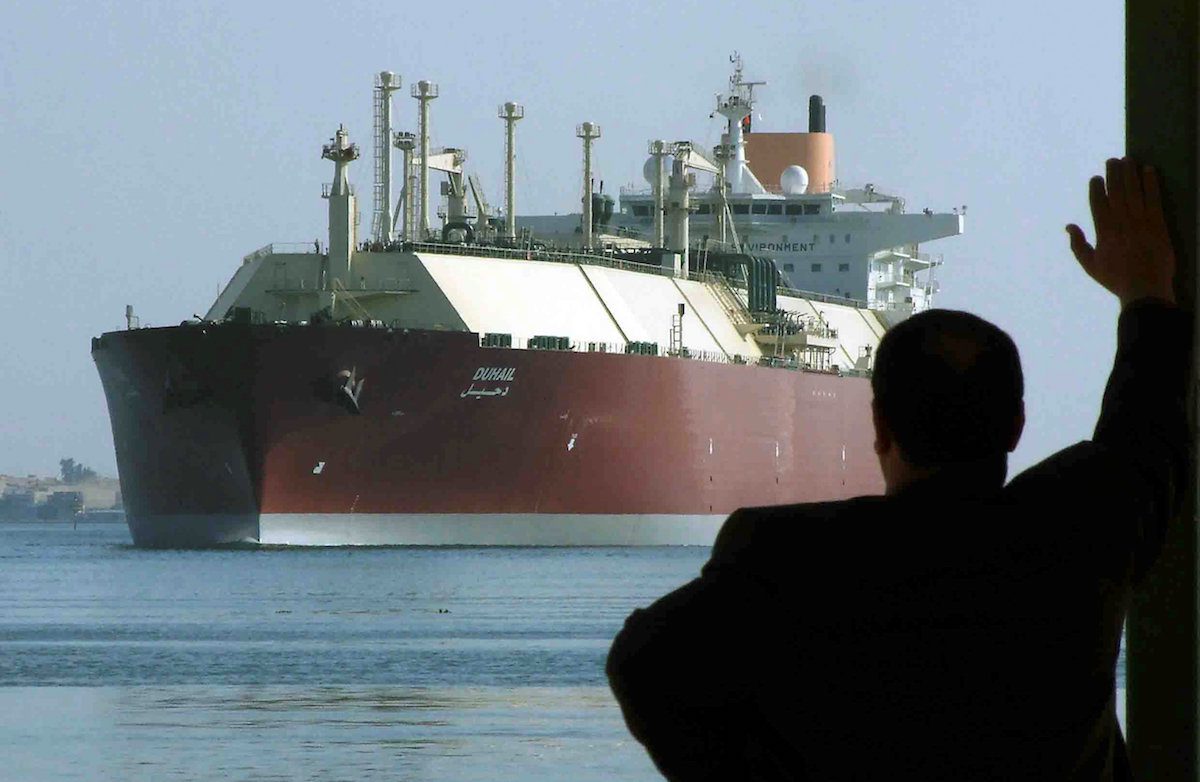
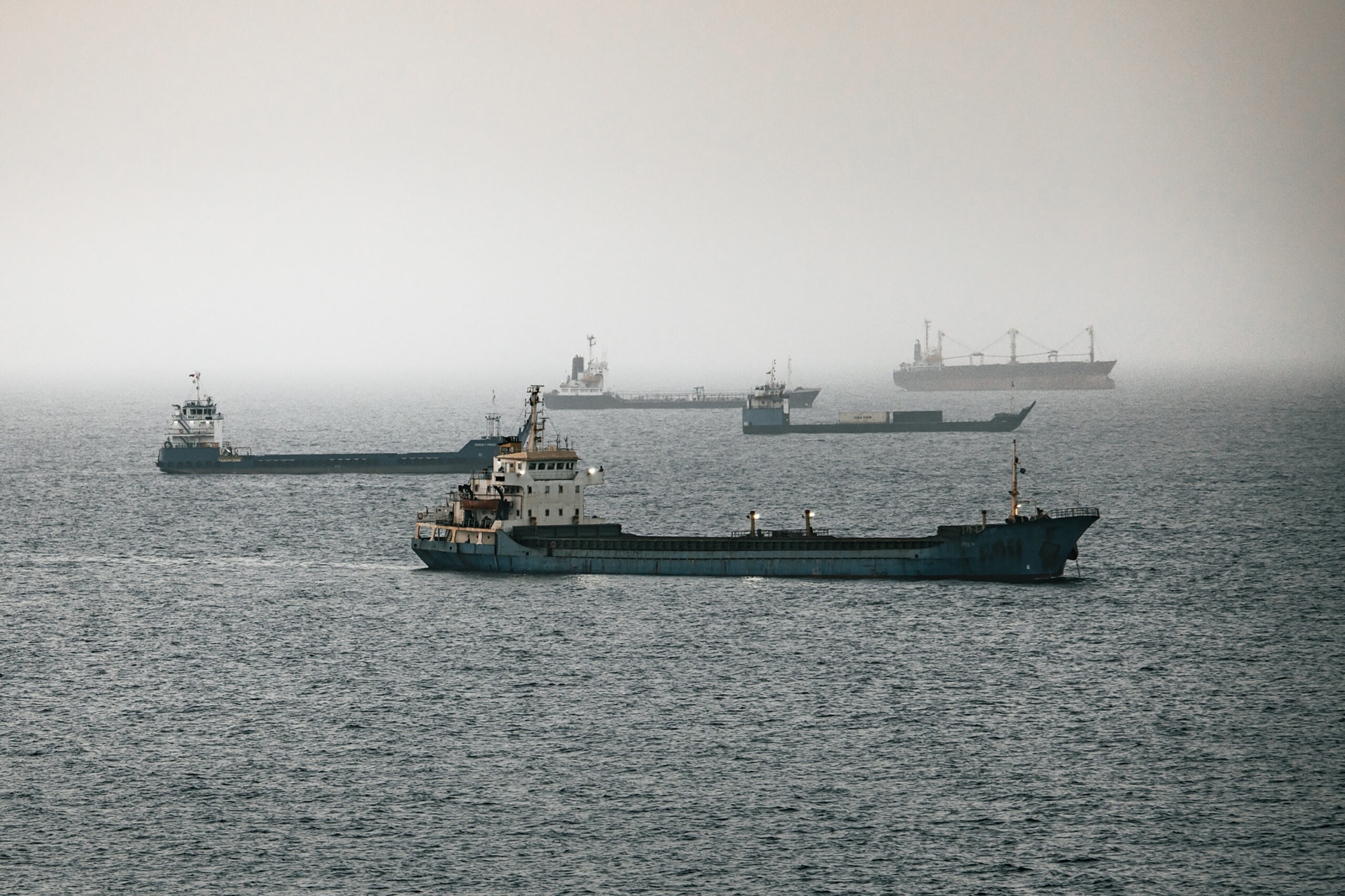
US Central Command reported a new round of strikes on 7 July targeting Iranian air defences, coastal radars and IRGC small boats after three commercial vessels were attacked transiting the Strait of Hormuz. A Qatari LNG carrier, Al Rekayyat, was hit and later evacuated, and a Saudi tanker was also damaged, with the Joint Maritime Information Center elevating its assessment for Hormuz to Severe. UK and French minehunters are positioned to begin a limited de-mining operation in Omani waters with Muscat’s permission, but fresh attacks have set back timing. Tehran condemned renewed US oil sanctions moves and warned it would take decisive measures, even as the United States and Qatar continue mediation tracks with Hamas, Hezbollah and Iran. In Lebanon, the IDF says it will not leave southern Lebanon until the Lebanese Armed Forces prove readiness, Israeli officials doubt LAF capacity, and Israeli air strikes continue, including near Nabatieh al-Fawqa, amid reports of extensive destruction in western and central sectors.
Change from previous assessment
Since the 6 July brief, US forces have reportedly struck over 80 Iranian targets tied to coastal defence and IRGC small boats after multiple tanker attacks near Hormuz. A Qatari LNG carrier was hit and evacuated, and JMIC raised the Hormuz threat to Severe. UK and French minehunters are positioned with Omani permission but face setbacks due to ongoing attacks. In southern Lebanon, Israeli air activity continued near Nabatieh al-Fawqa, officials reaffirmed no withdrawal before LAF readiness, and reporting highlighted extensive destruction in western and central sectors. This update adds a dedicated cyber judgment on Iran-linked activity and lowers confidence on sanctions dynamics due to timeline ambiguities.
Key judgments
- US forces very likely conducted large-scale, multi-axis strikes on Iranian air defences, coastal radars and dozens of IRGC small boats on 7 July in response to three commercial vessel attacks near the Strait of Hormuz. (Confidence: high · REPORTED)
- I&W: Commercial satellite imagery shows strike damage at Qeshm Island, Bandar Abbas or Sirik coastal radar or air-defence sites (0-14 days)
- I&W: IRGC small boat patrol rates and coastal radar emissions in Hormuz remain degraded from pre-7 July levels (0-14 days)
- Maritime risk in and around the Strait of Hormuz is very likely to remain Severe in the near term, given recent attacks on a Qatari LNG carrier and a Saudi tanker, UKMTO reports of multiple strikes, continued IRGC attacks and surveillance, and JMIC’s elevated threat assessment. (Confidence: medium · REPORTED)
- I&W: Additional UKMTO alerts of UAV or missile impacts on merchant vessels within 20 nm of Limah, Oman or within Hormuz approaches (0-14 days)
- I&W: Activation of a UK or French-led de-mining operation in Omani waters with a sustained decrease in UKMTO incident reports (1-3 months)
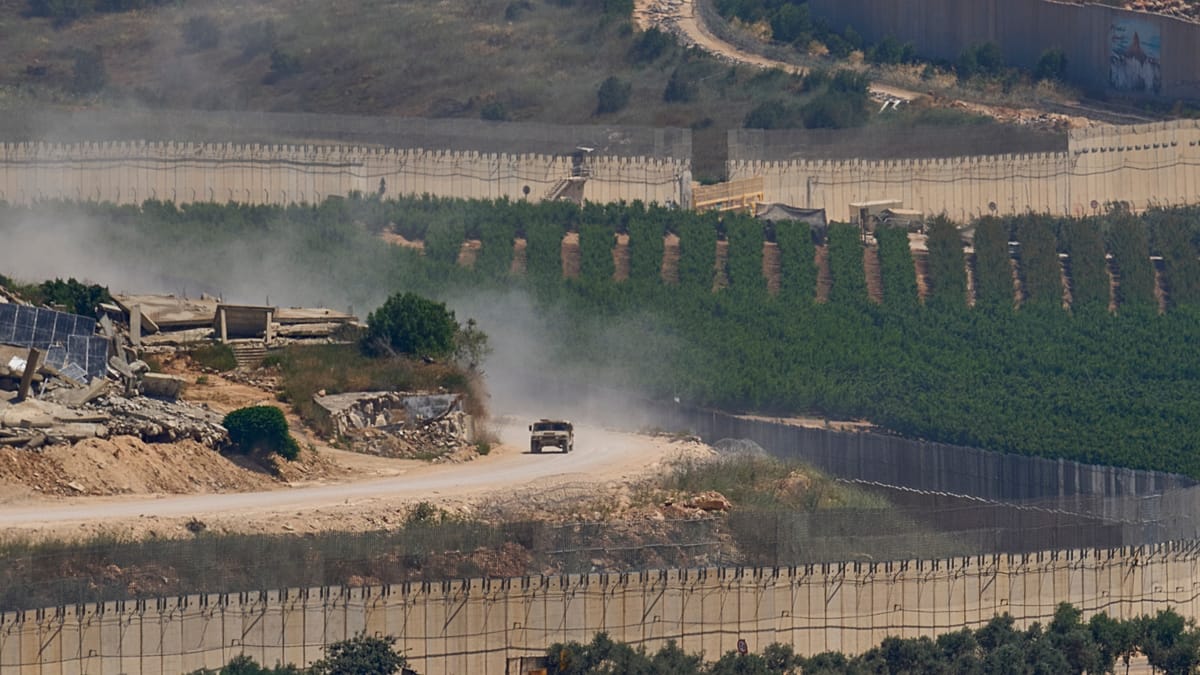
- Israel is likely to sustain high-tempo operations in southern Lebanon and delay any withdrawal in the near term, given stated conditions tying exit to LAF performance, persistent IDF strikes in areas like Nabatieh al-Fawqa and Israeli officials’ doubts about LAF capacity amid extensive reported destruction in western and central sectors. (Confidence: medium · ASSESSED)
- I&W: IDF announces further engineering demolitions or air strikes in western or central sectors of southern Lebanon (0-14 days)
- I&W: Lebanese Armed Forces launch and publicise a pilot clearing programme in first-line border villages with third-party verification (1-3 months)
- There is a roughly even chance that Iran will pursue further retaliatory action targeting shipping or US-partner assets in the Gulf in the coming weeks, given Tehran’s threats to take decisive measures and recent attributions for a tanker attack near Hormuz. (Confidence: low · ASSESSED)
- I&W: UKMTO or JMIC report additional UAV or missile attacks on flagged LNG or crude carriers transiting Hormuz (0-14 days)
- I&W: A 14-day period passes without UKMTO-reported attacks, coercive vessel hailing or interdictions in Hormuz (0-14 days)
- Iran-linked cyber operations against Israeli government agencies and IT service providers, attributed to the Cavern Manticore group, are likely to persist or intensify alongside kinetic escalation, using trusted update mechanisms and remote administration tools that complicate detection. (Confidence: medium · ASSESSED)
- I&W: Israeli authorities or major cybersecurity firms publish advisories linking new intrusions to Cavern Manticore TTPs (0-14 days)
- I&W: Public reporting of takedowns or arrests linked to Cavern Manticore with a sustained drop in incident disclosures (1-3 months)
- European de-mining efforts in Omani waters are positioned to begin but are likely to face delays due to ongoing attacks and elevated threat levels, despite Omani permission and pledged protection. (Confidence: medium · ASSESSED)
- I&W: Official Notice to Mariners announces start of UK or French mine-clearance in Omani waters (1-3 months)
- I&W: Further attacks near the southern Omani corridor prompt withdrawal or re-tasking of minehunters (0-14 days)
- US sanctions posture on Iranian oil has tightened with waiver revocations and reimposed restrictions, which Tehran condemned, but timelines are contested and effects on Iranian behaviour remain uncertain. (Confidence: low · REPORTED)
- I&W: US Treasury issues new enforcement advisories or designations targeting Iran oil logistics, insurers or shippers (1-3 months)
- I&W: Announcement of new temporary licence or waiver enabling limited Iranian oil transactions (1-3 months)
Outlook & scenarios
Managed maritime confrontation, protracted Lebanon front (55%)
US strikes degrade select Iranian coastal and small-boat capabilities, yet intermittent tanker attacks continue and JMIC maintains a Severe assessment. UK and French minehunters remain on standby while Oman prepares corridors. In Lebanon, Israel sustains strikes and engineering operations and delays withdrawal pending LAF performance.
Escalation spiral at sea prompts further US, Iran exchanges (35%)
Additional UAV or missile attacks on merchant shipping near Hormuz trigger renewed US strikes on Iranian coastal assets and IRGC maritime nodes. De-mining activation slips, insurance costs rise, and partners increase naval presence, heightening the risk to LNG and crude flows.
Limited de-escalation via Oman corridor and mediation (25%)
With Omani permission and protection, European minehunters start a limited clearance in Omani waters, and US-Qatar mediation reduces targeting of shipping. UKMTO incident frequency falls and shipowners regain partial confidence in the southern route, while rhetoric remains heated.
Cross-domain flare-up driven by a disruptive cyber incident (15%)
A Cavern Manticore-linked compromise of an Israeli government or IT service provider triggers visible retaliatory cyber activity and sharper kinetic signalling. Cross-domain escalation complicates de-escalation efforts as decision-makers face concurrent maritime and cyber pressures.
Recommendations
- Prioritise near-real-time monitoring of UKMTO and JMIC incident feeds and AIS for the Hormuz approaches, especially within 20 nm of Limah, Oman and traffic lanes off Bandar Abbas; establish alerting thresholds for UAV or missile-attributed events.
- Task commercial satellite imagery collection for battle damage assessment on Qeshm Island, Bandar Abbas and Sirik coastal sites to gauge the durability of US strike effects on radars, air defences and small-boat facilities.
- Maintain a watch on Omani notices and public statements regarding mine-clearance permissions and protection guarantees; track UK and French minehunter activities for indicators of activation or delay.
- Produce a focused shipping risk advisory for LNG and crude carriers transiting Hormuz that reflects the Severe assessment, recent attack vectors and likely IRGC surveillance patterns; include routing and timing risk windows.
- Map IDF strike locations and engineering activity across southern Lebanon, including Nabatieh al-Fawqa, against reported Lebanese Armed Forces posture to assess prospects for any pilot clearing programme and potential withdrawal timelines.
- Disseminate Cavern Manticore TTPs to stakeholders supporting Israeli government and IT service providers, highlighting abuse of legitimate remote administration tools and update mechanisms; recommend monitoring and code-signing validation.
- Catalogue reported Iranian oil sanctions measures and revocations to inform interdiction and compliance assessments; monitor for new enforcement actions or waivers that would affect tanker movement patterns.
Confidence & uncertainty
Overall confidence is low because several core elements rely on medium-confidence or single-source reporting and include timeline inconsistencies, notably on sanctions actions and overlapping strike narratives. While multiple major outlets corroborate the US strikes and the elevated maritime threat, other aspects, such as de-mining activation, casualty and damage extents in southern Lebanon, and prospective Iranian retaliation, are variably sourced and sometimes contested. These gaps and contradictions limit the firmness of forward-looking assessments.
Alternative analysis (red cell)
Available reporting documents threats, incidents, and some operational claims, but the source set contains multiple medium/low admiralty items, timing/attribution contradictions, and extreme/unverified damage estimates that permit materially different interpretations. A cautious alternative reading is that kinetic and maritime risks are elevated and localized, cyber activity is ongoing but not clearly intensifying, and diplomatic/economic measures are in flux—none of which necessarily imply the broad, high‑confidence outcomes asserted in the key judgments without additional operational corroboration.
Intelligence gaps
- [EEI 1.1 · PARTIAL] Number, type, launch times, and trajectories of ballistic missiles, cruise missiles, armed UAV strikes, and combat-air sorties launched by Iranian or Israeli forces toward the other's territory or forward bases within a 72-hour window. Recommended collection: signals/intel
- [EEI 1.2 · PARTIAL] Observable changes in Israeli and Iranian force posture: mobilization or reserve call-up orders, unit road/rail movements, dispersal or sortie rates of air squadrons, redeployment of air-defense batteries, and activation of civil-defense alerts or sirens in major population centers. Recommended collection: open-source/media
- [EEI 1.3 · UNCOVERED] Indications of strike authorization or targeting preparations in Iranian or Israeli command chains: authenticated public orders by senior commanders, detected increases in encrypted communications consistent with targeting, or visible movement of strike munitions to launch/storage sites. Recommended collection: signals/intel
- [EEI 2.1 · PARTIAL] Counts, launch locations (coordinates), weapons types, and assessed damage from rocket/missile/drone strikes originating from Lebanon into northern Israel attributed to Hezbollah or allied groups. Recommended collection: open-source/media
- [EEI 2.2 · UNCOVERED] Reported attacks by Iranian-backed militias in Iraq and Syria: rocket/IED strikes on bases hosting US/coalition or Israeli personnel, documented militia unit movements toward borders, and captured movement or transfer of weapons systems to forward militia positions. Recommended collection: human
- [EEI 3.1 · PARTIAL] Movements and arrival dates of foreign military assets into the region: carrier strike groups, amphibious ships, surface combatants, strategic airlift/tanker deployments, and air/sea patrol patterns by US, European, Russian, or regional militaries. Recommended collection: imagery/satellite
Cited sources
[1] haaretz.com · U.S. launches 'series of powerful strikes against Iran,' CENTCOM says (A) · sha256:c4f2aed90c96 [2] CNN · CENTCOM: U.S. forces launch series of strikes against Iran | CNN (A) · sha256:76cb3d3134a2 [3] maritime-executive.com · U.S. and Iran Trade Retaliatory Strikes in Contest for Control of Hormuz (B) · sha256:a4022868ccef [4] bbc.com · Fire blazes in Iran after US strikes (A) · sha256:d46d133e2e26 [5] gcaptain.com · Three Tankers Attacked Near Strait of Hormuz as JMIC Warns of 'Severe' Threat (B) · sha256:a8b43daa30da [6] insurancejournal.com · Qatari LNG Ship Struck in Strait of Hormuz, Testing US Talks (A) · sha256:8e841dc5bfca [7] gcaptain.com · LNG Tanker 'Al Rekayyat' at Risk of Exploding After Attack Near Hormuz (A) · sha256:945969161cc3 [8] arabic.euronews.com · إسرائيل تشكك في قدرة الجيش اللبناني على مواجهة حزب الله. هل تؤجل انسحابها من الجنوب؟ (B) · sha256:7025044b5dbb [9] haaretz.com · NATO chief says U.S. strikes on Iran were 'absolutely necessary' amid renewed escalation (A) · sha256:0c6e837e83b5 [10] caspianpost.com · New Iran-Linked Hacker Group Targets Israeli Government Networks (B) · sha256:5e5a2da36da4 [11] News.az · New Iran-linked hacker group targets Israeli government agencies | News.az (B) · sha256:1933c94922f9 [12] gcaptain.com · Hormuz Strikes Threaten Progress on Europe’s De-mining Mission (B) · sha256:39eabf55bccb [13] gcaptain.com · U.S. Revokes Iran Oil Waiver After Hormuz Attacks, Launches New Military Strikes (B) · sha256:1706e927a186
Source content hashes were computed at collection time; the cited text is preserved unmodified for the life of this product.
Red cell review: PARTIAL DISSENT
TLP:CLEAR