TLP:CLEAR · Disclosure is not limited.
Iran-Israel War: Hormuz and Bab al-Mandab Pressure Deepens
Time window: Last 1 day · Audience: General analyst · Type: Situation report · DTG: 2026-09-18 22:07Z · Overall confidence: HIGH
BLUF
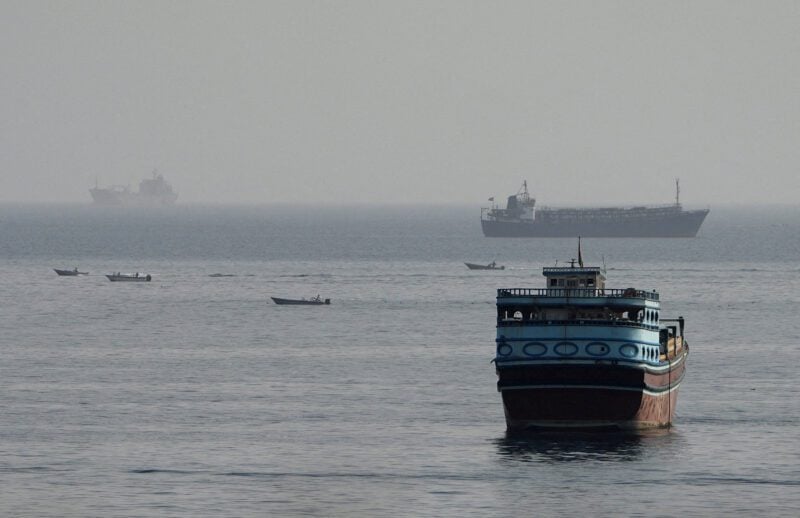
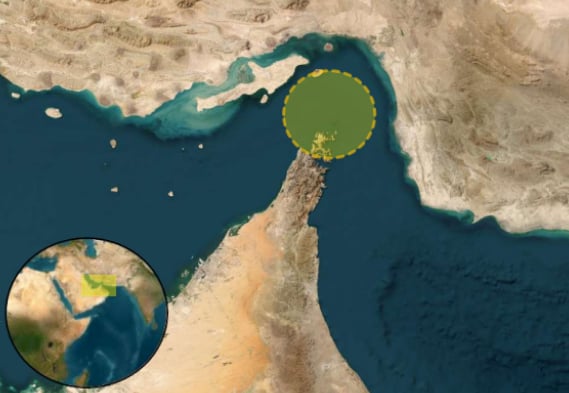
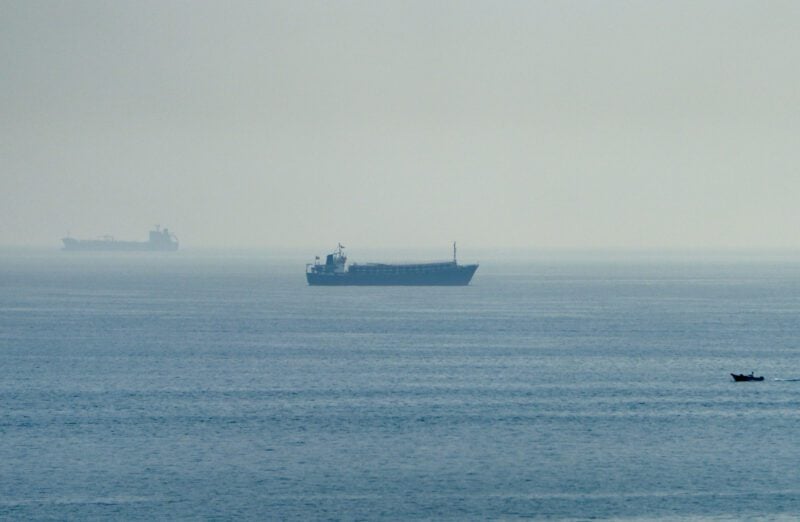
Very likely, commercial traffic through the Strait of Hormuz will remain severely constrained over the next 0-14 days despite limited oil and LNG movements. Iran's enforcement around Hormuz, Houthi pressure at Bab al-Mandab and the postponement of Oman-hosted talks are sustaining regional risk, while recent attacks on tankers show that the route remains dangerous rather than closed.
Executive summary
As of 18 September 2026, the conflict involving Iran, Israel and the United States is producing its clearest immediate effects at the region's maritime chokepoints. Kpler recorded four Hormuz transits on 17 September, while UKMTO reported three recent attack warnings and the IMO counted 80 attacks on shipping around the strait since the start of the crisis, with at least 22 seafarers killed. At least two LNG shipments still transited Hormuz during the week, but ship-to-ship transfers off Oman and record LNG prices indicate continued disruption. In Yemen, Houthi forces reportedly seized Mocha and islands near Bab al-Mandab, although other reporting describes fighting as ongoing and disputes the extent of Houthi control. Diplomatic activity has not produced an operational reopening of Hormuz.
Change from previous assessment
Since the 16 September brief, the assessment of constrained Hormuz navigation remains very likely, but the evidence of danger has strengthened. New reporting records three UKMTO attack warnings, two tanker strikes by unknown projectiles, the IRGC Navy strike on Trend and an IMO total of 80 attacks with at least 22 seafarer deaths. The assessment now gives greater weight to limited LNG movements and ship-to-ship transfers as evidence of partial operation rather than reopening. Confidence in diplomatic restoration has fallen because Oman postponed the Salalah talks without a replacement date. The brief adds a medium-confidence judgement on the disputed Houthi territorial gains around Bab al-Mandab, a medium-confidence judgement on persistent energy and freight pressure, and a low-confidence warning on AI-assisted intelligence risk.
Key judgments
- Very likely, commercial traffic through the Strait of Hormuz will remain severely constrained over the next 0-14 days. Kpler recorded only four vessel transits on 17 September, UKMTO reported three attack warnings since 16 September, and the IMO counted 80 attacks on shipping around the strait by 15 September, including at least 22 seafarer deaths. Limited movement continues, with at least two LNG shipments transiting and LNG carriers conducting ship-to-ship transfers off Oman, but the reporting does not indicate a return to normal traffic. Confidence is high because Kpler, UKMTO, IMO and satellite-based shipping reporting converge, although the four-vessel count and the higher figure for US-facilitated movements reflect different counting methods. (Confidence: high · ASSESSED)
- I&W: Confirmation: UKMTO issues another warning for a projectile strike in or near Khasab or the southern Omani route while maritime trackers record traffic below the pre-war pattern of about three LNG cargoes per day. (0-14 days)
- I&W: Break: Kpler, UKMTO and satellite tracking show a sustained return of oil and LNG traffic towards normal levels without new tanker attacks. (0-14 days)
- Likely, Iran will continue using a permission-based system and coercive enforcement to control passage through the Strait of Hormuz over the next 0-14 days. Iran's June rules require permits, designated routes and approved insurance, Rear Admiral Ali Ozmaei threatened destruction for unauthorised crossings, and the IRGC Navy claimed responsibility for striking the Togo-flagged tanker Trend. Confidence is medium because the two latest projectile attacks have not been attributed to Iran by UKMTO, and reporting on a US blockade and simultaneous LNG transits is not fully reconciled. (Confidence: medium · ASSESSED)
- I&W: Confirmation: the IRGC Navy or Rear Admiral Ali Ozmaei announces another vessel stop, seizure or strike for an alleged unauthorised passage, or Iran continues enforcing its permit and insurance rules against commercial vessels. (0-14 days)
- I&W: Break: Iran suspends the permit and insurance requirements and commercial vessels transit without Iranian approval or reported coercive interference. (0-14 days)
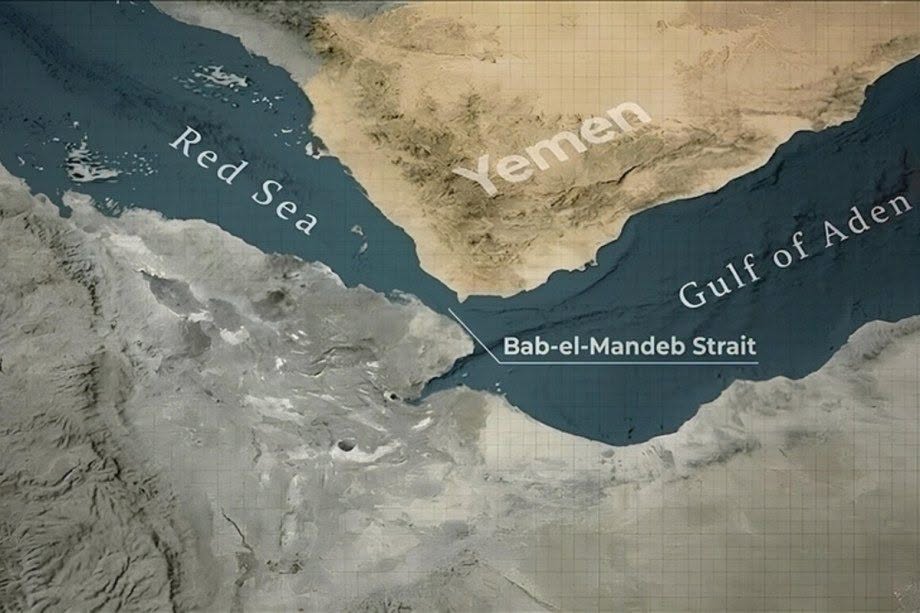
- Likely, Houthi forces will continue threatening Red Sea shipping and Saudi Arabia over the next 0-14 days, but the extent of their territorial control around Bab al-Mandab remains unresolved. Major-media reporting says Houthi forces seized Mocha and islands at the mouth of the strait, while other reporting describes renewed fighting with Yemeni government forces and disputes whether the Houthis control the entire Yemeni Red Sea coast. Confidence is medium because the reported territorial gains are not consistently corroborated and the sources disagree over whether the area is captured or contested. (Confidence: medium · ASSESSED)
- I&W: Confirmation: Houthi forces conduct another attack on Saudi shipping or merchant vessels, or are independently observed operating from Mocha or the islands near Bab al-Mandab. (0-14 days)
- I&W: Break: Saudi-backed Yemeni government forces retake Mocha or the reported islands, or shipping advisories record a sustained reduction in Houthi activity around Bab al-Mandab. (0-14 days)
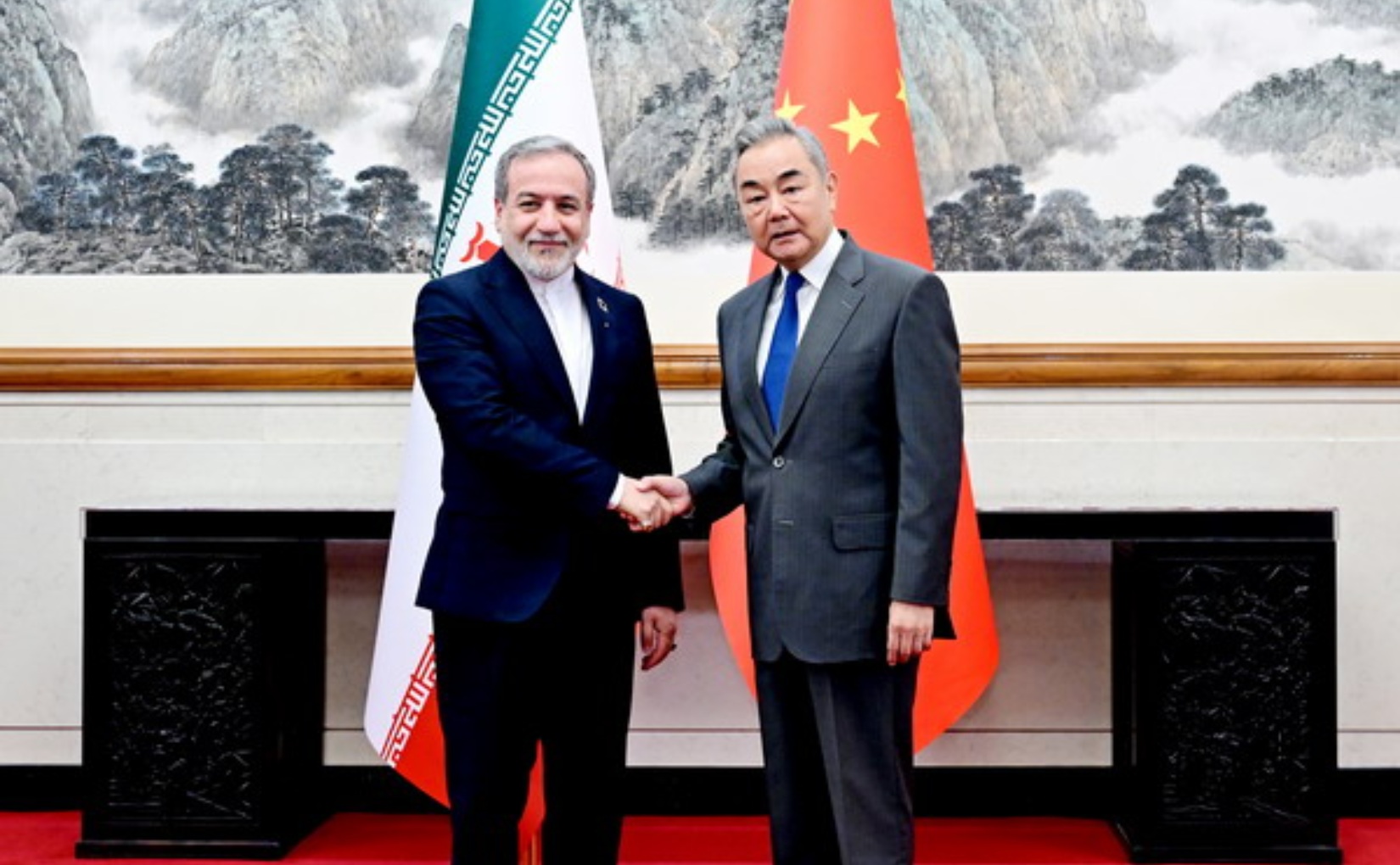
- Unlikely, Oman- and China-backed diplomatic efforts will restore normal navigation through the Strait of Hormuz over the next 0-14 days. Oman postponed the Salalah talks with Gulf states and Iran without setting a new date, while Bahrain declined to participate. China urged Iran and the United States to return to the Islamabad memorandum, and Abbas Araghchi said Iran had a plan with Oman to open the strait, but the low transit count and continuing attacks show no operational agreement. Confidence is medium because the diplomatic statements are partly based on lower-reliability reporting, while the postponement and maritime incidents are independently reported. (Confidence: medium · ASSESSED)
- I&W: Confirmation: Oman does not announce a new Salalah meeting date and Kpler or UKMTO continues to report low or disrupted traffic through Hormuz. (0-14 days)
- I&W: Break: Oman announces a new meeting, Iran and Gulf states publish agreed transit procedures, and UKMTO records sustained normal movement without new attacks. (0-14 days)
- Likely, energy and tanker-freight pressure will remain elevated over the next 1-3 months. LNG spot prices have reached their highest level in more than three years, a very large crude carrier on the Saudi Arabia to China route earned $1.10 million per day on 15 September, and ocean carriers have imposed three surcharge waves in six months. Damage to three Saudi East-West Pipeline pumping stations is assessed to require five to six weeks for full repairs, although partial flows are expected sooner. Confidence is medium because several indicators come from trade reporting and the causes of individual attacks remain unresolved. (Confidence: medium · ASSESSED)
- I&W: Confirmation: LNG spot prices remain at or above the current three-year high, VLCC earnings remain near the 15 September level, or ocean carriers announce another emergency surcharge. (1-3 months)
- I&W: Break: Saudi Arabia completes East-West Pipeline repairs within the five to six week estimate and maritime traffic normalises enough for tanker earnings and carrier surcharges to fall. (1-3 months)
- Likely, AI-assisted reporting will remain an operational risk to US maritime decisions over the next 0-14 days. A false report nearly prompted the US military to intercept and board a Chinese ship, after an AI chatbot incorrectly assessed its cargo, and reporting states that the US military and intelligence community lack a single standard for verifying AI-generated information. Confidence is low because this judgement rests mainly on one trade-publication account and one reported incident, with limited independent corroboration. (Confidence: low · ASSESSED)
- I&W: Confirmation: another AI-derived maritime lead requires correction before an interception, boarding or other operational action is authorised. (0-14 days)
- I&W: Break: US military and intelligence organisations implement a common verification standard and no AI-derived lead reaches operational planning without independent human validation. (0-14 days)
Outlook & scenarios
Constrained navigation and dispersed attacks (55%)
Over the next 0-14 days, Iran maintains permit-based enforcement around Hormuz, selective oil and LNG transits continue, and tanker attack warnings persist. Houthi forces sustain pressure on Saudi shipping and the Bab al-Mandab route. Hormuz remains operational in a limited sense but far below normal capacity.
Managed partial reopening (25%)
Oman and China secure a new diplomatic channel between Iran, the United States and Gulf states. A limited transit arrangement reduces attacks and permits more escorted or authorised movements through Hormuz. Traffic improves but remains below normal while Iran retains a role in setting passage conditions.
Cross-chokepoint escalation (15%)
A further strike on a tanker, an IRGC interception or a Houthi attack on Saudi shipping prompts retaliatory action. Traffic through Hormuz and Bab al-Mandab contracts together, energy prices rise again and the Saudi East-West Pipeline becomes more important while repairs continue.
AI-driven US-China maritime crisis (5%)
A repeat of the false AI-derived cargo assessment reaches US operational planning and results in an attempted boarding of a Chinese vessel. Even without casualties, the incident produces a direct US-China confrontation during the Iran conflict and narrows diplomatic space around maritime operations.
Recommendations
- Maintain a daily Hormuz operating picture that records Kpler transits, UKMTO warnings, IMO casualty data, AIS gaps and satellite-observed ship-to-ship transfers. Separate confirmed transits from US-facilitated movements so the four-vessel and 24-vessel figures are not treated as equivalent.
- Prioritise collection on the southern Omani route and the waters near Khasab. Track projectile incidents, engine-room damage, vessel flags, cargoes and whether UKMTO attributes attacks to Iran or leaves them unattributed.
- Treat Houthi control of Mocha, the Bab al-Mandab islands and the wider Yemeni Red Sea coast as separate questions. Seek independent geospatial and maritime confirmation before using the broader claim of control over Yemen's entire coast.
- Monitor for a new Salalah talks date, published Iranian transit conditions, implementation of any Iran-Oman opening plan and changes in Chinese mediation. Use actual vessel movements as the primary test of diplomatic progress.
- Track LNG spot prices, VLCC earnings, carrier surcharges and the repair status of the Saudi East-West Pipeline. Use these indicators to update assessments of pressure on Pakistan, Bangladesh and other buyers dependent on Gulf LNG.
- Apply a two-source, human-led validation gate to any AI-assisted intelligence about vessel cargoes, nationality or intended activity before recommending an interception or boarding, with particular scrutiny for operations involving Chinese shipping.
Confidence & uncertainty
Overall confidence is high because the central assessment of maritime disruption is supported by converging reporting from Kpler and Reuters, UKMTO, the IMO, Bloomberg-derived shipping data and satellite imagery. The same pattern is visible across vessel attacks, reduced traffic, ship-to-ship transfers and elevated energy prices. The main uncertainties concern the different methods used to count Hormuz transits, the extent of Houthi territorial control around Bab al-Mandab, attribution for two recent tanker attacks and the limited corroboration for the AI-related operational incident.
Intelligence gaps
- [EEI 1.1 · PARTIAL] Detection and characterization of ballistic/cruise missile or rocket launches originating from Iranian territory or from Iran-controlled positions in Iraq/Syria (time, launch coordinates, missile type, flight trajectory/impact area). Recommended collection: satellite/imagery
- [EEI 1.2 · PARTIAL] Movements and posture changes of Iran-backed proxy forces (Hezbollah units in Lebanon, militias in Syria/Iraq): concentrations of personnel, transport of rocket/artillery launchers, visible logistics build-up within operational range of Israel. Recommended collection: human/intel
- [EEI 1.3 · PARTIAL] Israeli defensive and offensive posture changes: reservist call-ups, mobilization orders, sorties/airstrikes attributed to Israel, and domestic activation of missile-defense systems (locations and activation times). Recommended collection: open-source/media
- [EEI 1.4 · UNCOVERED] Evidence of pre-positioning or arming of naval mines, fast attack craft, or anti-ship missile systems in the Gulf of Oman, northern Arabian Sea, or off the Lebanese/Syrian coasts that could be used to interdict Israeli or allied shipping. Recommended collection: maritime/AIS
- [EEI 2.1 · UNCOVERED] Movements and tasking changes of external military assets: carrier strike groups, amphibious ready groups, expeditionary air wings, or ballistic-missile defense units into the Eastern Mediterranean, Persian Gulf, or Red Sea (vessel/aircraft IDs, routing, on-station times). Recommended collection: maritime/AIS
- [EEI 2.2 · PARTIAL] Formal diplomatic/military actions: evacuation orders or embassy closures, public troop posture statements, bilateral/multilateral defense commitments announced, requests for overflight or basing rights in regional states. Recommended collection: diplomatic
- [EEI 2.3 · UNCOVERED] Changes to force protection or alert levels at foreign bases in the region (e.g., US bases in Kuwait, Qatar, UAE; Russian bases in Syria): activation of additional air defenses, curfews, or reinforcement shipments (personnel/equipment manifests). Recommended collection: signals/intel
- [EEI 3.2 · PARTIAL] Changes in crude oil and refined product flows from key terminals (reported tanker loading delays, terminal closures, throughput volumes at Kharg, Mina al-Ahmadi, Ras Tanura, and major Gulf ports compared to baseline). Recommended collection: commercial/ports
- [EEI 3.3 · PARTIAL] Market and insurance indicators: sudden spikes in war-risk or hull insurance premiums for Middle East routes, large moves in regional FX/stock indices, and notable changes in commodity futures (oil, freight rates) tied to regional risk perceptions. Recommended collection: financial/transactional
Cited sources
[1] The Maritime Executive · Iran Exploits Attack on Small Product Tanker to Assert Hormuz Control (C) · sha256:093f709c7cc9 [2] gCaptain · Three Tanker Attacks Hit Hormuz as Saudi Oil Is Forced Back Toward Strait (C) · Fri Sep 18 2026 16:07:36 GMT+0000 (Coordinated Universal Time) · sha256:fba4e5bcba79 [3] Bloomberg (republished by gCaptain) · More LNG Getting Through Hormuz as Producers Push for Transits (A) · Fri Sep 18 2026 09:18:10 GMT+0000 (Coordinated Universal Time) · sha256:831f2db8d752 [4] gCaptain · U.S. Sanctions Crypto Exchange Tied to Iran’s Hormuz Transit Payments (C) · Fri Sep 18 2026 15:56:09 GMT+0000 (Coordinated Universal Time) · sha256:6a3c5c6367b1 [5] The Jerusalem Post · As Iran war grinds on, Trump to face skeptical world leaders at UN General Assembly - analysis (B) · Fri Sep 18 2026 11:24:03 GMT+0000 (Coordinated Universal Time) · sha256:771367a44a28 [6] Reuters (via gCaptain) · Trump Returns to UN as Iran War Spreads Across Shipping Chokepoints (A) · Fri Sep 18 2026 16:58:46 GMT+0000 (Coordinated Universal Time) · sha256:7dcae6a7bc9a [7] Al Jazeera · The cost of Iran’s regional leverage (B) · Fri Sep 18 2026 13:52:49 GMT+0000 (Coordinated Universal Time) · sha256:e0aaad335235 [8] The Arab American News · Middle East on the Brink: Iran War Fuels Wider Regional Crisis (D) · Fri Sep 18 2026 07:56:25 GMT+0000 (Coordinated Universal Time) · sha256:d4dfaedfe6b8 [9] theconversation.com · Houthi rebel offensive fuels fears of escalation in the Middle East and Europe (F) · sha256:079231051e65 [10] TV7 Israel News · Could Trump Unleash Israel Against Iran? (B) · sha256:e60f79713bc0 [11] Friends of Socialist China · Iranian Foreign Minister: Tehran is fully prepared to deepen strategic coordination with Beijing - Friends of Socialist China (E) · Fri Sep 18 2026 14:57:49 GMT+0000 (Coordinated Universal Time) · sha256:be36f284aab0 [12] gCaptain · Shipping’s New Normal: Slower Trade, Higher Costs, Bigger Profits (C) · Fri Sep 18 2026 18:05:15 GMT+0000 (Coordinated Universal Time) · sha256:f62a19210f53 [13] gCaptain · AI Error Nearly Triggered U.S. Intercept of Chinese Ship, CNN Reports (C) · Fri Sep 18 2026 19:30:47 GMT+0000 (Coordinated Universal Time) · sha256:886515941f81
Source content hashes were computed at collection time; the cited text is preserved unmodified for the life of this product.
TLP:CLEAR