TLP:CLEAR · Disclosure is not limited.
Iran-Israel War: Hormuz and Bab al-Mandab Pressure Intensify
Time window: Last 1 day · Audience: General analyst · Type: Situation report · DTG: 2026-09-17 20:39Z · Overall confidence: HIGH
BLUF
It is very likely that the US-Israel war with Iran will remain a multi-front conflict through the next 14 days, with severe disruption around the Strait of Hormuz and sustained Ansar Allah pressure on Saudi Arabia and shipping from Yemen. The strongest immediate risks are further attacks on merchant vessels, expanded Houthi operations around Bab al-Mandab, and worsening humanitarian conditions in Yemen.
Executive summary
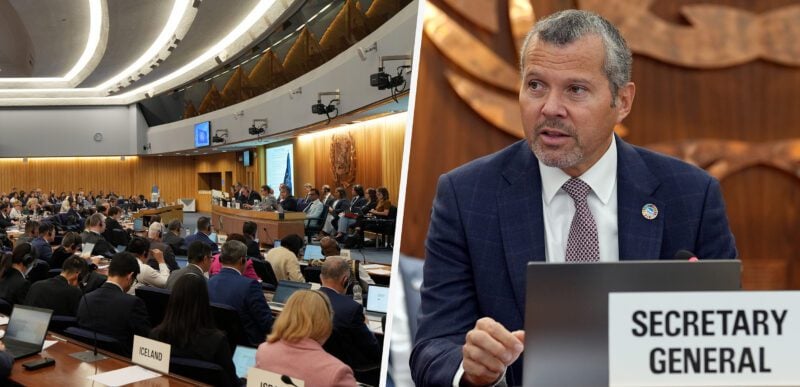
The International Maritime Organization has verified 80 attacks on shipping around the Strait of Hormuz since 28 February, causing at least 22 seafarer deaths. Commercial traffic is severely disrupted, although reported flows of 18 million barrels in one day and an 11 million barrel seven-day average argue against describing the waterway as completely closed. Ansar Allah has captured Mocha, Mokha, Dhubab and Mayyun Island, while attacks and reported claims involving Yanbu, Khamis Mushait and Makkah have increased pressure on Saudi Arabia. China is pressing Iran to restrain Ansar Allah, but Reuters reports that no US-Iran negotiations have resumed since June. UNICEF reports more than 57,000 displaced children in Yemen, disrupted health and education services, and more than 2,000 people arriving in Djibouti.
Change from previous assessment
Since the 16 September brief, the assessment has added a higher and better quantified maritime toll, with the IMO reporting 80 verified attacks and at least 22 seafarer deaths, up from 70 attacks and 19 deaths on 28 August. Confidence in the assessment of Houthi pressure has increased because reporting now identifies advances to Mokha, Dhubab and Mayyun Island, a reported Saudi F-15 loss, and attacks that wounded 73 people in Saudi Arabia. The Hormuz judgement remains medium confidence but is now more firmly framed as severe disruption rather than continuous closure because reported flows reached 18 million barrels in one day and averaged 11 million barrels over seven days. The diplomatic outlook has become more contested: China is privately pressing Iran to restrain Ansar Allah, while Reuters reports no resumed US-Iran negotiations despite Donald Trump's expectation that the war may be nearing its end. New high-confidence reporting also adds a sharper humanitarian warning, including more than 57,000 displaced children in Yemen and more than 2,000 arrivals in Djibouti.
Key judgments
- It is very likely that the conflict will remain a multi-front war through 1 October, involving US and Israeli military action against Iran, Iranian disruption of the Strait of Hormuz, Ansar Allah advances and attacks from Yemen, and continuing pressure on Saudi Arabia and merchant shipping. Confidence is high because the core developments are supported by multilateral, wire-service and major-media reporting, although the claims do not establish a single command structure linking the fronts. (Confidence: high · ASSESSED)
- I&W: Confirms if the IMO verifies additional attacks around Hormuz and Ansar Allah conducts further missile, drone or maritime attacks against Saudi targets or shipping. (0-14 days)
- I&W: Breaks if US, Israel, Iran and Ansar Allah simultaneously reduce military activity and announce a verifiable ceasefire covering Hormuz, Saudi Arabia and Yemen. (0-14 days)
- It is very likely that commercial traffic through the Strait of Hormuz will remain severely disrupted over the next 14 days, but unlikely that the waterway is under a complete and continuous closure. The IMO's 80 verified attacks and at least 22 seafarer deaths indicate persistent danger, while reported flows of 18 million barrels on one day and an 11 million barrel seven-day average demonstrate that substantial traffic continues. Confidence is medium because claims describing the strait as effectively closed conflict with quantified flow reporting and claims of a protected US shipping corridor. (Confidence: medium · ASSESSED)
- I&W: Confirms if the IMO records more attacks while the seven-day oil flow average falls materially below 11 million barrels per day and merchant transits decline. (0-14 days)
- I&W: Breaks if the seven-day flow average remains near 11 million barrels per day, merchant transits increase and no additional verified attacks are recorded. (0-14 days)
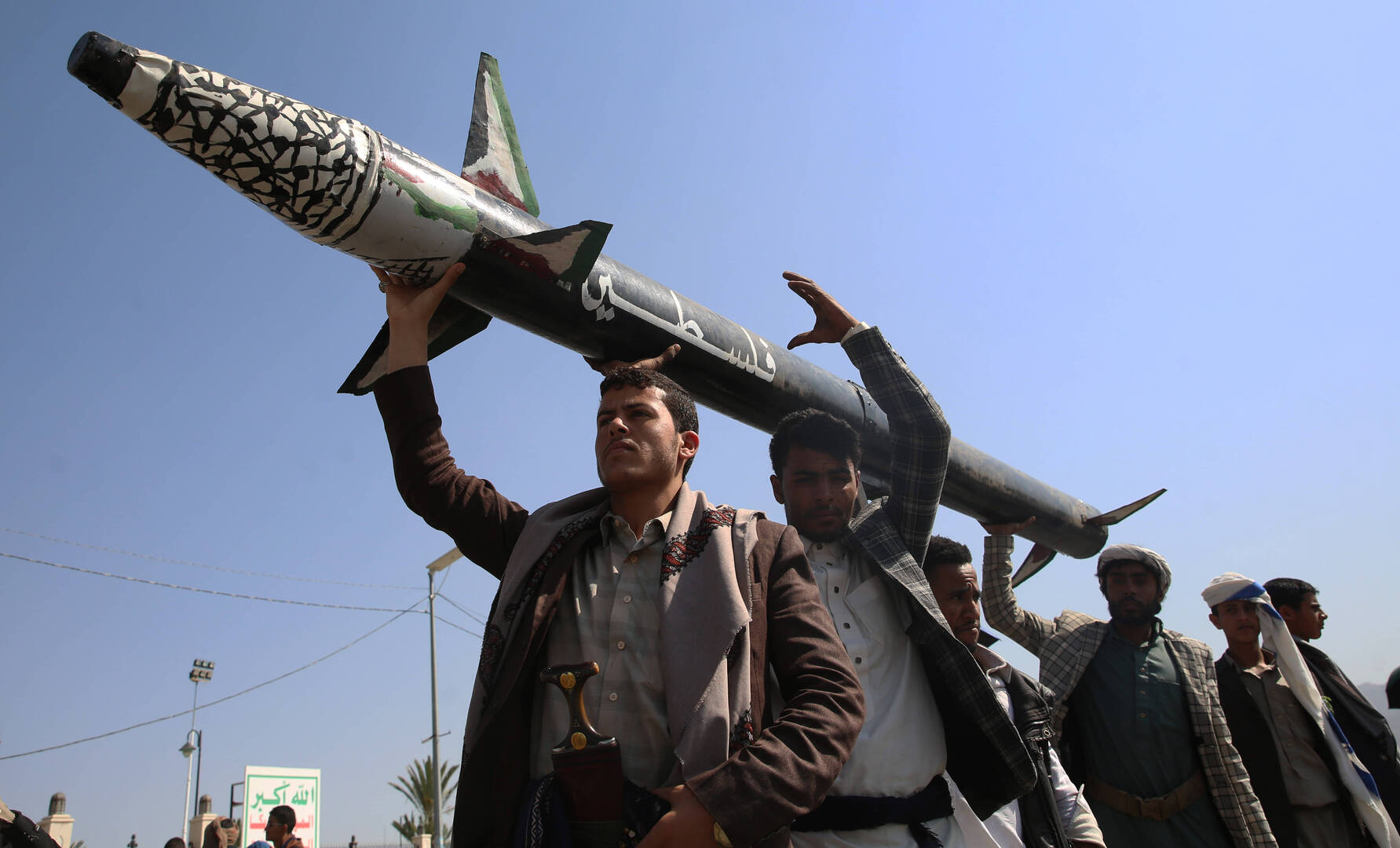
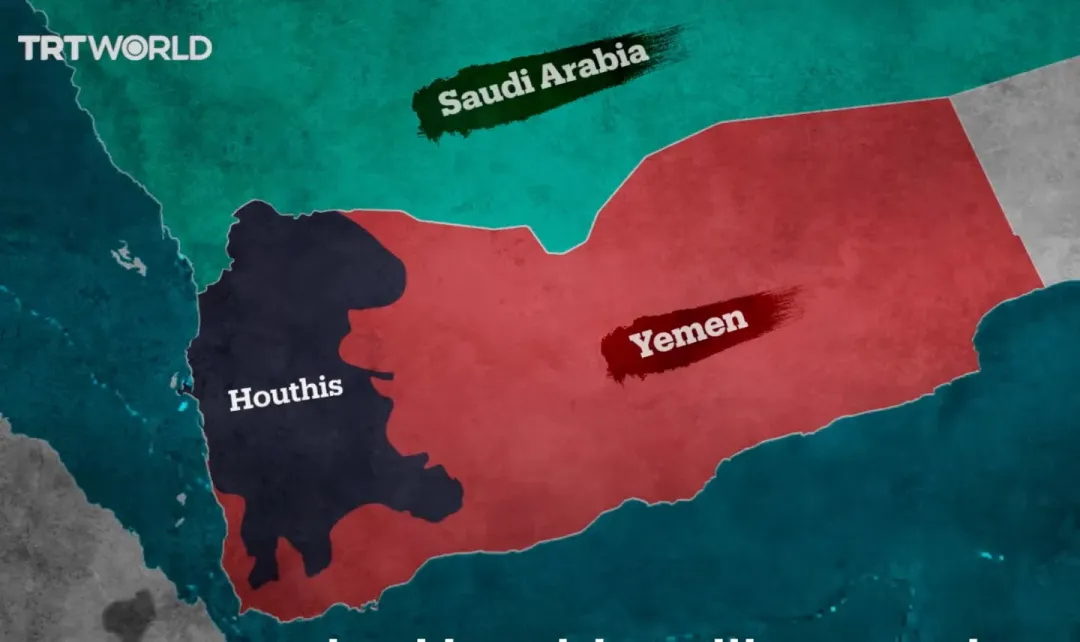
- It is very likely that Ansar Allah will retain operational leverage around Mokha, Dhubab, Mayyun Island and the Bab al-Mandab approaches over the next one to three months, sustaining pressure on Saudi oil infrastructure and shipping. Multiple reports support the specific territorial gains, while the extent of full control over the Yemeni side of the strait remains unresolved. Confidence is medium because some Houthi attack claims remain unconfirmed by Saudi Arabia and reporting differs on whether the group already controls the entire chokepoint. (Confidence: medium · ASSESSED)
- I&W: Confirms if Ansar Allah continues holding Mokha, Dhubab and Mayyun Island while conducting additional attacks against Yanbu, Khamis Mushait or Saudi-linked shipping. (0-3 months)
- I&W: Breaks if Saudi-backed forces retake the named coastal positions and verified shipping resumes through Bab al-Mandab without new Houthi attacks. (1-3 months)
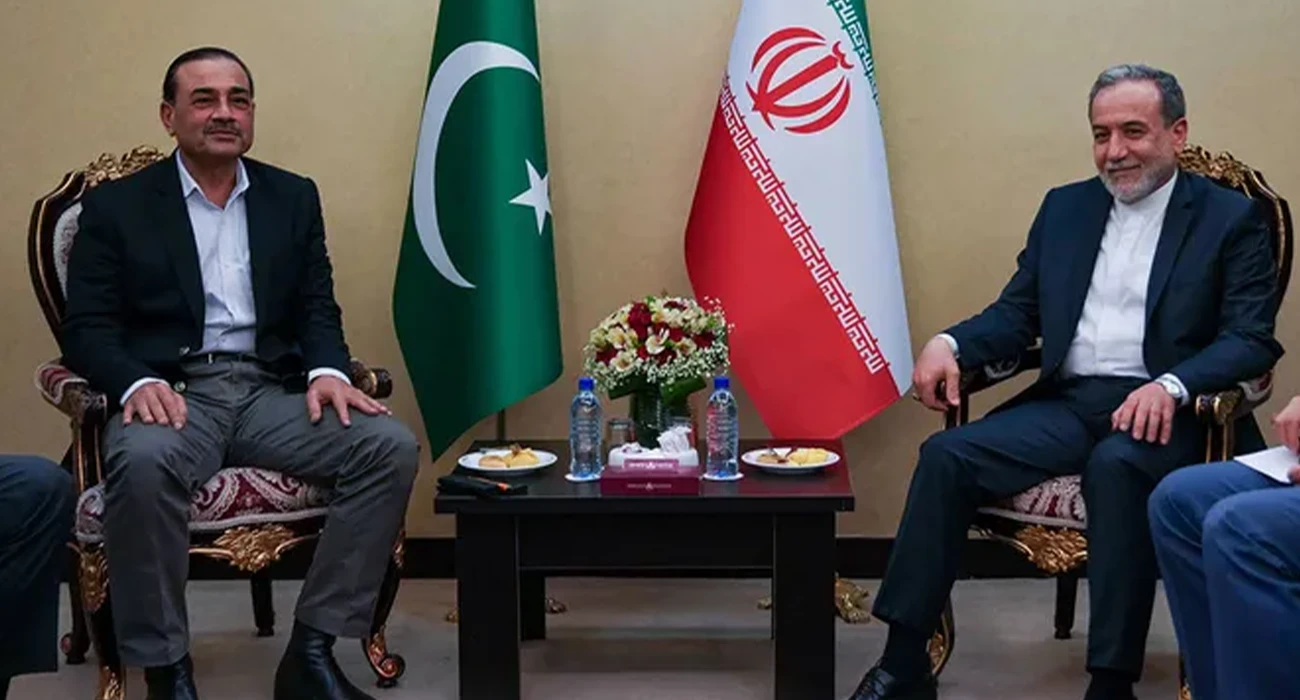
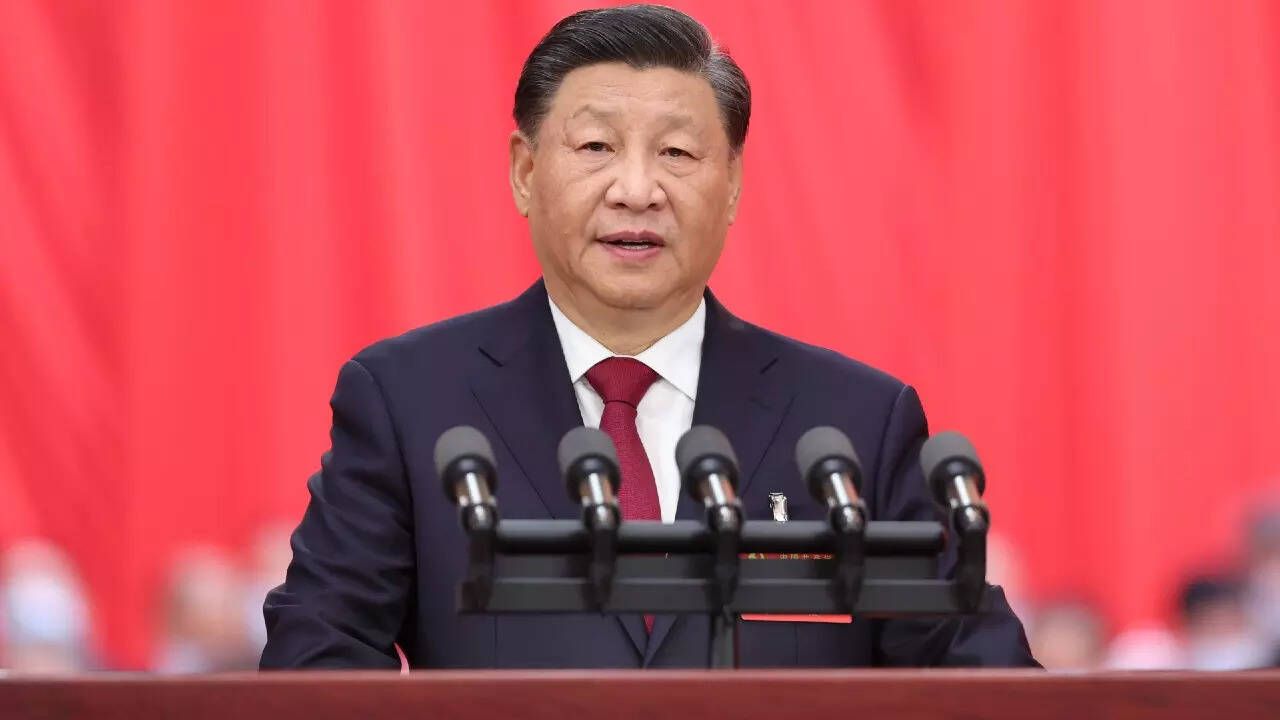
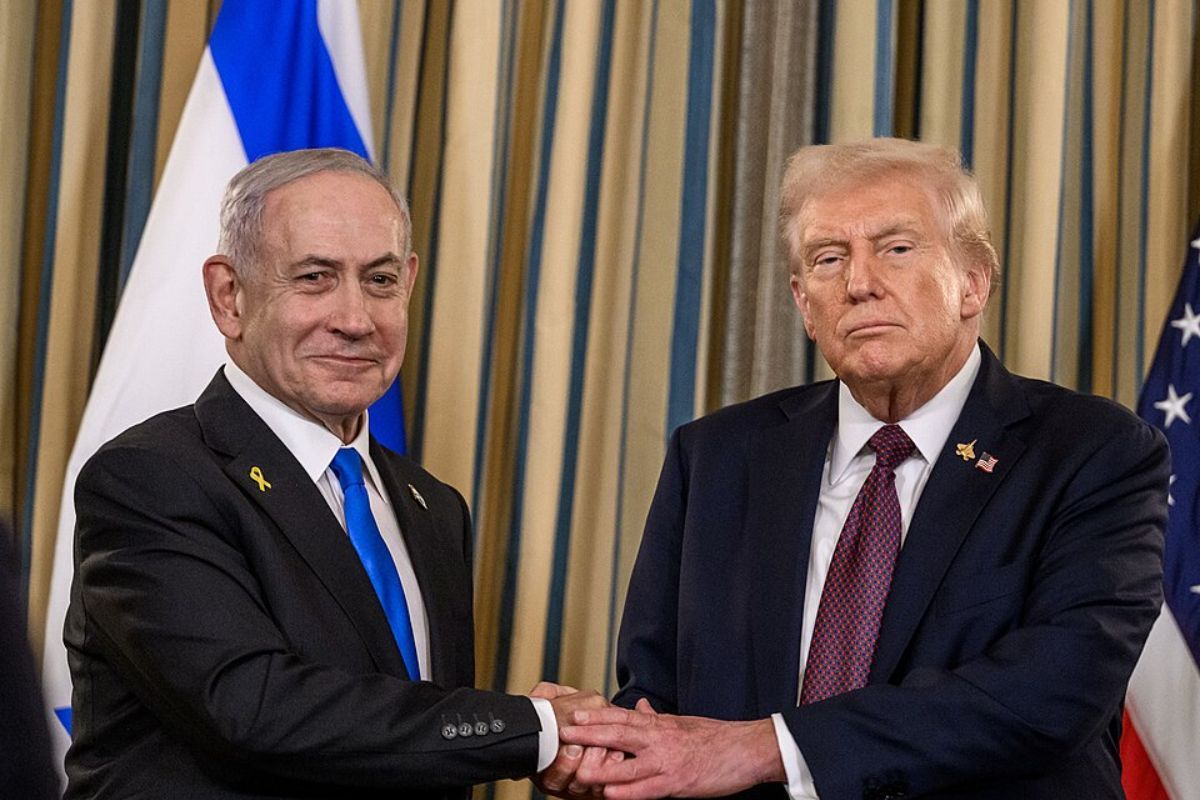
- It is unlikely that current Chinese, Pakistani and Omani diplomatic activity will produce a durable US-Iran de-escalation by 30 September. Wang Yi has urged restraint and the reopening of Hormuz, China has privately asked Iran to restrain Ansar Allah, and Pakistan continues mediation efforts, but Reuters reports that no US-Iran negotiations have taken place since June. Donald Trump's expectation that the war may be nearing its end therefore remains contradicted by the reported absence of active negotiations. Confidence is medium because the diplomatic contacts are corroborated, while their effect on military behaviour is untested. (Confidence: medium · ASSESSED)
- I&W: Breaks if Washington and Tehran announce direct negotiations, a new agreement on Hormuz or a verified cessation of attacks before 30 September. (0-14 days)
- I&W: Confirms if the planned Donald Trump meeting with Saudi Arabia, the UAE, Qatar, Bahrain, Kuwait and Oman on 22 September produces no direct US-Iran channel and Ansar Allah continues attacks on Saudi targets. (0-14 days)
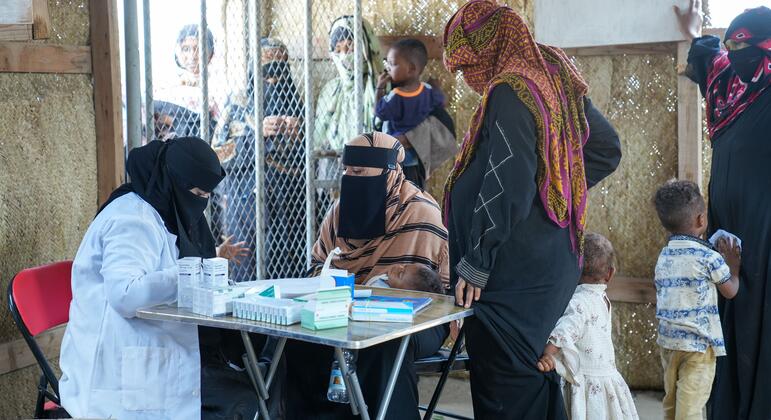
- It is very likely that Yemen's humanitarian emergency will remain acute and likely intensify over the next one to three months. UNICEF reports more than 57,000 children displaced in two weeks, more than 2,000 people arriving in Djibouti, disruption at 26 health facilities, closure or suspension of 243 schools affecting more than 137,000 students, and pre-existing needs affecting 12.2 million children. Confidence is high because the reporting is corroborated by UNICEF and wider UN reporting, although the full scale of new displacement remains difficult to measure. (Confidence: high · ASSESSED)
- I&W: Confirms if UNICEF raises its emergency response target above 231,000 people, reports additional child displacement or records further closures of health facilities and schools. (0-3 months)
- I&W: Breaks if humanitarian access is restored across Taiz, Hudaydah and Marib and UNICEF reports a sustained halt in new displacement and service closures. (1-3 months)
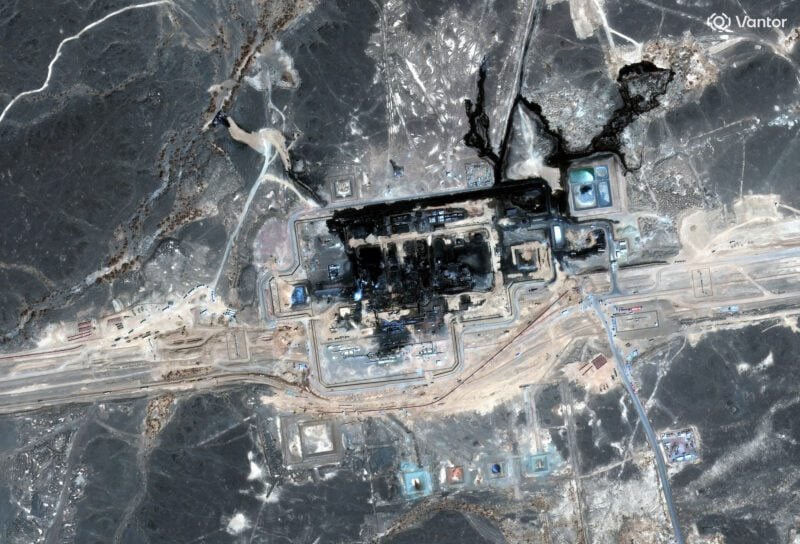
- It is likely that Saudi oil logistics will remain impaired over the next one to three months despite efforts to restore about half of the East-West pipeline capacity within days. Yanbu crude exports have been used at roughly 3.8 million barrels per day, while Brent crude has fallen to 102.33 dollars per barrel after trading around 108 dollars and US retail fuel prices remain elevated. Confidence is medium because the operational disruption is well reported, but responsibility for the pipeline attack and the direction of energy prices remain contested. (Confidence: medium · ASSESSED)
- I&W: Confirms if Saudi Arabia reports that the East-West pipeline remains below full capacity, Yanbu exports remain above pre-war levels and new attacks affect Saudi energy infrastructure. (0-3 months)
- I&W: Breaks if Saudi Arabia reports full pipeline restoration, Yanbu exports return towards pre-war levels and wholesale and retail fuel prices decline together. (1-3 months)
- It is unlikely that current reporting establishes either that the 15 September drone launch near Makkah was intended to strike the Grand Mosque or that Iran directed the incident. Saudi air-defence officials attribute the drone to Ansar Allah, Ansar Allah denies targeting the Grand Mosque, and an El Sharq opinion column attributes ballistic missile fire at Makkah to Iran. Confidence is low because the attribution conflict is unresolved and the Iranian allegation rests on an opinion column rather than independent confirmation. (Confidence: low · ASSESSED)
- I&W: Confirms the Saudi attribution if independent flight-path, debris or launch-site evidence links the 15 September drone to Ansar Allah and shows an intended Makkah trajectory. (0-14 days)
- I&W: Breaks the current assessment if independently verified evidence identifies a military target, a different launch origin or Iranian operational control. (0-14 days)
Outlook & scenarios
Continued multi-front attrition (55%)
This is the likely near-term outcome. US and Israeli military pressure on Iran continues, Hormuz remains dangerous but passable to some commercial traffic, and Ansar Allah retains its positions around Mokha, Dhubab and Mayyun Island while maintaining pressure on Saudi oil and shipping. Saudi Arabia restores part of the East-West pipeline, limiting but not removing the energy effect.
Limited tactical de-escalation (25%)
China's pressure on Iran, Pakistan's mediation, the Oman channel and the planned 22 September meeting between Donald Trump and Gulf leaders produce limited arrangements. Ansar Allah continues to target Saudi interests but maintains its reported restraint towards US and Israeli vessels. Hormuz traffic improves without a durable US-Iran settlement.
Expanded Saudi-Yemen confrontation (15%)
Saudi Arabia increases military operations against Ansar Allah after further attacks on Saudi energy infrastructure or another incident near Makkah. Egypt responds to Saudi requests for support, and fighting spreads across Taiz, Marib and Hudaydah. Shipping risk around Bab al-Mandab rises while Yemen's displacement and service disruptions worsen.
Maritime escalation wildcard (5%)
A high-impact attack causes mass casualties aboard a merchant vessel, strikes a US or Gulf military asset, or expands the declared blockade beyond Saudi-linked shipping. The result is a sharp reduction in Hormuz or Bab al-Mandab traffic and a collapse of the current diplomatic channels.
Recommendations
- Maintain a daily maritime dashboard separating IMO-verified attacks, reported oil flows, merchant transits and political descriptions of Hormuz. Treat claims of complete closure as unconfirmed when they conflict with quantified flow data.
- Prioritise independent verification of Ansar Allah's control around Mokha, Dhubab and Mayyun Island, and distinguish territorial control from the ability to interdict shipping.
- Track every Houthi claim involving Yanbu, Khamis Mushait, Makkah and Saudi shipping against Saudi confirmation, commercial satellite imagery and vessel or port reporting before assigning responsibility or damage levels.
- Monitor for direct US-Iran negotiations, follow-up to the 13 September Oman meeting, Chinese communications with Tehran, and concrete outcomes from the planned 22 September Trump-Gulf leaders meeting.
- Set a humanitarian watch for new UNICEF displacement figures, access restrictions in Taiz, Hudaydah and Marib, additional health-facility or school closures, and arrivals from Yemen in Djibouti.
- Assess Saudi oil resilience through the East-West pipeline restoration rate, Yanbu export volumes and the spread between wholesale crude prices and US retail fuel prices.
- Alert senior analysts immediately to any attack on US, Israeli or non-Saudi commercial shipping by Ansar Allah, any verified Iranian direction of a Houthi operation, or any confirmed US-Iran exchange near the Strait of Hormuz.
Confidence & uncertainty
Overall confidence is high for the broad assessment because the principal developments are corroborated by the International Maritime Organization, UNICEF, the wider UN system, major media, wire services and maritime trade reporting. The strongest evidence concerns the shipping toll, Yemen's humanitarian impact, Houthi territorial gains and Saudi pipeline disruption. The main uncertainties concern attribution of the East-West pipeline attack, the extent of Houthi control around Bab al-Mandab, the intent and actor behind the Makkah incident, and whether diplomatic statements will produce observable changes in military behaviour.
Intelligence gaps
- [EEI 1.1 · PARTIAL] Number, type, launch times, and trajectories of ballistic missiles, cruise missiles, armed UAV strikes, and combat-air sorties launched by Iranian or Israeli forces toward the other's territory or forward bases within a 72-hour window. Recommended collection: signals/intel
- [EEI 1.2 · UNCOVERED] Observable changes in Israeli and Iranian force posture: mobilization or reserve call-up orders, unit road/rail movements, dispersal or sortie rates of air squadrons, redeployment of air-defense batteries, and activation of civil-defense alerts or sirens in major population centers. Recommended collection: open-source/media
- [EEI 1.3 · PARTIAL] Indications of strike authorization or targeting preparations in Iranian or Israeli command chains: authenticated public orders by senior commanders, detected increases in encrypted communications consistent with targeting, or visible movement of strike munitions to launch/storage sites. Recommended collection: signals/intel
- [EEI 2.1 · UNCOVERED] Counts, launch locations (coordinates), weapons types, and assessed damage from rocket/missile/drone strikes originating from Lebanon into northern Israel attributed to Hezbollah or allied groups. Recommended collection: open-source/media
- [EEI 2.2 · PARTIAL] Reported attacks by Iranian-backed militias in Iraq and Syria: rocket/IED strikes on bases hosting US/coalition or Israeli personnel, documented militia unit movements toward borders, and captured movement or transfer of weapons systems to forward militia positions. Recommended collection: human
- [EEI 3.1 · UNCOVERED] Movements and arrival dates of foreign military assets into the region: carrier strike groups, amphibious ships, surface combatants, strategic airlift/tanker deployments, and air/sea patrol patterns by US, European, Russian, or regional militaries. Recommended collection: imagery/satellite
- [EEI 3.2 · PARTIAL] Concrete diplomatic and political actions: emergency UN/Arab League meetings called, official embassy evacuation orders, public declarations of intent to interpose or protect shipping/airspace, and newly announced sanctions or arms-transfer approvals tied to the conflict. Recommended collection: diplomatic
Cited sources
[1] Arab News · Pakistan, Iran discuss ‘regional developments’ as US-Iran war, Houthi attacks escalate (B) · Thu Sep 17 2026 08:05:06 GMT+0000 (Coordinated Universal Time) · sha256:543d7420bb39 [2] inkl.com · Iran Sets New Hormuz Demand: Trump and Netanyahu Must Be Removed From Power, Senior Adviser Says (B) · Thu Sep 17 2026 15:17:04 GMT+0000 (Coordinated Universal Time) · sha256:9d3a3022953c [3] United Nations News · World News in Brief: Shipping alert from IMO, democracy vanishing in Nicaragua, alert over political ‘denialism’ (A) · Wed Sep 16 2026 20:58:44 GMT+0000 (Coordinated Universal Time) · sha256:b38ec7123bf7 [4] Russia Today (Arabic) - arabic.rt.com · من انسحاب الإمارات إلى استهداف مكة. الحوثيون يصعدون. خيارات السعودية وورقة إيران الجديدة! (B) · Thu Sep 17 2026 15:47:22 GMT+0000 (Coordinated Universal Time) · sha256:0c3d52834adb [5] Reuters (via inkl.com) · China asks Iran to rein in Houthis; why Beijing has stepped in now (A) · Thu Sep 17 2026 13:49:00 GMT+0000 (Coordinated Universal Time) · sha256:89f068cf8046 [6] gCaptain · IMO Sounds Alarm as Attacks on Merchant Ships Spread Across Global Trade Routes (C) · Thu Sep 17 2026 18:01:47 GMT+0000 (Coordinated Universal Time) · sha256:d3162cd409ae [7] Bloomberg (republished by gCaptain) · Oil Extends Drop as Saudi Arabia Moves to Restore Vital Pipeline (A) · Thu Sep 17 2026 12:52:54 GMT+0000 (Coordinated Universal Time) · sha256:2db1f9617d98 [8] straits.live · When Will the Strait of Hormuz Reopen? Live Odds (E) · sha256:3744fe8804ba [9] TV7 Israel News · Secret Regional Diplomacy and Backdoor Negotiations (B) · sha256:a0c6b19742b9 [10] gCaptain · Container Shipping Returns to Suez Despite Rising Red Sea Risks (B) · Wed Sep 16 2026 21:51:10 GMT+0000 (Coordinated Universal Time) · sha256:478b04b82cc3 [11] TRT World · What is behind the timing of the Houthis’ new offensive in Yemen? (B) · Thu Sep 17 2026 13:26:11 GMT+0000 (Coordinated Universal Time) · sha256:0a96cbb222af [12] BBC News (Arabic) · الحوثيون يعلنون استهداف قاعدة عسكرية وشركة أرامكو في السعودية، ومصادر تؤكد لقاءهم بمسؤولين أمريكيين في عُمان - BBC News عربي (A) · Wed Sep 16 2026 04:30:22 GMT+0000 (Coordinated Universal Time) · sha256:469f50a8c164 [13] Radio Pakistan (radio.gov.pk) · PM Shehbaz to raise Pakistan’s challenges at UNGA: Analysts (A) · sha256:ef81de63ed7e [14] United Nations (UN News) · Yemen escalation displaces more than 57,000 children: UNICEF (A) · Thu Sep 17 2026 09:45:30 GMT+0000 (Coordinated Universal Time) · sha256:a1a4ae4333be [15] Arabi21 · اليوم في صفحة - الصفحة (B) · sha256:c7155595042d [16] جريدة الشرق اللبنانية (El Sharq Lebanese Newspaper) · [PDF] وﺗﺠﺪﻳﺪاﻟﺜﻘﺔﺑﺎﻟﺤﻜﻮﻣﺔ 68ﻣﻘﺎﺑﻞ 12 ﻳﺎﻋﻴﺐاﻟﺸﻮم. ﺑﺮيﻋﻦﺳ - جريدة الشرق اللبنانية (D) · sha256:e2072822cd41
Source content hashes were computed at collection time; the cited text is preserved unmodified for the life of this product.
Red cell review: CONCUR WITH COMMENT
TLP:CLEAR