TLP:CLEAR · Disclosure is not limited.
Iran-Israel War: Hormuz Constraint, Yemen Displacement and Wider Regional Pressure
Time window: Last 1 day · Audience: General analyst · Type: Situation report · DTG: 2026-09-15 20:07Z · Overall confidence: HIGH
BLUF
It is very likely that the conflict will remain a multi-front regional war over the next 14 days, with Iranian attacks, US and Israeli strikes, Houthi operations against Saudi Arabia, and repeated maritime incidents sustaining pressure across the Middle East. Commercial transit through the Strait of Hormuz is likely to remain severely constrained, while Yemen's displacement crisis and disruptions to Saudi oil exports will keep humanitarian and economic risks elevated.
Executive summary
As of 15 September 2026, the conflict involves repeated US and Israeli strikes on Iranian targets, Iranian attacks on US bases and shipping, Houthi missile and drone attacks against Saudi military targets, and fighting between Saudi-backed Yemeni Government forces and the Houthis. Vessel traffic through the Strait of Hormuz remains far below pre-conflict levels, although claims that the waterway has been continuously closed for six months conflict with reporting of limited transits and US mine-clearance operations. UN agencies report nearly 100,000 people displaced within Yemen, while more than 2,400 people have fled to Djibouti in four days. Saudi Arabia has suspended Yanbu loadings and cancelled some cargoes. Diplomatic activity involving China continues alongside strikes, sanctions and pressure on Iran, but no reported agreement has yet altered the conflict's trajectory.
Change from previous assessment
Since the 14 September brief, the assessment has strengthened on Yemen's humanitarian deterioration because UN agencies now report nearly 100,000 displaced people within Yemen, IOM reports 93,864 newly displaced people and UNHCR reports more than 2,400 arrivals in Djibouti over four days. The maritime picture has become more detailed, with three reported vessel attacks, the El Gaia dispute and updated traffic figures, but confidence in the exact closure status remains medium because contradictory claims persist. Saudi disruption has expanded from a pipeline outage to suspended Yanbu loadings and cancelled European cargoes. New judgments cover reported Russian military support to Iran, US force sustainment pressure and Chinese diplomatic activity. Initial confidence in the multi-front character of the conflict remains high.
Key judgments
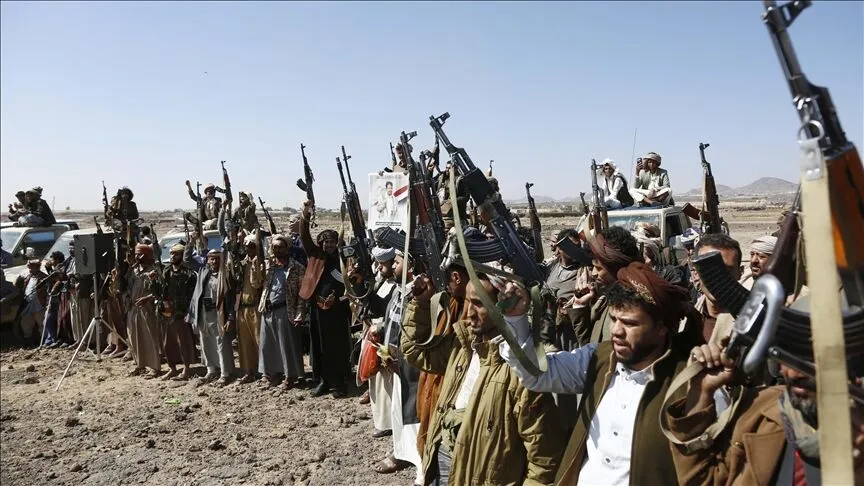
- It is very likely that the conflict will remain a multi-front regional war over the next 14 days. US and Israeli forces continue strikes on Iranian targets, Iran has attacked more than 15 US bases and US allies, the Houthis have launched missile and drone attacks against Saudi military targets including King Khalid Air Base at Khamis Mushait, and fighting between Saudi-backed Yemeni Government forces and the Houthis is driving violence across Aden, Al Hodeidah, Abyan and Ta'iz. Attacks on commercial vessels in the Strait of Hormuz and off Oman add a maritime front. This is an assessed synthesis, not evidence of a single command structure. (Confidence: high · ASSESSED)
- I&W: JMIC reports another attack on a commercial vessel in the Strait of Hormuz and the Houthis claim another missile or drone strike on a Saudi military target. (0-14 days)
- I&W: No additional Iranian attacks on US bases, Houthi attacks on Saudi targets, or fighting-related displacement is reported across the period. (0-14 days)
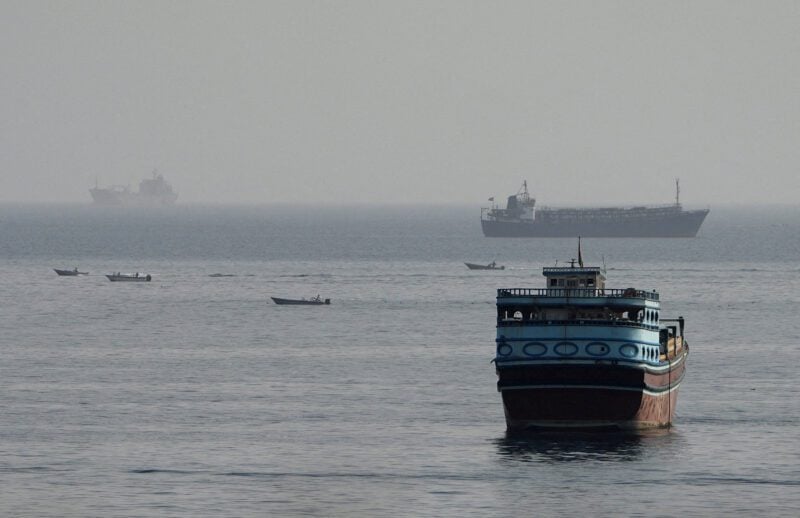
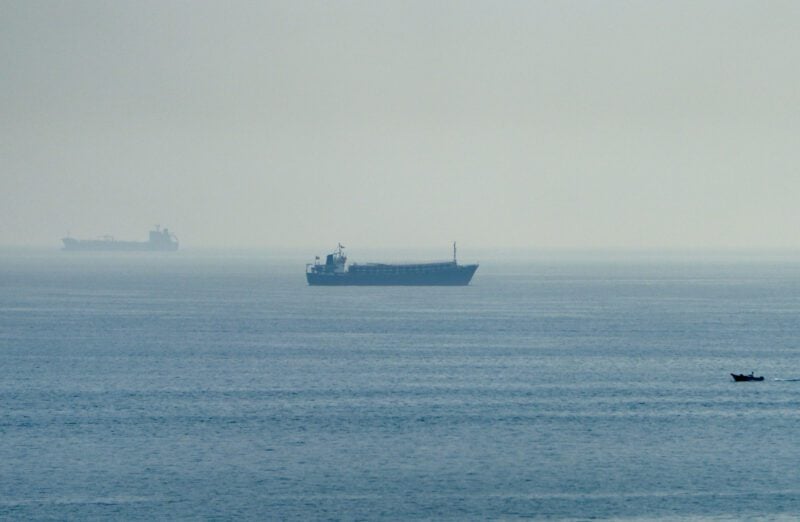
- It is very likely that commercial transit through the Strait of Hormuz will remain severely constrained through 29 September, but it is unlikely that the waterway can be characterised as under a continuously complete closure. UKMTO reported traffic about 90% below pre-conflict levels, while the Joint Maritime Information Center recorded only 70 US-facilitated transits from 10 to 12 September against a pre-conflict average of about 138 vessel movements per day. JMIC rates the threat to commercial shipping as severe. Claims that Iran closed the strait only during the early phase of the war conflict with reporting that it has been closed for six months. Confidence is medium because the restriction is well reported, but the current legal and physical status remains disputed. (Confidence: medium · ASSESSED)
- I&W: UKMTO or JMIC records traffic at roughly 10% or less of the pre-conflict level and reports another vessel attack or new Iranian restriction. (0-14 days)
- I&W: Verified traffic approaches the pre-conflict average of 138 vessel movements per day and commercial tankers resume direct transit rather than transferring cargo outside the strait. (1-3 months)
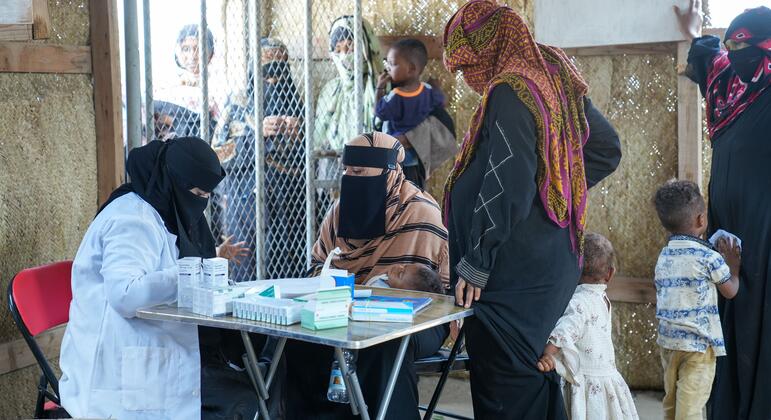
- It is very likely that humanitarian pressure in Yemen will remain elevated and likely worsen over the next one to three months. UN agencies report nearly 100,000 people displaced since fighting intensified earlier in September, while IOM reports 93,864 newly displaced people across Yemen. UNHCR separately reports that more than 2,400 people reached Djibouti in four days. Nearly half of Yemen's 41 million people need aid, and damage to Al Makha port is constraining humanitarian movement and logistics. The direction of deterioration is corroborated by multilateral reporting, although the displacement totals cover different populations and reporting periods. (Confidence: high · ASSESSED)
- I&W: IOM records more than 100,000 newly displaced people in Yemen or UNHCR reports another substantial cross-border movement to Djibouti. (0-14 days)
- I&W: UN agencies report stabilising displacement figures and restored humanitarian access through Al Makha port. (1-3 months)
- It is likely that energy and shipping costs will remain elevated through October, while responsibility for the Saudi pipeline attacks remains unresolved. Saudi Arabia has shut the East-West pipeline, suspended Yanbu loadings, cancelled some September cargoes and cut shipments to Europe. Saudi Arabia attributes the drone attacks to Iraqi militia, while separate reporting links disruption of Saudi oil flows to the Houthis. Brent futures were near 108 dollars per barrel, dated Brent was around 122 dollars, and oil tanker hire rates exceeded 1 million dollars per day. Confidence is medium because the market effects are corroborated, but pipeline attribution and some supply estimates rely on industry reporting. (Confidence: medium · ASSESSED)
- I&W: Yanbu remains suspended, Saudi Arabia cancels additional cargoes, and tanker hire rates remain above 1 million dollars per day. (0-14 days)
- I&W: Saudi Arabia resumes regular Yanbu loadings, restores pipeline operations and tanker hire rates fall below 1 million dollars per day. (1-3 months)
- It is unlikely that current diplomatic activity will produce durable regional de-escalation by 30 September. Abbas Araghchi is expected to meet Wang Yi in Beijing on 16 September, Xi Jinping has urged BRICS to act as peacemakers, and a Trump-Xi meeting is planned in Washington later in September. At the same time, the United States and European allies have pushed Iran towards the UN Security Council, European powers have barred Mohammad Eslami from the IAEA General Conference, the United States is enforcing additional pressure on Iran, and US military strikes have continued. This is an assessed inference from parallel diplomatic and coercive reporting, not a reported forecast, and confidence is medium. (Confidence: medium · ASSESSED)
- I&W: The Araghchi-Wang meeting produces a joint de-escalation statement followed by a measurable reduction in strikes and maritime restrictions. (0-14 days)
- I&W: The meeting produces no agreement and is followed by additional US or Israeli strikes, Iranian attacks, or new coercive measures against Iran. (0-14 days)
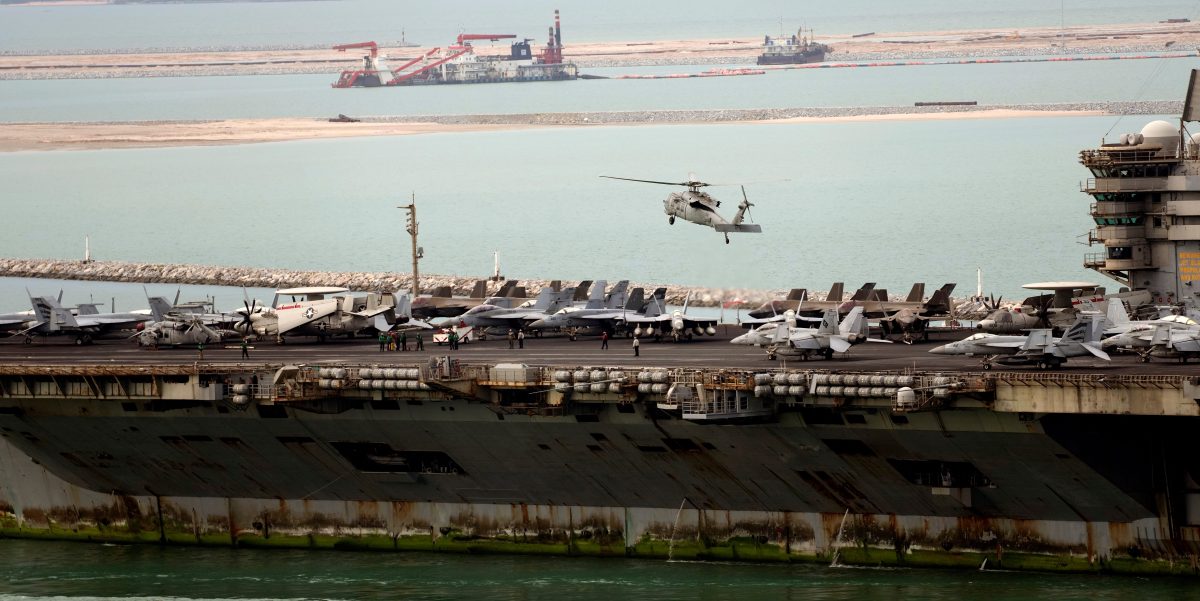
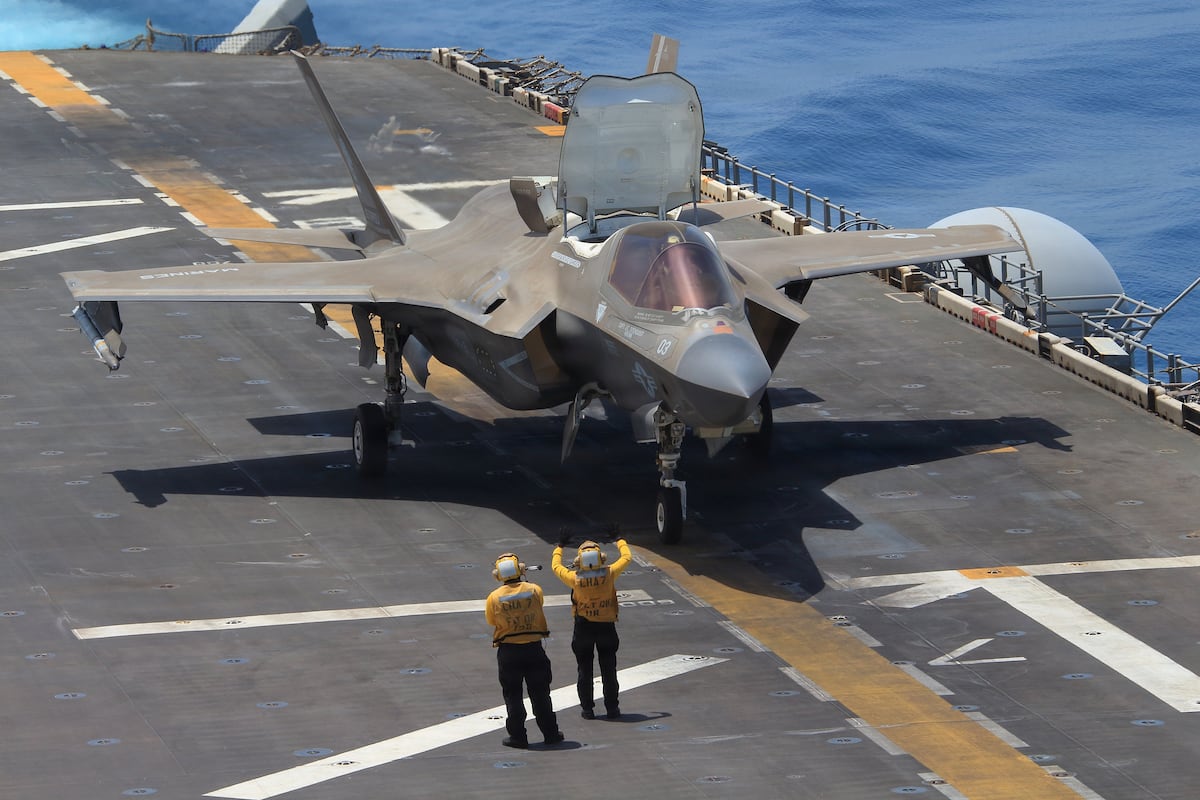
- It is likely that prolonged fighting will increase US force sustainment and readiness pressure over the next one to three months. RUSI assessed that the US and its allies expended more than 11,000 munitions in the first 16 days of the war, while Pete Hegseth called for emergency funding nearing 90 billion dollars and the CBO assessed that replenishment could take more than five years. Iran has reportedly attacked more than 15 US bases. The reported aggregate of 410 US troops killed or wounded is thin and contested against specific reports of three deaths at Muwaffaq Salti Air Base and one death and one injury at Erbil Air Base. F-35 reporting is also contested, with deployed aircraft described as maintaining high mission-capable rates while a June GAO report put full-fleet readiness at 25 percent. (Confidence: medium · ASSESSED)
- I&W: The Pentagon reports further munitions expenditure, additional base damage or a new emergency replenishment request approaching 90 billion dollars. (0-14 days)
- I&W: Official readiness data rise above the reported 25 percent full-fleet level and replenishment timelines are shortened without additional emergency funding. (1-3 months)
Outlook & scenarios
Continued multi-front attrition (50%)
This is the most likely near-term outcome. Iran continues attacks on US bases, shipping and regional partners, while the Houthis sustain pressure on Saudi Arabia and Yemeni Government forces. Hormuz traffic remains sharply depressed, Yemen's displacement rises and Saudi oil exports continue through alternative routes and partial loading operations.
Limited diplomatic opening (25%)
Araghchi's 16 September meeting with Wang Yi, Xi Jinping's BRICS initiative and the planned Trump-Xi meeting generate a limited channel for deconfliction. A reduction in attacks permits some recovery in direct Hormuz transit, but sanctions and unresolved military issues prevent a durable settlement.
Maritime and energy shock (15%)
Further attacks on vessels, continued Iranian restrictions or new mine allegations deepen commercial avoidance of Hormuz. Yanbu remains unavailable, Saudi cargo cancellations expand and some shipping is rerouted around the Cape of Good Hope, adding 25 to 30 days to transit times. Oil prices and tanker rates rise further.
High-impact external enablement (10%)
A low-probability, high-impact path involves additional Iranian attacks on US bases or commercial shipping alongside expanded Russian military support to Iran. The reported transfer of upgraded munitions, satellite imagery and targeting data, together with Russian assistance on supersonic and hypersonic missiles, would raise the risk of a sharper US response and wider regional escalation.
Recommendations
- Maintain a daily maritime picture that separates physical access to the Strait of Hormuz from commercial willingness to transit it. Track UKMTO and JMIC traffic counts, vessel attacks, Iranian restricted zones and the distinction between direct transit and cargo transfers outside the strait.
- Treat the six-month closure claim as unresolved. Compare it against the 70 recorded US-facilitated transits from 10 to 12 September, the pre-conflict average of 138 vessel movements per day and CENTCOM reporting on mine clearance.
- Keep separate displacement ledgers for people displaced within Yemen and people crossing into Djibouti. Use IOM and UN agency figures for the principal trend line, and do not combine the nearly 100,000 displaced within Yemen with the more than 2,400 arrivals in Djibouti.
- Monitor Yanbu loadings, East-West pipeline operations, cargo cancellations, Ras Tanura and Juaymah vessel activity, Brent prices and tanker hire rates. Preserve competing attribution lines for Iraqi militia and Houthi responsibility until independent reporting resolves them.
- Prioritise reporting on the 16 September Araghchi-Wang meeting and any subsequent Chinese or BRICS proposal. Assess whether diplomatic statements are accompanied by observable reductions in strikes, shipping restrictions or sanctions pressure.
- Track US munitions expenditure, emergency funding, base damage, casualty reporting and F-35 readiness by distinguishing deployed aircraft from full-fleet measures. Treat the 410 casualty aggregate as unconfirmed until reconciled with Pentagon reporting and the specific Jordan and Iraq incidents.
Confidence & uncertainty
Overall confidence is high because the principal developments are corroborated by multiple independent sources, including UN agencies and IOM for Yemen, UKMTO and JMIC for maritime activity, wire reporting for Saudi oil disruption, and official US and Omani statements for attacks and rescue operations. Confidence is lower for several analytic inferences and contested details, especially the exact status of the Strait of Hormuz, the cause of the El Gaia incident, attribution of the Saudi pipeline attacks, the scale of US casualties and the degree of Iranian control over Houthi operations.
Intelligence gaps
- [EEI 1.1 · PARTIAL] Number, type, launch times, and trajectories of ballistic missiles, cruise missiles, armed UAV strikes, and combat-air sorties launched by Iranian or Israeli forces toward the other's territory or forward bases within a 72-hour window. Recommended collection: signals/intel
- [EEI 1.2 · PARTIAL] Observable changes in Israeli and Iranian force posture: mobilization or reserve call-up orders, unit road/rail movements, dispersal or sortie rates of air squadrons, redeployment of air-defense batteries, and activation of civil-defense alerts or sirens in major population centers. Recommended collection: open-source/media
- [EEI 1.3 · UNCOVERED] Indications of strike authorization or targeting preparations in Iranian or Israeli command chains: authenticated public orders by senior commanders, detected increases in encrypted communications consistent with targeting, or visible movement of strike munitions to launch/storage sites. Recommended collection: signals/intel
- [EEI 2.1 · UNCOVERED] Counts, launch locations (coordinates), weapons types, and assessed damage from rocket/missile/drone strikes originating from Lebanon into northern Israel attributed to Hezbollah or allied groups. Recommended collection: open-source/media
- [EEI 2.2 · UNCOVERED] Reported attacks by Iranian-backed militias in Iraq and Syria: rocket/IED strikes on bases hosting US/coalition or Israeli personnel, documented militia unit movements toward borders, and captured movement or transfer of weapons systems to forward militia positions. Recommended collection: human
- [EEI 2.3 · UNCOVERED] Maritime harassment or attacks by proxies (e.g., Houthis): incidents of missile/rocket strikes against commercial vessels, small-boat swarm attacks, discovery or detonation of naval mines, and corresponding AIS anomalies in the Red Sea, Gulf of Aden, or southern Arabian Gulf. Recommended collection: maritime/AIS
- [EEI 3.1 · PARTIAL] Movements and arrival dates of foreign military assets into the region: carrier strike groups, amphibious ships, surface combatants, strategic airlift/tanker deployments, and air/sea patrol patterns by US, European, Russian, or regional militaries. Recommended collection: imagery/satellite
Cited sources
[1] eciks.org · Iran war: Reuters tracks US‑Israel strikes and widening regional risks (E) · Mon Sep 14 2026 20:06:06 GMT+0000 (Coordinated Universal Time) · sha256:f7df41f40703 [2] The Intercept · Iran War Has the U.S. Military on the Brink of a “Breakdown” (B) · Tue Sep 15 2026 10:00:00 GMT+0000 (Coordinated Universal Time) · sha256:1f6ea0e16f9c [3] Center for Strategic and International Studies (CSIS) · Iran and the Emerging Security Order in the Middle East (C) · sha256:7b8cceb15e8c [4] Muslim Network TV · Iran rejects role in Yemen war as Houthis advance - Muslim Network TV (D) · Mon Sep 14 2026 23:28:57 GMT+0000 (Coordinated Universal Time) · sha256:3fedb7d8b6b5 [5] United Nations (UN News) · Escalating conflict drives new displacement in Yemen (A) · Tue Sep 15 2026 15:07:34 GMT+0000 (Coordinated Universal Time) · sha256:27b204a1575c [6] gCaptain · U.S. Rejects Iran’s Mine Claim as Hormuz Shipping Threat Remains Severe (C) · Mon Sep 14 2026 20:28:38 GMT+0000 (Coordinated Universal Time) · sha256:e7b203f25a2c [7] Reuters (republished by gCaptain) · Oil Prices Surge as Saudi Red Sea Loadings Halt, Libya Shuts Fields (A) · Tue Sep 15 2026 19:11:06 GMT+0000 (Coordinated Universal Time) · sha256:893b27c1d5a7 [8] Bloomberg (republished by gCaptain) · Oil Tanker Rates Top $1 Million a Day as Hormuz War Squeezes Fleet (A) · Mon Sep 14 2026 18:24:16 GMT+0000 (Coordinated Universal Time) · sha256:6886bf9bc6d2 [9] Al Jazeera · Can China play peacemaker as Iran’s foreign minister heads to Beijing? (A) · Tue Sep 15 2026 16:15:13 GMT+0000 (Coordinated Universal Time) · sha256:a51600b0538b [10] Devdiscourse · Escalating Costs: The U.S. Conflict with Iran (B) · sha256:860b37f9c88a [11] Defense News · F-35 proved combat readiness during Middle East deployments, Air Force officials say (C) · Tue Sep 15 2026 19:05:10 GMT+0000 (Coordinated Universal Time) · sha256:bcc851ba282d
Source content hashes were computed at collection time; the cited text is preserved unmodified for the life of this product.
TLP:CLEAR