TLP:CLEAR · Disclosure is not limited.
Iran-Israel War: Hormuz Disruption and Regional Spillover
Time window: Last 1 day · Audience: General analyst · Type: Situation report · DTG: 2026-09-18 20:39Z · Overall confidence: HIGH
BLUF
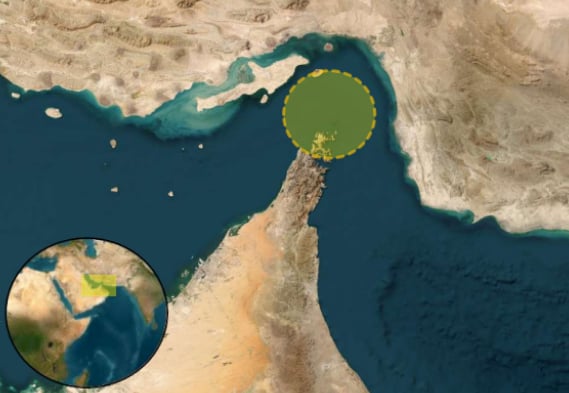
It is very likely that the US-Israel conflict with Iran will remain a multi-front confrontation through 2 October, with continued pressure on the Strait of Hormuz, Saudi Arabia, southern Lebanon and shipping. Commercial traffic through Hormuz is likely to remain severely disrupted, but current reporting does not establish a complete and continuous closure.
Executive summary
As of 18 September 2026, the conflict is generating simultaneous military, maritime, economic and humanitarian effects. Iran has reported engagements involving 1,627 drones, 15 cruise missiles and 304 ballistic missiles against the UAE, while Saudi Arabia has reported intercepting 439 drones and 36 ballistic missiles. The IRGC Navy has claimed responsibility for striking the Togo-flagged tanker Trend, and UKMTO has recorded further attacks near Khasab and in Hormuz. Ansarallah has intensified pressure on Saudi Arabia and the Bab al-Mandeb approaches, contributing to more than 112,000 displacements in Yemen and nearly 3,000 arrivals in Djibouti. Israel is also reporting a 25 billion shekel defence funding gap while maintaining operations across Gaza, the West Bank and Lebanon.
Change from previous assessment
Since the 17 September brief, the assessment has shifted towards a more immediate maritime and military risk picture. New reporting adds Iranian missile and drone engagements involving the UAE and Saudi Arabia, further tanker attacks near Hormuz, 105 US-redirected commercial vessels, and a reported average of 24 US-facilitated vessel movements per day. The Hormuz judgement remains severe but confidence stays medium because low commodity traffic conflicts with facilitated transits and limited LNG movements. The Yemen humanitarian assessment has worsened from more than 57,000 recently displaced children to more than 112,000 people displaced overall, with nearly 3,000 arrivals in Djibouti. A new judgement has been added on Israeli defence-budget constraints and their implications for operations across Gaza, the West Bank and Lebanon. Initial assessment of the reported AI-assisted near-interception of a Chinese ship identifies a low-probability, high-impact escalation pathway.
Key judgments
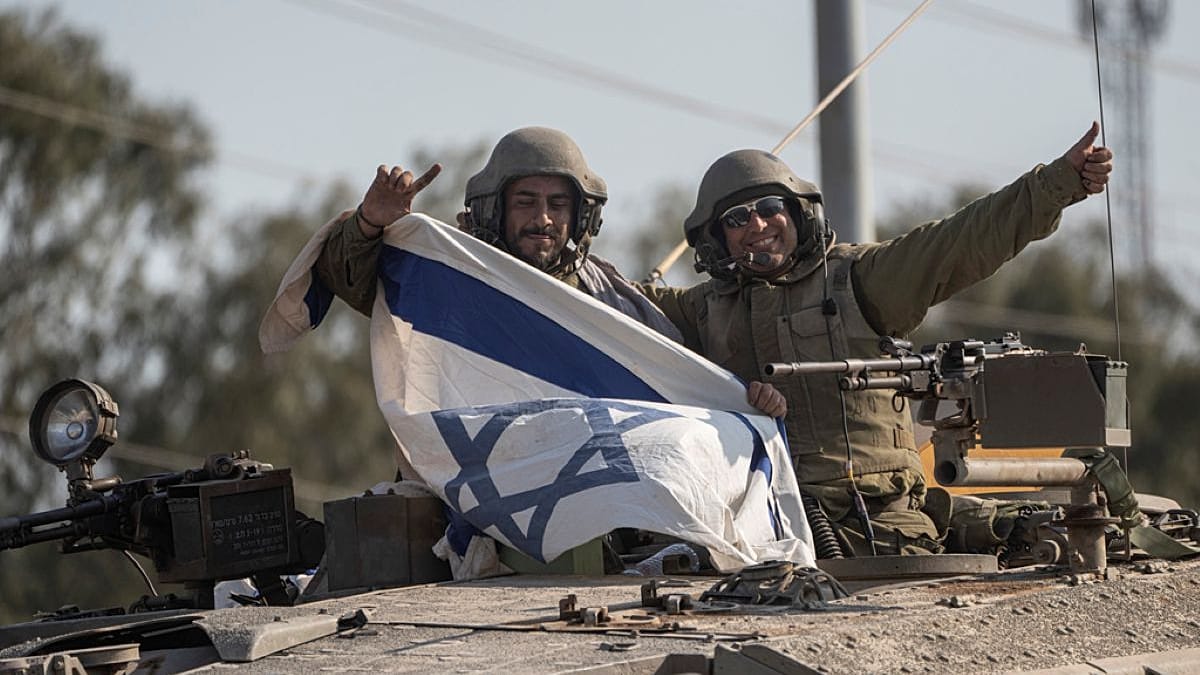
- It is very likely that the US-Israel conflict with Iran will remain a multi-front confrontation through 2 October, involving continued US and Israeli military activity against Iran, Iranian coercion in the Strait of Hormuz, Ansarallah attacks against Saudi Arabia, and Israeli military activity in southern Lebanon. Benjamin Netanyahu has stated that Israel will continue its campaign against Iran and its proxies, while Iranian and Ansarallah statements indicate continued resistance and retaliation. (Confidence: high · ASSESSED)
- I&W: Confirm: US or Israeli authorities report another operation against Iran while UKMTO records a new Hormuz incident or Saudi Arabia reports another Ansarallah launch. (0-14 days)
- I&W: Break: US and Israeli authorities announce and implement a halt in operations, with no new UKMTO attack warning and no new reported Ansarallah attack on Saudi Arabia for seven consecutive days. (0-14 days)
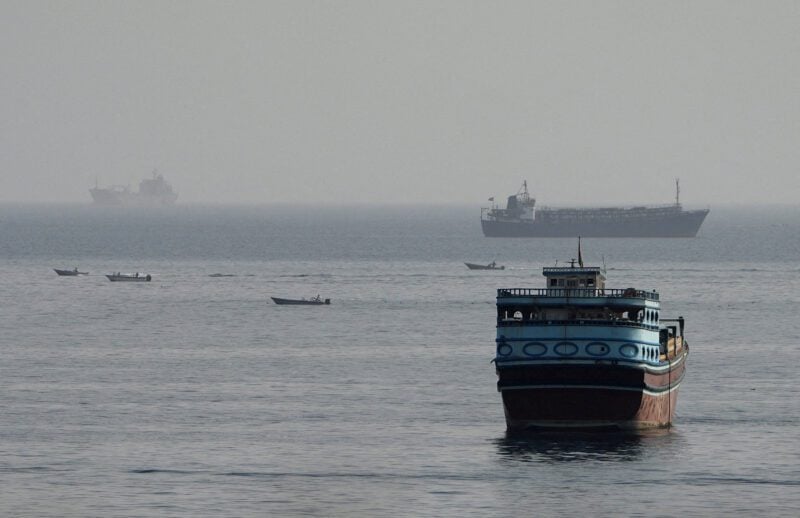
- It is very likely that commercial traffic through the Strait of Hormuz will remain severely disrupted over the next 14 days, but unlikely that the waterway will experience a complete and continuous closure. Only four commodity vessels transited on 17 September, while UKMTO recorded 35 projectile strikes since 6 July and two further tanker attacks were reported on 18 September. At the same time, US-facilitated movements averaged about 24 vessels per day, at least two LNG shipments transited during the week, and Saudi Aramco still plans to move roughly 60 million barrels through Hormuz during September and October. Confidence is medium because AIS visibility, facilitated-transit reporting and claims that the strait remains closed do not fully align. (Confidence: medium · ASSESSED)
- I&W: Confirm: commodity transits remain below 10 vessels per day, or UKMTO records at least three further projectile incidents in the southern Omani route. (0-14 days)
- I&W: Break: the seven-day average of commodity transits rises above the reported 10-day average of about 16, with no new UKMTO attack warning for seven days. (0-14 days)
- It is likely that Ansarallah will retain operational leverage around the Bab al-Mandeb approaches and sustain pressure on Saudi shipping and energy infrastructure over the next one to three months. Reporting places Houthi forces on Yemen's Red Sea coast and on islands at the mouth of the strait, while separate reporting describes missile attacks towards Saudi Arabia, a naval blockade declaration and a previous attack on an Aramco facility in Jazan. Confidence is medium because reporting supports the group's reach and attacks, but the exact extent of its territorial control and the causes of specific escalations remain contested. (Confidence: medium · ASSESSED)
- I&W: Confirm: Ansarallah conducts another attack against a Saudi facility or vessel, or maintains positions on the Red Sea coast and islands at the mouth of Bab al-Mandeb. (0-14 days)
- I&W: Break: Saudi-backed forces retake the reported islands or coastal positions, and Ansarallah ends its blockade declaration with no new attack on Saudi Arabia or shipping for 14 days. (1-3 months)
- It is very likely that Yemen's humanitarian emergency will worsen over the next one to three months. UN reporting puts internal displacement above 112,000, with most displacement occurring during the previous two weeks, while IOM estimates that 22 million Yemenis require urgent aid. IOM resources are reportedly close to depletion, more than 2,400 people travelled by boat to Djibouti in one week, and 2,000 pregnant women are among the displaced. Confidence is high because UN, IOM and UNHCR reporting corroborates the scale of displacement and humanitarian need. (Confidence: high · ASSESSED)
- I&W: Confirm: IOM reports that essential stocks have been depleted, or UN agencies record displacement above 112,000 and further boat arrivals in Djibouti. (0-14 days)
- I&W: Break: humanitarian agencies report replenished stocks, no increase in Yemen displacement and no new significant arrivals in Djibouti for four consecutive weeks. (1-3 months)
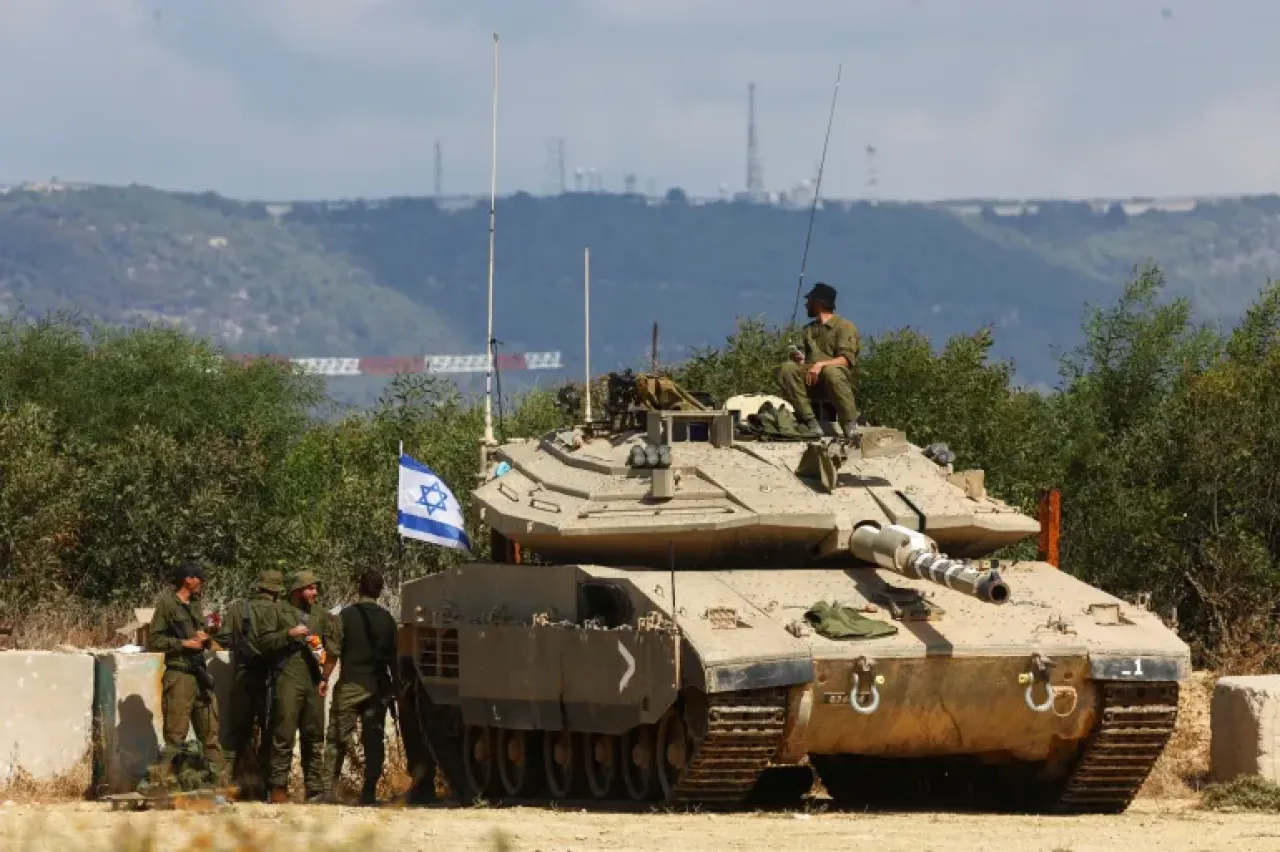
- It is likely that Israeli operational readiness on the Gaza, West Bank and Lebanon fronts will face increasing budget-related pressure over the next one to three months. The Israeli military reports a 25 billion shekel funding gap, says it is not financially prepared for winter deployment in Lebanon, and has warned that additional funding is required to maintain security zones across three fronts. Channel 13 reporting also links a 15 billion shekel dispute with the Finance Ministry to a halt in interceptor missile purchases. Confidence is medium because the reporting is detailed and internally consistent, but much of it derives from Israeli media and overlapping accounts rather than independent official budget records. (Confidence: medium · ASSESSED)
- I&W: Confirm: Israel's Finance Ministry does not transfer the disputed funds, interceptor procurement remains halted, or the Israeli military announces reduced winter readiness in Lebanon. (0-14 days)
- I&W: Break: the Knesset approves additional defence funding, interceptor procurement resumes and the Israeli military confirms winter readiness for Lebanon. (1-3 months)
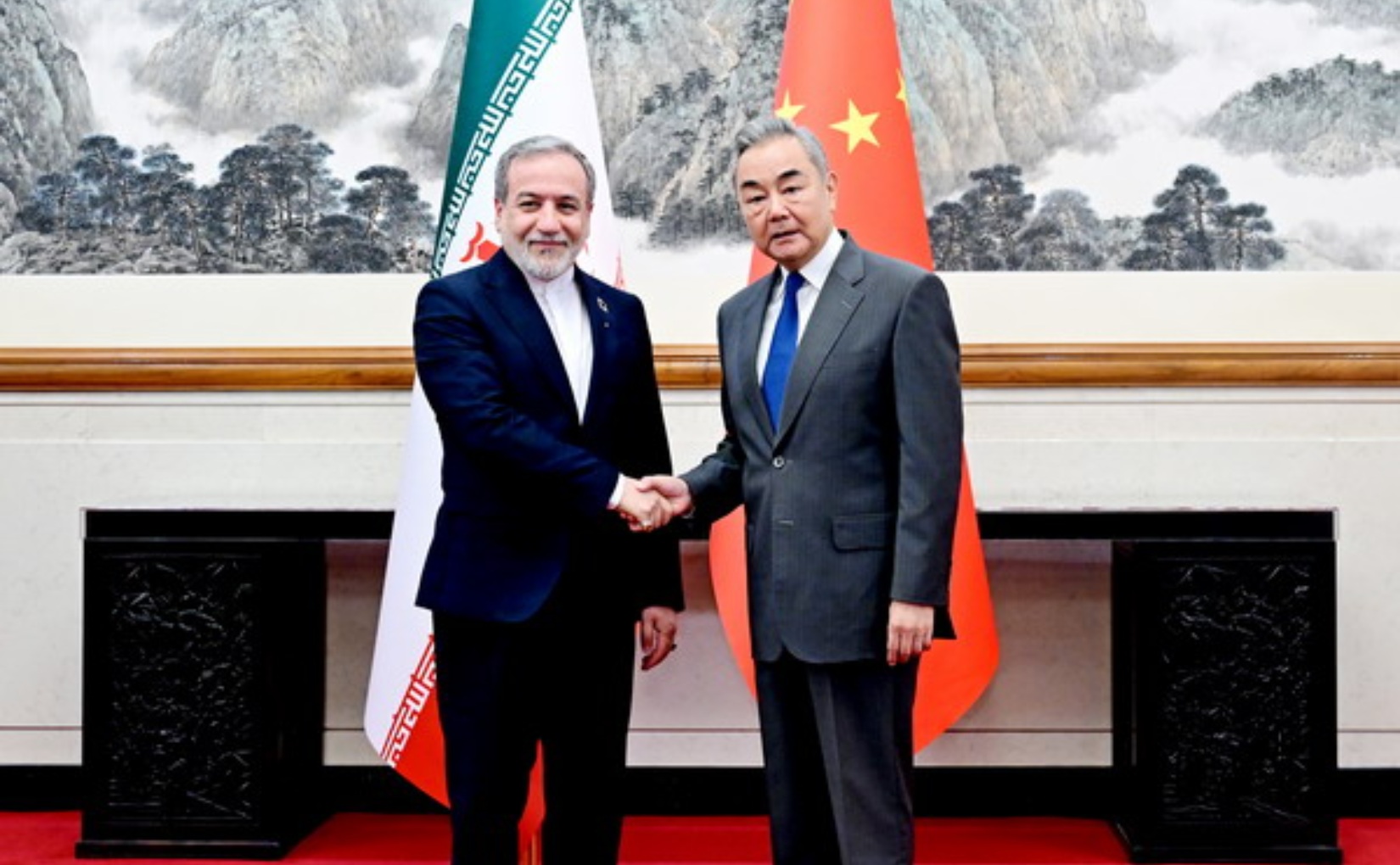
- It is unlikely that current diplomatic activity will produce durable US-Iran de-escalation by 2 October. Abbas Araghchi has expressed support for returning to diplomatic channels and described an Iranian-Omani plan to open Hormuz, while Wang Yi has urged a return to the Islamabad memorandum and the reopening of the strait. These signals are offset by Netanyahu's stated intention to continue the campaign, Iranian claims that Hormuz will remain closed, and the Russian and Chinese veto of the US effort to renew the UN expert mandate on Iran sanctions. Confidence is medium because the diplomatic contacts are reported, but some of the most conciliatory statements come from lower-reliability reporting and have not produced observable military restraint. (Confidence: medium · ASSESSED)
- I&W: Confirm: US or Israeli operations continue, Iran maintains the stated Hormuz closure, or UKMTO records further attacks after the reported diplomatic contacts. (0-14 days)
- I&W: Break: Washington and Tehran announce a formal agreement, Iran opens Hormuz to commercial traffic, and both sides halt military action for at least seven days. (0-14 days)
Outlook & scenarios
Sustained multi-front attrition (55%)
US and Israeli military operations continue against Iran while Iran maintains coercive control measures around Hormuz. IRGC-linked maritime threats, attacks by unknown actors and Houthi pressure on Saudi Arabia and Bab al-Mandeb keep shipping disrupted. Israel sustains activity in southern Lebanon, while Yemen's displacement and aid crisis deepen.
Managed maritime throughput without settlement (28%)
US-facilitated movements continue along the southern Hormuz route, and limited LNG and oil cargoes transit through the strait or transfer ship-to-ship off Oman. Attack warnings and low commodity-vessel volumes persist. The arrangement reduces the risk of a total energy stoppage without resolving the conflict.
Partial diplomatic opening (14%)
The reported Iranian-Omani plan and Chinese diplomatic pressure produce a temporary opening of Hormuz and a limited reduction in US-Iran military activity. Commercial traffic recovers from current lows, but Israeli operations, Houthi-Saudi hostility and unresolved nuclear issues prevent a durable settlement.
Wildcard: US-China maritime confrontation (3%)
A false or manipulated intelligence product similar to the recent AI-assisted report triggers a US attempt to intercept or board a Chinese ship in the Middle East. The incident creates a high-impact crisis between Washington and Beijing while US forces are already engaged with Iran.
Recommendations
- Maintain a 24-hour maritime picture that combines UKMTO warnings, Kpler and AIS data, US-facilitated transit figures, US Central Command redirections, LNG ship-to-ship transfers off Oman and Saudi Aramco movement plans.
- Separate confirmed incidents from actor claims in all reporting. Treat the IRGC account of the Trend attack, the precise location of the Khasab incident and the attribution of the two additional tanker attacks as unresolved until UKMTO, flag-state or independent vessel evidence confirms them.
- Prioritise collection on Ansarallah positions at the Bab al-Mandeb approaches, attacks on Saudi facilities and shipping, and the status of the Red Sea coast and islands reported to be under Houthi control.
- Track Israeli budget decisions as operational indicators. Monitor transfer of the disputed 15 billion shekels, interceptor procurement, permanent-service recruitment, winter preparation for forces in Lebanon and any announced changes to security zones in Gaza, the West Bank or Lebanon.
- Prepare a weekly Yemen humanitarian risk update covering internal displacement, arrivals in Djibouti, IOM stock levels, pregnant women among the displaced and pressure on Djibouti's existing refugee population.
- Assess diplomatic claims against observable outcomes. Require confirmation of any Iranian-Omani Hormuz arrangement through vessel movements, UKMTO reporting and formal statements from Oman, Iran and the US.
- Apply independent-source verification before acting on AI-assisted intelligence concerning vessels, cargoes or naval positions. The recent near-interception of a Chinese ship demonstrates the risk of escalation from an unverified automated assessment.
Confidence & uncertainty
Overall confidence is high because the principal developments are corroborated across major media, wire reporting, UKMTO, trade publications and UN agencies. The strongest evidence concerns missile and drone engagements, tanker attacks, reduced Hormuz traffic, Yemen displacement and Israeli budget pressures. The main uncertainties are attribution of several maritime attacks, the true scale of facilitated shipping, the precise extent of Houthi territorial control, the effect of diplomatic contacts and the operational consequences of Israel's funding gap.
Intelligence gaps
- [EEI 1.1 · UNCOVERED] Number, type, launch times, and trajectories of ballistic missiles, cruise missiles, armed UAV strikes, and combat-air sorties launched by Iranian or Israeli forces toward the other's territory or forward bases within a 72-hour window. Recommended collection: signals/intel
- [EEI 1.2 · UNCOVERED] Observable changes in Israeli and Iranian force posture: mobilization or reserve call-up orders, unit road/rail movements, dispersal or sortie rates of air squadrons, redeployment of air-defense batteries, and activation of civil-defense alerts or sirens in major population centers. Recommended collection: open-source/media
- [EEI 1.3 · PARTIAL] Indications of strike authorization or targeting preparations in Iranian or Israeli command chains: authenticated public orders by senior commanders, detected increases in encrypted communications consistent with targeting, or visible movement of strike munitions to launch/storage sites. Recommended collection: signals/intel
- [EEI 2.1 · UNCOVERED] Counts, launch locations (coordinates), weapons types, and assessed damage from rocket/missile/drone strikes originating from Lebanon into northern Israel attributed to Hezbollah or allied groups. Recommended collection: open-source/media
- [EEI 2.2 · UNCOVERED] Reported attacks by Iranian-backed militias in Iraq and Syria: rocket/IED strikes on bases hosting US/coalition or Israeli personnel, documented militia unit movements toward borders, and captured movement or transfer of weapons systems to forward militia positions. Recommended collection: human
- [EEI 2.3 · PARTIAL] Maritime harassment or attacks by proxies (e.g., Houthis): incidents of missile/rocket strikes against commercial vessels, small-boat swarm attacks, discovery or detonation of naval mines, and corresponding AIS anomalies in the Red Sea, Gulf of Aden, or southern Arabian Gulf. Recommended collection: maritime/AIS
- [EEI 3.1 · UNCOVERED] Movements and arrival dates of foreign military assets into the region: carrier strike groups, amphibious ships, surface combatants, strategic airlift/tanker deployments, and air/sea patrol patterns by US, European, Russian, or regional militaries. Recommended collection: imagery/satellite
Cited sources
[1] JNS (Jewish News Syndicate) · America has never been subservient to Israel (B) · Fri Sep 18 2026 13:30:00 GMT+0000 (Coordinated Universal Time) · sha256:3becf27b2f9b [2] gCaptain · Trump Returns to UN as Iran War Spreads Across Shipping Chokepoints (C) · Fri Sep 18 2026 16:58:46 GMT+0000 (Coordinated Universal Time) · sha256:7dcae6a7bc9a [3] Foundation for Defense of Democracies (FDD) · September 18, 2026 (C) · Fri Sep 18 2026 11:24:32 GMT+0000 (Coordinated Universal Time) · sha256:3d2ecaa72b25 [4] gCaptain · Three Tanker Attacks Hit Hormuz as Saudi Oil Is Forced Back Toward Strait (C) · Fri Sep 18 2026 16:07:36 GMT+0000 (Coordinated Universal Time) · sha256:fba4e5bcba79 [5] Manara Magazine · Mecca Agreement and Türkiye’s Emerging Security Dilemma (B) · Fri Sep 18 2026 00:12:10 GMT+0000 (Coordinated Universal Time) · sha256:7bd10d7f0d60 [6] Al Jazeera · Israel | Israel | Today's latest from Al Jazeera (A) · sha256:a481054d60ab [7] Panet (Palestinian news network) · مصادر لبنانية: مصابان بقصف مدفعي اسرائيلي على جنوب لبنان (D) · sha256:fb1af75435f2 [8] The Maritime Executive · Iran Exploits Attack on Small Product Tanker to Assert Hormuz Control (C) · sha256:093f709c7cc9 [9] Bloomberg (republished by gCaptain) · More LNG Getting Through Hormuz as Producers Push for Transits (A) · Fri Sep 18 2026 09:18:10 GMT+0000 (Coordinated Universal Time) · sha256:831f2db8d752 [10] aljazeera.net · من السلمية إلى التسليح. هذه رسائل حملة "الشعب فداء لإيران" (F) · Fri Sep 18 2026 11:15:57 GMT+0000 (Coordinated Universal Time) · sha256:a9bfed4c23c9 [11] Al Jazeera · More than 112,000 displaced by Yemen fighting; thousands flee to Djibouti (A) · Fri Sep 18 2026 16:12:28 GMT+0000 (Coordinated Universal Time) · sha256:ff6e2ba54673 [12] TV7 Israel News · Netanyahu: Iran regime will fall; China, Russia veto Iran sanctions review TV7 Israel News 18 Sept. (B) · sha256:e2d09030d84c [13] Euronews (Arabic) · "معركة الميزانية" تضرب الجيش الإسرائيلي. 3 جبهات ومخزون الذخائر أمام قرارات صعبة (A) · Fri Sep 18 2026 17:30:00 GMT+0000 (Coordinated Universal Time) · sha256:bb1a46217ffe [14] khaberni.com · 3 جبهات واستنزاف متواصل. الأزمة المالية تهدد الجيش الإسرائيلي (F) · Fri Sep 18 2026 00:00:00 GMT+0000 (Coordinated Universal Time) · sha256:0983f8317fd0 [15] Friends of Socialist China · Iranian Foreign Minister: Tehran is fully prepared to deepen strategic coordination with Beijing - Friends of Socialist China (E) · Fri Sep 18 2026 14:57:49 GMT+0000 (Coordinated Universal Time) · sha256:be36f284aab0
Source content hashes were computed at collection time; the cited text is preserved unmodified for the life of this product.
Red cell review: CONCUR WITH COMMENT
TLP:CLEAR