TLP:CLEAR · Disclosure is not limited.
Iran-Israel War: Hormuz Pressure and Regional Spillover
Time window: Last 1 day · Audience: General analyst · Type: Situation report · DTG: 2026-08-25 14:38Z · Overall confidence: HIGH
BLUF
Iranian controls and warnings in the Strait of Hormuz are driving shipping towards a low-transit, high-cost operating environment, while the US Treasury is widening pressure on Iran-linked shipping and finance. US-Israeli and Iranian military activity is very likely to continue over the next 14 days, although Pakistan's mediation channel offers a fragile route towards a temporary pause.
Executive summary
Reported: The latest shipping data recorded only two tanker transits through the Strait of Hormuz on 25 August, against a 10-day average of 14. Iran has published a 46-vessel non-compliance list and threatened fines, detention, seizure or confiscation, while the US Treasury has sanctioned more than 60 entities and signalled secondary sanctions against foreign banks. Pakistan's Field Marshal Asim Munir met Iranian officials in Tehran on 24 August, with Pakistan expressing optimism and Tehran describing the visit as productive, but the record does not show a final agreement. UN agencies report that 94 per cent of Gaza's 2.1 million residents need shelter and that more than four in five families face critical or catastrophic conditions. Assessed: The conflict is likely to remain a multi-front crisis, with military activity, maritime restrictions, sanctions and humanitarian stress reinforcing one another. The main uncertainties are the precise chronology of the war, the status of the Islamabad Memorandum of Understanding, the attribution of maritime attacks and the disputed date of the Abu al-Duhur strike.
Change from previous assessment
Since the 24 August brief, the assessment has shifted towards greater confidence that Hormuz disruption is deepening. New reporting gives a two-tanker daily tally, a 46-vessel Iranian list, a 45-tanker blacklist and explicit threats of detention or seizure. Treasury pressure has also moved from general warning to sanctions against more than 60 entities, with secondary sanctions against foreign banks signalled. Pakistan's channel is now better documented through General Asim Munir's meetings in Tehran and positive statements from Islamabad and Tehran, but the judgement that a comprehensive agreement is unlikely remains unchanged and retains low confidence. The military continuation, Gaza humanitarian, maritime spillover and Israel-Türkiye judgements are retained, with the Abu al-Duhur judgement lowered because of conflicting dates and attribution.
Key judgments
- US-Israeli and Iranian military activity is very likely to continue over the next 14 days. The 2026 war began with joint US-Israeli airstrikes on Iran, Iran has responded with missile and drone strikes against Israel, US bases and Arab countries, and Tehran is signalling that underground and dispersed ballistic-missile production can replenish its arsenal. Confidence is medium because the record confirms a protracted confrontation but does not provide a consistent day-by-day chronology. (Confidence: medium · ASSESSED)
- I&W: Confirm: a new US or Israeli strike on Iranian territory, or an Iranian missile or drone strike against Israel, US bases or an Arab country, is reported. (0-14 days)
- I&W: Break: the United States, Israel and Iran announce a cessation that is followed by seven consecutive days without a reported strike by any of the three actors. (0-14 days)
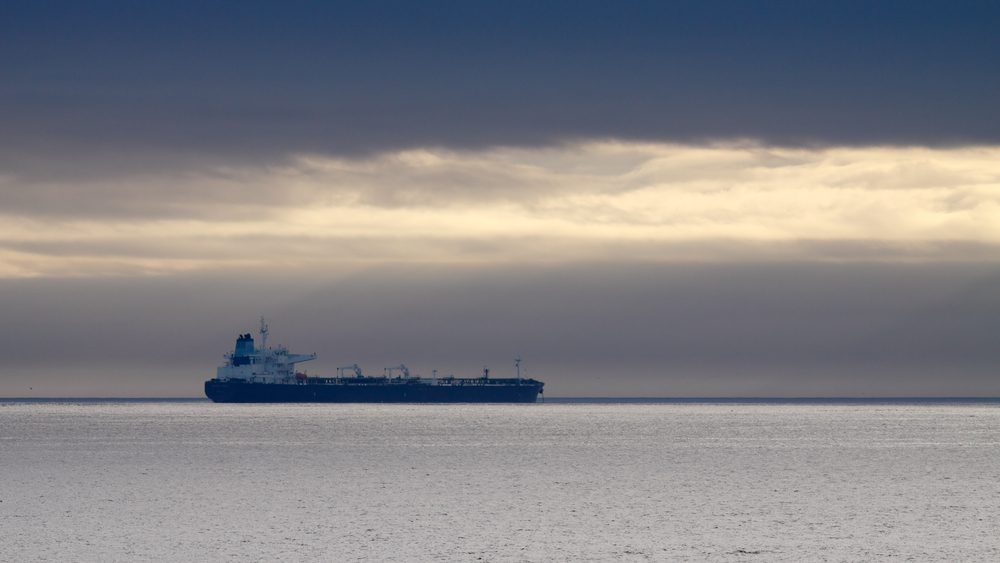
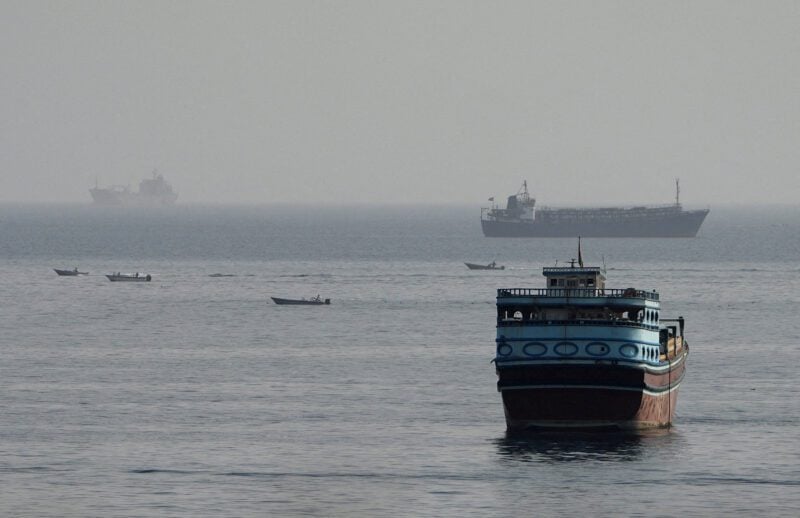
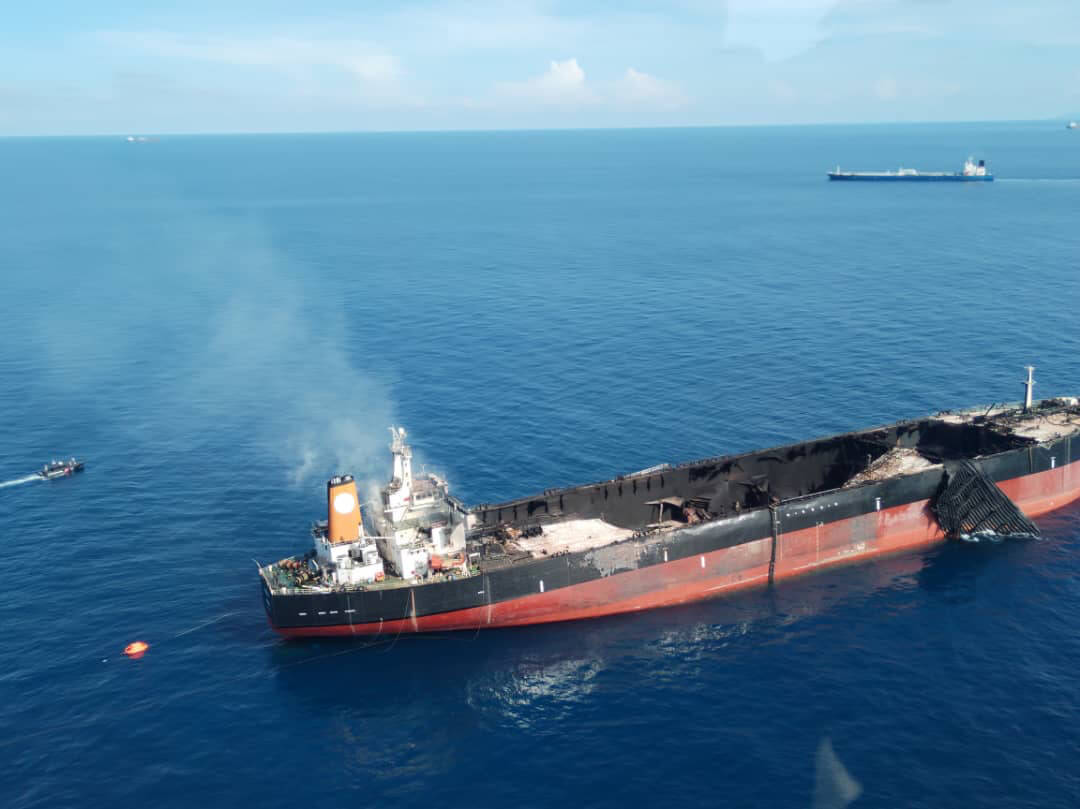
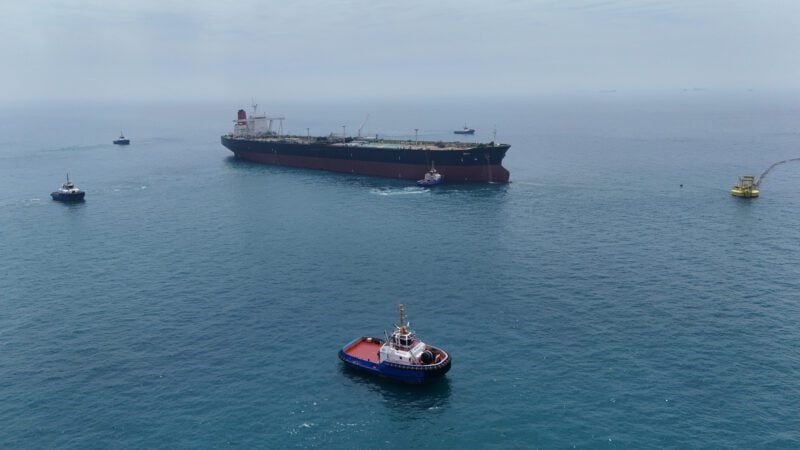
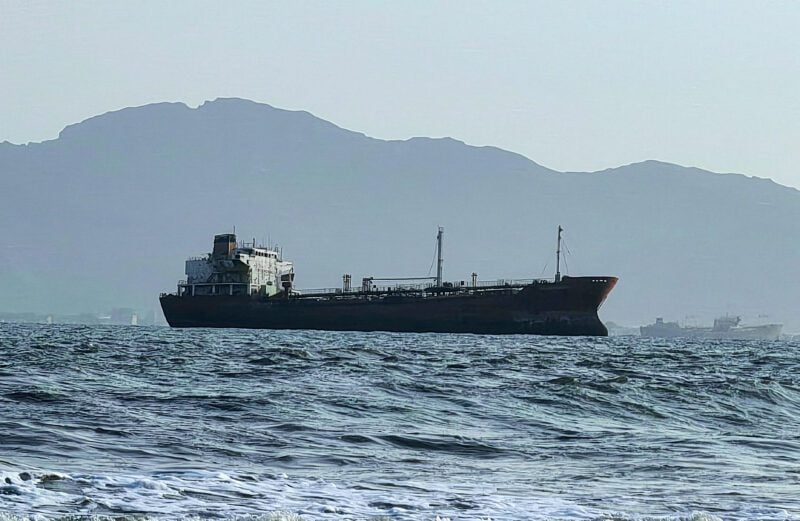
- Severe but incomplete disruption to shipping through the Strait of Hormuz is very likely to persist over the next 14 days. The latest reported daily tally was two tankers, traffic remains at a fraction of pre-war levels, and Iran's Persian Gulf Shipping Administration has threatened penalties, detention, seizure or confiscation. The exact scale is uncertain because daily counts, rolling averages and reported dates use different time bases. (Confidence: medium · ASSESSED)
- I&W: Confirm: shipping data record two or fewer commodity vessels transiting Hormuz on another day, or a vessel on Iran's 46-vessel list is detained or seized. (0-14 days)
- I&W: Break: tanker transits return to 14 or more per day for seven consecutive days and Iran withdraws its passage penalties and vessel-list warnings. (0-14 days)
- US Treasury pressure on Iran-linked shipping, finance and trade is very likely to widen over the next 1 to 3 months. Treasury has unveiled sanctions against more than 60 entities, issued five sectoral determinations covering shipping among other sectors, and signalled secondary sanctions against foreign banks and financial enablers. China has warned that the campaign threatens wider economic stability and has defended continued cooperation with Tehran. Confidence is medium because some reporting describes measures as already imposed while other reporting describes additional actions as pending. (Confidence: medium · ASSESSED)
- I&W: Confirm: Treasury designates a major financial institution, foreign bank or additional shipping intermediary for links to Iranian commerce. (0-14 days)
- I&W: Break: Treasury formally rescinds or suspends the five sectoral determinations and the warning on secondary sanctions. (1-3 months)
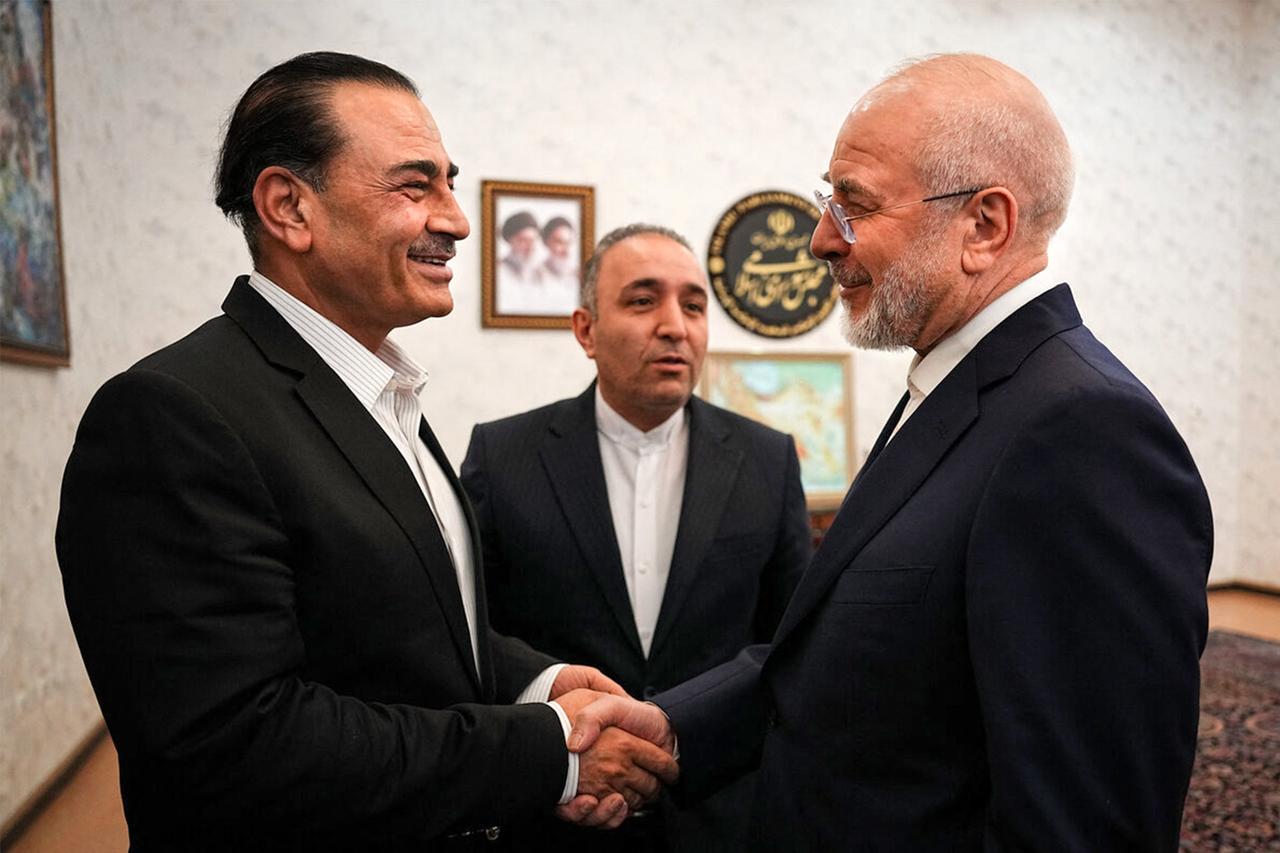
- A comprehensive US-Iran agreement is unlikely within the next 14 days, despite an active Pakistan-led channel. General Asim Munir met President Masoud Pezeshkian, Mohammad Bagher Ghalibaf and other Iranian officials in Tehran, while Pakistan described the talks positively and Tehran reported diplomatic achievements. The reported US proposal and the status of the Islamabad Memorandum of Understanding remain thinly sourced and contested, lowering confidence. (Confidence: low · ASSESSED)
- I&W: Confirm: by 8 September, no signed US-Iran settlement is published and either Ghalibaf repeats his criticism of US commitments or military strikes resume. (0-14 days)
- I&W: Break: Washington and Tehran publish a signed agreement with an implementation schedule covering sanctions, Hormuz access and attacks by Iran-aligned groups. (0-14 days)
- Houthi attacks on Saudi-linked commercial shipping in the Red Sea and Israeli military activity in Lebanon are likely to sustain regional spillover over the next 1 to 3 months. The Houthis have claimed responsibility for an attack on the Saudi-flagged VLCC AMZAN, while UNIFIL has reported Israeli airspace violations, airstrikes and projectiles in Lebanon. Confidence is medium because Houthi attribution relies on single-source reporting, whereas the Lebanon activity has multilateral reporting. (Confidence: medium · ASSESSED)
- I&W: Confirm: the Houthis claim or are credibly attributed with another strike on a Saudi-flagged or Saudi-linked vessel, or UNIFIL reports another set of airspace violations, airstrikes or projectiles in Lebanon. (0-14 days)
- I&W: Break: Houthi authorities publicly withdraw their campaign against Saudi-linked shipping and no new maritime or Lebanon incident is reported for 30 days. (1-3 months)
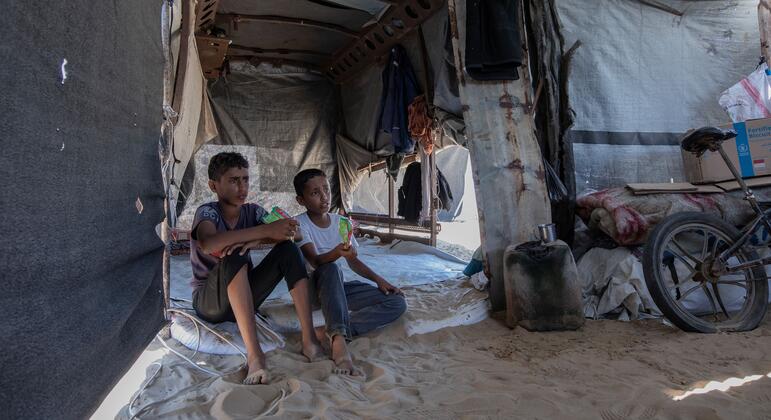
- Humanitarian conditions in Gaza are very likely to remain severe over the next 1 to 3 months. UN agencies report that 94 per cent of Gaza's 2.1 million residents need shelter, more than four in five families face critical or catastrophic conditions, and UN partners estimate that $562 million is needed to improve living conditions. WFP assistance reaches around 1.5 million people. Confidence is high because the core indicators come from multiple multilateral sources, although the shelter and family-condition measures are not directly interchangeable. (Confidence: high · ASSESSED)
- I&W: Confirm: UN agencies continue to report more than 80 per cent of Gaza families in critical or catastrophic conditions and shelter needs affecting at least 90 per cent of residents. (1-3 months)
- I&W: Break: UN agencies report shelter needs below 80 per cent of Gaza residents and WFP reports uninterrupted food assistance to around 1.5 million people. (1-3 months)
- Israel-Türkiye tensions over Abu al-Duhur and Syria are likely to remain elevated over the next 1 to 3 months, while a direct Israeli-Turkish armed clash is unlikely. Israel is reported to have struck Abu al-Duhur, Türkiye rejected Israel's account, and Damascus denied plans for a Turkish base there. Confidence is low because the record gives conflicting 2025 and 2026 dates and competing accounts of the strike's motivation. (Confidence: low · ASSESSED)
- I&W: Confirm: Israel conducts another strike in Syria or Türkiye announces a military deployment or base arrangement at Abu al-Duhur. (1-3 months)
- I&W: Break: Israel, Türkiye and the United States announce a security arrangement for Abu al-Duhur that is followed by 30 days without another reported strike there. (1-3 months)
Outlook & scenarios
Prolonged multi-front conflict and constrained Hormuz (65%)
US-Israeli and Iranian strikes are likely to continue while Iran maintains restrictions and warnings affecting Hormuz. Tanker traffic remains below the reported 10-day average, Treasury expands sanctions, and Houthi attacks and Israeli operations in Lebanon sustain pressure on regional shipping and security.
Temporary pause through Pakistan's channel (35%)
A temporary pause is unlikely but plausible if Pakistan converts General Asim Munir's Tehran meetings into a limited arrangement covering Hormuz access, sanctions relief and attacks by Iran-aligned groups. Such a pause would not amount to a comprehensive settlement and would remain vulnerable to renewed strikes.
Hormuz detention or seizure crisis (15%)
An Iranian detention or seizure of a vessel named on the 46-vessel list is an unlikely but high-impact wildcard. The action would likely trigger a new US sanctions response, further reduce tanker transits and intensify pressure on shipowners and financial intermediaries.
Recommendations
- Maintain a daily Hormuz watch that reconciles tanker transits, the reported 10-day average of 14, Bab el-Mandeb traffic and the 46-vessel non-compliance list. Flag any detention, seizure, confiscation or new passage requirement immediately.
- Direct maritime and financial analysts to screen the 46-vessel list, the 45 blacklisted tankers and any ship-to-ship transfers involving designated vessels. Treat requests for payments or fees to Iranian entities regulating Hormuz as an immediate compliance indicator.
- Track Treasury actions against foreign banks, financial enablers, shipping firms and the five designated sectors. Record which measures are already in force and which remain pending, rather than treating all announced sanctions as operational.
- Monitor the Pakistan channel for three concrete outputs: a signed US-Iran text, an implementation schedule and verified changes in Hormuz access or attacks by Iran-aligned groups. Do not treat positive statements from Tehran or Islamabad as evidence of an agreement.
- Maintain a separate regional-spillover watch for Houthi activity against Saudi-linked shipping, UNIFIL reporting from Lebanon and further Israeli activity at Abu al-Duhur. Reassess the risk of direct state-to-state expansion after any new strike, deployment or detention.
- Prepare humanitarian reporting around measurable thresholds in Gaza and Iran. Track shelter needs, WFP food reach, the $562 million funding requirement and fuel queues in Tehran, while separately monitoring civilian exposure to scatterable mines in Kafari.
- Keep US diplomatic facilities under heightened security monitoring while assessing any return of evacuated personnel. Require confirmation that local threat conditions have changed before treating the planned return of diplomats as evidence of regional stabilisation.
Confidence & uncertainty
Overall confidence is high because the principal developments are supported by multiple reliable source types, including multilateral reporting from UN agencies and IMO-linked reporting, official US policy statements and several major-media accounts. Confidence is highest for the existence of shipping disruption, Treasury pressure and Gaza's humanitarian stress. The main uncertainties concern the chronology of the war, the status of the Islamabad Memorandum of Understanding, the attribution of maritime attacks and the conflicting dates and narratives surrounding Abu al-Duhur.
Intelligence gaps
- [EEI 1.1 · PARTIAL] Detection and characterization of ballistic/cruise missile or rocket launches originating from Iranian territory or from Iran-controlled positions in Iraq/Syria (time, launch coordinates, missile type, flight trajectory/impact area). Recommended collection: satellite/imagery
- [EEI 1.2 · UNCOVERED] Movements and posture changes of Iran-backed proxy forces (Hezbollah units in Lebanon, militias in Syria/Iraq): concentrations of personnel, transport of rocket/artillery launchers, visible logistics build-up within operational range of Israel. Recommended collection: human/intel
- [EEI 1.3 · PARTIAL] Israeli defensive and offensive posture changes: reservist call-ups, mobilization orders, sorties/airstrikes attributed to Israel, and domestic activation of missile-defense systems (locations and activation times). Recommended collection: open-source/media
- [EEI 1.4 · UNCOVERED] Evidence of pre-positioning or arming of naval mines, fast attack craft, or anti-ship missile systems in the Gulf of Oman, northern Arabian Sea, or off the Lebanese/Syrian coasts that could be used to interdict Israeli or allied shipping. Recommended collection: maritime/AIS
- [EEI 2.1 · UNCOVERED] Movements and tasking changes of external military assets: carrier strike groups, amphibious ready groups, expeditionary air wings, or ballistic-missile defense units into the Eastern Mediterranean, Persian Gulf, or Red Sea (vessel/aircraft IDs, routing, on-station times). Recommended collection: maritime/AIS
- [EEI 2.2 · PARTIAL] Formal diplomatic/military actions: evacuation orders or embassy closures, public troop posture statements, bilateral/multilateral defense commitments announced, requests for overflight or basing rights in regional states. Recommended collection: diplomatic
- [EEI 2.3 · UNCOVERED] Changes to force protection or alert levels at foreign bases in the region (e.g., US bases in Kuwait, Qatar, UAE; Russian bases in Syria): activation of additional air defenses, curfews, or reinforcement shipments (personnel/equipment manifests). Recommended collection: signals/intel
- [EEI 3.2 · PARTIAL] Changes in crude oil and refined product flows from key terminals (reported tanker loading delays, terminal closures, throughput volumes at Kharg, Mina al-Ahmadi, Ras Tanura, and major Gulf ports compared to baseline). Recommended collection: commercial/ports
- [EEI 3.3 · PARTIAL] Market and insurance indicators: sudden spikes in war-risk or hull insurance premiums for Middle East routes, large moves in regional FX/stock indices, and notable changes in commodity futures (oil, freight rates) tied to regional risk perceptions. Recommended collection: financial/transactional
Cited sources
[1] Wikipedia · Reactions to the 2026 Iran war (B) · sha256:32d813375717 [2] trendsgroup.org · From Conventional to Smart Deterrence: AI and Gulf Security in the Context of Iranian-Israeli Escalation (C) · sha256:0c67b6cfa57f [3] The Times of India · 'Arsenal For 100 Years': Iran's Hidden Missile Treasure On Cam For First Time In Shock For U.S. Iran has revealed ballistic-missile production inside a secret underground complex, challenging claims that months of American and Israeli strikes crippled its weapons industry. The facility’s location, dimensions and output remain undisclosed, but Tehran is signalling that dispersed manufacturing could replenish its arsenal and complicate another bombing campaign. Watch. | The Times of India (B) · sha256:c41c5585dfdf [4] Türkiye Today · Munir’s Iran visit ‘highly productive,’ results to show soon: Tehran - Türkiye Today (B) · sha256:cdcd51c38029 [5] gcaptain.com · Commodity Vessel Transits Through Strait of Hormuz Hit Three-Month Low, Data Shows (B) · sha256:f5b19c7a56a3 [6] Sky News Arabia · التصعيد بين أميركا وإيران. آخر الأخبار (B) · sha256:d0c447a6a456 [7] gcaptain.com · Malacca Strait States Will Keep Waters ‘Free, Open and Safe’ (B) · sha256:646894ca7d93 [8] gcaptain.com · Iran Blacklists 46 Ships On Hormuz ‘Non-Compliant’ List (B) · sha256:f7208c27705b [9] gcaptain.com · Houthis Escalate Saudi Shipping Campaign With VLCC Strike (B) · sha256:fc6337652367 [10] gcaptain.com · U.S. Threatens Iran’s Trading Partners in New Economic Pressure Campaign (B) · sha256:10218a634ef8 [11] maritime-executive.com · US Treasury Says Sanctions on Iran's Bankers Are Coming Soon (B) · sha256:b32cc825b8c6 [12] gcaptain.com · Trump Administration Launches Sweeping New Iran Sanctions Campaign Targeting Shipping and Oil Trade (B) · sha256:089be1c13277 [13] en.yenisafak.com · China warns US over Iran sanctions disruption (B) · sha256:b68d620c891f [14] Muslim Network TV · Pakistan army chief in Iran to mediate between US and Iran - Muslim Network TV (B) · sha256:737b1cdfe2c6 [15] United Nations · Middle East: 94 per cent need shelter in Gaza, Israel ramps up demolitions in Lebanon (A) · sha256:aa5d2b0f402c [16] mepei.com · From a Struggle for Influence to the Brink of Regional Confrontation? – MEPEI (C) · sha256:db24916ad7a0 [17] alhurra.com · الدولار يدخل ميدان الحرب على إيران | الحرة (B) · sha256:d2368c0bff97 [18] Arab News · Could Syria become the unlikely bridge between Israel and Turkiye? (B) · sha256:a52dd5c261f8
Source content hashes were computed at collection time; the cited text is preserved unmodified for the life of this product.
TLP:CLEAR