TLP:CLEAR · Disclosure is not limited.
Iran-Israel War: Hormuz Pressure and US Economic Escalation
Time window: Last 1 day · Audience: General analyst · Type: Situation report · DTG: 2026-08-21 11:38Z · Overall confidence: MEDIUM
BLUF
Very likely Iran-US and Israel conflict will keep commercial movement through the Strait of Hormuz severely constrained over the next 0-14 days, although the evidence does not establish a complete closure. Very likely Washington will pair the maritime blockade with broader sanctions, increasing pressure on China and other entities trading with Tehran.
Executive summary
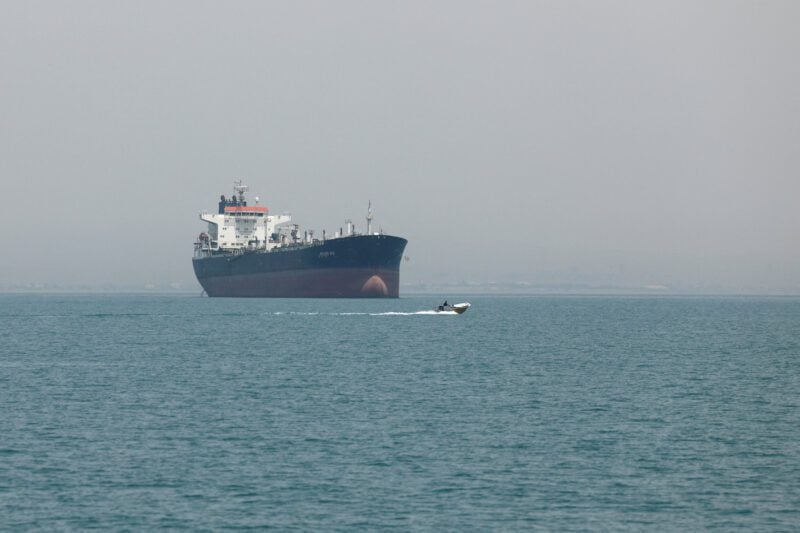
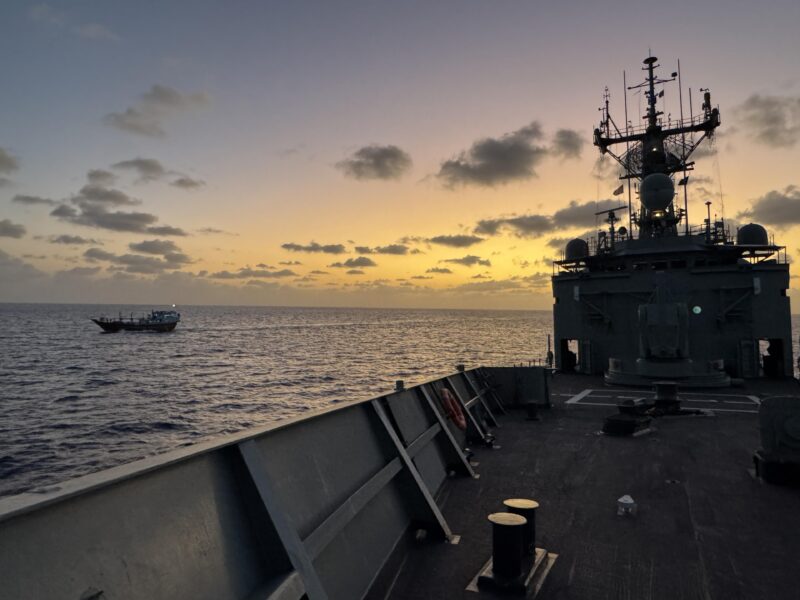
The conflict involving Iran, Israel and the US is reported as ongoing for 173 days after its February 2026 start. Iran is reported to have closed the Strait of Hormuz, while US Central Command claims that its forces have redirected 67 commercial vessels, disabled three and boarded two. Independent estimates of three to 12 daily crossings conflict with US claims of 15 to 20 tankers using a defended lane each night. Washington announced a new campaign to isolate Iran on 20 August 2026, and China rejected the campaign on 21 August. Armed boardings in the Gulf of Aden, reported rerouting of Gulf energy exports and rising humanitarian pressure add to the regional risk picture.
Change from previous assessment
Since the 20 August 2026 brief, the assessment has shifted from treating Hormuz as severely constrained but not fully closed to treating its closure status as contested. New reporting adds US Central Command's figures on 67 redirected vessels, three disabled vessels and two boardings, alongside the lower independent traffic estimate of three to 12 daily crossings. Confidence in the sanctions judgment remains medium, but the brief now places greater emphasis on the China-US dispute and reported Russian support to Iran. A low-confidence judgment on US air-defence sustainment has been added because official and blog reporting directly conflict. The Gulf of Aden risk assessment is also elevated from general shipping insecurity to a specific risk of further armed boarding or piracy incidents.
Key judgments
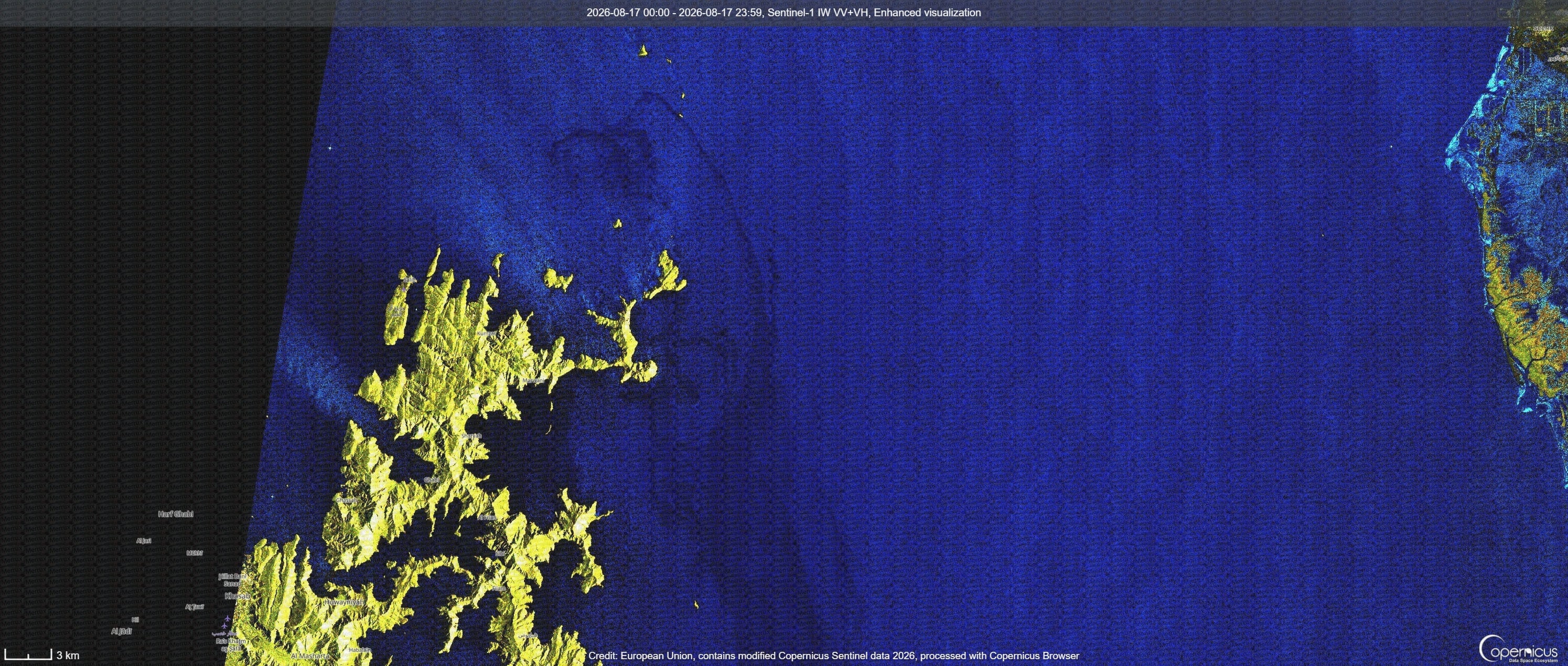
- Very likely commercial movement through the Strait of Hormuz will remain severely constrained over the next 0-14 days, while a complete closure remains unresolved. Iran is reported to have closed the Strait and asserted an ability to impede shipping. US Central Command says its forces redirected 67 commercial vessels, disabled three and boarded two while enforcing a blockade on Iranian ports. Against this, Kpler estimates three to 12 crossings daily, while US officials claim 15 to 20 tankers per night use a defended lane. Saudi Aramco and Adnoc are deploying ship-to-ship transfers and rerouting exports through Egypt's Sidi Kerir terminal. Confidence is medium because the official and independent traffic counts conflict. (Confidence: medium · ASSESSED)
- I&W: Confirm: Kpler or independently tracked data records fewer than three Strait crossings daily for three consecutive days, or US Central Command reports another commercial-vessel interdiction. (0-14 days)
- I&W: Break: Kpler records more than 12 crossings daily for three consecutive days and no new US interdictions are reported. (0-14 days)
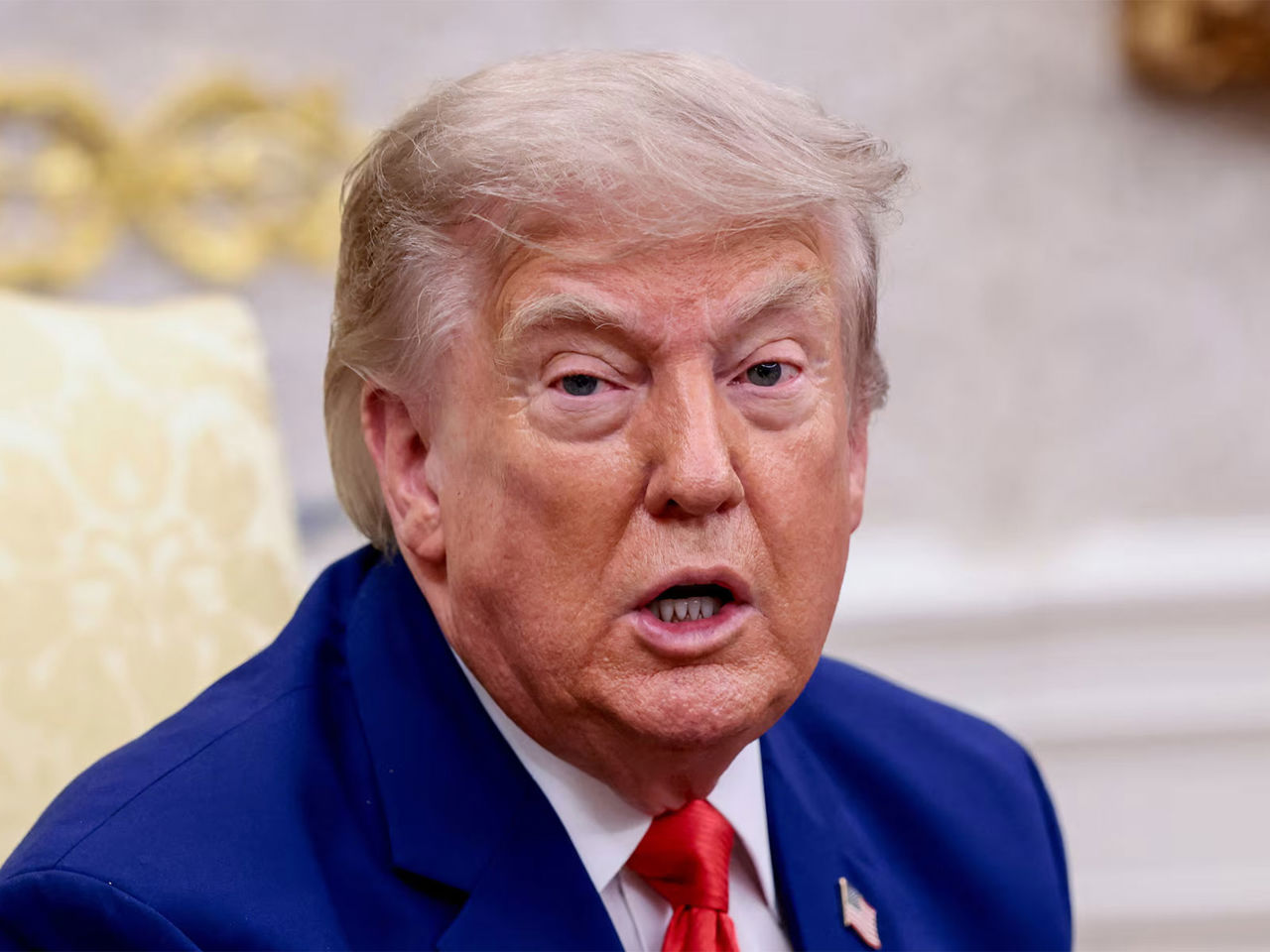
- Very likely the US will extend economic pressure on Iran and entities that support Tehran over the next 0-30 days, while China will maintain public opposition to the campaign. Donald Trump announced a campaign to isolate Iran on 20 August 2026, Scott Bessent vowed the toughest sanctions in history, and Trump threatened economic isolation for Iran's trading partners. Iran condemned the measures. China rejected the campaign on 21 August and stated that sanctions do not resolve the issue. Confidence is medium because the policy announcements are corroborated, but implementation against non-Iranian firms is not yet reported. (Confidence: medium · ASSESSED)
- I&W: Confirm: The US Treasury designates named Chinese, Emirati or other non-Iranian financial institutions, companies or vessels for supporting Tehran. (0-30 days)
- I&W: Break: Washington publicly suspends the new measures, or China announces that its financial and commercial entities will enforce them. (0-30 days)
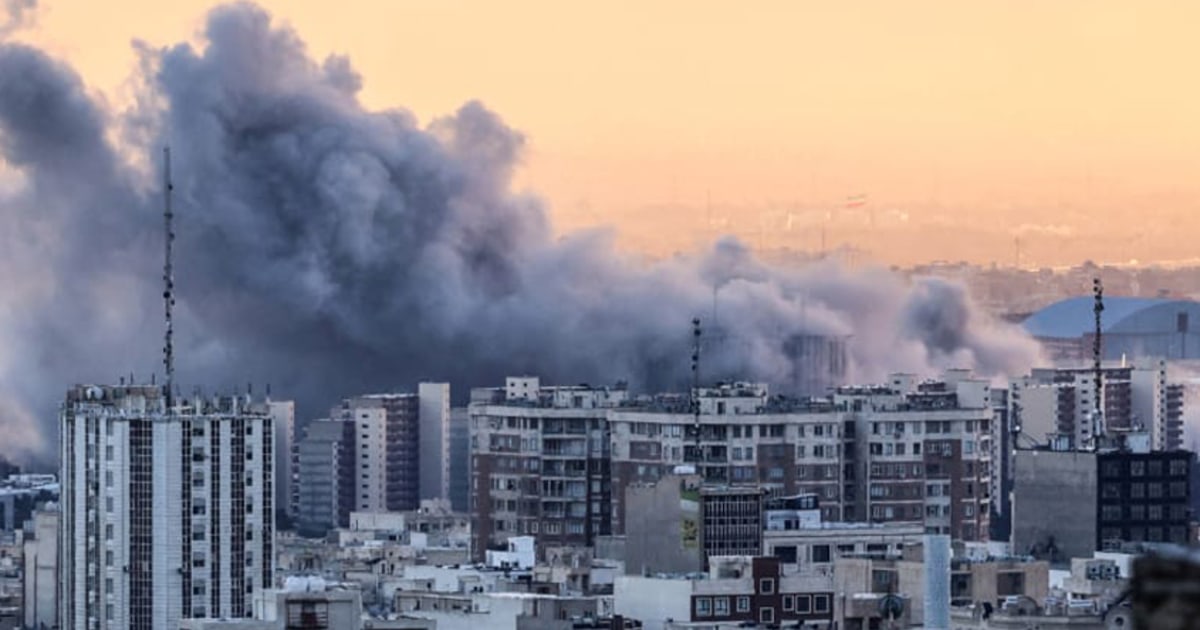
- Likely the conflict will remain militarily active across Iran, Israel and the Strait of Hormuz over the next 0-14 days, and a durable ceasefire is unlikely. Reporting describes the US and Israel as having launched the war against Iran in February 2026 and the US-Iran war as ongoing for 173 days. Analysts assess that military escalation remains credible but periodic and temporary. Two attempted ceasefires in April and June were aimed at reopening the Strait of Hormuz. Confidence is medium because the reported conflict duration and start-date accounts are not fully consistent. (Confidence: medium · ASSESSED)
- I&W: Confirm: Iran or Israel reports a new missile or air strike, or US Central Command reports further offensive activity against Iranian ports or shipping. (0-14 days)
- I&W: Break: Iran, Israel and the US announce and observe a ceasefire linked to the reopening of the Strait of Hormuz. (0-14 days)
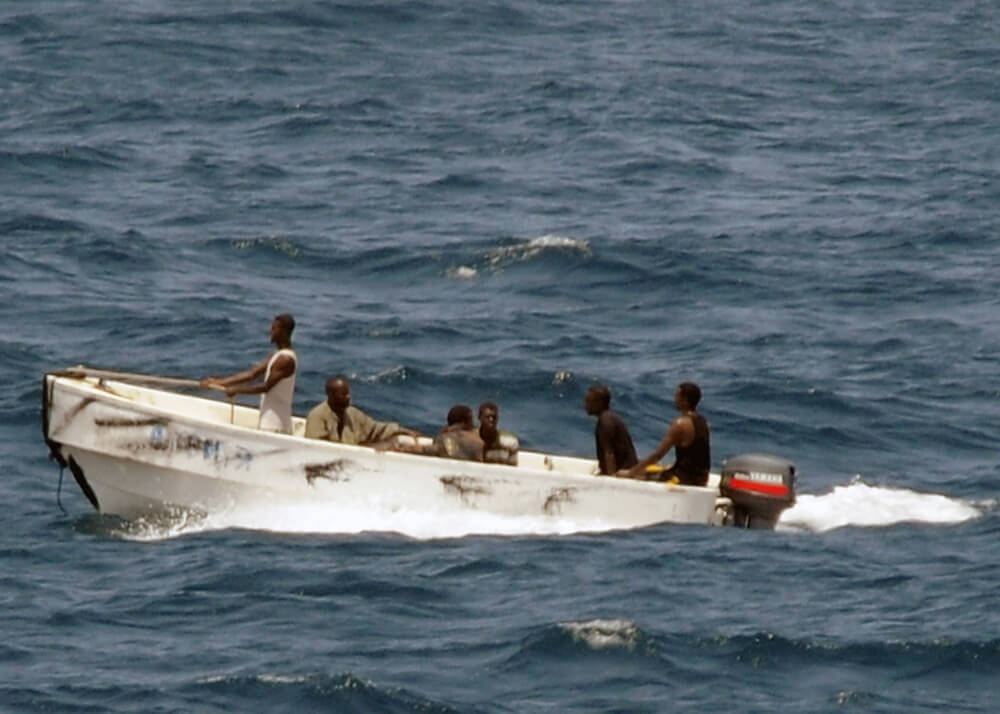
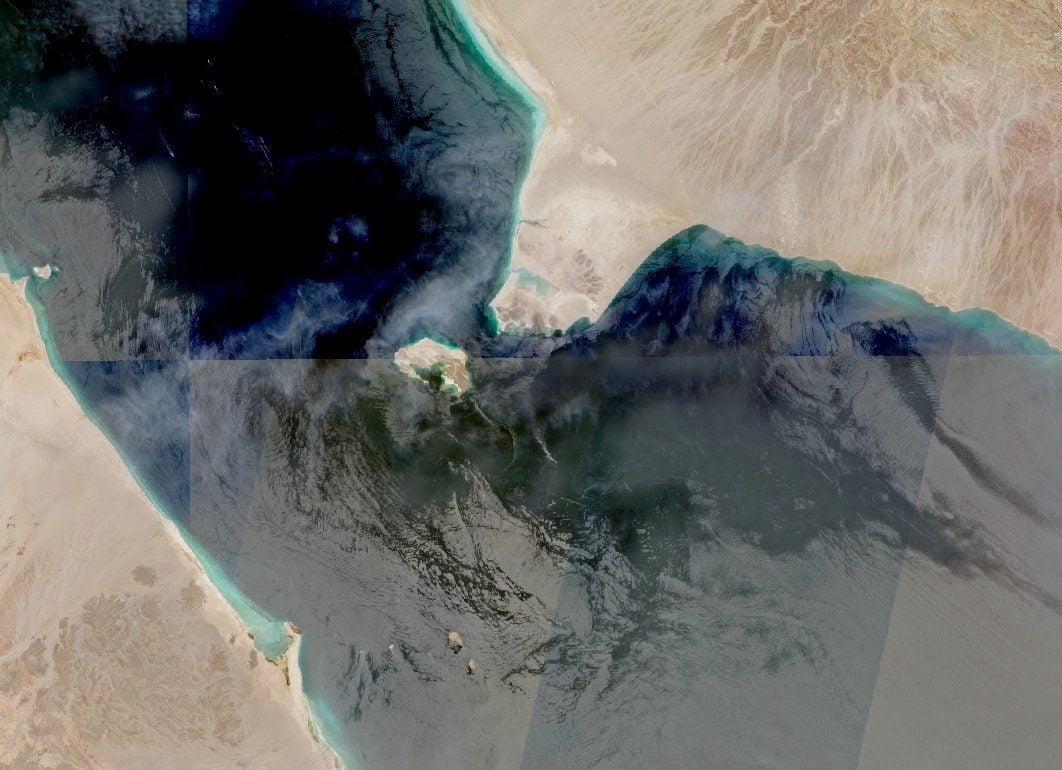
- Likely at least one further armed maritime security incident will be reported in the Gulf of Aden over the next 0-14 days. UKMTO reported that six armed people boarded and diverted a tanker towards Somalia, while separate reporting identified the vessel as Sibu 1 and described a distress message stating that pirates were aboard. Danish Shipping said piracy-related incidents off Somalia were at their highest level in ten years. The reported link between the Houthi movement and pirate action groups remains NGO speculation and is uncorroborated. Confidence is medium because several reports describe armed boardings, but vessel identity and perpetrator attribution remain incomplete. (Confidence: medium · ASSESSED)
- I&W: Confirm: UKMTO records another boarding, hijacking or distress call in the Gulf of Aden, especially near the waters east of Al Mukalla or Somalia. (0-14 days)
- I&W: Break: UKMTO records no new armed maritime incident for 14 consecutive days and reports the release or safe recovery of the affected crews and vessels. (0-14 days)
- Likely China-US friction over Iran will deepen over the next 0-30 days, while Russia's reported support to Iran will continue to complicate US planning. China is reviewing its decision to stop sending tankers through the Strait of Hormuz, buys the bulk of Iran's oil and has rejected Washington's pressure campaign. Russia is reported to be shipping explosives to Iran to bolster its missile and drone arsenal. Confidence is medium because Chinese policy signals are supported by multiple major-media claims, whereas the Russian shipment is reported in a single major-media account. (Confidence: medium · ASSESSED)
- I&W: Confirm: China announces further restrictions on tanker movements through Hormuz, rejects additional US measures, or independent reporting corroborates another Russian explosives shipment to Iran. (0-30 days)
- I&W: Break: China publicly accepts enforcement of the US sanctions campaign and restores tanker transit through Hormuz without conditions. (0-30 days)
- Roughly even chance reports of constrained US heavy air-defence inventories will affect operational choices over the next 0-30 days, and the evidence is insufficient to settle the issue. Pentagon spokesperson Sean Parnell said claims of US munitions shortages were false. A blog reported that the US had effectively exhausted its supply of heavy air-defence interceptors, while the Pentagon had ordered defence industry leaders on 8 August to prepare plans to increase weapons production. This is a low-confidence judgment based on conflicting reporting, including a single-source blog and an official denial. (Confidence: low · ASSESSED)
- I&W: Confirm: The Pentagon announces interceptor rationing, delays to air-defence deployments or an emergency production award linked to the Iran conflict. (0-30 days)
- I&W: Break: The Pentagon reports that current interceptor stocks are sufficient and confirms no delivery or deployment changes. (0-30 days)
- Very likely humanitarian pressure will persist in Gaza and the West Bank over the next 1-3 months. The conflict is reported to have claimed thousands of lives. Turkey, Egypt and Qatar criticised Israel for continued strikes in Gaza. Israeli authorities recorded 636 settler-related incidents in the first six months of 2026, while settler attacks since January killed four Palestinians and injured 60 others. Seven Palestinians were also reported wounded in the Ramallah governorate and the northern Jordan Valley. Israeli commanders warned that settler violence risked a major confrontation. Confidence is medium because the reporting is generally consistent, but the casualty and incident totals are not fully reconciled. (Confidence: medium · ASSESSED)
- I&W: Confirm: Israeli authorities or major humanitarian reporting records additional deaths, injuries or settler-related incidents in Gaza or the West Bank. (1-3 months)
- I&W: Break: Israel, Turkey, Egypt and Qatar announce and sustain a monitored halt to strikes and settler violence, with no new casualties reported. (1-3 months)
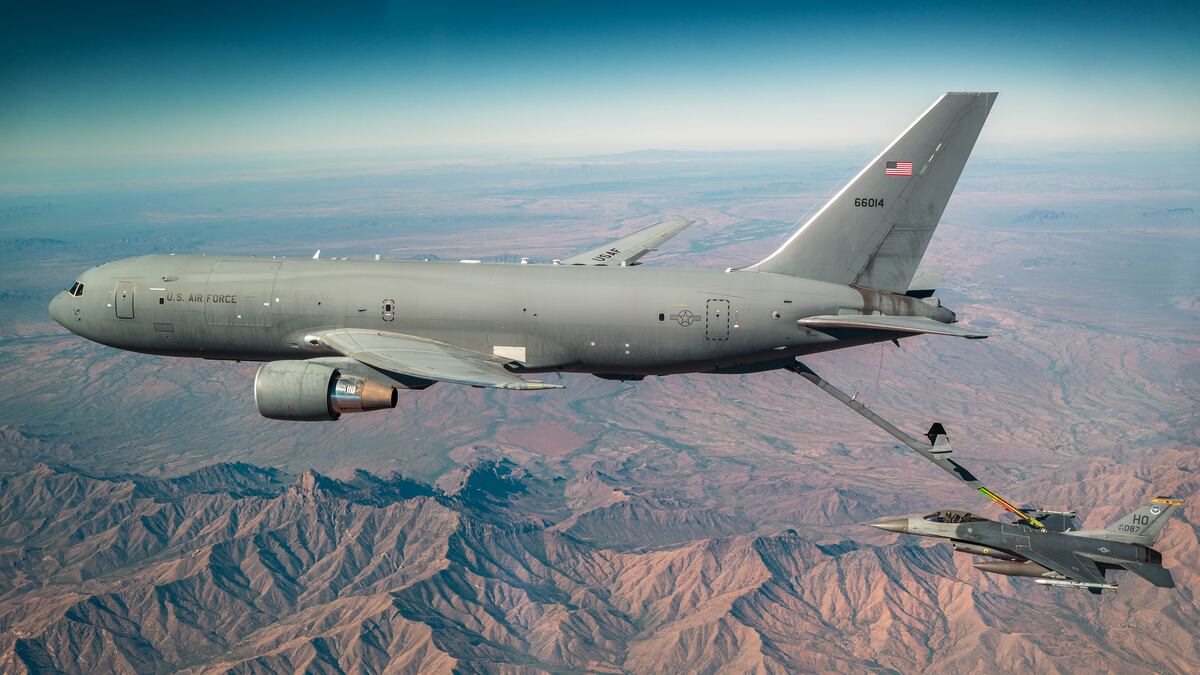
- Likely US-Qatar defence cooperation will deepen over the next 1-3 months, but the approved possible $4.5 billion KC-46A sale remains a proposed capability rather than delivered capacity. Qatar requested up to four KC-46A aircraft and related equipment. The US government stated that the sale would support foreign policy and national security objectives, strengthen Qatar's defence capabilities and improve interoperability with US and allied forces. Confidence is medium because the sale approval and requested equipment are reported, but no contract completion or delivery is reported. (Confidence: medium · ASSESSED)
- I&W: Confirm: Qatar and the US sign the Foreign Military Sale agreement or publish a delivery schedule for the KC-46A aircraft and associated systems. (1-3 months)
- I&W: Break: The sale is cancelled, reduced below four aircraft or delayed without a replacement arrangement. (1-3 months)
Outlook & scenarios
Constrained maritime war continues (65%)
Very likely Iran will continue impeding traffic through the Strait of Hormuz while US forces maintain a blockade and a defended traffic lane. Limited crossings will continue, but Saudi Aramco and Adnoc will sustain rerouting and ship-to-ship transfers. Commercial disruption will spread through the Sidi Kerir terminal and the Panama Canal's congested system.
Economic stand-off widens (55%)
Likely Washington will announce further sanctions against Iran and selected commercial partners. China will continue rejecting the campaign while reviewing its tanker policy and protecting its access to Iranian oil. Iran will condemn the measures and retain the Strait of Hormuz as leverage.
Managed maritime opening without settlement (25%)
An Iran-Oman arrangement produces a limited reopening of the Strait of Hormuz and a rise in vessel crossings. The arrangement does not end the US blockade, sanctions campaign or wider conflict, so shipping remains subject to renewed disruption.
High-impact regional spillover (10%)
A further attack or seizure involving a vessel linked to Iran, China or the US triggers a wider maritime response. Gulf of Aden piracy, suspected Houthi support to pirate action groups and uncertainty over US air-defence stocks combine with the Hormuz crisis. The result is a sharp reduction in commercial traffic and pressure for additional military deployments.
Recommendations
- Produce a daily Strait of Hormuz traffic reconciliation that compares US Central Command claims, Kpler estimates and vessel-tracking data. Separate confirmed crossings from reported or claimed movements.
- Build a sanctions exposure matrix covering Chinese and Emirati banks, shipping companies, ports, airports and government-linked entities that maintain commercial or financial links with Iran. Track formal designations separately from presidential warnings.
- Prioritise collection on the Gulf of Aden incidents. Confirm the identities of Sibu 1 and the other reported tanker, establish crew status, map vessel movements and distinguish piracy from politically directed activity.
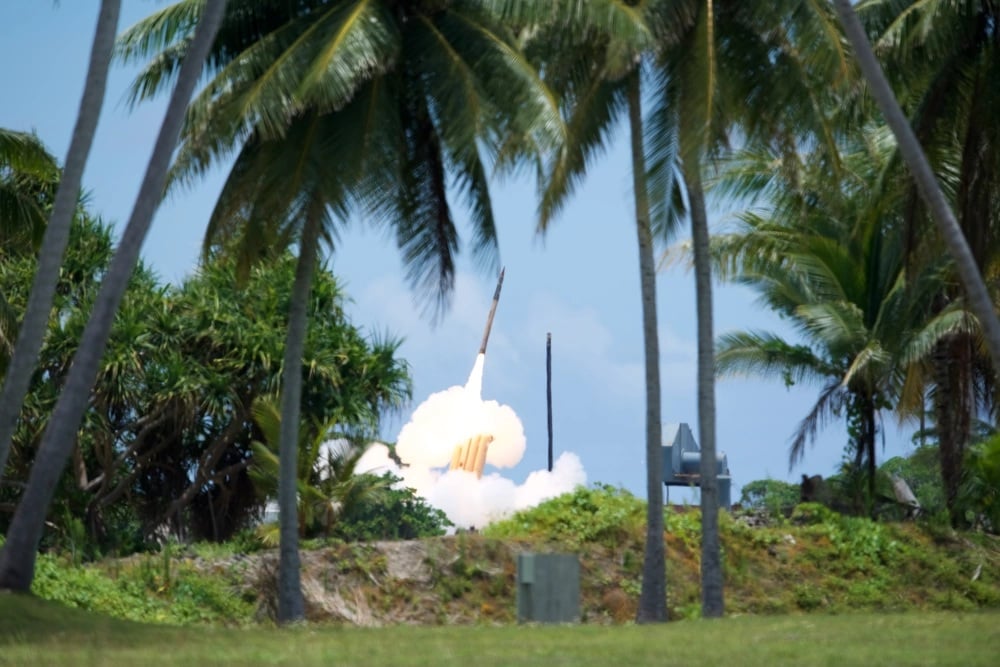
- Request a current US assessment of Patriot and Thaad interceptor stocks, replenishment rates and deployment priorities. Treat official denials and shortage reporting as competing evidence until operational data resolves the discrepancy.
- Track Iran-Oman discussions for a written arrangement on Strait management. Key collection targets are agreement text, enforcement procedures, participating shipping firms and any change in daily crossings.
- Maintain a humanitarian warning dashboard for Gaza and the West Bank. Record new casualties, settler-related incidents, Israeli military warnings and diplomatic calls from Turkey, Egypt and Qatar for ceasefire adherence.
- Monitor the US-Qatar KC-46A process for contract signature, aircraft numbers, delivery timing and associated interoperability measures. Do not count the proposed sale as an immediate increase in Qatar's operational capability.
Confidence & uncertainty
Overall confidence is medium. Multiple high-prior official and major-media sources support the existence and duration of the conflict, the US sanctions announcements, the blockade claims and the Gulf of Aden security incidents. The main uncertainties are the true level of traffic through the Strait of Hormuz, the implementation of sanctions against non-Iranian entities, conflicting accounts of US air-defence stocks, inconsistent conflict timelines and incomplete attribution for the maritime boardings. The Russian support report and the alleged Houthi connection to pirate action groups rely on thinner reporting and lower confidence.
Intelligence gaps
- [EEI 1.1 · UNCOVERED] Movement, dispersal, or emplacement of Iranian conventional or IRGC heavy assets (ballistic missile launchers, Khoramshahr/Toofan-class missile transporters, ground-to-ground TELs, air defense batteries, amphibious units) from garrison areas toward forward bases or coastal launch sites. Recommended collection: satellite/IMINT
- [EEI 1.2 · UNCOVERED] Authenticated Iranian military orders, NSC/IRGC operations directives, or senior leadership statements explicitly directing strikes against Israel or US forces or authorizing cross-border operations. Recommended collection: human/diplomatic
- [EEI 1.3 · PARTIAL] Changes in Israeli and US force posture indicating anticipation of direct large-scale conflict, elevated readiness levels, mobilization notices, pre-positioning of munitions, or public/private orders to prepare offensive strikes. Recommended collection: open-source/diplomatic
- [EEI 2.1 · UNCOVERED] Observable pre-launch preparations for missile/rocket/cruise missile strikes (fueling, warhead mating, launcher orientation, support vehicle congregation) and abnormal munitions handling at known launch sites. Recommended collection: satellite/IMINT
- [EEI 2.2 · UNCOVERED] Indications of proxy arms shipments and weapons transfers (truck convoys, small boat transfers, container movements from Iran to proxies, new stockpiles in Lebanon, Iraq, Yemen, Syria). Recommended collection: maritime/AIS
- [EEI 2.3 · UNCOVERED] Evidence of cyber attack planning or active exploitation campaigns targeting Israeli or US military/critical infrastructure (emergence of new command-and-control servers, spear-phishing campaigns against defense personnel, successful intrusions). Recommended collection: cyber
- [EEI 3.2 · UNCOVERED] Official or leaked US government/diplomatic communications indicating thresholds for strikes, authorization for offensive operations, or limits on action (NSC/DoD statements, congressional notifications, diplomatic notes). Recommended collection: diplomatic/human
- [EEI 3.3 · UNCOVERED] Changes in US base force-protection measures and rules of engagement at regional facilities (base lockdowns, evacuation notices, flight restrictions, activation of Local Defense Forces or missile intercept systems). Recommended collection: open-source/local reporting
- [EEI 4.1 · UNCOVERED] Hezbollah-specific indicators: convoys and logistics movements toward Lebanon, Israel border, artillery/rocket emplacement in southern Lebanon, documented strikes-preparation activity, public mobilization orders or recruitment drives. Recommended collection: satellite/IMINT
- [EEI 4.2 · PARTIAL] Houthi-attributed maritime attack indicators: AIS anomalies/loss of contact for commercial vessels, reports of missile/drone strikes or near-miss incidents in Bab al-Mandeb/Red Sea, Houthi claims paired with imagery of weapons launches. Recommended collection: maritime/AIS
- [EEI 4.3 · UNCOVERED] Militia cross-border attack evidence from Iraq/Syria: recorded rocket/mortar launch events into Israel or strikes against US facilities, movement of armed convoys toward border areas, and intercepted communications coordinating cross-border operations. Recommended collection: signals/ELINT
Cited sources
[1] Tempo · China Rejects Trump's Economic Pressure Campaign Against Iran (B) · sha256:61c5b58567a8 [2] devdiscourse.com · Trump's Ultimatum: Economic Warfare Looms in Iran Standoff (B) · sha256:7fd88c4629f3 [3] gulfnews.com · UAE residents’ update: US-Iran tensions rise as Hormuz crisis, oil prices and flights remain in focus (B) · sha256:e4e6ce0f5439 [4] maritime-executive.com · White House's Hormuz Traffic Claims Diverge From Independent Counts (B) · sha256:da078caee6bd [5] gcaptain.com · Maritime Markets Bracing for Long-term Disruption in the Middle East (B) · sha256:4dcaa25f79b1 [6] gcaptain.com · US Will Impose 'Toughest Sanctions in History' on Iran, Bessent Says (A) · sha256:b3ca68b2a9ab [7] gcaptain.com · Trump Threatens Economic Isolation for Iran and Its Trading Partners (B) · sha256:46527b3fdf28 [8] gcaptain.com · Sanctioned Shadow Fleet Tanker Hijacked in Gulf of Aden and Diverted Toward Somalia (B) · sha256:773089ef1a4a [9] gcaptain.com · Tanker off Yemen Boarded by Armed People, Diverted Towards Somalia, UKMTO Says (B) · sha256:7464ec1dab33 [10] maritime-executive.com · Shadowy Tanker Broadcasts “Pirates Aboard Help” Sailing Off Yemen (B) · sha256:8f14f1537273 [11] devdiscourse.com · U.S. Sanctions on Iran: A Diplomatic Standoff with China (B) · sha256:5e773ce73b5b [12] NBC News · Iran War: Latest News, Live Coverage and Video (A) · sha256:30981f5ae5fa [13] jpost.com · Pentagon spokesperson says claims of US munitions shortage amid Iran war 'false' - report (B) · sha256:bafac3ab1af2 [14] maritime-executive.com · Op-Ed: War With Iran Has Left Western World Exposed to Ballistic Missiles (D) · sha256:ecb486ace403 [15] devdiscourse.com · Global Headlines: Turmoil and Transitions Unfold Worldwide (B) · sha256:f0fec37df318 [16] Yenisafak · Israeli commanders warn of West Bank 'eruption' amid settler attacks (B) · sha256:e5d09f2b307a [17] defensenews.com · US approves possible $4.5 billion sale of KC-46As, equipment to Qatar (A) · sha256:0cf13bc37a7e
Source content hashes were computed at collection time; the cited text is preserved unmodified for the life of this product.
TLP:CLEAR