TLP:CLEAR · Disclosure is not limited.
Iran-Israel War: Maritime and Regional Spillover Intensify
Time window: Last 1 day · Audience: General analyst · Type: Situation report · DTG: 2026-09-16 21:37Z · Overall confidence: HIGH
BLUF
Iranian attacks and threats around the Strait of Hormuz, Houthi territorial gains near Bab al-Mandab, and damage to Saudi oil infrastructure are likely to sustain regional instability over the next 0-14 days. Continued hostilities are very likely, while a comprehensive de-escalation agreement is very unlikely in that period.
Executive summary
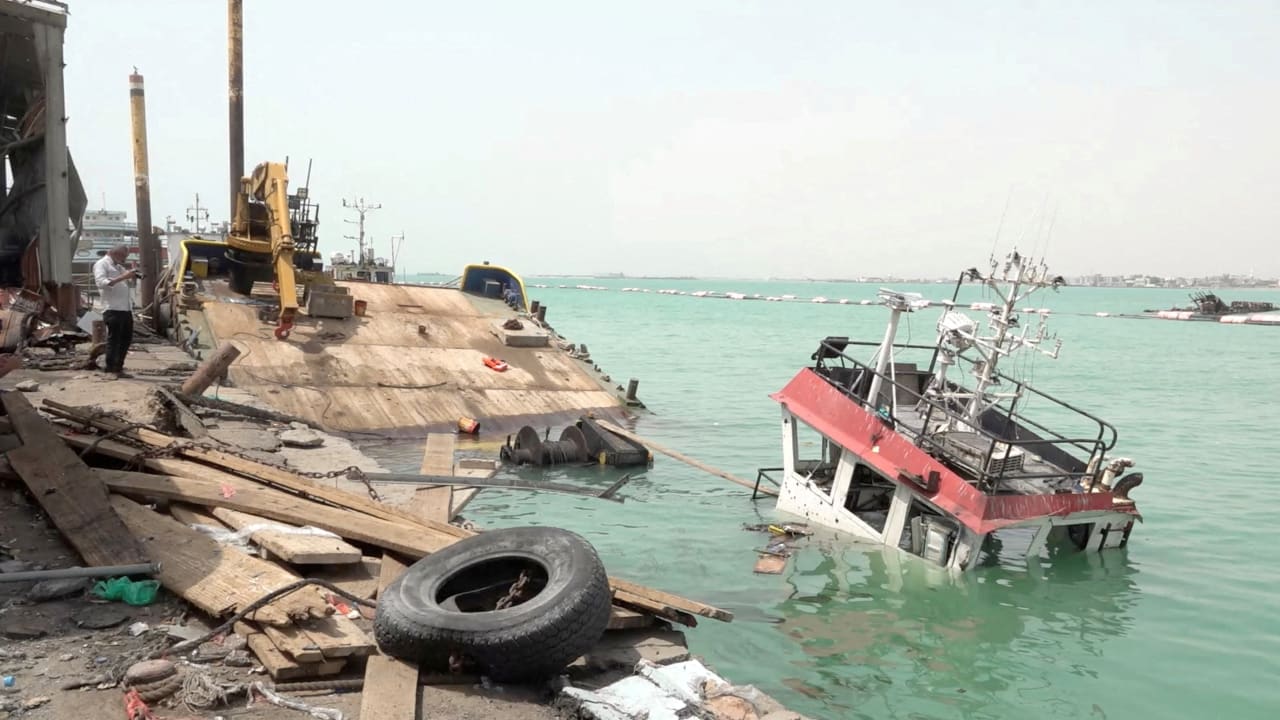
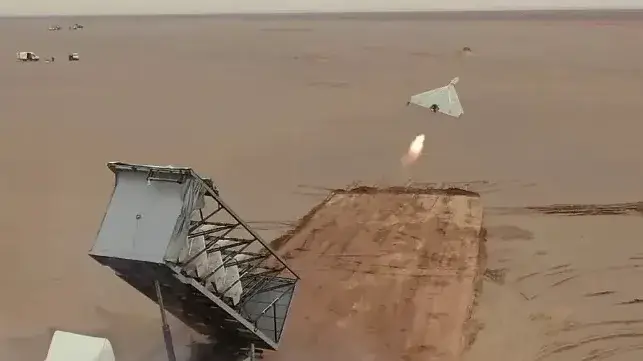
The US-Israel-Iran conflict remains active after its 28 February start, with reported Iranian attacks on commercial and US-linked maritime assets. A US-contracted vessel near the Strait of Hormuz was reportedly struck by four Iranian drones and at least one missile, causing minor injuries, although US Central Command has not identified the vessel and the report lacks independent confirmation. Hormuz traffic remains at single-digit levels against a pre-war baseline of roughly 125 large commercial vessels a day, while the Houthis have captured the port of Mocha and Perim Island and expanded control along Yemen's Red Sea coast. Saudi Arabia's East-West Pipeline remains offline and Yanbu loadings have been suspended, pushing oil prices above US$108 per barrel. Chinese-Iranian diplomacy and secret US-Houthi talks provide limited channels for deconfliction, but Iranian and Israeli statements indicate no broad settlement is imminent.
Change from previous assessment
Compared with the 15 September brief, this update adds a reported Iranian strike on a US-contracted vessel near the Strait of Hormuz, Houthi capture of Mokha and Perim Island, the disputed Mecca drone incident and the unconfirmed Saudi F-15 loss claim. It raises the assessed risk of direct maritime and Saudi-Houthi escalation, while retaining the prior judgments that Hormuz traffic will remain severely constrained, energy disruption will persist and comprehensive de-escalation is very unlikely. It also adds a judgment that US munitions, interceptor and political constraints are likely to narrow the campaign's options. The latest diplomatic reporting adds confirmed engagement in Beijing and Muscat, but no operational ceasefire or settlement.
Key judgments
- US-Israel-Iran hostilities are very likely to remain active over the next 0-14 days. Reporting describes repeated Iranian attacks on commercial vessels and US military assets, US strikes on Iranian positions, a reported attack involving four Iranian drones and at least one missile against a US-contracted vessel near the Strait of Hormuz, and Brig Gen Abolfazl Shekarchi's pledge that Iran's armed forces will defend the country until the last drop of blood. Benjamin Netanyahu's instruction for the IDF to prepare for the toppling of the Iranian regime also points to continued confrontation. The latest vessel incident remains thinly corroborated because US Central Command has not identified the vessel or released additional details. (Confidence: medium · ASSESSED)
- I&W: Confirm: US Central Command identifies the vessel and independent imagery, crew reporting, or maritime data corroborates the reported Iranian strike. (0-14 days)
- I&W: Break: Iran, Israel and the United States publicly acknowledge and sustain a ceasefire with no further attacks on vessels, bases or territory. (0-14 days)
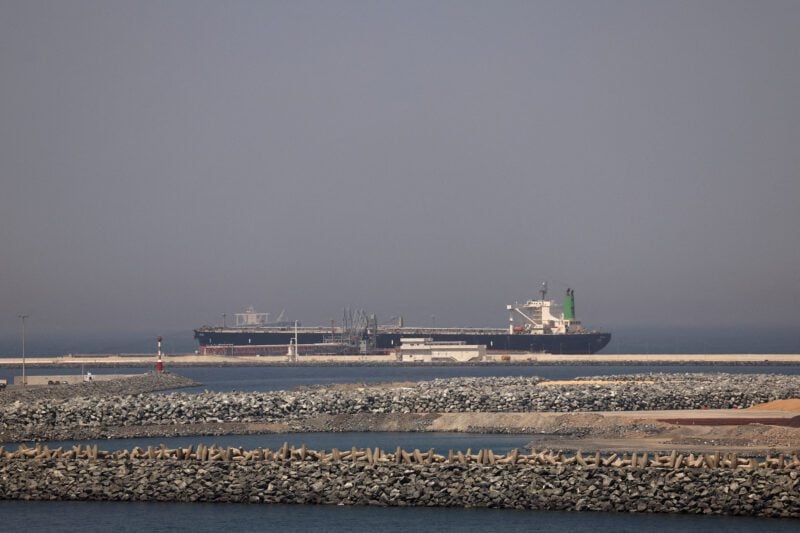
- The Strait of Hormuz is very likely to remain severely constrained rather than fully closed over the next 0-14 days. Preliminary data recorded four transits on 15 September against a pre-war baseline of roughly 125 large commercial vessels a day, with no very large crude carriers or LNG tankers among the movements. Two ships entered through the Iranian route, the Salute exited through that route, and some vessels reportedly sailed with transponders off. Saudi Aramco's sale of about 20 million barrels for ship-to-ship loading from the Gulf of Oman shows that limited flows persist, despite a separate claim that Iran closed the strait outright. Confidence is medium because traffic counts and descriptions of closure are not fully reconciled. (Confidence: medium · ASSESSED)
- I&W: Confirm: Daily reporting remains in single digits, with no VLCC or LNG tanker transits and continued use of Iranian routes or dark shipping. (0-14 days)
- I&W: Break: Traffic returns to sustained double-digit levels that include VLCC and LNG tanker movements through declared routes. (0-14 days)
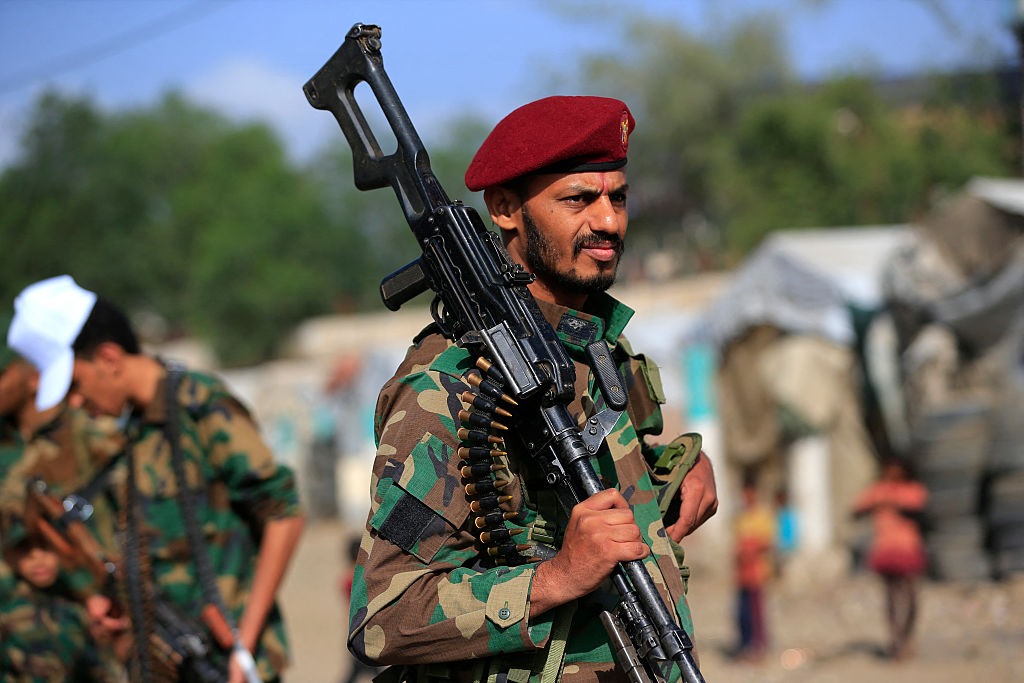
- The Houthi-Saudi confrontation is likely to intensify maritime and energy pressure over the next 0-14 days. Ansar Allah captured the port of Mokha on 10 September and Perim Island on 11 September, while other reporting describes Houthi control of Yemen's Red Sea coastline. Houthi attacks on Saudi oil facilities caused fires and temporary operational stoppages. Saudi air defences reported destroying a drone south of Mecca, and coalition spokesperson Turki al-Malki described the security of Mecca as a red line. The Houthi claims to have shot down a Saudi F-15 over Marib and to have targeted Mecca remain unindependently confirmed or disputed. (Confidence: medium · ASSESSED)
- I&W: Confirm: Independent reporting records another Houthi drone or missile strike on Saudi oil infrastructure, Mecca or a Saudi military aircraft, or verifies further Houthi control around Mocha and Perim Island. (0-14 days)
- I&W: Break: Saudi Arabia and Ansar Allah publicly announce a ceasefire followed by an observable halt to attacks on energy facilities and shipping. (0-14 days)
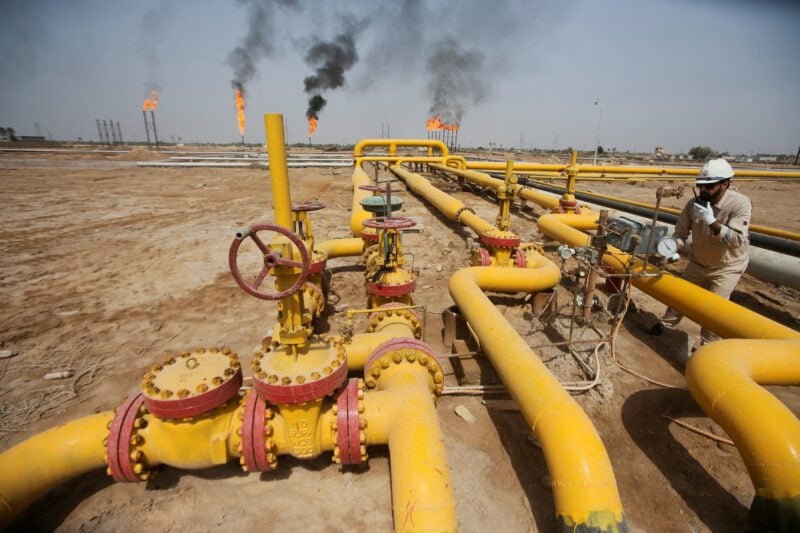
- Regional energy and logistics disruption is likely to persist for the next 1-3 months, although partial adaptation will limit a complete supply interruption. Saudi Arabia's East-West Pipeline remains offline after attacks, Yanbu loadings were suspended, and Aramco delayed deliveries to some European and East Asian customers. The IEA placed Saudi August production at about 6 million barrels per day, while Hormuz and Bab al-Mandab traffic remain far below reported pre-conflict levels. Brent crude reached US$109.20 per barrel and the global oil price exceeded US$108. Saudi Aramco's 20 million barrel sale from outside Hormuz provides evidence of adaptation, but the attribution of the pipeline attack and the precise cause of the price increase remain disputed. (Confidence: medium · ASSESSED)
- I&W: Confirm: The East-West Pipeline remains offline, Yanbu loadings remain suspended, and Brent crude stays above US$108 while Hormuz and Bab al-Mandab traffic remains below reported pre-conflict levels. (0-14 days)
- I&W: Break: Saudi Arabia confirms restored East-West Pipeline flows and Yanbu loadings, followed by sustained increases in Gulf export volumes. (0-14 days)
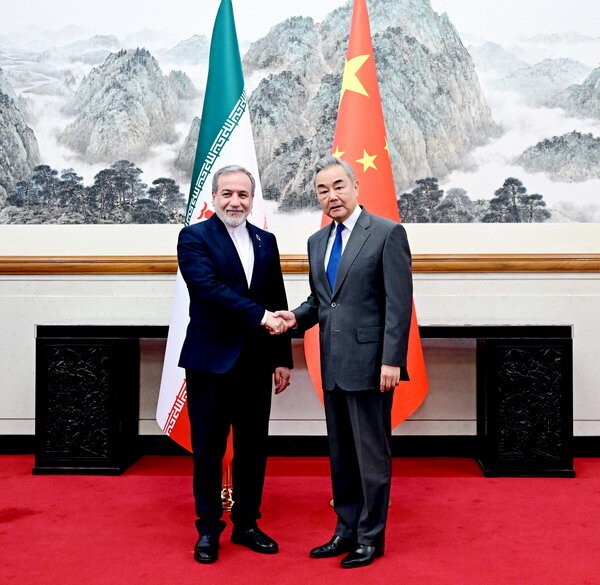
- Limited diplomatic engagement is likely to continue over the next 0-14 days, but a comprehensive de-escalation agreement is very unlikely in that period. Abbas Araghchi met Wang Yi in Beijing on 16 September and endorsed Xi Jinping's regional peace initiatives. Chinese pressure focused on reopening Hormuz and resuming an earlier understanding, while US officials held an unpublicised meeting with Houthi representatives in Muscat and received assurances regarding attacks on US and commercial vessels. These channels coexist with Shekarchi's commitment to continued resistance, Netanyahu's preparation for regime change in Iran and the US House of Representatives' 220-204 war powers vote. Confidence is medium because the diplomatic channels are reported, but no implementation measure or operational ceasefire has followed, and reporting differs on the agreement Wang Yi referenced. (Confidence: medium · ASSESSED)
- I&W: Confirm: Beijing or Muscat produces a concrete measure, such as an announced reopening process for Hormuz, verified safe passage or a sustained Houthi halt to attacks on US and commercial vessels. (0-14 days)
- I&W: Break: Iran, Israel or the United States conducts a newly acknowledged strike after the diplomatic meetings, or the Houthis resume attacks on US-linked shipping. (0-14 days)
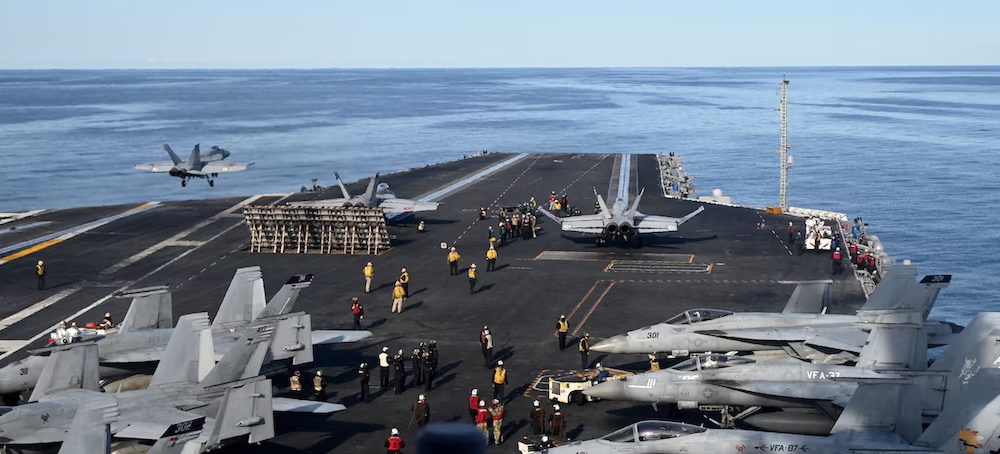
- US operational and political constraints are likely to narrow the options for sustaining the Iran campaign over the next 0-14 days, but are unlikely to halt hostilities. A Department of Defense inspector general report assessed that Operation Epic Fury cost US$33.4 billion in its first four months, including US$22.3 billion in munitions, and caused a munitions shortfall. Separate reporting describes pressure on the US military, depletion of roughly two-thirds of the interceptor stockpile and damage to US facilities and aircraft. The House war powers vote adds domestic pressure, but casualty reporting is inconsistent, with one account citing more than 800 injured and 18 killed and another citing 410 killed or wounded since 7 July. (Confidence: medium · ASSESSED)
- I&W: Confirm: The Pentagon announces restrictions on strike tempo, interceptor allocation or munitions use, or reports additional damage to US bases and aircraft. (0-14 days)
- I&W: Break: US forces conduct additional large-scale strikes without publicly reported changes to munitions or interceptor availability. (0-14 days)
Outlook & scenarios
Protracted multi-front conflict and constrained trade (55%)
Likely. Iran and Israel continue exchanging attacks while Iranian threats and Houthi control around Hormuz and Bab al-Mandab keep commercial traffic well below normal. Saudi oil infrastructure remains vulnerable, Aramco relies on ship-to-ship loading and alternative routes, and oil prices remain above US$108 per barrel.
Limited maritime deconfliction without a wider settlement (30%)
Likely. Chinese engagement with Iran and US-Houthi talks in Muscat produce narrow arrangements for selected shipping or a temporary reduction in attacks. The arrangement does not resolve the US-Israel-Iran conflict, Iranian resistance to US pressure or the Houthi-Saudi confrontation.
High-impact expansion of the conflict (15%)
Unlikely but high impact. A confirmed Iranian strike on a US-linked vessel, a further Houthi attack on Mecca or Saudi energy infrastructure, or a new US or Israeli strike produces additional retaliation. Hormuz and Bab al-Mandab traffic falls further, increasing pressure on Gulf exports and regional military deployments.
Recommendations
- Prioritise collection on the reported attack against the US-contracted vessel near the Strait of Hormuz. Establish the vessel's identity, location, damage, casualty count, weapon remnants and whether US Central Command confirms Iranian responsibility.
- Reconcile Hormuz shipping data from Kpler, ship-tracking records and dark-route reporting. Track daily transits, VLCC and LNG movements, route selection and the volume of Aramco ship-to-ship loadings from the Gulf of Oman.
- Separate confirmed effects from disputed attribution in reporting on the Saudi East-West Pipeline. Monitor restoration of flows, Yanbu loadings, Aramco delivery delays and any evidence distinguishing unknown attackers, Iran-backed Iraqi militias and Ansar Allah.
- Treat the Houthi F-15 and Mecca accounts as unconfirmed until independent imagery, Saudi operational reporting or other evidence verifies the incidents. Track additional Houthi activity against Saudi oil facilities, Mecca and shipping.
- Monitor the Beijing and Muscat channels for actions rather than statements. Prioritise evidence of Hormuz reopening, verified safe passage, a Houthi halt to attacks and follow-up US-Iran or Iran-Gulf consultations.
- Track indicators of US campaign sustainability, including Pentagon announcements on munitions and interceptor availability, additional damage to bases or aircraft, changes in carrier deployments and further congressional action on war powers.
Confidence & uncertainty
Overall confidence is high because the core trends are corroborated by multiple reporting streams, including Reuters and Kpler shipping data, trade publications, major media, the Department of Defense inspector general reporting, IEA production figures and official statements from Chinese, Iranian, Saudi and US actors. Confidence is lower on individual incidents and attribution, particularly the reported strike on the US-contracted vessel, the Saudi F-15 claim, the Mecca drone incident, responsibility for the East-West Pipeline attack, casualty totals and the precise status of the agreements referenced by Wang Yi.
Intelligence gaps
- [EEI 1.1 · UNCOVERED] Observed repositioning, sustained increases, or new forward basing of Iranian conventional or IRGC forces (armored units, missile batteries, aircraft, naval vessels) toward borders or regional launch points. Recommended collection: IMINT/satellite
- [EEI 1.2 · PARTIAL] Hezbollah or other Iran-aligned proxy forces conducting mass mobilization, visible rocket/artillery emplacements, cross-border firing incidents, or preparations for cross-border operations from Lebanon, Syria, Iraq or Yemen. Recommended collection: HUMINT/ground ISR
- [EEI 1.4 · UNCOVERED] Interdicted or observed shipments (air, sea, land manifests, seizures, satellite imagery of transfers) of advanced weapons or missile components from Iran toward proxy groups or forward staging points. Recommended collection: maritime/AIS
- [EEI 3.1 · PARTIAL] Movement/arrival of major foreign military assets into the region: US carrier strike groups, amphibious ready groups, strategic bomber flights, Russian/Chinese naval taskings, or allied expeditionary units (visible in AIS, NOTAMs, satellite imagery, official releases). Recommended collection: IMINT/satellite
- [EEI 3.2 · UNCOVERED] Official expedited arms transfers, basing/overflight agreements, or declarations of operational support (formal government announcements, defense ministry releases, logistics flight manifests). Recommended collection: open-source/diplomatic
- [EEI 3.3 · UNCOVERED] Embassy evacuations, large-scale personnel movements, issuance of government travel bans/advisories, or multinational security alerts affecting foreign nationals and diplomatic posture in the region. Recommended collection: diplomatic/open-source
- [EEI 3.4 · PARTIAL] High-level diplomatic/UN activity: scheduled or emergency Security Council meetings, published ceasefire proposals, or multilateral statements committing support/condemnation that precede changes in military posture. Recommended collection: open-source/diplomatic
Cited sources
[1] The Daily Star · Red Sea tensions raise insurance costs (A) · sha256:8120fc50e62b [2] gCaptain · Fox News: Iran Attack Hits U.S.-Contracted Ship Carrying American Personnel (C) · Wed Sep 16 2026 15:12:42 GMT+0000 (Coordinated Universal Time) · sha256:a3085b96974a [3] Newswav · Iran-US war latest: Tehran vows to fight on ‘until the last drop of blood’ after Trump talks threat (B) · Wed Sep 16 2026 17:31:43 GMT+0000 (Coordinated Universal Time) · sha256:2bba763dab34 [4] TV7 Israel News · Iran’s Nuclear Red Line: Could Tehran Trigger a New U.S.-Israel Strike? (B) · sha256:578e24742f30 [5] Reuters (republished by gCaptain) · Strait of Hormuz Ship Crossings Remain in Single Digits, Data Shows (A) · Wed Sep 16 2026 13:08:53 GMT+0000 (Coordinated Universal Time) · sha256:4d25aa7a14f5 [6] The Jerusalem Post · The Iran war is creating a new global energy risk beyond the Strait of Hormuz - analysis (B) · Wed Sep 16 2026 11:14:38 GMT+0000 (Coordinated Universal Time) · sha256:9f478a5664fd [7] The Media Line (via SRN News) · The Media Line: ‘The Red Sea Is the Most Important New Risk’ as Gulf Oil Bypasses Come Under Fire - SRN News (B) · Tue Sep 15 2026 23:48:36 GMT+0000 (Coordinated Universal Time) · sha256:7c47ecb9f623 [8] Jacobin · Ansar Allah’s Red Sea Advance Has Exposed Saudi Weakness (B) · sha256:c2c65062e1ef [9] gCaptain (republishing Bloomberg) · Saudis Pivot to Send More Oil Via Hormuz After Pipeline Shut (C) · Wed Sep 16 2026 16:48:55 GMT+0000 (Coordinated Universal Time) · sha256:9785af74bd73 [10] Reuters (republished by gCaptain) · U.S. Held Secret Talks With Houthis After Red Sea Offensive, Reuters Reports (A) · Wed Sep 16 2026 16:42:40 GMT+0000 (Coordinated Universal Time) · sha256:412b9fb4b71b [11] BBC · How escalating Saudi oil crisis could drive up prices everywhere (A) · Wed Sep 16 2026 16:06:50 GMT+0000 (Coordinated Universal Time) · sha256:3f7228982bee [12] Sunday Guardian Live · US-Israel-Iran War Latest Live News: India Condemns Drone Attack Near Mecca In Saudi Arabia, MEA Calls For Peace & Regional Stability (B) · Wed Sep 16 2026 11:35:18 GMT+0000 (Coordinated Universal Time) · sha256:acc8ad8f692f [13] i24NEWS · News Feed (B) · Wed Sep 16 2026 00:00:00 GMT+0000 (Coordinated Universal Time) · sha256:f29b749f6e86 [14] Tehran Times · Iran FM backs Xi’s four-point proposals, calls for greater Chinese role in Middle East peace (B) · Wed Sep 16 2026 15:09:24 GMT+0000 (Coordinated Universal Time) · sha256:81ce284101af [15] inkl.com · Iran-US war latest: Tehran vows to fight on ‘until the last drop of blood’ after Trump talks threat (B) · Wed Sep 16 2026 03:49:03 GMT+0000 (Coordinated Universal Time) · sha256:cb7357a70e84 [16] Reader Supported News (republishing The Intercept) · Iran War Has the US Military on the Brink of a “Breakdown” (B) · sha256:ff842d294b62 [17] The Maritime Executive · Report: U.S. Personnel Injured in Iranian Attack on Boat Near Hormuz (C) · sha256:f47fe75932ee
Source content hashes were computed at collection time; the cited text is preserved unmodified for the life of this product.
TLP:CLEAR