TLP:CLEAR · Disclosure is not limited.
Iran-Israel War: Multi-Front Regional Escalation
Time window: Last 1 day · Audience: General analyst · Type: Situation report · DTG: 2026-08-24 14:09Z · Overall confidence: MEDIUM
BLUF
The US-Israel-Iran war is now a multi-front regional crisis. Joint US-Israeli strikes and Iranian missile and drone attacks remain active in reporting, while Houthi attacks and Iranian shipping threats extend the immediate risk to the Strait of Hormuz, Bab el Mandeb and Gulf states. Pakistan's diplomatic channel is active, but a conclusive agreement within 14 days is unlikely.
Executive summary
Reporting indicates continued joint US-Israeli airstrikes against Iran and Iranian missile and drone retaliation against Israel, US bases and Arab countries. Maritime disruption is severe but incomplete: at least six vessels crossed the Strait of Hormuz in the previous 24 hours, while at least 44 crossed Bab el Mandeb, despite Iranian warnings and Houthi attacks on commercial shipping. Pakistan's Field Marshal Asim Munir has arrived in Tehran for talks, and Russia has offered mediation, but the status of the US-Iran memorandum of understanding remains contested. Economic pressure on Iran is rising, although oil-price reporting is mixed. Humanitarian conditions in Gaza remain severe. The reporting record contains material chronology and attribution inconsistencies, which limits confidence in some forward-looking assessments.
Change from previous assessment
Since the 23 August brief, the assessment shifts from a primarily Hormuz-centred confrontation to a more explicitly multi-front conflict. New reporting adds direct accounts of joint US-Israeli strikes, Iranian missile and drone retaliation, a Houthi attack on a commercial vessel that reportedly killed four sailors, and Asim Munir's arrival in Tehran rather than a planned visit. Economic pressure on Iran is now more explicit, while the maritime picture remains partial rather than fully closed. The Pakistan diplomatic judgement remains, but confidence is lowered because the memorandum is described both as a possible route out of the conflict and as expired. The Gaza humanitarian judgement is retained, and the Syria-Türkiye escalation judgement remains active.
Key judgments
- US and Israel's joint airstrikes against Iran and Iran's missile and drone retaliation are very likely to continue over the next 14 days, sustaining direct regional escalation. The Islamic Revolutionary Guard Corps has reported launching Khorramshahr-4 missiles at Israel, while other reporting describes Iranian strikes against Israel, US bases and Arab countries. Qatar has separately reported a missile attack and active air-defence interceptions. This is an assessed judgement based on several major-media accounts and Qatar's own reporting, but the wider war chronology is not fully consistent. (Confidence: medium · ASSESSED)
- I&W: Confirm: a further Iranian missile or drone strike is reported against Israel, a US base or an Arab country in the Middle East. (0-14 days)
- I&W: Break: joint US-Israeli airstrikes and Iranian missile or drone launches both stop for 14 consecutive days, with no new Iranian threat against Israel's Dimona nuclear site. (0-14 days)
- Severe but incomplete disruption to shipping through the Strait of Hormuz and Bab el Mandeb is very likely to persist over the next 14 days. At least six vessels crossed Hormuz in the previous 24 hours and at least 44 crossed Bab el Mandeb, but Iran has warned shipping to obtain permission, threatened detention or confiscation for violations, and warned of further restrictions on oil movement. Houthi forces have increased activity against maritime targets, and a Houthi missile attack on a commercial vessel reportedly killed four sailors. This is an assessed judgement with medium confidence because transit data show continued movement while several restriction claims rely on major-media reporting. (Confidence: medium · ASSESSED)
- I&W: Confirm: Iran issues another transit warning or reports detention or confiscation of a vessel, or Houthi forces attack another commercial vessel. (0-14 days)
- I&W: Break: more than six vessels cross Hormuz in each 24-hour period for seven consecutive days, with no new Iranian transit warning and no Houthi attack on commercial shipping during that period. (0-14 days)
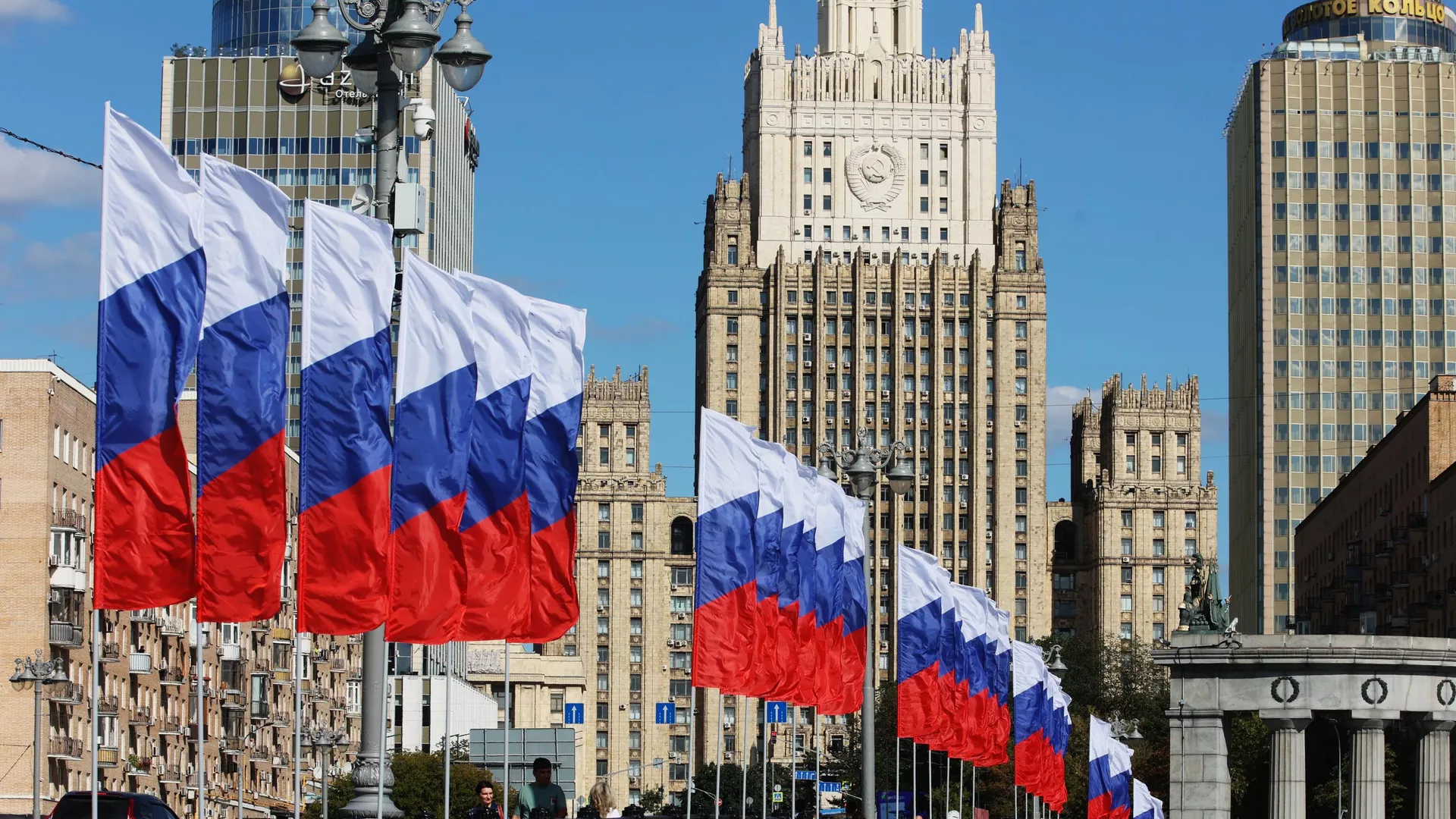
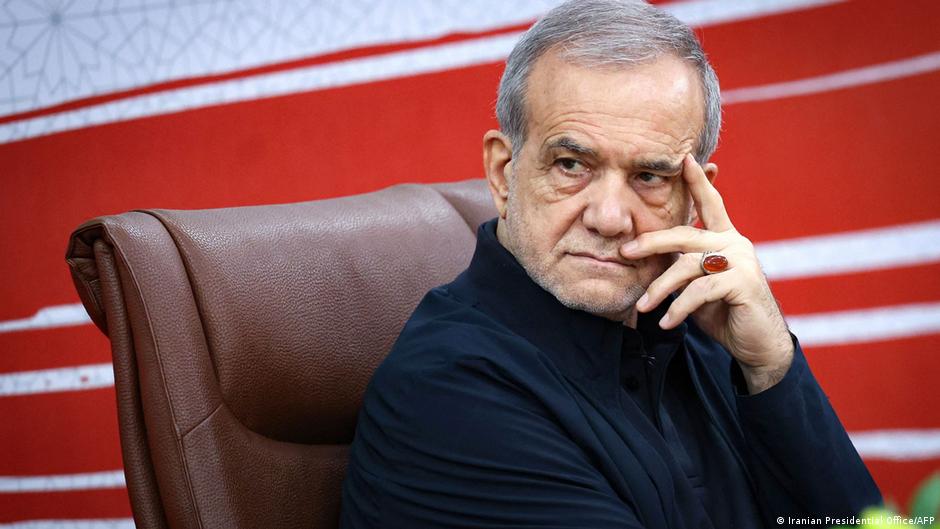
- A conclusive US-Iran agreement is unlikely within the next 14 days, although Pakistan-led diplomacy is active. Field Marshal Asim Munir has arrived in Tehran for talks aimed at a comprehensive resolution, while Masoud Pezeshkian has defended a memorandum of understanding with Washington as a route out of the conflict. Separate reporting describes the memorandum as expired. Russia has offered mediation if it receives a formal request. This is an assessed judgement with low confidence because the central diplomatic instrument is described inconsistently and several records have conflicting or weakly supported dates. (Confidence: low · ASSESSED)
- I&W: Confirm progress: the US and Iran announce a jointly accepted implementation timetable for the memorandum or a replacement arrangement. (0-14 days)
- I&W: Break: the Tehran channel produces no joint statement and US-Iran military strikes continue without a pause through the 14-day period. (0-14 days)
- Iranian economic pressure and regional supply stress are very likely to intensify over the next 1 to 3 months if military activity and shipping restrictions continue. Reporting places the open-market exchange rate at around two million Iranian rials to the US dollar. Washington has threatened a major financial offensive and the severing of economic ties, while Iran has threatened to halt oil exports from the region. Conflict-related port restrictions are already reported to affect food supplies for more than 50 million people. Confidence is medium because these indicators are supported by major-media reporting, but oil-price reporting is contradictory, with oil prices reported higher for a second week while Brent crude is also reported lower at $93.77 a barrel. (Confidence: medium · ASSESSED)
- I&W: Confirm: the open-market rial rate moves beyond around two million rials per US dollar, or Washington announces implementation of the threatened severing of economic ties. (1-3 months)
- I&W: Break: Iranian authorities maintain lifted import and export restrictions while access to Gulf ports and shipping through Hormuz increases for 30 consecutive days. (1-3 months)
- Humanitarian conditions in Gaza are very likely to remain severe over the next 1 to 3 months despite UK support. Current reporting describes the humanitarian consequences as severe, while Stephen Doughty MP has renewed calls for more aid, the UK government has provided more than £127 million in support for Palestine this financial year, and UK support to UNWRA has restarted. This is an assessed judgement with medium confidence because official UK reporting corroborates the assistance measures, but the current record provides limited detail on aid access and conditions inside Gaza. (Confidence: medium · ASSESSED)
- I&W: Confirm: reporting from Gaza continues to describe severe humanitarian consequences and UK officials issue further calls for increased aid access. (0-14 days)
- I&W: Break: reporting records sustained improved aid access and a reduction in the described severity for 30 consecutive days, with no further UK call for more aid. (1-3 months)
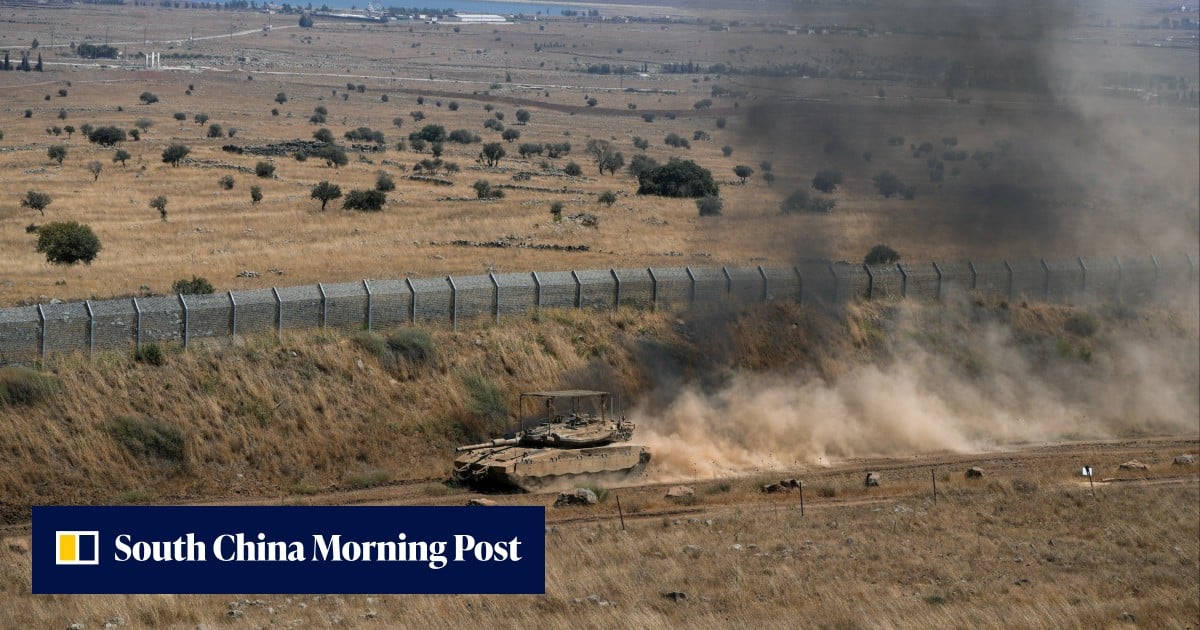
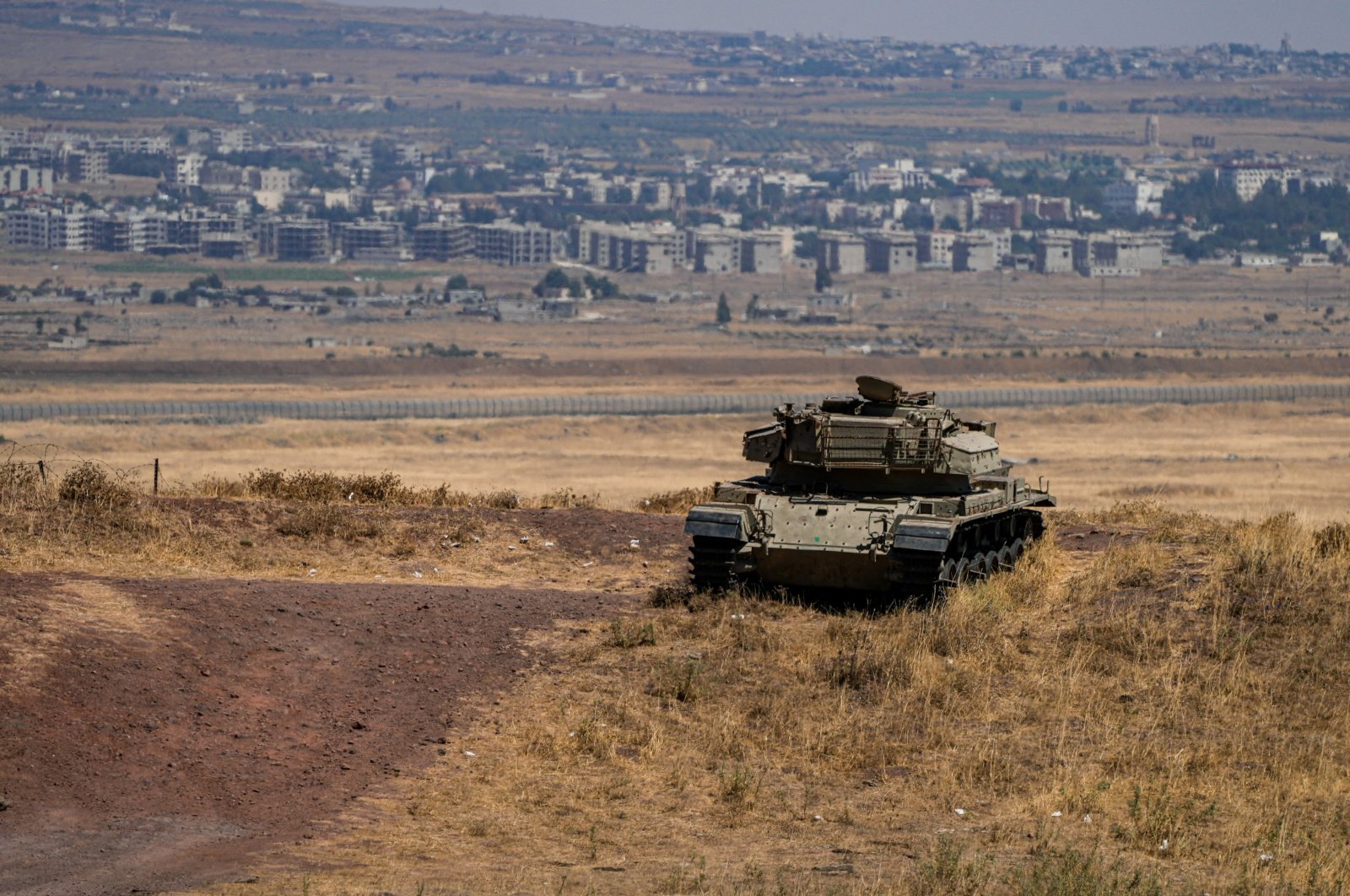
- Israel-Türkiye tensions centred on Syria are likely to remain elevated over the next 1 to 3 months, while a direct Israeli-Turkish armed clash is unlikely. Israel has conducted strikes in Abu Al-Duhur and Idlib, with Prime Minister Benjamin Netanyahu indicating that the Idlib operation carried a message for Türkiye. Türkiye has emphasised Syrian sovereignty, activated diplomatic networks and joined wider condemnation that included the United Arab Emirates. High-level Syrian and Israeli delegations have nevertheless met in Jordan under American mediation. Confidence is medium because the strikes and diplomatic activity are reported by major media, but the chronology and tactical rationale remain incompletely corroborated. (Confidence: medium · ASSESSED)
- I&W: Confirm: Israel conducts another strike in Syria that Israeli officials frame as a message to Türkiye, or Türkiye activates a new collective diplomatic condemnation. (1-3 months)
- I&W: Break: Israeli and Turkish forces exchange fire in Syria, or a US-mediated Syria-Israel channel publicly produces security arrangements. (1-3 months)
Outlook & scenarios
Prolonged multi-front conflict (45%)
Joint US-Israeli strikes and Iranian missile and drone attacks continue without a conclusive agreement. Hormuz remains partially open but subject to Iranian warnings, while Houthi attacks sustain pressure around Bab el Mandeb. Pakistan and Russian mediation produce statements but no implementation arrangement. Israel-Türkiye tensions in Syria remain elevated and Gaza's humanitarian conditions remain severe.
Mediated pause (25%)
Asim Munir's Tehran channel produces an accepted implementation timetable for the US-Iran memorandum or a replacement arrangement. Iran reduces its shipping restrictions, military exchanges pause, and US-supported talks involving Syria and Israel provide a parallel channel for limiting escalation in Syria. Humanitarian access to Gaza improves without resolving the wider conflict.
Wider regional escalation (22%)
Iran sustains restrictions on oil movement through Hormuz, Houthi forces increase attacks on commercial shipping, and Iranian strikes against Israel, US bases or Arab countries continue. Israel expands attacks against Iranian-backed Hezbollah in Lebanon and conducts further strikes in Syria. Gulf port disruption worsens food-supply pressure and raises economic costs in Iran, the US and affected regional states.
Wildcard: strike on strategic infrastructure and effective maritime closure (8%)
Iran acts on its threat against Israel's Dimona nuclear site or combines a major strike with sustained restrictions on oil exports through Hormuz. Commercial traffic through Hormuz falls below the current reported level, Houthi attacks spread across maritime routes, and diplomatic channels lose immediate relevance. This low-probability scenario would produce the most severe regional and global economic shock in the assessed set.
Recommendations
- Run a dedicated 0-14 day watch on Iranian missile and drone activity, US-Israeli strikes, reported attacks on US bases and Arab countries, and Qatar's air-defence reporting. Separate official claims of launches from independently reported impacts.
- Track the Strait of Hormuz and Bab el Mandeb separately. Record daily crossings, Iranian transit warnings, any detention or confiscation report, and Houthi attacks on commercial vessels. Do not describe Hormuz as fully closed while vessel crossings continue.
- Prioritise collection on the status of the US-Iran memorandum. Distinguish the expired instrument from any current proposal, and seek evidence of implementation terms rather than relying on statements that it is a route to peace.
- Monitor Asim Munir's Tehran meetings and any Russian mediation offer for a joint US-Iran statement, a timetable or practical shipping arrangements. Treat rhetoric without agreed terms as diplomatic activity, not de-escalation.
- Maintain an economic dashboard covering the Iranian rial, US gasoline prices, Brent crude, Gulf port access and food-supply reporting. Flag the conflicting oil-price signals rather than inferring a single market direction.
- Keep Syria-Türkiye escalation on a separate watchline from the Iran track. Monitor further Israeli strikes at Abu Al-Duhur or in Idlib, Turkish diplomatic mobilisation and any continuation of the US-mediated Syria-Israel channel in Jordan.
- Retain Gaza humanitarian conditions as a standing regional-stability issue. Track aid access, further UK calls for increased deliveries and the operational effect of resumed UK support to UNWRA without treating financial assistance as evidence of improved conditions.
Confidence & uncertainty
Overall confidence is medium. Direct military and diplomatic reporting comes mainly from major-media sources, with additional support from official government statements, including accounts from Qatar, Pakistan, Russia and the UK. Confidence is lower for the status of the US-Iran memorandum, the rationale for Israeli strikes in Syria and some Houthi reporting because the record includes single-source, think-tank and social-media claims. Material date inconsistencies and conflicting oil-price and shipping interpretations also limit confidence in the precise chronology and near-term direction of the conflict.
Intelligence gaps
- [EEI 1.1 · PARTIAL] Detection and characterization of ballistic/cruise missile or rocket launches originating from Iranian territory or from Iran-controlled positions in Iraq/Syria (time, launch coordinates, missile type, flight trajectory/impact area). Recommended collection: satellite/imagery
- [EEI 1.2 · PARTIAL] Movements and posture changes of Iran-backed proxy forces (Hezbollah units in Lebanon, militias in Syria/Iraq): concentrations of personnel, transport of rocket/artillery launchers, visible logistics build-up within operational range of Israel. Recommended collection: human/intel
- [EEI 1.3 · PARTIAL] Israeli defensive and offensive posture changes: reservist call-ups, mobilization orders, sorties/airstrikes attributed to Israel, and domestic activation of missile-defense systems (locations and activation times). Recommended collection: open-source/media
- [EEI 1.4 · UNCOVERED] Evidence of pre-positioning or arming of naval mines, fast attack craft, or anti-ship missile systems in the Gulf of Oman, northern Arabian Sea, or off the Lebanese/Syrian coasts that could be used to interdict Israeli or allied shipping. Recommended collection: maritime/AIS
- [EEI 2.1 · PARTIAL] Movements and tasking changes of external military assets: carrier strike groups, amphibious ready groups, expeditionary air wings, or ballistic-missile defense units into the Eastern Mediterranean, Persian Gulf, or Red Sea (vessel/aircraft IDs, routing, on-station times). Recommended collection: maritime/AIS
- [EEI 2.2 · PARTIAL] Formal diplomatic/military actions: evacuation orders or embassy closures, public troop posture statements, bilateral/multilateral defense commitments announced, requests for overflight or basing rights in regional states. Recommended collection: diplomatic
- [EEI 2.3 · PARTIAL] Changes to force protection or alert levels at foreign bases in the region (e.g., US bases in Kuwait, Qatar, UAE; Russian bases in Syria): activation of additional air defenses, curfews, or reinforcement shipments (personnel/equipment manifests). Recommended collection: signals/intel
- [EEI 3.2 · PARTIAL] Changes in crude oil and refined product flows from key terminals (reported tanker loading delays, terminal closures, throughput volumes at Kharg, Mina al-Ahmadi, Ras Tanura, and major Gulf ports compared to baseline). Recommended collection: commercial/ports
Cited sources
[1] newsonair.gov.in · Conflict in West Asia escalates as several countries are becoming involved; Fighting is spreading across different parts of region (B) · sha256:6826947addba [2] Wikipedia · Reactions to the 2026 Iran war (B) · sha256:32d813375717 [3] sundayguardianlive.com · US-Israel-Iran War Latest Live Updates: Oil Prices Dip As Iran Threatens To Halt Crude Flow Through Strait Of Hormuz, Brent Falls To $93.77 (B) · sha256:81dc5c1733a3 [4] BBC · Iran faces 'greatest financial offensive ever', says US Treasury Secretary Scott Bessent (A) · sha256:fa0883a0ce3c [5] ena.et · Middle East Tensions, Ukraine War and Rising Pressure on Global Trade (B) · sha256:88715beb16c1 [6] anews.com.tr · Munir’s Iran talks to ‘focus on comprehensive resolution’ to Mideast conflict: Pakistan (B) · sha256:f5a09e246fdc [7] Deutsche Welle · Iran: President defends US deal as best option for peace (A) · sha256:48d76593bde3 [8] voiceofemirates.com · Moscow offers its support for mediation to reduce tensions in the Middle East (A) · sha256:e074d27ff715 [9] gov.uk · Minister renews calls for Israel to allow more aid into Gaza on first visit to the region (A) · sha256:ba76e538e65a [10] South China Morning Post · Syria holds talks with Israel addressing de-escalation, Israel-Turkey tensions (B) · sha256:da2f5f173469 [11] Daily Sabah · Why are Türkiye-Israel tensions becoming structural? | Daily Sabah (B) · sha256:de00aae51e6b
Source content hashes were computed at collection time; the cited text is preserved unmodified for the life of this product.
TLP:CLEAR