TLP:CLEAR · Disclosure is not limited.
Iran-Israel War: US Force Posture and Hormuz Risk, 16 October 2026
Time window: Last 1 day · Audience: General analyst · Type: Situation report · DTG: 2026-10-16 17:12Z · Overall confidence: HIGH
BLUF
The United States has increased forces near Iran and is reported to be considering conventional strikes, but the available reporting does not confirm authorisation. Attacks on shipping continue to constrain Hormuz traffic, while Iranian demands for US troop withdrawal leave a near-term reopening uncertain.
Executive summary
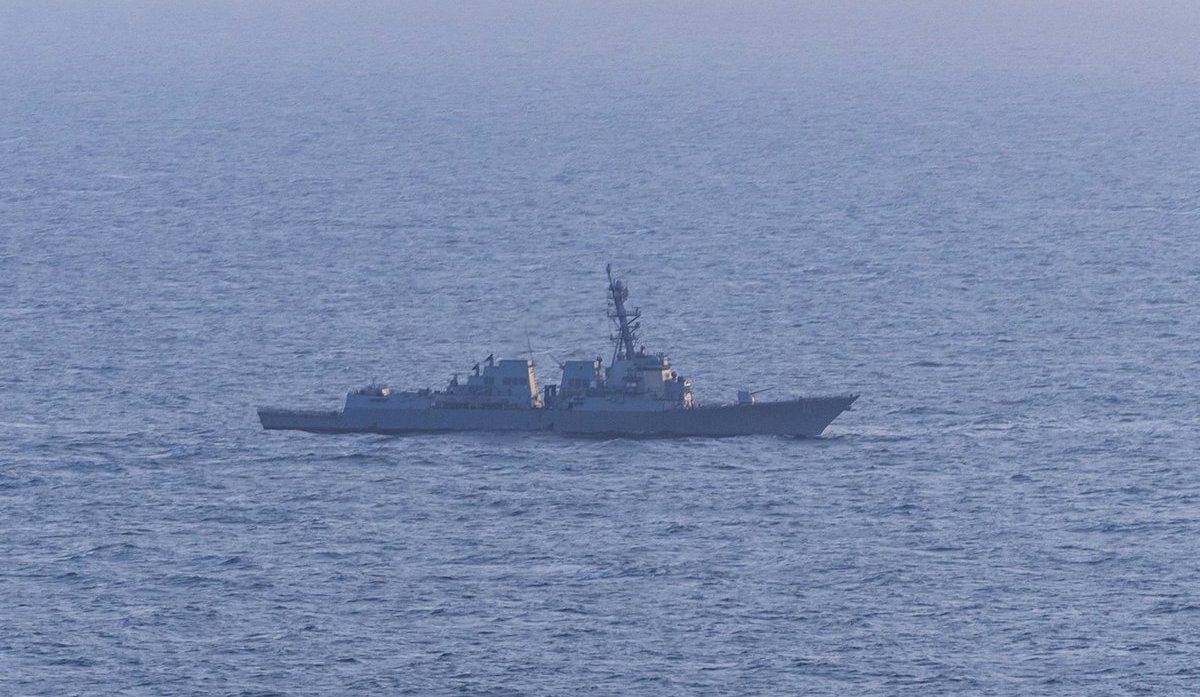
Reporting on 15 and 16 October described a third US carrier strike group and 10,000 additional troops moving towards waters around Iran, a CENTCOM readiness directive, and US consideration of strikes on Iranian targets, including the Pickaxe Mountain complex. No supplied claim confirms a strike order. UKMTO reported 12 ship attacks around the Strait of Hormuz during the week, while JMIC maintained a severe threat assessment and reported traffic well below its prewar benchmark. Iran has set US troop withdrawal as a condition for resolving the conflict and reopening the Strait. Reports of Houthi attacks on Saudi targets add a regional pressure point, but accounts differ on the Houthis' motives and the extent of Iranian direction.
Change from previous assessment
Assessment since the 15 October brief: concern about US strike planning has increased from low confidence to medium confidence as reporting now includes a third carrier strike group, 10,000 additional troops, a CENTCOM readiness directive and Trump's public identification of Pickaxe Mountain as a possible target. Authorisation remains unconfirmed. The shipping-risk judgment is unchanged in direction, but the new report of 12 attacks in a week and JMIC's severe rating reinforce it; transit figures still conflict with CENTCOM's higher count. This brief adds judgments on Iranian demands for US troop withdrawal, reported Houthi attacks on Saudi targets and the conflict's market effects.
Key judgments
- The United States is likely preparing a further conventional strike option against Iran, but the available reporting does not establish authorisation or imminent execution. Reports describe a third carrier strike group, 10,000 additional troops and a CENTCOM readiness directive; President Donald Trump identified Iran's Pickaxe Mountain nuclear complex as a potential target and ruled out nuclear weapons and US ground troops. Strike-planning accounts, including reports of possible MOAB use, remain media reporting rather than confirmation of an approved operation. (Confidence: medium · ASSESSED)
- I&W: Confirm: the White House or CENTCOM announces an authorised strike, or reporting documents US strikes on a named Iranian facility. (0-14 days)
- I&W: Break: CENTCOM rescinds its readiness directive and publicly announces that the carrier deployment towards Iran has been cancelled or diverted. (0-14 days)
- Iran's campaign has already struck infrastructure in Gulf states, and further attacks are likely over the next 14 days; reporting separately records attacks on US military facilities in eight countries, without establishing that every such attack was Iranian. A Reuters investigation counted at least 135 Iranian missile and drone strikes against more than 80 targets in Gulf states since the war began on 28 February. The IRGC has also announced a large-scale operation targeting Israel. (Confidence: medium · ASSESSED)
- I&W: Confirm: a government or wire-service report attributes a new Iranian missile or drone strike to a named Gulf-state target or US facility. (0-14 days)
- I&W: Break: the IRGC announces a halt to operations and no new Iranian strikes on named Gulf-state targets are reported for 14 consecutive days. (0-14 days)
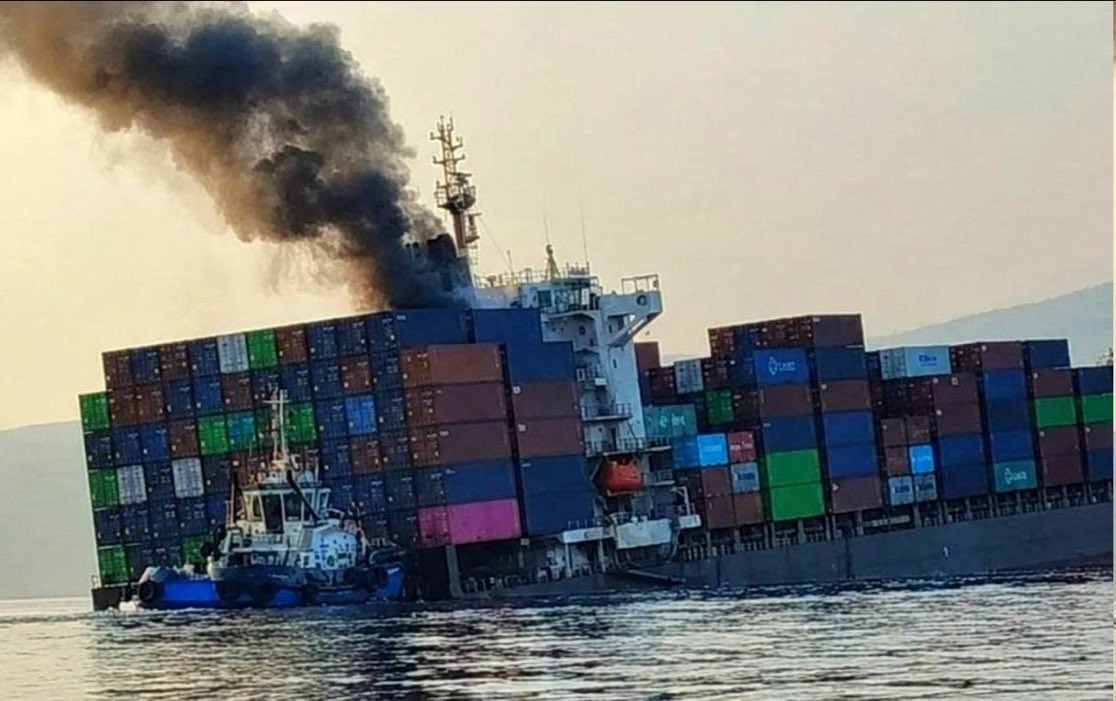
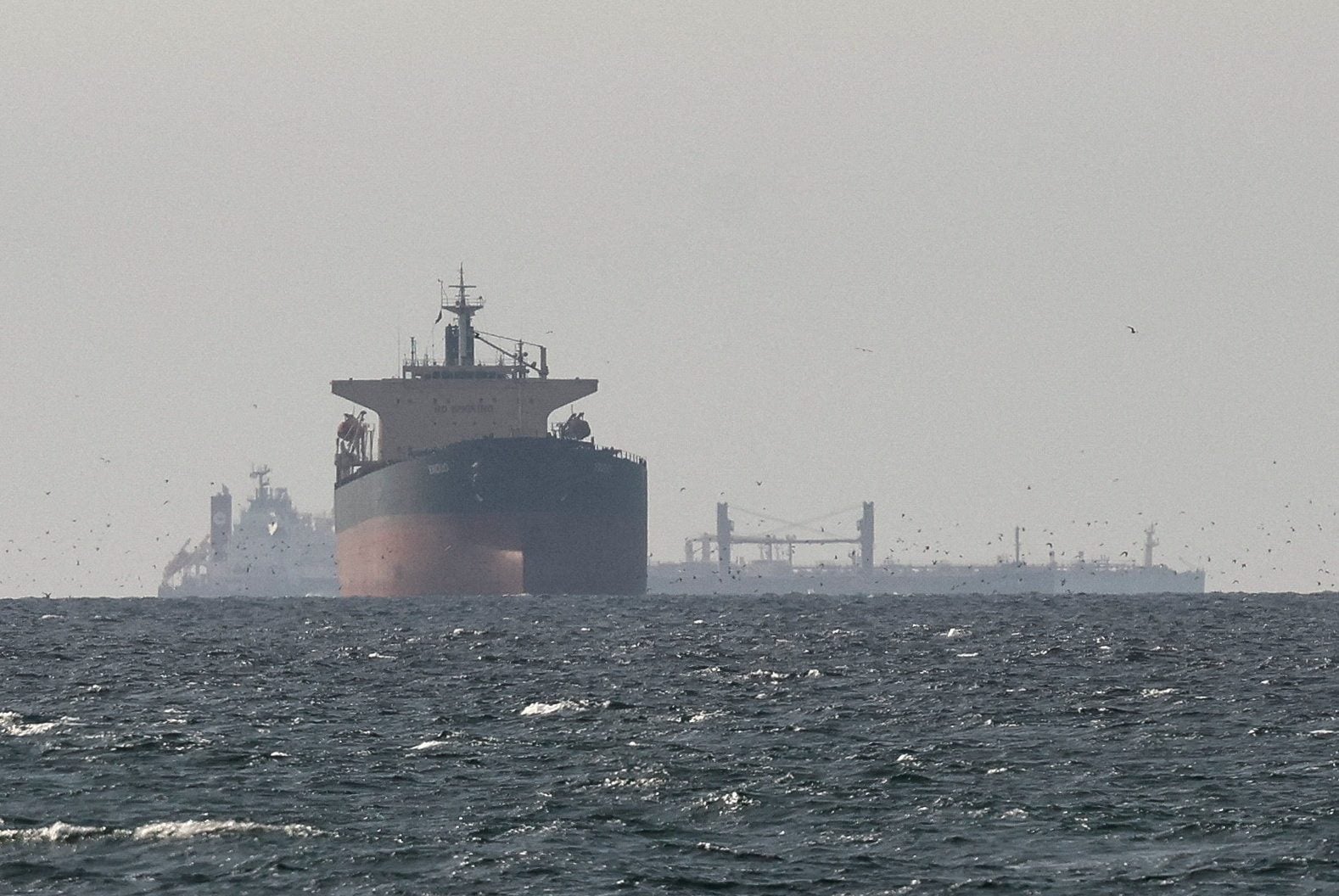
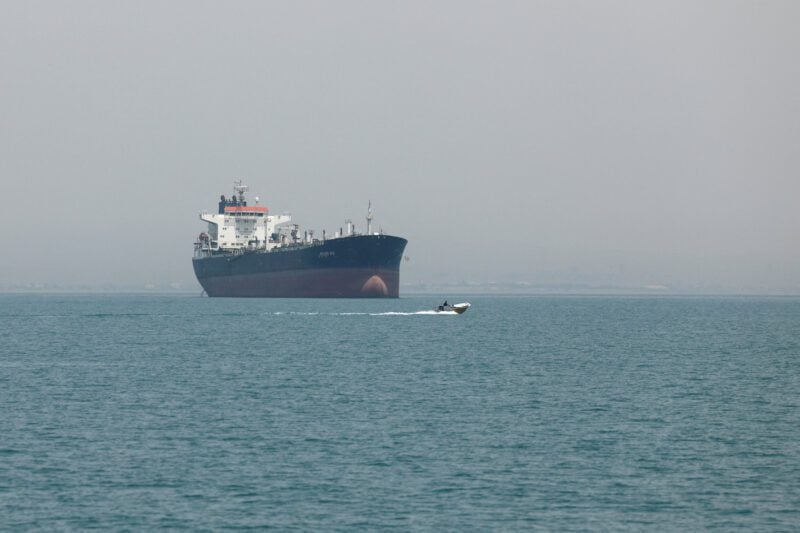
- Commercial shipping attacks in the Strait of Hormuz are likely to continue over the next 14 days. UKMTO reported 12 ships attacked around the Strait during the week, including 10 in the Strait itself, and JMIC maintained a severe threat assessment. JMIC puts current traffic at about 22 per cent of a 2025 average of roughly 138 daily transits; its figure of about 30 ships a day differs from CENTCOM's report of more than 40 transits in a 24-hour period. The supplied reporting does not reconcile the different periods or counting methods. (Confidence: medium · ASSESSED)
- I&W: Confirm: UKMTO reports another attack on a commercial vessel in the Strait or along Oman's coast, or JMIC retains its severe rating. (0-14 days)
- I&W: Break: JMIC reports more than 69 daily transits, half the 2025 benchmark, for seven consecutive days and UKMTO reports no attacks during that period. (1-3 months)
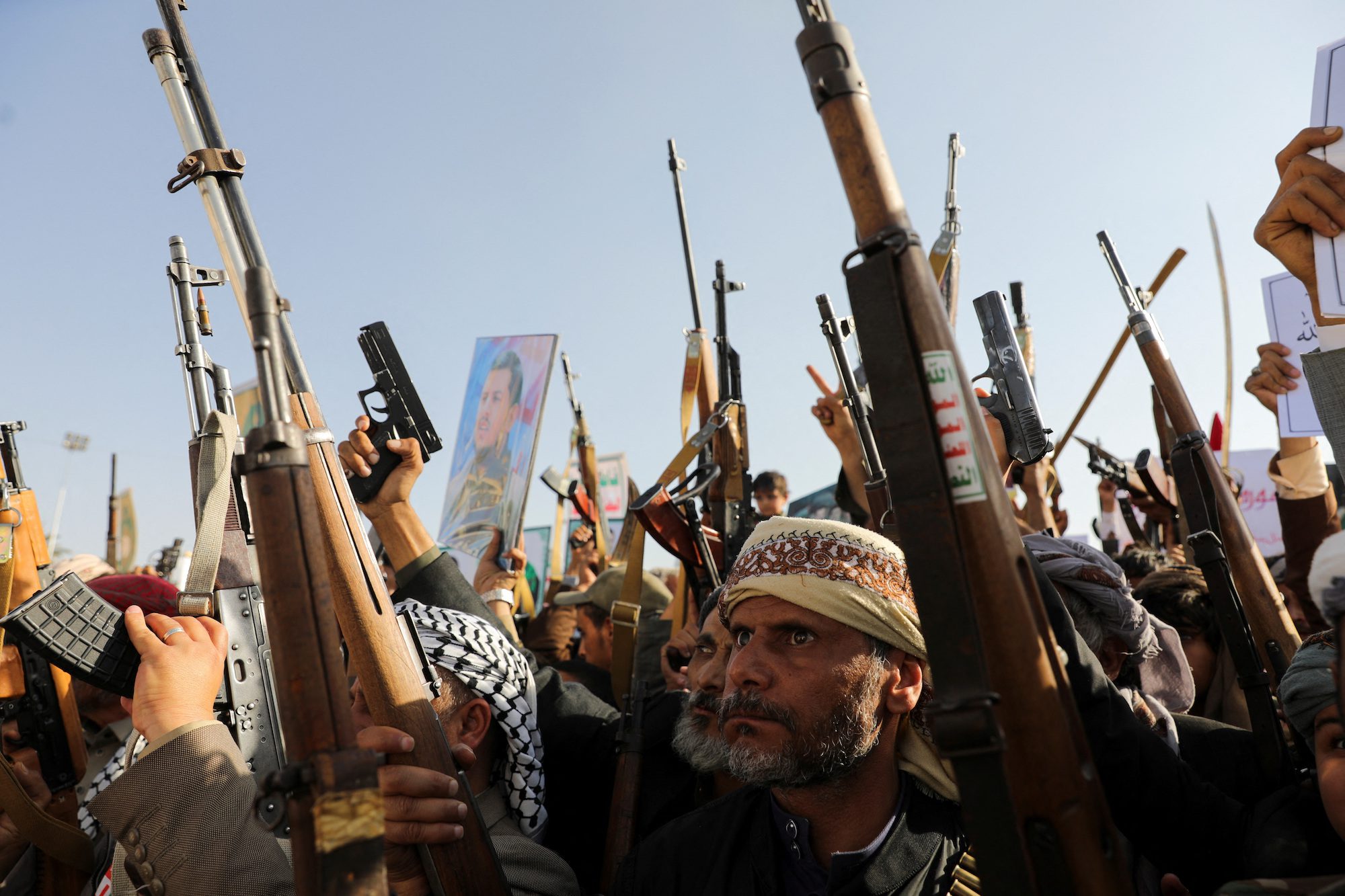
- Reported Houthi attacks on King Khalid International Airport and Saudi Aramco have widened the conflict's regional pressure front, but whether the Houthis are acting at Tehran's direction remains unresolved. Saudi, Iranian and regional sources link the attacks to pressure on Riyadh and Washington, while Houthi spokesperson Mohammed Abdulsalam denies acting at Iran's behest and describes Yemen-focused demands. Saudi coalition reports of interceptions do not resolve whether other attacks caused impacts, as the claims may refer to different incidents or timeframes. (Confidence: medium · ASSESSED)
- I&W: Confirm continued Saudi pressure: a further Houthi-claimed attack on a named Saudi site is corroborated by a government or wire-service report. (0-14 days)
- I&W: Test Iranian direction: a Houthi or Iranian statement explicitly links a subsequent Saudi attack to joint planning, or the Houthis publicly reaffirm that their demands concern Yemen alone. (0-14 days)
- Elevated shipping costs and fuel-supply disruption are likely to persist over the next 1-3 months if attacks and route diversions continue. Reported rates for moving oil from Hormuz and the Red Sea to Asia reached about US$34 per barrel, while freight accounted for more than 40 per cent of the cited US oil price. Vitol's Asia head reported an 800,000-tonne monthly reduction in Persian Gulf fuel-oil supply. These indicators come from trade and market reporting and do not establish how quickly prices will change. (Confidence: medium · ASSESSED)
- I&W: Confirm: published Hormuz or Red Sea-to-Asia freight rates remain at or above US$34 per barrel, or Vitol reports another monthly reduction in Persian Gulf fuel-oil supply. (0-14 days)
- I&W: Break: published route rates fall below US$20 per barrel and JMIC reports a sustained recovery in Strait traffic above half the prewar benchmark. (1-3 months)
- A negotiated reopening of the Strait of Hormuz is unlikely in the near term. Iranian officials have made US troop withdrawal from the region a condition for resolving the conflict and reopening the Strait, while US forces continue to enforce a blockade on Iranian ports. The evidence records public positions, not the state of any private negotiations, so confidence in this forecast is low. (Confidence: low · ASSESSED)
- I&W: Confirm: Iranian officials repeat the troop-withdrawal condition and CENTCOM reports that the blockade remains in force. (0-14 days)
- I&W: Break: Iran publicly drops the withdrawal condition and the United States announces a suspension of the blockade or a formal reopening arrangement. (0-14 days)
Outlook & scenarios
Continued attrition without a new US strike (55%)
This is the most likely near-term course. Iran continues retaliatory activity, shipping attacks keep Hormuz traffic below prewar levels, and the United States maintains its forces and blockade without publicly authorising another strike. The reported gap between Iran's withdrawal demand and US operations remains unresolved over the next 14 days.
Limited US conventional strikes on Iranian targets (25%)
A US strike on an Iranian military, nuclear or energy target is an unlikely but material path. The reported carrier deployment, readiness directive and discussion of Pickaxe Mountain provide indicators of preparation, but no supplied claim confirms an order. Iran could respond against Israel or Gulf-state targets, extending the current exchange.
A limited maritime pause (15%)
A temporary reduction in attacks and a partial recovery in Strait traffic would require a shift in public positions or a practical arrangement that limits confrontation. Iran's stated troop-withdrawal condition and continued US blockade enforcement leave little evidence of such a shift. Any pause would be vulnerable to renewed attacks on vessels.
Regional escalation following a Houthi strike on a Saudi target (5%)
This low-probability, high-impact wildcard involves a further Houthi attack causing major casualties or sustained damage at King Khalid International Airport or a Saudi Aramco facility. Saudi retaliation or direct US involvement would widen the conflict. Current reporting does not establish Iranian direction of Houthi operations.
Recommendations
- Track White House and CENTCOM statements for an actual strike authorisation, changes to the readiness directive, and confirmed movement of the third carrier strike group and additional troops.
- Maintain a daily incident log for UKMTO ship reports and JMIC transit figures. Record each source's reporting period and counting method before comparing those figures with CENTCOM's transit claims.
- Keep Iranian strikes, attacks on US facilities, and Houthi attacks on Saudi targets as separate attribution lines. Do not infer Iranian direction of Houthi operations from statements about shared strategic aims.
- Monitor Iranian official statements on US troop withdrawal alongside CENTCOM updates on blockade enforcement; treat public demands as positions, not evidence of negotiations.
- Track published tanker freight rates, Hormuz transits and reported fuel-oil supply changes together to assess whether maritime disruption is easing or spreading into wider energy-market pressure.
Confidence & uncertainty
Overall confidence is high for the broad event picture because official statements, wire-service reporting and maritime monitoring corroborate key developments, including force deployments, ship attacks and restricted Hormuz traffic. Confidence is lower for forecasts, strike authorisation, the attribution of attacks on US facilities, Iranian direction of Houthi operations and the disputed transit counts. The high headline confidence applies to the reported situation, not to those unresolved assessments.
Intelligence gaps
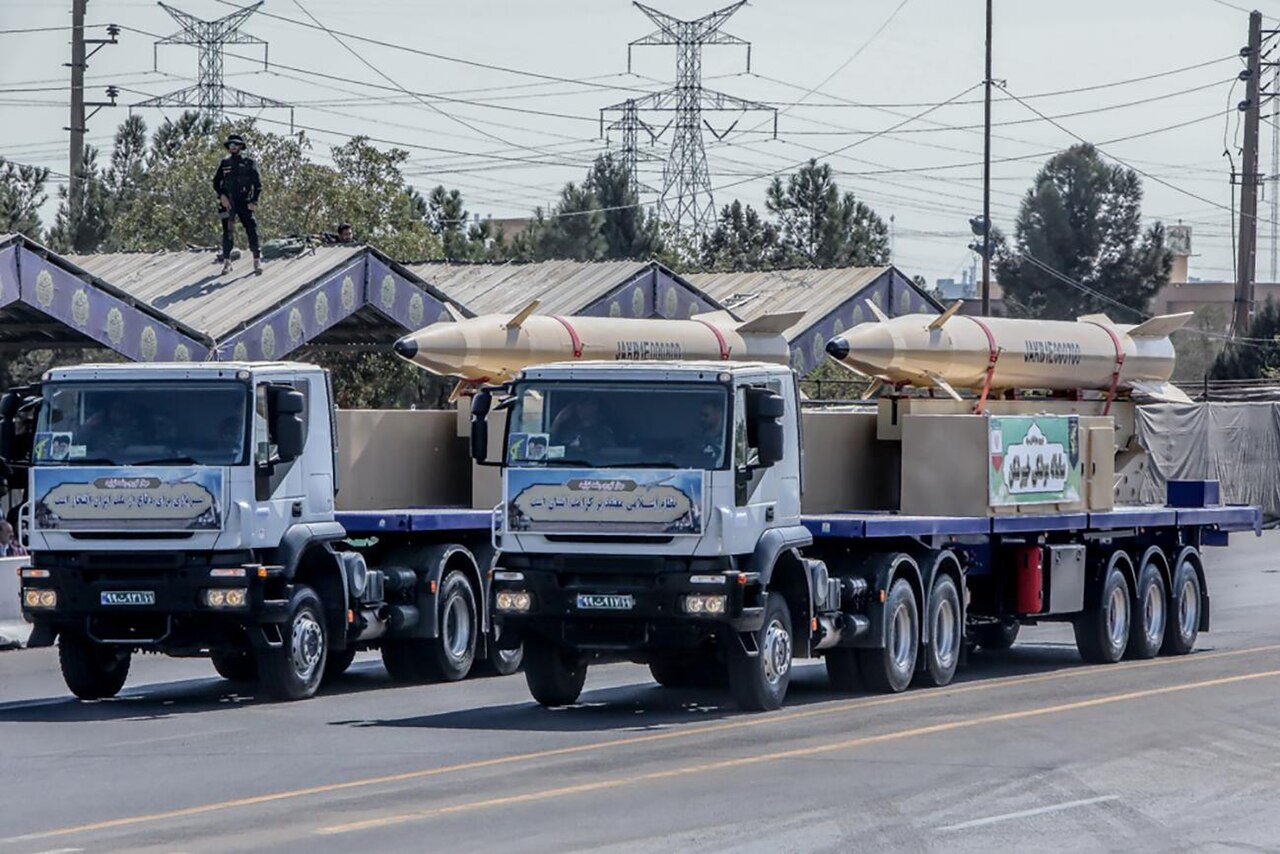
- [EEI 1.1 · UNCOVERED] Movement, dispersal, or emplacement of Iranian conventional or IRGC heavy assets (ballistic missile launchers, Khoramshahr/Toofan-class missile transporters, ground-to-ground TELs, air defense batteries, amphibious units) from garrison areas toward forward bases or coastal launch sites. Recommended collection: satellite/IMINT
- [EEI 1.2 · PARTIAL] Authenticated Iranian military orders, NSC/IRGC operations directives, or senior leadership statements explicitly directing strikes against Israel or US forces or authorizing cross-border operations. Recommended collection: human/diplomatic
- [EEI 1.3 · PARTIAL] Changes in Israeli and US force posture indicating anticipation of direct large-scale conflict, elevated readiness levels, mobilization notices, pre-positioning of munitions, or public/private orders to prepare offensive strikes. Recommended collection: open-source/diplomatic
- [EEI 2.1 · UNCOVERED] Observable pre-launch preparations for missile/rocket/cruise missile strikes (fueling, warhead mating, launcher orientation, support vehicle congregation) and abnormal munitions handling at known launch sites. Recommended collection: satellite/IMINT
- [EEI 2.2 · UNCOVERED] Indications of proxy arms shipments and weapons transfers (truck convoys, small boat transfers, container movements from Iran to proxies, new stockpiles in Lebanon, Iraq, Yemen, Syria). Recommended collection: maritime/AIS
- [EEI 2.3 · UNCOVERED] Evidence of cyber attack planning or active exploitation campaigns targeting Israeli or US military/critical infrastructure (emergence of new command-and-control servers, spear-phishing campaigns against defense personnel, successful intrusions). Recommended collection: cyber
- [EEI 3.3 · UNCOVERED] Changes in US base force-protection measures and rules of engagement at regional facilities (base lockdowns, evacuation notices, flight restrictions, activation of Local Defense Forces or missile intercept systems). Recommended collection: open-source/local reporting
- [EEI 4.1 · UNCOVERED] Hezbollah-specific indicators: convoys and logistics movements toward Lebanon, Israel border, artillery/rocket emplacement in southern Lebanon, documented strikes-preparation activity, public mobilization orders or recruitment drives. Recommended collection: satellite/IMINT
- [EEI 4.2 · PARTIAL] Houthi-attributed maritime attack indicators: AIS anomalies/loss of contact for commercial vessels, reports of missile/drone strikes or near-miss incidents in Bab al-Mandeb/Red Sea, Houthi claims paired with imagery of weapons launches. Recommended collection: maritime/AIS
- [EEI 4.3 · UNCOVERED] Militia cross-border attack evidence from Iraq/Syria: recorded rocket/mortar launch events into Israel or strikes against US facilities, movement of armed convoys toward border areas, and intercepted communications coordinating cross-border operations. Recommended collection: signals/ELINT
Cited sources
[1] Middle East Monitor · Why a new US–Israeli war against Iran could carry enormous risks (B) · 16 October 2026 · sha256:eb50a239ee17 [2] TASS (Russian News Agency) · Iranian ambassador says US withdrawal from Middle East is only way to resolve conflict (B) · 16 October 2026 · sha256:8cc0a0f6c287 [3] Fox News Digital · Washington eyeing MOAB deployment against Iran's underground nuclear facilities | Live Updates from Fox News Digital (B) · 16 October 2026 · sha256:73c25fb782bd [4] gCaptain · U.S. Claims Control of Hormuz as Ship Attacks Hit New High (C) · 15 October 2026 · sha256:6525fd62b6f6 [5] Reuters (republished by gCaptain) · How the Houthis are Helping Iran Turn Saudi Arabia Into a Pressure Point (A) · 15 October 2026 · sha256:88f88b25c223 [6] United Kingdom Government (gov.uk) · The United Kingdom has acted in defence of the two-state solution, and we continue to work with partners to secure lasting peace and security for Israelis and for Palestinians alike (A) · 15 October 2026 · sha256:d0fb0ed58145 [7] euro-times.com · رويترز: الحرس الثوري نقل للحوثيين خبرات تصنيع الصواريخ والمسيّرات لتقليل اعتمادهم على الإمدادات الإيرانية (B) · 16 October 2026 · sha256:30548c287a82 [8] Reuters (republished by gCaptain) · Oil Shipping Costs Spike, Lifting Prices from Pump to Grocery (A) · 15 October 2026 · sha256:e42412ae39eb [9] gCaptain (republishing Bloomberg) · Ship-Fuel Crunch to Persist Despite More Oil, Vitol Says (B) · 16 October 2026 · sha256:7ff2ef89375a [10] gCaptain (republishing Bloomberg) · Ship Fuel Market Fragments as Middle East Conflict Hits Trade (A) · 15 October 2026 · sha256:5f046a41e929 [11] Reuters (republished by gCaptain) · Iran Ships Some LPG, Jet Fuel Despite US Blockade, Data Shows (A) · 16 October 2026 · sha256:fbf214b1c489
Source content hashes were computed at collection time; the cited text is preserved unmodified for the life of this product.
Red cell review: CONCUR WITH COMMENT
TLP:CLEAR