TLP:CLEAR · Disclosure is not limited.
Iran: Pressure Campaigns and Maritime Risk Intensify
Time window: Last 7 days · Audience: General analyst · Type: Situation report · DTG: 2026-08-21 06:10Z · Overall confidence: MEDIUM
BLUF
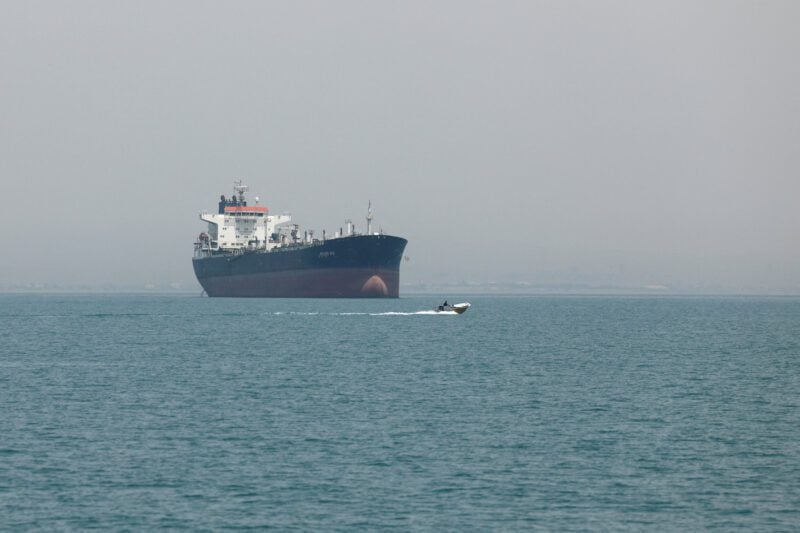
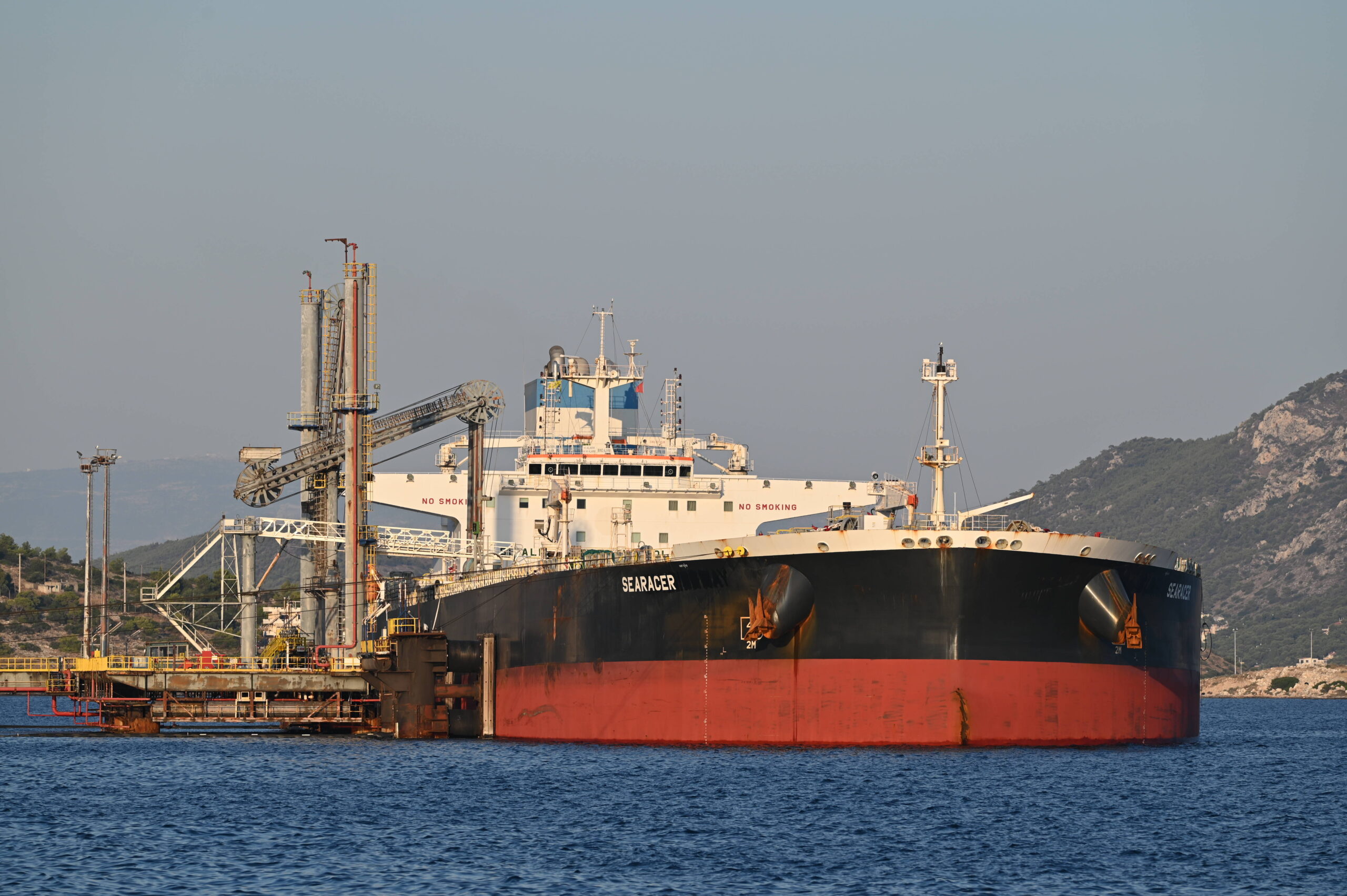
Pressure is intensifying across military, maritime and economic channels. Iran has reportedly attacked two US-allied tankers, continued missile and drone operations against Israel and US bases, and kept the Strait of Hormuz partly shut, while President Donald Trump has threatened economic consequences for states supporting Tehran and the United Arab Emirates suspended trade with Iran on 20 August. Diplomatic reporting remains contradictory, making a durable agreement unlikely in the next 1-3 months.
Executive summary
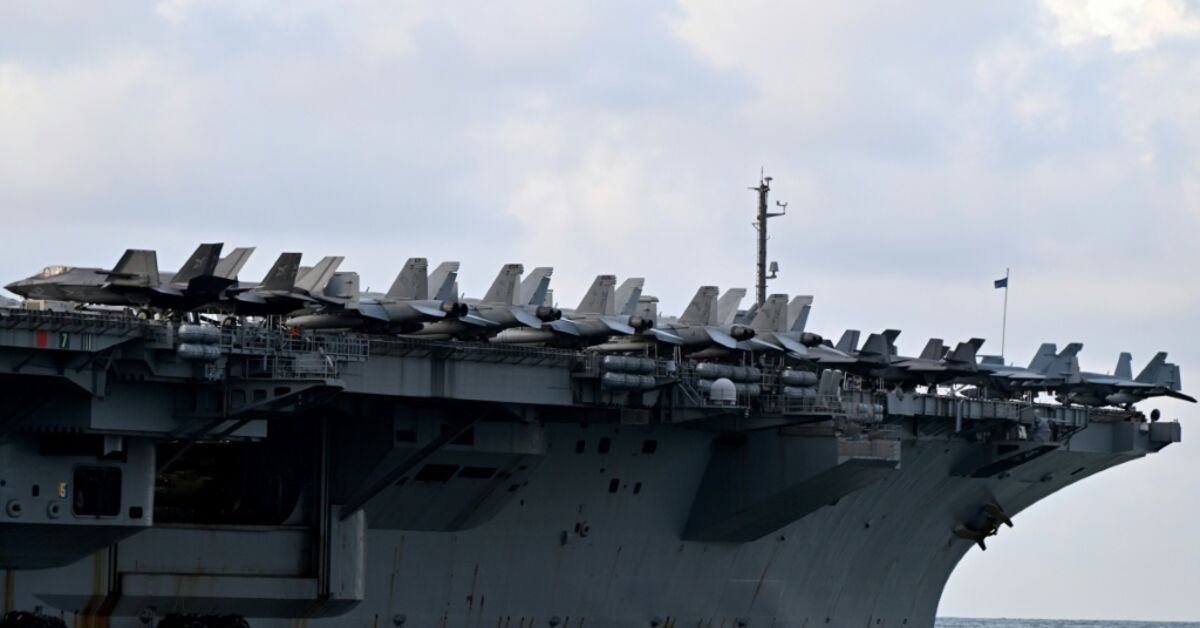
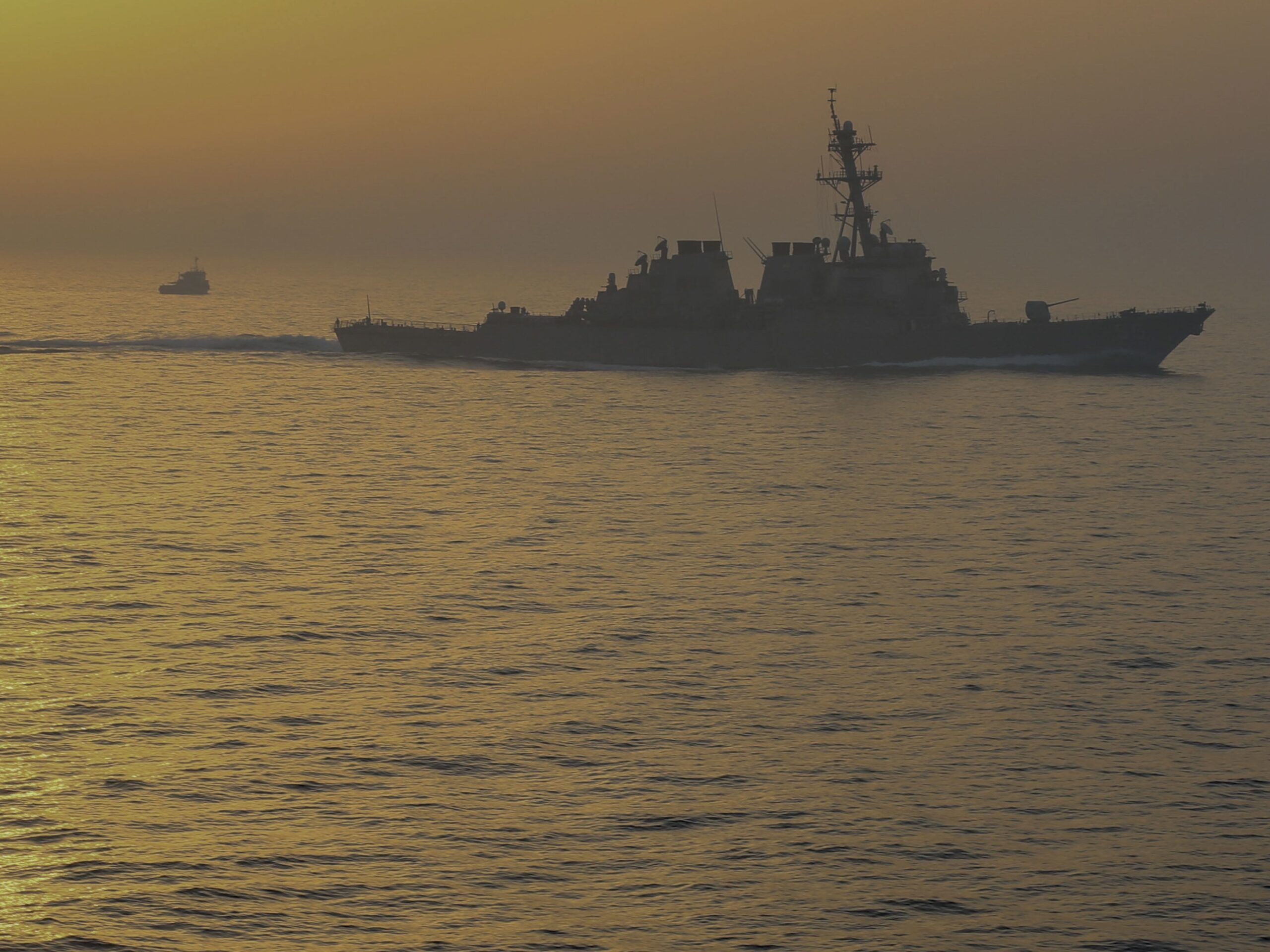
Between 14 and 21 August 2026, reporting describes an active US-Israeli conflict with Iran that spans missile and drone attacks, maritime disruption and economic coercion. Iran reportedly attacked two US-allied tankers on 14 August and has conducted attacks against Israel, US bases and US-aligned Arab countries. Tankers continue to transit the Strait of Hormuz, while Iran operates a passage-permit agency and negotiates with Oman on management of the strait. The United Arab Emirates suspended all trade activities with Iran on 20 August. The US has pressed allies and China to support economic isolation, introduced the DEMAND Act on 20 August and deployed the USS George Washington to the Middle East on 21 August. Iran is under severe economic strain, with reported inflation approaching 80 percent and its currency down almost 30 percent against the dollar this year. The main uncertainty is diplomatic: President Trump said no talks were taking place, while Jared Kushner said talks remained underway and were probably more robust than ever.
Key judgments
- The US-Israeli confrontation with Iran is very likely to remain an active multi-domain conflict over the next 0-14 days, with Iran combining missile and drone attacks against Israel, US bases and US-aligned Arab countries with attacks on US-allied tankers, while the US maintains an active military posture. This is an assessed judgement with medium confidence. Multiple major-media reports support the reported attacks and the conflict timeline, but the chronology is internally inconsistent because 28 February 2026 is described both as the start of the war and as the date of coordinated US-Israeli airstrikes. (Confidence: medium · ASSESSED)
- I&W: CONFIRM: Iranian missile or drone launches against Israel, a US base, a US-aligned Arab country or another US-allied tanker are reported and independently corroborated. (0-14 days)
- I&W: BREAK: US and Iranian authorities announce a verified cessation of attacks covering Iranian forces, US bases, Israel and commercial shipping. (0-14 days)
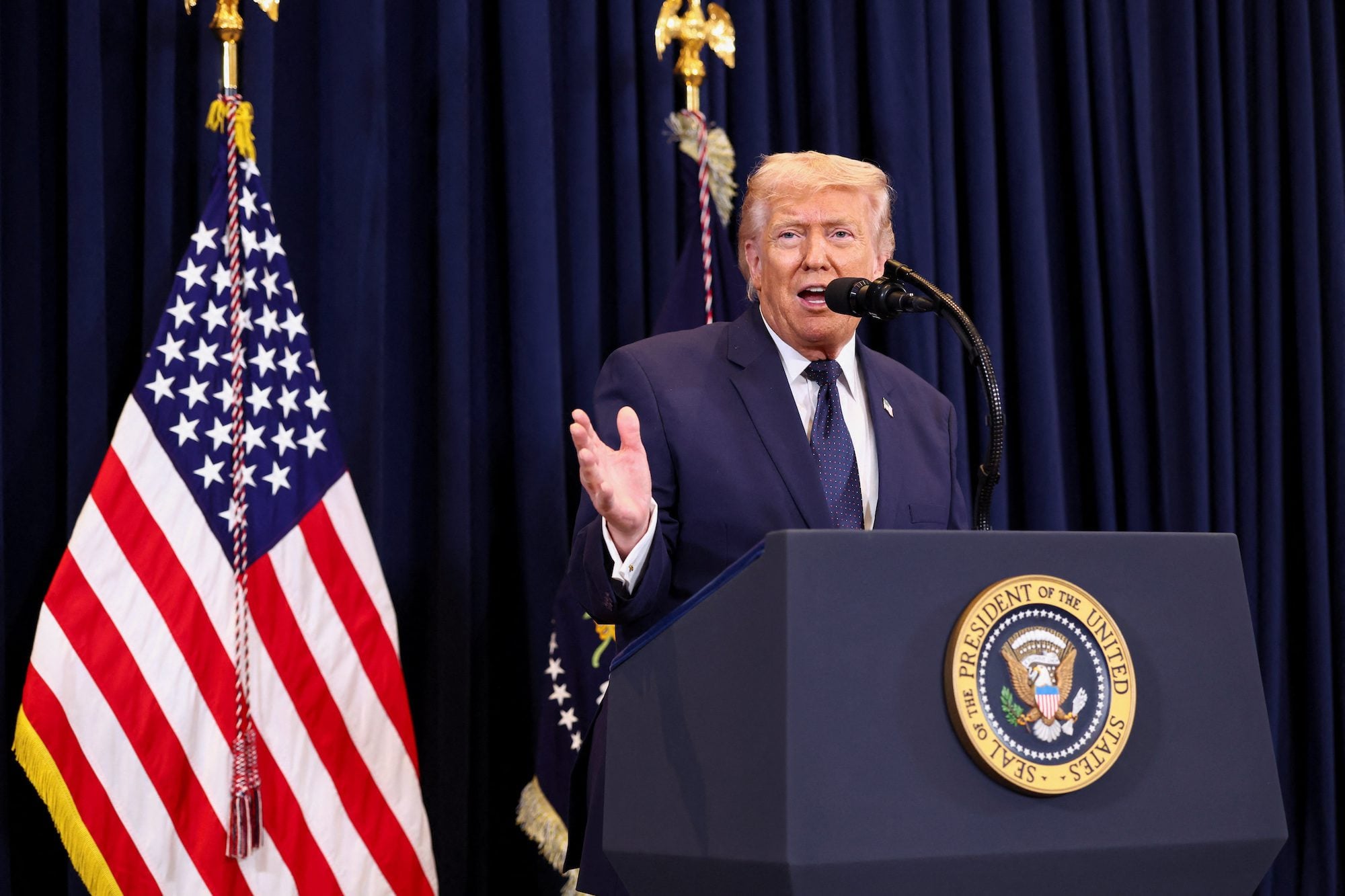
- The US is very likely broadening its pressure campaign against Iran and its trading partners across economic coercion and defence-industrial policy. President Trump has threatened economic consequences for any state providing Iran with a lifeline, Washington has urged allies and China to support economic isolation, and the United Arab Emirates suspended trade with Iran on 20 August. The DEMAND Act, introduced by Representative Ronny Jackson on 20 August, would expand the US defence industrial base and incorporate foreign military sales into Department of War planning. This is an assessed judgement with medium confidence. Official government reporting corroborates the legislation, while multiple major-media reports support the sanctions threats and UAE action, but implementation of the wider campaign remains uncertain. (Confidence: medium · ASSESSED)
- I&W: CONFIRM: The US Treasury or White House identifies and penalises a bank, business, airport or government entity in a third country for providing Iran with financial or commercial support. (0-14 days)
- I&W: BREAK: Washington publicly rescinds the threat of penalties against Iran's trading partners or grants a broad exemption that permits renewed trade with Iran. (0-14 days)
- Iran is likely to preserve partial control over traffic in the Strait of Hormuz while allowing some tanker movement, using passage permits and negotiations with Oman to retain leverage. The reporting describes partial closure, continued vessel movement, an Iranian agency for permits and payments, and negotiations with Oman on managing the strait. Saudi Arabia and the United Arab Emirates are also maximising pipelines and accelerating infrastructure that bypasses Hormuz, which is likely to reduce Iran's leverage over time. This is an assessed judgement with low confidence because the operating picture relies heavily on single-source maritime and think-tank reporting, and claims conflict over closure, shipping volume and chronology. (Confidence: low · ASSESSED)
- I&W: CONFIRM: AIS and port records show tankers continuing to enter and leave Hormuz while Iran issues passage permits or Oman announces progress in the management talks. (0-14 days)
- I&W: BREAK: Iran announces a full closure to commercial shipping and verified tanker transits fall to zero for 48 hours. (0-14 days)
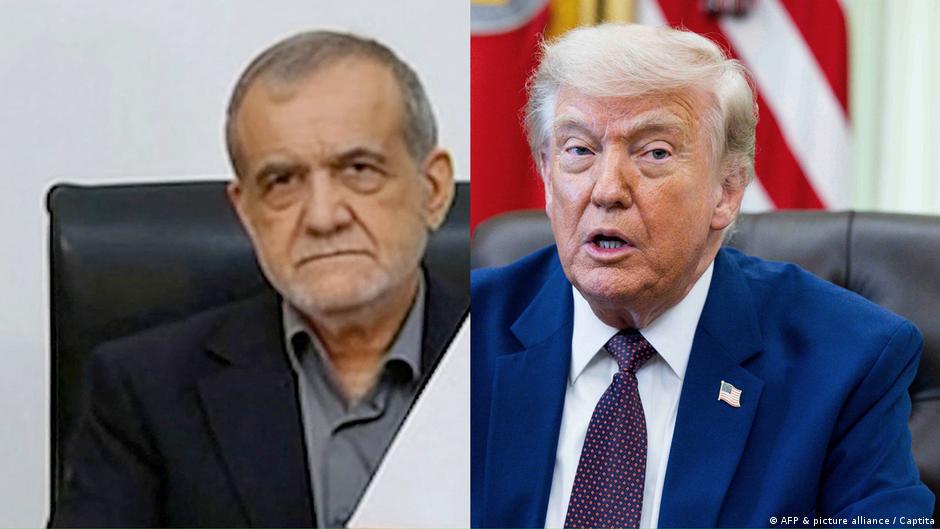
- A conclusive US-Iran agreement is unlikely in the next 1-3 months despite evidence that some channel remains open. President Trump said no talks were taking place, while Jared Kushner said talks were still underway and probably more robust than ever. Reporting also says Washington is seeking a diplomatic exit, whereas Dina Arakji assessed that a conclusive agreement is unlikely anytime soon. Iran has announced military readiness for any scenario. This is an assessed judgement with medium confidence because the evidence comes from multiple major-media reports but contains direct contradictions over the status of talks. (Confidence: medium · ASSESSED)
- I&W: CONFIRM: For 14 consecutive days, senior US and Iranian officials continue to describe talks as on hold or absent while reiterating military readiness or economic pressure. (0-14 days)
- I&W: BREAK: Washington and Tehran announce formal negotiations with named delegates, a venue, an agenda and a timetable for implementation. (0-14 days)
- Iran's internal economic strain and the wider energy and shipping shock are likely to persist through the next 1-3 months, increasing pressure on Tehran without demonstrating that sanctions alone will force capitulation. Reported indicators include almost 80 percent inflation in Iran, an almost 30 percent fall in the rial's value against the dollar this year, a 6.7 million barrel-per-day fall in combined oil production in Kuwait, Iraq, Saudi Arabia and the United Arab Emirates, and an estimated US war cost of $113.3 billion as of June 2026. Iran has nevertheless continued exporting oil despite sanctions. This is an assessed judgement with medium confidence because several major-media reports corroborate the economic effects, while some figures have contested or mismatched dates. (Confidence: medium · ASSESSED)
- I&W: CONFIRM: Iranian inflation rises again and the rial records further depreciation against the dollar while verified oil exports continue. (1-3 months)
- I&W: BREAK: Iranian oil exports stop, reported inflation stabilises and the rial ceases to lose value against the dollar for a sustained month. (1-3 months)
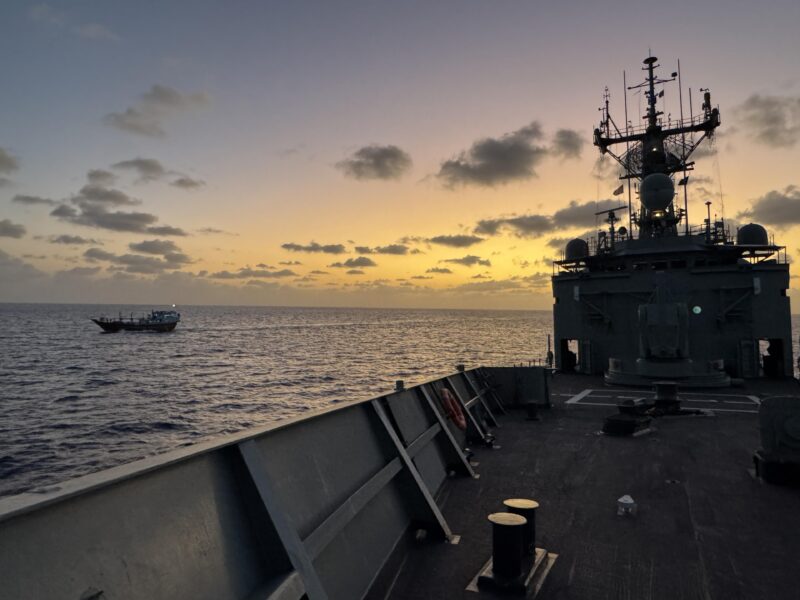
- The reported seizure of the sanctioned tanker Sibu 1 is likely to keep maritime security risk elevated in the Gulf of Aden, but it is very unlikely that the available claims alone establish Iranian responsibility. The vessel reportedly broadcast a distress message reading 'PIRATE ONBOARD HELP', was boarded by six armed men and was redirected towards Somalia. The incident remains low confidence because the supporting claims carry conflicting 2023, 2024 and 2026 dates, and UKMTO did not provide further details on the vessel or crew. (Confidence: low · ASSESSED)
- I&W: CONFIRM: UKMTO or maritime security sources verify Sibu 1's location, crew status and diversion, or report another boarding in the Gulf of Aden. (0-14 days)
- I&W: BREAK: UKMTO or the vessel operator states that no seizure occurred and AIS or port records show Sibu 1 following its declared voyage. (0-14 days)
Outlook & scenarios
Managed coercion with controlled shipping (45%)
Over the next 1-3 months, Washington expands sanctions and diplomatic pressure while the United Arab Emirates maintains its trade suspension. Iran keeps partial restrictions on the Strait of Hormuz, permits some tanker movement and preserves negotiations with Oman. Missile and drone attacks remain limited enough to avoid a wider US-Iran settlement, while no conclusive agreement emerges.
Renewed kinetic escalation (30%)
Iranian hardliners use rebuilt missile infrastructure to increase attacks against Israel, US bases, US-aligned Arab countries or commercial tankers. The US and Israel respond militarily, and the USS George Washington supports a more sustained US posture in the Middle East. Shipping disruption intensifies and Gulf partners face further pressure on air-defence stocks.
Limited de-escalation through Oman (20%)
Oman converts its discussions with Iran into an interim arrangement on Strait of Hormuz management. Tanker movements increase, public threats ease and Washington and Tehran resume formal talks. The arrangement reduces immediate maritime risk but does not produce a conclusive settlement within 1-3 months.
Full Hormuz closure and confrontation involving Oman (10%)
This is an unlikely, high-impact wildcard. Iran closes the Strait of Hormuz to commercial shipping, tanker movements stop and the existing global oil disruption worsens. Oman's role as a mediator becomes untenable after President Trump threatens military action if Oman obstructs US efforts, creating a direct US-Oman crisis alongside the conflict with Iran.
Recommendations
- Maintain a single 24-hour diplomatic tracker that separates President Trump's statements from Jared Kushner's reporting and from statements by Abbas Araghchi, Kazem Gharibabadi and other Iranian officials. Record whether each source describes talks as active, paused or absent.
- Build a vessel-level Strait of Hormuz dashboard using AIS, port calls and tanker movement data. Track Iranian passage permits, the Oman negotiations, China's review of tanker movements and any change from the reported 50/50 split of vessels entering and leaving the strait.
- Create a sanctions watchlist for Iranian oil buyers, financial institutions, businesses, airports and government entities in third countries. Prioritise developments involving the United Arab Emirates, China, Chinese refineries and Iran's continuing oil exports.
- Monitor military tripwires separately from political rhetoric. Prioritise evidence of further Iranian missile infrastructure rebuilding, missile or drone launches against Israel and US bases, attacks on US-allied tankers, and changes in the deployment of the USS George Washington.
- Treat the Sibu 1 seizure as an unconfirmed attribution issue. Seek UKMTO, operator, AIS and port evidence on the vessel and crew before linking the incident to Iran or incorporating it into an Iran-specific maritime threat assessment.
- Update an economic stress dashboard at least weekly with Iranian inflation, rial performance, oil exports, the oil shipping index, reported production losses in Kuwait, Iraq, Saudi Arabia and the United Arab Emirates, and the estimated US cost of the war.
Confidence & uncertainty
Overall confidence is medium. The strongest reporting is supported by official US government material on the DEMAND Act and by multiple major-media accounts covering military activity, sanctions, diplomacy, shipping and economic effects. Confidence is reduced by direct contradictions over whether talks are active, inconsistent conflict dates, several single-source maritime claims and a mixture of current and apparently stale reporting. The Sibu 1 incident and the precise operating picture in the Strait of Hormuz warrant particular caution.
Cited sources
[1] Wikipedia · 2026 Iran war (B) · sha256:6297f810f1e3 [2] Wikipedia · China in the 2026 Iran war (B) · sha256:60d44e02688c [3] aljazeera.com · NATO ‘prepared’ to defend allies amid report of Iranian strike plans (A) · sha256:d27c48b4b04e [4] Doetarf Futwsoh · Iran Just Attacked Two U.S. Ally Tankers — Then America Responded (B) · sha256:1c703e0dccd2 [5] al-monitor.com · US pushes allies, China to back Trump's economic war on Iran (B) · sha256:d32db4210862 [6] abc.net.au · US urges allies and China to join economic campaign to 'collapse' Iran (A) · sha256:5aac3a61476d [7] gcaptain.com · US Will Impose 'Toughest Sanctions in History' on Iran, Bessent Says (A) · sha256:d05c2b26d817 [8] Jerusalem Post · 'Economic D-Day': Trump threatens economic warfare against countries aiding Iran (B) · sha256:654e07c74f9b [9] jackson.house.gov · Rep. Ronny Jackson Leads Legislation to Strengthen America’s Defense Industrial Base and Support Trump’s America First Arms Transfer Strategy (A) · sha256:8d0607fb47b9 [10] gcaptain.com · Maritime Markets Bracing for Long-term Disruption in the Middle East (B) · sha256:6c857ad7ae5b [11] Atlantic Council · The crisis in the Strait of Hormuz is a heavy blow to the deteriorating maritime order (C) · sha256:94088fec580a [12] Atlantic Council · Iran is draining its leverage in the Strait of Hormuz. Trump’s best move is to let it happen. (C) · sha256:91526e3eaa58 [13] Deutsche Welle · انتهاء مهلة الـ60 يوما. خيارات واشنطن بين التفاوض والتصعيد (A) · sha256:a74857d65bcd [14] التلفزيون العربي · وسط جمود المحادثات مع واشنطن. إيران تعلن الجاهزية العسكرية لأي سيناريو محتمل | التلفزيون العربي (B) · sha256:af5300a3f68c [15] gcaptain.com · Trump Threatens Economic Isolation for Iran and Its Trading Partners (B) · sha256:cf8d93b087a4 [16] Wikipedia · Economic impact of the 2026 Iran war (B) · sha256:db39effd7ba9 [17] gcaptain.com · Sanctioned Shadow Fleet Tanker Hijacked in Gulf of Aden and Diverted Toward Somalia (B) · sha256:9fe603ec0b58 [18] gcaptain.com · Tanker off Yemen Boarded by Armed People, Diverted Towards Somalia, UKMTO Says (B) · sha256:e231a26109ce
Source content hashes were computed at collection time; the cited text is preserved unmodified for the life of this product.
TLP:CLEAR