TLP:CLEAR · Disclosure is not limited.
Iran's Escalation of Strait of Hormuz Disruptions Amid Diplomatic Tensions
Time window: Last 7 days · Audience: General analyst · Type: Situation report · DTG: 2026-07-07 18:14Z · Overall confidence: MEDIUM
BLUF
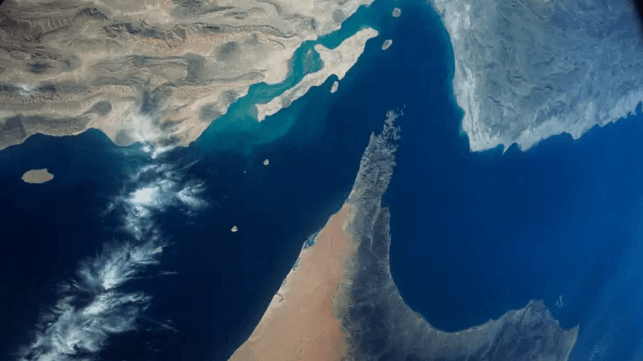
Iran has intensified attacks on commercial shipping in the Strait of Hormuz on 7 July 2026, striking a Qatari liquefied natural gas carrier and a Saudi crude oil tanker, escalating tensions despite a US-Iran interim peace deal announced on 14 June 2026. Oil prices rose 3% following these attacks, reversing a trend of declining prices. The situation represents the most severe maritime security challenge to the Strait of Hormuz since the outbreak of the US-Israeli conflict with Iran on 28 February 2026.
Executive summary
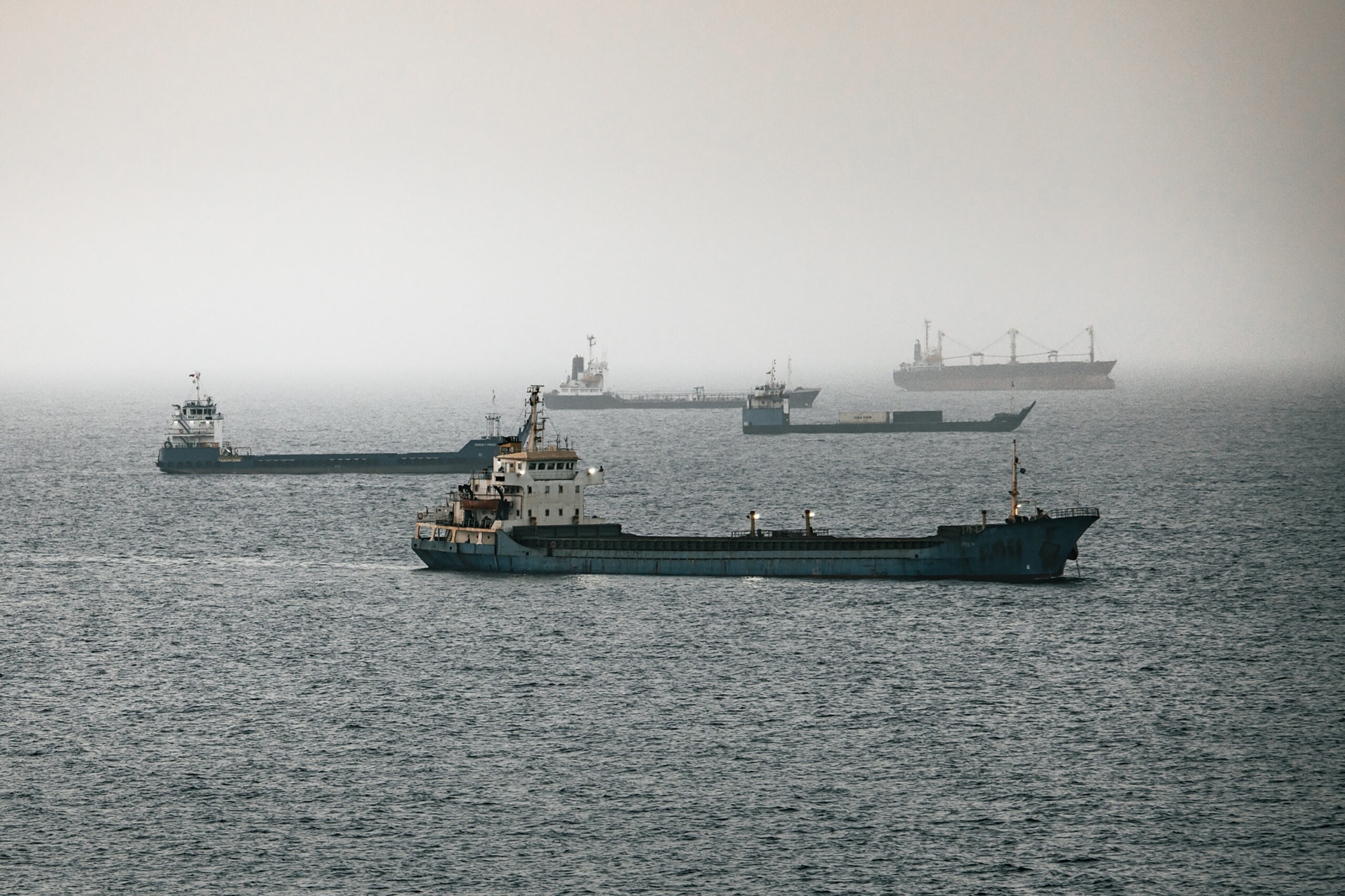
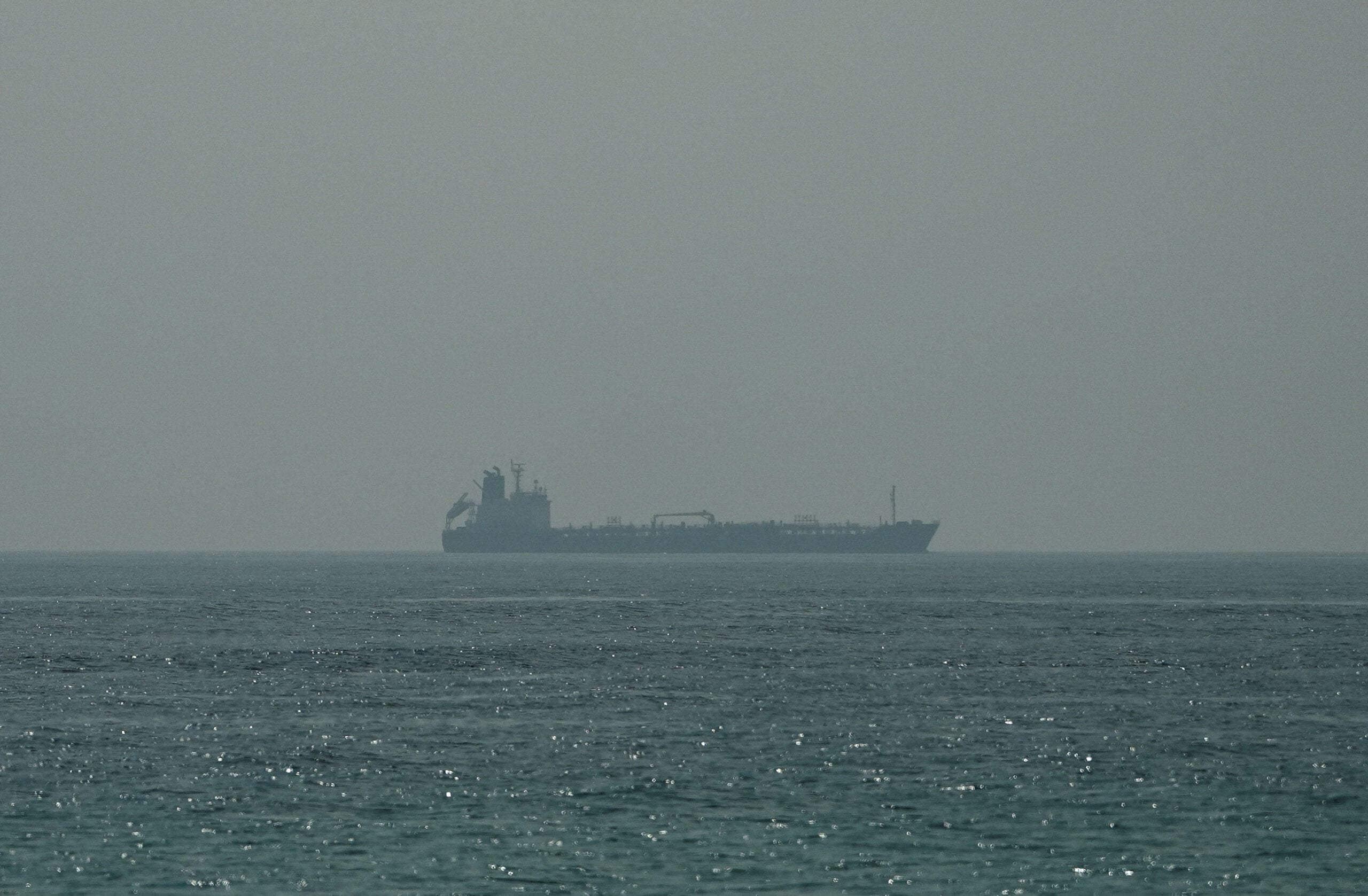
Iranian forces have escalated military pressure on commercial shipping in the Strait of Hormuz with attacks on two vessels on 7 July 2026, despite ongoing diplomatic efforts. The Qatari LNG carrier Al Rekayyat was struck by a missile near Oman's coast, forcing the crew to abandon ship, while a Saudi crude oil tanker was damaged exiting the strait. Iran asserts it has monopolised passage through the waterway through Iranian arrangements. These attacks test a US-Iran interim peace deal announced on 14 June 2026 and have contributed to a 3% rise in oil prices. The International Energy Agency reports that cumulative supply losses from the 2026 Iran conflict have exceeded 1 billion barrels, with peak losses exceeding 14 million barrels per day.
Key judgments
- Iranian forces very likely conducted the attacks on the Qatari liquefied natural gas carrier and Saudi crude oil tanker on 7 July 2026 in the Strait of Hormuz region. (Confidence: high · ASSESSED)
- I&W: IRGC claims responsibility for striking vessels in the Strait of Hormuz (0-14 days)
- I&W: Subsequent vessel attacks attributed to Iranian forces through technical forensic analysis (1-3 months)
- Oil prices have likely increased as a direct result of the 7 July 2026 attacks on shipping in the Strait of Hormuz. (Confidence: high · REPORTED)
- I&W: Sustained oil price level above $75 per barrel (1-4 weeks)
- I&W: Decline in oil futures prices to below pre-7 July levels (1-4 weeks)
- The July 7 attacks almost certainly mark the most significant escalation in Strait of Hormuz attacks since the June 14 announcement of a US-Iran memorandum to end the war. (Confidence: high · ASSESSED)
- I&W: Subsequent attacks on additional vessels beyond the initial two on 7 July (0-14 days)
- I&W: US military action against Iranian assets linked to the attacks (0-14 days)
- Iran is almost certainly committed to maintaining control over passage through the Strait of Hormuz through implementation of 'Iranian arrangements', as evidenced by recent attacks. (Confidence: high · REPORTED)
- I&W: Iranian authorities announce mandatory routing through new Iranian-determined corridor in Strait of Hormuz (0-14 days)
- I&W: Commercial vessels transit Strait without incident using traditional routing (1-4 weeks)
- Iranian forces very likely opened fire on merchant shipping in the Strait of Hormuz on 7 July 2026 as part of a renewed campaign to dominate control of the waterway's traffic. (Confidence: medium · REPORTED)
- I&W: Confirmation that the projectile type matches Iranian weaponry (1-4 weeks)
- I&W: Iranian denial of responsibility for attacks while suggesting legitimate targeting (0-14 days)
- The US-Iran interim peace deal is unlikely to withstand further attacks on commercial shipping in the Strait of Hormuz. (Confidence: medium · ASSESSED)
- I&W: US announces new military assets deployed to the Persian Gulf within 14 days (0-14 days)
- I&W: Additional diplomatic engagement between US and Iranian officials beyond July (1-3 months)
Outlook & scenarios
Limited Escalation Path (45%)
Iran continues targeted harassment of commercial vessels in the Strait of Hormuz, testing the boundaries of the US-Iran interim agreement without further large-scale attacks. Qatar mediates between Iran and US allies, facilitating limited US-Iran talks through Oman. Oil prices stabilise around $70-$75 per barrel as shipping routes adapt to fragmented traffic patterns. The Joint Maritime Information Center's 'SUBSTANTIAL' threat classification remains in place, with vessels adopting different routing strategies based on risk assessments.
Diplomatic Resolution Path (30%)
Gulf Cooperation Council states successfully coordinate pressure on Iran through economic measures and diplomatic channels, leading to Iran withdrawing from Strait of Hormuz blockage by mid-August 2026. The US-Iran memorandum is formalised, including specific arrangements for Strait transit protocols. Saudi Arabia's pipeline to the Red Sea coast and United Arab Emirates' diversification efforts alleviate some transit dependence. Oil prices return to $65-$70 per barrel range, with OPEC+ coordinating output increases of approximately 188,000 barrels per day beginning in August.
Full Escalation Path (25%)
Iran continues attacks on commercial shipping in the Strait of Hormuz, prompting US and allied naval countermeasures that lead to direct military engagement with Iranian forces. Gulf Cooperation Council states, particularly the United Arab Emirates and Saudi Arabia, respond with coordinated military action against Iranian targets. The Strait becomes effectively closed to all commercial traffic by late July 2026, triggering oil prices above $100 per barrel. India's strategic petroleum reserves and alternative supply partnerships provide limited cushion against energy shortages. Global economic costs increase by approximately $190 billion annually for every $5 increase in oil prices.
Recommendations
- Direct the International Emergency Operating Committee to establish real-time monitoring of vessel transits through the Strait of Hormuz, with particular focus on thermal anomaly patterns consistent with military activity
- Urgently coordinate with Saudi Arabia, United Arab Emirates, and Oman to implement alternative shipping corridors verified through joint naval escorts for critical energy shipments
- Accelerate implementation of strategic petroleum reserve drawdown protocols in coordination with the International Energy Agency to mitigate oil price volatility beyond current 400 million barrel release
- Initiate diplomatic channels through Qatar to clarify Iranian 'arrangements' requirements for Strait of Hormuz transit, with specific focus on establishing predictable vessel routing protocols
Confidence & uncertainty
Overall confidence is medium due to multiple corroboration points across official government sources, major media outlets, and maritime security reports regarding vessel attacks in the Strait of Hormuz on 7 July 2026. Several high-confidence sources confirm the attacks on the Qatari LNG carrier and Saudi crude oil tanker. However, uncertainties exist regarding Iranian intent behind the attacks against the backdrop of the US-Iran interim peace deal announced on 14 June 2026, with conflicting claims about the timeline and attribution of recent incidents. Some economic impact claims regarding oil price movements have low-confidence corroboration due to contradictory reporting on whether prices have risen or fallen since the conflict began. The medium confidence rating reflects these unresolved tensions between reliable event reporting but ambiguous strategic intent analysis.
Alternative analysis (red cell)
The 7 July 2026 attacks likely occurred in the Gulf of Oman rather than the Strait of Hormuz, as claims d15724f2 and b400d3b9 place the incident 8 nautical miles east of Limah, Oman. Attribution to Iranian forces relies solely on uncorroborated secondary reporting (claim 38aefaca), while contradictions in attack attribution (e7650c10 vs a215a90e) leave non-state or third-party actors plausible. These attacks therefore may not constitute an intentional Iranian campaign to dominate the Strait.
Cited sources
[1] gcaptain.com · Oil Rises After Attacks Near Strait of Hormuz Renew Supply Fears (A) · sha256:103afc21b3c7 [2] gcaptain.com · Qatari LNG Ship Struck in Strait of Hormuz, Testing US Talks (A) · sha256:3113a0e31733 [3] nypost.com · OPEC+ approves further oil output increase as Strait of Hormuz exports recover (B) · sha256:f68e2aa8d0e3 [4] maritime-executive.com · Iran Resumes Attacks on Merchant Shipping With Strike on LNG Carrier (B) · sha256:e822179d55b8 [5] The Jerusalem Post · Live Updates: Latest from Israel, Iran, and Middle East | The Jerusalem Post (A) · sha256:cb114953adc3 [6] insurancejournal.com · Update: Qatari LNG Ship Struck in Strait of Hormuz, Testing US Talks (A) · sha256:8e841dc5bfca [7] Wikipedia · 2026 Iran war (B) · sha256:4f7ef575b401 [8] gcaptain.com · LNG Tanker Struck by Projectile Near Hormuz, Sparking Fire (B) · sha256:cf5bffa0fae0 [9] oilandgas360.com · OPEC+ likely to raise output targets by 188,000 bpd in August - Oil & Gas 360 (B) · sha256:4771b9db9d0c
Source content hashes were computed at collection time; the cited text is preserved unmodified for the life of this product.
Red cell review: PARTIAL DISSENT
TLP:CLEAR