TLP:CLEAR · Disclosure is not limited.
Iran: Threat Posture and Hormuz Risk
Time window: Last 7 days · Audience: General analyst · Type: Situation report · DTG: 2026-08-24 00:08Z · Overall confidence: LOW
BLUF
Iranian forces are reported to have used missile and drone attacks against Israel and US military bases, while Iranian officials warn of a broad response to new US pressure. A further exchange involving US bases, Israel, the UAE, Saudi Arabia or Kuwait is likely to sustain pressure on the Strait of Hormuz and raise the risk of wider regional escalation.
Executive summary
Reporting for 17 to 24 August depicts an active Iranian threat posture towards US forces and partners, alongside continued uncertainty over the status of the June US-Iran halt arrangement. NATO has warned that US military assets in Europe might be targeted if the conflict expands, while JMIC continues to rate the Strait of Hormuz threat level as severe. Washington is expected to detail a new economic pressure mechanism on 24 August. The evidence base remains weak overall because several claims carry low source confidence, reporting contains major date and policy-status inconsistencies, and US oil-flow figures are disputed. UNICEF separately reports that the conflict is raising fuel and fertiliser costs in Somalia, where aid cuts have already closed more than 200 health and nutrition facilities.
Key judgments
- Iran is very likely maintaining an active threat posture towards US forces and US-aligned states. Reported activity includes missile and drone attacks against Israel, US military bases and US-aligned Arab countries, alongside warnings by Major General Ali Abdollahi and other Iranian officials of a broad or devastating response to new US threats. The record lacks independently corroborated operational detail for each reported attack, so this assessment is not high confidence. (Confidence: medium · ASSESSED)
- I&W: Confirm: Within 0-14 days, Iranian forces conduct another missile or drone attack against an identified US military base, Israel, the UAE, Saudi Arabia or Kuwait, or issue a specific new threat against one of those targets. (0-14 days)
- I&W: Break: Within 0-14 days, Iran's armed forces publicly withdraw the warning and no further attack is reported against the named targets. (0-14 days)
- The June 2026 US-Iran halt arrangement is unlikely to impose a durable restraint on hostilities. The reported memorandum and announcement to halt fighting were followed by President Donald Trump's declaration on 7 July that the memorandum was over, while separate reporting describes Iranian and US blockades and limited shipping arrangements. The evidence is internally inconsistent on the timing and status of these measures, which lowers confidence. (Confidence: low · ASSESSED)
- I&W: Confirm: Within 0-14 days, US or Iranian leaders announce termination of the arrangement, or either side conducts new military action while the arrangement remains unresolved. (0-14 days)
- I&W: Break: Within 1-3 months, both governments publicly reaffirm the June arrangement and reported attacks and blockades cease while the separate Hormuz shipping lanes operate under it. (1-3 months)
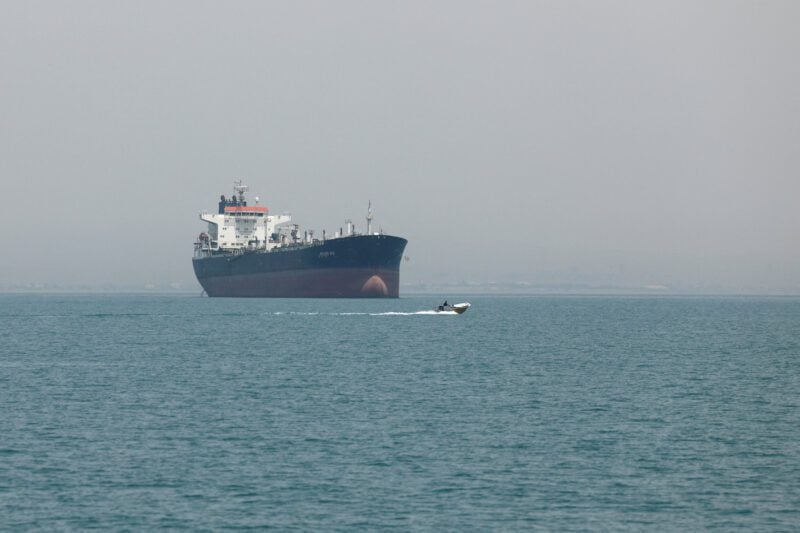
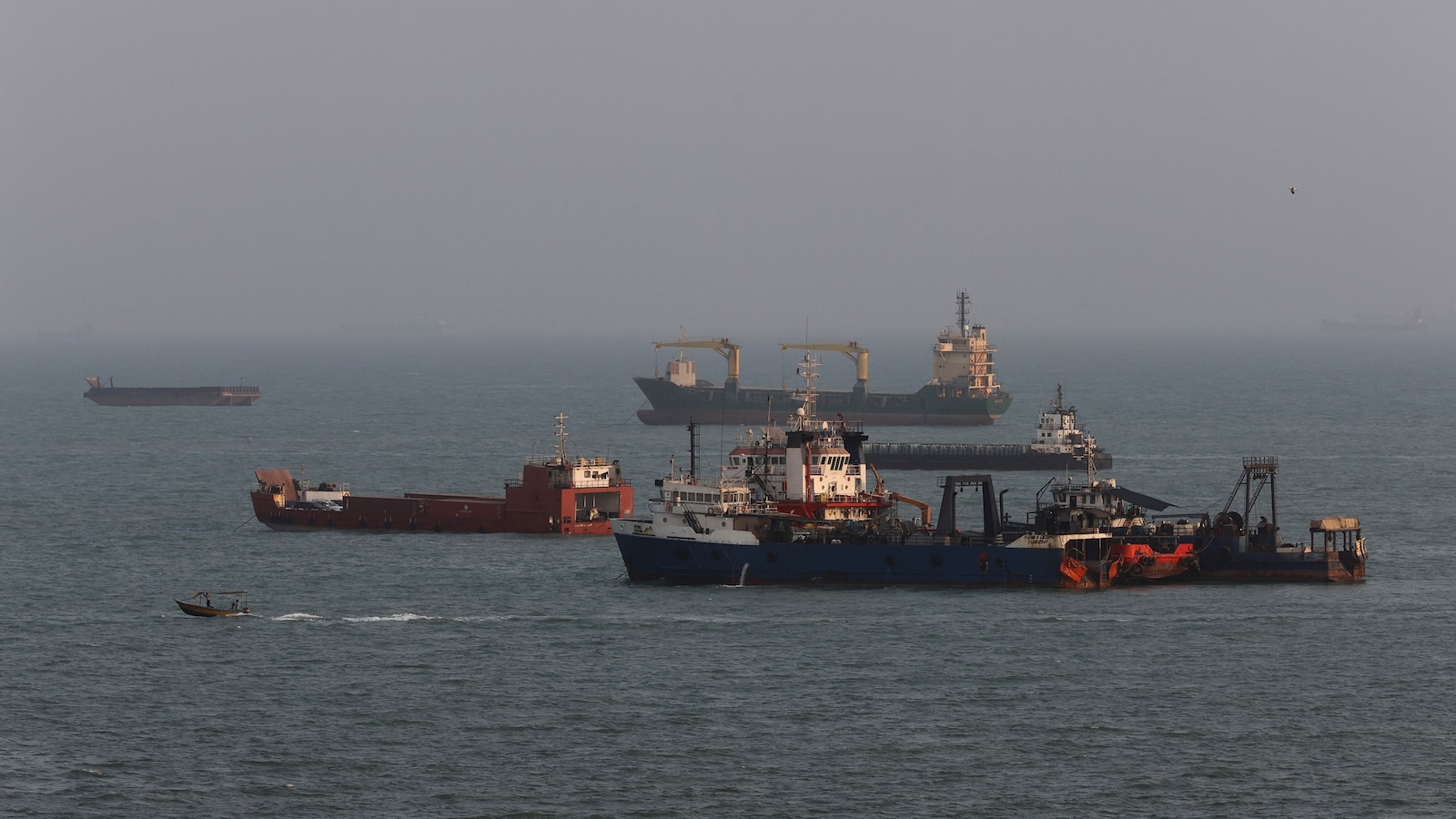
- The Strait of Hormuz is likely to remain a severe and below-normal maritime risk. JMIC continues to rate the threat as severe, Kpler reported a 19.5 per cent fall in confirmed crossings to 95, and another report recorded 10 crossings on 10 August. Separate US claims of more than 8 million barrels per day moving through the strait have been challenged, so the scale of the disruption remains uncertain even though the direction of risk is consistent. (Confidence: medium · ASSESSED)
- I&W: Confirm: Within 0-14 days, JMIC keeps the threat level at severe and Kpler reports weekly crossings below 95 or additional attacks on commercial vessels in Hormuz. (0-14 days)
- I&W: Break: Over the next two weeks, JMIC lowers the threat rating below severe and Kpler reports at least 95 confirmed crossings in each week. (0-14 days)
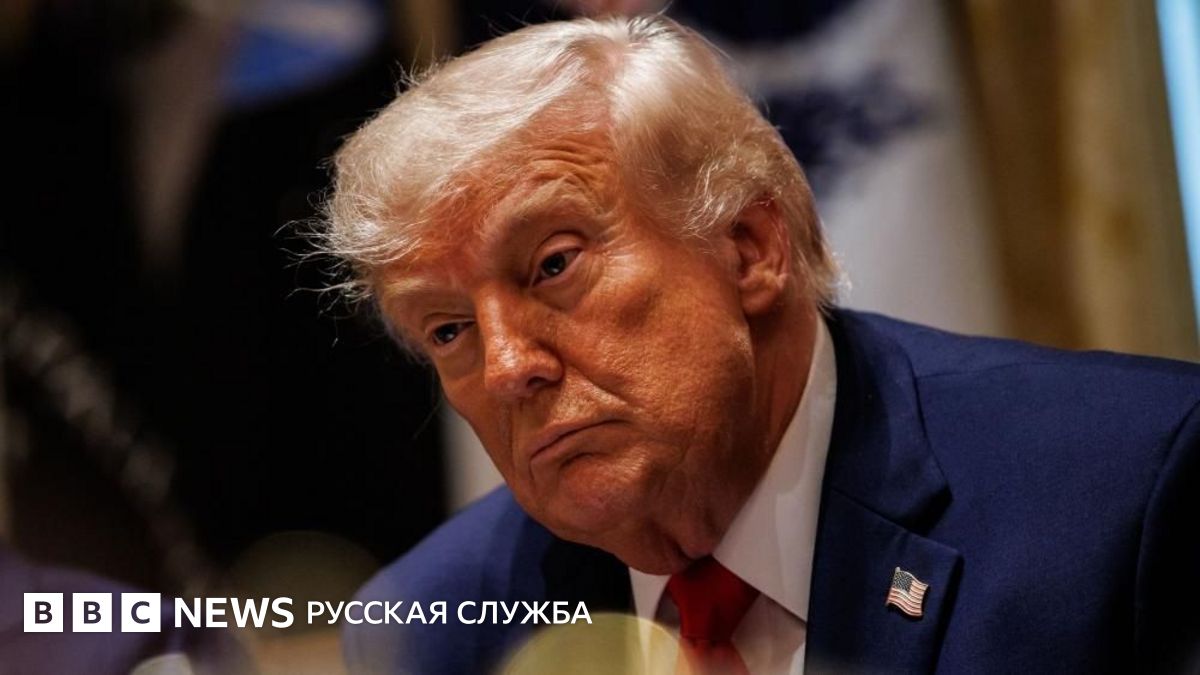
- Washington is very likely to detail a new economic pressure mechanism against Iran on 24 August, but the measures are unlikely on current evidence to end Iran's military threats. The scheduled announcement is supported by a high-confidence report, while the expected effect is inferential. Iran has demonstrated adaptation to economic pressure, China reportedly buys more than 80 per cent of Iran's shipped oil, and Iranian officials acknowledge both the strain caused by sanctions and the need to circumvent them. (Confidence: medium · ASSESSED)
- I&W: Confirm: By 24 August, Scott Bessent publishes details of the mechanism, followed within 0-14 days by new Iranian warnings or missile and drone activity. (0-14 days)
- I&W: Break: Within 1-3 months, Iran halts its stated threats and reported attacks after the measures, while China's reported purchases account for materially less than the current 80 per cent baseline. (1-3 months)
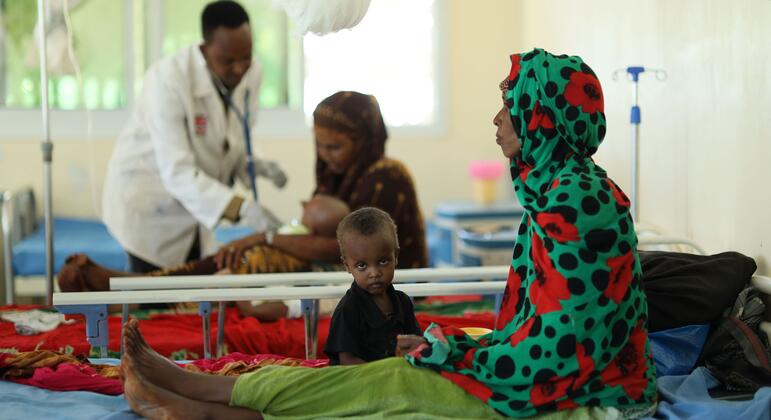
- The ongoing US-Iran conflict is likely to deepen pressure on humanitarian operations in Somalia. UNICEF reports that the conflict is raising fuel and fertiliser costs, while Somalia has recorded a 32 per cent increase in children admitted to stabilisation centres, more than 200 facility closures and a projection of nearly 1.9 million children affected by malnutrition. The direct reporting is reliable, but the additional deterioration assessed here depends on the conflict and aid disruption persisting. (Confidence: medium · ASSESSED)
- I&W: Confirm: Within 1-3 months, UNICEF reports further increases in fuel or fertiliser costs, additional closures beyond the 200 already reported, or admissions rising above the 32 per cent increase. (1-3 months)
- I&W: Break: Within 1-3 months, UNICEF reports that fuel and fertiliser costs have stabilised and no further health or nutrition facilities have closed. (1-3 months)
Outlook & scenarios
Pressure with limited containment (45%)
Washington details the new economic mechanism on 24 August. Tehran continues issuing warnings, but no new major attack is confirmed against US forces or Gulf partners. Hormuz shipping remains reduced, while Iraq, Saudi Arabia and the UAE continue using routes or infrastructure that bypass the strait.
Hormuz retaliation cycle (35%)
Iranian forces conduct another attack against a US base, a Gulf partner or a commercial vessel. President Trump orders the heavy strikes previously threatened against Iran. Hormuz crossings fall further, and the resulting disruption adds pressure to oil-dependent states and humanitarian operations in Somalia.
Sanctions pressure without capitulation (30%)
The United States expands financial penalties against Iran, while China rejects their effectiveness and continues buying a large share of Iran's shipped oil. Iran adapts its trade and military behaviour rather than ending its warnings or attacks. Economic pressure rises without a clear reduction in the threat to US forces.
Wildcard: conflict reaches Europe (10%)
Iran targets US military assets in Europe, converting NATO's warning into a direct alliance crisis. The United States and European allies respond with force-protection measures and additional military action, while the Gulf confrontation continues.
Recommendations
- Maintain a 0-14-day warning matrix covering Iranian missile and drone activity against named US bases, Israel, the UAE, Saudi Arabia and Kuwait. Record Iranian statements by Major General Ali Abdollahi and other senior officials separately from verified operational reporting.
- Reconcile maritime reporting daily. Compare JMIC's severe rating, Kpler's crossing counts and verified vessel incidents with claims of more than 8 million barrels per day and 15 to 20 million barrels moved. Treat the oil-flow figures as unresolved until tracking data corroborates them.
- Prepare a sanctions-response tracker for Scott Bessent's 24 August announcement. Monitor the mechanism's effect on Chinese purchases of Iranian oil, Iran's documented sanctions-circumvention activity and any change in Iranian threats or attacks.
- Add Somalia to the near-term impact watch. Track UNICEF reporting on fuel and fertiliser costs, facility closures, admissions to stabilisation centres and access to nutrition services against the current figures of more than 200 closures and a 32 per cent rise in admissions.
- Quarantine low-confidence reporting until independently corroborated, particularly social-media claims about Chinese weapons shipments to Tehran and Iranian missile strikes against US forces in Jordan. Separate records dated 2023 and 2020 from the 2026 operating picture before using them in trend analysis.
Confidence & uncertainty
Overall confidence is low because the strongest reporting supports the existence of Iranian threats, attacks and severe Hormuz risk, but the evidence base contains substantial gaps. Several claims are single-source or low-confidence, some sources are social media or unknown, and the record includes incompatible dates for blockades, ceasefires and sanctions. The reported oil-flow figures are also contested, while the status of the June US-Iran halt arrangement remains unresolved.
Cited sources
[1] Wikipedia · 2026 Iran war (B) · sha256:0700e338ce83 [2] TimesXP · Iran To Bomb List Of U.S. Ally Nations Amid Iran-Israel-U.S. War (B) · sha256:e2ce8654a759 [3] arabnews.jp · Trump says Tehran not ready for ‘right deal’ as Iran’s military threatens ‘devastating’ response (B) · sha256:13475a956822 [4] News18 J&K · Iran Warns US Allies: Support America and Become Our Enemy | Hormuz Tensions Rise | News18 J&K (B) · sha256:9a8d42efa92d [5] MIRROR NOW · NATO On HIGH ALERT: Iran Threatens US Bases In Europe As Alliance Warns ‘We Will Defend All Allies’ (B) · sha256:dcfb15a78f35 [6] Wikipedia · 2025–2026 Iran–United States negotiations (F) · sha256:51f0c9595190 [7] Wikipedia · Iran–United States relations (B) · sha256:ff64c6acf5c0 [8] abcnews.com · Trump appears to have dropped his tit-for-tat approach to Iran attacks in the Strait of Hormuz (A) · sha256:c40d845dd1e1 [9] Atlantic Council · The crisis in the Strait of Hormuz is a heavy blow to the deteriorating maritime order (C) · sha256:94088fec580a [10] gcaptain.com · Trump Administration Claims Massive Oil Flows Through Hormuz But Industry Data Raises Questions (B) · sha256:8f4f24a9f59d [11] gcaptain.com · Iran Grants Permission For A Number Of Iraqi Oil Tankers To Pass Through Hormuz (A) · sha256:b05a196bce7e [12] BBC News Русская служба · «Кто не с нами, тот против нас». США обещают сокрушить Иран новыми санкциями, но насколько болезненными они могут быть? - BBC News Русская служба (A) · sha256:49bacd2662a7 [13] NBC News · Iran vows ‘devastating’ response as U.S. threatens toughest ever economic hit (A) · sha256:b045ea9795ed [14] United Nations · Somalia: Humanitarian aid cuts leave millions of children vulnerable to hunger (A) · sha256:2a8c20f6ae5a
Source content hashes were computed at collection time; the cited text is preserved unmodified for the life of this product.
TLP:CLEAR