TLP:CLEAR · Disclosure is not limited.
Iran, U.S. escalation heightens Israel risk as Hormuz pressure grows
Time window: Last 1 day · Audience: General analyst · Type: Situation report · DTG: 2026-07-13 07:01Z · Overall confidence: MEDIUM
BLUF
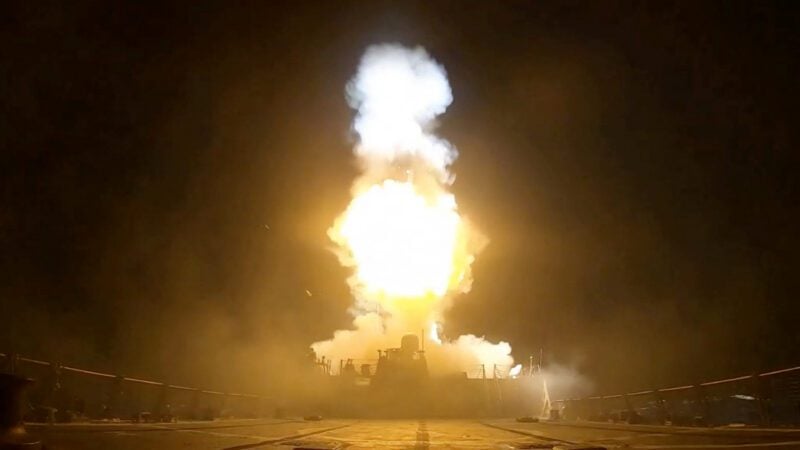
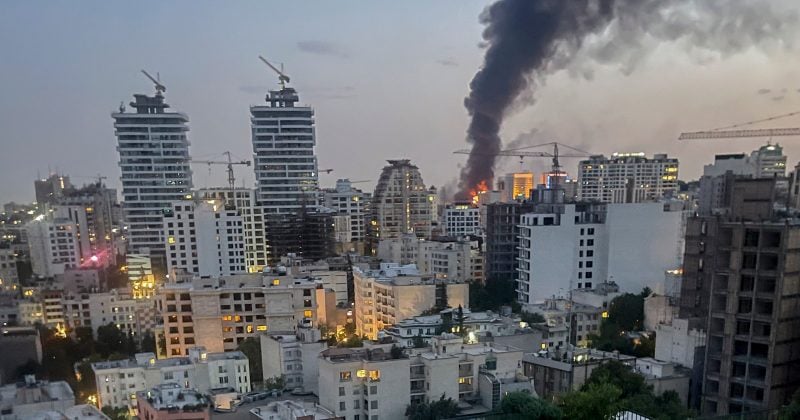
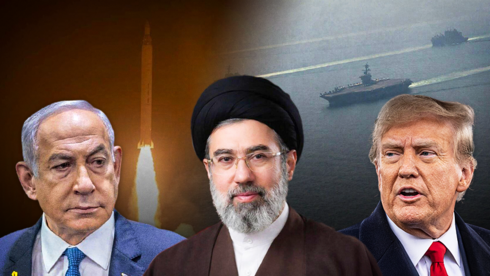
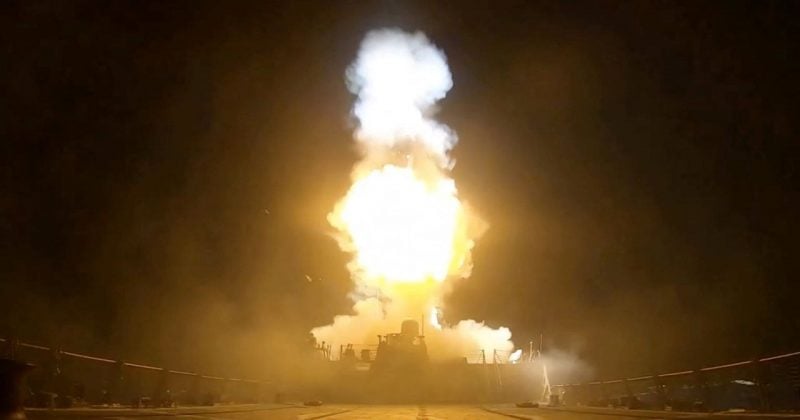
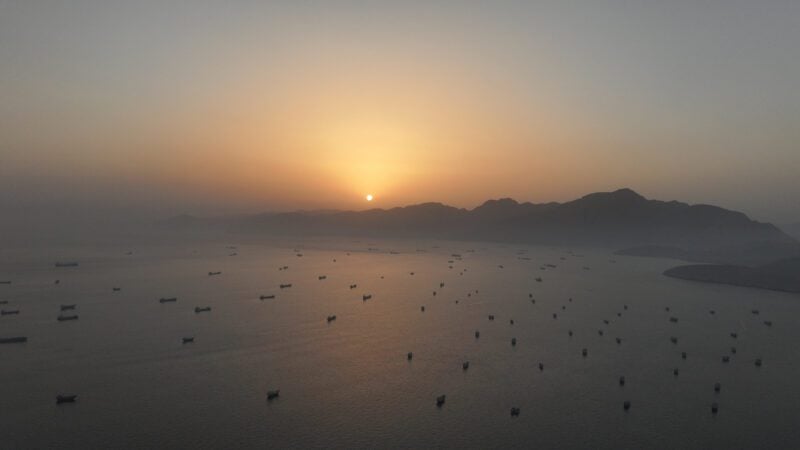
U.S. and Iranian forces traded strikes on 11-12 July, including U.S. attacks on roughly 140 Iranian targets and Iranian retaliation against U.S.-linked facilities in Jordan, Bahrain and Kuwait. Tehran says the Strait of Hormuz is closed, but the southern route remains open and traffic is down; Israel is on high alert while preparing unilateral options.
Executive summary
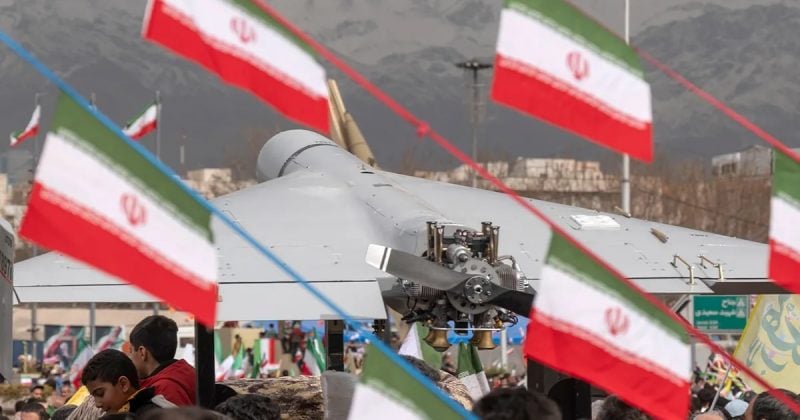
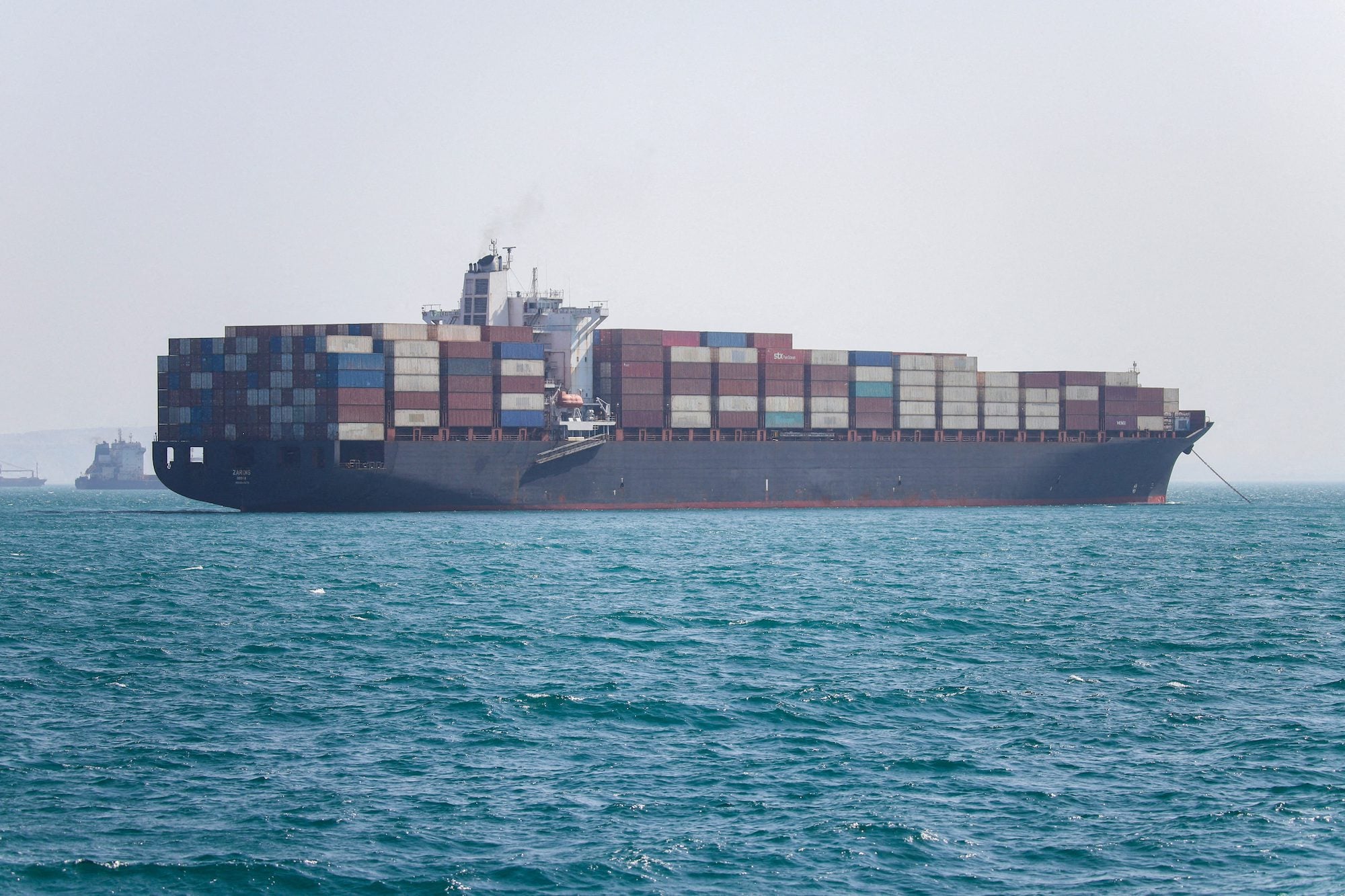
The exchange between Washington and Tehran has intensified since 11-12 July with U.S. strike waves following the IRGC attack on the M/V GFS Galaxy, and Iranian fire toward U.S.-linked sites in Jordan, Bahrain and Kuwait alongside interceptions in Qatar, Jordan and Kuwait. Iran declared Hormuz closed and the IRGC warned no vessel passage, though a maritime advisory group reported the southern route still open as transits fell to multi‑week lows. A Cyprus‑flagged container ship was hit off Oman, its crew rescued and at least one Indian national reported missing. Israeli officials are closely monitoring events, the IDF remains on high alert in coordination with the U.S., and statements by Defence Minister Israel Katz point to preparations for potential unilateral action. Diplomacy is active but contested, including Oman contacts and UN calls to halt fighting set against hardened public positions.
Change from previous assessment
Since the 11 July brief, U.S. forces conducted additional strike waves against Iran, with reporting of approximately 140 targets hit and timing details released. Iran claimed retaliation against U.S.-linked facilities in Jordan, Bahrain and Kuwait, while Jordan and Kuwait reported interceptions, Bahrain activated sirens, and Qatar said it intercepted missiles. At sea, a Cyprus‑flagged container ship was hit off Oman, its crew rescued and at least one Indian national reported missing. Tehran and the IRGC stated Hormuz was closed, yet a maritime advisory group reported the southern route remained open as transits fell to multi‑week lows. Israeli officials privately flagged growing concern, the IDF stayed on high alert in coordination with the U.S., and statements by Defence Minister Israel Katz and market pricing suggested preparations for unilateral options. This brief updates the maritime picture, raises the assessed immediacy of Gulf‑state risk, and refines the Israel outlook; confidence on de‑escalation remains constrained by contested reporting. Initial assessment of this topic.
Key judgments
- U.S. forces very likely conducted multiple strike waves against Iran after the IRGC attack on the M/V GFS Galaxy, and Iran likely retaliated against U.S.-linked facilities in Jordan, Bahrain and Kuwait, with missile and drone interceptions reported across the Gulf. (Confidence: high · REPORTED)
- I&W: CENTCOM announces additional strike packages on Iranian radars or missile infrastructure with munitions damage imagery. (0-14 days)
- I&W: A publicly acknowledged 72‑hour lull in U.S. and Iranian strikes across official channels. (0-14 days)
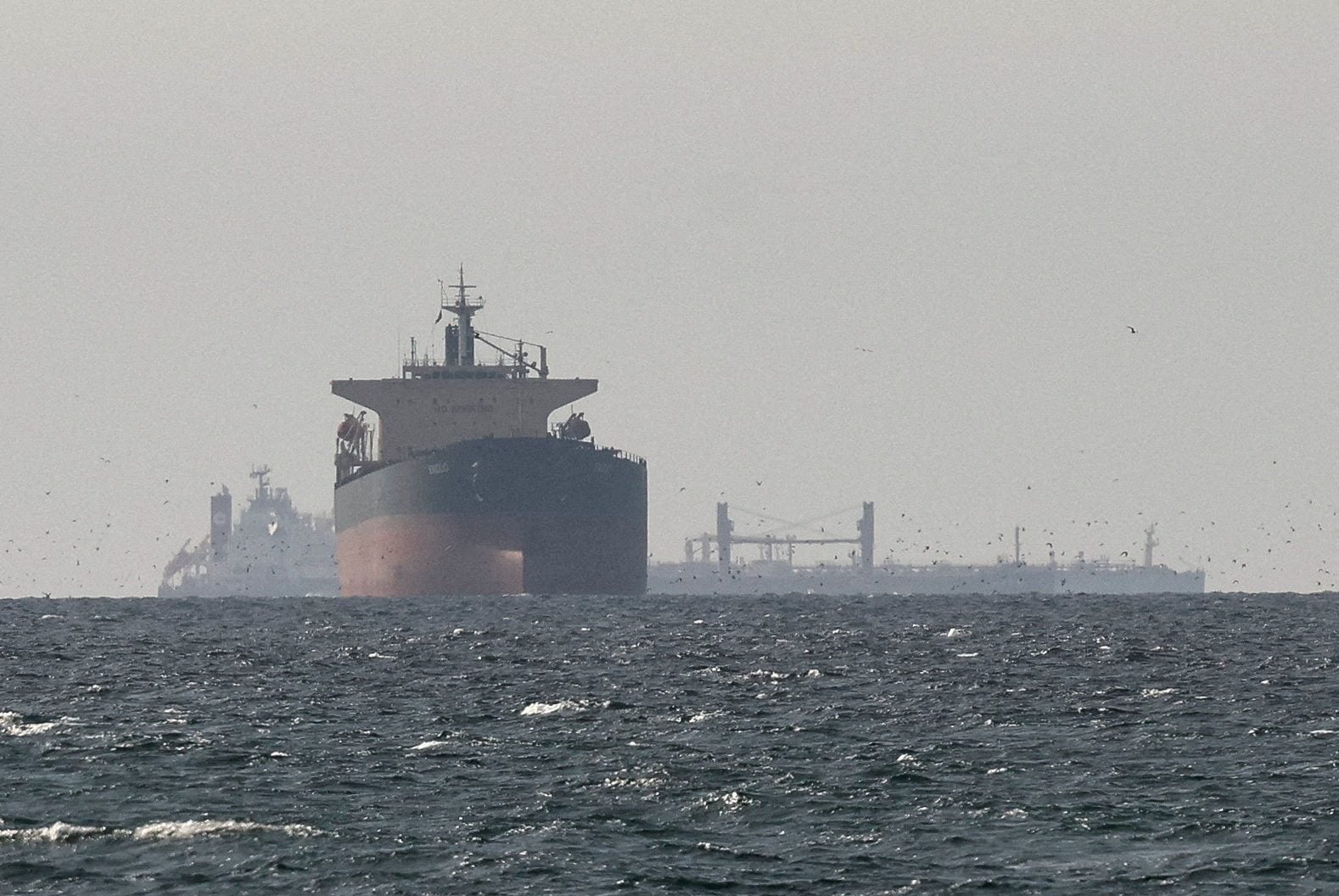
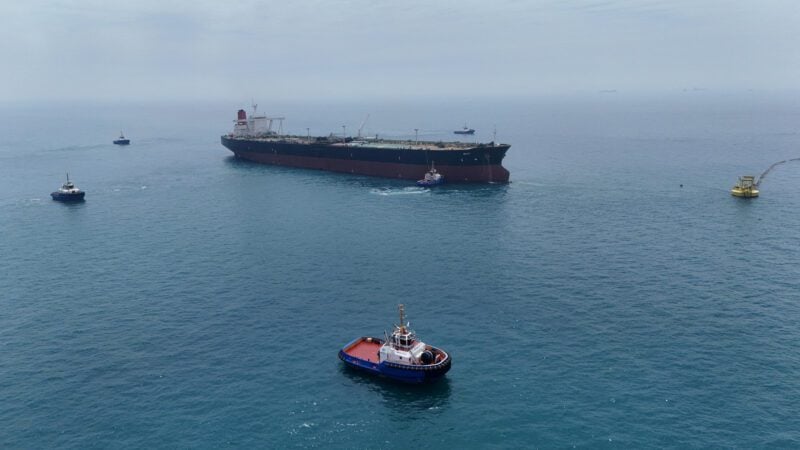
- The Strait of Hormuz is likely still partially open via the southern route but at sharply reduced transits and elevated risk, despite Tehran’s closure declarations and IRGC warnings, as shown by the hit on a Cyprus‑flagged container ship off Oman and a missing crew member. (Confidence: medium · ASSESSED)
- I&W: Joint Maritime Information Center reporting shows daily AIS‑tracked southbound and northbound flows returning to prior multi‑week averages. (0-14 days)
- I&W: Additional reported Iranian interdictions or fires against ships using the southern route. (0-14 days)
- Israel is likely to avoid immediate direct strikes on Iran while remaining on high alert and coordinating with U.S. forces, though preparations for unilateral options and market pricing of a potential airspace closure raise the risk of sudden entry later. (Confidence: medium · ASSESSED)
- I&W: Israel issues a national NOTAM restricting airspace or the IDF publicly signals activation of long‑range strike packages. (0-14 days)
- I&W: Israeli officials reiterate restraint and maintain open civil airspace without new operational alerts. (0-14 days)
- The threat to U.S. personnel and facilities in Gulf states is high and likely to persist, with Iranian strikes or attempts prompting interceptions in Qatar, Jordan and Kuwait, air‑raid sirens in Bahrain, and civil aviation cautions in effect. (Confidence: high · REPORTED)
- I&W: Official reports of additional missile or drone interceptions by Doha, Amman or Kuwait City. (0-14 days)
- I&W: Public announcement of a pause in Iranian attacks or rollback of aviation cautions by U.S. authorities. (0-14 days)
- A near‑term de‑escalation has a roughly even chance given Oman‑based contacts and UN pressure, but hardened public positions and contested accounts of a June memorandum reduce prospects for a durable pause. (Confidence: low · ASSESSED)
- I&W: Joint readout from Muscat announcing renewed U.S., Iran talks or confidence‑building steps. (0-14 days)
- I&W: Public rejection of talks by senior Iranian or U.S. officials or new sanctions expanding pressure. (0-14 days)
Outlook & scenarios
Managed containment: Israel holds fire while U.S., Iran tit‑for‑tat continues (60%)
Washington sustains limited, target‑set strikes against Iranian air defence, radar and missile infrastructure tied to maritime attacks. Tehran answers with controlled fire against U.S.-linked sites in neighbouring states and intermittent harassment of shipping, avoiding direct strikes on Israel. Hormuz remains partially open with irregular flows, and Israel stays on high alert but out of direct combat.
Israeli unilateral strike triggers direct Iran, Israel confrontation (30%)
Jerusalem executes a limited independent strike package against Iranian targets to reassert deterrence. Tehran responds with ballistic and drone fire on Israeli territory and against U.S.-linked Gulf facilities. Airspace restrictions, rapid intercept activity and a sharp maritime slowdown follow, elevating regional war risk.
Maritime shock at Hormuz (40%)
A fatal mass‑casualty attack on a commercial vessel or enforced halts at choke points drive traffic toward a near‑standstill despite a nominally open southern route. Insurance costs spike and emergency naval escorts concentrate on a narrow corridor, raising the risk of miscalculation.
Short de‑escalation window via Oman (25%)
Back‑channel contacts in Muscat secure a brief pause in cross‑border strikes tied to maritime confidence‑building measures. Public hardening by both sides limits scope and duration; sporadic violations resume within days if core demands on Hormuz control and basing remain unresolved.
Recommendations
- Maintain a rolling log of official strike announcements, target sets and intercept reports from CENTCOM, Doha, Amman, Kuwait City and Manama; update twice daily.
- Task continuous monitoring of Joint Maritime Information Center advisories and AIS tracks through the southern route of Hormuz; flag any shift toward normalised daily flows or fresh interdictions within 24 hours.
- Stand up an Israel watchboard tracking IDF readiness cues, coordination messages with U.S. forces, and any civil airspace NOTAMs; pre‑draft assessments on triggers for unilateral Israeli action.
- Map U.S.-linked facilities and contractor footprints in Jordan, Bahrain, Kuwait, Qatar and the UAE against recent impact and intercept locations to refine near‑term threat outlooks.
- Coordinate with energy analysts to correlate vessel transits, strike tempo and price movements; produce a short‑form daily market‑security note focused on Hormuz exposure.
- Prepare concise, source‑backed decision notes on de‑escalation prospects from Muscat and UN channels, clearly separating confirmed reporting from contested MoU claims.
Confidence & uncertainty
Confidence is medium. Multiple independent, reliable outlets and official statements corroborate the U.S. strike waves, the IRGC attack on the M/V GFS Galaxy, Iranian retaliation against U.S.-linked sites in Jordan, Bahrain and Kuwait, and Gulf interceptions. Reporting on Hormuz contains contradictions between Iranian closure declarations and maritime advisories that the southern route remains open, alongside differing estimates of traffic levels, which lowers confidence on the maritime status. Judgments on Israeli unilateral options and diplomatic off‑ramps rely on generally credible but partly single‑source or contested accounts, further constraining confidence.
Alternative analysis (red cell)
The body of reporting combines public statements, market signals, and episodic incident reports that do not reliably converge on a single robust picture. Given the documented contradictions, variable admiralty grades, and absence of definitive operational evidence in key areas, alternative, more restrained readings of U.S. strike scope, Hormuz route status, Israeli intent, the persistence of threats to U.S. personnel, and the likelihood of de‑escalation are all plausibly supported by the same evidence.
Intelligence gaps
- [EEI 1.1 · UNCOVERED] Observed repositioning, sustained increases, or new forward basing of Iranian conventional or IRGC forces (armored units, missile batteries, aircraft, naval vessels) toward borders or regional launch points. Recommended collection: IMINT/satellite
- [EEI 1.2 · UNCOVERED] Hezbollah or other Iran-aligned proxy forces conducting mass mobilization, visible rocket/artillery emplacements, cross-border firing incidents, or preparations for cross-border operations from Lebanon, Syria, Iraq or Yemen. Recommended collection: HUMINT/ground ISR
- [EEI 1.3 · UNCOVERED] Detection of increased missile/rocket/torpedo launch events attributable to Iran, Israel, or proxies (launch signatures, trajectories, impact points) indicating a sustained campaign rather than isolated strikes. Recommended collection: SIGINT/IMINT/air-defense radar
- [EEI 1.4 · UNCOVERED] Interdicted or observed shipments (air, sea, land manifests, seizures, satellite imagery of transfers) of advanced weapons or missile components from Iran toward proxy groups or forward staging points. Recommended collection: maritime/AIS
- [EEI 2.1 · UNCOVERED] Satellite or on-the-ground imagery showing fires, damage, or operational shutdown at major oil export facilities, refineries, storage terminals, or key pipeline infrastructure in the Gulf and Red Sea. Recommended collection: IMINT/satellite
- [EEI 2.2 · UNCOVERED] Commercial vessel incidents: AIS transponder shutdowns, distress signals, reported hull/engine damage, boardings, or confirmed attacks on tankers/merchant ships transiting the Strait of Hormuz, Bab al-Mandeb, or eastern Mediterranean. Recommended collection: maritime/AIS
- [EEI 2.3 · UNCOVERED] Significant and sustained reductions or rerouting of tanker transits through the Strait of Hormuz (ship traffic counts, pilot reports, port call cancellations) and announcements of closure or restricted navigation zones (NOTAMs, maritime advisories). Recommended collection: maritime/NOTAMs
- [EEI 2.4 · UNCOVERED] Rapid increases in war-risk insurance premiums for Middle East routes, shipping company advisories to avoid region, or major charter cancellations tied to the conflict. Recommended collection: financial/open-source
- [EEI 3.1 · UNCOVERED] Movement/arrival of major foreign military assets into the region: U.S. carrier strike groups, amphibious ready groups, strategic bomber flights, Russian/Chinese naval taskings, or allied expeditionary units (visible in AIS, NOTAMs, satellite imagery, official releases). Recommended collection: IMINT/satellite
- [EEI 3.2 · UNCOVERED] Official expedited arms transfers, basing/overflight agreements, or declarations of operational support (formal government announcements, defense ministry releases, logistics flight manifests). Recommended collection: open-source/diplomatic
- [EEI 3.3 · UNCOVERED] Embassy evacuations, large-scale personnel movements, issuance of government travel bans/advisories, or multinational security alerts affecting foreign nationals and diplomatic posture in the region. Recommended collection: diplomatic/open-source
- [EEI 3.4 · UNCOVERED] High-level diplomatic/UN activity: scheduled or emergency Security Council meetings, published ceasefire proposals, or multilateral statements committing support/condemnation that precede changes in military posture. Recommended collection: open-source/diplomatic
Cited sources
[1] gcaptain.com · U.S. Launches Third Round of Strikes on Iran After Containership Attack in Strait of Hormuz (A) · sha256:4a4361142ad0 [2] gcaptain.com · Oil Jumps As Conflict Over Hormuz Escalates With Fresh Strikes (A) · sha256:3fe309a22bb3 [3] ynetnews.com · US strikes Iran again Tehran targets Gulf bases and Jordan as Israel braces for wider escalation (B) · sha256:68966aace578 [4] gcaptain.com · US Launches Fresh Iran Strikes As Tehran Declares Hormuz Closed (A) · sha256:17bbad899b26 [5] cryptobriefing.com · Gulf states intercept Iranian missiles amid escalating regional tensions (B) · sha256:3599808cca0b [6] haaretz.com · U.S. launches fresh strikes on Iran, citing threats to commercial shipping in Hormuz (A) · sha256:64abe35bb156 [7] Wikipedia · Reactions to the 2026 Iran war (B) · sha256:e719729416e6 [8] cryptobriefing.com · Iran strikes US military assets in Middle East amid 2026 conflict escalation (B) · sha256:22b4d9dffb96 [9] gcaptain.com · Hormuz Route Open Despite Iran Declaration, Maritime Group Says (A) · sha256:cf16d0b94b3b [10] gcaptain.com · Hormuz Traffic Slows To Multi-Week Low As Renewed US, Iran Strikes Raise Safety Risk (A) · sha256:a8ff4ed28483 [11] gcaptain.com · One Indian National Missing After Attack On Vessel Off Oman (A) · sha256:2763b83dc132 [12] ynetnews.com · Israel 'closely' following developments in Iran amid expected escalation (A) · sha256:322279bec563 [13] Jerusalem Post · IDF coordinates with US military, prepares for possible strikes as US, Iran fighting escalates (A) · sha256:d7e0f6007c86 [14] haaretz.com · Israeli officials see widening gap with U.S. over Iran priorities (B) · sha256:49d5943a1608 [15] cryptobriefing.com · Israel prepares for potential solo military action against Iran amidst 2026 conflict (B) · sha256:6bd02706a485 [16] U.S. Department of State · United Arab Emirates Travel Advisory (A) · sha256:7a0c71f2991b [17] cryptobriefing.com · UN chief urges end to US-Iran conflict amid escalating tensions (B) · sha256:baae4323e49e [18] AhlulBayt News Agency · Iran Rejects Western Narrative, Says Operations Are Legitimate Self-Defense Against US-Israeli Violations (A) · sha256:9d8b9e0c1065 [19] Wikipedia · 2025–2026 Iran–United States negotiations (F) · sha256:e9b4c4856957
Source content hashes were computed at collection time; the cited text is preserved unmodified for the life of this product.
Red cell review: PARTIAL DISSENT
TLP:CLEAR