TLP:CLEAR · Disclosure is not limited.
Iran-U.S.-Israel escalation squeezes Hormuz while backchannel talks continue
Time window: Last 1 day · Audience: General analyst · Type: Situation report · DTG: 2026-07-11 14:14Z · Overall confidence: LOW
BLUF
The United States and Iran have traded strikes and retaliatory attacks reaching Kuwait, Bahrain, Jordan and Qatar, while commercial traffic through the Strait of Hormuz has fallen sharply. Diplomatic channels via Oman and Qatar remain open, but a dispute over control and rules in Hormuz and fresh U.S. sanctions keep escalation risks high.
Executive summary
U.S. Central Command conducted consecutive days of strikes on Iranian military targets amid a renewed exchange with Tehran. Iran retaliated across the Gulf, targeting U.S.-linked sites in Kuwait and Bahrain and firing toward Bahrain, Jordan, Kuwait and Qatar. Maritime traffic through the Strait of Hormuz has dropped markedly since 8 July, with southern-route transits off Oman down to single digits and the northern route above 20 per day, both below post-June norms. Even as President Trump declared the prior ceasefire over and Washington rolled out new sanctions on Iran-linked financiers and exchange houses, diplomatic tracks persist: Iranian Foreign Minister Abbas Araghchi is in Oman for talks on safe passage, Qatari mediators are in Tehran, and U.S. officials demand a public Iranian pledge that Hormuz is open. Tehran’s claims of exclusive authority over Hormuz, coupled with reported repairs at damaged Iranian nuclear sites and a UN warning of a lost continuity of knowledge on the nuclear programme, add to near-term escalation and monitoring risks.
Change from previous assessment
Initial assessment of this topic.
Key judgments
- Very likely U.S. Central Command has executed consecutive days of strikes on Iranian military targets this week as part of a renewed U.S.-Iran exchange. (Confidence: high · REPORTED)
- I&W: On-the-record CENTCOM readouts naming additional Iranian target sets within Iran. (0-14 days)
- I&W: A two-week period with no U.S. strike readouts and no independent reporting of U.S. attacks in Iran. (0-14 days)
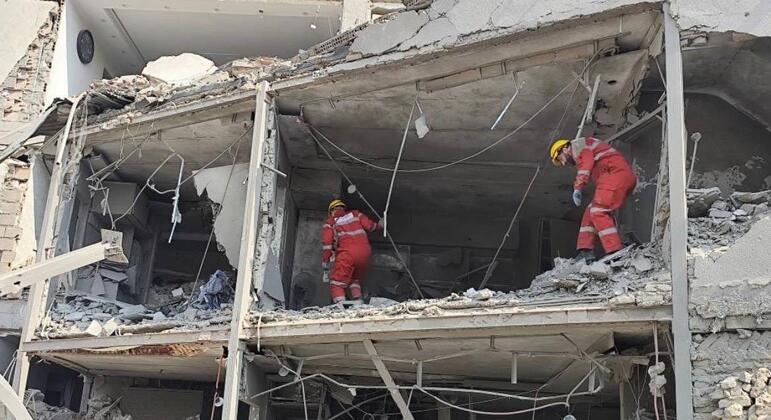
- Very likely Iran has retaliated with attacks on U.S.-linked sites in Kuwait and Bahrain, and has targeted Bahrain, Jordan, Kuwait and Qatar with a wider volley this week. (Confidence: high · REPORTED)
- I&W: Official communiqués from Kuwait, Bahrain, Jordan or Qatar acknowledging new impact sites and debris recovery. (0-14 days)
- I&W: Public denials by these governments accompanied by an absence of open-source crater or debris imagery. (0-14 days)
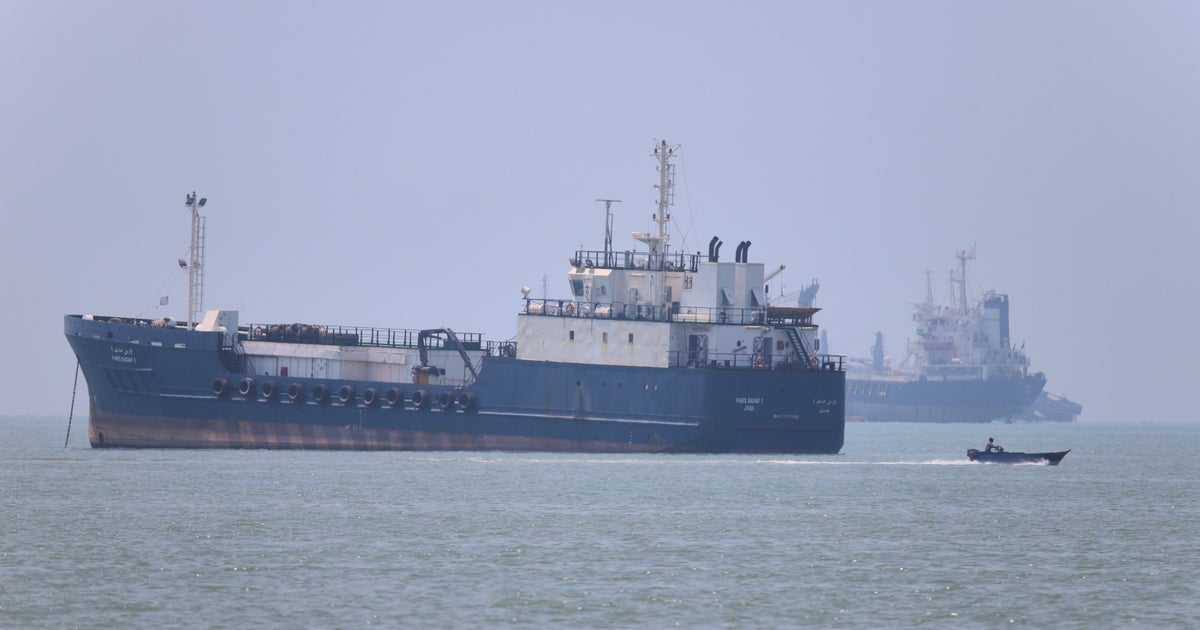
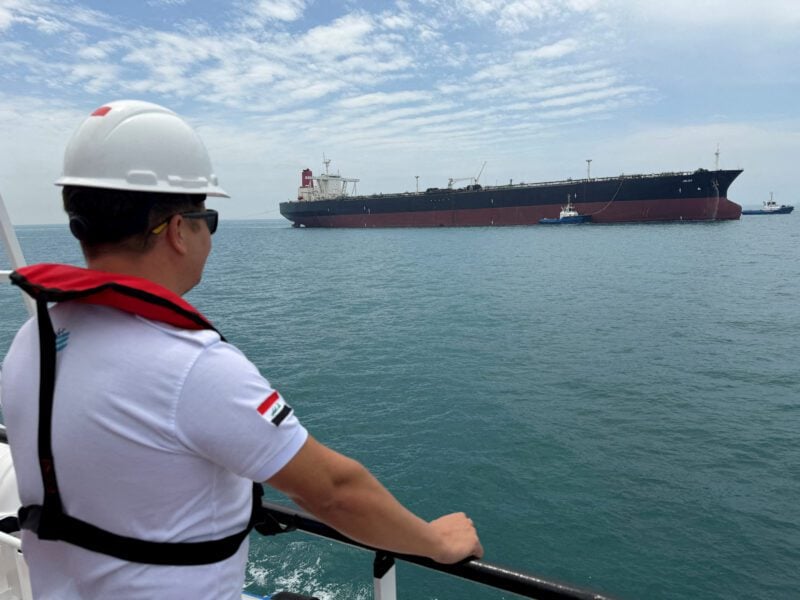
- Very likely commercial traffic through the Strait of Hormuz has fallen sharply since 8 July, with southern-route transits off Oman in single digits and the northern route holding above 20 daily, both well below post-June levels. (Confidence: high · REPORTED)
- I&W: AIS and INTERTANKO data show southern-route transits below 10 and northern-route counts below 30 per day. (0-14 days)
- I&W: Daily Hormuz transits rebound toward 70 or more on either route, consistent with post-June norms. (1-3 months)
- Very likely Washington and Tehran are keeping diplomatic channels open despite fighting, including Omani-hosted talks on safe passage through Hormuz, U.S. negotiators expected to meet Abbas Araghchi, Qatari mediation in Tehran, and a U.S. demand for an Iranian public pledge that the strait is open. (Confidence: high · REPORTED)
- I&W: A readout from Muscat or Doha detailing navigation assurances or a schedule for follow-on talks. (0-14 days)
- I&W: Iran publicly cancels Oman meetings and rejects issuing any statement on Hormuz navigation. (0-14 days)
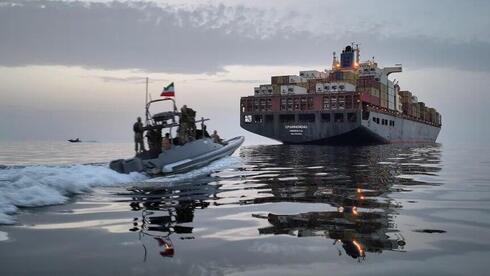
- Very likely a dispute over control and rules of passage in the Strait of Hormuz will sustain near-term maritime risk, with Iran asserting exclusive authority, permissioning and fees, and the United States rejecting those claims while pressing for toll-free passage guarantees. (Confidence: high · REPORTED)
- I&W: Iranian authorities issue formal notices requiring prior permission or payment for non-Iranian vessels transiting Hormuz. (0-14 days)
- I&W: Iran issues a public statement affirming open, toll-free transit for all ships, consistent with U.S. demands. (0-14 days)
- Likely Washington is intensifying economic pressure alongside military action, imposing sanctions on Dubai-based financier Ali Ansari, three Iran-based currency exchange houses and other IRGC-linked entities. (Confidence: medium · REPORTED)
- I&W: OFAC adds further Iran-linked facilitators or IRGC-adjacent firms to the sanctions list. (0-14 days)
- I&W: No new Iran-related designations and official signalling of a sanctions pause. (1-3 months)
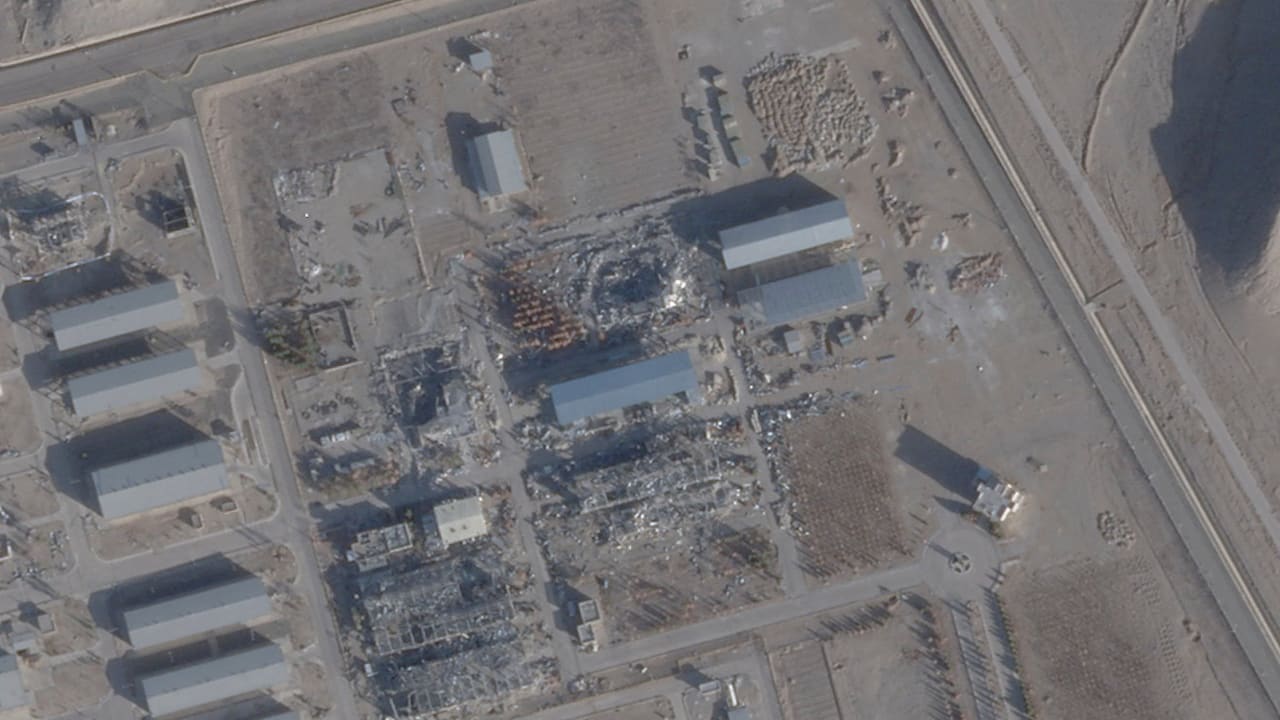
- Likely Iran is repairing nuclear facilities damaged since late-February strikes by the United States and Israel while international oversight has suffered gaps, increasing monitoring uncertainty. (Confidence: medium · ASSESSED)
- I&W: Commercial satellite imagery shows completed structural repairs at Isfahan, Parchin or Pickaxe Mountain. (1-3 months)
- I&W: A multilateral brief indicates restored continuity of knowledge at key sites with no repair activity verified. (1-3 months)
Outlook & scenarios
Protracted tit-for-tat with depressed Hormuz traffic (60%)
U.S. strikes and Iranian retaliatory attacks persist at a measured tempo against military targets and U.S.-linked sites in Kuwait and Bahrain, with occasional launches toward Jordan and Qatar. Oman- and Qatar-facilitated contacts continue without a navigation guarantee, and Iran maintains its claims over Hormuz while the U.S. rejects them. Southern-route transits off Oman stay in single digits, the northern route remains only modestly higher, and Washington adds further designations against Iran-linked financiers.
Navigation assurance deal stabilises the strait (40%)
Talks in Muscat yield an Iranian public statement that the Strait of Hormuz is open and that ships will not be attacked, satisfying U.S. demands. Covert backchannels temper further strikes, Qatari mediation helps deconflict red lines, and daily transits on both Hormuz routes trend back toward post-June levels. Sanctions enforcement continues but without major new designations as parties test the arrangement.
Escalatory break and regional spillover (30%)
A high-casualty strike or miscalculation prompts heavier U.S. responses and broader Iranian salvos across Bahrain, Kuwait, Jordan and Qatar. Israeli threat rhetoric hardens and regional actors prepare for wider confrontation. Hormuz traffic drops further, and imagery shows accelerated repair activity at sensitive Iranian sites as a UN-noted monitoring gap persists.
Recommendations
- Prioritise collection on Hormuz route-by-route traffic: fuse AIS, INTERTANKO and owners’ advisories to maintain a daily picture of southern and northern corridor transits and anchorage backlogs.
- Place targeted imagery tasking on Isfahan, Parchin and Pickaxe Mountain to verify reported repairs and detect any concealment or sealing of impact sites.
- Exploit diplomatic reporting from Muscat and Doha: seek readouts of Araghchi’s meetings and Qatari interlocutors’ shuttle talks, with emphasis on any navigation guarantees or sequencing of de-escalation steps.
- Track official notices and mariner advisories from Iranian authorities for any permissioning or fee language tied to Hormuz, and cross-reference with CENTCOM statements rebutting control claims.
- Assess secondary-sanctions exposure of Dubai-based networks tied to Ali Ansari and Iran-based exchange houses; prepare a quick-turn brief on likely evasive channels and enforcement choke points.
- Maintain a standing indicators list for strike tempo: daily CENTCOM and regional MOD releases, open-source impact imagery in Kuwait, Bahrain, Jordan and Qatar, and any shifts in U.S. declaratory policy.
- Prepare decision aids outlining crisis off-ramps and tripwires for escalation, including the diplomatic costs and benefits of accepting an interim navigation pledge versus pursuing broader concessions.
Confidence & uncertainty
Overall confidence is low given uneven corroboration, timeline and location inconsistencies across some claims, and reliance on single-source reporting for several consequential points. While multiple major outlets and trade publications align on U.S. strikes, Iranian retaliation and reduced Hormuz traffic, other elements such as sanctions timing, rhetoric versus intent, and nuclear-site repairs rest on fewer sources and imagery analyses open to interpretation. Conflicts in the record, including differing accounts of announcements and varying transit baselines by route, constrain higher confidence at this time.
Intelligence gaps
- [EEI 1.1 · PARTIAL] Unusual long-range missile/rocket transporter-launcher (TEL) movements, storage activation, or assembly activity at known IRGC missile sites or forward staging areas. Recommended collection: satellite/imagery
- [EEI 1.3 · UNCOVERED] Large-scale transfers, deliveries, or convoy movements of armed UAVs/drones, guided munitions, or spare parts from Iran into Lebanon (Hezbollah), Iraq, Syria, or Gaza. Recommended collection: air/aviation track and HUMINT
- [EEI 1.4 · PARTIAL] Sustained changes in Israeli air-defense usage (SAM launches, radar activations), wide-area alerts, or NOTAMs indicating elevated imminent strike response. Recommended collection: air/aviation/NOTAMs and signals
- [EEI 2.3 · UNCOVERED] Insurance market indicators: sudden spikes in war-risk or hull insurance premiums for routes through the Red Sea, Suez corridor, or Persian Gulf, and major carriers announcing route changes. Recommended collection: financial/market and commercial shipping notices
- [EEI 2.4 · PARTIAL] Port closures, naval escorts requested by commercial operators, or formal rerouting advisories issued by major shippers (e.g., Maersk, Hapag-Lloyd) for regional transits. Recommended collection: commercial/OSINT
- [EEI 3.1 · PARTIAL] Deployment of foreign military assets to the region (carrier strike groups, amphibious ships, combat aircraft deployments, or additional bases activated) from the US, UK, France, Russia, or GCC states. Recommended collection: maritime/AIS and air/aviation and satellite/imagery
- [EEI 3.3 · UNCOVERED] Confirmed arms transfers, expedited weapons shipments, or transfer authorizations to Israel, Iran, or their proxies (aircraft parts, munitions, air defenses). Recommended collection: customs/INTEL and HUMINT
- [EEI 3.4 · UNCOVERED] Issuance of travel warnings, embassy evacuations or reductions, and closure of diplomatic missions by major capitals indicating escalation risk or shifted threat assessments. Recommended collection: OSINT/diplomatic
Cited sources
[1] gcaptain.com · Trump Declares Iran Ceasefire Over as U.S. Unveils New Sanctions (B) · sha256:9ea2634590c9 [2] NBC News · 'I would not have done it': GOP Rep. Mike Lawler reacts to Trump firing election board Democrats (B) · sha256:209b2c224bf7 [3] NBC News · Maine Democrat Jordan Wood says he'd 'carry on' Graham Platner's ideas but reject his endorsement (A) · sha256:1ffa1b4ffcb4 [4] theguardian.com · Iran + Middle East and north Africa (A) · sha256:5532ad25c0be [5] military.com · US Says Iran Talks to Continue Despite Hormuz Skirmishes (B) · sha256:5b8e5462ed27 [6] The Jerusalem Post · Live Updates: Latest from Israel, Iran, and Middle East | The Jerusalem Post (B) · sha256:2851e337f689 [7] HuffPost · U.S. Demands Iran Publicly State That Strait Of Hormuz Is Open And Tehran Won't Attack Ships Anymore (B) · sha256:3ba07d801cc2 [8] Al Jazeera · Can the agreement between Iran and the US be rescued? (A) · sha256:bd3e552ad7d4 [9] gcaptain.com · INTERTANKO: Hormuz Tanker Transits Via Southern Route Fall to Single Digits After Renewed Fighting (C) · sha256:d4540b21f2bf [10] aljazeera.com · Trump trades threats with Iran’s leader as mediators struggle to save talks (A) · sha256:ceba27cda6d6 [11] newsru.co.il · Трамп: "Иран попросил нас продолжить переговоры, мы согласились" - NEWSru.co.il (B) · sha256:7ac977a0c8e3 [12] haaretz.com · Trump says U.S. will hold talks with Iran at Tehran's request (A) · sha256:1da7c56527a3 [13] ynetnews.com · Iran tells US ‘errant’ forces attacked ships in Strait of Hormuz, official says (A) · sha256:1e62c3bd1bcd [14] Jerusalem Post · Iran rehabilitating damaged nuclear sites, satellite imagery shows - report (B) · sha256:779ad4b772fd [15] United Nations · Security Council LIVE: ‘Lost continuity of knowledge’ on Iran’s nuclear programme since US-Israel attacks, top UN official warns (A) · sha256:fc21a388ea4b
Source content hashes were computed at collection time; the cited text is preserved unmodified for the life of this product.
TLP:CLEAR