TLP:CLEAR · Disclosure is not limited.
Iran, US and Regional Maritime Escalation, 12-19 August 2026
Time window: Last 7 days · Audience: General analyst · Type: Situation report · DTG: 2026-08-19 18:08Z · Overall confidence: MEDIUM
BLUF
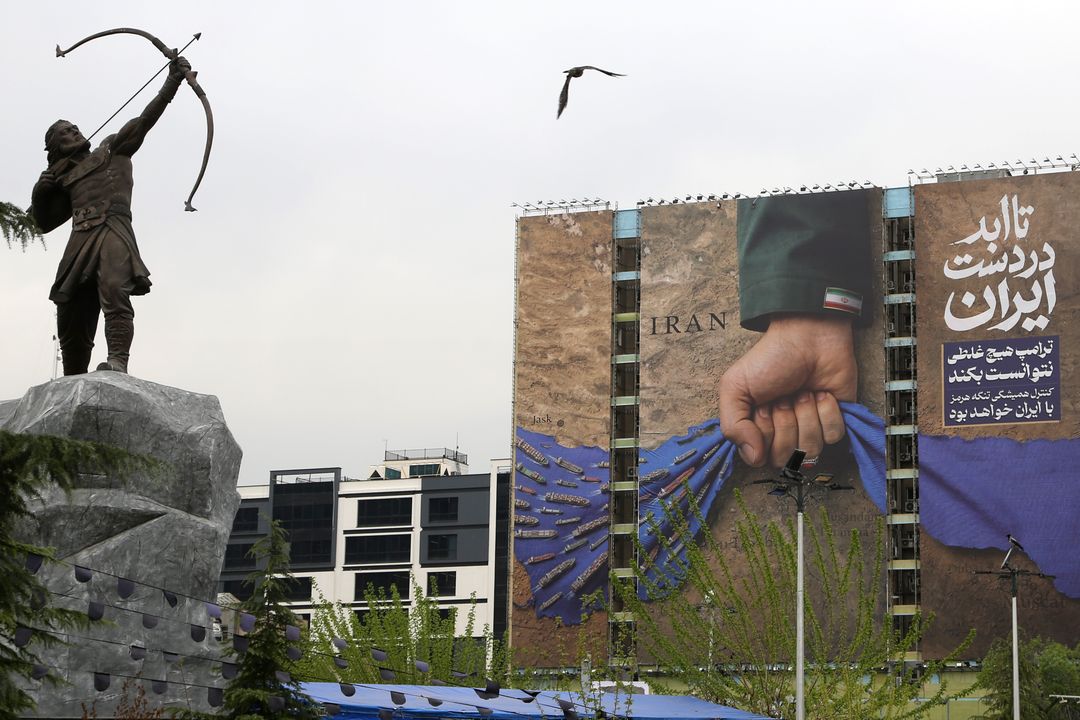
Iranian restrictions and the US maritime blockade are likely to keep Strait of Hormuz traffic below prewar levels, while a 17 August attack on a ship leaving the strait and US Navy enforcement actions raise the risk of further confrontation. A broad US-Iran de-escalation is unlikely in the next 1-3 months, although contacts involving Oman give a roughly even chance of a limited shipping arrangement.
Executive summary
Iran's strategic action plan prohibits passage through the Strait of Hormuz by vessels owned by the United States, Israel and other hostile countries, while the US blockade of Iranian ports remained in effect on 17 August. US Navy forces had redirected 64 ships, disabled three and boarded another two by that date. Shipping traffic remains low, three China-linked supertankers reversed course, and an attack on a ship leaving the strait caused an unspecified casualty. Houthi forces also struck a commercial ship in the Bab al-Mandab Strait on 11 August, killing six people, while cross-border fighting and a Houthi naval blockade against Saudi-linked ships threaten Yemen's 2022 truce. Diplomatic reporting is contradictory: President Donald Trump said there were no talks with Tehran, while Oman and Iran were discussing increased shipping access. Overall confidence is medium because high-confidence official and multilateral reporting supports the maritime and humanitarian developments, but the attacker in the 17 August incident, the status of US-Iran contacts and parts of the conflict chronology remain uncertain.
Key judgments
- Iran and the United States are likely to sustain elevated maritime confrontation in and around the Strait of Hormuz over the next 14 days. Iran's strategic action plan prohibits passage by US, Israeli and other hostile-country vessels, the US blockade of Iranian ports remained in effect on 17 August, and US Navy forces had redirected 64 ships, disabled three and boarded two. The 17 August attack on a ship leaving the strait, the continued low level of traffic and three China-linked supertankers reversing course reinforce the assessment. This is an analytic inference rather than a directly reported outcome. Confidence is medium because the maritime pattern is supported by several major-media reports and a US Central Command account, but the attacker and the full operating status of the blockade are not independently established. (Confidence: medium · ASSESSED)
- I&W: CONFIRM: US Central Command reports another boarding, disabling or redirection of a vessel, or a second attack on a ship in or near the Strait of Hormuz. (0-14 days)
- I&W: BREAK: Oman and Iran announce an arrangement that increases vessel passage and the US announces a suspension or end to the blockade. (0-14 days)
- Iran is likely to maintain an offensive regional posture using missiles, drones and regional allies. Iranian attacks have been reported against Israel, US military bases across the Middle East, ships in the Persian Gulf and targets in Iraq, while Iranian officials have signalled readiness for a fully offensive posture. The reported 60-day Iran-US ceasefire expired without extension, and financial markets are pricing the risk of a broader regional conflict. This is an analytic inference. Confidence is medium because the posture is supported by multiple major-media reports, but several underlying claims are medium-confidence and the reporting does not establish the timing or scale of the next Iranian action. (Confidence: medium · ASSESSED)
- I&W: CONFIRM: Iranian units launch missile or drone attacks against Israel, US military bases, ships in the Persian Gulf, or targets in Iraq. (0-14 days)
- I&W: BREAK: Iranian officials withdraw the fully offensive posture and Iran and the United States announce an extended ceasefire. (0-14 days)
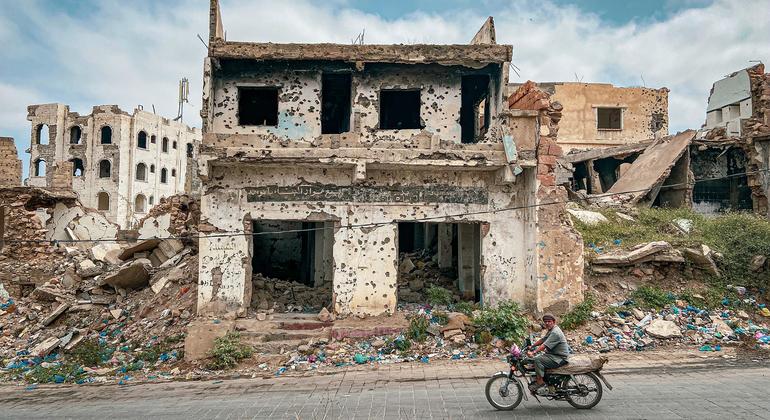
- Houthi forces are likely to sustain a near-term threat to commercial shipping and Yemen's 2022 truce. Houthi forces struck a commercial ship in the Bab al-Mandab Strait on 11 August, killing six people, and announced a naval blockade against Saudi-linked ships after cross-border fighting resumed. Further clashes are likely to worsen conditions in Yemen, where the UN reported that 19.5 million people required humanitarian assistance and protection in 2025. The assessment of continued Houthi activity is an analytic inference. Confidence is medium because the 11 August strike and the blockade announcement have multilateral support, while the future tempo of attacks and the extent of Iranian involvement are not established. (Confidence: medium · ASSESSED)
- I&W: CONFIRM: Houthi forces strike another commercial vessel in the Bab al-Mandab Strait or announce further restrictions on Saudi-linked shipping. (0-14 days)
- I&W: BREAK: Houthi forces announce an end to the naval blockade and commercial traffic resumes through the Bab al-Mandab Strait without further reported attacks. (0-14 days)
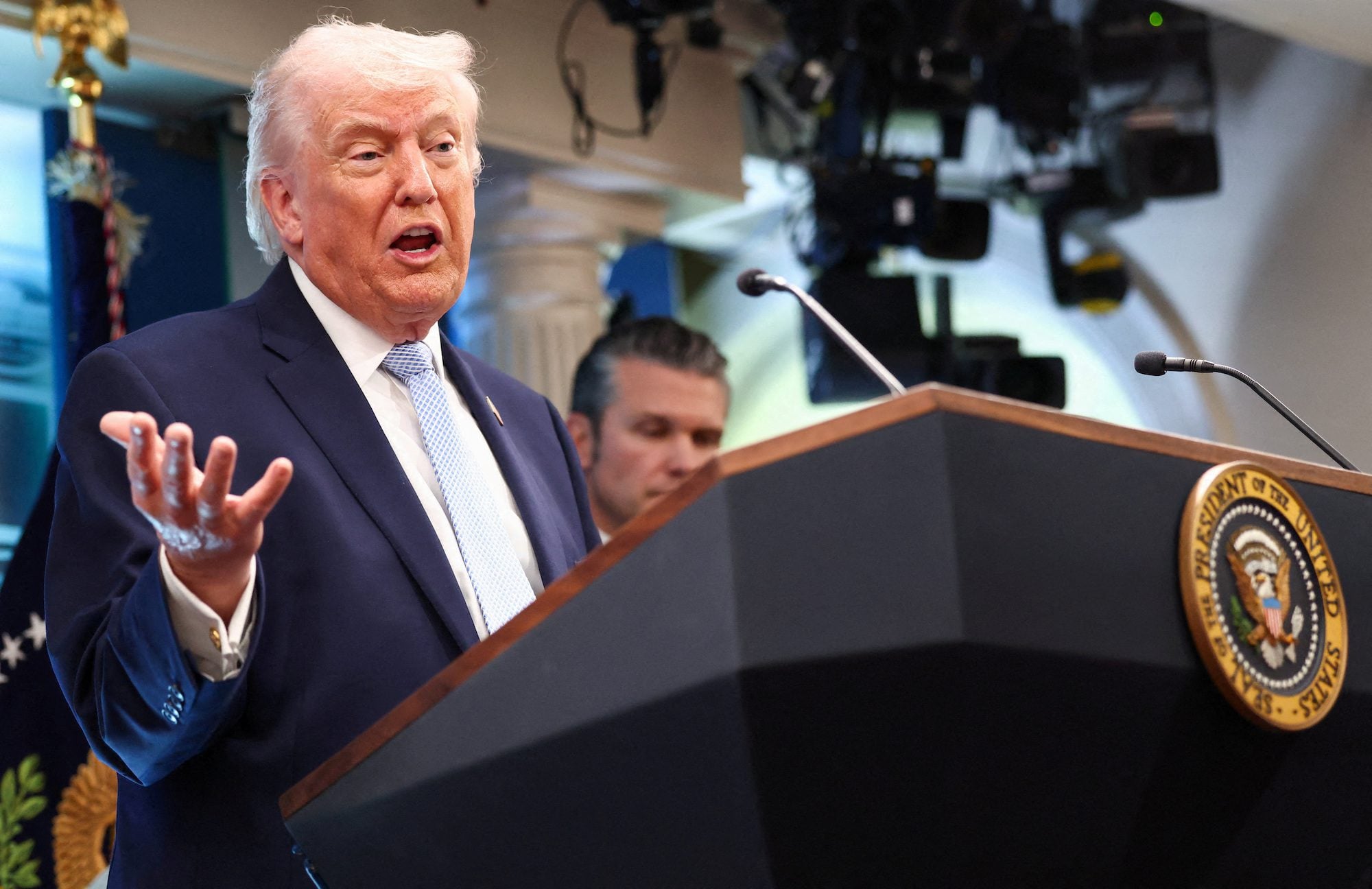
- A broad US-Iran diplomatic off-ramp is unlikely in the next 1-3 months, although a limited arrangement involving Oman has a roughly even chance of increasing shipping access. President Donald Trump said on 18 August that there were no talks or conversations scheduled with Iran, while Iran's lead negotiator tied the reopening of Hormuz to Washington accepting specified measures. At the same time, Oman and Iran were reported to be discussing increased passage and a deal on managing the strait. This assessment rests on conflicting and partly single-source major-media reporting, including low-confidence claims about the US position, so confidence is low. (Confidence: low · ASSESSED)
- I&W: CONFIRM: President Trump repeats that no US-Iran talks are scheduled while Iran maintains conditions for reopening the Strait of Hormuz. (0-14 days)
- I&W: BREAK: US and Iranian officials announce direct talks, extend a ceasefire or agree publicly on a mechanism for reopening the strait. (0-14 days)
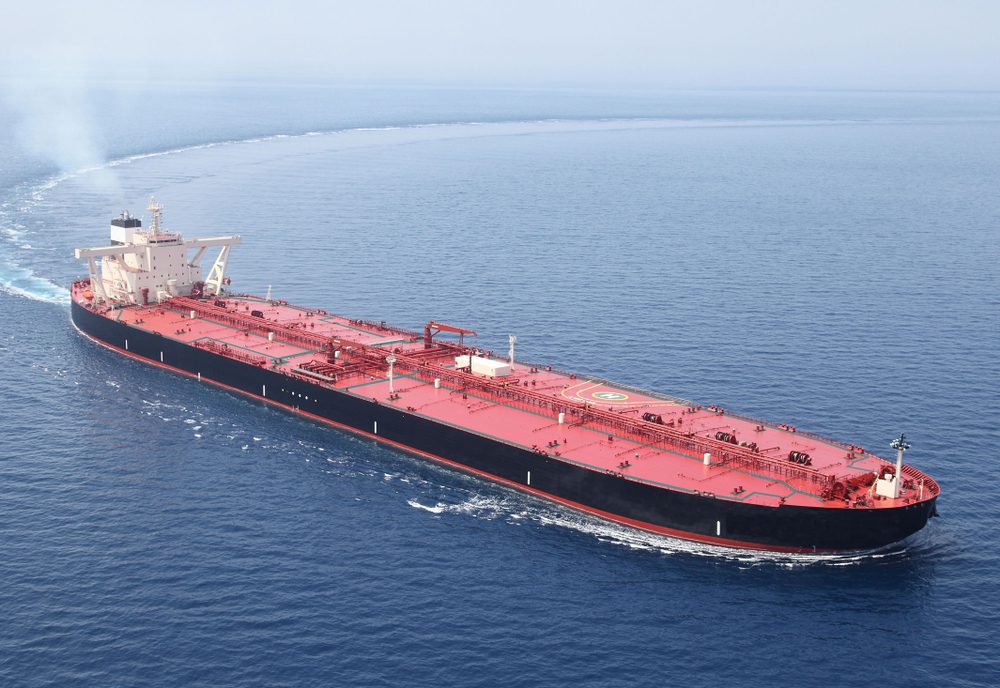
- Shipping and energy disruption is likely to persist for 1-3 months. Strait of Hormuz traffic remains below prewar levels, commercial traffic has stayed low, three China-linked supertankers reversed course, and financial markets are pricing in a broader regional conflict. The reported supply disruption is also associated with the highest oil prices in weeks. This is an analytic inference. Confidence is medium because current shipping and market signals point in the same direction, but some related traffic data are dated or source-limited and the duration of the disruption depends on the unresolved US-Iran maritime confrontation. (Confidence: medium · ASSESSED)
- I&W: CONFIRM: Strait of Hormuz traffic remains below prewar levels and additional China-linked or other commercial vessels reverse course. (0-14 days)
- I&W: BREAK: traffic returns to prewar levels, commercial vessels resume routine passage and market indicators no longer price a broader regional conflict. (1-3 months)
Outlook & scenarios
Prolonged coercive maritime standoff (45%)
Iran maintains restrictions on US, Israeli and other hostile-country vessels, while the US blockade and Navy enforcement actions continue. Shipping through the Strait of Hormuz remains below prewar levels, with intermittent attacks and vessel diversions but no large new exchange between Iran and the United States.
Managed shipping arrangement (35%)
Oman and Iran reach a limited arrangement that permits more vessels to pass through the Strait of Hormuz. The US blockade remains a source of friction, but the arrangement reduces the rate of ship attacks and diversions without producing a broad US-Iran political settlement.
Regional expansion of hostilities (20%)
Iran adopts a more sustained offensive posture, with additional missile or drone attacks involving Israel, US military bases, Gulf states, ships in the Persian Gulf or targets in Iraq. Houthi forces intensify attacks in the Bab al-Mandab Strait, increasing pressure on Saudi Arabia and Yemen's 2022 truce.
Wildcard: Iranian strike beyond the Middle East (5%)
Iran moves from considering strikes on US military installations in Europe to executing one. The conflict then widens beyond the Middle East, forcing rapid reassessment of US force protection, allied support and the geographic scope of the confrontation.
Recommendations
- Prioritise a daily maritime watch for the Strait of Hormuz. Record vessel transits, US Navy boardings, disabled or redirected ships, new attacks and public statements by Iran, the United States and Oman.
- Keep the 17 August ship incident unattributed until additional reporting identifies the attacker and clarifies the casualty. Separate confirmed vessel movements from claims about Iranian responsibility.
- Track Iranian missile and drone activity against Israel, US military bases, ships in the Persian Gulf, Gulf states and targets in Iraq. Treat any attack on a US installation or Gulf partner as a potential escalation trigger.
- Monitor Houthi activity in the Bab al-Mandab Strait and against Saudi-linked shipping, alongside any evidence that the 2022 truce is being formally abandoned.
- Use the prolonged maritime standoff as the baseline planning case for the next 1-3 months, while retaining a separate watchlist for an Oman-linked shipping arrangement and the low-probability European installation wildcard.
- Maintain separate data series for August 2026 shipping activity and older 2023 traffic reports. Do not use the older figures to infer current transit levels without confirming the date and route.
- Update humanitarian reporting on Yemen alongside military reporting. Prioritise changes affecting the 19.5 million people identified by the UN as requiring assistance and protection in 2025.
Confidence & uncertainty
Overall confidence is medium. High-confidence official and multilateral reporting supports the 11 August Houthi strike, the humanitarian situation in Yemen, the US-Egypt diplomatic activity and several regional statements. Current maritime developments are supported mainly by major-media reporting, including accounts attributed to US Central Command, but the 17 August attacker, the status of US-Iran contacts and the duration of the blockade remain uncertain. The dataset also contains conflicting dates, repeated claims with different confidence levels and older 2023 reporting mixed with August 2026 events.
Cited sources
[1] tribune.com.pk · Iran agrees on general principles to restrict US Israeli vessels from Strait of Hormuz Tasnim (B) · sha256:f1f53ae127fa [2] stripes.com · Trump denies talks with Iran amid continued attacks near Strait of Hormuz (A) · sha256:4918de9ae745 [3] gcaptain.com · Trump Takes Iran Hard Line as Hormuz Tensions Set New Normal (A) · sha256:a82b74fd1c04 [4] gcaptain.com · Three Chinese Tankers U-Turn in Hormuz as Risks Remain High (B) · sha256:230daa7cb98b [5] trtworld.com · Can Iran's offensive strategy force a US rethink? (B) · sha256:c9ff0949c4ff [6] Wikipedia · 2026 Iran war (B) · sha256:33ccadb61c96 [7] Wikipedia · Timeline of the 2026 Iran war (B) · sha256:bbe8d70833aa [8] United Nations · Security Council LIVE: Escalating attacks threaten peace in Yemen (A) · sha256:a8d0ad28a7a0 [9] en.yenisafak.com · NATO says ready for any threat amid Iran-US tensions (B) · sha256:eb064ee0fa66
Source content hashes were computed at collection time; the cited text is preserved unmodified for the life of this product.
TLP:CLEAR