TLP:CLEAR · Disclosure is not limited.
Iran, US Confrontation Chokes Hormuz Shipping; Elevated Risk Likely Into August
Time window: Last 7 days · Audience: General analyst · Type: Situation report · DTG: 2026-07-14 00:13Z · Overall confidence: LOW
BLUF
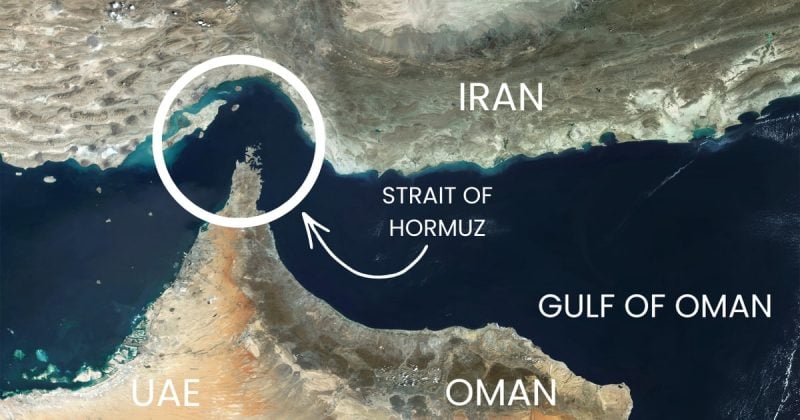
IRGC attacks on merchant shipping around the Strait of Hormuz and U.S. retaliatory strikes have driven tanker traffic to a near standstill and forced covert transits. Threat to vessels, crews and cargoes is very likely to remain elevated into August while the operational status of the waterway remains contested.
Executive summary
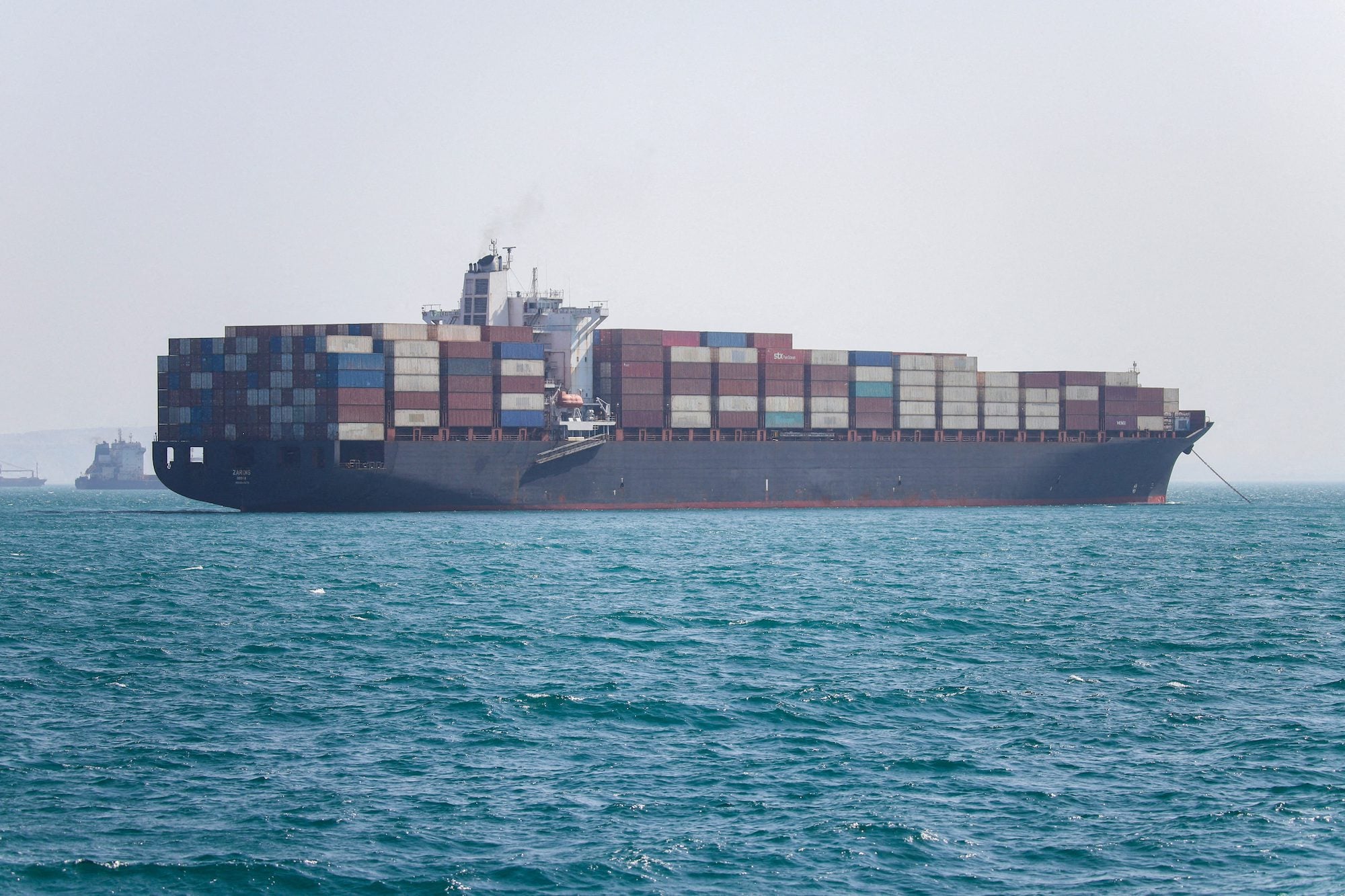
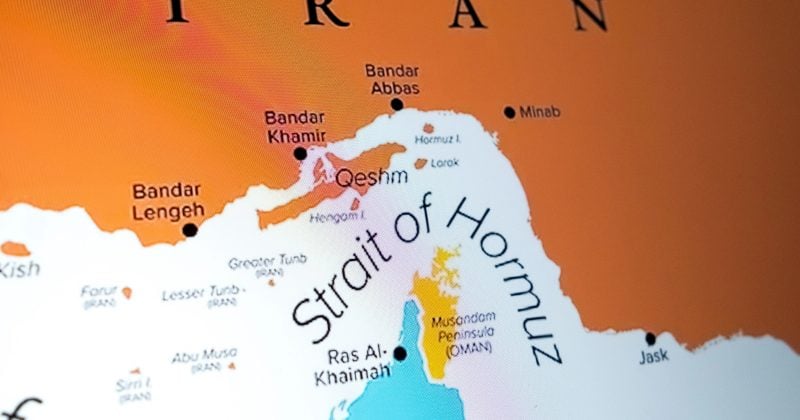
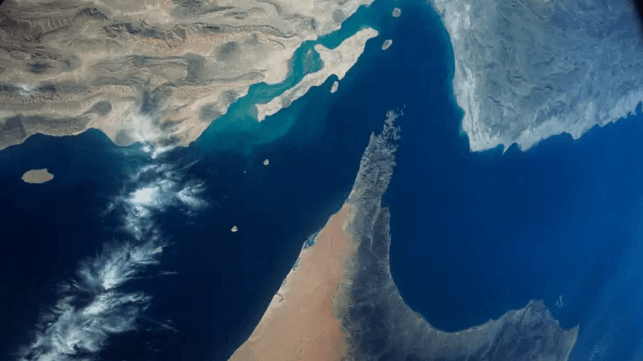
In the week to 14 July, Iranian forces escalated actions against shipping near Oman’s Musandam peninsula, including strikes that damaged the container ship m/v GFS Galaxy and the LNG carrier Al Rekayyat, and the interception of two vessels. Observable crossings along the Omani coastal corridor halted, tanker movements were near standstill, and at least six carriers ran dark transits. The United States launched a fourth wave of strikes on Iranian military targets, hitting dozens of sites and, for the first time in this campaign, employing one‑way sea drones, including a strike on a submarine and ship maintenance facility. Iran’s maritime authorities suspended transit‑permit processing and warned against US‑recommended routes, while the IMO Council reaffirmed freedom of navigation and called for unhindered transit. FAA and State Department cautions remain in force for the region. Market signals are mixed: Brent stood at 69.56 dollars per barrel on 6 July despite reporting that the war has produced the largest oil‑supply disruption on record.
Key judgments
- Iran’s IRGC very likely escalated coercion of shipping in and near the Strait of Hormuz between 7 and 14 July, including projectile strikes that damaged m/v GFS Galaxy and the LNG tanker Al Rekayyat, and the interception of two vessels, with at least four vessel attacks reported in the preceding week near Oman’s Musandam peninsula. (Confidence: medium · ASSESSED)
- I&W: UKMTO and maritime security advisories report additional missile or projectile strikes on merchant shipping northeast of Musandam. (0-14 days)
- I&W: No new IRGC boarding or strike claims, and a two‑week gap in incident reports for Hormuz. (0-14 days)
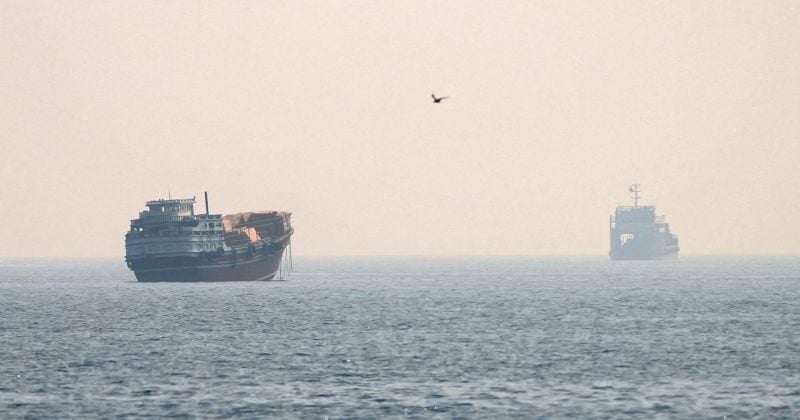
- Commercial transits through Hormuz are severely disrupted: observable crossings on the southern corridor along Oman’s coast halted, tanker traffic was near standstill, inbound flows slowed to a trickle, and at least six carriers transited with AIS switched off while a handful of ships moved covertly. (Confidence: high · REPORTED)
- I&W: AIS and commercial analytics show zero or near‑zero southern‑corridor crossings for seven consecutive days. (0-14 days)
- I&W: Daily transits recover to 40 or more and remain there for a week. (0-14 days)
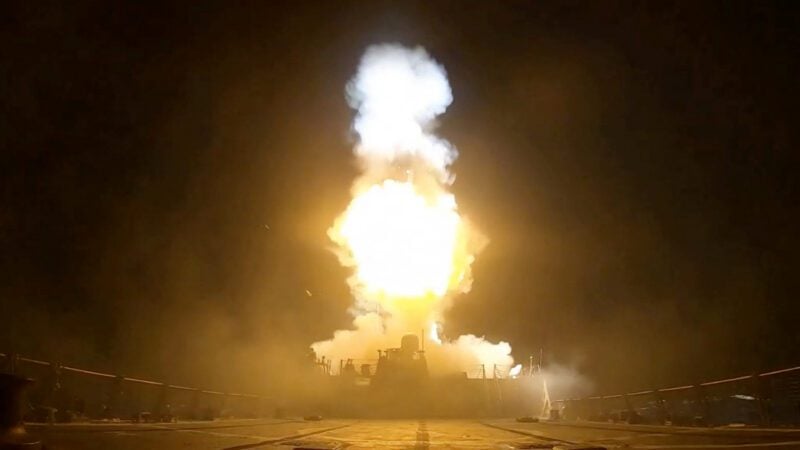
- The United States very likely expanded strikes on Iranian military targets in direct response to the attacks on shipping, hitting dozens of targets across multiple locations, including air defence, coastal radars, missile and drone capabilities, IRGC small boats, and a submarine and ship maintenance facility, and for the first time employing one‑way attack sea drones. (Confidence: high · REPORTED)
- I&W: CENTCOM issues additional strike releases with imagery and battle‑damage assessments of Iranian coastal and naval targets. (0-14 days)
- I&W: Public announcement of a pause or drawdown in U.S. strikes linked to reduced maritime incidents. (0-14 days)
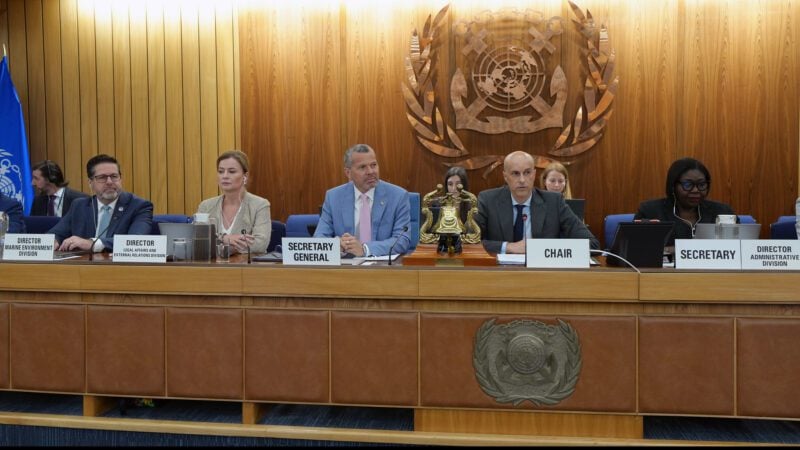
- Legal and diplomatic positions on Hormuz are hardening and contradictory: Iran’s maritime authority has suspended transit‑permit processing and warned ships on US‑recommended routes, while the IMO Council reaffirmed freedom of navigation and called for unhindered transit, and Washington maintains the strait remains open. (Confidence: medium · REPORTED)
- I&W: Iran issues additional notices maintaining permit suspensions or route restrictions for 30 days. (1-3 months)
- I&W: IMO announces concrete safety‑of‑navigation measures agreed with coastal states and visible resumption of permit processing. (0-14 days)
- Elevated threat conditions for commercial aviation and shipping in the Gulf are likely to persist into late August, given market pricing that signals a challenging environment for resolution by 31 August and ongoing U.S. government risk advisories. (Confidence: medium · ASSESSED)
- I&W: No material easing of aviation and travel advisories for the UAE and wider Middle East by end‑August. (1-3 months)
- I&W: Public confirmation of resumed U.S., Iran talks accompanied by a sustained two‑week lull in maritime incidents. (0-14 days)
- Market price signals are mixed. Despite disruption reports labelled as the largest oil‑supply shock on record, Brent spot was 69.56 dollars per barrel on 6 July, indicating low clarity on sustained supply‑risk transmission to prices. (Confidence: low · ASSESSED)
- I&W: Brent or WTI remain below 75 dollars per barrel for two weeks while Hormuz transits stay depressed. (0-14 days)
- I&W: Brent sustains above 80 dollars per barrel for seven consecutive days following additional vessel attacks. (0-14 days)
Outlook & scenarios
Protracted high‑risk transits with intermittent attacks (60%)
IRGC conducts sporadic strikes and boardings near the Musandam approaches while U.S. forces maintain a rolling strike campaign against Iranian coastal, air defence and naval assets. Observable crossings along Oman’s coast remain minimal; more ships run dark transits to avoid targeting. War‑risk premiums stay elevated and some owners continue to pause voyages.
Talks resume and a monitored corridor reduces incidents (35%)
Facilitated contacts and multilateral engagement yield a de‑facto routing and notification regime via Omani waters supported by coastal‑state coordination. Iranian permit processing resumes under conditions, and the IMO’s calls for unhindered transit inform voluntary measures. Incident rates fall and tanker flows recover gradually.
Acute escalation and attempted closure (25%)
IRGC expands strikes on commercial shipping and the U.S. responds with broader target sets. Iran strikes U.S. targets in neighbouring Gulf states, and Tehran’s authorities signal more assertive control over routing. Traffic further contracts and additional vessels are stranded or diverted, with wider energy‑security repercussions.
Recommendations
- Maintain a daily Hormuz shipping tracker combining AIS gaps, reported incident positions near Musandam, and observed route choices along Oman’s coast; flag vessels transiting with AIS off and correlate with incident timing.
- Task for rapid exploitation of official and media releases from CENTCOM, IRGC and Iranian maritime authorities; build a source‑rated log linking each shipping incident to claimed actors, munitions used and vessel identity.
- Brief energy and economic desks daily using EIA spot data as a risk proxy; record price moves against the shipping‑incident log to refine judgments on market sensitivity.
- Produce a one‑page legal and policy map of current positions: Iranian permit suspensions and routing warnings, U.S. assertions that the strait remains open, and IMO Council language on unhindered transit; update with any new notices.
- Engage insurance market reporting to capture any changes to war‑risk underwriting, routing clauses, and premium guidance for Hormuz transits; integrate into shipowner and charterer risk posture notes.
- Develop and monitor a concise indicator set for escalation or de‑escalation: new attacks northeast of Musandam, reinstatement or lifting of Iranian permit suspensions, observable southern‑corridor crossings, and official announcements on talks.
- Coordinate with aviation risk analysts to align maritime and airspace warnings affecting the UAE and adjacent FIRs; ensure cross‑domain incident alerts reach shipping‑sector stakeholders in real time.
Confidence & uncertainty
Overall confidence is low. Several core elements rest on major‑media and official statements that broadly align, but key points are contested or only indirectly corroborated. There are attribution gaps around specific strikes on merchant vessels, conflicting reporting on the operational status of transits along the Omani corridor versus covert passages, and date inconsistencies in accounts of closures earlier in the war. Price signals also conflict with claims of unprecedented supply disruption. These contradictions, plus reliance on open reporting without independent technical verification, limit confidence despite multiple seemingly consistent sources.
Alternative analysis (red cell)
Reporting is inconsistent on incident counts and attribution (590e2b08 vs fbd1a8fc; c89fcc3f is low confidence), so a defensible alternative is that fewer incidents occurred and IRGC attribution remains uncertain. Visible traffic appears sharply reduced but not uniformly halted—covert transits and transponder‑off movements (cd398501; b3db7d1a) indicate degradation rather than absolute cessation. Market indicators are mixed (f9950171 vs f29e9fa7), leaving persistence of elevated threat through late August uncertain without clearer price, flow, and operational evidence.
Cited sources
[1] gcaptain.com · Ships Transit Hormuz in Secret as US and Iran Trade Strikes (B) · sha256:fd2602fdd5fa [2] kitco.com · Oil tanker traffic through Hormuz at near standstill on fresh attacks (B) · sha256:e333c09ae4e9 [3] cryptobriefing.com · CENTCOM launches strikes after IRGC attack on Cyprus-flagged ship (B) · sha256:3930eb4c7b36 [4] gcaptain.com · Rescuers Search for Crew Member After Container Ship Attack in Strait of Hormuz (B) · sha256:12e5c26167bd [5] maritime-executive.com · Iran Resumes Attacks on Merchant Shipping With Strike on LNG Carrier (B) · sha256:e822179d55b8 [6] cryptobriefing.com · Iran warns ships at risk on US-recommended routes in Strait of Hormuz (B) · sha256:9010560f81e2 [7] gcaptain.com · U.S. Launches Fourth Wave of Strikes Against Iran as Hormuz Shipping Crisis Deepens (A) · sha256:2400d1e5b8e5 [8] gcaptain.com · Iran Widens Attacks on US Bases in Gulf, Hormuz Tensions Lift Oil Prices (A) · sha256:c1323c3bca46 [9] gcaptain.com · Trump Reinstates Iran Blockade, Declares U.S. 'Guardian of Hormuz,' And Calls for 20% Cargo Fee (B) · sha256:4d623c329673 [10] gcaptain.com · IMO Council Reaffirms Freedom of Navigation, Condemns Attacks on Commercial Shipping (A) · sha256:db719dbf2041 [11] U.S. Department of State · United Arab Emirates Travel Advisory (A) · sha256:7a0c71f2991b [12] cryptobriefing.com · US, Iran exchange fire over Strait of Hormuz amid escalating 2026 conflict (B) · sha256:a4c02f7dee9d [13] cryptobriefing.com · US resumes aggressive actions against Iran amid Strait of Hormuz tensions (B) · sha256:431d0f88a292 [14] U.S. Energy Information Administration · EIA crude oil spot prices — 2026-07-06 (A) · sha256:9f3606623b2c [15] Wikipedia · 2026 Iran war fuel crisis (B) · sha256:343afeda2527
Source content hashes were computed at collection time; the cited text is preserved unmodified for the life of this product.
Red cell review: PARTIAL DISSENT
TLP:CLEAR