TLP:CLEAR · Disclosure is not limited.
Iran-US Escalation Extends to Jordan and Regional Shipping
Time window: Last 1 day · Audience: General analyst · Type: Situation report · DTG: 2026-09-09 17:14Z · Overall confidence: HIGH
BLUF
The conflict has escalated beyond the maritime exchange assessed on 8 September: Iran launched a missile barrage towards a US-used base near Al Azraq, Jordan, while the US destroyed five Iranian tankers and Iran claimed attacks on ships near the Strait of Hormuz. It is very likely that shipping constraints and regional spillover will persist over the next 14 days, but the number and success of Iran's maritime attacks remain unresolved.
Executive summary
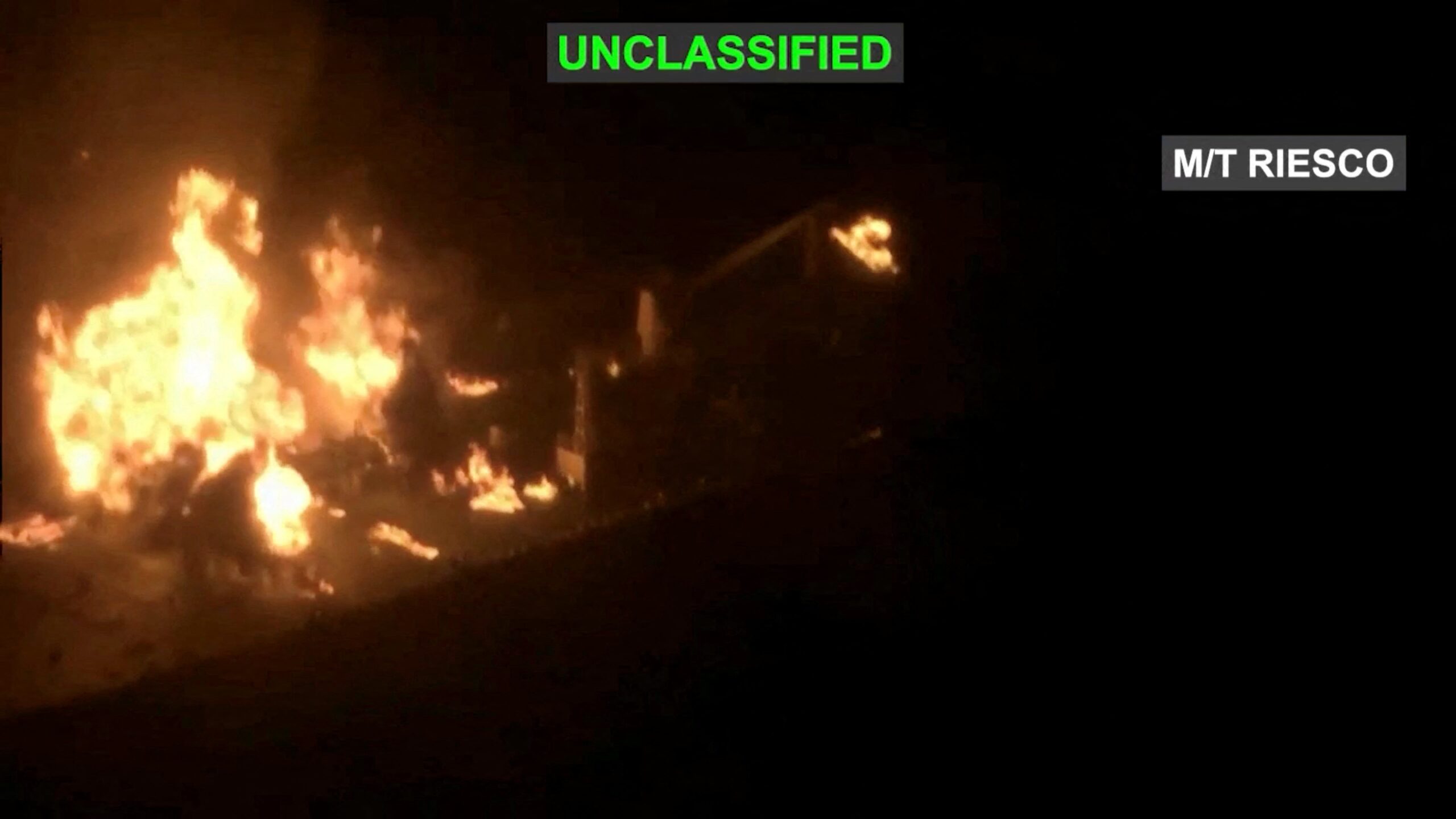
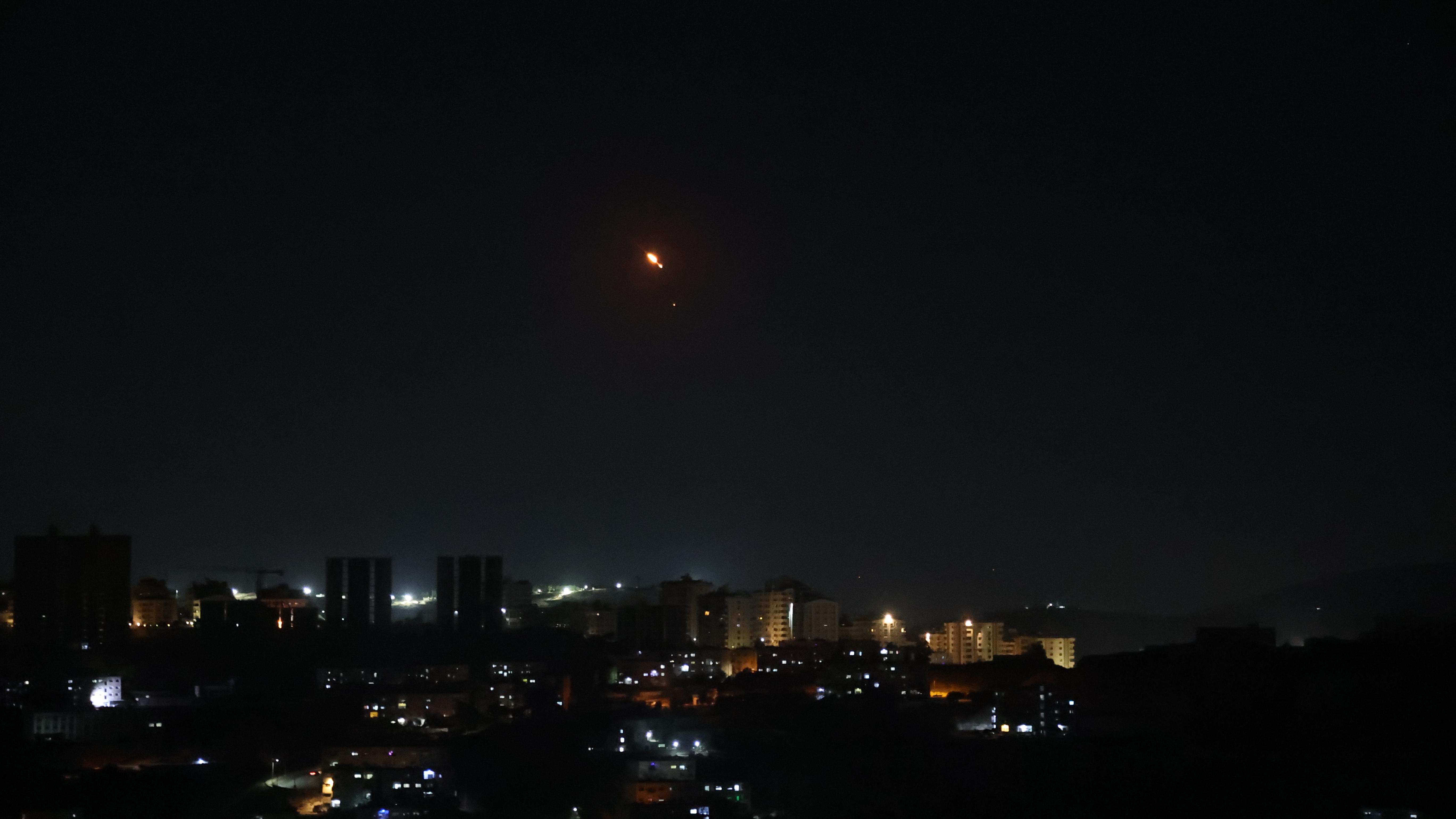
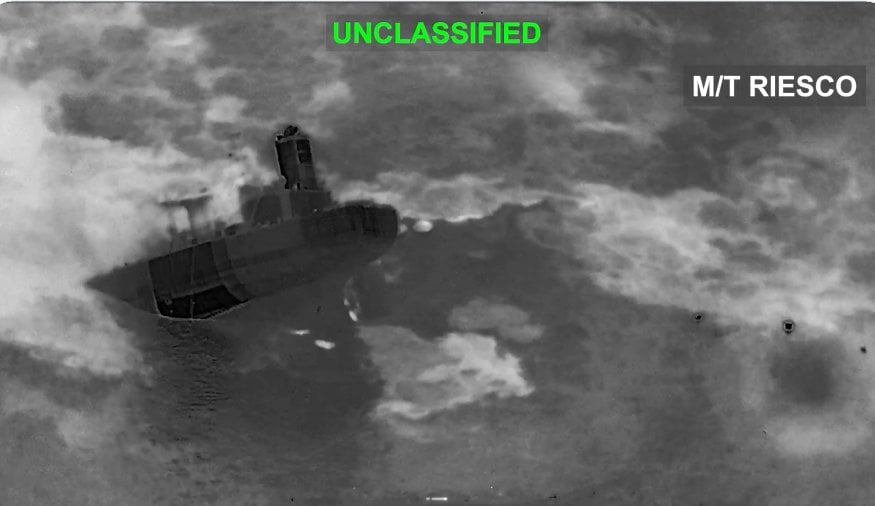
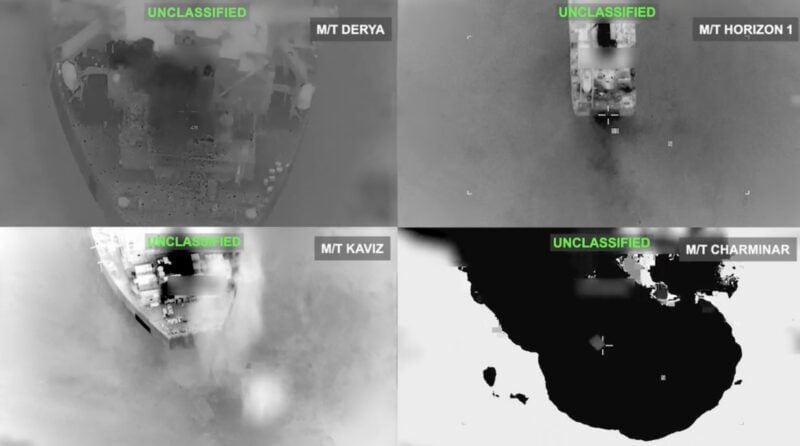
Reporting on 9 September indicates a broader US-Iran exchange across Jordan and the Gulf. The IRGC said it attacked a US-used base near Al Azraq and ships near the Strait of Hormuz. Jordan reported that its air defences intercepted 18 of 20 missiles, while CENTCOM said US forces destroyed five Iranian oil tankers after two attempted IRGC attacks on a US Navy warship. Houthi attacks on four Saudi cities injured 73 people and set oil facilities ablaze. A tanker carrying Iraqi fuel oil was also struck in Iraqi waters, and a seafarer died in an incident off Dubai. Brent crude rose above $100 a barrel and US diesel reached a reported record of $5.94 per gallon.
Change from previous assessment
Since the 8 September brief, the assessment has shifted from a primarily maritime escalation to a wider direct exchange involving a reported Iranian missile attack near Al Azraq in Jordan, Jordanian interception of 18 of 20 missiles, five additional US-destroyed Iranian tankers and Iranian claims of attacks on up to 20 ships. Regional spillover is now more immediate because Houthi attacks reached four Saudi cities and energy sites, while incidents affected shipping near al-Faw and Dubai. Confidence remains high on the core escalation, but confidence is lower on individual vessel counts, attack outcomes, maritime locations and the precise status of the US-Iran diplomatic track.
Key judgments
- It is very likely that direct US-Iran hostilities expanded on 8 and 9 September from tanker strikes to a ballistic missile exchange involving Al Azraq, Jordan. CENTCOM reported that US forces destroyed five Iranian tankers after two IRGC attempts to target a US Navy warship. The IRGC said it fired ballistic missiles at a US-used base near Al Azraq, while Jordan reported that 20 missiles were launched towards its territory, 18 were intercepted and two fell in unpopulated areas. Iran's claim that it attacked US vessels remains contested because CENTCOM said no US Navy warship was struck and all attempted attacks failed. (Confidence: high · REPORTED)
- I&W: A further Iranian missile or drone strike on a US-used facility in Jordan, Kuwait or Saudi Arabia, or another confirmed US strike on a named Iranian tanker, would confirm continued direct escalation. (0-14 days)
- I&W: A 14-day period without another reported Iranian attack on US forces and without a US retaliatory strike would break the assessment of sustained direct escalation. (0-14 days)
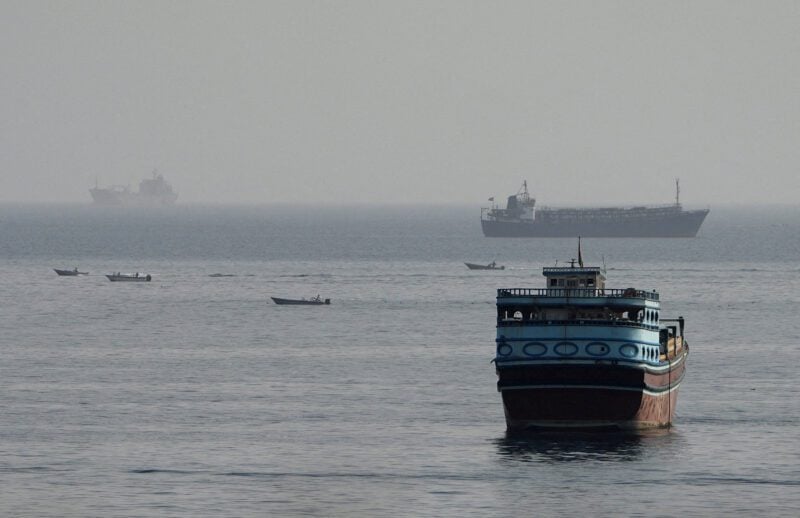
- It is very likely that commercial traffic through the Strait of Hormuz and adjacent waters will remain severely constrained over the next 14 days, while it is unlikely that the strait will be completely closed at all times. Iran has announced an expanded maritime restricted zone, issued warnings to shipping and claimed attacks on between 10 and 20 vessels. CENTCOM said 94 commercial vessels had been redirected by 7 September. UKMTO reported an attack on a cargo ship near al-Faw, and the tanker New Andros was struck and set ablaze in Iraqi waters. Public offers of US naval escorts and claims that the strait was clear of mines indicate intermittent access rather than a uniformly closed waterway. (Confidence: medium · ASSESSED)
- I&W: Two or more additional UKMTO-reported incidents, new Iranian shipping warnings, or another CENTCOM redirection of commercial vessels would confirm sustained maritime constraint. (0-14 days)
- I&W: Seven consecutive days of regular commercial transits through the Strait of Hormuz without new warnings, diversions or reported attacks would break the assessment of severe constraint. (0-14 days)
- It is likely that regional spillover will persist, with the clearest near-term risks concentrated on Saudi energy infrastructure and commercial shipping around Iraq and the United Arab Emirates. Iran-backed Houthis attacked Khamis Mushait, Abha, Najran and Jazan, including Saudi state oil assets, and Saudi authorities reported 73 wounded. The New Andros was struck and set ablaze in Iraqi waters, while a seafarer was killed in an incident involving the Hercules Star off Dubai. The attack method and attribution for the Iraqi tanker incident remain unresolved. (Confidence: medium · ASSESSED)
- I&W: Another Houthi strike on a named Saudi energy site, or another tanker attack near al-Faw, Dubai or the Strait of Hormuz, would confirm continued regional spillover. (0-14 days)
- I&W: Official Saudi, Iraqi and UAE reporting records no further attacks on energy infrastructure or commercial vessels for 14 days, and attributes the New Andros incident to a non-conflict cause, would break this assessment. (0-14 days)
- It is likely that energy price and inflation pressure will persist over the next one to three months if shipping restrictions continue. Brent crude reached $101.32 a barrel on 9 September, WTI reached $96.48, US diesel reached a reported record of $5.94 per gallon, and Brent has risen by about a quarter since early August. Saudi Arabia has rerouted some oil exports away from the Strait of Hormuz, while OCBC analysts warned of prolonged supply disruption. (Confidence: medium · ASSESSED)
- I&W: Brent remains above $100 a barrel for five trading days while Saudi Arabia continues to reroute exports or new tanker incidents are reported, confirming persistent energy pressure. (0-14 days)
- I&W: Brent remains below $100 for 10 consecutive trading days, Saudi export rerouting ends and no new shipping incidents are reported, breaking the assessment. (1-3 months)
- It is unlikely that US-Iran diplomatic contacts will produce durable de-escalation within the next 14 days. The status of the June Memorandum of Understanding is disputed: one account says it fell apart over differing interpretations, while another describes a 60-day arrangement being negotiated and electronically signed. Iran has condemned the tanker strikes, Marco Rubio has warned that Iran will lose tankers after attempts to hit US naval ships, and the IRGC has announced maritime restrictions. China and Qatar are calling for dialogue, but their statements have not produced a verified pause in attacks. (Confidence: medium · ASSESSED)
- I&W: A further Iranian or US strike after public diplomatic contact, without a mutually accepted pause in maritime and missile operations, would confirm the assessment. (0-14 days)
- I&W: Washington and Tehran publish a mutually accepted text that halts tanker strikes, missile launches and maritime restricted zones, followed by seven days without reported attacks, would break the assessment. (0-14 days)
Outlook & scenarios
Continued reciprocal maritime and limited base attacks (55%)
The most likely path is continued US strikes against Iranian tankers after further IRGC attacks or attempted attacks on US naval vessels. Iran sustains missile or drone pressure on US-linked facilities in Jordan and the Gulf, while the IRGC maintains restricted maritime zones and shipping warnings. Jordanian air defences continue intercepting a portion of incoming missiles, and commercial traffic remains intermittent.
Maritime pause with partial reopening (20%)
US naval escorts and indirect contacts through Qatar or China produce a temporary reduction in attacks. Some commercial vessels resume transit through the Strait of Hormuz, but insurers and operators retain diversion measures because Iranian warnings and the risk of renewed tanker strikes remain in place.
Wider regional attack pattern (15%)
Further Houthi strikes hit Saudi oil infrastructure, Iran targets vessels or facilities in Kuwait and Bahrain, and the IRGC's declared threat against RAF Fairford develops into an attack or attempted attack. The result is a wider security response involving Saudi Arabia, the UK and other states hosting US forces.
Negotiated halt to direct exchanges (10%)
Washington and Tehran reconcile the disputed Memorandum of Understanding, establish a verified maritime safety arrangement and halt tanker strikes and missile launches. China and Qatar support implementation, while Iran suspends the expanded maritime restricted zone and commercial traffic begins to normalise.
Recommendations
- Maintain a 24-hour incident ledger for the next 14 days that separates confirmed events from Iranian and US claims. Record the time, location, vessel name, weapon type, damage outcome and source for every reported attack.
- Prioritise monitoring of Al Azraq and other US-used facilities in Jordan, Kuwaiti and Bahraini ports, the Strait of Hormuz, the Gulf of Oman, al-Faw and the Bab el-Mandeb. Treat any new warning to tanker crews or commercial rerouting order as an immediate escalation indicator.
- Track CENTCOM, the IRGC Navy, the Jordanian Armed Forces, UKMTO, Iraqi port officials and Saudi authorities against one common chronology. This will help resolve the disputed number of ships attacked and whether the New Andros was hit by a drone or another projectile.
- Update energy risk models using Brent above $100, WTI near $96.50 and US diesel at $5.94 as current reference points. Include a scenario in which Saudi rerouting continues while the Strait of Hormuz and Bab el-Mandeb remain separately threatened.
- Assess the diplomatic track against actions rather than statements. Require evidence of a mutually accepted US-Iran text, a verified halt in attacks and sustained commercial transits before treating Qatar or China mediated contacts as de-escalatory.
- Keep RAF Fairford, Al Azraq, Prince Sultan Air Base, Al Udeid, Kuwaiti ports and Bahraini ports on the priority warning list. Review any evacuation notice, air-defence activation or new Iranian targeting statement against the wider regional escalation picture.
Confidence & uncertainty
Overall confidence is high because the core developments are corroborated by multiple high-reliability wire reports, official statements from CENTCOM and the Jordanian Armed Forces, UKMTO reporting and major media accounts. Confidence is lower on the exact number of Iranian maritime targets, the success of attacks on US vessels, the precise locations and timing of US tanker strikes, the weapon used against New Andros and the status of the US-Iran Memorandum of Understanding.
Intelligence gaps
- [EEI 1.1 · UNCOVERED] Number, type, launch times, and trajectories of ballistic missiles, cruise missiles, armed UAV strikes, and combat-air sorties launched by Iranian or Israeli forces toward the other's territory or forward bases within a 72-hour window. Recommended collection: signals/intel
- [EEI 1.2 · UNCOVERED] Observable changes in Israeli and Iranian force posture: mobilization or reserve call-up orders, unit road/rail movements, dispersal or sortie rates of air squadrons, redeployment of air-defense batteries, and activation of civil-defense alerts or sirens in major population centers. Recommended collection: open-source/media
- [EEI 1.3 · UNCOVERED] Indications of strike authorization or targeting preparations in Iranian or Israeli command chains: authenticated public orders by senior commanders, detected increases in encrypted communications consistent with targeting, or visible movement of strike munitions to launch/storage sites. Recommended collection: signals/intel
- [EEI 2.1 · UNCOVERED] Counts, launch locations (coordinates), weapons types, and assessed damage from rocket/missile/drone strikes originating from Lebanon into northern Israel attributed to Hezbollah or allied groups. Recommended collection: open-source/media
- [EEI 2.2 · UNCOVERED] Reported attacks by Iranian-backed militias in Iraq and Syria: rocket/IED strikes on bases hosting US/coalition or Israeli personnel, documented militia unit movements toward borders, and captured movement or transfer of weapons systems to forward militia positions. Recommended collection: human
- [EEI 2.3 · PARTIAL] Maritime harassment or attacks by proxies (e.g., Houthis): incidents of missile/rocket strikes against commercial vessels, small-boat swarm attacks, discovery or detonation of naval mines, and corresponding AIS anomalies in the Red Sea, Gulf of Aden, or southern Arabian Gulf. Recommended collection: maritime/AIS
- [EEI 3.1 · UNCOVERED] Movements and arrival dates of foreign military assets into the region: carrier strike groups, amphibious ships, surface combatants, strategic airlift/tanker deployments, and air/sea patrol patterns by US, European, Russian, or regional militaries. Recommended collection: imagery/satellite
- [EEI 3.2 · PARTIAL] Concrete diplomatic and political actions: emergency UN/Arab League meetings called, official embassy evacuation orders, public declarations of intent to interpose or protect shipping/airspace, and newly announced sanctions or arms-transfer approvals tied to the conflict. Recommended collection: diplomatic
TLP:CLEAR