TLP:CLEAR · Disclosure is not limited.
Iran-US Escalation Intensifies with Second Night of Strikes as Ceasefire Formally Declared Over
Time window: Last 1 day · Audience: General analyst · Type: Situation report · DTG: 2026-07-09 14:36Z · Overall confidence: LOW
BLUF
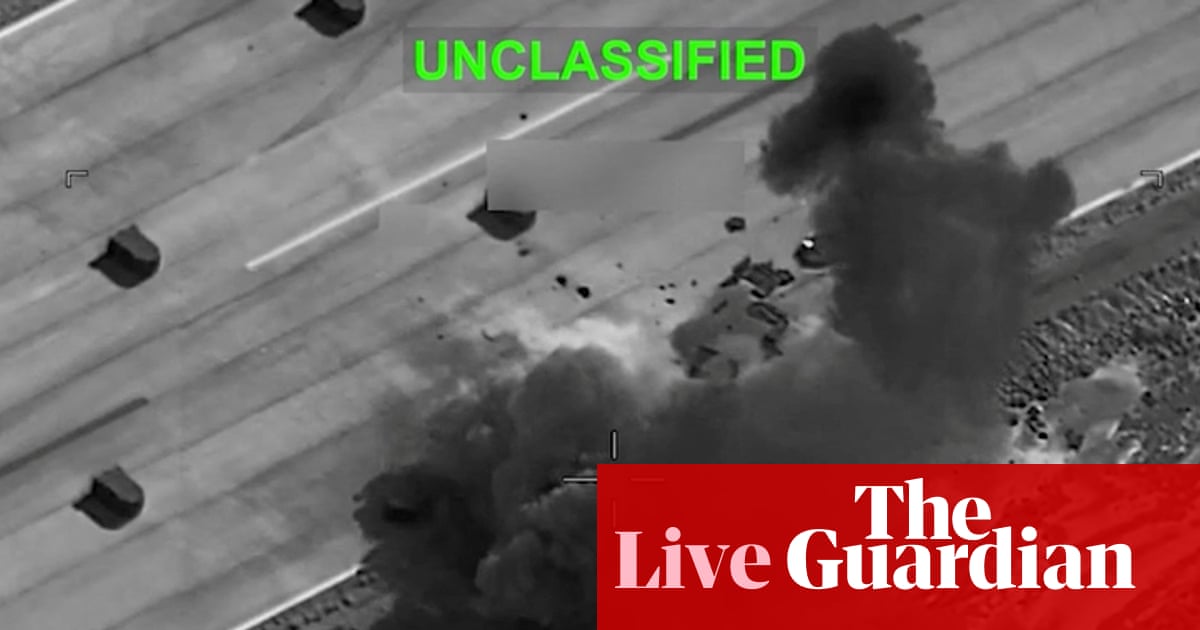
The United States conducted a second consecutive night of strikes against approximately 90 Iranian targets on 9 July, prompting Iran to launch drone and missile attacks on US military facilities in Bahrain, Kuwait, and Qatar. President Trump formally declared the ceasefire over at the NATO summit, eliminating diplomatic constraints on further military action. The Strait of Hormuz remains under severe disruption risk as maritime traffic falls to minimal levels.
Executive summary
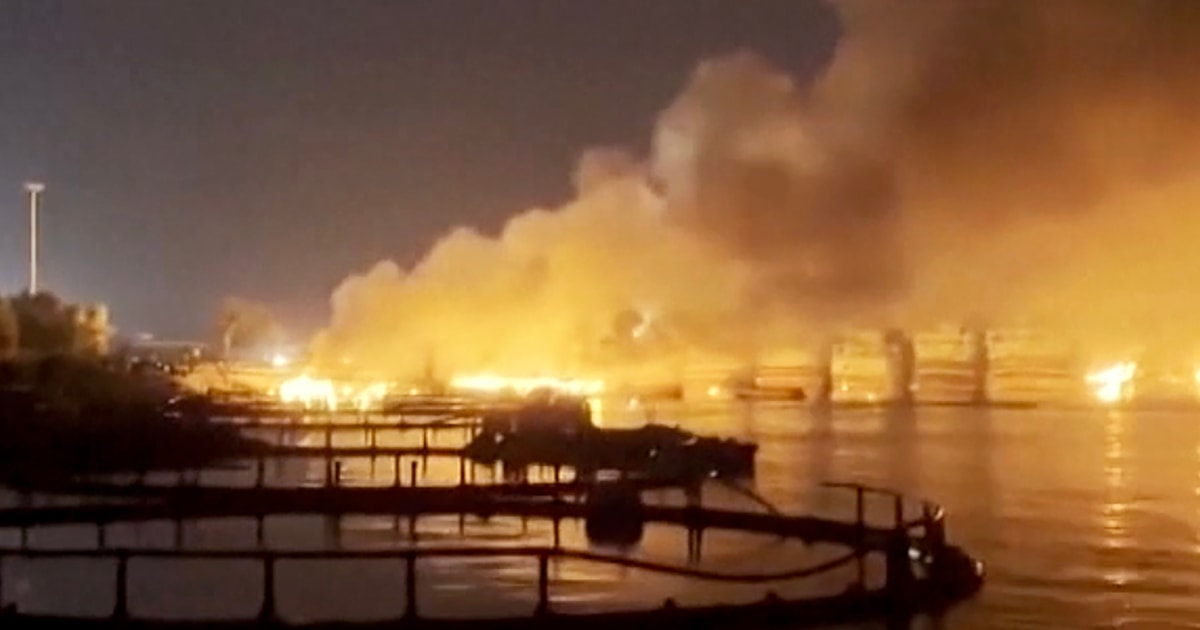
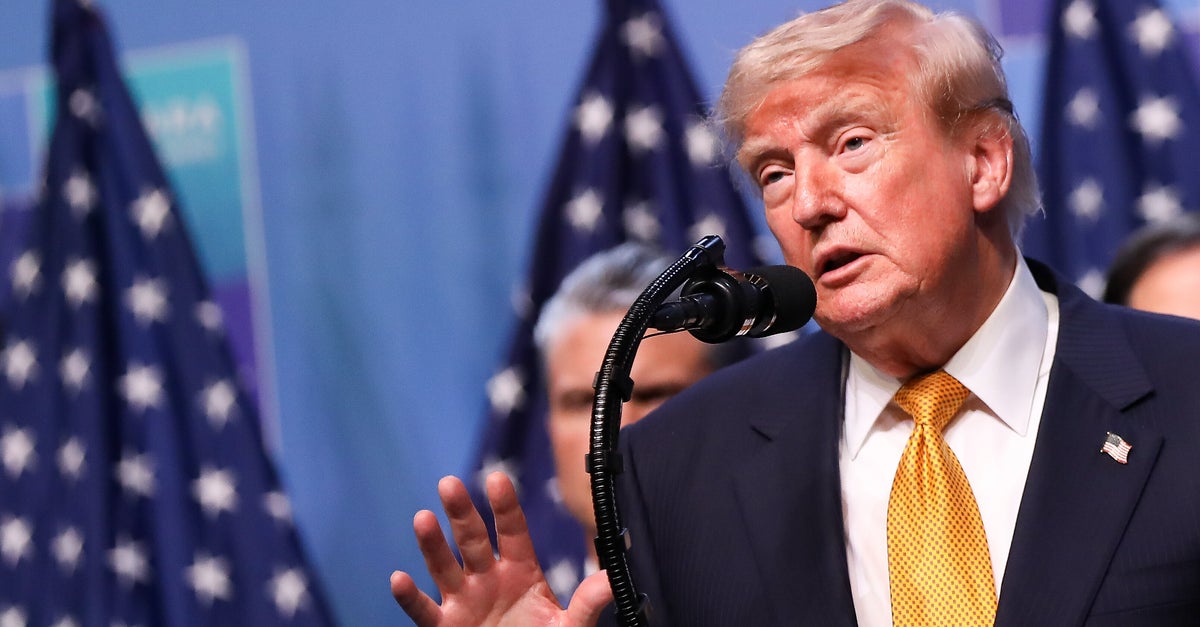
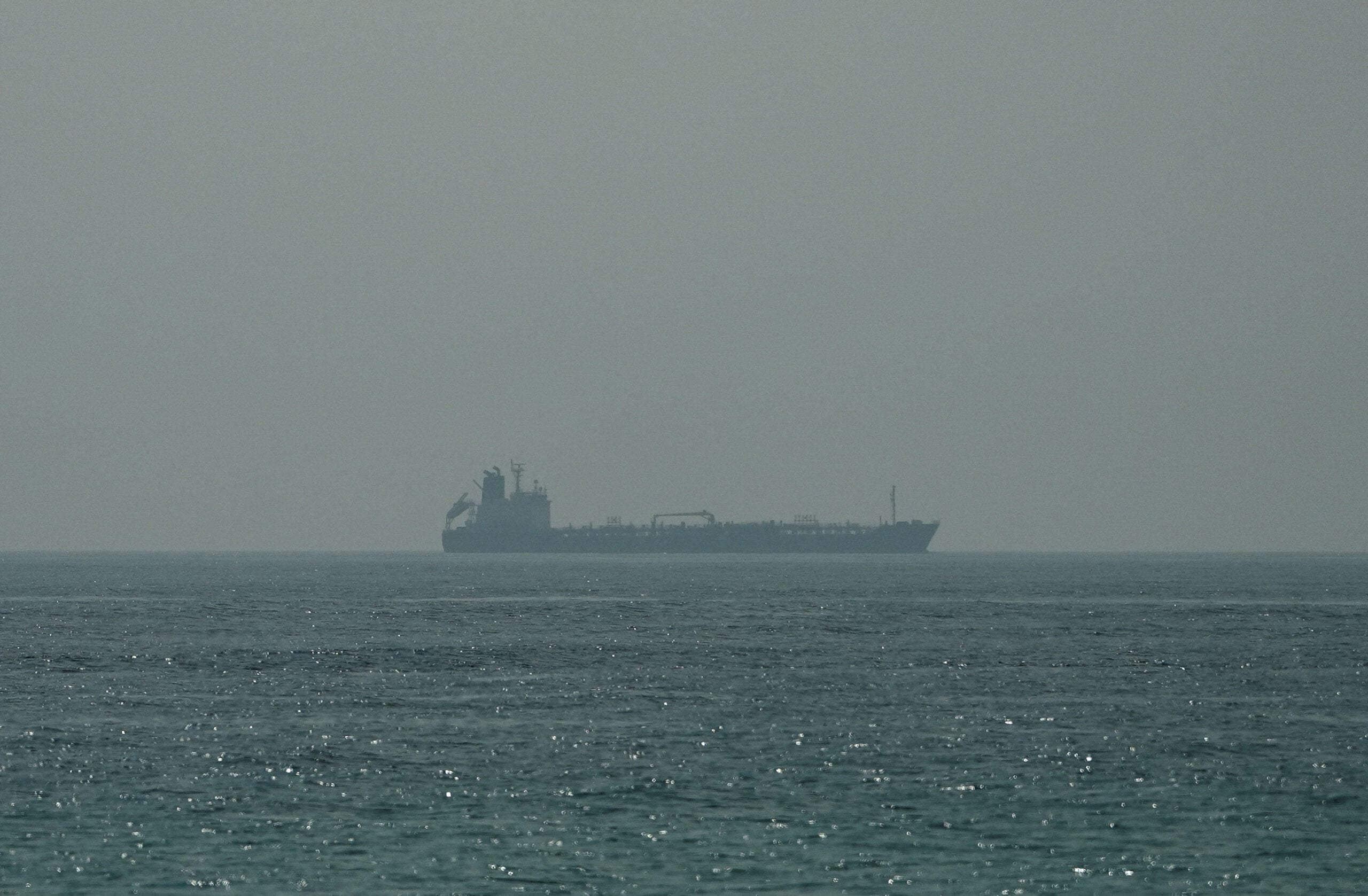
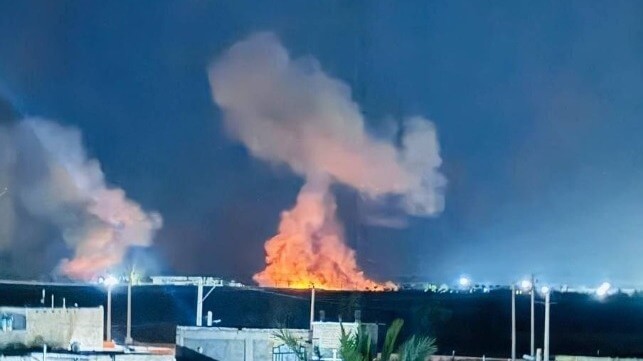
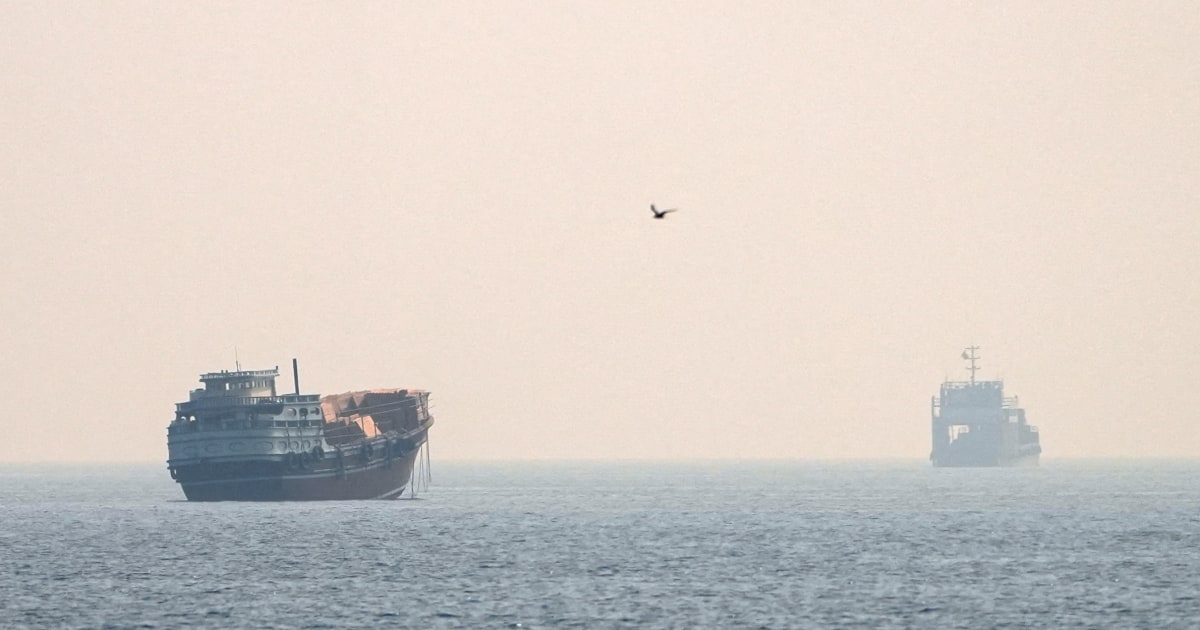
US forces conducted strikes against around 90 Iranian military and port facilities overnight 8-9 July, marking the second consecutive night of offensive action. Iran responded with drone and missile attacks targeting US facilities in Bahrain, Kuwait, and Qatar including Camp Arifjan and Fifth Fleet headquarters. President Trump publicly declared the ceasefire over at the NATO summit in Ankara, stating any further Iranian attacks on shipping would bring significantly greater retaliation. Iranian state media reported explosions across southern Iran including near the Bushehr nuclear complex, with official sources confirming at least 14 fatalities and 78 wounded. Regional Gulf states reported intercepting Iranian missiles and drones while Pakistan and Egypt urged restraint. Commercial shipping through the Strait of Hormuz has dwindled to three vessels according to tracking data.
Change from previous assessment
US strikes have escalated from targeting 80 positions on 7-8 July to approximately 90 positions on 8-9 July, with Washington formally ending the ceasefire agreement and reimposing oil export sanctions. Iranian retaliation has expanded geographically to include direct attacks on US military facilities across Bahrain, Kuwait, and Qatar rather than previous strikes against shipping. The Strait of Hormuz maritime risk has intensified as tracking data shows only three fuel tankers transiting the strait, down from the 'Severe' classification in the prior brief, with concrete evidence of commercial shipping avoidance.
Key judgments
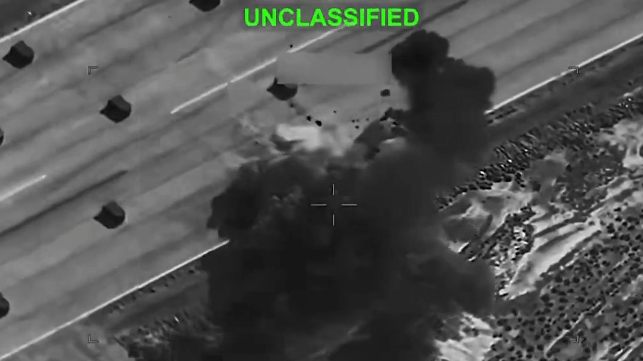
- The United States conducted a second night of large-scale strikes against approximately 90 Iranian military and port targets overnight 8-9 July, including radar installations, missile storage facilities, and naval assets. (Confidence: high · REPORTED)
- I&W: Verification of satellite imagery showing damage at Iran's Chabahar port command tower and bridge infrastructure (0-72 hours)
- I&W: Confirmation of operational status for Iran's naval assets near Bandar Abbas and Qeshm Island (0-72 hours)
- Iran responded to US strikes by launching drone and missile attacks against US military facilities in Bahrain, Kuwait, and Qatar including Camp Arifjan and Fifth Fleet headquarters, with Saudi Arabia and Jordan also reporting interception efforts. (Confidence: high · REPORTED)
- I&W: Verification of damage to Camp Arifjan in Kuwait or Fifth Fleet headquarters in Bahrain (0-72 hours)
- I&W: Confirmation of intercepted missiles or drones in Saudi territory through defence ministry statements (0-24 hours)
- President Trump formally declared the US-Iran ceasefire over during the NATO summit in Ankara, eliminating previous diplomatic constraints on military action while threatening to target Kharg Island if Iranian attacks on shipping continue. (Confidence: high · REPORTED)
- I&W: US Central Command issuing explicit statements referencing operational freedom following ceasefire termination (0-24 hours)
- I&W: US military movements toward Kharg Island observed through satellite or AIS tracking (0-72 hours)
- Iran has suffered at least 14 fatalities and 78 wounded from US strikes, with casualties concentrated among Revolutionary Guard Corps personnel in Khuzestan province, Bandar Abbas, and Bushehr. (Confidence: medium · REPORTED)
- I&W: Hospital data from Bandar Abbas or Bushehr showing admission of military personnel with blast injuries (0-72 hours)
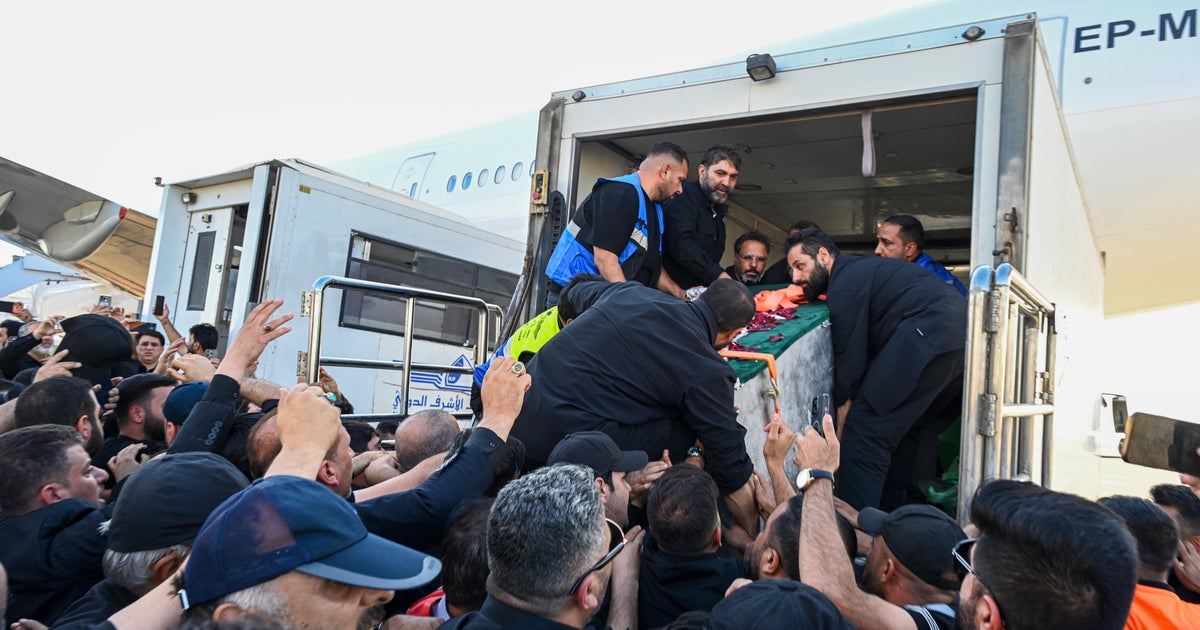
- I&W: Verification of burial procedures for deceased Revolutionary Guard Corps members (0-14 days)
- Commercial shipping through the Strait of Hormuz has decreased to minimal levels with only three fuel tankers transiting, reflecting severe disruption to regional energy markets and raising global fuel price risks. (Confidence: medium · REPORTED)
- I&W: Vessel tracking data showing sustained traffic levels below 10 commercial vessels through the Strait (0-14 days)
- I&W: Daily fluctuations in Brent crude futures exceeding £15 per barrel due to shipping uncertainty (0-7 days)
- Iran has not targeted critical petroleum infrastructure in Gulf states, concentrating attacks on US military rather than economic assets in an effort to avoid triggering wider regional escalation. (Confidence: medium · ASSESSED)
- I&W: Confirmation of direct strikes against Saudi or Emirati oil infrastructure rather than US military facilities (0-14 days)
- I&W: Qatar resuming expansion plans for Ras Laffan LNG facility after initial suspension (1-3 months)
- Indonesia has resumed importing Russian crude oil following a supply deal for up to 150 million barrels, reflecting shifting global energy trade patterns as regional conflicts disrupt traditional supply chains. (Confidence: medium · REPORTED)
- I&W: Verification of additional Russian oil deliveries to Balikpapan exceeding 500,000 barrels within 14 days (0-14 days)
- I&W: Indonesian currency stabilising against the US dollar following reduced fuel import costs (1-3 months)
Outlook & scenarios
Sustained Escalation with Kharg Island Strike (45%)
The United States follows through on Trump's threat to strike Kharg Island, triggering an Iranian counterattack against Saudi or Emirati oil infrastructure. This scenario sees the Strait of Hormuz closed to commercial traffic for 10-14 days as Iran activates defensive mine-laying capabilities, forcing global fuel prices above £140 per barrel. Qatar and Kuwait suspend LNG and oil exports temporarily in response to direct threats, with European nations activating emergency petroleum stocks to stabilise markets.
Containment with Limited Tit-for-Tat Actions (35%)
Both sides maintain attacks within previously demonstrated parameters, targeting military rather than economic infrastructure, while diplomatic channels remain open through Omani or Qatari intermediaries. The Strait of Hormuz sees limited disruptions as Iran refrains from direct attacks on commercial shipping, maintaining traffic around 15-20 vessels daily. US forces establish a tighter blockade near Iranian territorial waters, while Iranian attacks remain concentrated against US military positions rather than GCC energy infrastructure.
De-escalation Following US-Russia Coordination (15%)
Russia brokers a temporary de-escalation as part of broader nuclear-related negotiations, with Iran agreeing to halt attacks on shipping in exchange for limited sanctions relief. Trump accepts this face-saving arrangement while maintaining rhetoric about 'total victory', allowing the Strait of Hormuz to return to near-normal traffic volume within three weeks. This scenario assumes Russian leverage over Iranian decision-making exceeds current estimates and US willingness to accept temporary arrangements despite political costs.
Wider Regional Conflict Involving Lebanon (5%)
Iranian Revolutionary Guard elements in Lebanon trigger hostilities against Israel following the US-Iran escalation, drawing Israel into a northern front while it maintains operations in Gaza. Hezbollah initiates rocket attacks against Haifa and other northern Israeli cities, prompting substantial Israeli military action in southern Lebanon. This scenario represents a low-probability, high-impact outcome that would significantly complicate US strategic positioning in the region and strain NATO cohesion.
Recommendations
- Direct CENTCOM to enhance air defence readiness for US facilities across the Gulf states, prioritising early warning systems at Camp Arifjan and Fifth Fleet headquarters in Bahrain given demonstrated Iranian targeting patterns
- Monitor Iranian procurement of drone components through third countries including Pakistan and Armenia with particular focus on components for long-range strike systems
- Coordinate with Indonesia and other non-aligned states to establish alternative shipping corridors through the Indonesian archipelago to bypass Strait of Hormuz disruptions
- Direct intelligence assets to verify operational status of Iran's remaining petroleum export infrastructure, paying particular attention to Kharg Island as a potential target
- Prepare contingency plans for emergency petroleum releases in coordination with European partners should Strait of Hormuz traffic fall below five commercial vessels daily for three consecutive days
Confidence & uncertainty
Overall confidence is assessed as low due to significant source contradictions regarding casualty figures, precise strike locations, and attack timelines. While major strike events are corroborated by multiple high-reliability media sources, specific details such as the exact number of targets hit (80 vs 90), precise dates of military actions across time zones, and casualty counts vary between otherwise reliable sources. The absence of official defence ministry confirmation for many claims, particularly regarding Iranian counterstrike effectiveness, creates significant gaps in the picture. Additionally, conflicting reports about missile interception success rates and damage assessment introduce substantial uncertainty regarding the military impact on both sides.
Intelligence gaps
- [EEI 1.1 · UNCOVERED] Movement, dispersal, or emplacement of Iranian conventional or IRGC heavy assets (ballistic missile launchers, Khoramshahr/Toofan-class missile transporters, ground-to-ground TELs, air defense batteries, amphibious units) from garrison areas toward forward bases or coastal launch sites. Recommended collection: satellite/IMINT
- [EEI 1.2 · PARTIAL] Authenticated Iranian military orders, NSC/IRGC operations directives, or senior leadership statements explicitly directing strikes against Israel or U.S. forces or authorizing cross-border operations. Recommended collection: human/diplomatic
- [EEI 1.3 · UNCOVERED] Changes in Israeli and U.S. force posture indicating anticipation of direct large-scale conflict—elevated readiness levels, mobilization notices, pre-positioning of munitions, or public/private orders to prepare offensive strikes. Recommended collection: open-source/diplomatic
- [EEI 2.1 · UNCOVERED] Observable pre-launch preparations for missile/rocket/cruise missile strikes (fueling, warhead mating, launcher orientation, support vehicle congregation) and abnormal munitions handling at known launch sites. Recommended collection: satellite/IMINT
- [EEI 2.2 · UNCOVERED] Indications of proxy arms shipments and weapons transfers (truck convoys, small boat transfers, container movements from Iran to proxies, new stockpiles in Lebanon, Iraq, Yemen, Syria). Recommended collection: maritime/AIS
- [EEI 2.3 · UNCOVERED] Evidence of cyber attack planning or active exploitation campaigns targeting Israeli or U.S. military/critical infrastructure (emergence of new command-and-control servers, spear-phishing campaigns against defense personnel, successful intrusions). Recommended collection: cyber
- [EEI 3.1 · UNCOVERED] Movements and posture changes of U.S. regional platforms (carrier strike groups, amphibious ready groups, B-52/B-1/B-2 or fighter deployments, missile defense assets repositioning) and associated armament loadouts. Recommended collection: satellite/IMINT
- [EEI 3.2 · PARTIAL] Official or leaked U.S. government/diplomatic communications indicating thresholds for strikes, authorization for offensive operations, or limits on action (NSC/DoD statements, congressional notifications, diplomatic notes). Recommended collection: diplomatic/human
- [EEI 3.3 · UNCOVERED] Changes in U.S. base force-protection measures and rules of engagement at regional facilities (base lockdowns, evacuation notices, flight restrictions, activation of Local Defense Forces or missile intercept systems). Recommended collection: open-source/local reporting
- [EEI 4.1 · PARTIAL] Hezbollah-specific indicators: convoys and logistics movements toward Lebanon–Israel border, artillery/rocket emplacement in southern Lebanon, documented strikes-preparation activity, public mobilization orders or recruitment drives. Recommended collection: satellite/IMINT
- [EEI 4.2 · UNCOVERED] Houthi-attributed maritime attack indicators: AIS anomalies/loss of contact for commercial vessels, reports of missile/drone strikes or near-miss incidents in Bab al-Mandeb/Red Sea, Houthi claims paired with imagery of weapons launches. Recommended collection: maritime/AIS
- [EEI 4.3 · UNCOVERED] Militia cross-border attack evidence from Iraq/Syria: recorded rocket/mortar launch events into Israel or strikes against U.S. facilities, movement of armed convoys toward border areas, and intercepted communications coordinating cross-border operations. Recommended collection: signals/ELINT
Cited sources
[1] Al Jazeera · Mediator Pakistan says renewed US-Iran conflict is ‘in no one’s interest’ (A) · sha256:2ca24588c893 [2] Los Angeles Times · U.S. and Iran exchange intensifying fire across the Mideast, threatening the interim deal to end war - Los Angeles Times (A) · sha256:d8e035597290 [3] military.com · US and Iran Exchange Intensifying Fire Across the Gulf, Threatening the Interim Deal to End War (B) · sha256:294c5b79b00f [4] huffpost.com · U.S. Launches New Airstrikes On Iran And Tehran Fires Back At Gulf Arab States (B) · sha256:bdcca8b49d5a [5] npr.org · The U.S. launches new airstrikes on Iran and Tehran fires back at Gulf Arab states (A) · sha256:47c23b159418 [6] NBC News · U.S. and Iran exchange intense new attacks after Trump says ceasefire is ‘over’ (A) · sha256:8fc220c5c675 [7] maritime-executive.com · U.S. and Iran Continue to Exchange Strikes in Dispute Over Hormuz (B) · sha256:a8d2eafbdb1d [8] theguardian.com · Trump says truce ‘over’ as Iran reports US attack near nuclear plant – Middle East crisis live (A) · sha256:dd34a26a1b61 [9] NBC News · U.S. attacks Iran for a second day and Maine Democrats race to replace Graham Platner: Morning Rundown (A) · sha256:d74dcd73f89a [10] gcaptain.com · IMO Urges Ships to Avoid Hormuz as U.S. Strikes Iran Over Vessel Attacks (B) · sha256:9b55686dc824 [11] maritime-executive.com · Photos: U.S. Hits Iranian Ports and Military Bases in New Wave of Strikes (B) · sha256:1d6d48e674a2 [12] CBS News · Live Updates: Iran and U.S. ramp up tit-for-tat strikes ahead of Ali Khamenei's burial (A) · sha256:cdee282d7274 [13] gcaptain.com · Indonesia Gets First Russian Oil Shipment After Deal with Moscow (B) · sha256:57b6e3885c03 [14] maritime-executive.com · China Begins to Return to the World Oil Market (B) · sha256:d31ae233dde6 [15] gcaptain.com · U.S. Container Imports Set to Break Pandemic-Era Record Ahead of Tariff Deadline (C) · sha256:89e35c321507 [16] maritime-executive.com · U.S. Imports Expected to Set New Record Ahead of Tariffs and Cost Increases (B) · sha256:3e54970fc193 [17] nypost.com · Iran ‘definitely’ possesses chemical weapons, would not hesitate to kill Americans: Netanyahu (B) · sha256:abf8412ec5f5
Source content hashes were computed at collection time; the cited text is preserved unmodified for the life of this product.
TLP:CLEAR