TLP:CLEAR · Disclosure is not limited.
Iran-US Escalation Spreads Across Gulf Shipping and Regional Fronts
Time window: Last 1 day · Audience: General analyst · Type: Situation report · DTG: 2026-09-09 17:43Z · Overall confidence: HIGH
BLUF
US-Iran fighting has intensified around Gulf shipping and reached a US-used base near Al Azraq, Jordan. CENTCOM reported destroying five Iranian tankers, while the IRGC claimed attacks on ships and launched missiles towards Jordan. Hormuz traffic is near halted, and spillover into Saudi Arabia, Yemen and Iraq is likely to maintain pressure on US forces, energy markets and commercial shipping through September.
Executive summary
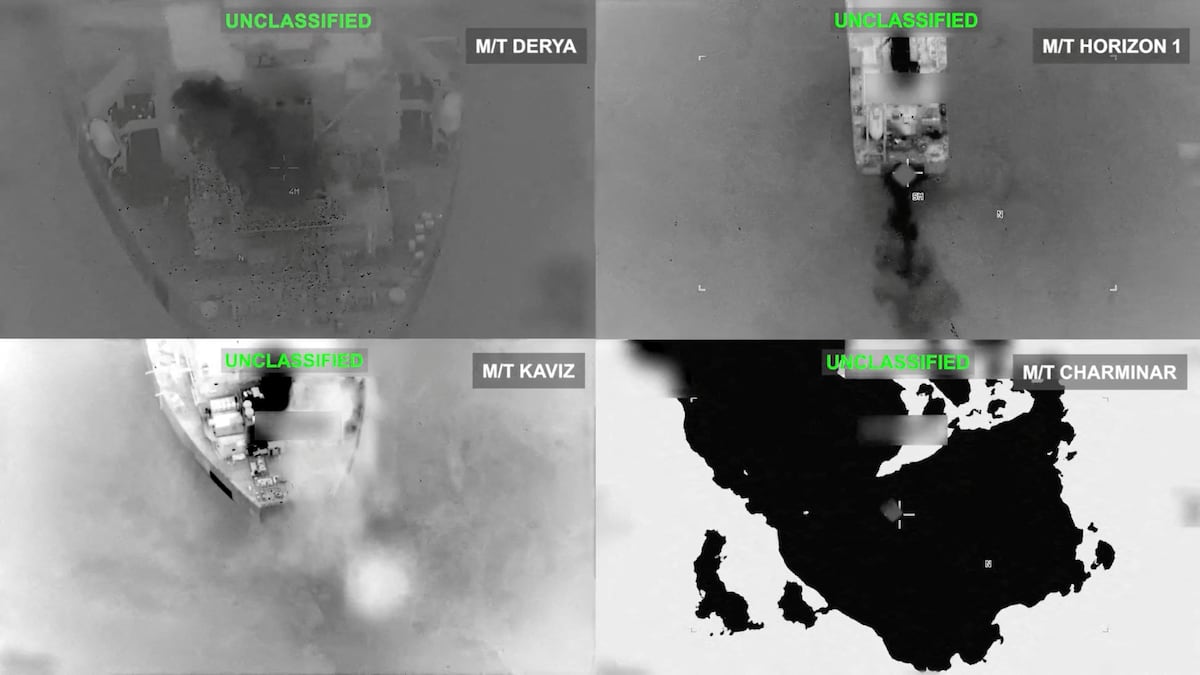
On 9 September 2026, the conflict widened across several theatres. CENTCOM reported destroying five Iranian tankers after two attempted IRGC ballistic-missile attacks on a US Navy warship. The IRGC claimed attacks on ships and a US-used base near Al Azraq, while Jordan reported intercepting 18 of 20 missiles. Commercial traffic through the Strait of Hormuz remained sharply depressed, a drone strike set the New Andros ablaze in Iraqi waters, and an incident involving Hercules Star off Dubai killed one seafarer and left another missing. Houthi attacks on Saudi oil facilities and renewed fighting across Yemen added pressure to regional energy infrastructure. Key uncertainties include whether Iran attacked 10 or as many as 20 ships, the attribution of the New Andros and Hercules Star incidents, and the timing of any US decision on Pickaxe Mountain.
Change from previous assessment
Since the 7 September brief, the assessment has shifted towards a higher likelihood that the conflict will widen beyond the Strait of Hormuz. New reporting shows CENTCOM destroying five Iranian tankers, Iran claiming attacks on 10 ships or as many as 20 targets, the IRGC launching missiles towards a US-used base near Al Azraq and Jordan intercepting 18 of 20 missiles. Hormuz flows are now reported below 2 million barrels per day, a tanker has been struck in Iraqi waters, one seafarer has been killed off Dubai, and Brent futures have crossed $100. Confidence that shipping disruption will persist has risen from very likely to almost certain, while the assessment adds a distinct Iraqi escalation judgment tied to the 30 September deadlines. The Pickaxe Mountain strike assessment remains unlikely, but current reporting now confirms active US operational plans and increased construction at the site.
Key judgments
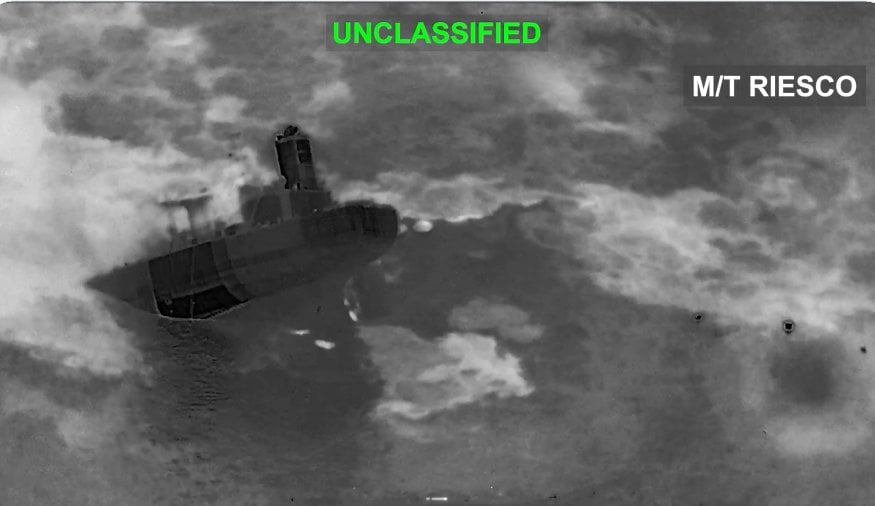
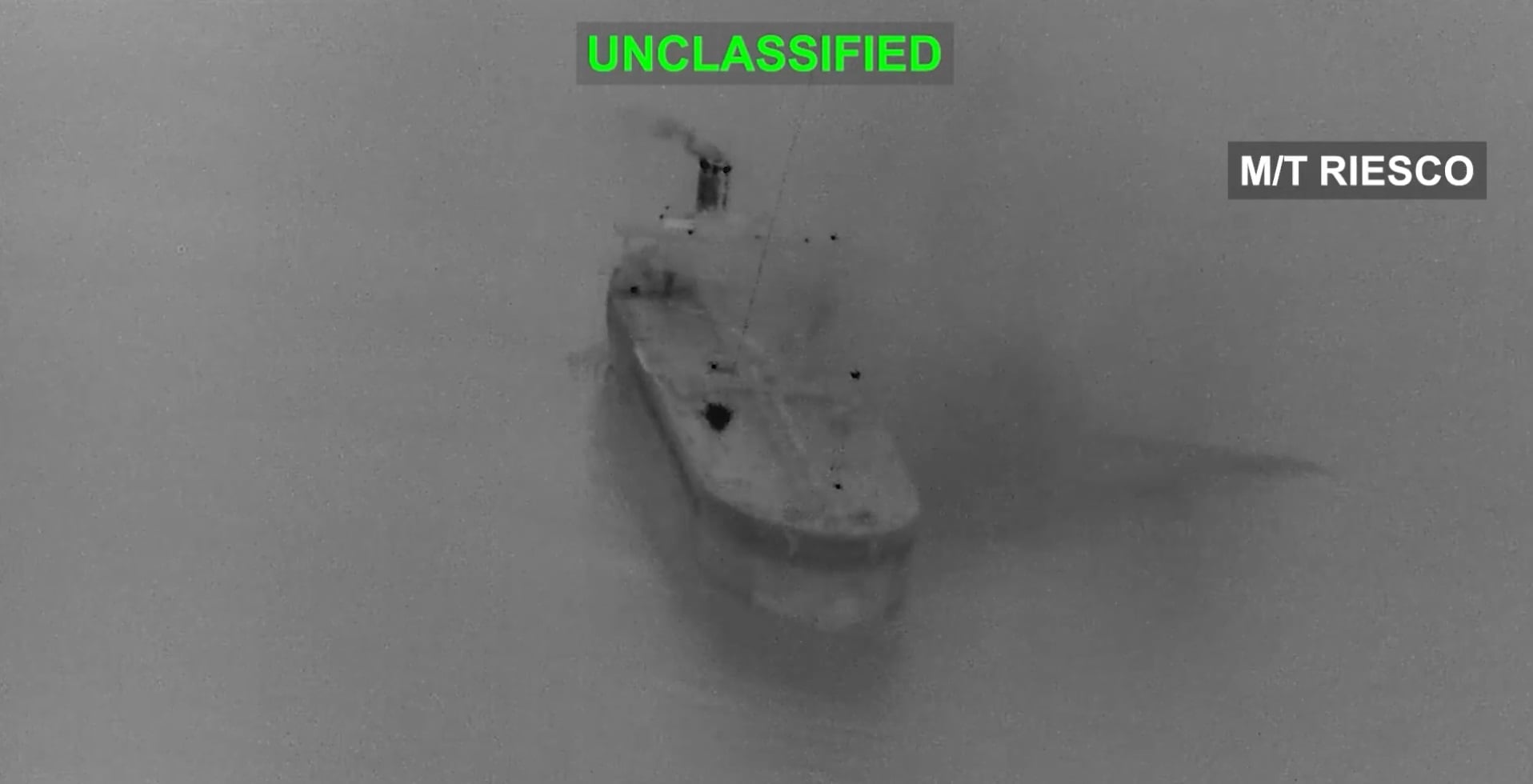
- Direct US-Iran military exchanges are almost certainly continuing and have expanded from the Gulf of Oman and Strait of Hormuz to Jordan. US Central Command reported destroying M/T Kaviz, M/T Charminar, M/T Horizon 1, M/T Riesco and M/T Derya after two attempted IRGC ballistic-missile attacks on a US Navy warship. The IRGC then claimed a missile attack on a base used by US forces near Al Azraq, while Jordan reported intercepting 18 of 20 missiles, with two falling in unpopulated areas and no casualties. Iran separately claimed attacks on 10 ships, while another IRGC account put the number attacked or targeted as high as 20. The count and the tanker name Kaviz versus Kivik remain unresolved, but the occurrence and direction of escalation are corroborated by CENTCOM, Jordanian reporting and multiple major-media accounts. (Confidence: high · ASSESSED)
- I&W: Confirmation: within 0-14 days, CENTCOM reports another strike on an Iranian tanker or the IRGC reports another attack on a US naval vessel or US base in Jordan. (0-14 days)
- I&W: Break: within 14-30 days, CENTCOM, the IRGC and Jordan report no further direct attacks and no additional US or Iranian strikes occur in the Gulf of Oman, Strait of Hormuz or Jordan. (14-30 days)
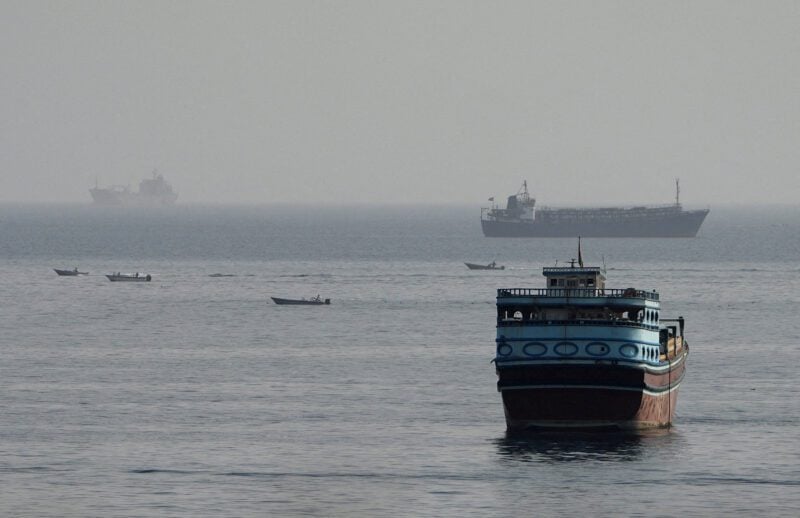
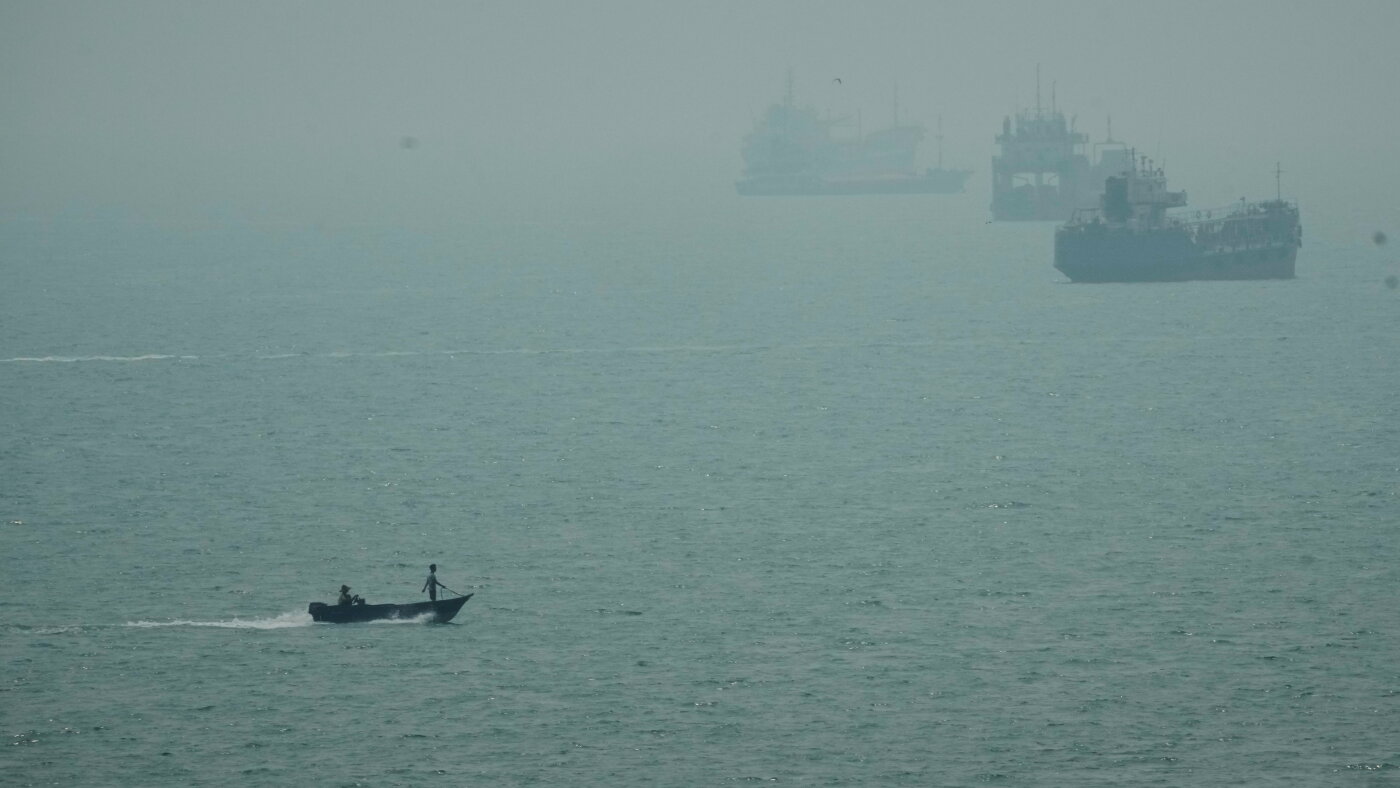
- Commercial shipping through the Strait of Hormuz is almost certainly severely disrupted and very likely to remain so through 9 October 2026. Kepler recorded six commercial ships crossing on 8 September, compared with 130 to 140 per day before the war. Rystad estimated that flows had fallen below 2 million barrels per day from roughly 8 to 9 million barrels per day before fighting resumed on 30 August, while CENTCOM said it had redirected 94 commercial vessels. The IRGC warned tanker crews near Kuwait and Bahrain to abandon their vessels and announced a prohibited zone extending beyond the Strait into the Arabian Sea. The New Andros strike in Iraqi waters and the Hercules Star incident off Dubai show that maritime risk has spread beyond Hormuz, although the attackers are unidentified in both cases. (Confidence: high · ASSESSED)
- I&W: Confirmation: within 0-14 days, independent tracking records fewer than 10 commercial ships per day through Hormuz and Rystad reports flows below 2 million barrels per day. (0-14 days)
- I&W: Break: within 1-3 months, average traffic returns towards 130 to 140 ships per day and oil flows return towards 8 to 9 million barrels per day, with no further IRGC shipping warnings. (1-3 months)
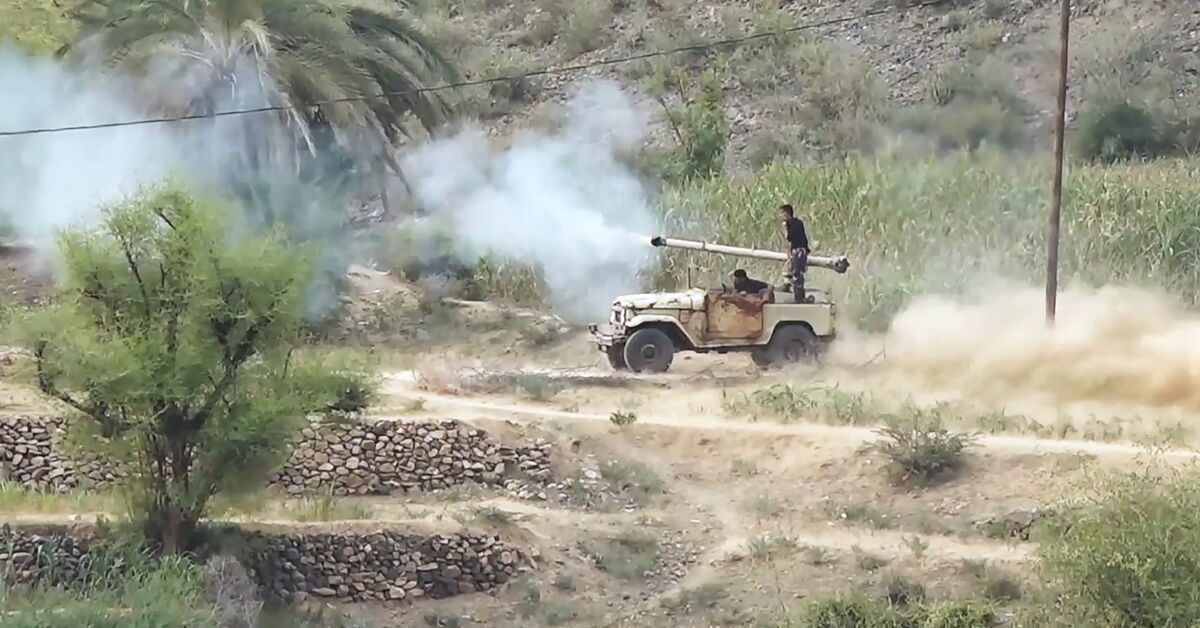
- The Yemen-Saudi theatre is very likely to remain active and to impose further pressure on Saudi energy infrastructure over the next 30 days. The Houthis reported more than 50 Saudi air strikes across Marib, Al-Jawf, Taiz, Hudaydah, Saada and Al-Bayda. Saudi authorities reported 73 people wounded after Houthi attacks on four Saudi cities and oil installations, while the Houthis claimed attacks on Khamis Mushait and Aramco sites in Abha, Najran and Jizan. Yemeni government forces launched an operation south of Marib, reinforced Mokha and reported counter-attacks in Taiz, Al-Dhale and Al-Bayda. Reports of more than 500 deaths and almost 20,000 displaced people in fighting around Bab al-Mandab remain party-reported, lowering confidence in the exact casualty scale and attribution. (Confidence: medium · ASSESSED)
- I&W: Confirmation: within 0-14 days, the Houthis conduct another drone or missile attack on Saudi energy sites in Abha, Najran, Jizan or Khamis Mushait, or Saudi Arabia reports new strikes in Marib, Al-Jawf, Taiz or Hudaydah. (0-14 days)
- I&W: Break: over the next 30 days, no further Houthi attacks on Saudi energy facilities are reported and government operations at Marib, Mokha, Wazi'iyah, Murais and Al-Bayda cease. (0-30 days)
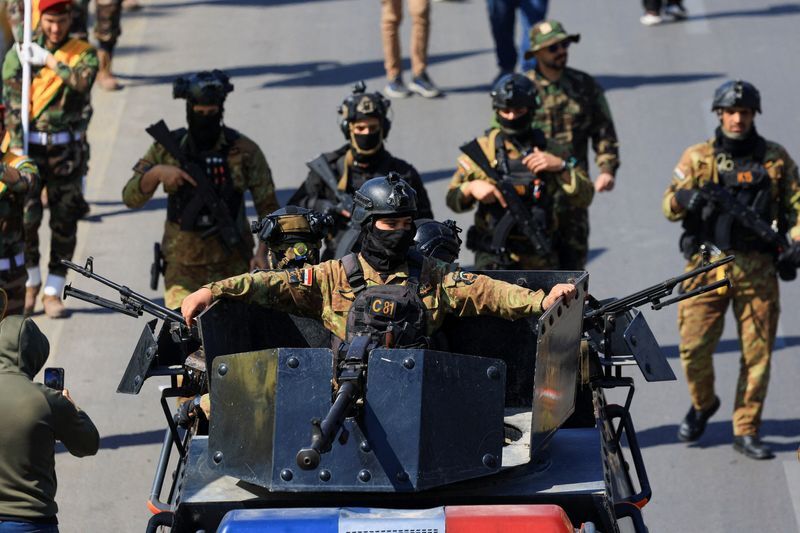
- Iraq is likely to become a sharper escalation point by the 30 September coalition withdrawal and militia disarmament deadlines. Five Iran-aligned armed groups have rejected the requirement to surrender weapons, dissolve their organisations and integrate into state security forces. The Islamic Resistance in Iraq, an umbrella group of about 10 factions, is assessed to command roughly 50,000 fighters with long-range missiles and anti-aircraft weapons. The scheduled withdrawal of remaining US-led coalition forces and the New Andros drone strike in Iraqi waters increase the exposure of US interests and commercial shipping, although no claim identifies the New Andros attacker or links it to the Islamic Resistance in Iraq. (Confidence: medium · ASSESSED)
- I&W: Confirmation: before 30 September, an Iran-aligned Iraqi group conducts an attack on US interests, coalition personnel or Iraqi government forces, or publicly rejects implementation of the disarmament deadline again. (0-21 days)
- I&W: Break: by 30 September, the five rejecting groups surrender weapons, dissolve or integrate into state forces, and the coalition withdrawal proceeds without a reported attack on US interests. (0-21 days)
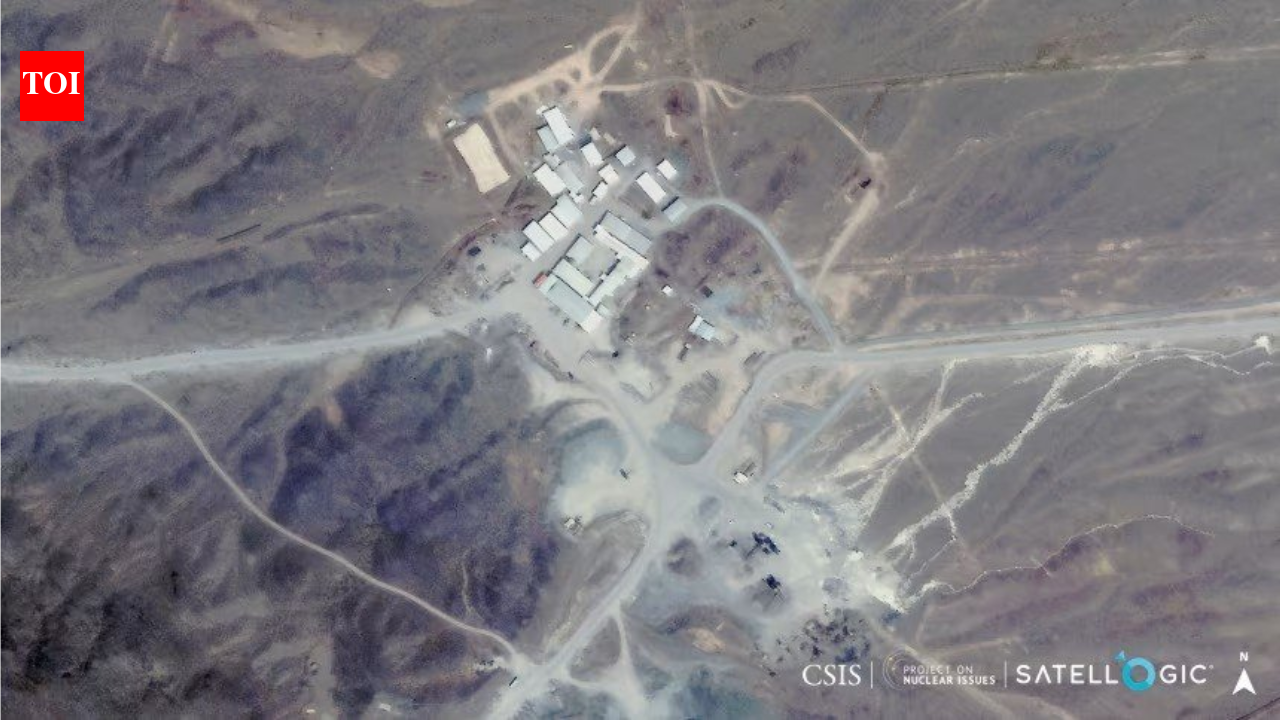
- A US strike on Pickaxe Mountain in the next 14 days is unlikely, although the option remains active. Satellite imagery reviewed by CNN identified a sharp increase in construction at the suspected nuclear site near Natanz. CSIS assessed that the facility was likely designed as a safe haven for Iran's nuclear programme but cautioned that continuous construction suggested it was not yet capable of enrichment work. President Donald Trump has threatened to strike the site, and reporting states that the US military maintains operational plans. The available reporting does not confirm strike authorisation, so confidence in the timing is medium. (Confidence: medium · ASSESSED)
- I&W: Confirmation: within 0-14 days, the US announces authorisation for an operation against Pickaxe Mountain or reports a strike on the site. (0-14 days)
- I&W: Break: 14 days pass without an authorisation or strike, while US public statements continue to focus on tanker retaliation rather than the Natanz-area site. (0-14 days)
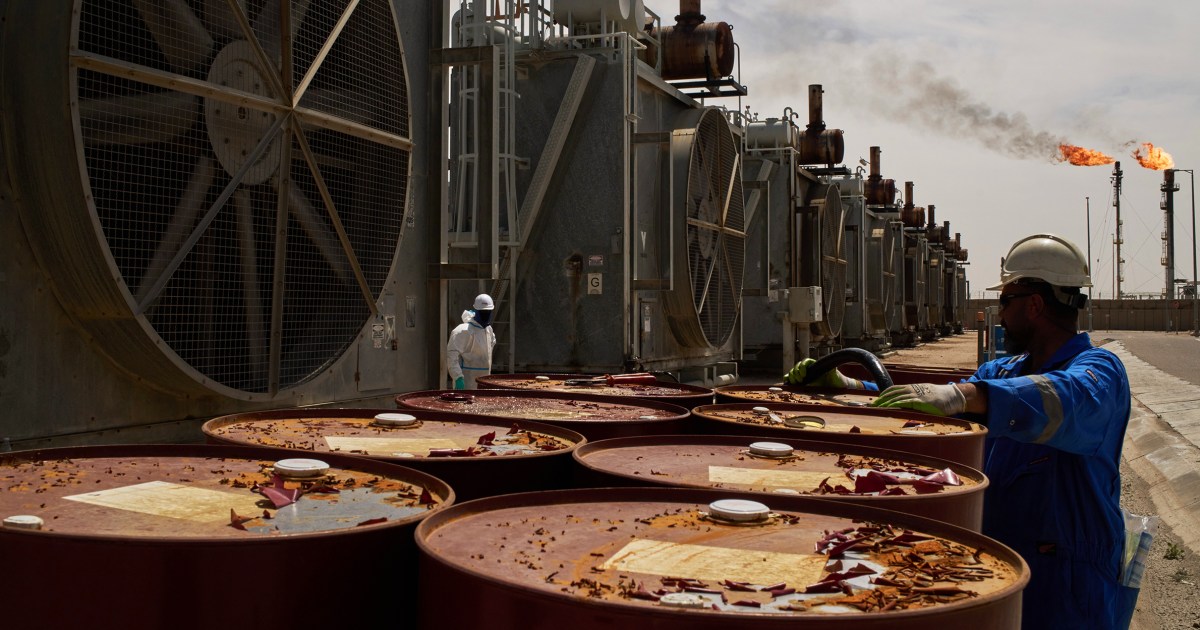
- Brent crude futures are very likely to remain above $100 per barrel and US fuel prices are likely to remain elevated over the next 14 days. Brent futures breached $100 on 9 September, US crude rose above $95, US petrol reached $4.22 per gallon and US diesel exceeded $5.94 per gallon. Reporting links the energy-price increase to the tanker attacks, Houthi attacks on Saudi oil facilities and the wider Iran conflict. The dated physical Brent benchmark was reportedly above $100 from 3 September, so the different price instruments limit precision in claims about when Brent first crossed that level. (Confidence: medium · ASSESSED)
- I&W: Confirmation: at the next 14-day market check, Brent futures remain above $100 per barrel and US diesel remains above $5.94 per gallon. (0-14 days)
- I&W: Break: Brent futures fall below $100 per barrel and US diesel falls below $5.90 per gallon during the next 14 days. (0-14 days)
Outlook & scenarios
Continued maritime attrition without a Pickaxe strike (55%)
The most likely path is continued US-Iran exchanges around Hormuz, with further tanker threats or attacks, very low commercial traffic and intermittent Iranian missile activity directed at US-linked targets. Washington continues tanker retaliation while avoiding a strike on Pickaxe Mountain. Brent remains above $100 and pressure on Saudi energy sites continues.
Regional spillover through Jordan, Yemen and Iraq (25%)
Iran or the IRGC conducts another attack on US-linked targets in Jordan or at sea, while Houthi and Saudi-backed operations intensify in Yemen. Iran-aligned Iraqi groups use the 30 September deadline and coalition withdrawal to challenge the Iraqi government or US interests. This path would further reduce shipping and raise the risk of attacks on commercial energy infrastructure.
Limited operational pause (15%)
The US administration prioritises ending the conflict, reinstates selective naval escorts and sustains declarations that Hormuz is clear of mines. Iran reduces attacks on shipping without dismantling its prohibited zone. Traffic improves from current levels but remains below the pre-war rate, while direct US-Iran strikes pause temporarily.
US strike on Pickaxe Mountain (5%)
Low-probability, high-impact wildcard: the US authorises and conducts a strike on Pickaxe Mountain near Natanz. Iran responds against US forces, shipping or regional partners, and the existing maritime confrontation becomes a broader campaign involving Jordan, Iraq, Saudi Arabia and Yemen.
Recommendations
- Maintain a daily escalation ledger separating confirmed US and Iranian actions from claims by CENTCOM, the IRGC, Jordan and shipping monitors. Track the disputed 10 versus 20 vessel counts as separate categories of attacked, targeted and turned-back ships.
- Prioritise collection on the identity of the tanker reported as Kaviz or Kivik, the status of M/T Derya, and the attribution of the New Andros and Hercules Star incidents. Do not attribute either maritime incident to Iran, the Houthis or an Iraqi militia without additional reporting.
- Track Hormuz transits and oil flows using separate measures. Report ship counts, barrels per day and redirected vessels independently rather than combining them into one closure estimate.
- Establish a 30 September Iraq watch focused on the five rejecting Iran-aligned groups, the Islamic Resistance in Iraq, implementation of Ali al-Zaidi's disarmament pledge and the scheduled coalition withdrawal. Flag any attack on US interests or Iraqi state forces as an escalation marker.
- Monitor Saudi energy facilities in Abha, Najran, Jizan and Khamis Mushait, alongside front-line activity at Marib, Mokha, Wazi'iyah, Murais and Al-Bayda. Separate Houthi claims from Saudi and Yemeni government reporting when assessing strike counts and casualties.
- Request a focused assessment of Pickaxe Mountain that distinguishes construction activity, suspected function, enrichment capability and evidence of US authorisation. Treat a public US authorisation or a confirmed strike as the principal decision trigger.
- Use Brent futures, dated physical Brent, US petrol and US diesel as separate indicators in economic reporting. Avoid describing all instruments as having crossed $100 on the same date.
Confidence & uncertainty
Overall confidence is high because the central developments are corroborated by multiple high-reliability wire-service and major-media reports, official CENTCOM and Jordanian accounts, independent shipping data and market reporting. Confidence is highest for the continuation of US-Iran exchanges, the destruction of five Iranian tankers, the fall in Hormuz traffic and the rise in energy prices. The principal uncertainties concern Iranian claims about the number of ships attacked, the Kaviz versus Kivik tanker name, the attribution of the New Andros and Hercules Star incidents, conflicting Jordanian missile-interception counts and the timing of any US action against Pickaxe Mountain.
Intelligence gaps
- [EEI 1.1 · UNCOVERED] Movement, dispersal, or emplacement of Iranian conventional or IRGC heavy assets (ballistic missile launchers, Khoramshahr/Toofan-class missile transporters, ground-to-ground TELs, air defense batteries, amphibious units) from garrison areas toward forward bases or coastal launch sites. Recommended collection: satellite/IMINT
- [EEI 1.2 · PARTIAL] Authenticated Iranian military orders, NSC/IRGC operations directives, or senior leadership statements explicitly directing strikes against Israel or US forces or authorizing cross-border operations. Recommended collection: human/diplomatic
- [EEI 1.3 · UNCOVERED] Changes in Israeli and US force posture indicating anticipation of direct large-scale conflict, elevated readiness levels, mobilization notices, pre-positioning of munitions, or public/private orders to prepare offensive strikes. Recommended collection: open-source/diplomatic
- [EEI 2.1 · UNCOVERED] Observable pre-launch preparations for missile/rocket/cruise missile strikes (fueling, warhead mating, launcher orientation, support vehicle congregation) and abnormal munitions handling at known launch sites. Recommended collection: satellite/IMINT
- [EEI 2.2 · UNCOVERED] Indications of proxy arms shipments and weapons transfers (truck convoys, small boat transfers, container movements from Iran to proxies, new stockpiles in Lebanon, Iraq, Yemen, Syria). Recommended collection: maritime/AIS
- [EEI 2.3 · UNCOVERED] Evidence of cyber attack planning or active exploitation campaigns targeting Israeli or US military/critical infrastructure (emergence of new command-and-control servers, spear-phishing campaigns against defense personnel, successful intrusions). Recommended collection: cyber
- [EEI 3.1 · PARTIAL] Movements and posture changes of US regional platforms (carrier strike groups, amphibious ready groups, B-52/B-1/B-2 or fighter deployments, missile defense assets repositioning) and associated armament loadouts. Recommended collection: satellite/IMINT
- [EEI 3.3 · PARTIAL] Changes in US base force-protection measures and rules of engagement at regional facilities (base lockdowns, evacuation notices, flight restrictions, activation of Local Defense Forces or missile intercept systems). Recommended collection: open-source/local reporting
- [EEI 4.1 · UNCOVERED] Hezbollah-specific indicators: convoys and logistics movements toward Lebanon, Israel border, artillery/rocket emplacement in southern Lebanon, documented strikes-preparation activity, public mobilization orders or recruitment drives. Recommended collection: satellite/IMINT
- [EEI 4.2 · UNCOVERED] Houthi-attributed maritime attack indicators: AIS anomalies/loss of contact for commercial vessels, reports of missile/drone strikes or near-miss incidents in Bab al-Mandeb/Red Sea, Houthi claims paired with imagery of weapons launches. Recommended collection: maritime/AIS
- [EEI 4.3 · UNCOVERED] Militia cross-border attack evidence from Iraq/Syria: recorded rocket/mortar launch events into Israel or strikes against US facilities, movement of armed convoys toward border areas, and intercepted communications coordinating cross-border operations. Recommended collection: signals/ELINT
TLP:CLEAR