TLP:CLEAR · Disclosure is not limited.
Iran-US Escalation Threatens Regional Stability Amid Strait of Hormuz Tensions
Time window: Last 7 days · Audience: General analyst · Type: Situation report · DTG: 2026-07-14 18:18Z · Overall confidence: MEDIUM
BLUF
Iran and the United States have resumed direct military exchanges following the collapse of their ceasefire, with both sides targeting each other's assets across the Gulf region and raising the risk of a broader conflict. The imminent reimposition of a US maritime blockade against Iran from 14 July 2026 heightens tensions, threatening critical energy supplies through the Strait of Hormuz. The United States currently has over 50,000 service members deployed across the Middle East as military activity intensifies.
Executive summary
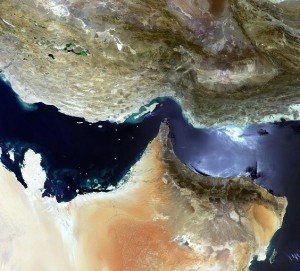
Iran and the United States have escalated hostilities through reciprocal missile and drone strikes since 8 July 2026, following the collapse of a brief ceasefire. Iran targeted US military facilities in Jordan and Bahrain on 9 July while the United States launched strikes against Iranian energy infrastructure and command centres. The United States plans to resume its maritime blockade of Iranian ports effective 14 July 2026, as confirmed by multiple official announcements. Approximately 20 per cent of global oil supply transits the Strait of Hormuz, making it a critical flashpoint. Over 50,000 US service members remain deployed in the region while international diplomatic efforts led by Oman seek to salvage negotiations. Humanitarian impacts include at least 15 confirmed seafarer deaths and material damage to multiple commercial vessels.
Key judgments
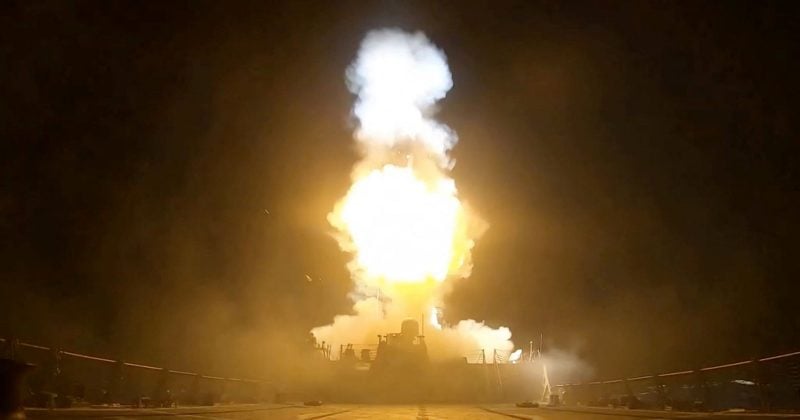
- Iran and the United States are currently engaged in direct military exchanges following the collapse of their ceasefire on 13 July 2026, with Iran launching missiles against US military facilities in Jordan and Bahrain on 9 July and the United States conducting retaliatory strikes against Iranian energy infrastructure and command networks. (Confidence: high · REPORTED)
- I&W: Detection of multiple ballistic missile launches from Iran toward Gulf targets (0-3 days)
- I&W: US Central Command announcement of additional defensive or offensive operations against Iranian targets (0-5 days)
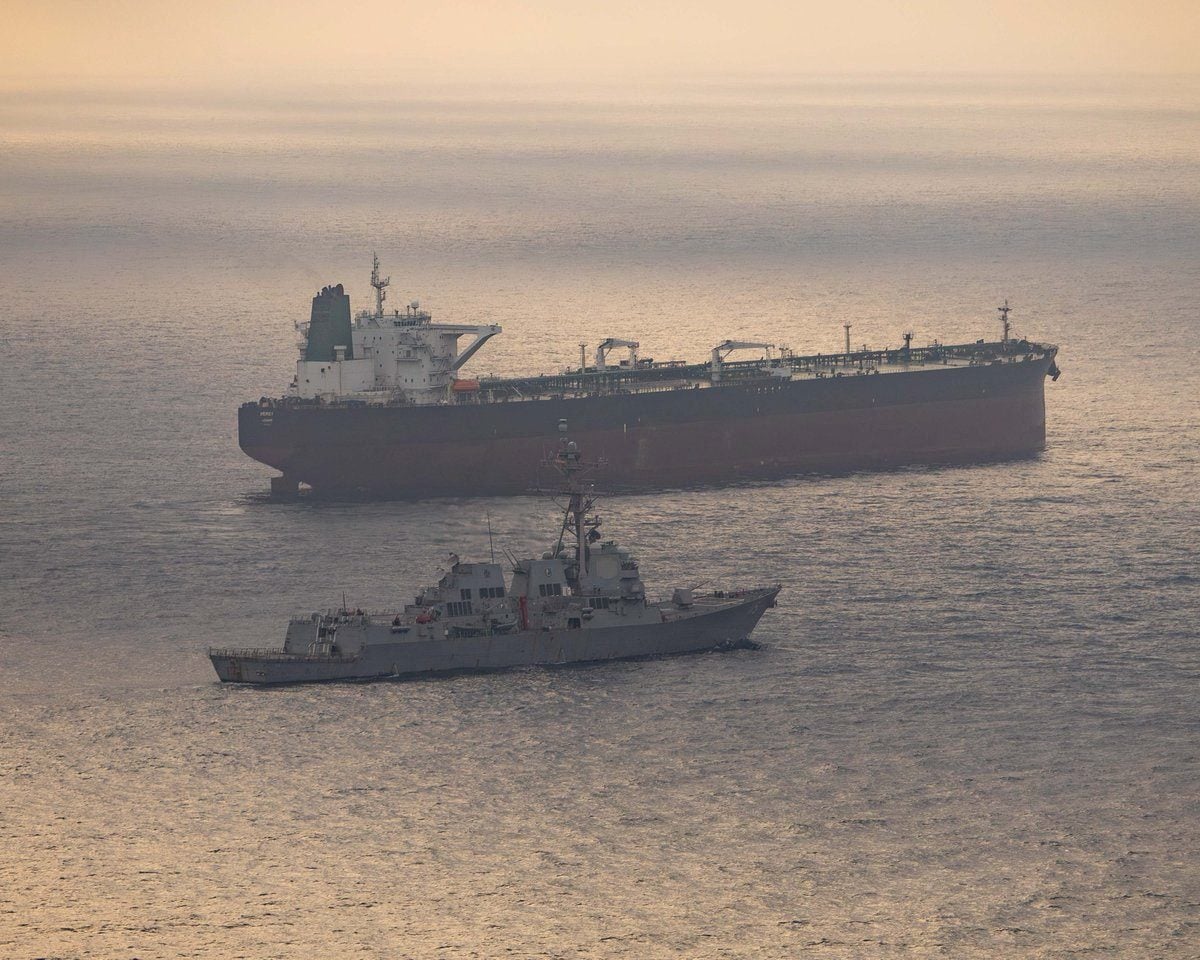
- It is very likely that the United States will resume its maritime blockade of Iranian ports effective 14 July 2026 as announced, requiring all vessels to obtain US Navy approval before entering Iranian waters and significantly disrupting regional maritime traffic. (Confidence: high · REPORTED)
- I&W: US Central Command enforcement actions against vessels entering Iranian waters on 14 July (same day)
- I&W: Commercial shipping announcements confirming rerouting to avoid Iranian waters (1-3 days)
- Israel is very likely to become directly involved in the expanding US-Iran conflict within the next two weeks as Iranian strikes increasingly target US facilities across the Gulf, with Israeli forces currently preparing defensive and offensive options. (Confidence: medium · ASSESSED)
- I&W: Israeli Defence Forces public confirmation of joint operational planning with US Central Command (0-7 days)
- I&W: Unattributed airstrikes against Iranian targets originating from Israeli territory (1-14 days)
- It is likely that global crude oil prices will rise at least 15 per cent within one month due to the combined effects of actual or threatened closure of the Strait of Hormuz and renewed military activity along key shipping routes. (Confidence: high · ASSESSED)
- I&W: Brent crude futures exceeding US$120 per barrel (2-4 weeks)
- I&W: Major oil companies announcing emergency supply diversions from Middle Eastern sources (1-3 weeks)
- It is unlikely that substantive diplomatic negotiations between Iran and the United States will resume before the US midterm elections in November 2026 given the current trajectory of military escalation and mutual demands for preconditions. (Confidence: medium · ASSESSED)
- I&W: Cancellation of scheduled diplomatic engagements through Omani mediation channels (0-14 days)
- I&W: Public statements from either side demanding unilateral de-escalation as prerequisite for talks (1-3 weeks)
Outlook & scenarios
Limited Containment (35%)
Military exchanges remain confined to Iran and the United States with neither side achieving decisive advantage. Diplomatic channels led by Oman and Qatar prevent further escalation while the maritime blockade causes temporary disruption to regional oil flows without triggering a global price shock. A temporary cease-fire takes effect by late August 2026 allowing for conditional resumption of nuclear negotiations.
Regional War Expansion (25%)
The conflict draws in Israel directly within two weeks as Iranian proxies target Israeli interests and US facilities host Israeli personnel. Saudi Arabia and the United Arab Emirates face increasing pressure to join the confrontation, either openly or through support channels. The Strait of Hormuz experiences complete closure for at least three weeks by August 2026, triggering severe energy price spikes and global economic repercussions.
US Strategic Victory (20%)
US military superiority rapidly degrades Iran's offensive capabilities through precision strikes against command centres, drone infrastructure and missile stockpiles. The maritime blockade successfully pressures Iran to accept stringent nuclear constraints by September 2026. Regional allies including Jordan and Bahrain publicly support the US position while Iran's diplomatic isolation grows following condemnation from the UN Security Council.
Prolonged Stalemate (20%)
Reciprocal strikes continue without decisive escalation, settling into a pattern of limited engagement that persists through 2026. The maritime blockade operates but sees numerous violations as neutral nations continue Iranian trade. Energy markets experience moderate volatility without triggering recessionary pressures. Nuclear negotiations remain frozen while humanitarian impacts accumulate with increasing civilian casualties in maritime incidents.
Recommendations
- Monitor thermal anomalies in real time across the Gulf region to validate strike reports and assess damage to critical infrastructure
- Coordinate with regional partners to establish emergency protocols for commercial shipping rerouting around confirmed high-threat zones in the Strait of Hormuz
- Increase counterintelligence screening for Iranian agents targeting US military facilities and diplomatic personnel in Gulf states
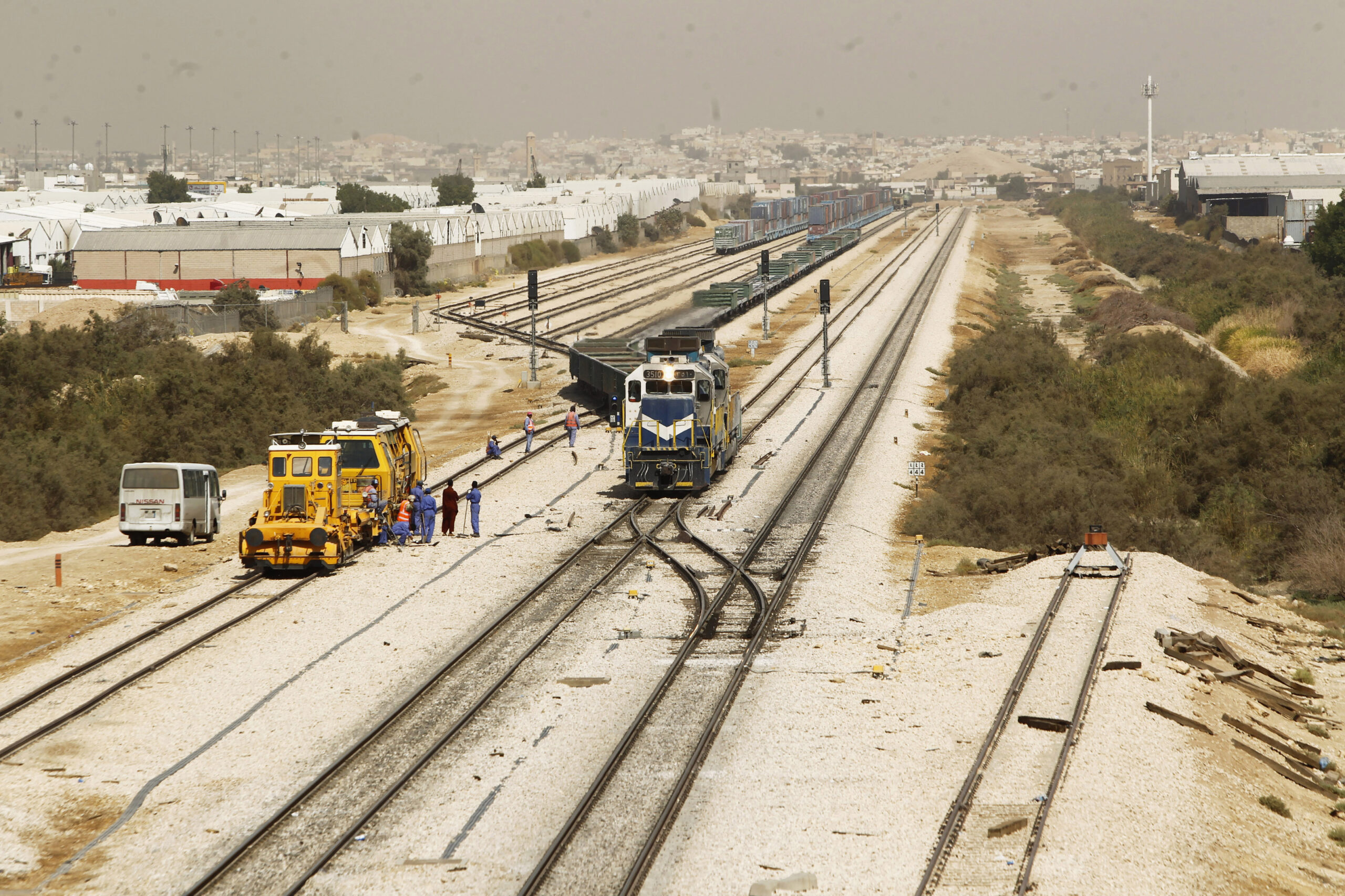
- Prepare contingency plans for alternative energy supply routes including accelerated implementation of the IMEC corridor as a hedge against Strait of Hormuz disruption
Confidence & uncertainty
Overall confidence is assessed as medium due to multiple high-reliability corroborating sources from major media and government channels confirming the escalation timeline and US blockade plans, but date and attribution conflicts in some claims reduce certainty on precise sequence of events. Contradictions include conflicting dates for initial military actions in February 2026, differing accounts of who authorised the blockade announcement, and discrepancies in casualty figures. The most reliable information concerns current military activity patterns and immediate US policy implementation, while longer-term diplomatic assessments rest on thinner sourcing and require additional corroboration.
Cited sources
[1] The Media Line · Jordan, Bahrain drawn deeper into Iran's regional storm as ceasefire collapse puts pressure on Gulf (B) · sha256:305dd529493d [2] gcaptain.com · Iranian Missile Attacks Hit Three More Tankers as U.S. Expands Strikes, Seafarer Death Toll Rises (B) · sha256:aac2389d932a [3] cryptobriefing.com · US airstrikes target Iran's energy infrastructure amid 2026 conflict (B) · sha256:0c58e1512af0 [4] haaretz.com · U.S. launches fresh strikes on Iran, citing threats to commercial shipping in Hormuz (A) · sha256:2f94f99fc075 [5] gcaptain.com · U.S. to Resume Maritime Blockade of Iran on Tuesday as Hormuz Tensions Escalate (B) · sha256:07d9f638ba61 [6] ynetnews.com · Iran attacks ship in Strait of Hormuz, declares waterway 'closed until further notice' (A) · sha256:a6ef492db3f4 [7] jpost.com · IDF coordinates with US military, prepares for possible strikes as US, Iran fighting escalates (B) · sha256:4869a5a33484 [8] haaretz.com · U.S. neglecting Iran nuclear issue to focus on Hormuz, Israeli officials say (B) · sha256:56d527266a24 [9] ynetnews.com · Israel 'closely' following developments in Iran amid expected escalation (B) · sha256:322279bec563 [10] gcaptain.com · UAE Says Iranian Missiles Struck Oil Tankers in Strait of Hormuz, One Sailor Killed (A) · sha256:2f9e5030762b [11] Atlantic Council · A network of corridors is the only reliable hedge against Middle East chokepoint disruptions (B) · sha256:ed6453550f3a [12] cryptobriefing.com · Iran launches missiles at US bases in Jordan, Bahrain amid Gulf tensions (B) · sha256:cd48718aba68
Source content hashes were computed at collection time; the cited text is preserved unmodified for the life of this product.
TLP:CLEAR