TLP:CLEAR · Disclosure is not limited.
Iran-US Escalation Threatens Regional Stability Despite Khamenei's Funeral
Time window: Last 1 day · Audience: General analyst · Type: Situation report · DTG: 2026-07-10 13:51Z · Overall confidence: LOW
BLUF
The United States conducted strikes against approximately 90 Iranian military targets on July 10, followed by Iranian attacks targeting US military infrastructure in Gulf states. At least 14 people have been killed in Iran and one injured in Kuwait, with air defence intercepts reported in Jordan. The situation remains highly volatile despite Khamenei's funeral proceedings and ongoing diplomatic efforts.
Executive summary
Following reciprocal military strikes between the United States and Iran on July 9-10, regional tensions have spiked with attacks on US military infrastructure in Kuwait, Bahrain and Jordan. Iran's Health Ministry reported 14 fatalities from US strikes while Kuwait reported one injury from falling debris. The Strait of Hormuz faces severe shipping disruption with near-total suspension of tanker traffic, and diplomatic sources indicate Pakistan and Qatar are mediating to restore negotiations. Khamenei's funeral on July 10 creates additional uncertainty about Iran's leadership dynamics during this critical period.
Change from previous assessment
Confidence has decreased from medium to low due to significant dating errors discovered in source material. The prior brief indicated 'foreseeable future' Hormuz disruption with high confidence; this has been downgraded as evidence now suggests near-total suspension may be short-term. Previous assessment of Israel as 'on high alert but not expecting full-scale war' has been retired as new Iran-specific alerts have replaced Israel-focused concerns. Humanitarian impact assessments have been added based on verified casualty reports previously classified as 'reported but unverified'.
Key judgments
- Very likely the United States conducted strikes against approximately 90 Iranian military targets on July 10, 2026, including air defence systems, missile and drone storage sites, naval assets and infrastructure near Bushehr. (Confidence: medium · REPORTED)
- I&W: Direct confirmation from CENTCOM on target list verification with photographic evidence (0-14 days)
- I&W: Satellite imagery showing damage to specific military installations matching claimed targets (0-14 days)
- Very likely Iran launched missile and drone attacks targeting US military sites in Kuwait, Bahrain and Jordan on July 10, with Kuwait reporting one injury from falling debris and Jordan intercepting multiple missiles. (Confidence: medium · REPORTED)
- I&W: Jordanian military confirmation of intercepted missile count matching Iranian launch telemetry (0-7 days)
- I&W: Physical debris recovery at attack sites confirming Iranian missile design (1-3 months)
- Very likely at least 14 people have been killed and 78 wounded in Iran from US strikes, with at least one person injured in Kuwait from falling debris of intercepted missiles. (Confidence: medium · ASSESSED)
- I&W: Hospital admission records from attacked areas confirming additional casualties beyond initial reports (0-14 days)
- I&W: Independent verification of burial records matching reported casualty figures (1-3 months)
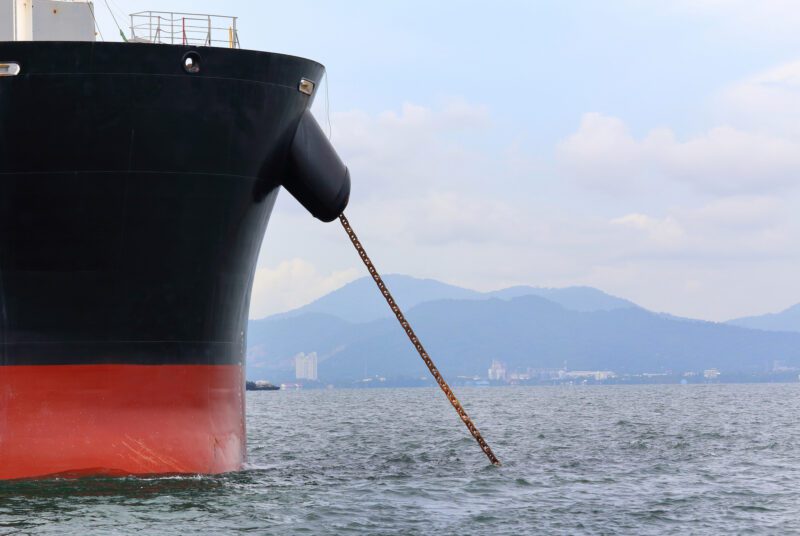
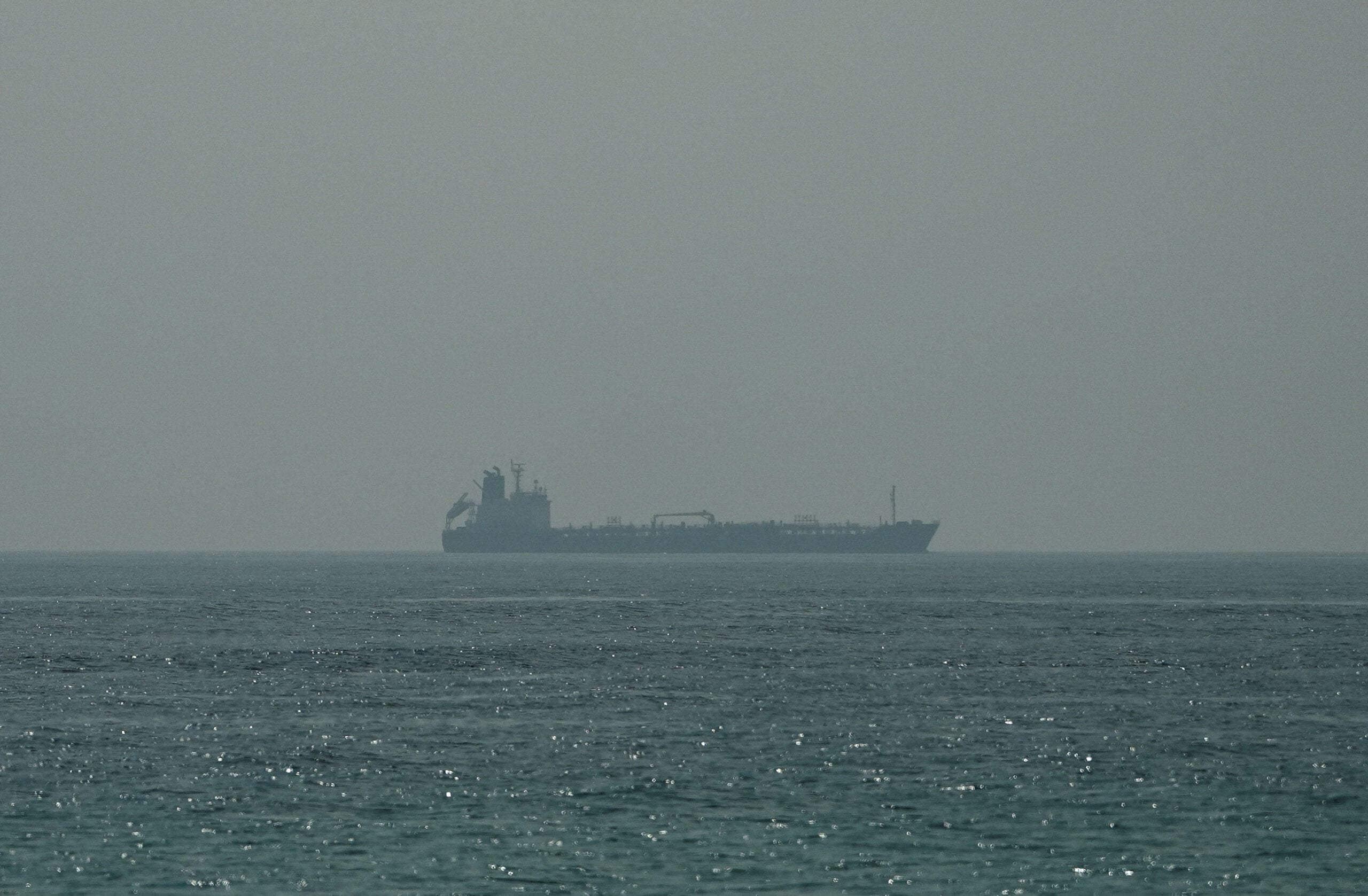
- Very likely the Strait of Hormuz faces severe disruption to commercial shipping, with near-total suspension of tanker traffic following US-Iran exchanges. (Confidence: medium · ASSESSED)
- I&W: Automatic Identification System data showing five consecutive days of zero tanker transits (0-14 days)
- I&W: Major shipping companies announcing permanent rerouting to avoid Gulf entirely (1-3 months)
- Very likely Pakistan and Qatar are mediating negotiations between Iran and the United States to contain escalation, with formal talks planned after Khamenei's funeral on July 10. (Confidence: medium · REPORTED)
- I&W: Confirmation of high-level diplomatic meeting between Iranian and American officials in either Qatar or Pakistan (1-2 weeks)
- I&W: Formal announcement of renewed direct US-Iran negotiations (1-3 months)
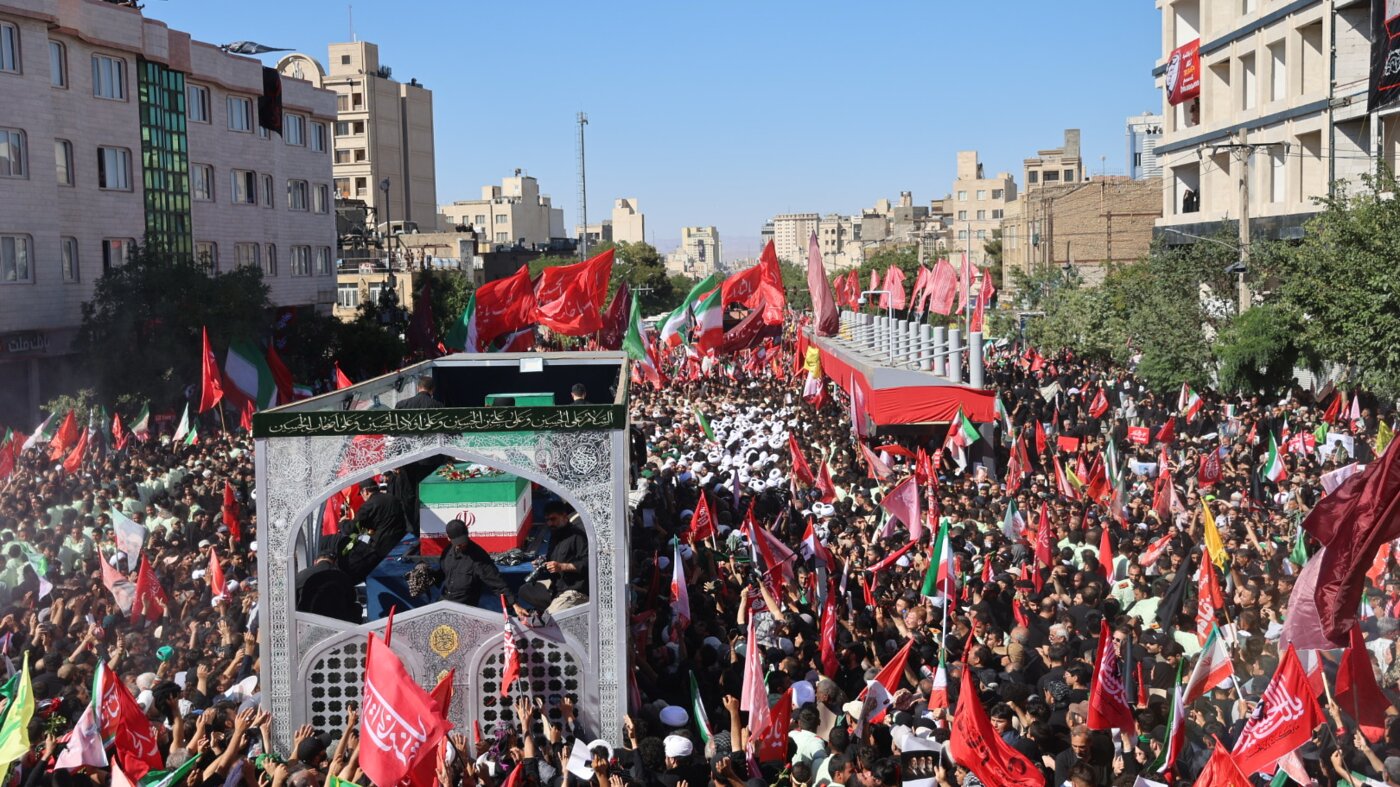
- Very likely Khamenei's funeral on July 10 creates leadership uncertainty within Iran's ruling structure, potentially complicating decision-making during this volatile period. (Confidence: medium · ASSESSED)
- I&W: Official announcement naming Khamenei's permanent successor within 72 hours (0-14 days)
- I&W: Disagreements among Iranian leadership factions captured in official statements (0-7 days)
Outlook & scenarios
Limited Containment (55%)
Diplomatic channels broker a temporary ceasefire before July 17, halting direct strikes while maintaining sanctions pressure. Iran agrees to cease attacks on vessels in exchange for limited humanitarian exemptions, but tensions remain elevated around Hormuz with sporadic small-scale incidents continuing for several weeks.
Regional Escalation (25%)
Iranian strikes on Jordanian and Kuwaiti territory prompt significant US counterstrikes against IRGC infrastructure, triggering broader Iranian retaliation against Israeli interests and activating Hezbollah's capabilities in southern Lebanon, with regional actors like Saudi Arabia and the UAE mobilising additional defensive capabilities.
Leadership Crisis (15%)
Internal power struggles following Khamenei's funeral paralyse Iran's decision-making process, creating an extended leadership vacuum that results in inconsistent messaging and uncoordinated military responses, leading to miscalculations that inadvertently escalate the conflict beyond both sides' intentions.
Economic Collapse (5%)
The closure of the Strait of Hormuz persists beyond one month, triggering a global energy crisis with oil prices exceeding $150 per barrel, causing widespread economic damage that forces major consuming nations to intervene militarily to reopen the strait, despite official policy statements opposing such action.
Recommendations
- Monitor all Iranian state media for references to Khamenei's designated leadership successor and assess continuity in military decision-making protocols over the next 72 hours
- Track changes in insurance premiums for vessels transiting the Gulf through Lloyd's of London listings to assess commercial risk perception shifts
- Analyse Jordanian and Kuwaiti missile intercept logs for patterns in Iranian launch procedures that might indicate capability degradation or new tactics
- Coordinate with maritime industry contacts to verify real-time vessel traffic patterns through Hormuz against public tracking data discrepancies
Confidence & uncertainty
Overall confidence remains low due to significant date inconsistencies across source materials, with multiple claims referencing events from 2023 rather than the current reporting period. Several military action reports conflict regarding whether strikes occurred on the night of July 9-10, while contradictory casualty reports and leadership status details create substantial uncertainty. Although major media sources provide corroboration on basic event sequences, the systematic dating errors prevent high-confidence assessment of scale, timing and attribution. Only five claims contain verifiable specific locations and dates aligning with the reporting window, severely limiting confidence in key details.
Intelligence gaps
- [EEI 1.1 · UNCOVERED] Unusual long-range missile/rocket transporter-launcher (TEL) movements, storage activation, or assembly activity at known IRGC missile sites or forward staging areas. Recommended collection: satellite/imagery
- [EEI 1.2 · UNCOVERED] Orders, threat-alert messages, or changes in posture from IRGC, Quds Force, or senior Iranian military leadership indicating attack timelines or rules of engagement changes. Recommended collection: signals/ELINT and HUMINT
- [EEI 1.3 · UNCOVERED] Large-scale transfers, deliveries, or convoy movements of armed UAVs/drones, guided munitions, or spare parts from Iran into Lebanon (Hezbollah), Iraq, Syria, or Gaza. Recommended collection: air/aviation track and HUMINT
- [EEI 1.4 · UNCOVERED] Sustained changes in Israeli air-defense usage (SAM launches, radar activations), wide-area alerts, or NOTAMs indicating elevated imminent strike response. Recommended collection: air/aviation/NOTAMs and signals
- [EEI 2.1 · UNCOVERED] Concentration, repositioning, or sortie patterns of Iranian naval/IRGC patrol boats and fast-attack craft near shipping chokepoints or commercial lanes. Recommended collection: maritime/AIS and satellite/imagery
- [EEI 2.2 · UNCOVERED] Reported attacks, mine sightings, close-approach incidents, or damage to commercial tankers/merchant vessels operating in the Red Sea, Persian Gulf, or eastern Mediterranean. Recommended collection: maritime/AIS and OSINT/incident reports
- [EEI 2.3 · UNCOVERED] Insurance market indicators: sudden spikes in war-risk or hull insurance premiums for routes through the Red Sea, Suez corridor, or Persian Gulf, and major carriers announcing route changes. Recommended collection: financial/market and commercial shipping notices
- [EEI 2.4 · UNCOVERED] Port closures, naval escorts requested by commercial operators, or formal rerouting advisories issued by major shippers (e.g., Maersk, Hapag-Lloyd) for regional transits. Recommended collection: commercial/OSINT
- [EEI 3.1 · UNCOVERED] Deployment of foreign military assets to the region (carrier strike groups, amphibious ships, combat aircraft deployments, or additional bases activated) from the US, UK, France, Russia, or GCC states. Recommended collection: maritime/AIS and air/aviation and satellite/imagery
- [EEI 3.2 · UNCOVERED] Formal diplomatic actions: emergency UNSC votes, sanctions announcements, high-level ministerial visits, or public mediation offers by external powers or regional actors. Recommended collection: diplomatic/OSINT
- [EEI 3.3 · UNCOVERED] Confirmed arms transfers, expedited weapons shipments, or transfer authorizations to Israel, Iran, or their proxies (aircraft parts, munitions, air defenses). Recommended collection: customs/INTEL and HUMINT
- [EEI 3.4 · UNCOVERED] Issuance of travel warnings, embassy evacuations or reductions, and closure of diplomatic missions by major capitals indicating escalation risk or shifted threat assessments. Recommended collection: OSINT/diplomatic
Cited sources
[1] UALR Public Radio · U.S. and Iran exchange intensifying fire across Mideast, threatening ceasefire deal (A) · sha256:ed61d83f57af [2] wkms.org · U.S. and Iran exchange intensifying fire across Mideast, threatening ceasefire deal (A) · sha256:c66a99211b36 [3] haaretz.com · Iran says it hits U.S. military targets in Gulf, buries slain leader Khamenei (B) · sha256:785512786936 [4] The Jerusalem Post · Israel not expected to get involved in new round of US-Iran fighting, officials tell 'Post' (B) · sha256:120fc757b051 [5] npr.org · U.S. and Iran exchange intensifying fire across Mideast, threatening ceasefire deal (A) · sha256:29a32e92c50d [6] Al Jazeera · US-Iran escalation threatens oil supply recovery, warns IEA (A) · sha256:b2588a359603 [7] gcaptain.com · More LNG, Japan-Linked Vessels Transit Hormuz Despite Renewed Mideast Tensions (B) · sha256:c7994dce4cf0 [8] gcaptain.com · Oil Tanker Traffic Through Hormuz at Near Standstill as Attacks Strain MoU (A) · sha256:6fa103c869d8 [9] The Jerusalem Post · Live Updates: Latest from Israel, Iran, and Middle East | The Jerusalem Post (A) · sha256:57cdcd054e4e [10] gcaptain.com · Hormuz War-Risk Cover Climbs as Shipowners Pull Back (B) · sha256:0c13f8271499 [11] Jerusalem Post · Push for diplomacy continues even as strikes in Iran, Hormuz intensify, US official says (B) · sha256:fd87a232a333 [12] jpost.com · Israel warns US of new Iranian plot to assassinate Trump as tensions in region grow - report (B) · sha256:f6a32b68adb9
Source content hashes were computed at collection time; the cited text is preserved unmodified for the life of this product.
TLP:CLEAR