TLP:CLEAR · Disclosure is not limited.
Iran-US-Israel Conflict: Maritime Escalation and Regional Spillover
Time window: Last 1 day · Audience: General analyst · Type: Situation report · DTG: 2026-09-09 19:39Z · Overall confidence: HIGH
BLUF
The Iran-US confrontation is very likely to remain active over the next 0-14 days, with Iranian missile activity against Muwaffaq Salti Air Base in Jordan and US strikes on Iranian tankers marking a further escalation. Strait of Hormuz disruption is very likely to persist, while Houthi attacks on Saudi energy infrastructure and Israeli operations in Syria are likely to widen regional instability.
Executive summary
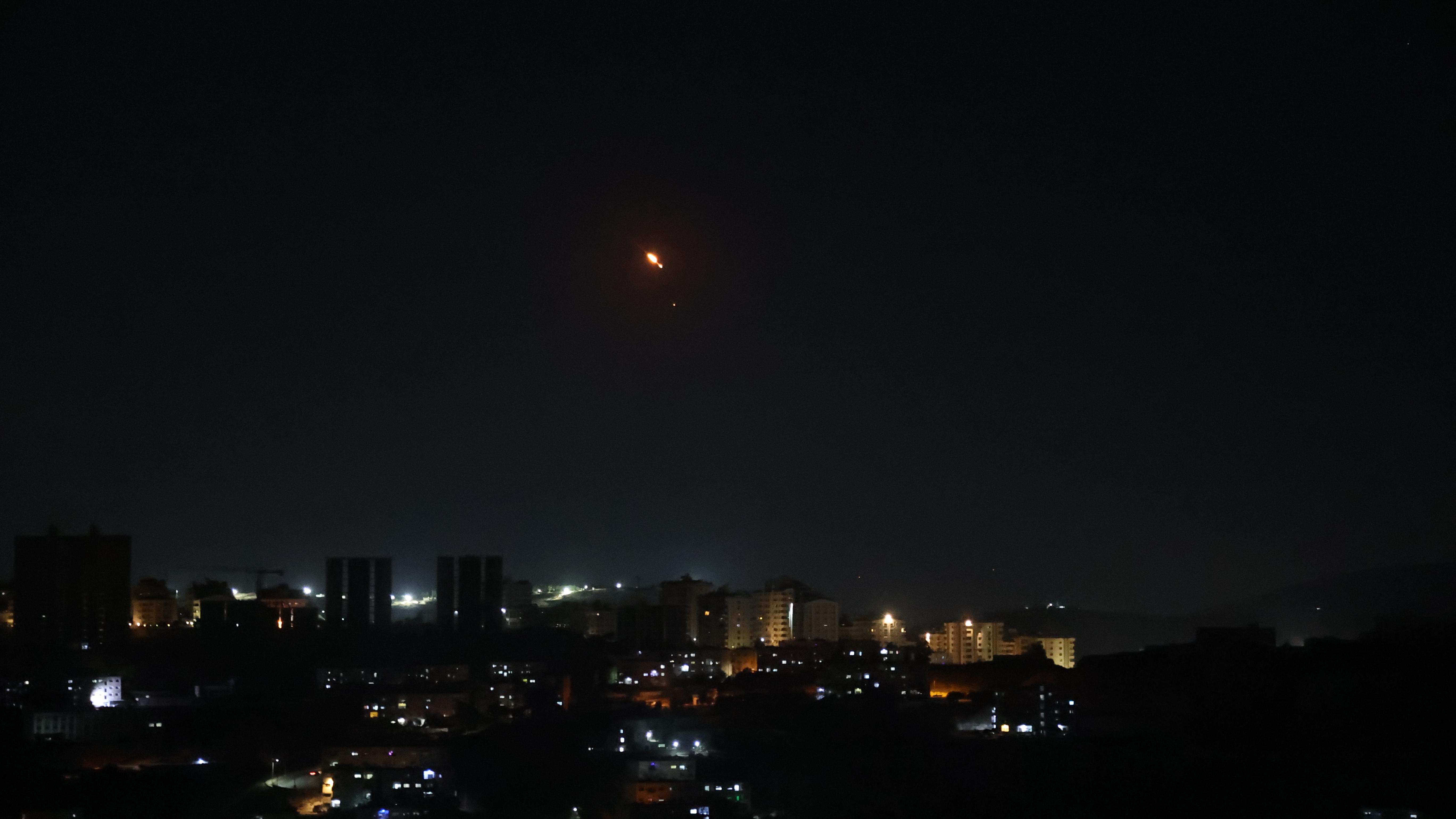
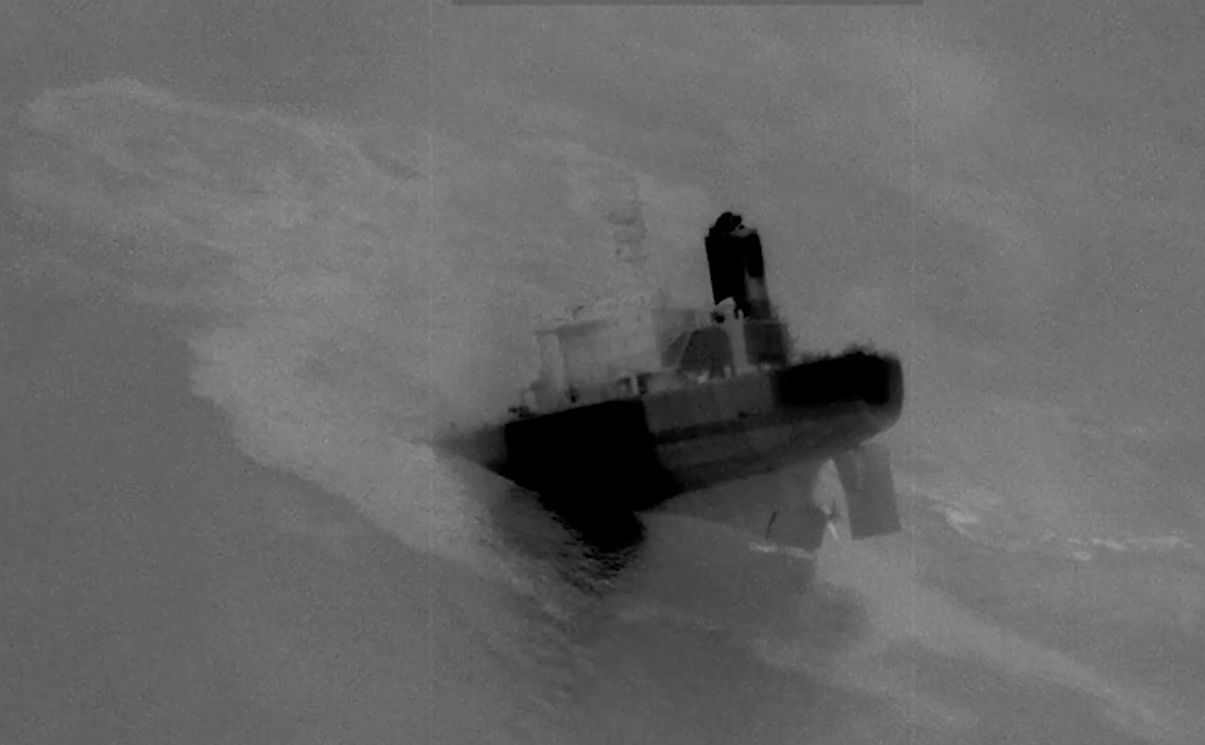
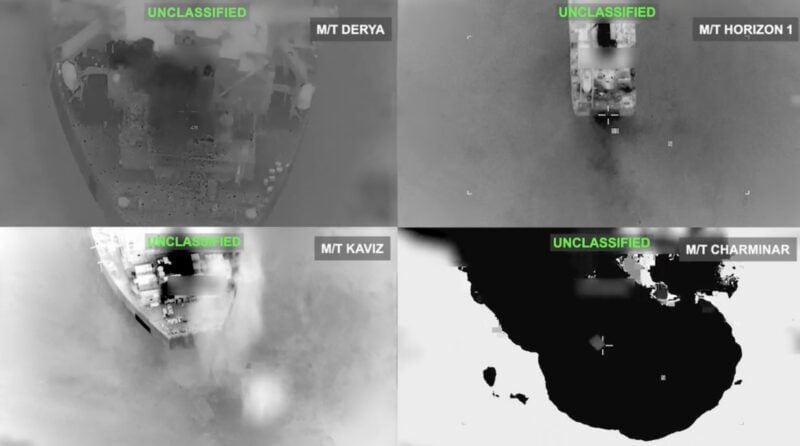
On 9 September, the IRGC reported missile strikes against US forces at Muwaffaq Salti Air Base near Azraq, while the Jordanian Armed Forces reported intercepting 18 of 20 Iranian missiles with no casualties. US Central Command reported further strikes on Iranian tankers, and Secretary of State Marco Rubio said such retaliatory operations would continue. Shipping disruption is expanding beyond the Strait of Hormuz, with the tanker New Andros struck in Iraqi waters, merchant vessels reportedly hit in the northern Gulf and Gulf of Oman, and the IRGC threatening a prohibited zone extending towards the Arabian Sea. Houthi attacks have damaged Saudi energy facilities and wounded 73 people, while Israeli statements and operations indicate continued pressure on Iran-linked activity in Syria. The IAEA referral of Iran to the UN Security Council and new US sanctions reduce the prospects for a near-term settlement.
Change from previous assessment
Since the 8 September brief, the assessment has shifted towards a higher near-term escalation risk. New developments include the reported IRGC missile attack on Muwaffaq Salti Air Base in Jordan, US strikes on five additional Iranian tankers, Iranian claims of attacks against shipping, a new proposed prohibited maritime zone, further damage to commercial vessels, Brent trading around or above US$100, and the IAEA referral of Iran to the UN Security Council. Confidence has increased in the judgement that the confrontation and Hormuz disruption will remain active. Confidence is lower on the exact extent of tanker damage, the legal status of Hormuz restrictions, the status of the US-Iran Memorandum of Understanding and the scope of Iran's reported multi-front planning. Initial assessment of the Israel-specific operational trajectory has been added.
Key judgments
- US-Iran military confrontation is very likely to remain active and likely to intensify over the next 0-14 days. On 9 September, the IRGC said it launched missiles at Muwaffaq Salti Air Base near Azraq in Jordan after US forces destroyed Iranian tankers, while Jordan reported intercepting 18 of 20 missiles. US Central Command said Iranian attacks on US warships failed, directly contradicting IRGC claims that two US vessels were attacked. The United States has also stated that it will continue retaliatory strikes against Iranian tankers. (Confidence: high · ASSESSED)
- I&W: Confirmation: within 0-14 days, CENTCOM or the IRGC reports another missile or anti-ship operation against a named US vessel, Muwaffaq Salti Air Base or an Iranian tanker, with a second source reporting the incident. (0-14 days)
- I&W: Break: within 0-14 days, Washington and Tehran announce and observe a halt to missile and tanker operations, with no new attacks reported by CENTCOM, the IRGC or the Jordanian Armed Forces. (0-14 days)
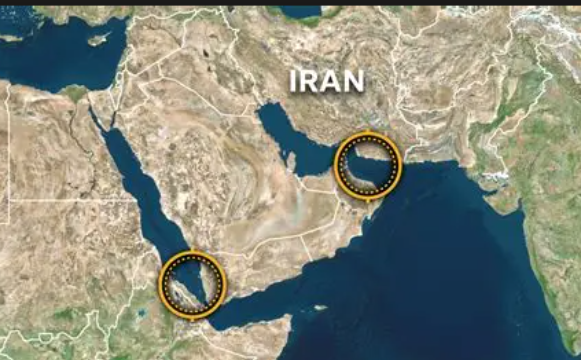
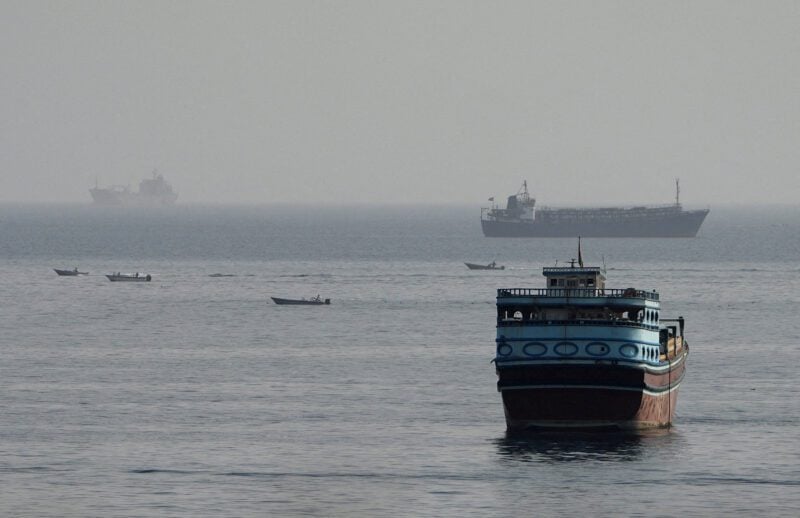
- Strait of Hormuz shipping disruption is very likely to persist over the next 0-14 days and likely to continue for 1-3 months, but the evidence does not establish a complete closure. Rystad data put oil flows below 2 million barrels per day, compared with 8-9 million barrels per day before fighting resumed. Independent monitoring recorded only six transits in a recent 24-hour period, while UKMTO reported merchant ships struck by disabling fire in the northern Gulf and Gulf of Oman. Iran has announced a prohibited zone extending towards the Arabian Sea, but reports differ on whether the strait is fully closed or partially navigable. (Confidence: high · ASSESSED)
- I&W: Confirmation: within 0-14 days, Kpler or Rystad records flows below 2 million barrels per day or six or fewer transits in a 24-hour period, or UKMTO reports another merchant vessel struck in the Gulf of Oman or northern Gulf. (0-14 days)
- I&W: Break: within 1-3 months, oil flows return towards the reported pre-conflict level of 8-9 million barrels per day, transits approach the 10-day average of about 12 ships, and UKMTO issues no new strike advisories. (1-3 months)
- Regional spillover is likely to intensify over the next 0-14 days across Saudi Arabia, Yemen, Iraq and Syria. Houthi forces have attacked four Saudi cities and energy facilities, wounding 73 people, and have carried out more than a dozen attacks against Saudi oil facilities and tankers since late July. Regional officials report increasing operational coordination between Houthi forces and Iraqi militias, while Saudi and US strikes reportedly killed Iraqi fighters, Iranian advisers and a Houthi official. Fighting around Yemen's Bab al-Mandab approaches has reportedly killed more than 500 people and displaced almost 20,000. Confidence is medium because several battlefield and attribution claims come from parties to the conflicts or sources with limited independent verification. (Confidence: medium · ASSESSED)
- I&W: Confirmation: within 0-14 days, Houthi forces or Iraqi militias conduct another drone or missile attack against a named Saudi energy facility, or fighting resumes around al-Makha, Hodeidah or the Bab al-Mandab approaches. (0-14 days)
- I&W: Break: within 0-14 days, Saudi Arabia, Houthi forces and Iraqi militias report a sustained halt in attacks, with no new strikes on Saudi energy sites or shipping and no renewed fighting around the Bab al-Mandab approaches. (0-14 days)
- Israel is likely to sustain military and political pressure on Iran-linked activity in Syria and along the Syrian border over the next 0-14 days. Israel has struck the Abu al-Duhur military airfield in north-western Syria, maintains positions and conducts raids around Mount Hermon, and Prime Minister Benjamin Netanyahu has pledged to defeat Iran. Israel Katz has warned that an Iranian attack would remove Israel's self-imposed constraints on strikes against Iranian military, civilian and energy infrastructure. This judgement rests partly on single-source Israeli establishment assessments of a planned multi-front Iranian attack, so confidence is medium rather than high. (Confidence: medium · ASSESSED)
- I&W: Confirmation: within 0-14 days, the IDF conducts another strike at Abu al-Duhur or another named Syrian military facility, or Israel announces a new raid across the Mount Hermon security zone. (0-14 days)
- I&W: Break: within 0-14 days, Israel announces a withdrawal from Mount Hermon or a formal security arrangement with Syria that halts Israeli strikes and cross-border raids. (0-14 days)
- Energy-market and Iranian economic pressure is likely to persist over the next 1-3 months, although the immediate price signal is contested. Reports place Brent crude above US$100 per barrel, including a reported level of US$101.58, while another report placed Brent futures at US$99.33. Saudi Arabia has rerouted some exports away from Hormuz, SUMED pipeline flows reached more than 1.9 million barrels per day in August, and OCBC analysts warn of prolonged supply disruption. Iran's export position is also disputed, with one report describing declining exports and another reporting no current oil or gas exports. Confidence is medium because price points and the severity of Iran's export losses conflict. (Confidence: medium · ASSESSED)
- I&W: Confirmation: within 0-14 days, Brent spot or futures remain above US$100 per barrel while Saudi Arabia reports further export rerouting or Rystad records Hormuz flows below 2 million barrels per day. (0-14 days)
- I&W: Break: within 1-3 months, Brent remains below US$100, Hormuz flows recover towards 8-9 million barrels per day, and reports show Iranian oil and gas exports operating at material volumes. (1-3 months)
- A comprehensive US-Iran settlement is very unlikely over the next 0-14 days, while diplomatic and nuclear pressure on Iran is likely to increase. The IAEA Board of Governors referred Iran to the UN Security Council by 23 votes to three, with eight abstentions, and the United States sanctioned all remaining Iranian airline companies. Reporting conflicts over the status of a June Memorandum of Understanding: one account describes a signed pact that later collapsed, while another describes continuing negotiations over its clauses. The conflicting accounts lower confidence in the precise state of the diplomatic channel, but do not establish a near-term settlement. (Confidence: medium · ASSESSED)
- I&W: Confirmation: within 0-14 days, the UN Security Council process advances while Washington adds Iran-related sanctions and no formal US-Iran agreement covers sanctions, tanker operations, Hormuz access and the nuclear programme. (0-14 days)
- I&W: Break: within 0-14 days, Washington and Tehran announce a signed interim agreement with named terms on sanctions relief, maritime access and nuclear constraints. (0-14 days)
Outlook & scenarios
Sustained maritime attrition (55%)
US strikes on Iranian tankers and IRGC attacks or interdictions against shipping continue without a decisive attack on a US warship. Hormuz traffic stays at sharply reduced levels, Saudi Arabia continues rerouting exports, and Brent remains close to or above US$100 per barrel. Houthi attacks on Saudi energy sites continue at a lower but persistent tempo.
Conditional maritime pause (25%)
Omani or Pakistani mediation produces a temporary shipping arrangement. Iran limits attacks and permits a controlled route through Hormuz, while the United States pauses further tanker strikes. The arrangement remains conditional on sanctions relief and the end of the US naval blockade, leaving a high risk of collapse within 1-3 months.
Multi-front regional expansion (20%)
Iran-backed groups in Yemen, Iraq, Lebanon and the Palestinian territories coordinate attacks against Israel, Saudi Arabia and US-linked targets. Israel expands strikes in Syria and against Iranian infrastructure, while Iran sustains missile and maritime operations. This path produces a sharp increase in casualties, shipping disruption and pressure on US facilities in Jordan, Iraq and the Gulf.
Recommendations
- Maintain separate incident tracks for Iranian claims, CENTCOM statements, Jordanian military reporting and independent maritime reporting. Do not merge claims that US warships were struck with claims that the attacks were intercepted.
- Prioritise daily monitoring of Kpler and Rystad flow estimates, AIS-based vessel transits, and UKMTO incident advisories. Record barrel volumes and vessel counts separately to avoid treating different measures as direct contradictions.
- Build a 0-14 day warning matrix for attacks on Muwaffaq Salti Air Base, Kuwaiti or Bahraini ports, Saudi energy facilities, Abu al-Duhur and other named Syrian military sites.
- Track operational links between Houthi forces and Iraqi militias, including shared drone launch patterns, public claims of responsibility and Saudi or US strikes in Iraq.
- Reconcile Brent spot, futures and settlement prices by timestamp before using the US$100 threshold in further assessments. Track Saudi export rerouting, SUMED flows and reported Iranian export volumes alongside price data.
- Verify the status of the June US-Iran Memorandum of Understanding against official statements from Washington, Tehran and Oman. Treat any claimed maritime corridor as conditional until commercial traffic resumes at measurable levels.
- Assess the IAEA referral and US airline sanctions as indicators of diplomatic pressure, but keep separate the nuclear compliance process, maritime enforcement and wider military de-escalation.
Confidence & uncertainty
Overall confidence is high because the central developments are corroborated across major media, wire services, trade publications, official military statements, UK Maritime Trade Operations, market reporting and the IAEA. The 9 September missile activity in Jordan, US tanker strikes, reduced Hormuz traffic, attacks on Saudi energy infrastructure and the IAEA referral are supported by multiple sources. The main uncertainties concern the precise number and effect of Iranian attacks on shipping, whether the US-Iranian Memorandum of Understanding remains operative, the extent of any Hormuz closure, conflicting Brent price points and the uncorroborated Israeli assessment of a coordinated Iranian multi-front attack.
Intelligence gaps
- [EEI 1.1 · UNCOVERED] Observed repositioning, sustained increases, or new forward basing of Iranian conventional or IRGC forces (armored units, missile batteries, aircraft, naval vessels) toward borders or regional launch points. Recommended collection: IMINT/satellite
- [EEI 1.4 · UNCOVERED] Interdicted or observed shipments (air, sea, land manifests, seizures, satellite imagery of transfers) of advanced weapons or missile components from Iran toward proxy groups or forward staging points. Recommended collection: maritime/AIS
- [EEI 2.4 · PARTIAL] Rapid increases in war-risk insurance premiums for Middle East routes, shipping company advisories to avoid region, or major charter cancellations tied to the conflict. Recommended collection: financial/open-source
- [EEI 3.1 · UNCOVERED] Movement/arrival of major foreign military assets into the region: US carrier strike groups, amphibious ready groups, strategic bomber flights, Russian/Chinese naval taskings, or allied expeditionary units (visible in AIS, NOTAMs, satellite imagery, official releases). Recommended collection: IMINT/satellite
- [EEI 3.2 · PARTIAL] Official expedited arms transfers, basing/overflight agreements, or declarations of operational support (formal government announcements, defense ministry releases, logistics flight manifests). Recommended collection: open-source/diplomatic
- [EEI 3.3 · UNCOVERED] Embassy evacuations, large-scale personnel movements, issuance of government travel bans/advisories, or multinational security alerts affecting foreign nationals and diplomatic posture in the region. Recommended collection: diplomatic/open-source
- [EEI 3.4 · PARTIAL] High-level diplomatic/UN activity: scheduled or emergency Security Council meetings, published ceasefire proposals, or multilateral statements committing support/condemnation that precede changes in military posture. Recommended collection: open-source/diplomatic
Red cell review: CONCUR WITH COMMENT
TLP:CLEAR